
In my previous post, I provided the background for my South Africa trip: the players, the motivation, and the workshop topics. But I also wanted to share a bit about each leg of the trip, which I saw as split into three parts. Part 1 was our arrival and first week in PE/GQ, including our first weekend. Part 2 was our second week in PE/GQ and wrapping up at Nelson Mandela University (NMD). Part 3 was our time in Cape Town and wrapping up the trip. The beginning of the trip was establishing my bearings in the new country, the middle was building new relationships, and the end was finding meaning and ways to convey the experience.
The Travel
The plane ticket was the big-cost item of the trip and the only part I would have had trouble financing on a graduate assistant salary. When booking my travel, I was lucky enough that my mom hadn’t bought me anything big for Christmas. When asked what I wanted, I let her know that if I got into the trip, I’d love for her to help me pay for my flight. I found out in January that I got in, and with my thirtieth birthday on the horizon, she said she’d be happy to pay for the whole flight ticket as a Christmas/Big Birthday gift. Because of this, I was able to choose a flight out of Chicago. It was a less direct flight than I could have gotten, with an additional connection, but it would save me a few hours and mean I didn’t have to go through Johannesburg. So while my colleagues travelled from Detroit to Atlanta to Johannesburg to Port Elizabeth/Gqeberha, I travelled from Chicago to Washington DC to Cape Town to Port Elizabeth/Gqeberha. I would arrive a half-day earlier than my colleagues and planned to just stay in a hotel near the airport so that I could head back to the airport when they arrived and catch a ride to our B&B.

I departed on Monday, May 5th, at 2 PM Chicago time. I was due to arrive in Port Elizabeth/Gqeberha at 6 PM local time on Tuesday, May 6.
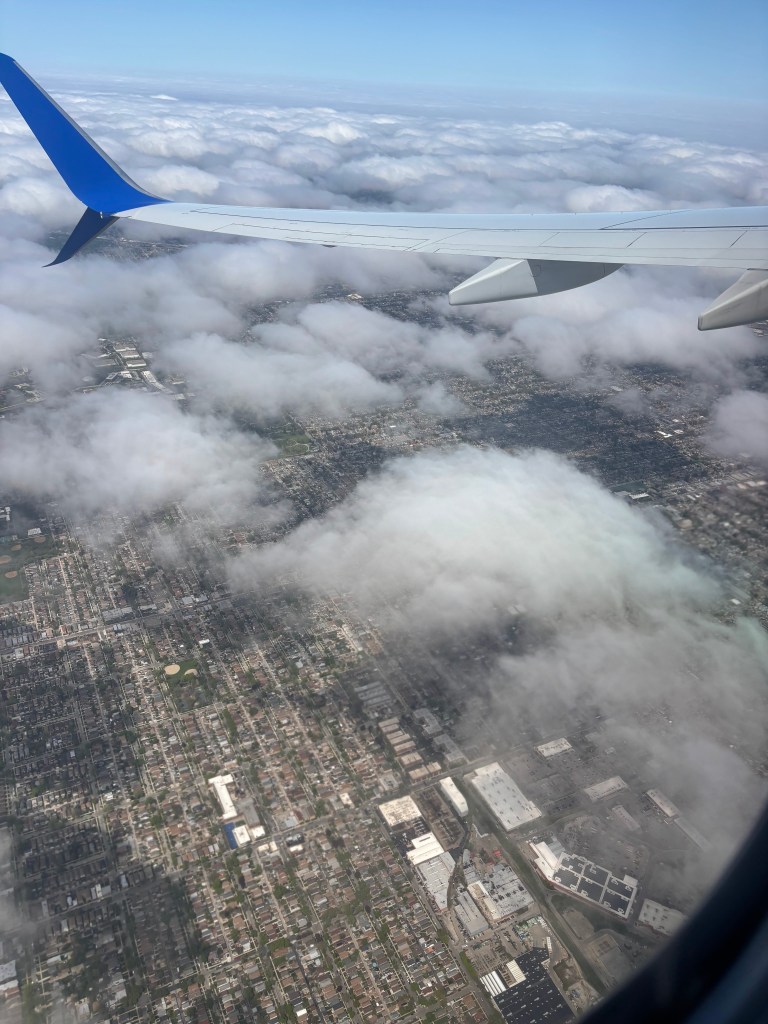
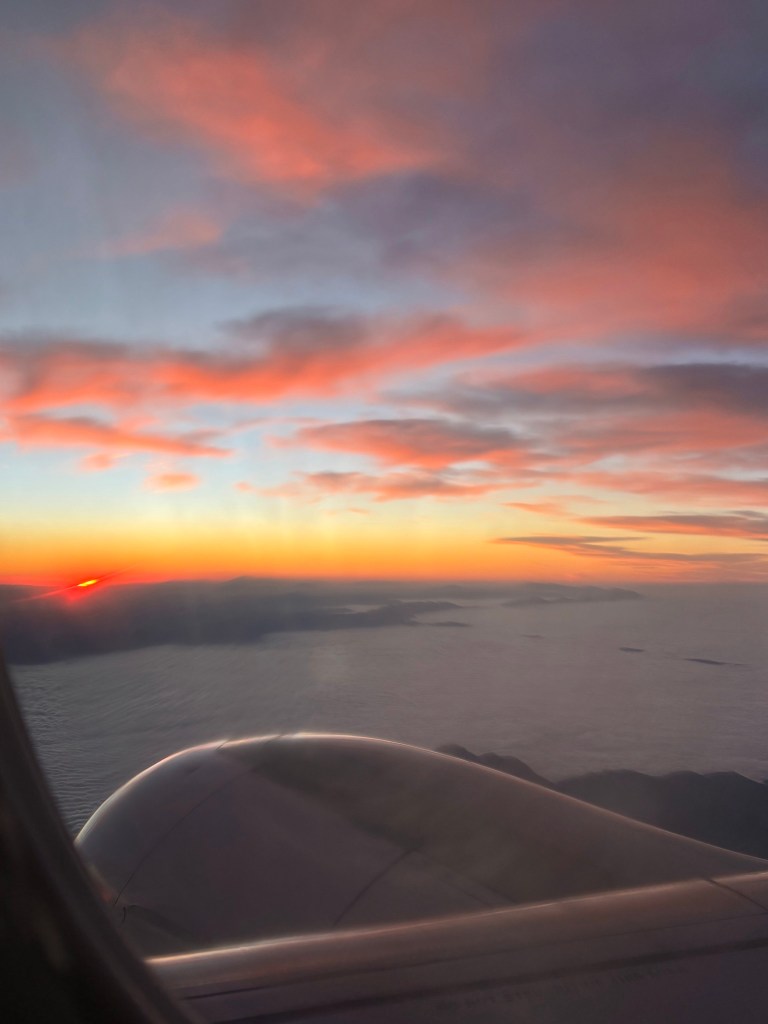

But nothing ever goes completely smoothly for me when travelling. I flew from Chicago to DC, which went fine, but my flight out of DC was delayed for about 2.5 hours due to weather. While a slightly later boarding and some time on the tarmac while all the runway workers had to go inside due to inclement weather wasn’t too impactful on a 15-hour flight, my layover in Cape Town was only 2 hours. The last plane of the day (and in fact last plane until that time the next day) had departed before I arrived.
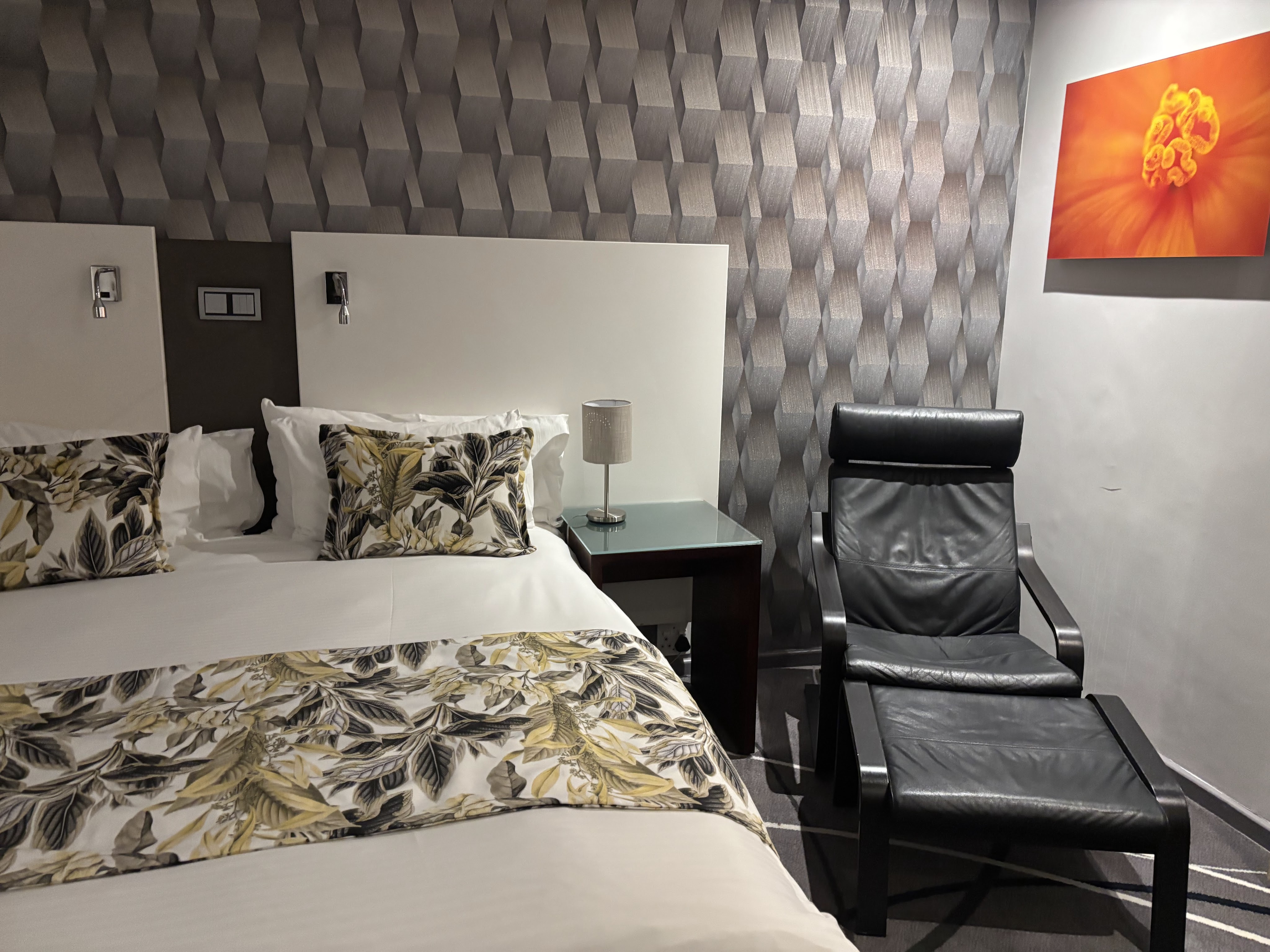
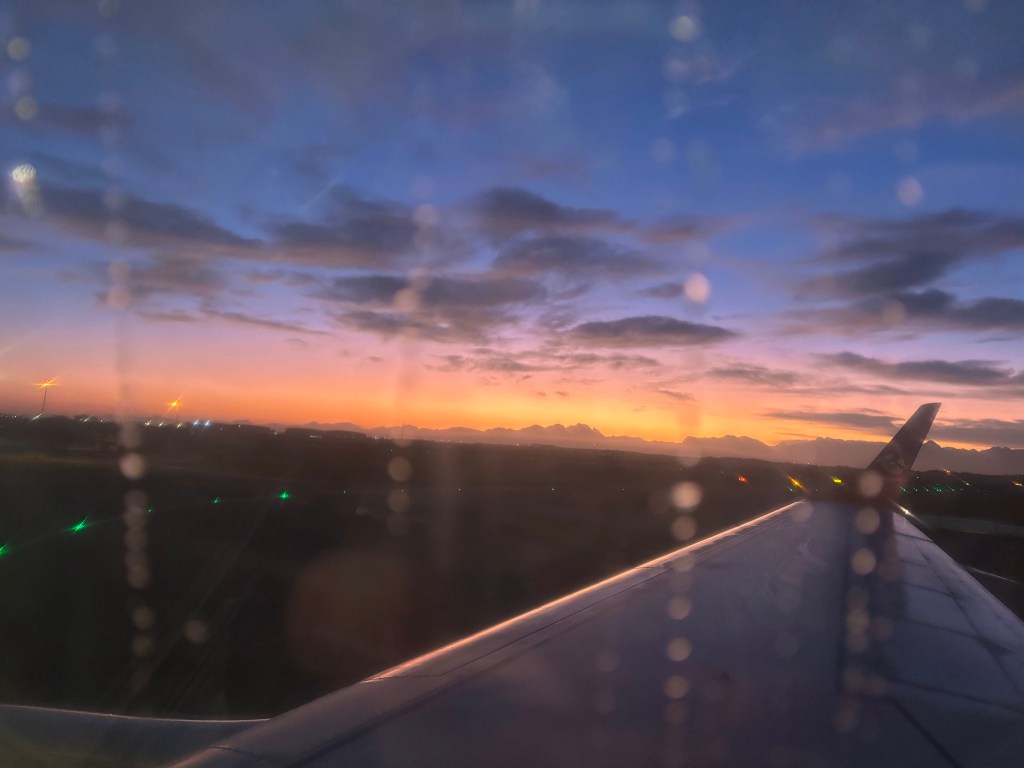
I ended up getting a hotel room comped by the airline. They automatically rebooked me for the flight the next evening, but I was supposed to be in the Port Elizabeth/Gqeberha airport to meet with the rest of the group by 12 PM the next day. So instead, I asked them to rebook me on a flight to Johannesburg so that I could catch the Johannesburg-PE/GQ flight that my colleagues would be on. I got up bright and early (I’m talking before 4 AM so I could catch a 4 AM ride to the airport), arrived in Johannesburg before 9 AM, and was on the 10 AM flight to Gqeberha with my colleagues.
Port Elizabeth/Gqeberha
The name change from Port Elizabeth, a colonial name referencing the wife of the 1820s Governor of the Cape Colony, only occurred in 2021, returning to a Xhosa name for a river that runs through the city. The city is often abbreviated as PE (Port Elizabeth) or GQ (Gqeberha). However, because this change is so recent, both names, as well as both abbreviations, are still colloquially and interchangeably used. Throughout my posts, you will hear me refer to the city primarily by its abbreviations.
PE/GQ is a port city in the Eastern Coast, one of the poorest areas in the entire country of South Africa. It is the most populous city in the province. It was mentioned by name more than once in Nelson Mandela’s memoir when recounting Apartheid freedom events. When discussing the trip with my mother, it was fairly easy to convince her to feel comfortable letting me attend because although South Africa as a whole has a reputation of being dangerous, with multiple cities ending up in the top most dangerous cities list, the two cities that I was planning on visiting had really good reputations for tourist safety. In fact, Port Elizabeth was considered a beach town, and many foreign people continue moving to Cape Town for its charm and cost of living.
(Interestingly, when I did my research in December, neither Cape Town nor Gqeberha were named on top-lists of cities, and indeed both came out as some of the safest cities in South Africa. When I did research in July for this post, both were listed in multiple “top-20 most dangerous cities” lists. Part of this discrepancy may be because in December, I did research specifically on the cities for visiting tourists, whereas the research in July was general, including lists of cities by homicide rates. Gender-Based Violence, or GBV, is a huge problem in South Africa and likely skews some of the results of the safest city lists. We heard a lot about domestic violence while talking to students on campus, and there were anti-GBV campaigns visible everywhere we went. In contrast, our hosts and professors ensured that we were staying in safe places, and we felt safe the entire time.)
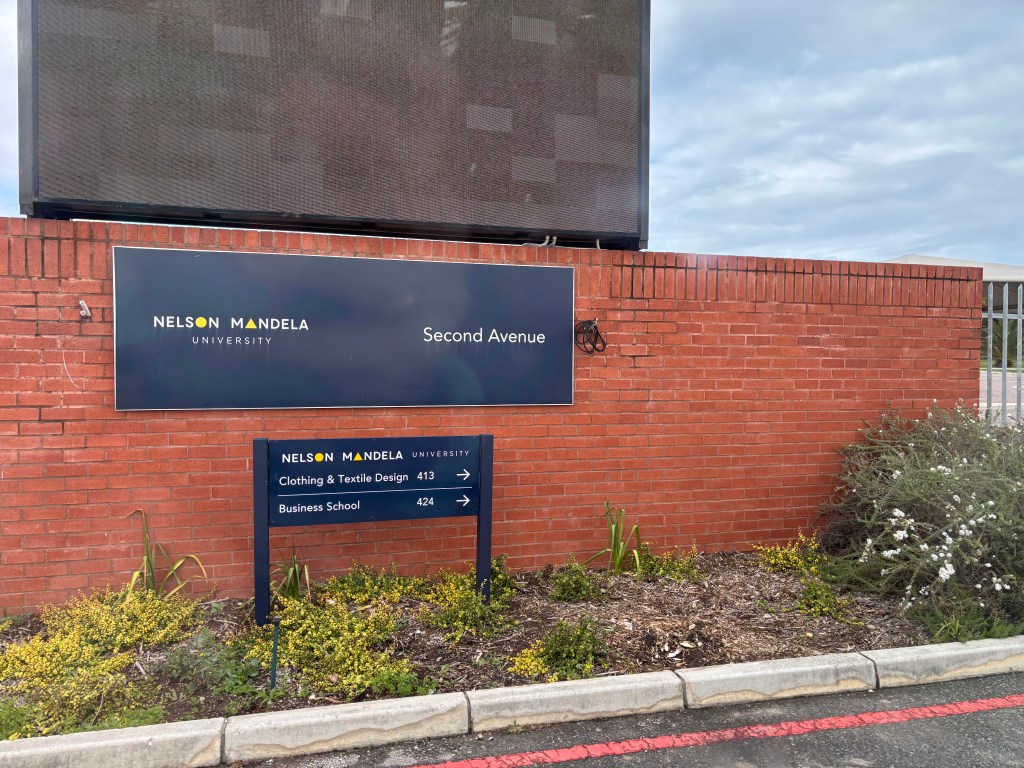
Nelson Mandela University, our host university in PE/GQ, is the only university allowed to use Nelson Mandela’s name. It is a relatively new university, growing out of a merger between 3 universities in the 21st century as part of a nationwide restructuring of public universities. However, despite the fact that the university merger occurred in 2005, the institution went through a second name change in 2017, finally ending up with its current name.
Many of the staff members we collaborated with had been members of the university since before the merger, and they’ve been able to see the changes, improvements, and complications that have progressed over time. Some of those complications include the lack of a strong alumni identity, due to the relative recency of the school’s identity, and the fact that mergers caused a loss of institutional knowledge and capable staff, since often overlapping roles at universities were consolidated into one position, with three or more capable current employees having to vie for the single open position. Those bureaucratic complications, coupled with the general struggles with poverty and unemployment and the various nationwide higher education changes, the staff at NMD have much to content with when serving students.
Still, this NMD/MSU partnership grew out of this time of transition and the desire to improve teaching and learning at NMD, and I think over the years, Dr. W has been able to see some of these improvements. The most heartening thing I heard over the trip was that, for the first time, Dr. W was seeing NMD students wear their NMD swag similar to how we at US institutions might wear our own college gear. NMD has been growing its identity and building a strong culture that students are proud to display on their clothing.

The First Day
We arrived in PE/GQ on Wednesday, May 7, right around 12 PM local time. We were greeted at the airport by Dr. Cheryl Foxcroft, a recently retired faculty member who previously collaborated with Dr. W. She still collaborates with NMD, working on a part-time basis in curriculum development. She helped us find our rental cars, and we looked forward to reconnecting with her later in our trip.
We originally rented two cars because we’d anticipated a larger group. While they ended up cancelling the second car for the Cape Town part of the trip, we kept both the car and the van for our time in GQ. We divided into the two cars for the ride to the B&B, though for most of the trip, we ended up all just riding in the van because without the two students who had dropped out, we had a comfortable amount of space.
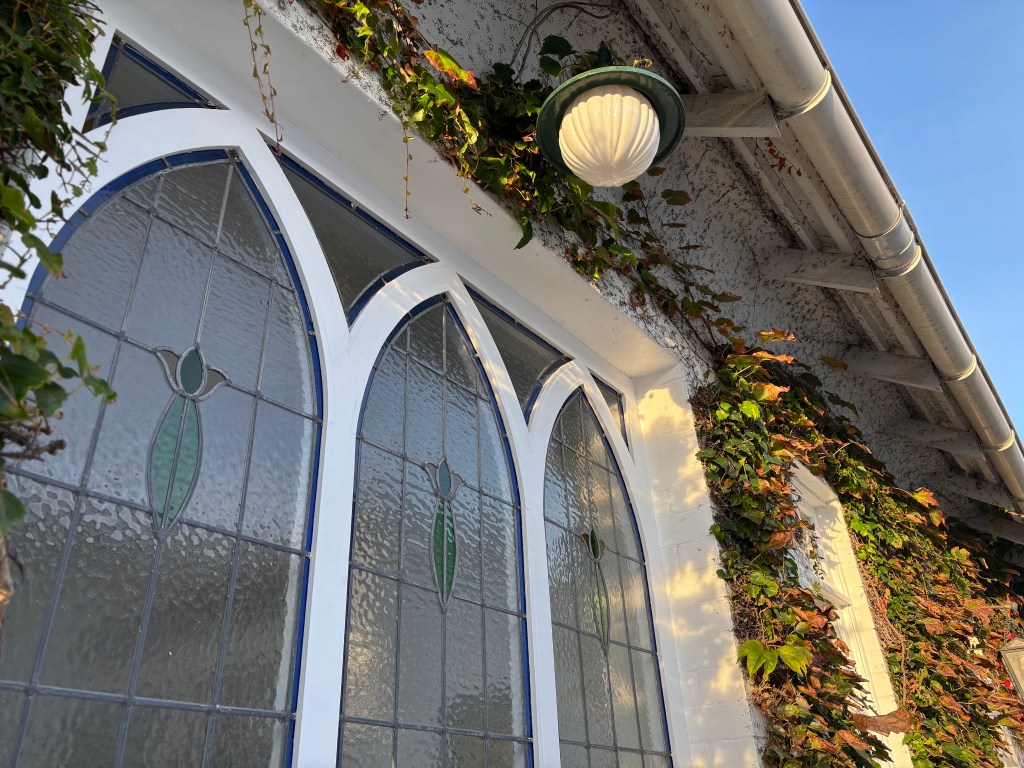
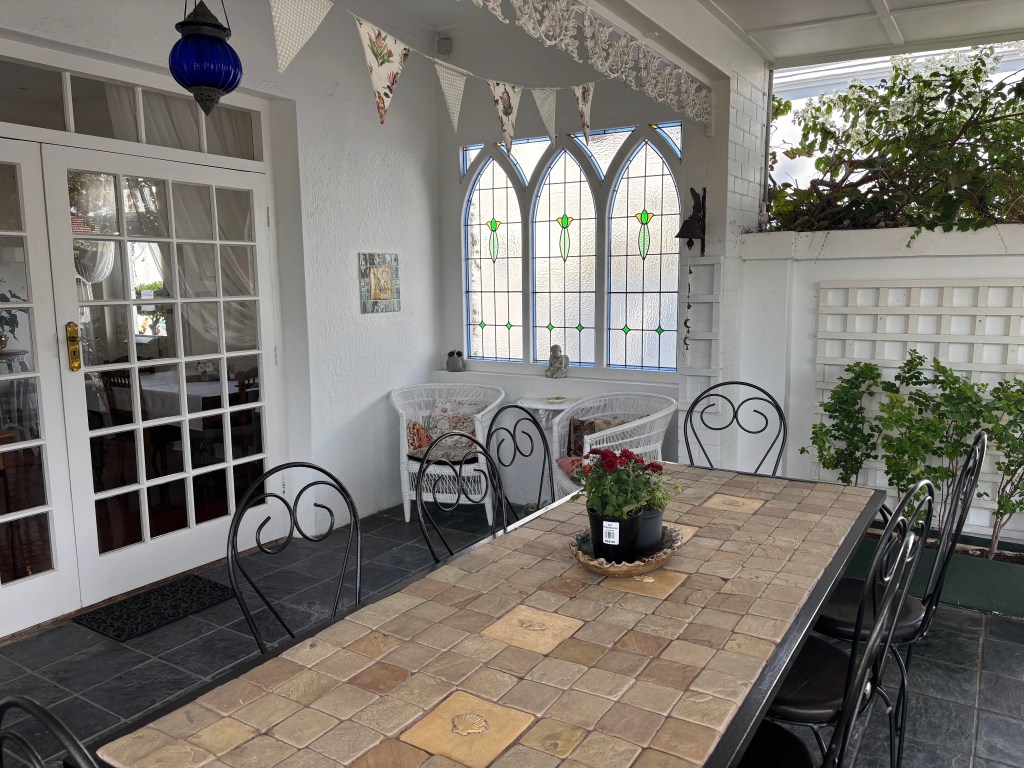
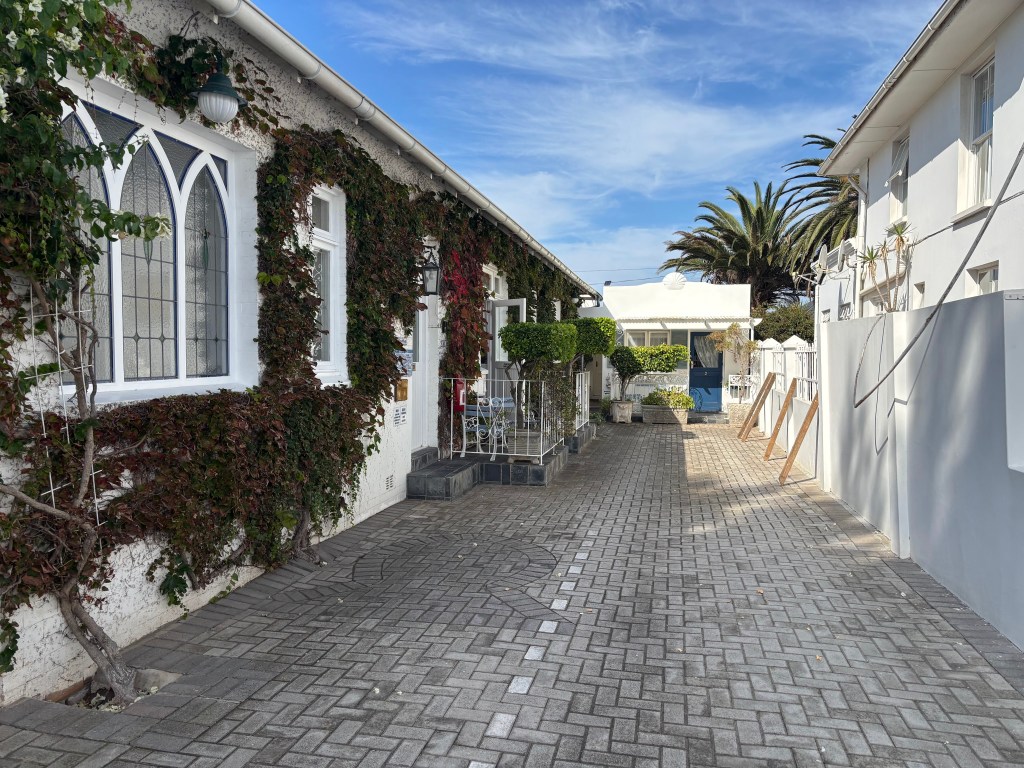
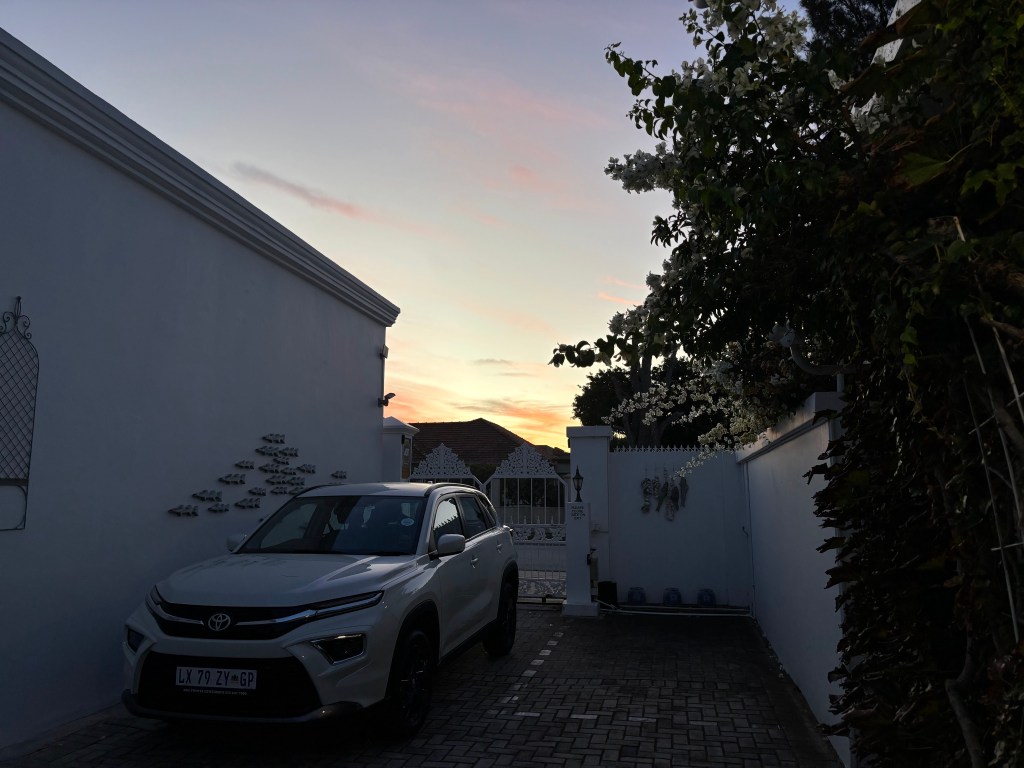
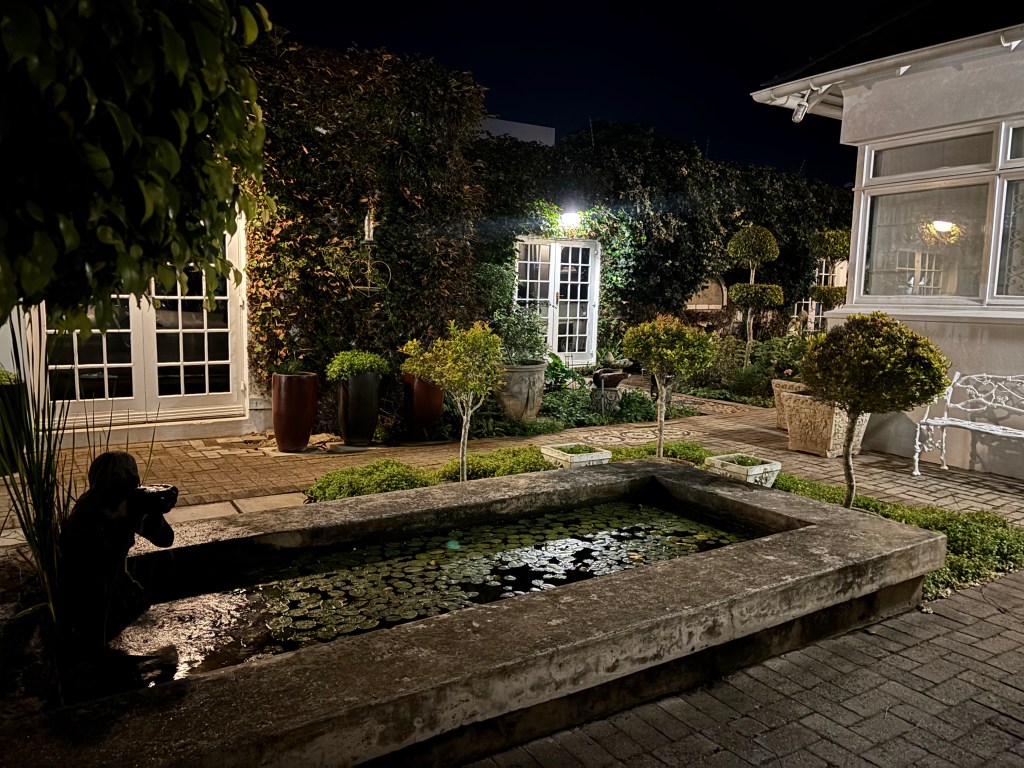
We arrived at our B&B, Le Fishermans B&B, in the early afternoon. We met our hosts, Bev and George, and their housekeeper, Caroline. They were some of the most hospitable people I’ve ever met, and we were blessed to stay with them during our entire time in PE/GQ. We dropped our luggage, had a few minutes to freshen up, and then turned around pretty quickly so that we could get to NMD’s campus for our first activity.
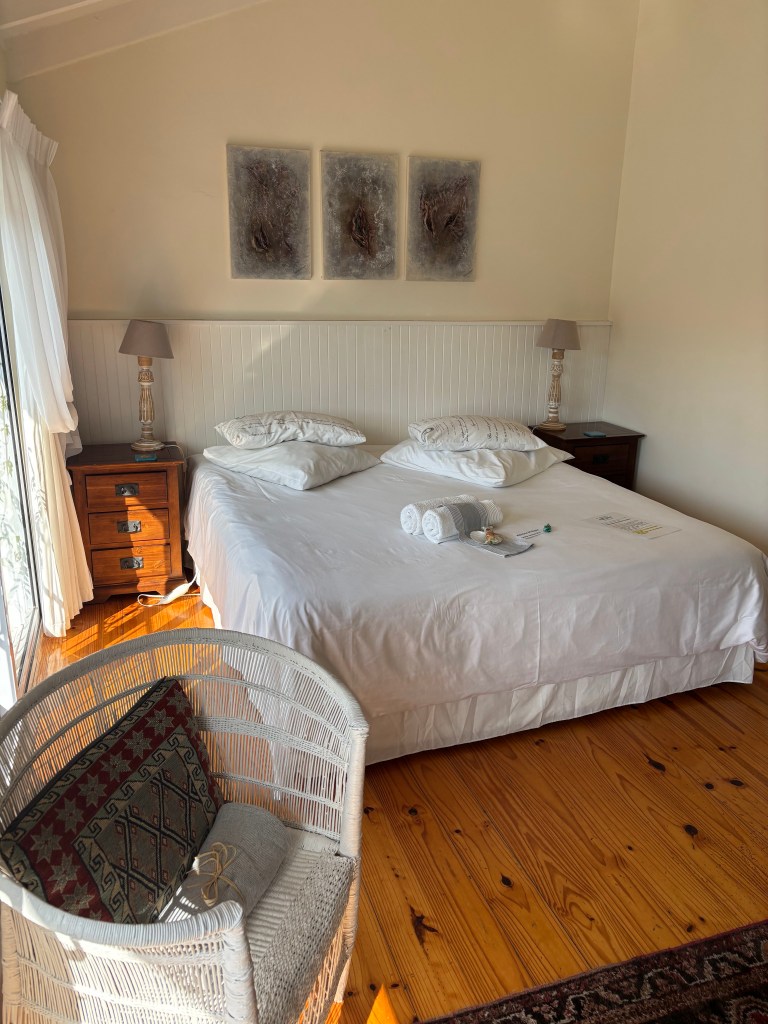
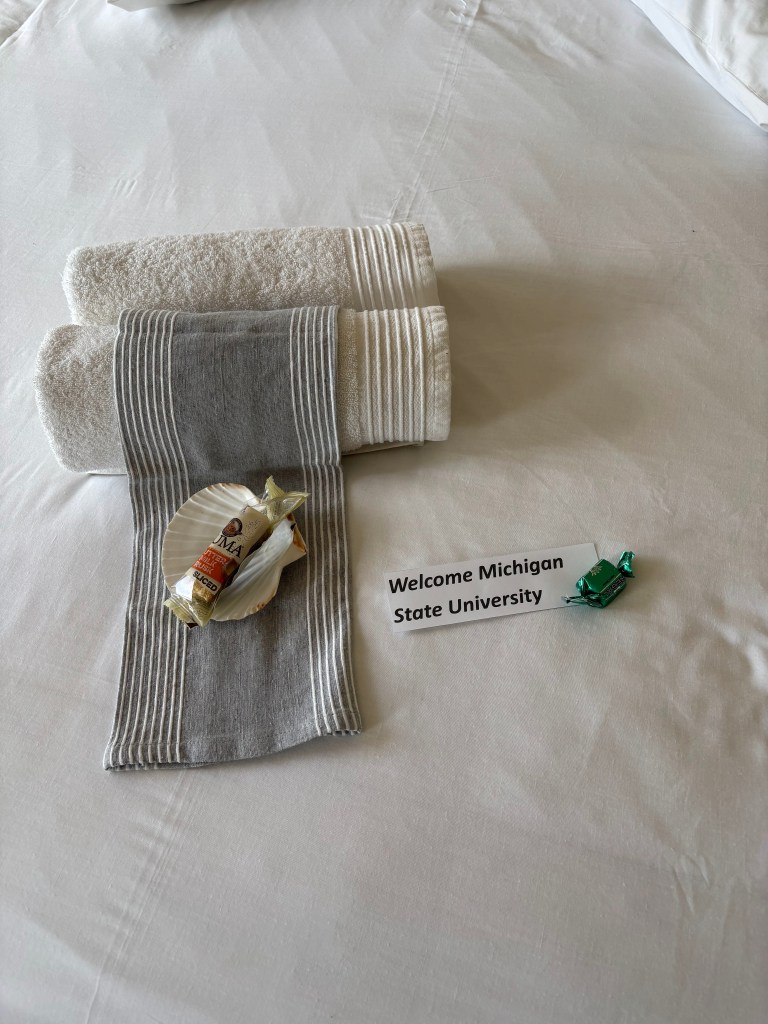

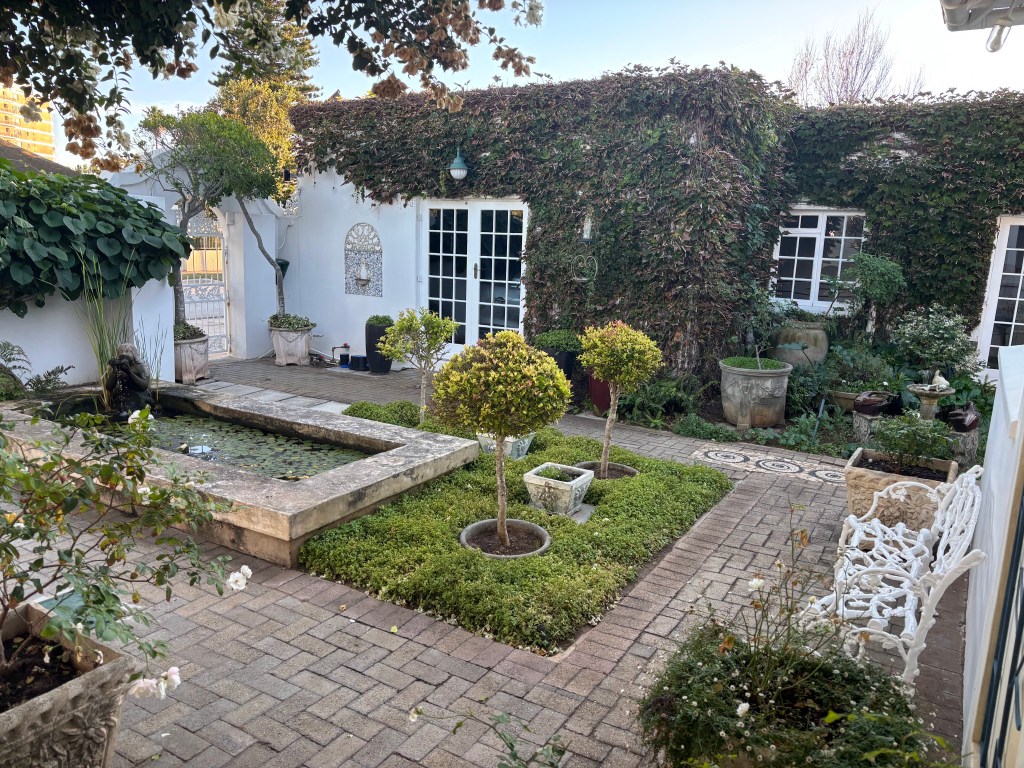
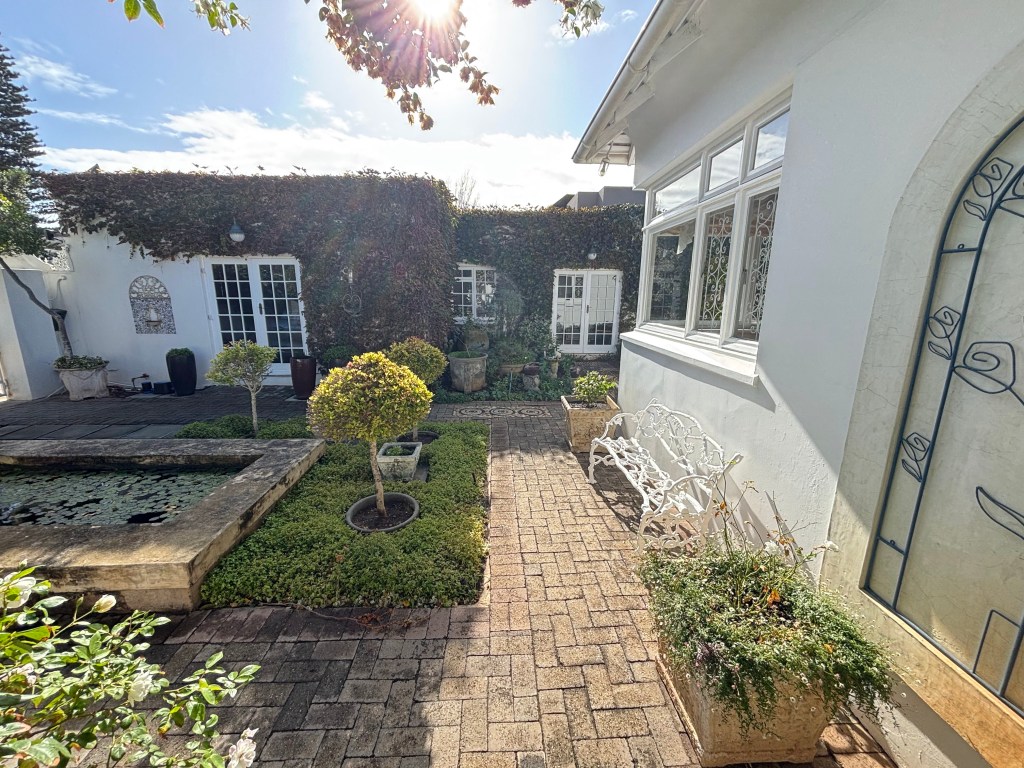
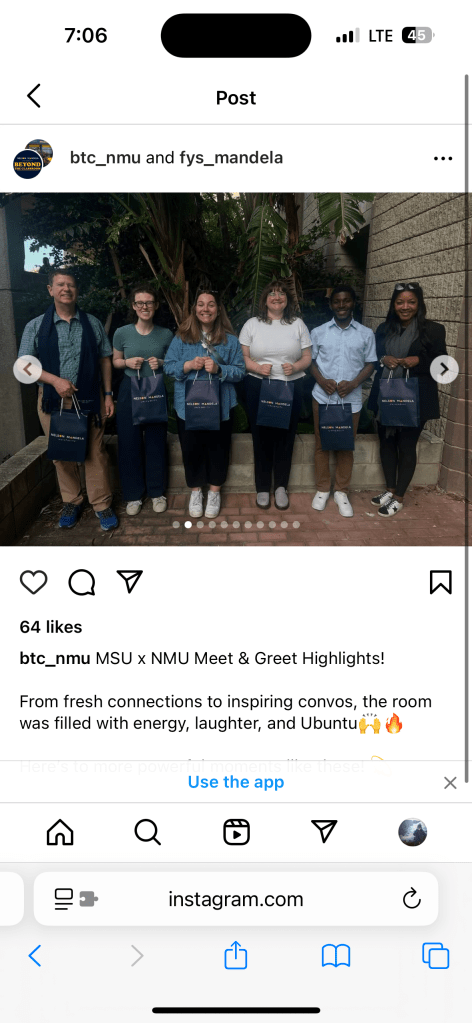
Our first event was getting to know student leaders at NMD, including some students we had been communicating with in the lead-up to our departure. We did get-to-know-you activities, and exchanged some gifts.
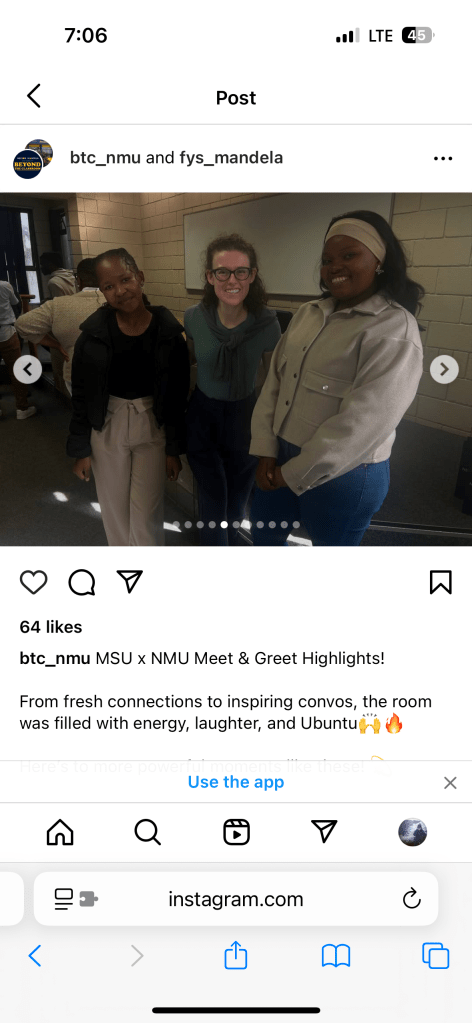
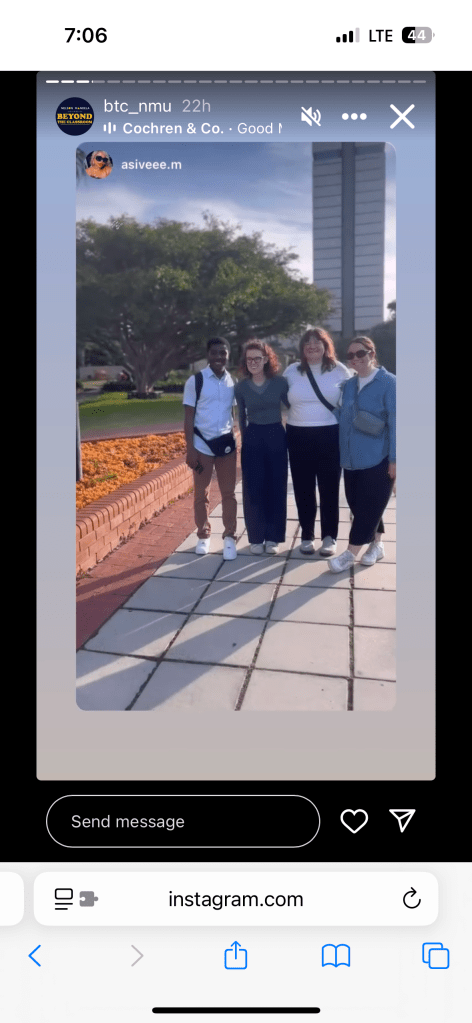

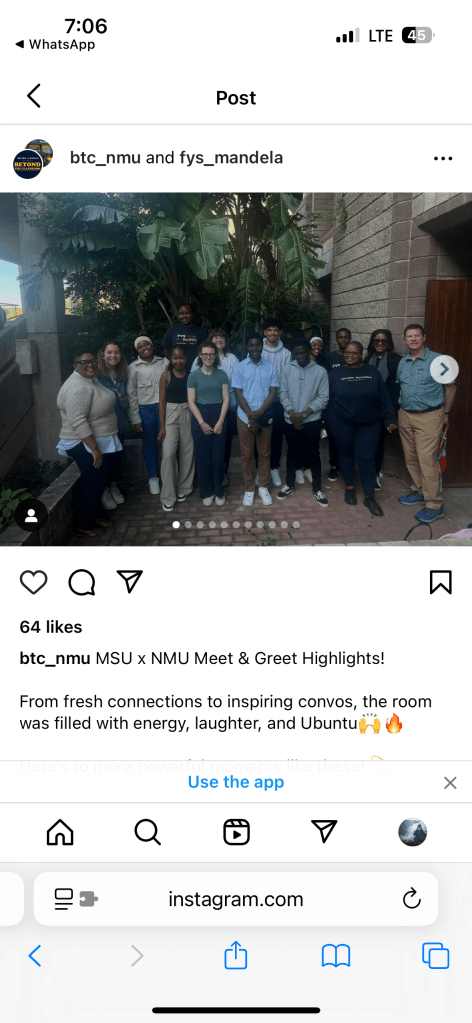
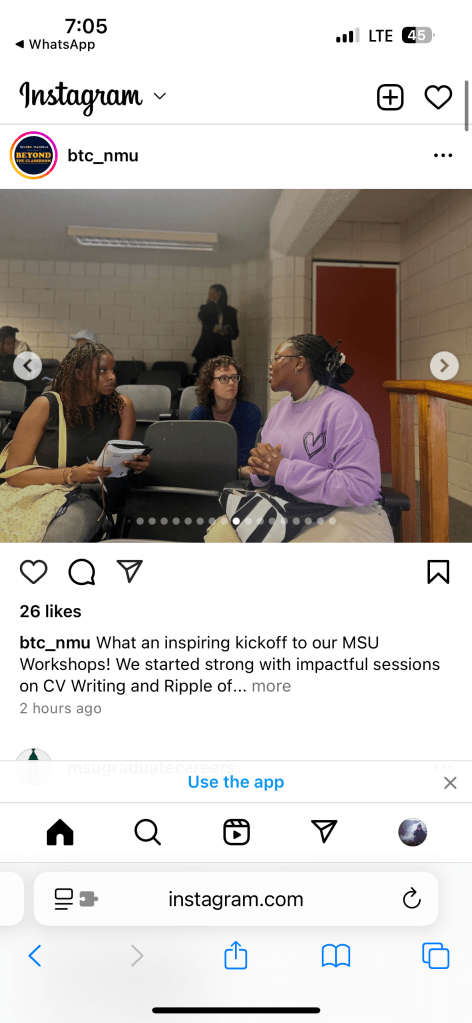


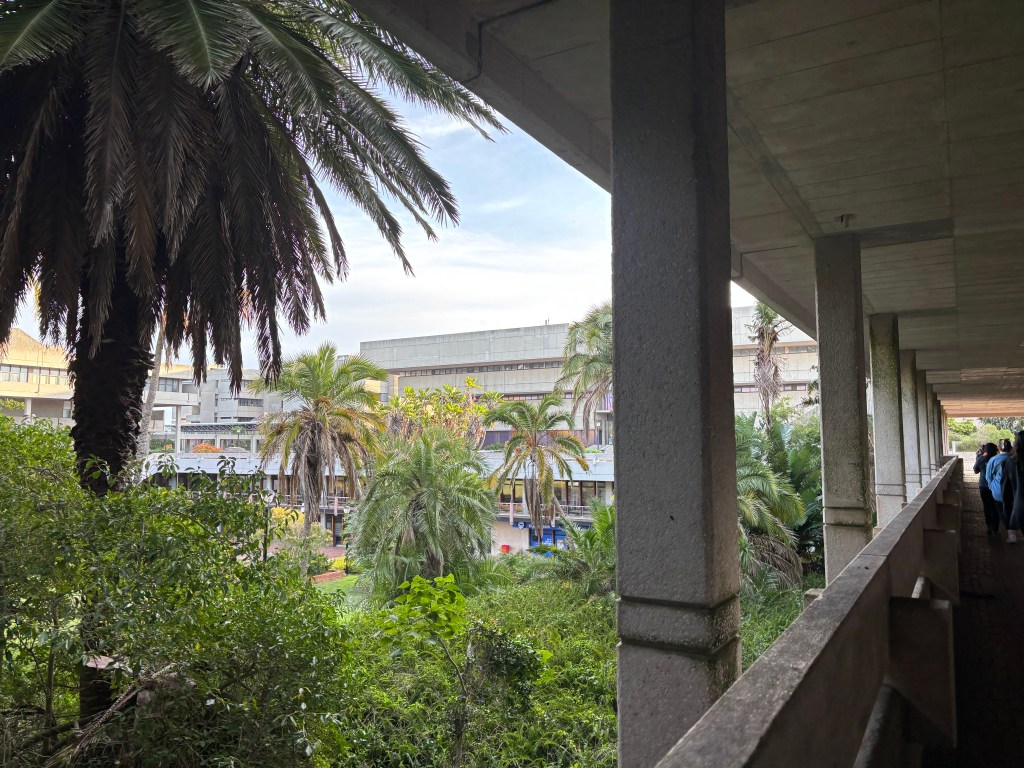
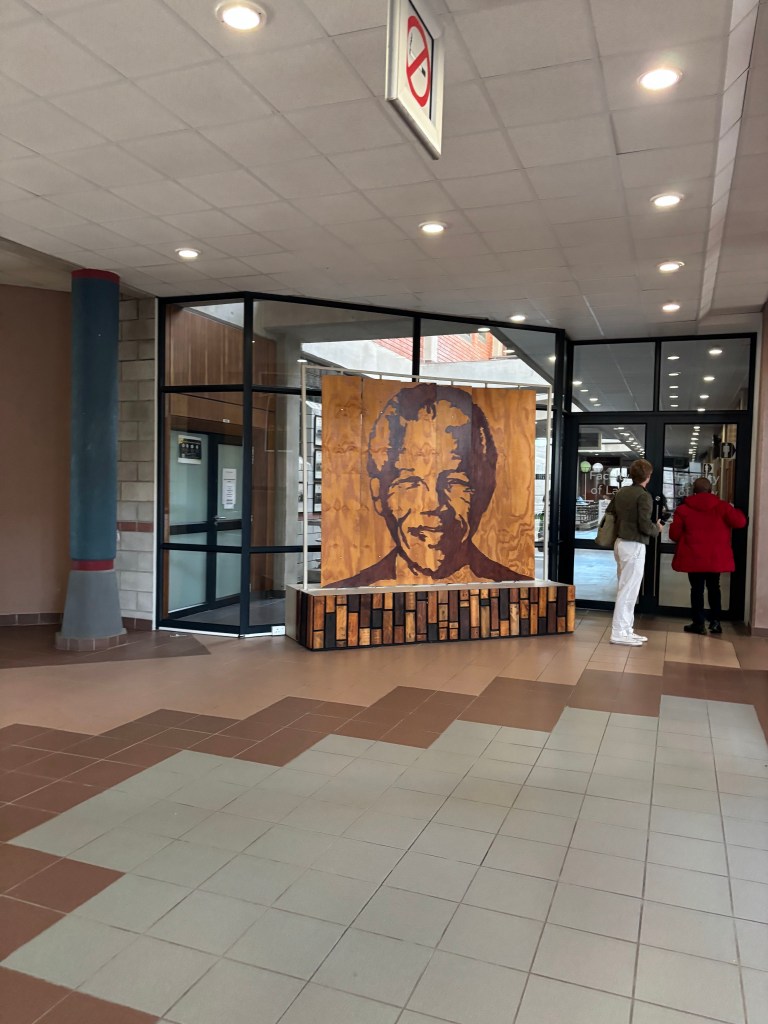
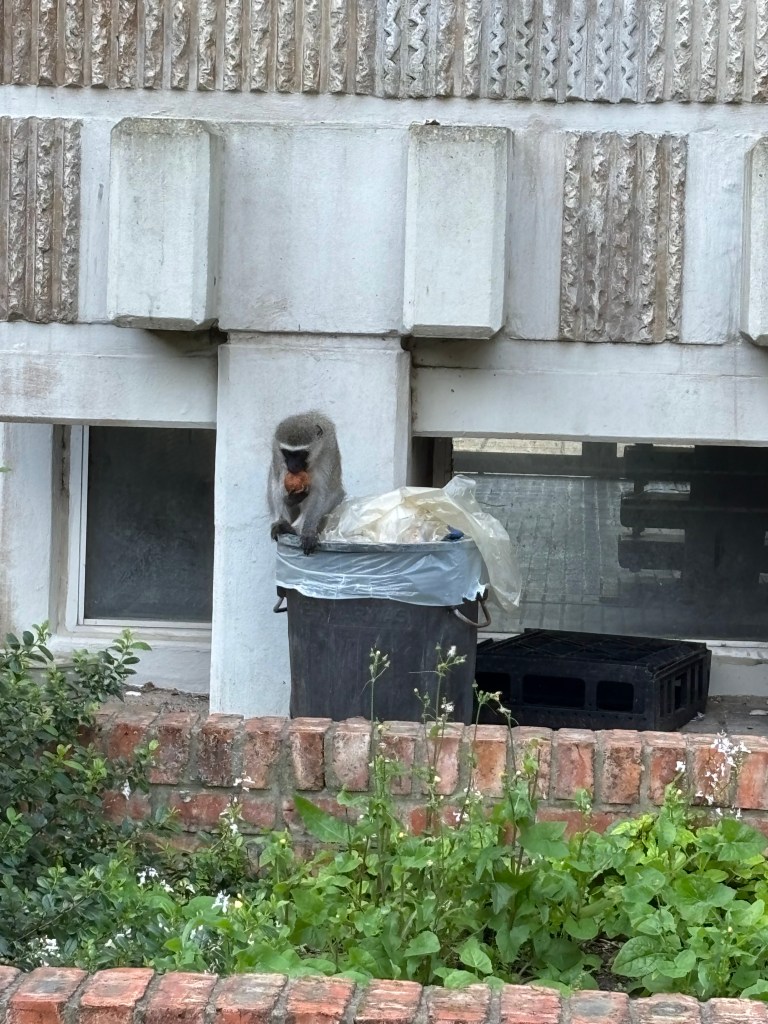
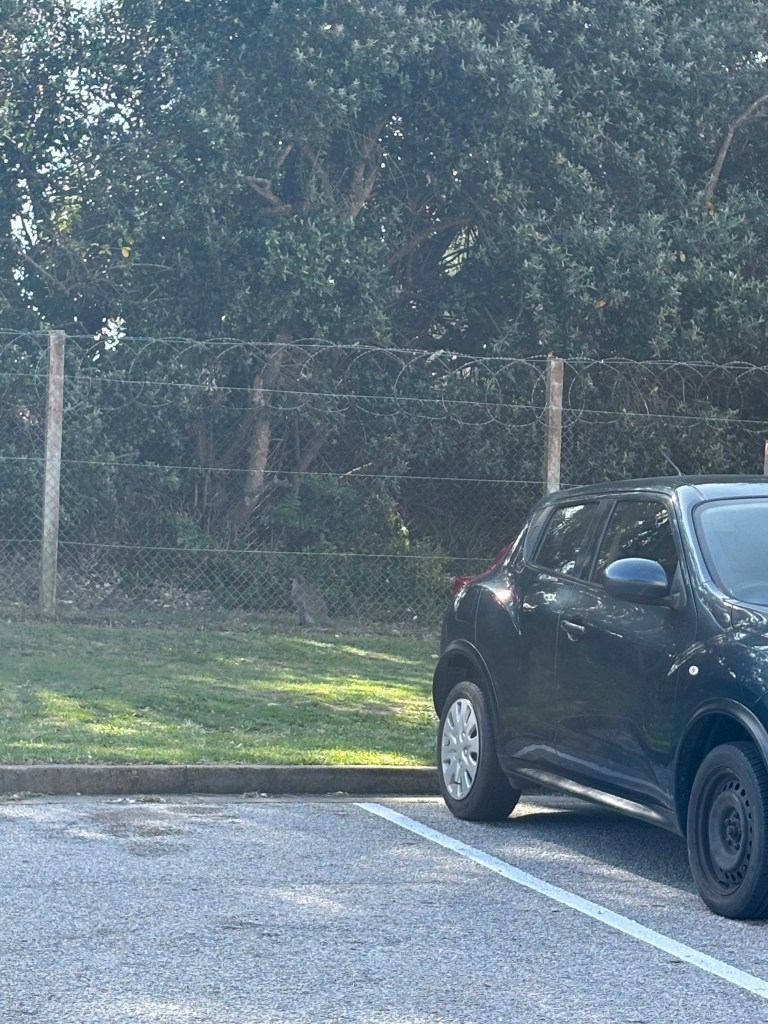
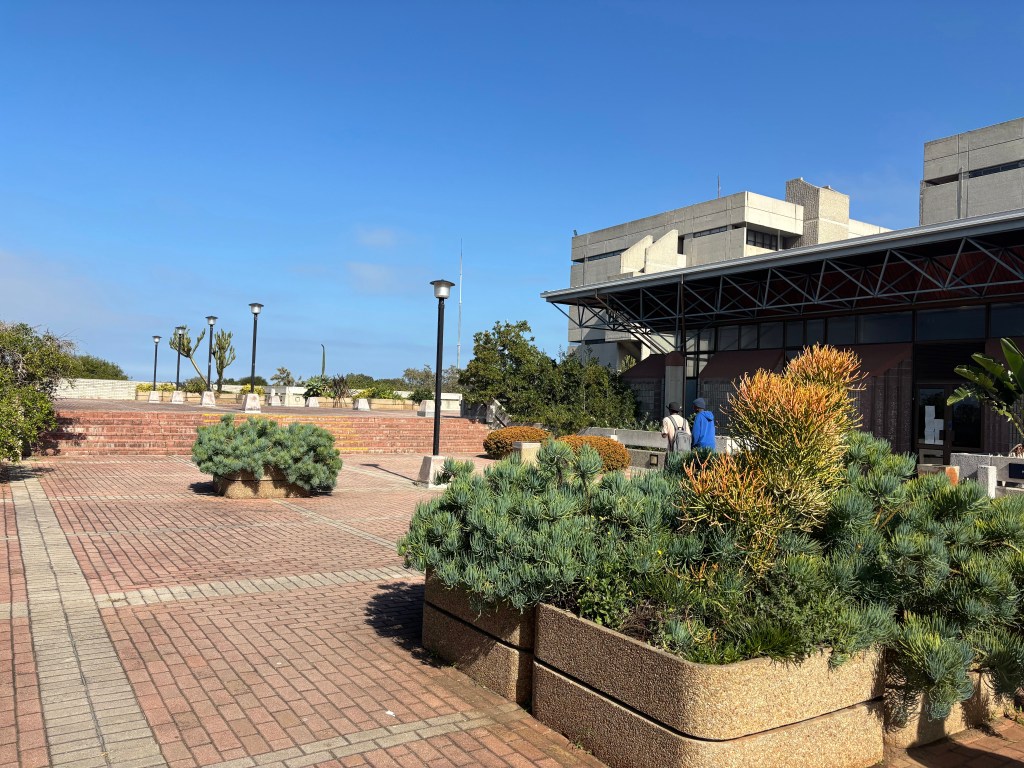
Then some of the students led us on a tour of campus. We caught sight of monkeys, walked through the library, visited the podcast studio, and learned about the transportation options to and from campus for students.

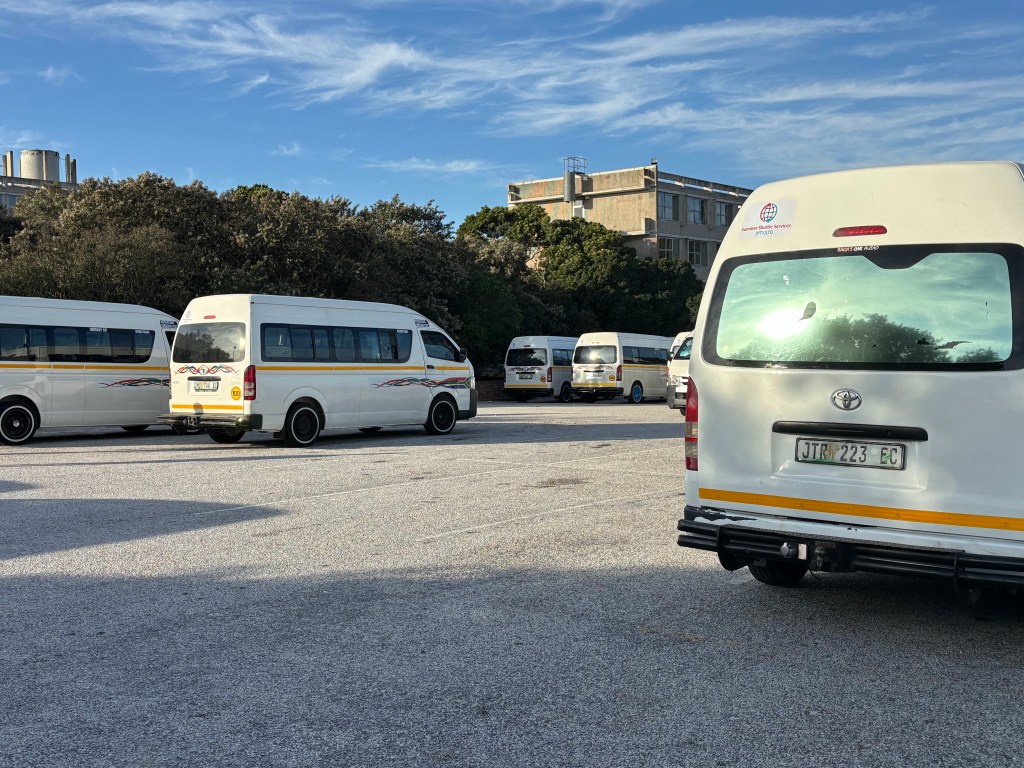

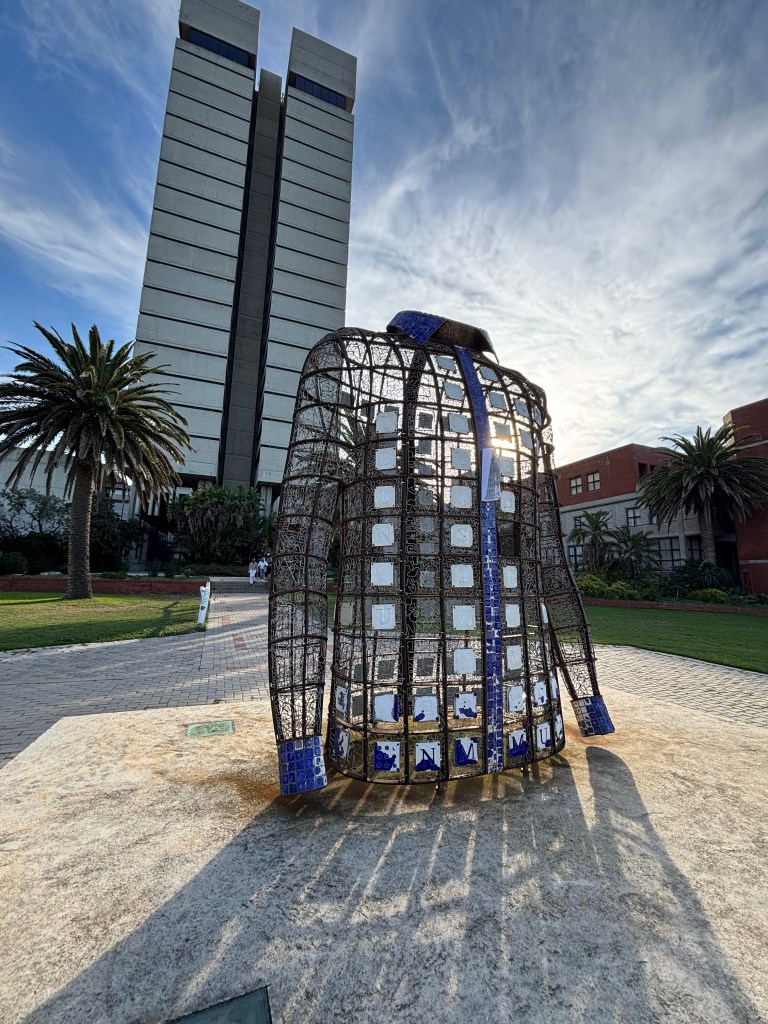
After our tour, we returned to our B&B to unpack. Dr. W took us to the mall to get cash out of a cash station and grab some dinner. Then we turned in for an early night, ready for the rest of the first week.
The First Week
Since we’d arrived on a Wednesday, we had two days of work at NMD before our first weekend. Those two days were filled with the first of our workshops. On day one, we all participated in a staff-focused workshop where we discussed the results of previous data collection Dr. W had done on previous trips and the NMD student affairs staff members shared insights into the struggles they and their students faced. This was part of a 3-part student affairs workshop that was spaced over the course of our time there and led by Taylor and Dr. W.
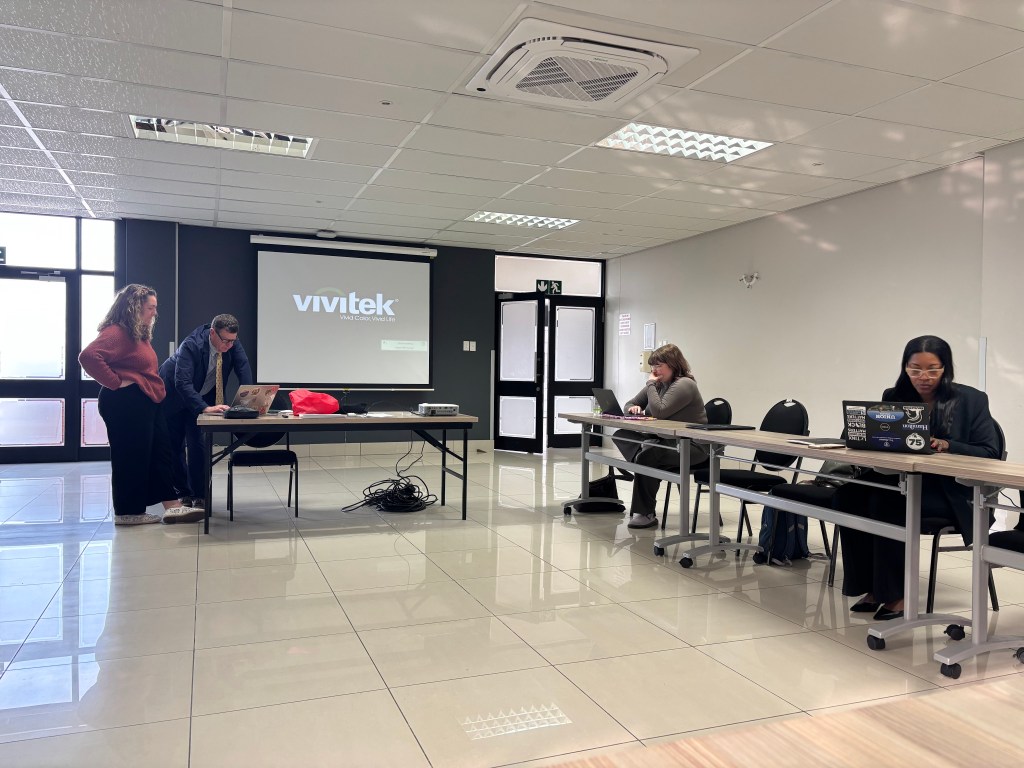
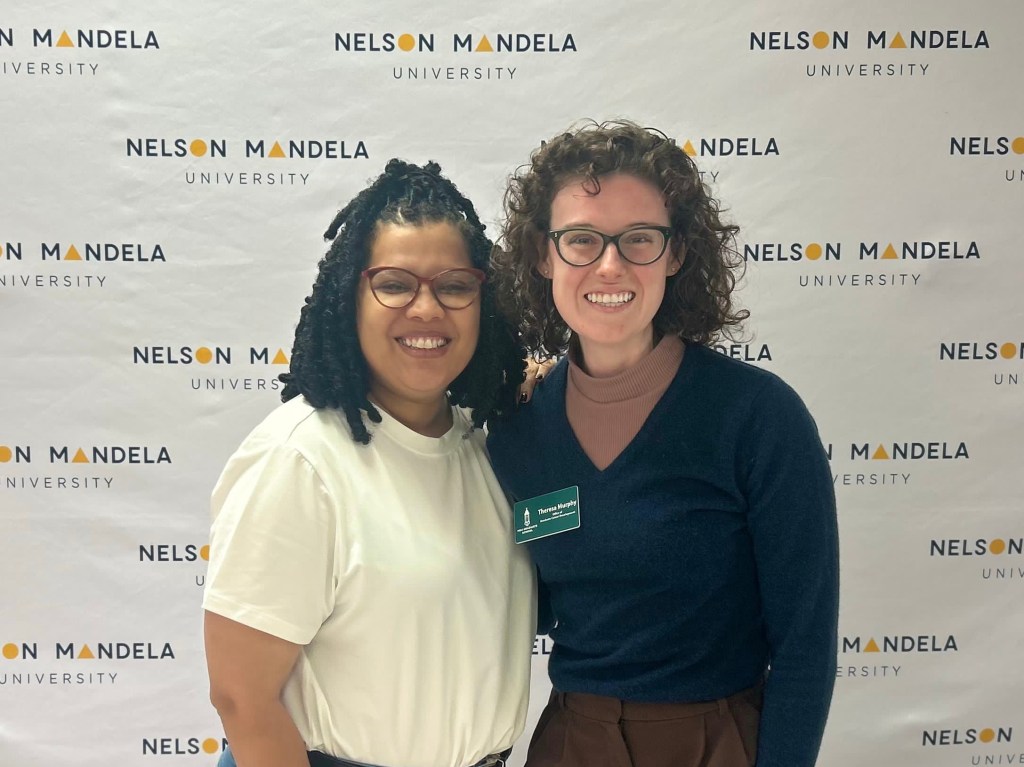
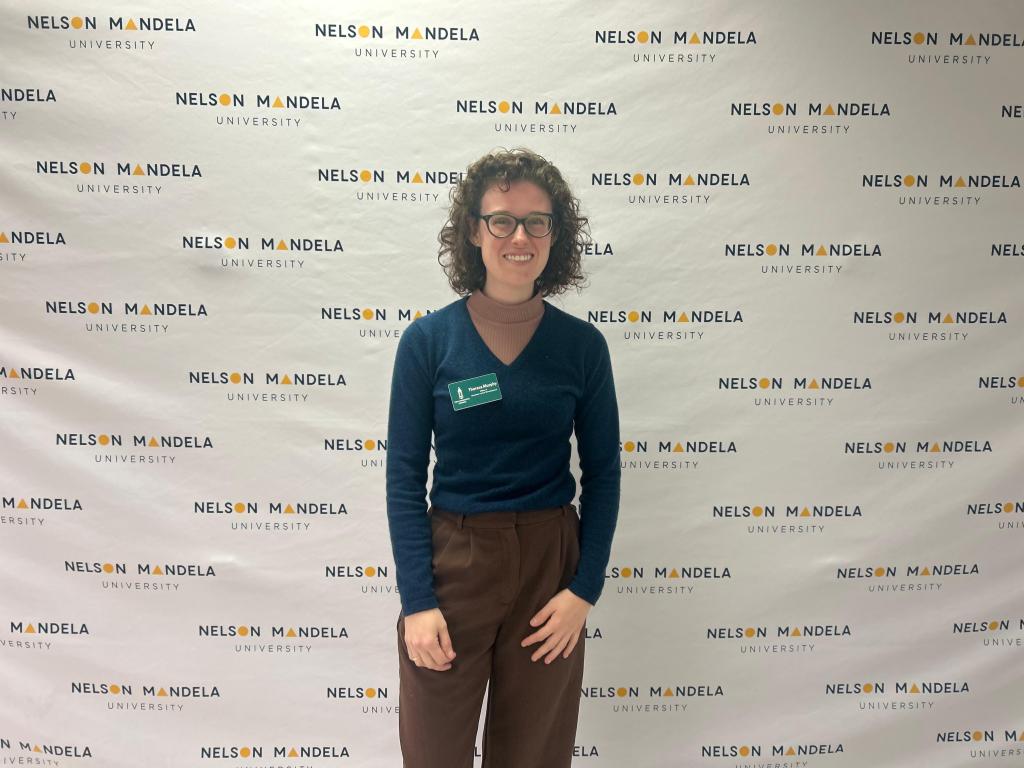
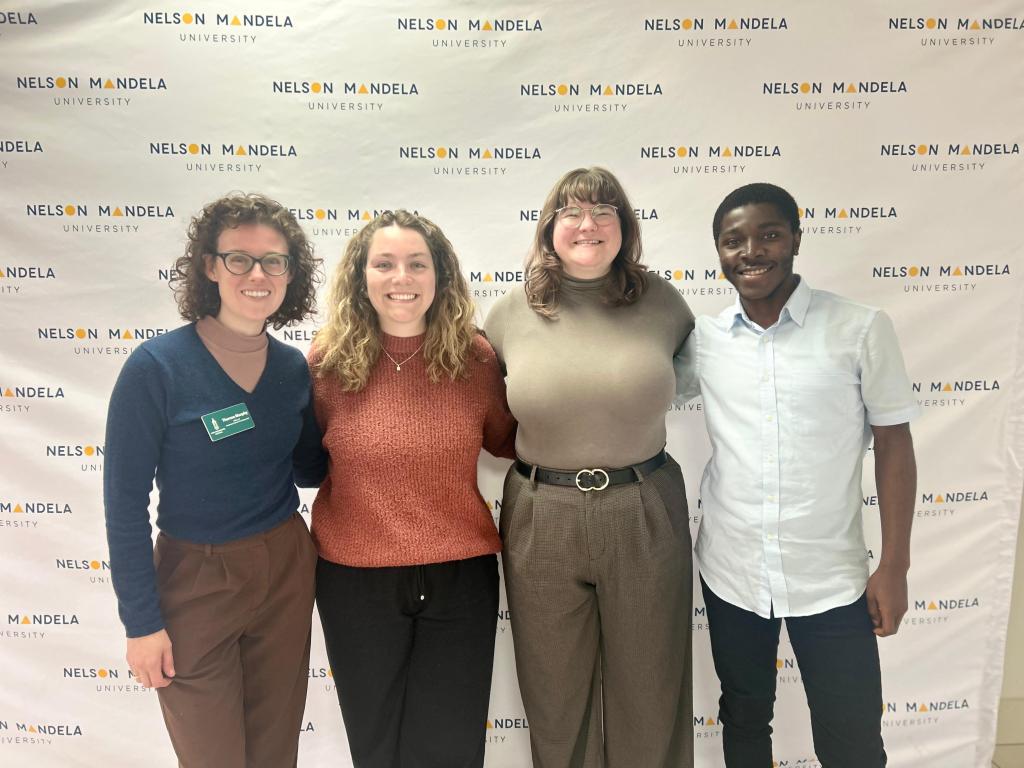
We had lunch (every meal provided by NMD was wonderful), then began our afternoon student workshops. Laurel and I presented on mental health, focusing on providing students with tools to develop emotional intelligence and navigate relationships.
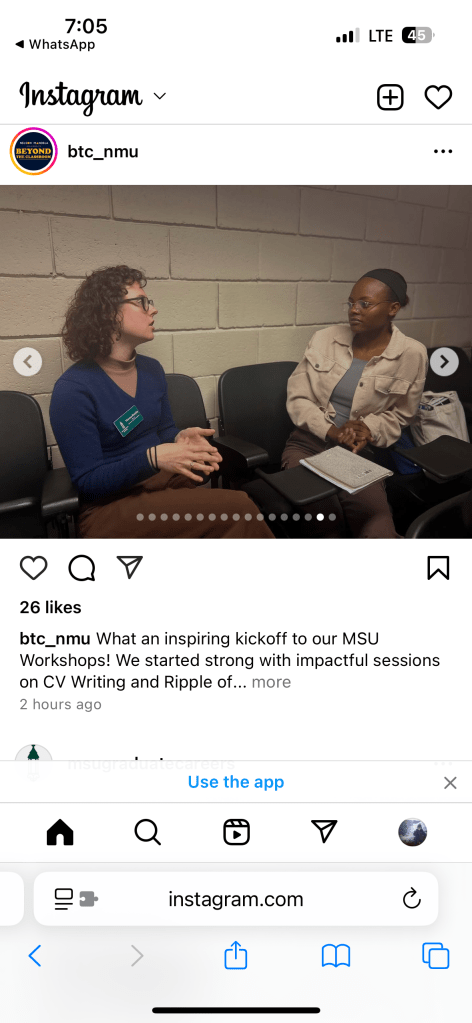
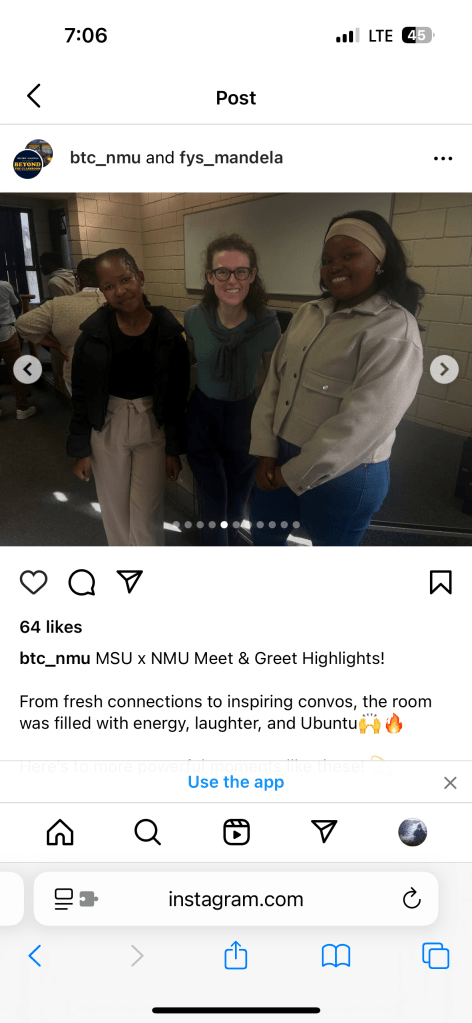
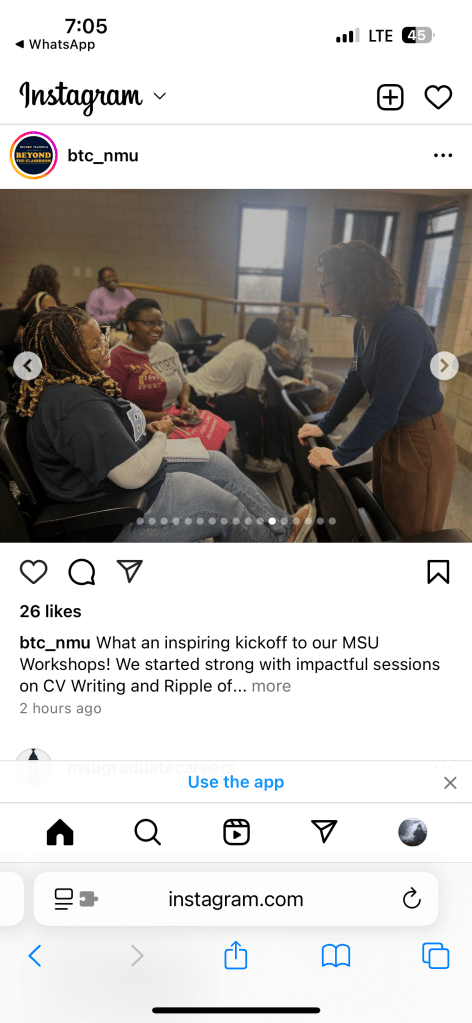
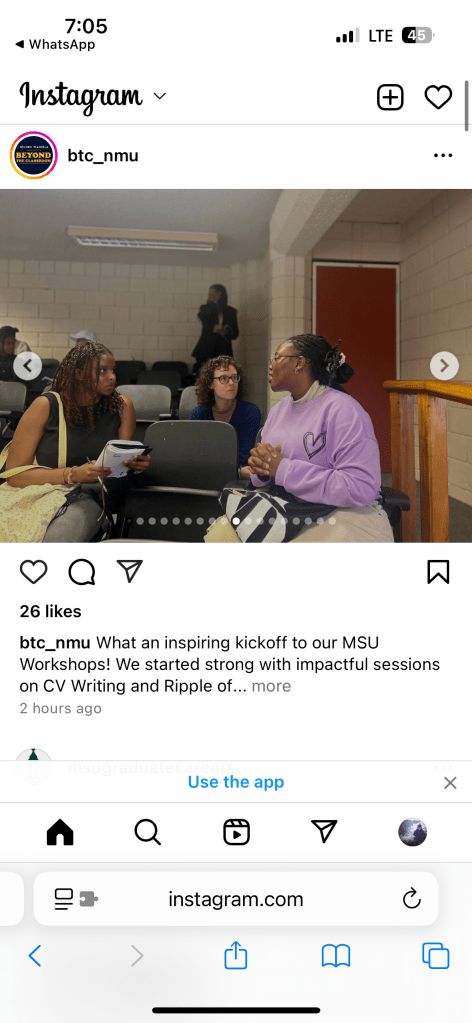
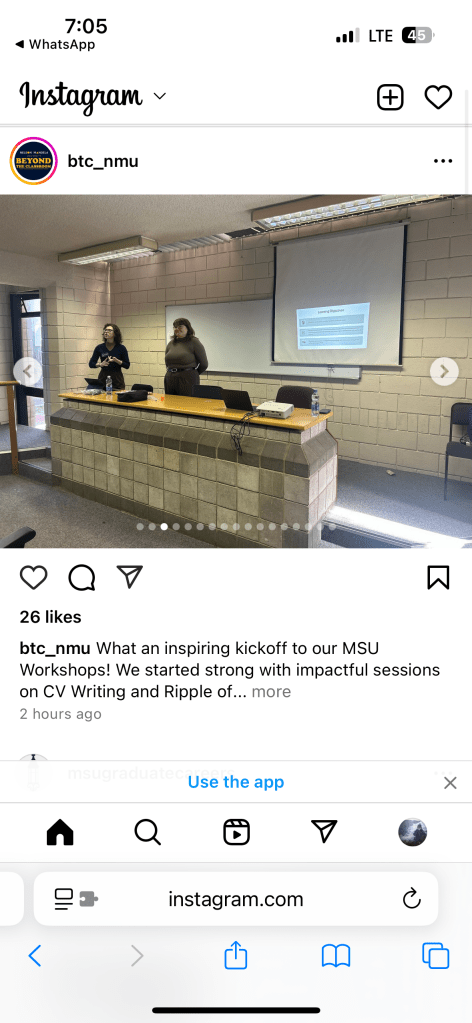
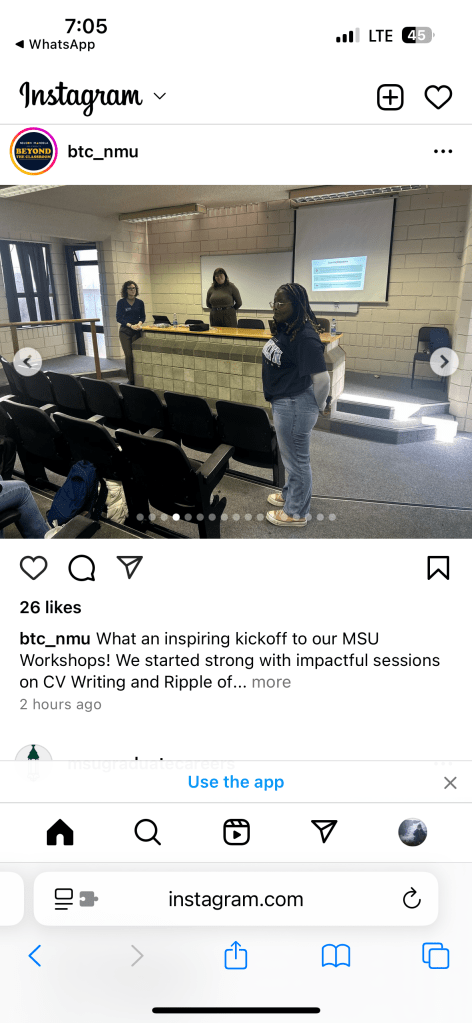
Dr. W and some of our NMD hosts had set up one-on-one meetings for us with NMD staff whose roles aligned with our interests. After our workshop, I had the opportunity to meet with a staff member who currently works in teaching development, learning more about how NMD supports their faculty in becoming better teachers.
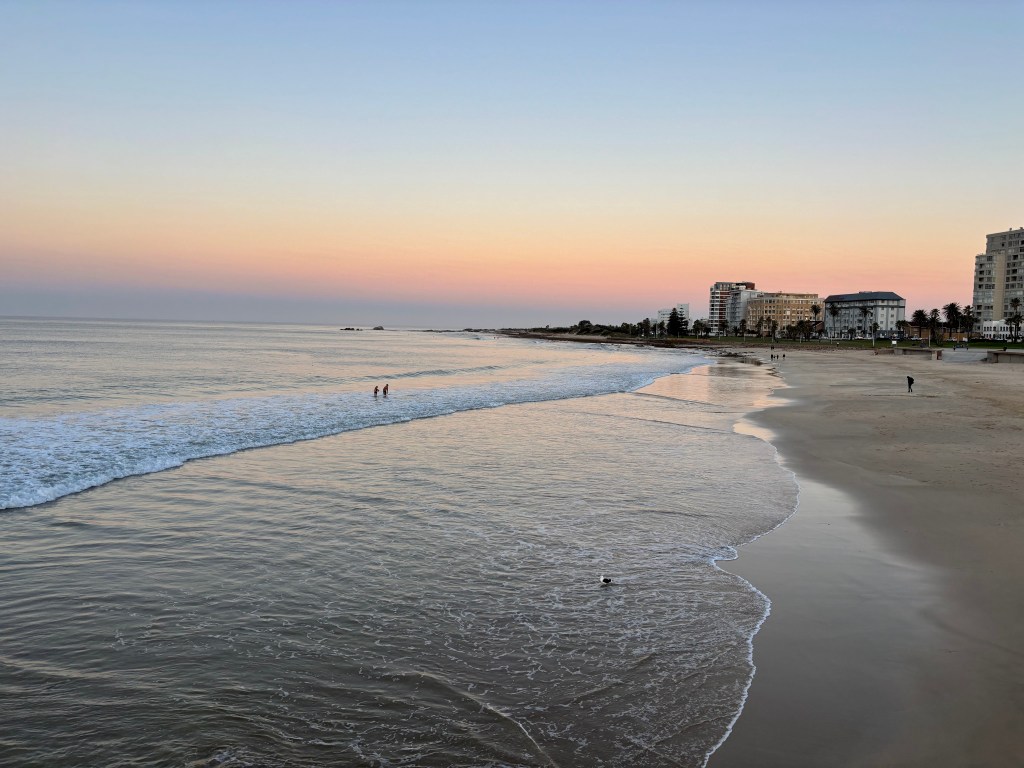
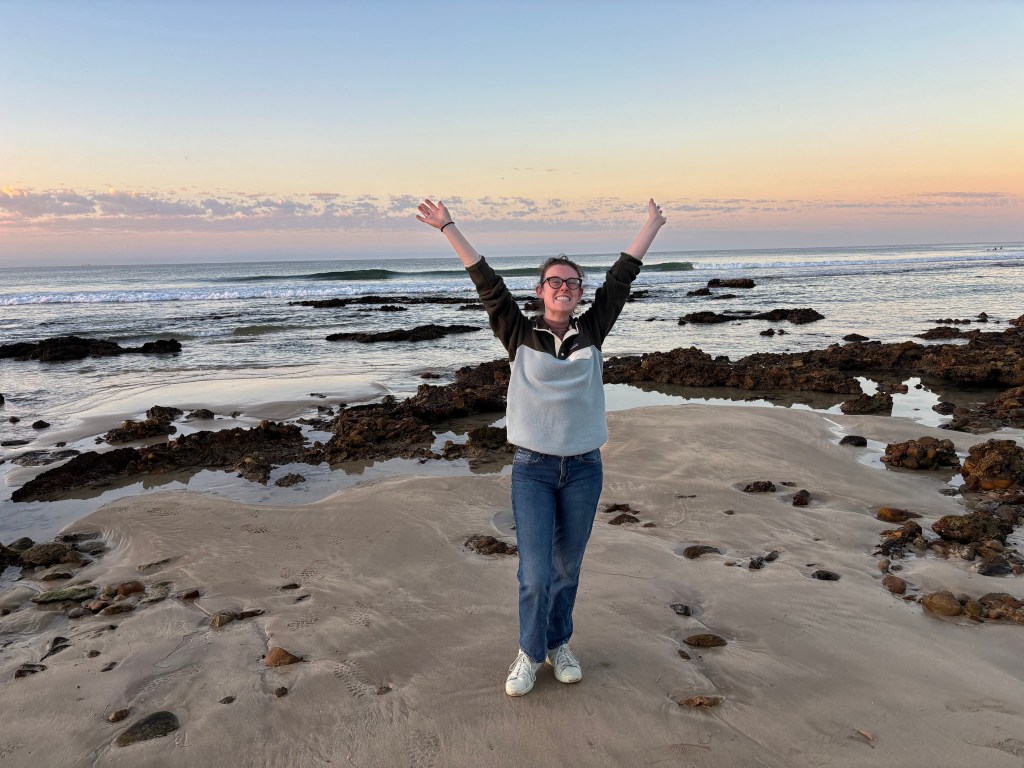
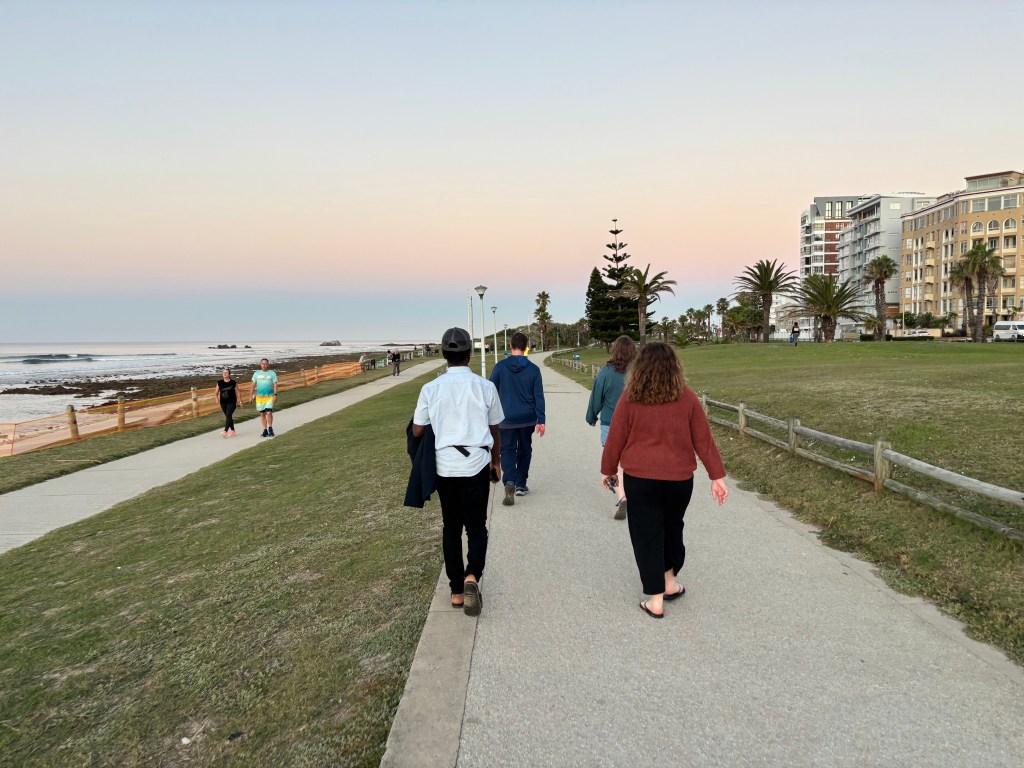
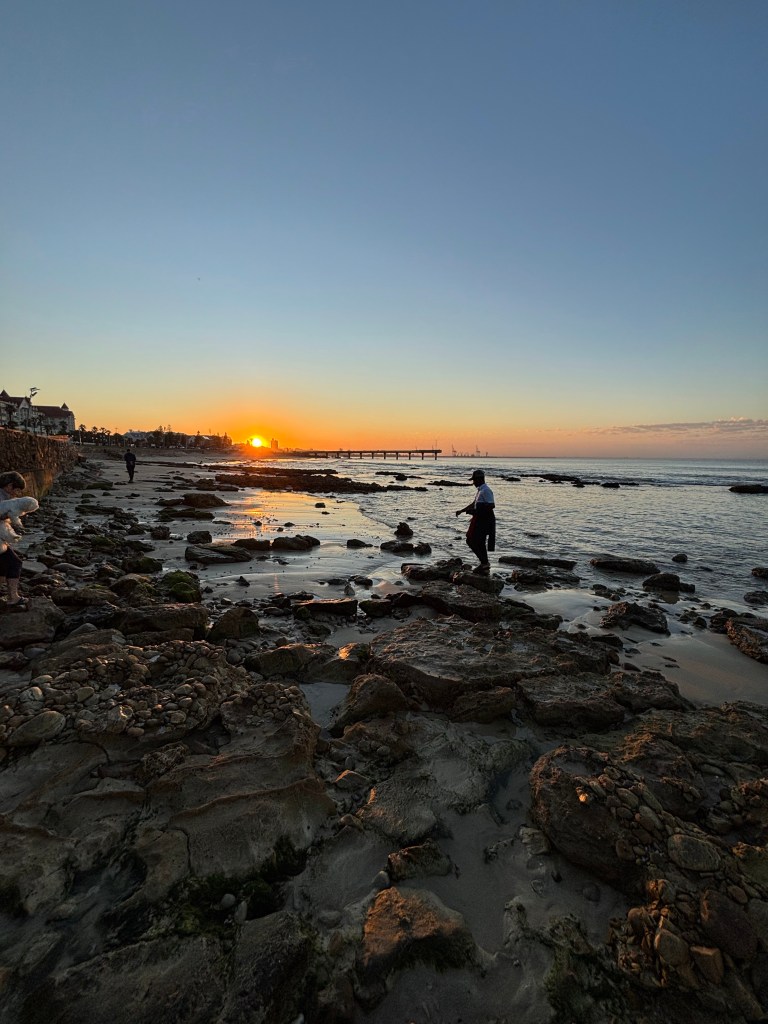
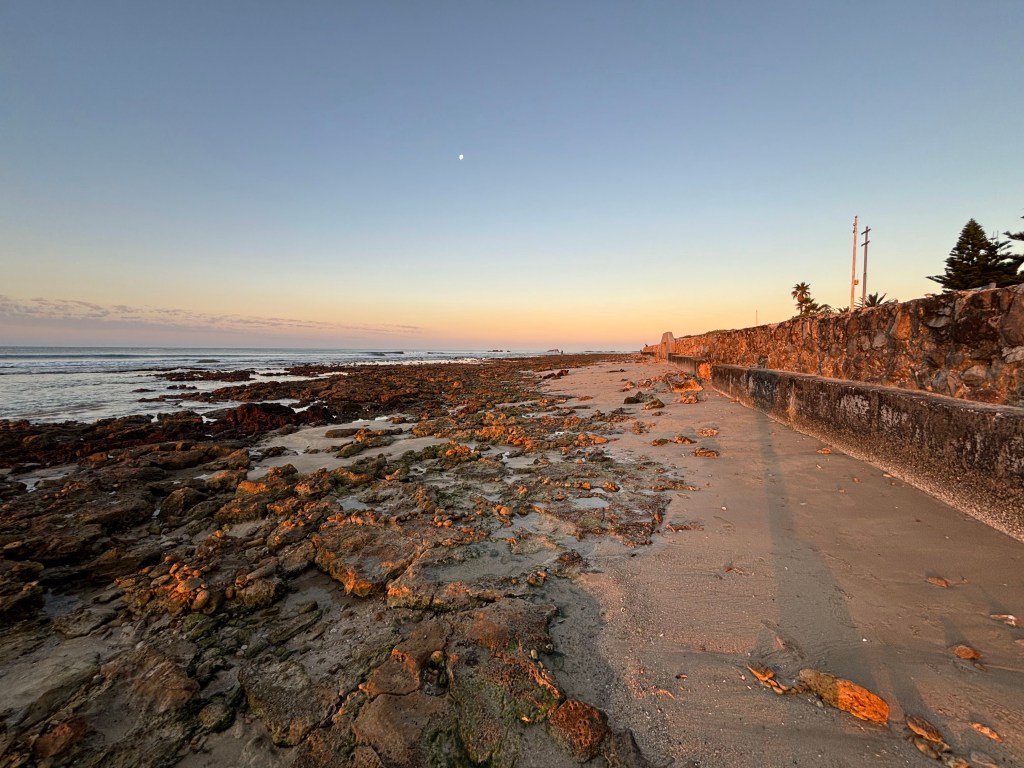
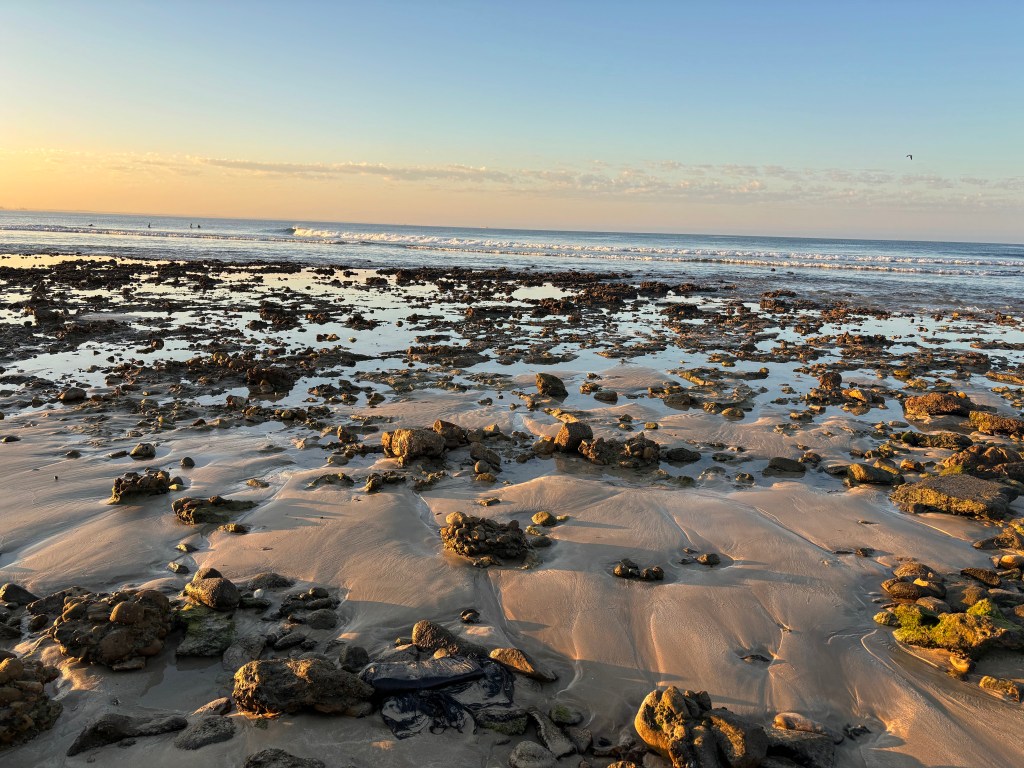
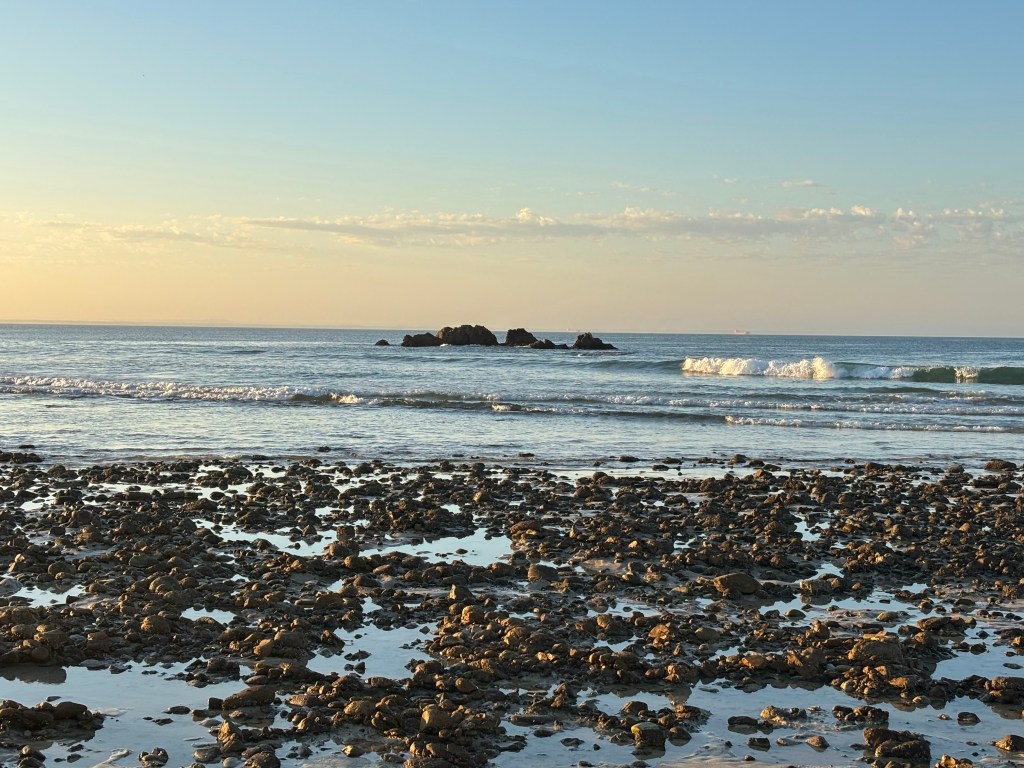
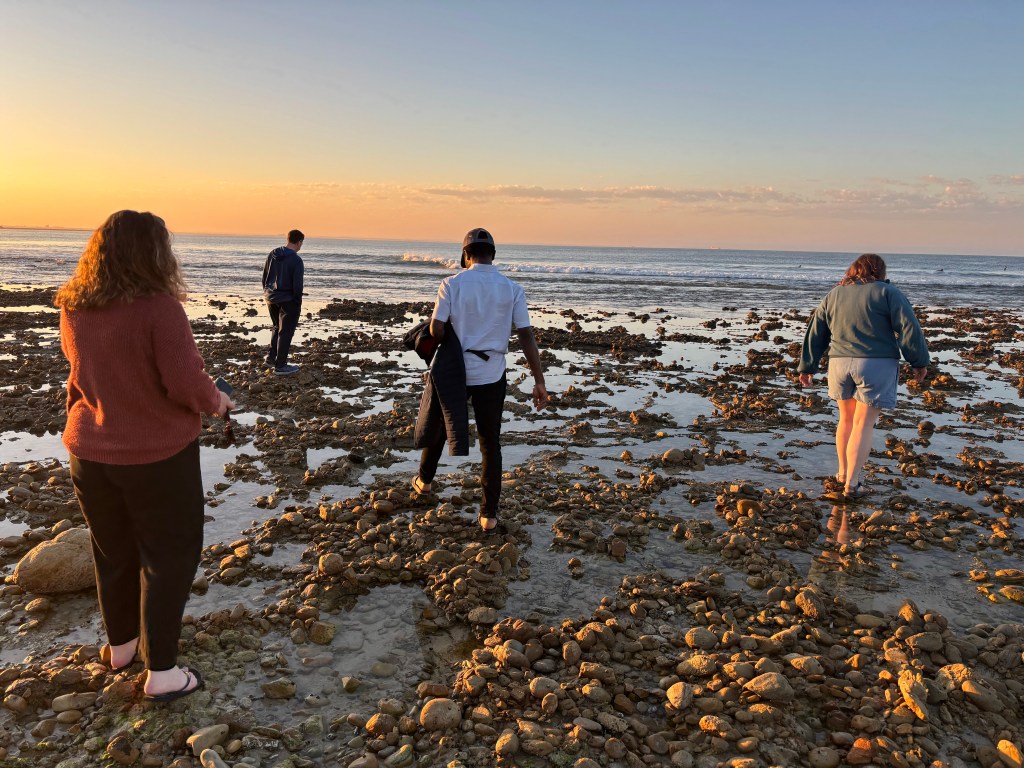
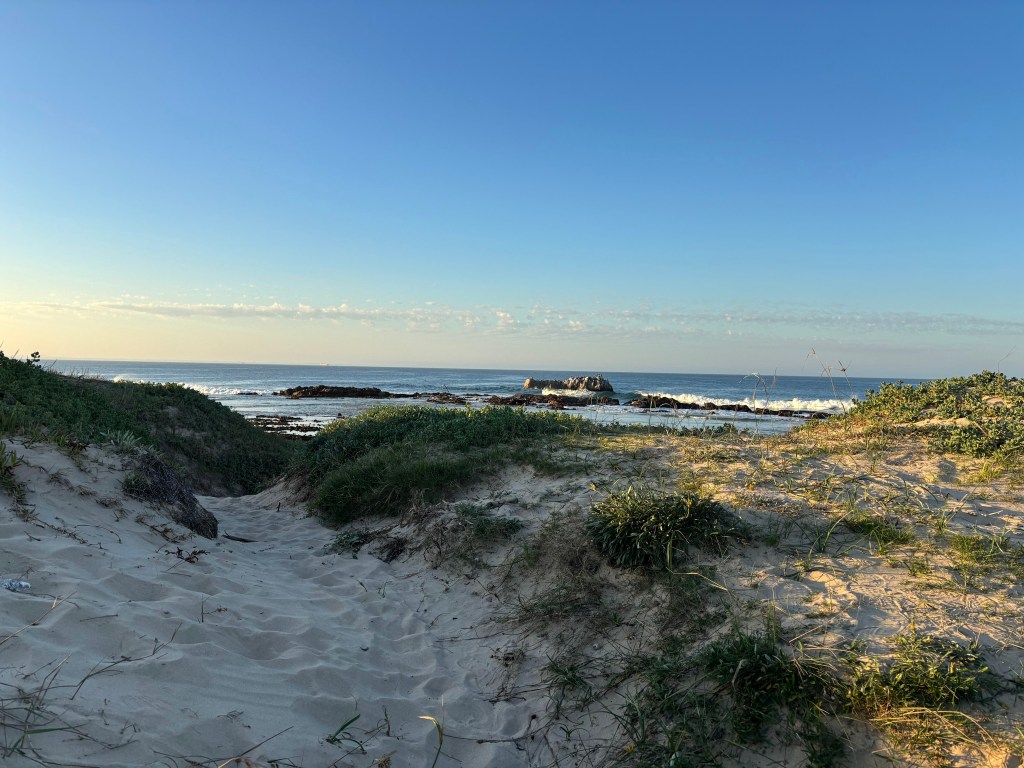
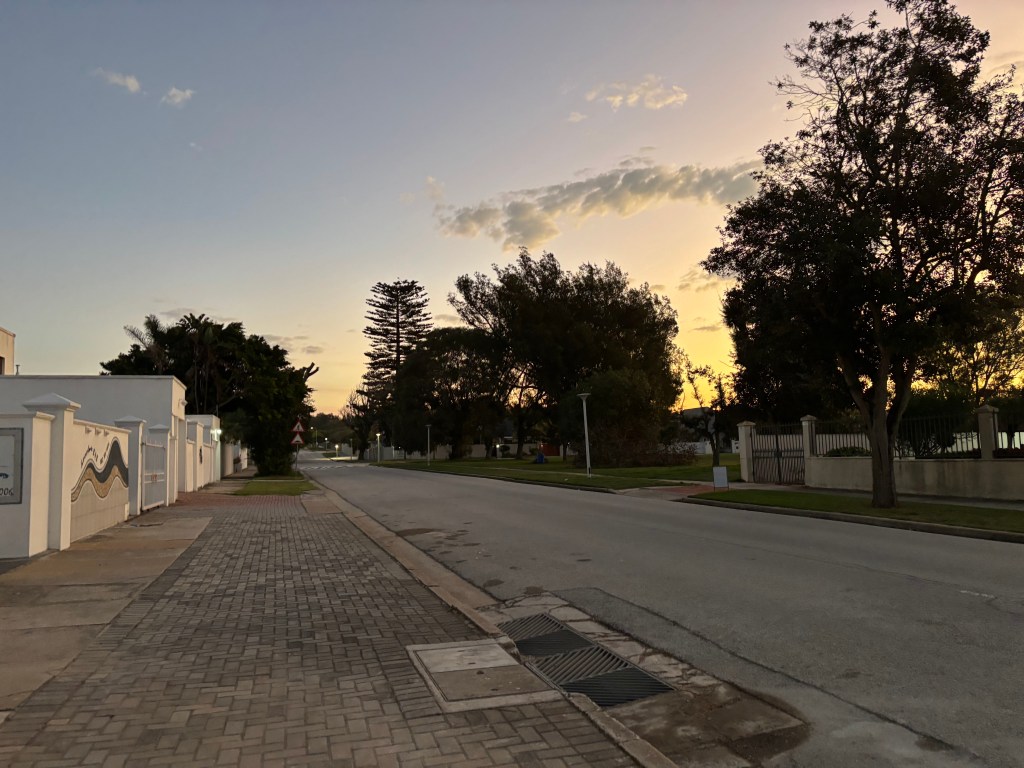
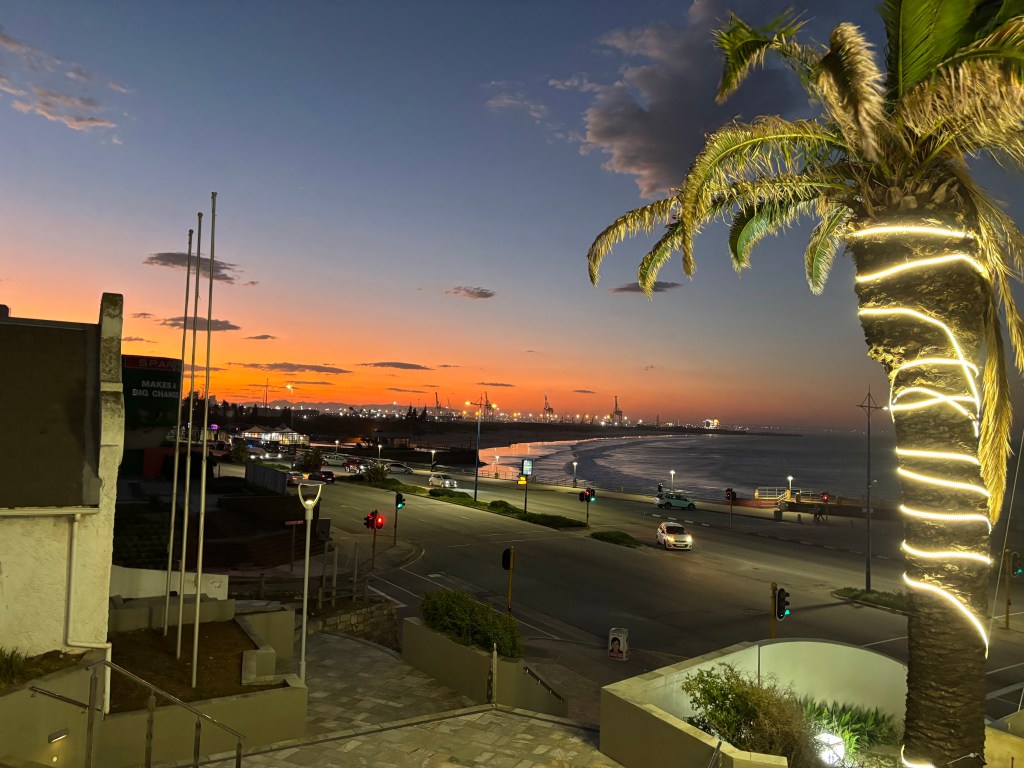
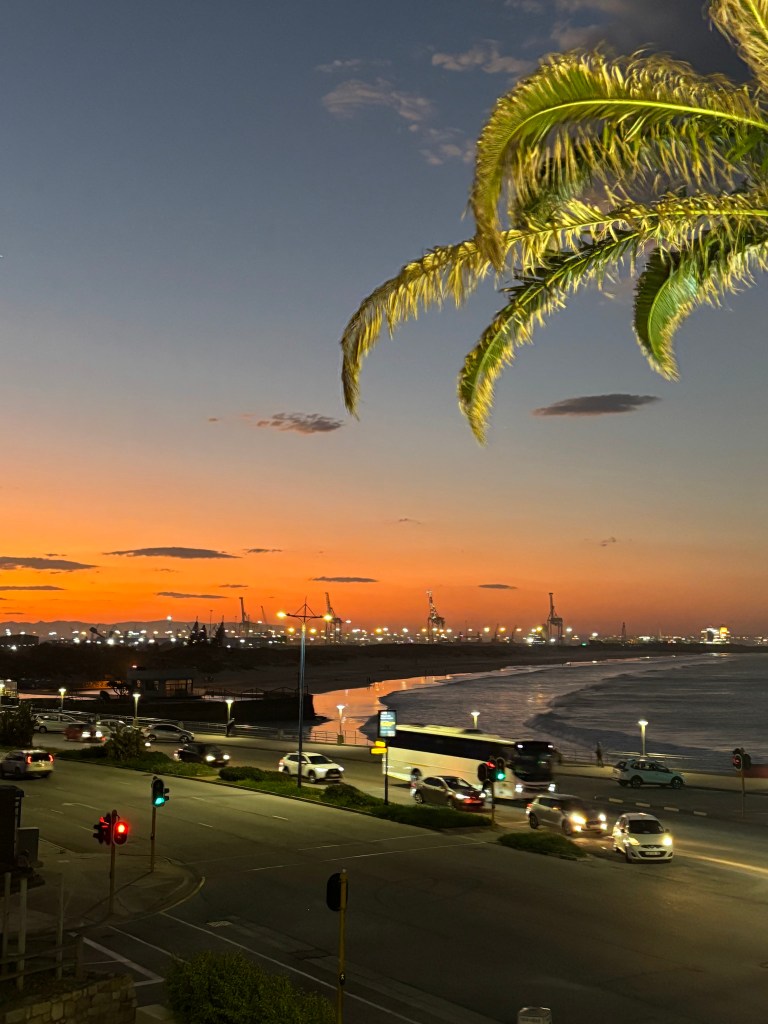
After that, we headed back to the B&B for the day. It was still fairly early, so we elected to walk down to the beach, only about a 7-minute stroll from our B&B, to catch a bit of the sunset. Then we headed off to dinner before turning in for the night.
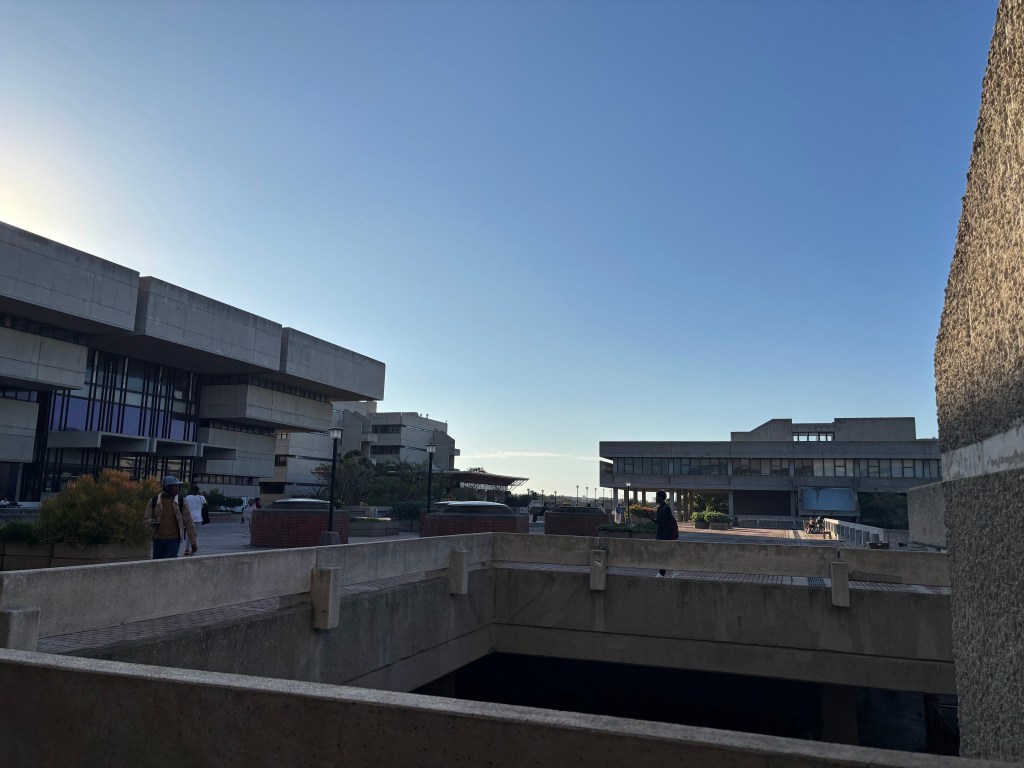





Our third day in PE, we began with a discussion about online curriculum development for short courses, held with Dr. Cheryl Foxcroft and a few colleagues. We spent the morning learning about the course they were building, the iterations they were exploring through student piloting, and providing our own insights based on our individual expertise. As someone who enjoys the background of student support and university systems, I found this session to be particularly interesting and engaging.
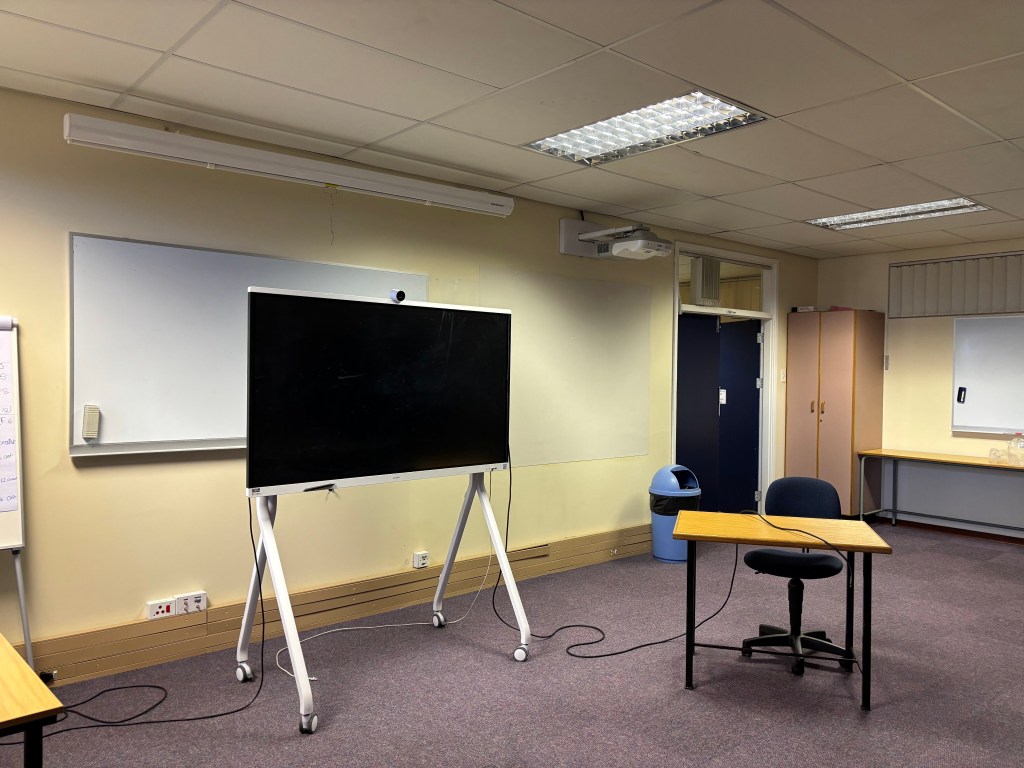
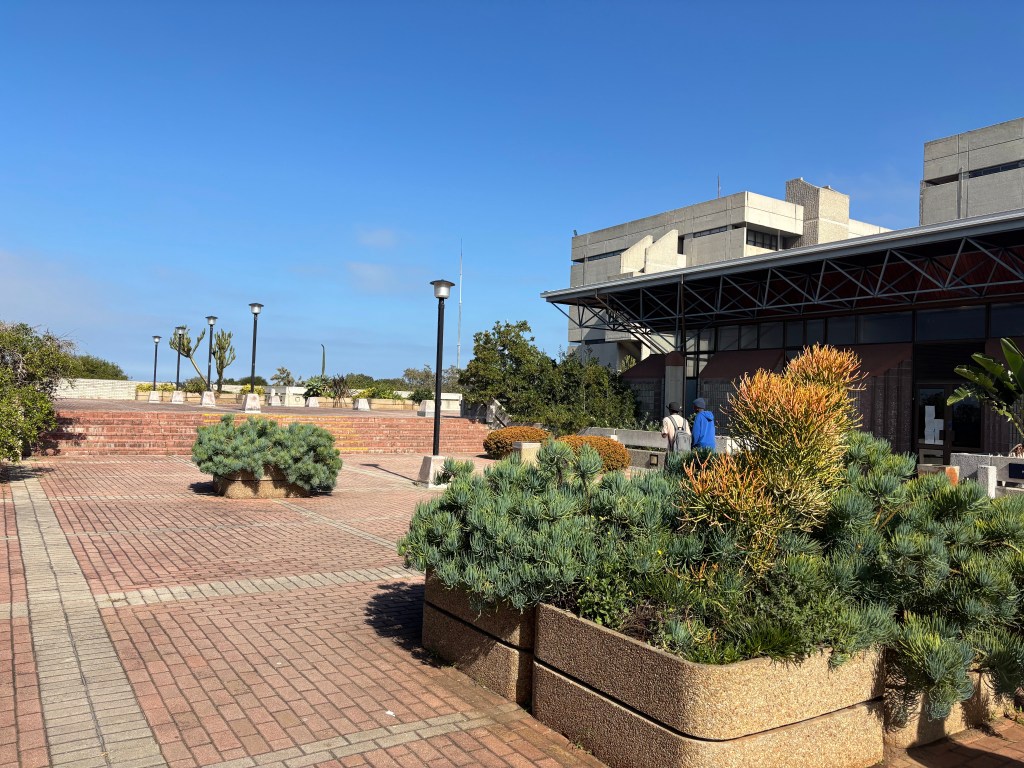
From there, Enoch and I started the first of many Student Workshops together, primarily focusing on professional development. This session was on LinkedIn, and we were able to introduce students to the fundamentals of LinkedIn profiles and job searching.
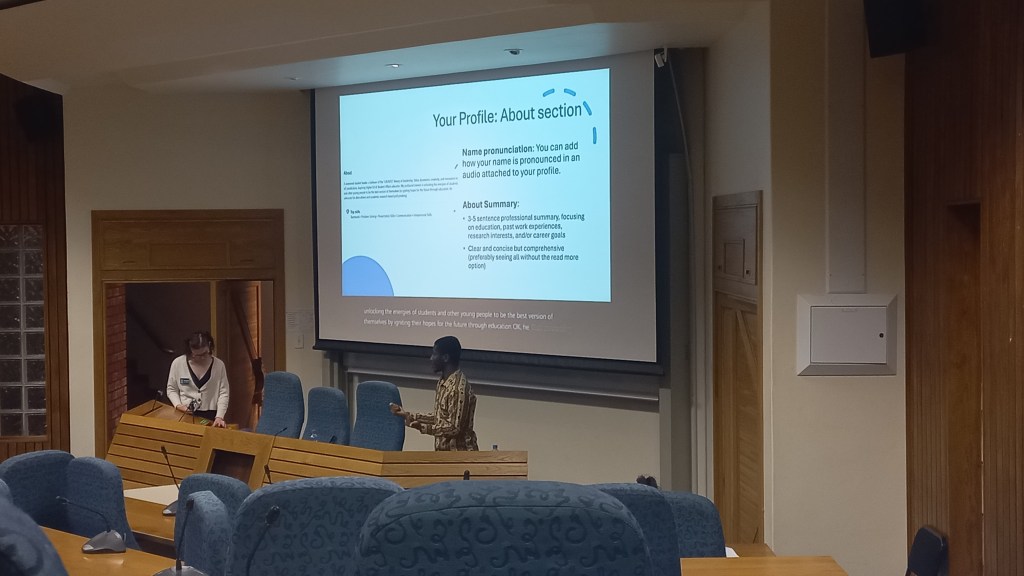
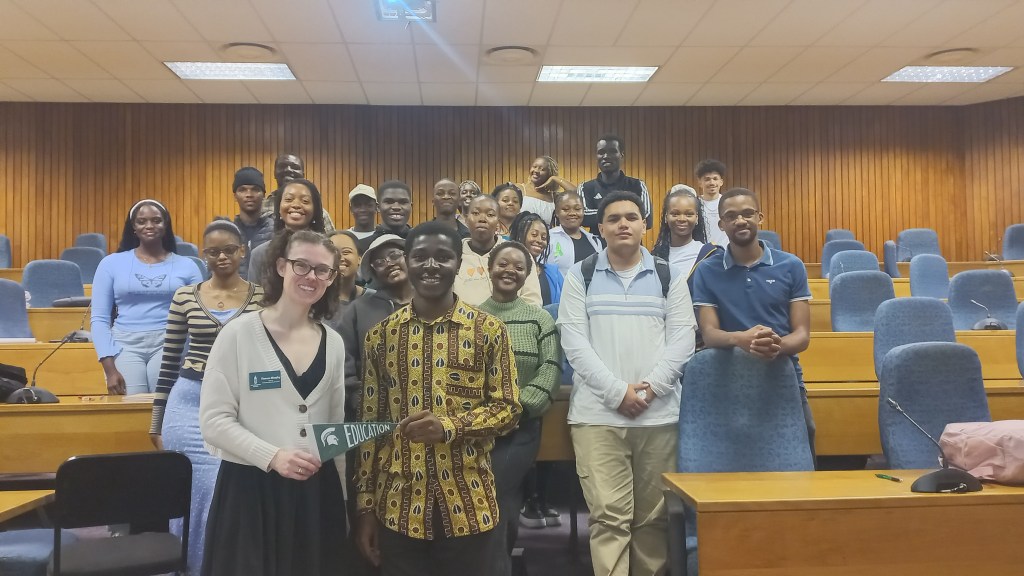
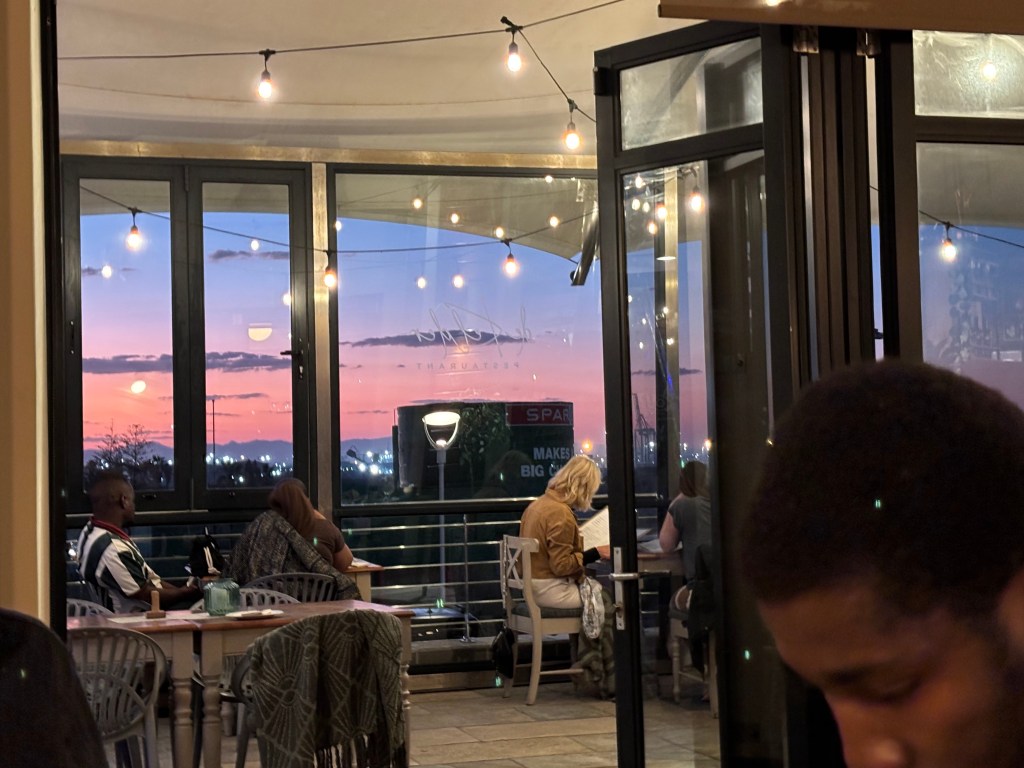
We took a break for lunch, then provided an expanded version of the same workshop, incorporating interviewing tips, virtually to students at a different NMD campus. That wrapped up our day and also our first school week at NMD. We caught another sunset as we headed to dinner with one of our NMD organisers, Liesl, and her husband.
Then, it was time for the weekend.
Our Safari
Our first Saturday in PE/GQ was our safari. The day was broken up into two parts: in the morning, we went to Addo Elephant National Park. Addo is the third-largest national park in South Africa, hosting South Africa’s “big five”, the lion, leopard, rhinoceros, elephant, and cape buffalo. It also is home to the southern right whale and great white shark, making up what they call the “Big 7”.
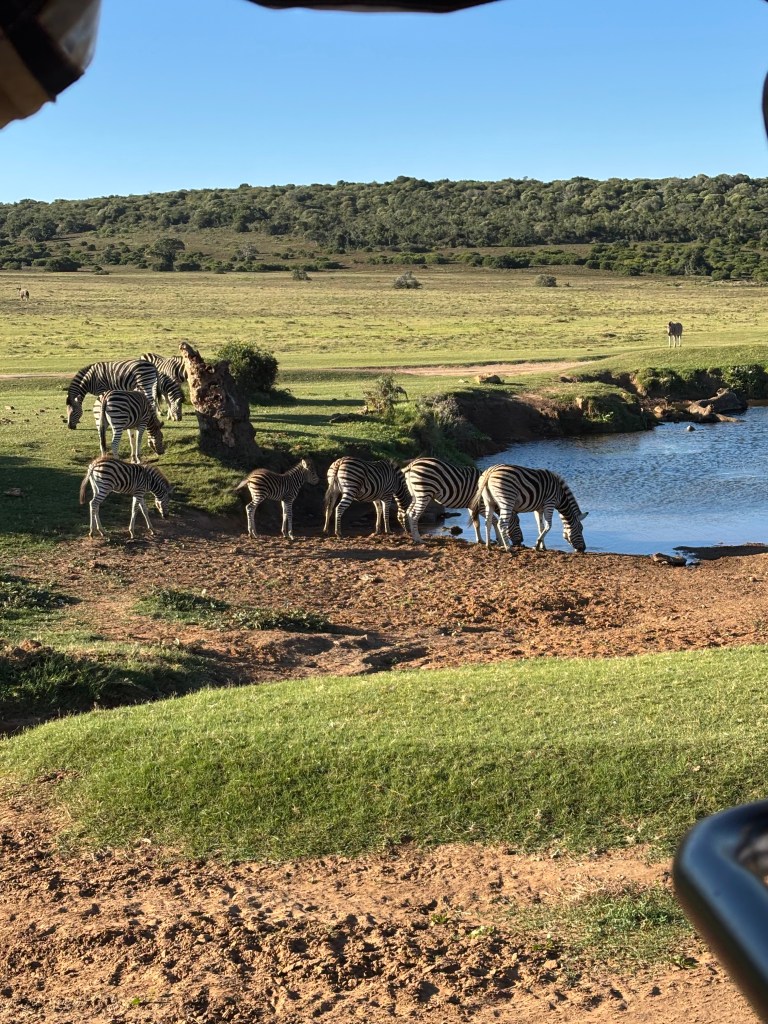
We took our own van through Addo, driving along various roads and stopping at watering holes to see not only elephants, but also zebras (pronounced “zeb-rah” in South Africa, as opposed to “zee-brah”), warthogs, antelopes, a dung beetle, and various birds. We spent the morning driving around, seeing approximately 70-100 elephants, including babies. We stopped at the gift shop, where we also ended up grabbing a quick lunch and stopping at a viewing center before heading off to the second adventure of the day.
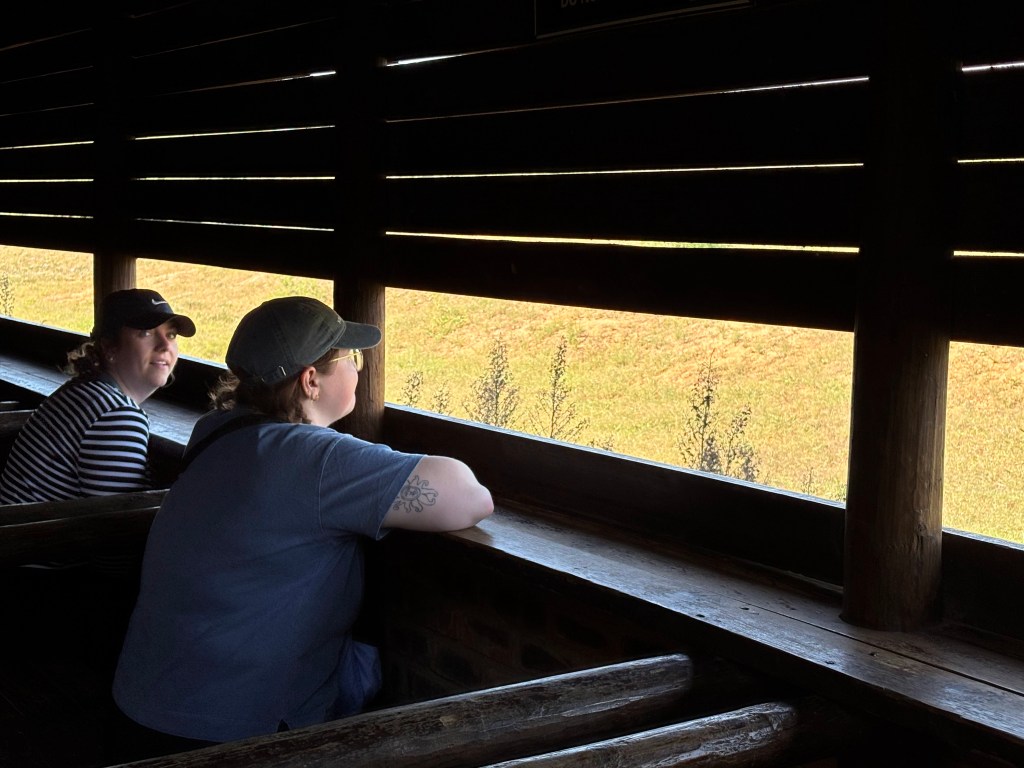
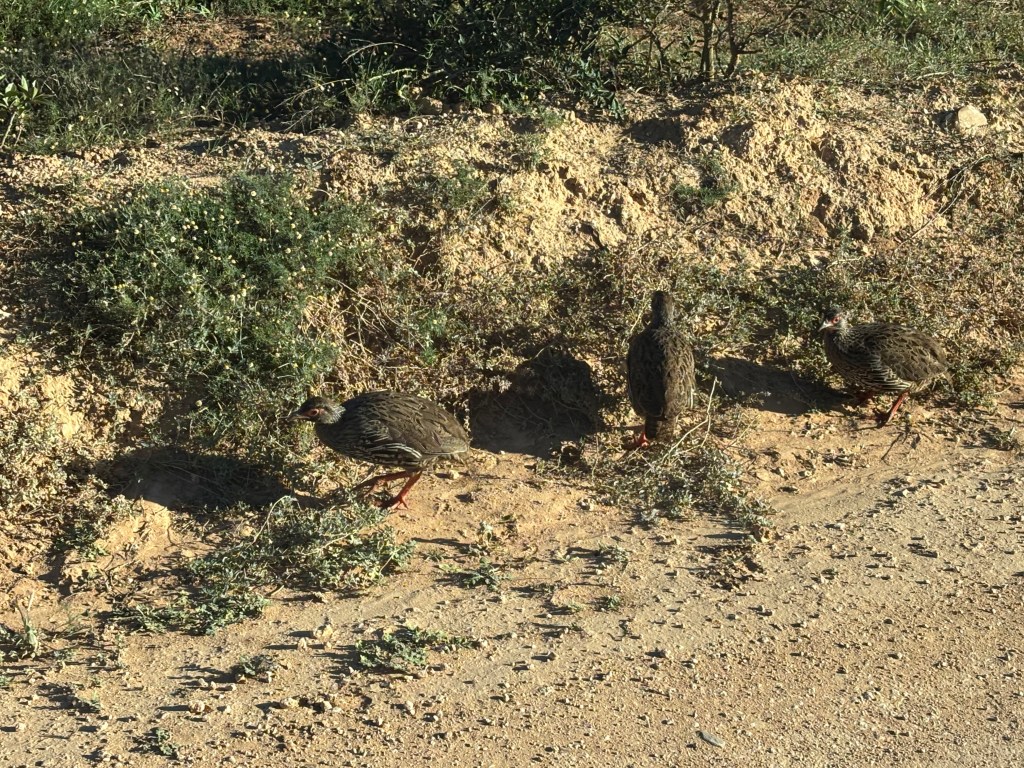
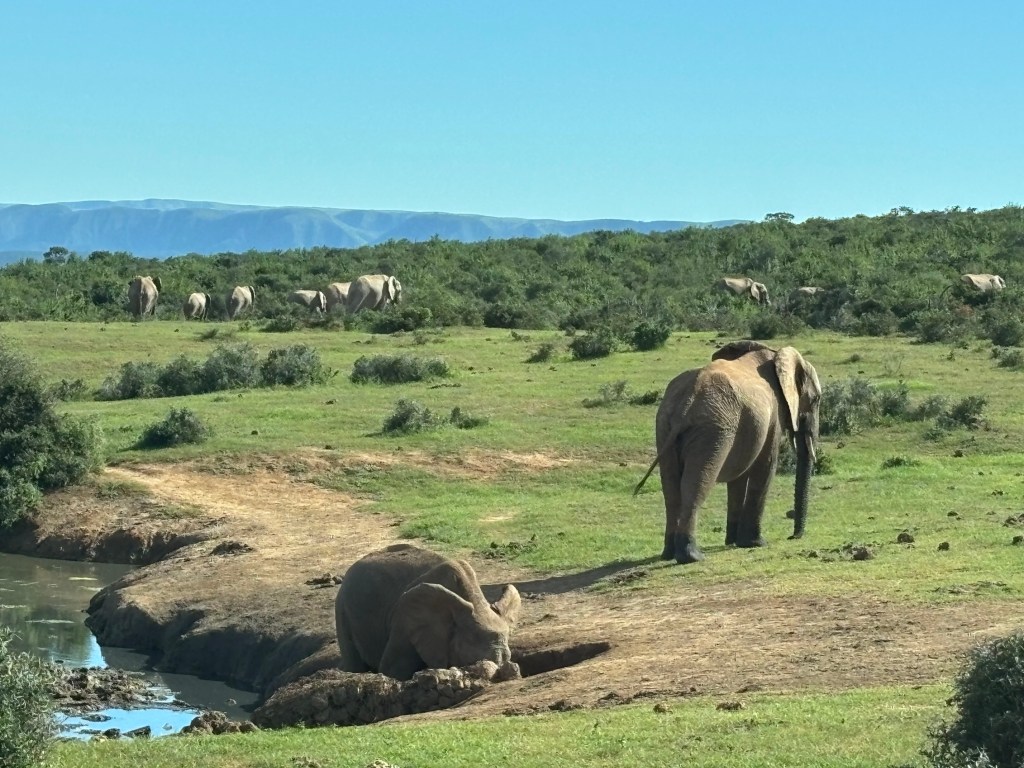
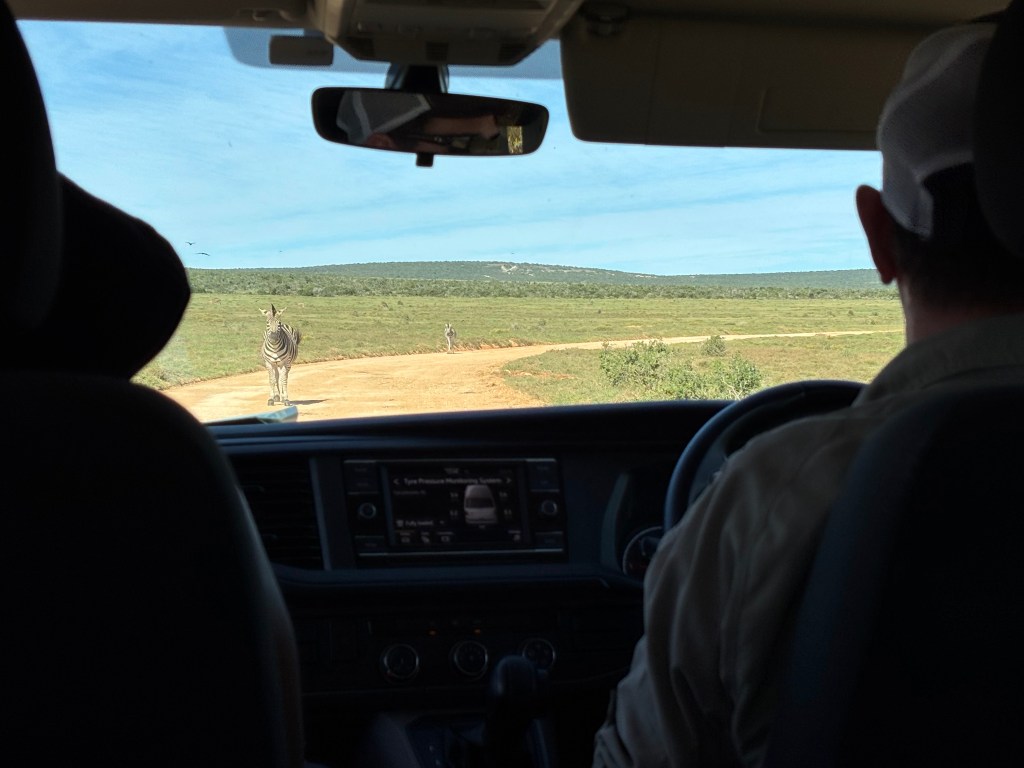

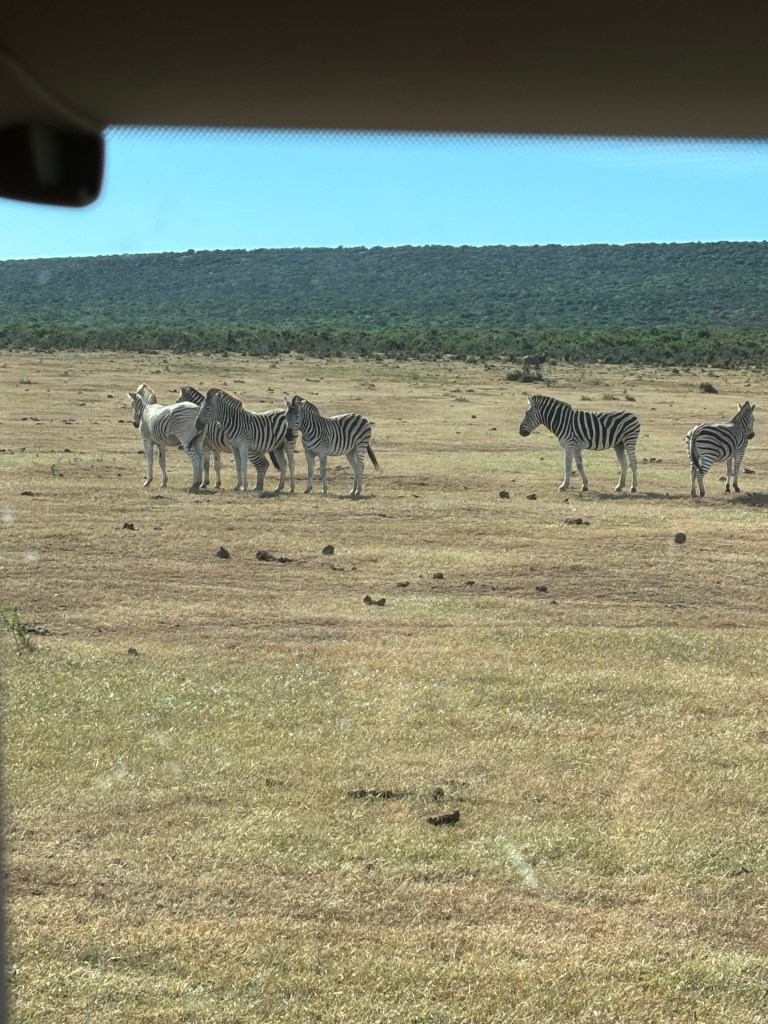
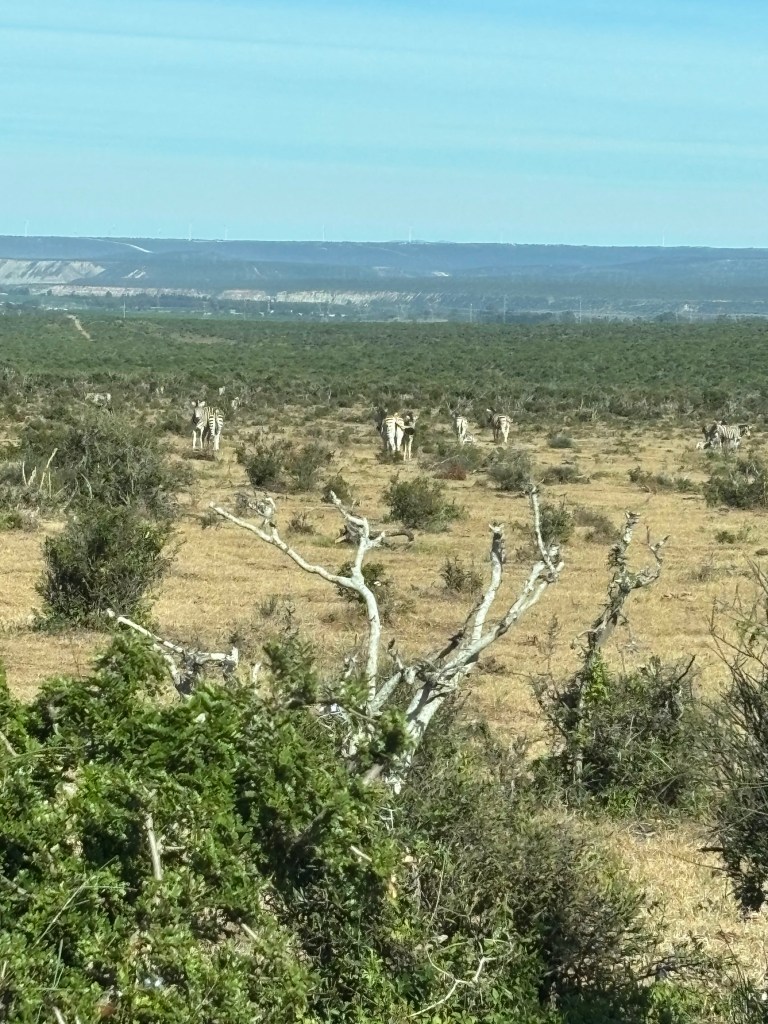
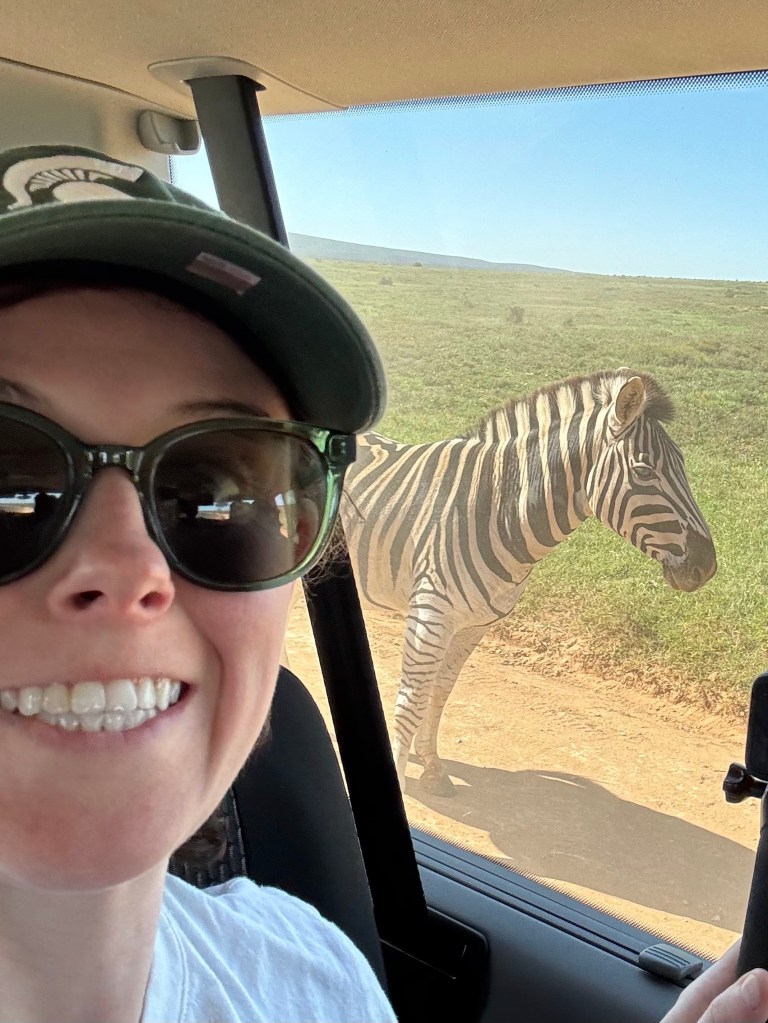
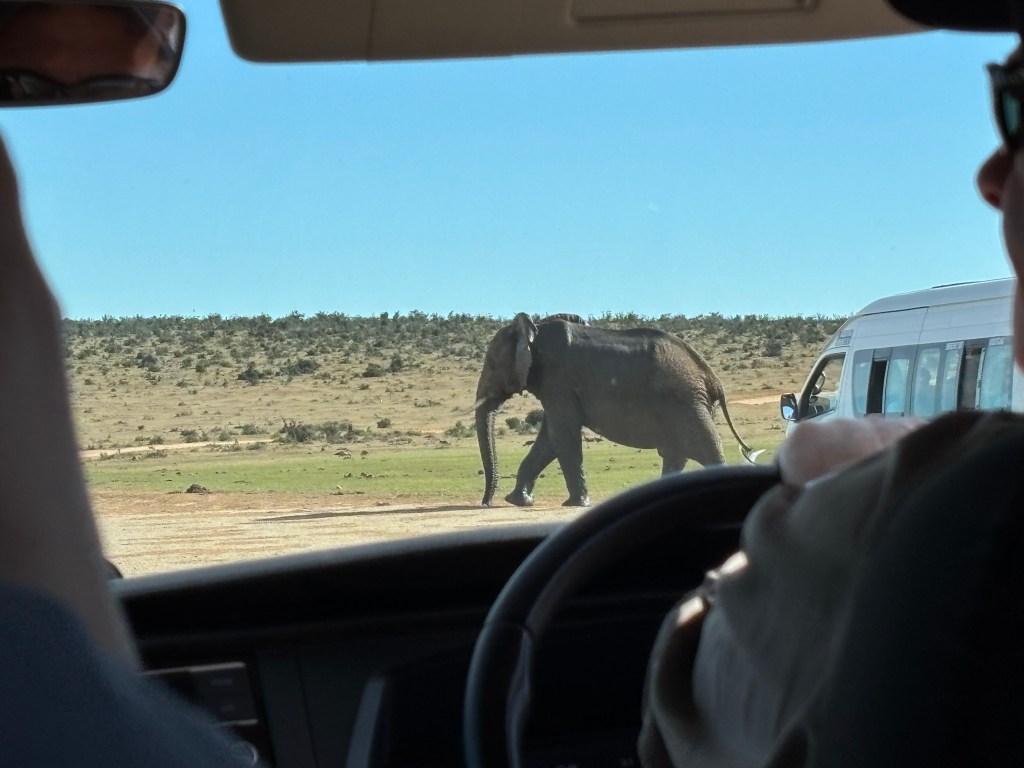
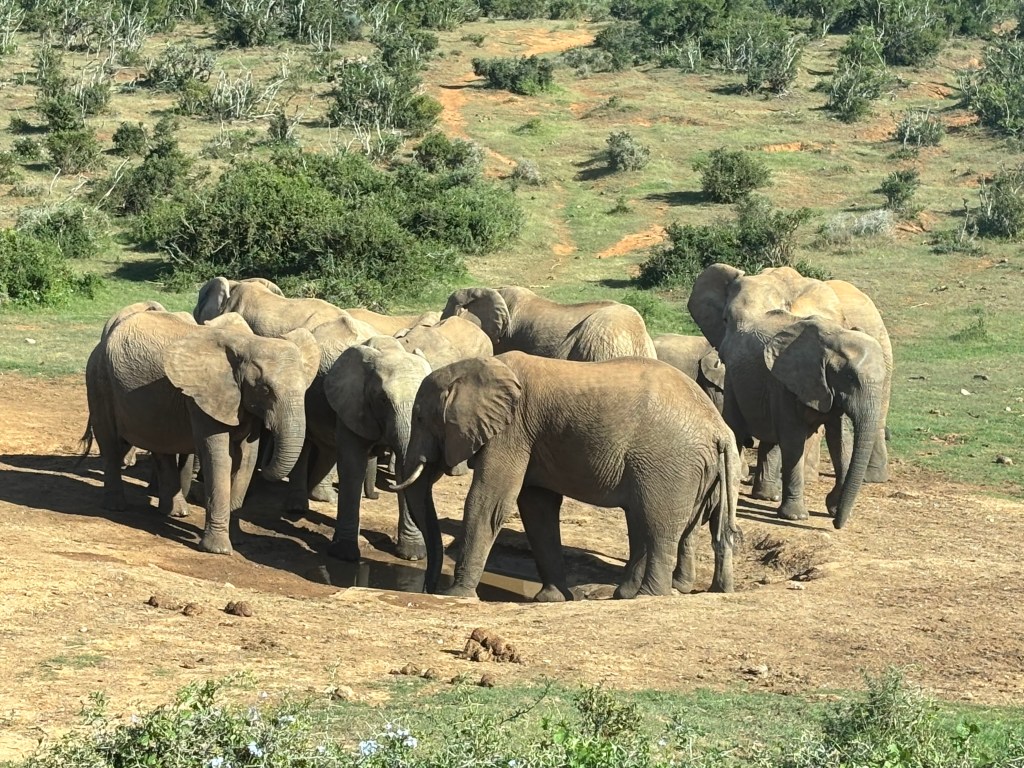
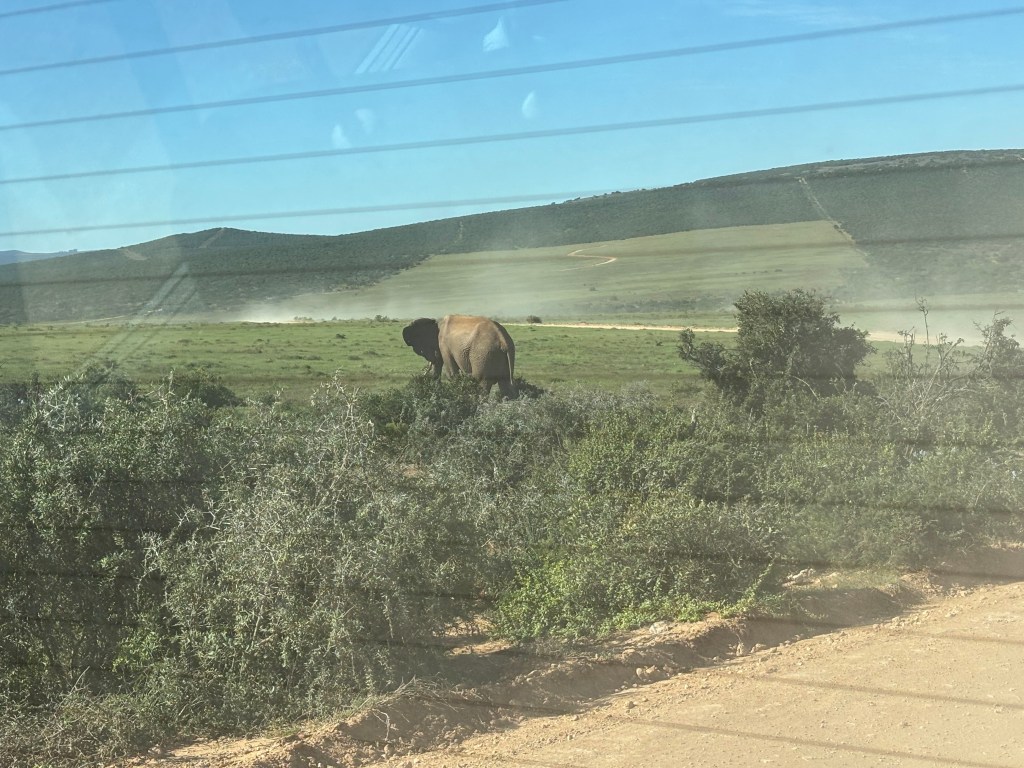
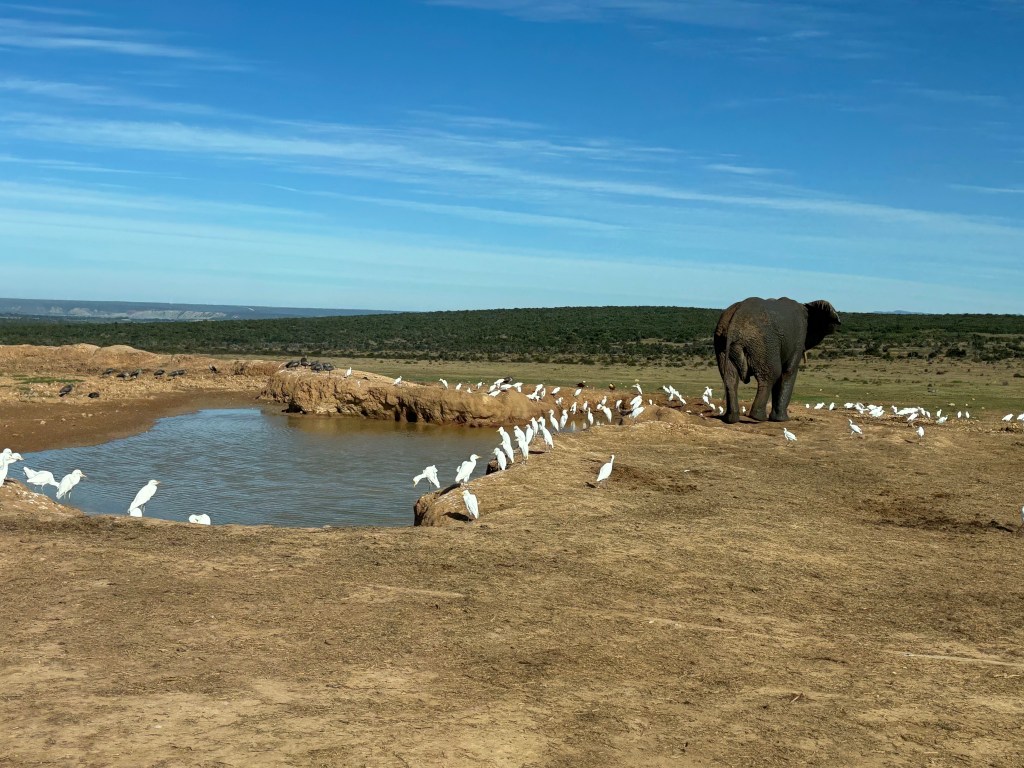
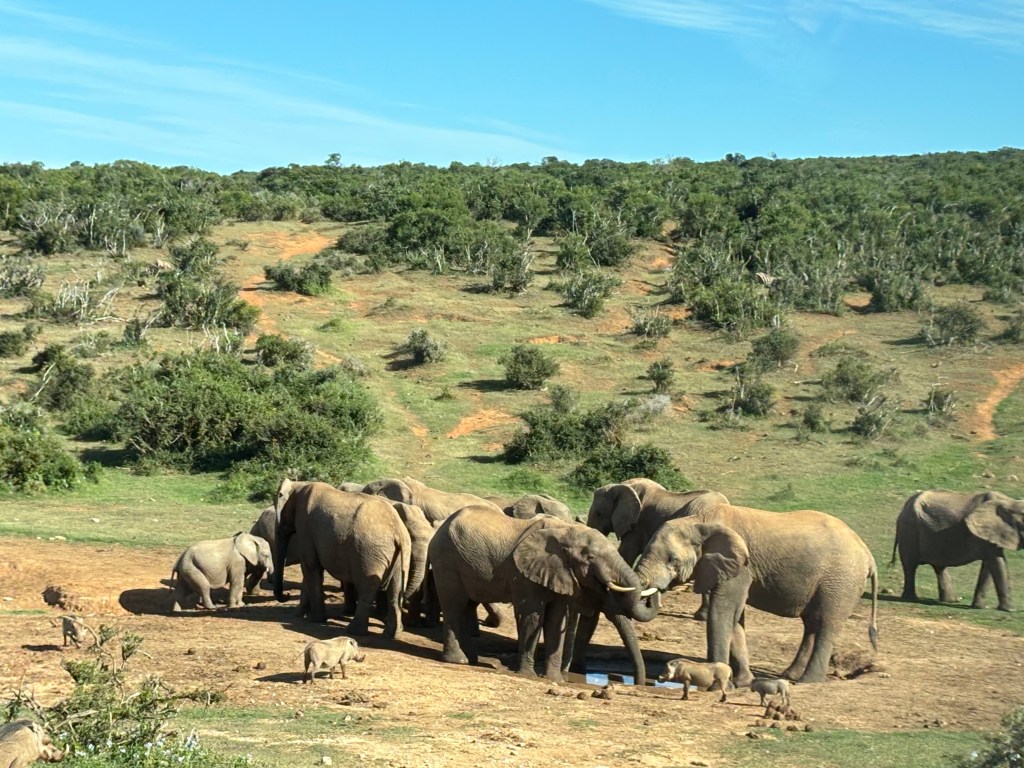
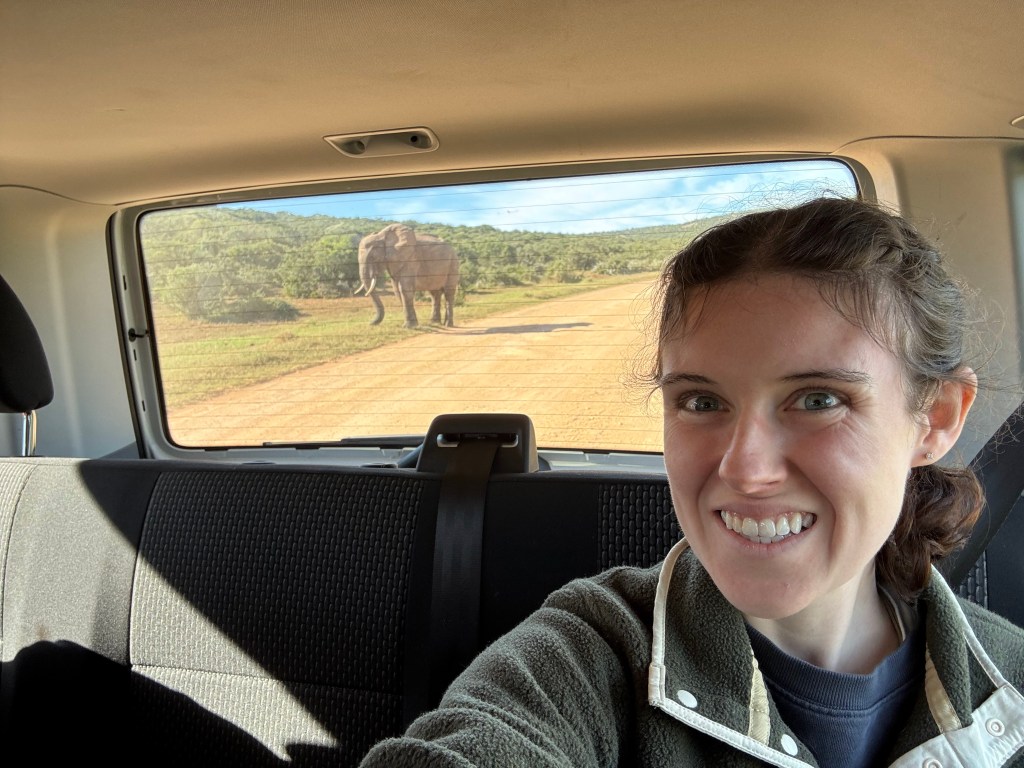
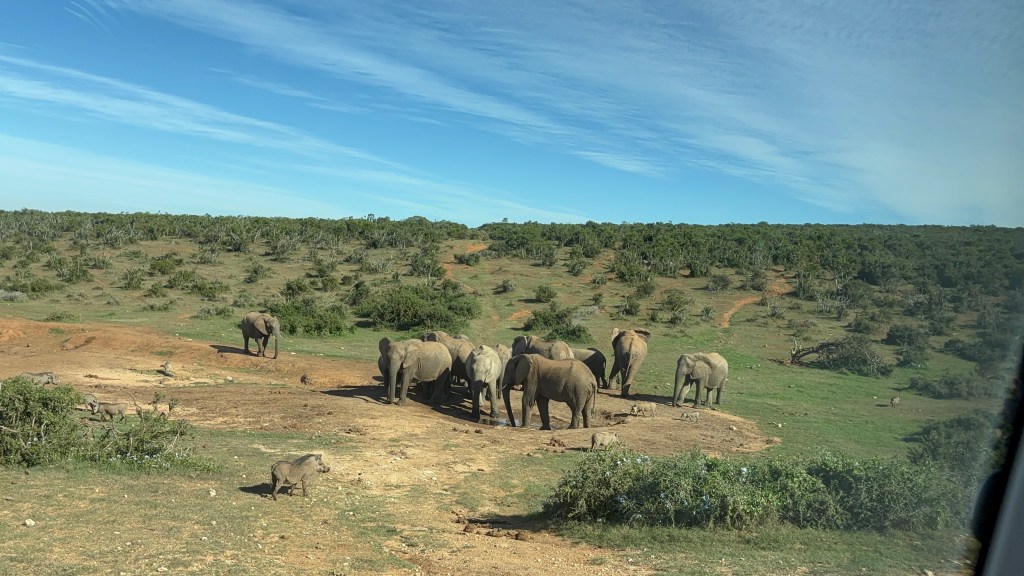
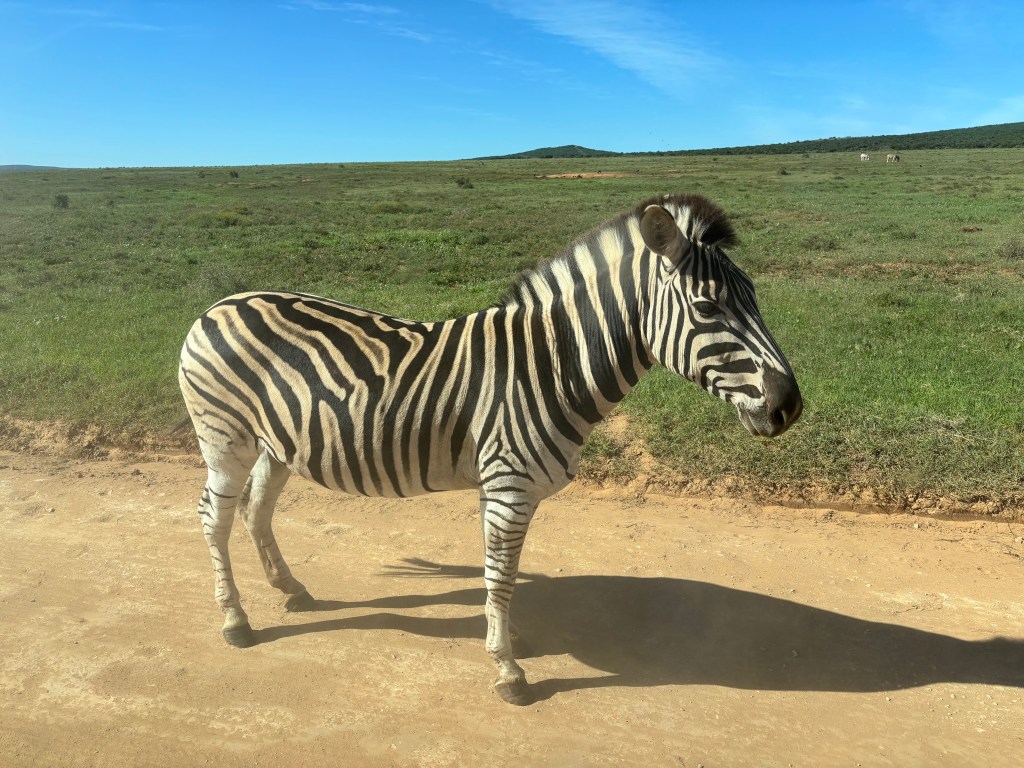
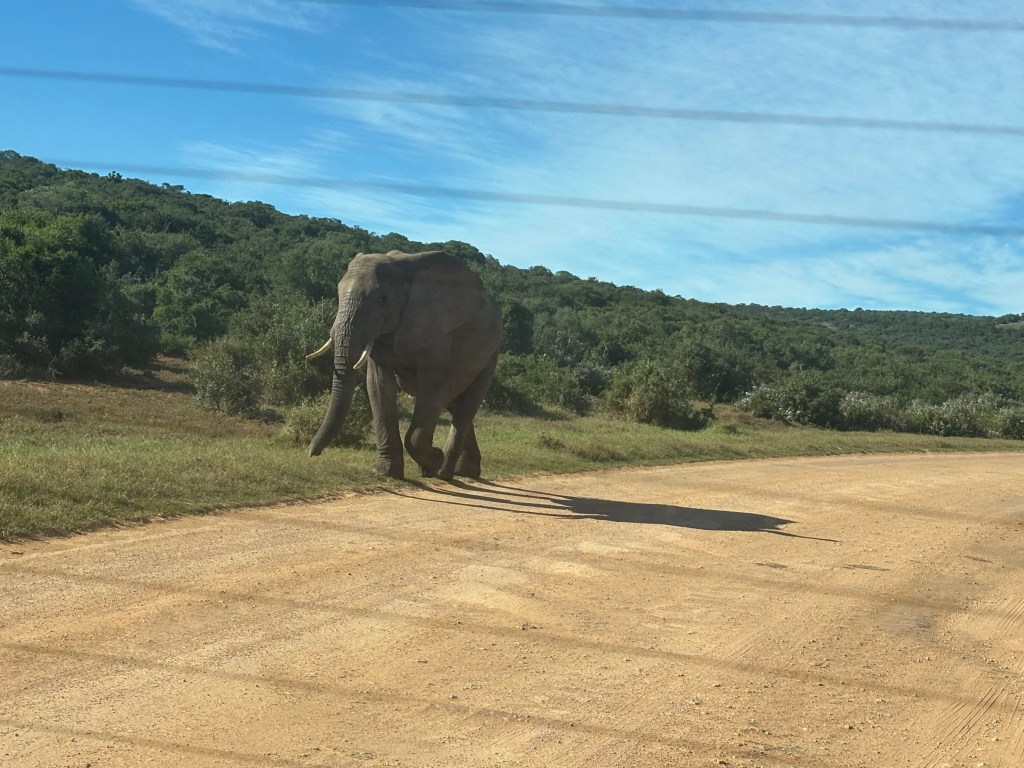
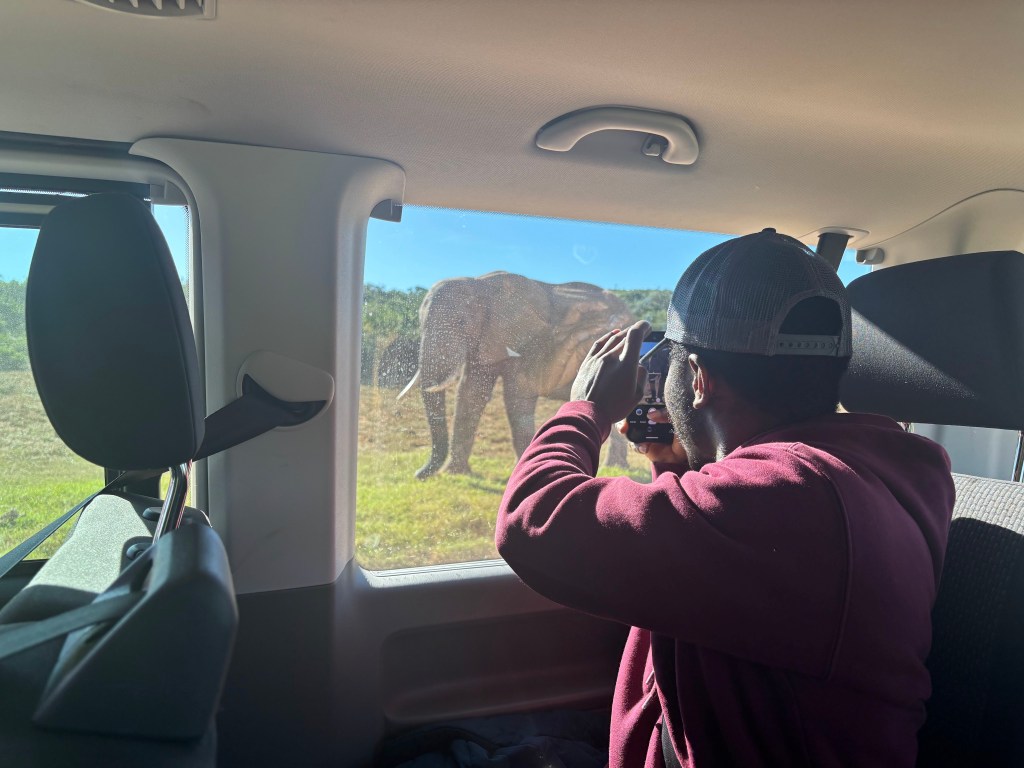
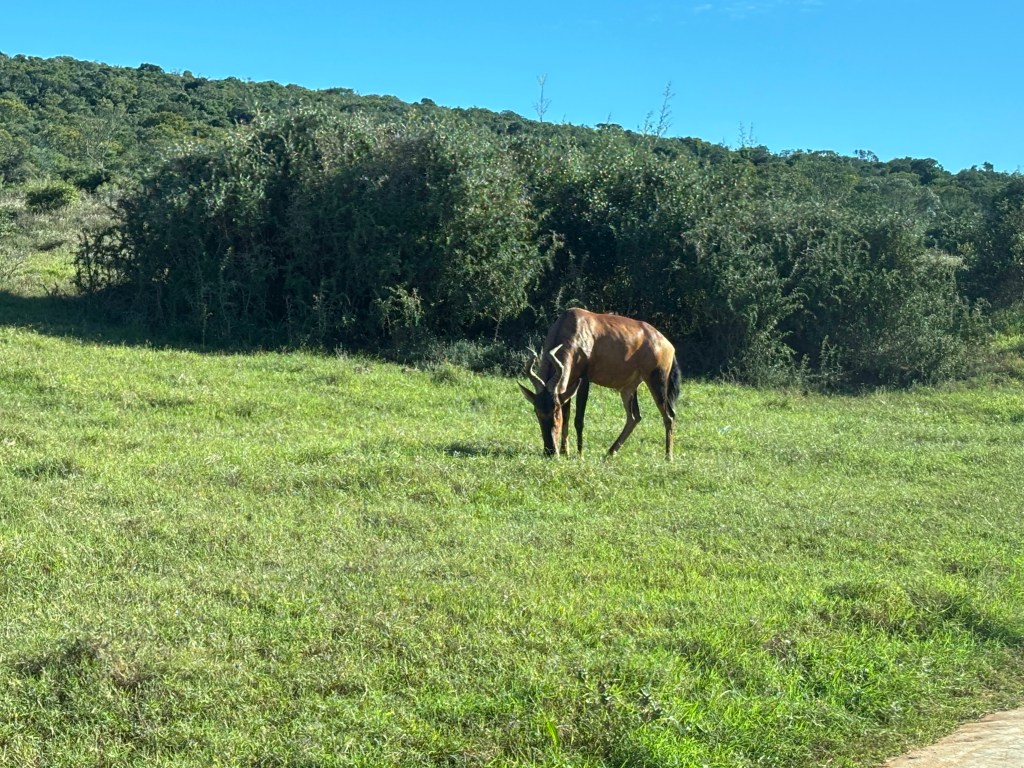
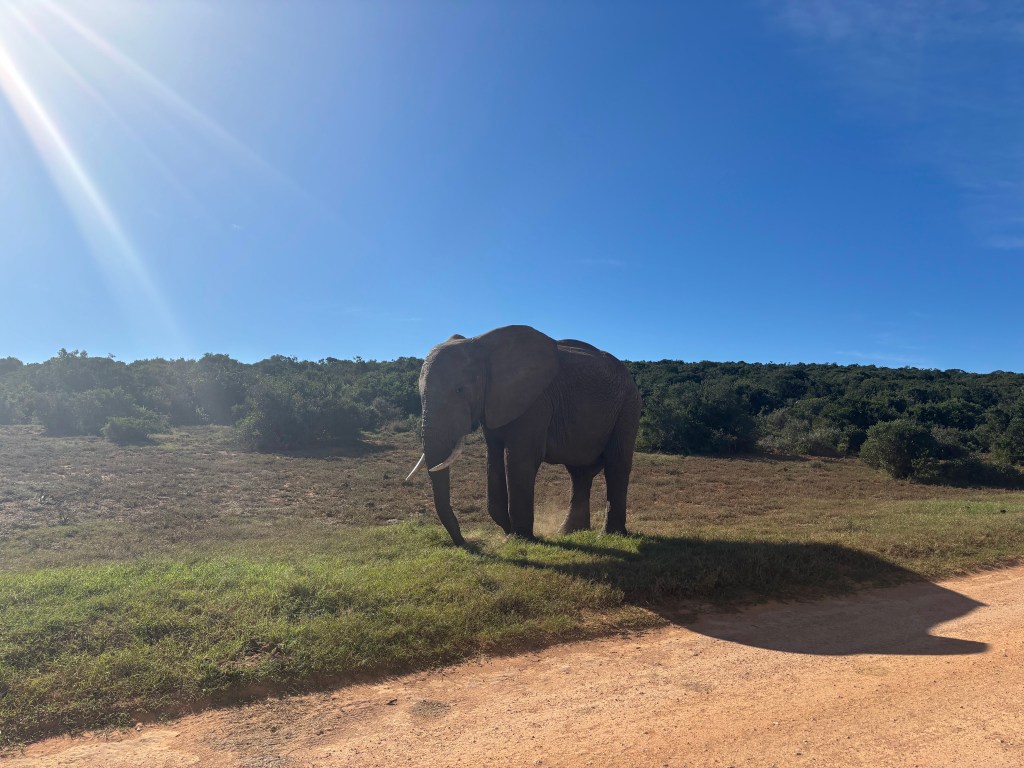
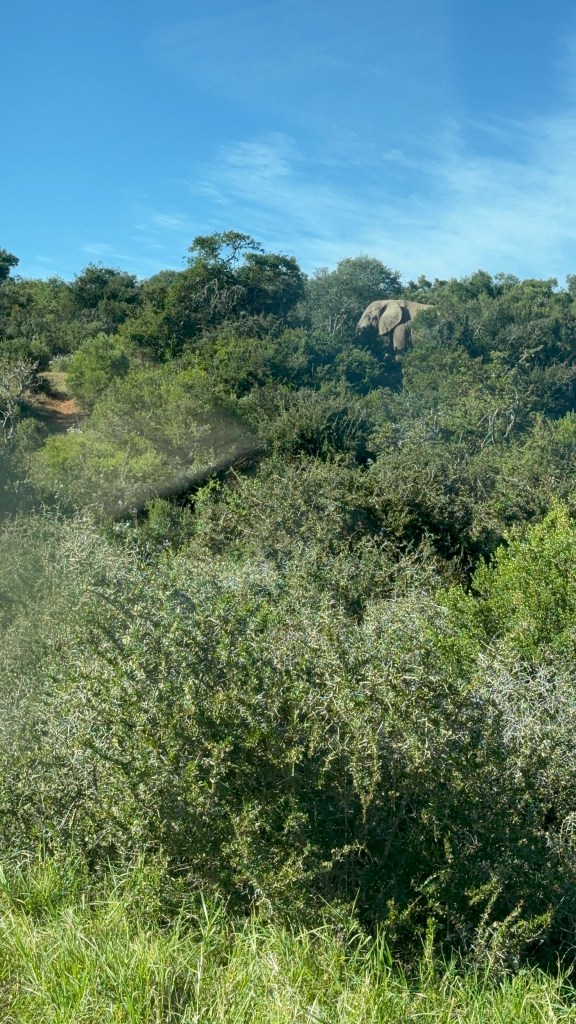
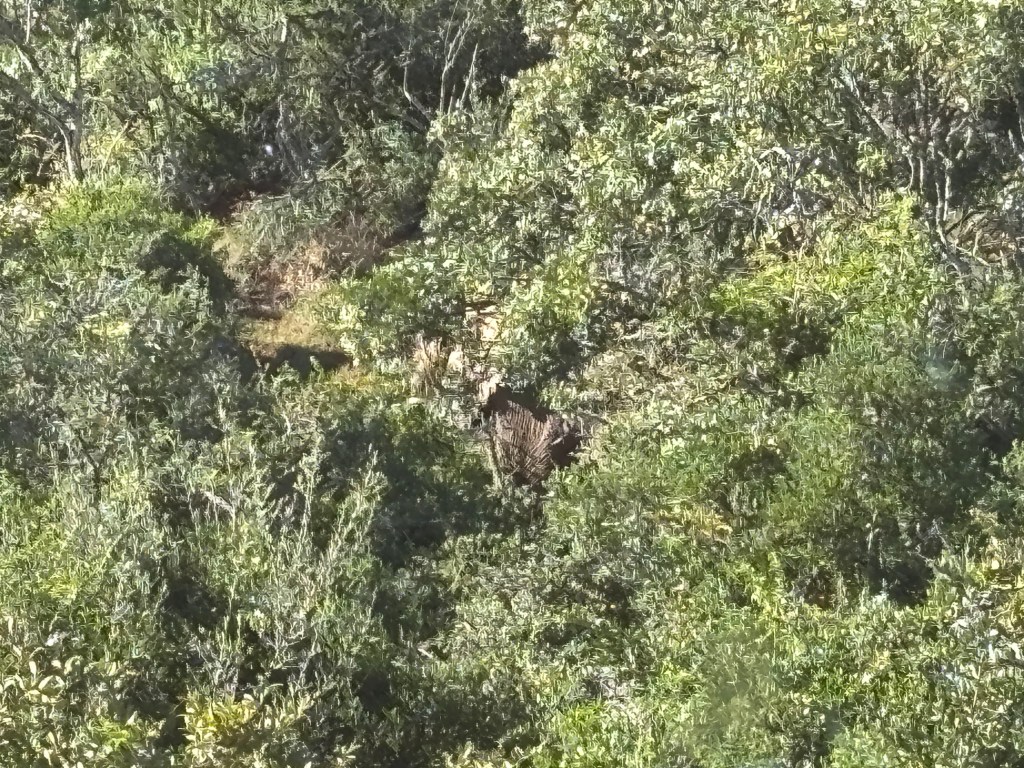

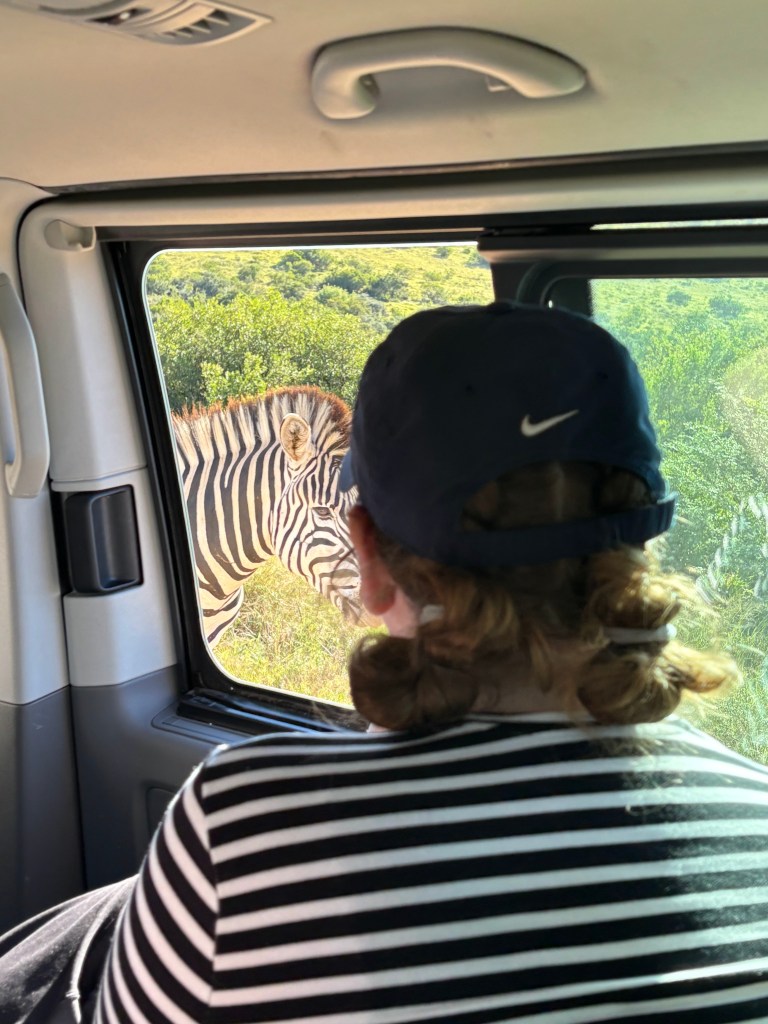
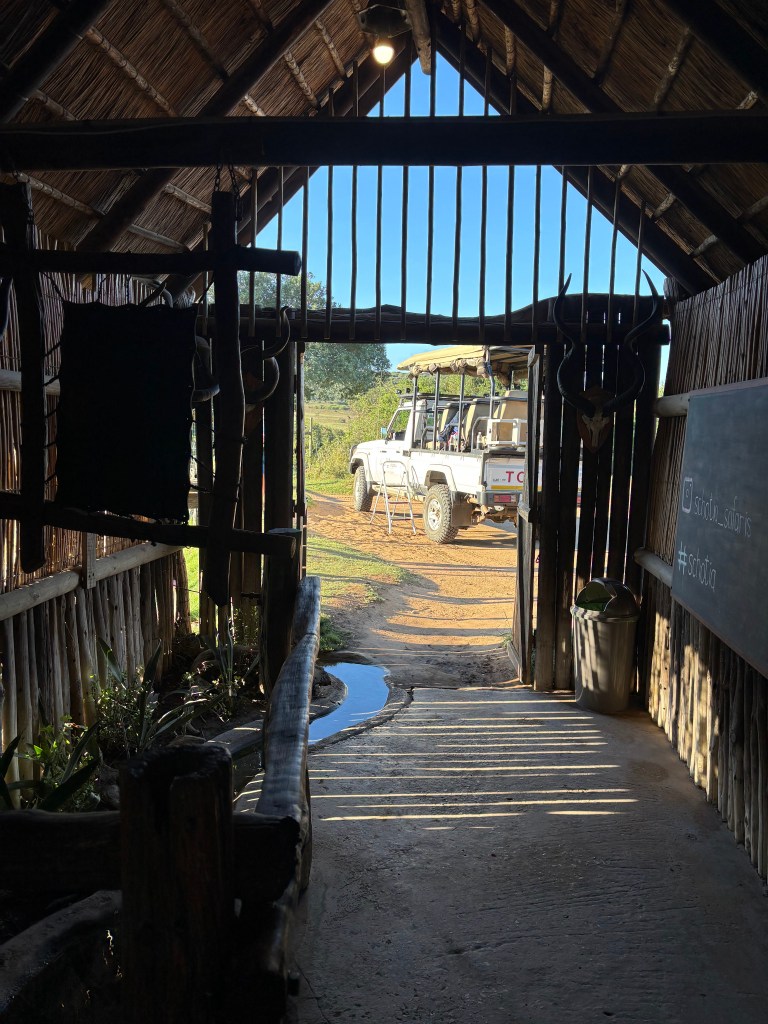
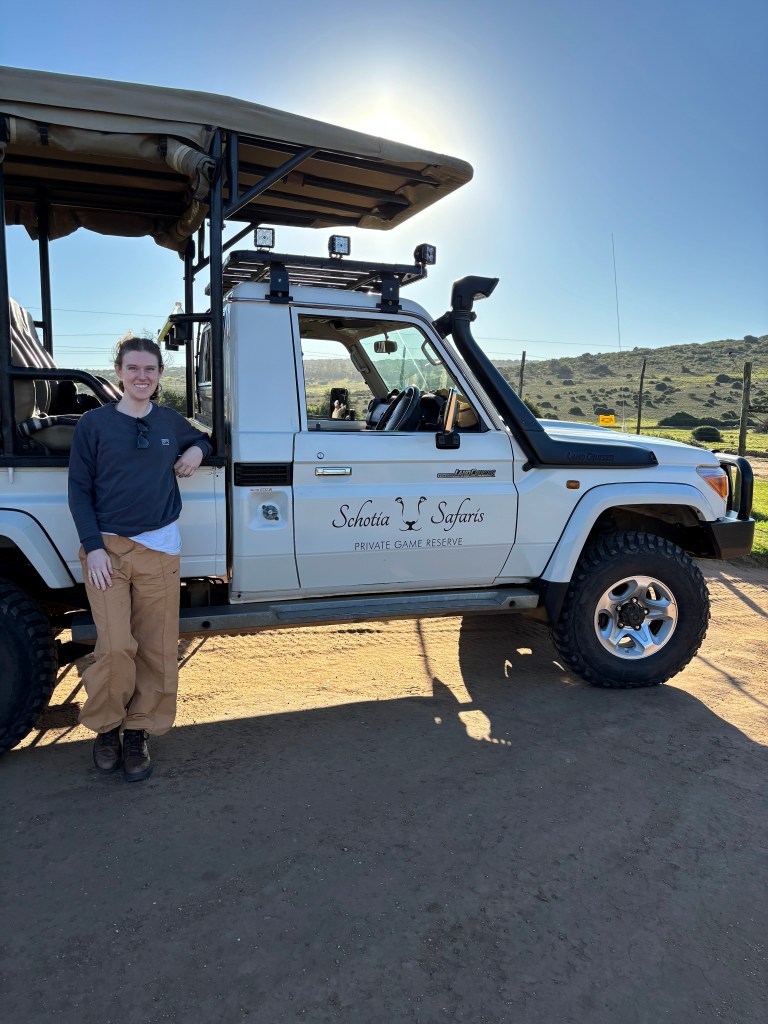
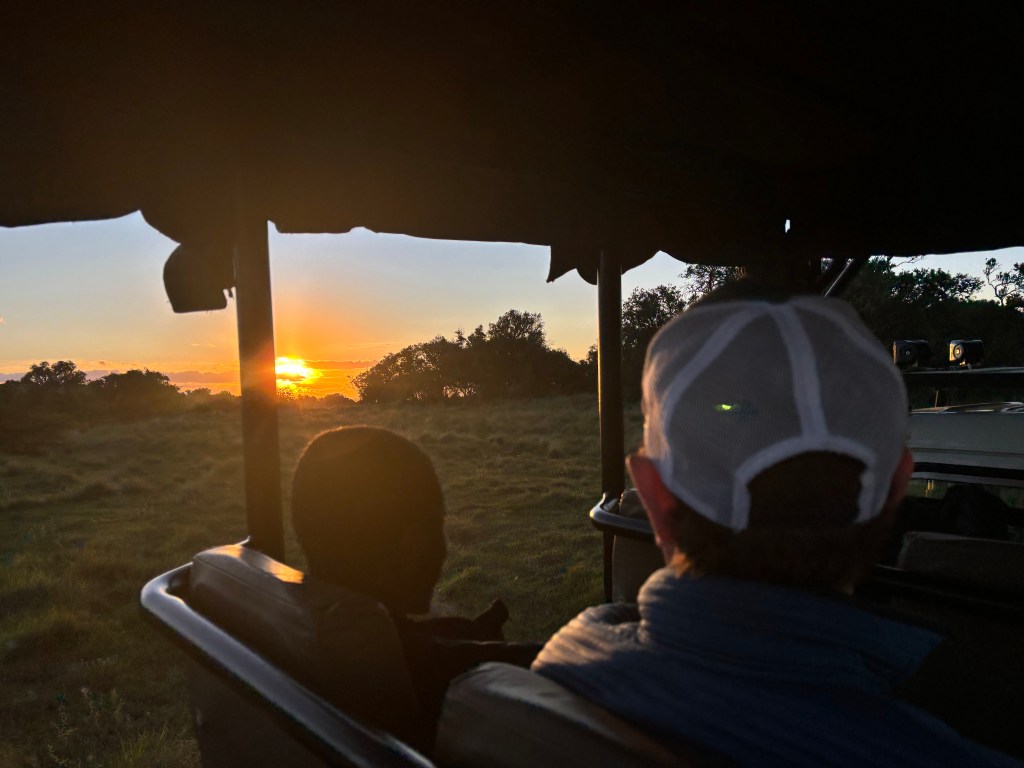
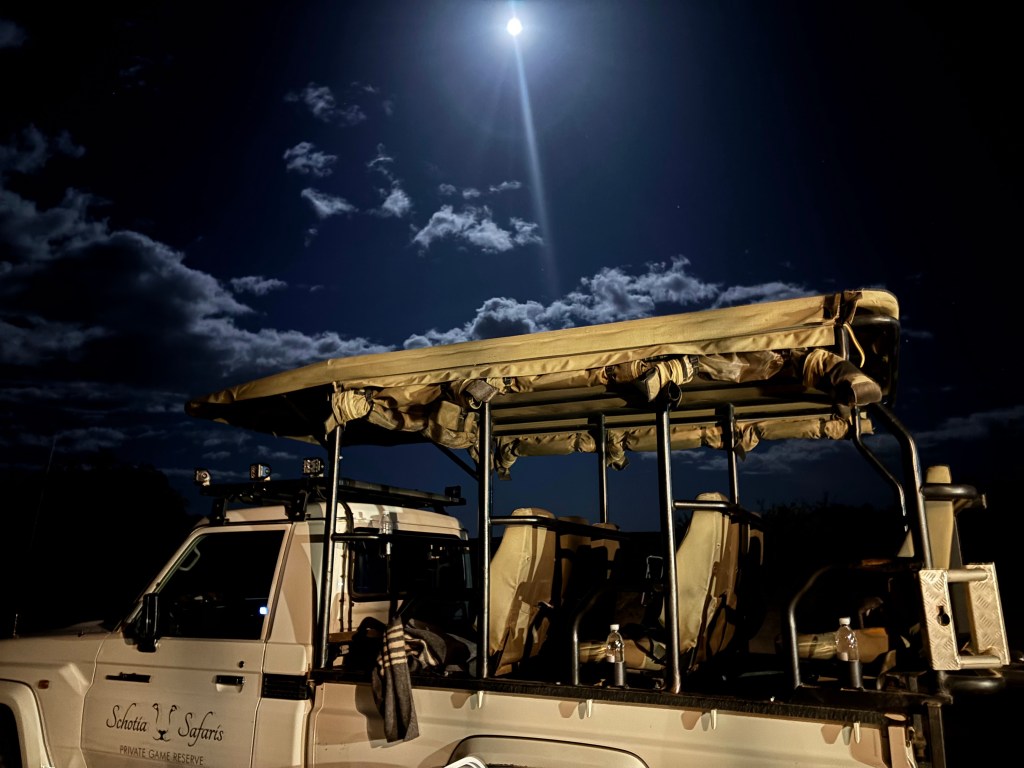
Our afternoon and evening were spent at Schotia Safaris Private Game Reserve. For this adventure, we hopped into a covered Land Rover and were driven through the park by a guide. Schotia is a family-owned private game reserve, the oldest in the Eastern Cape. It was started in the early 1800s and has been owned by the same family for six generations. They have forty different types of animals, many of which we got to see on our safari, and recently purchased more land on which to let their animals roam. While it isn’t a national park, with the lands bought and protected by the government, regardless of the wild animal habitat, it also is not a zoo, where animals are fed and given medical treatment. A game reserve is a swath of land purchased for the animals to live on, and they will usually originally be transferred onto that land from elsewhere, but ultimately they are experiencing the circle of life primarily undisturbed while on that land. The exception is when predators overhunting a certain species may prompt cause the owners to migrate populations to a different part of the park for the sake of the predator and/or the prey. Although game reserves may sometimes be used for people to hunt, this game reserve was purely for animal conservation and sightseeing, and there were actually stories we heard of rhino poaching that caused a lot of trauma and anger for the owners.
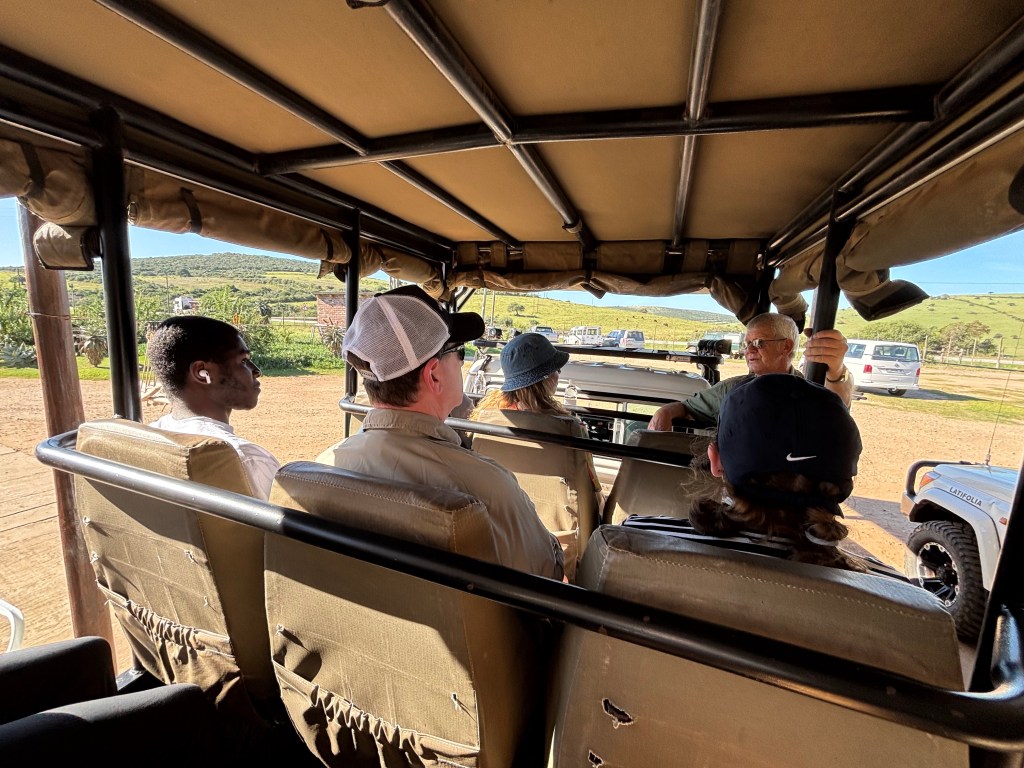
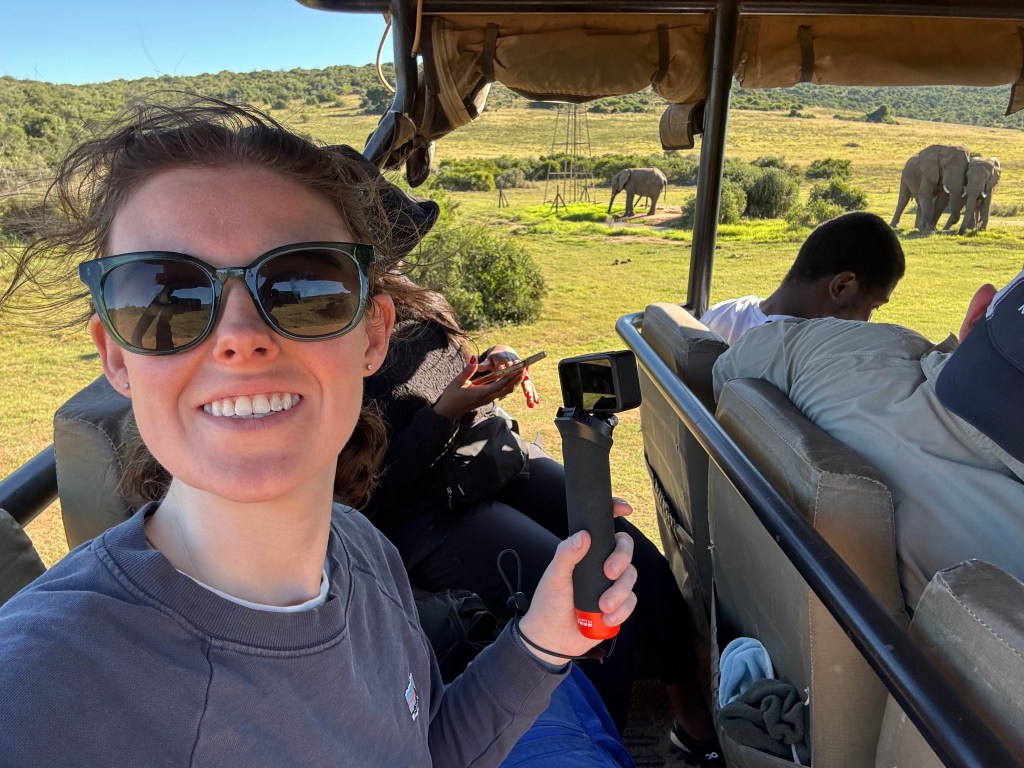

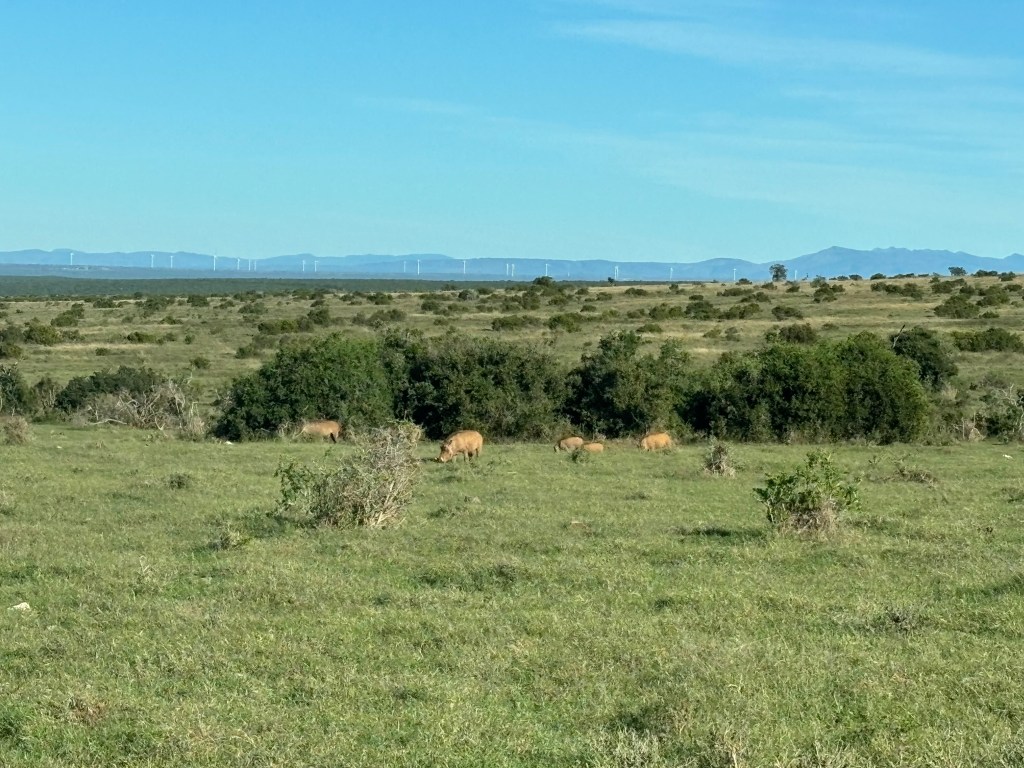
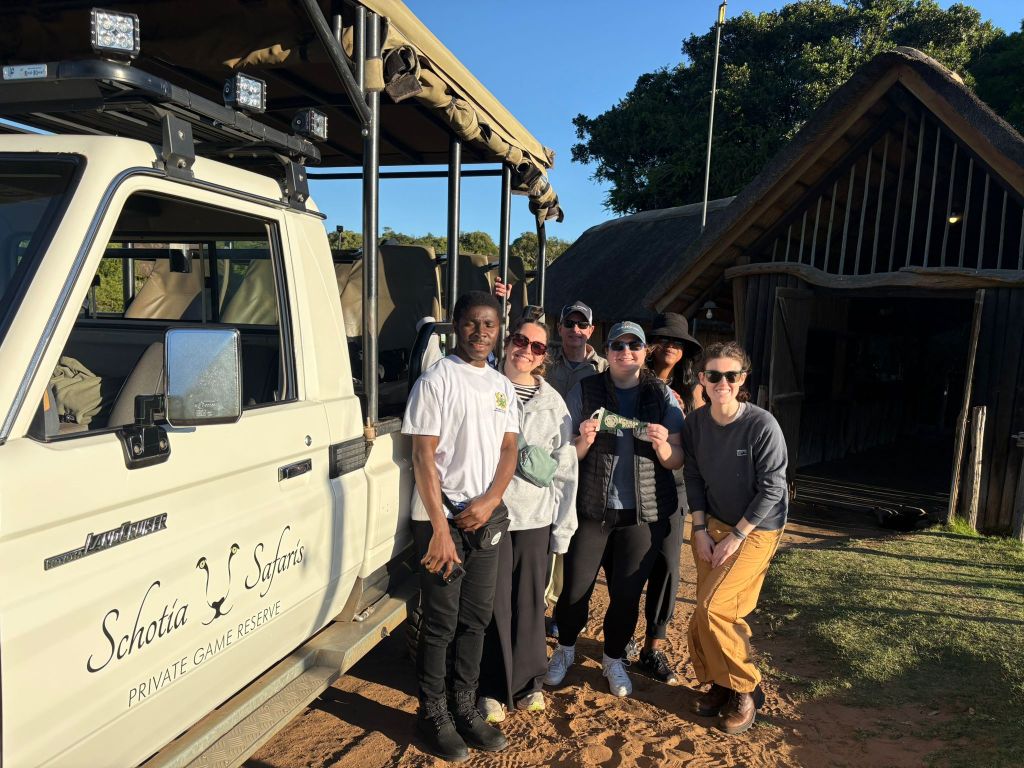
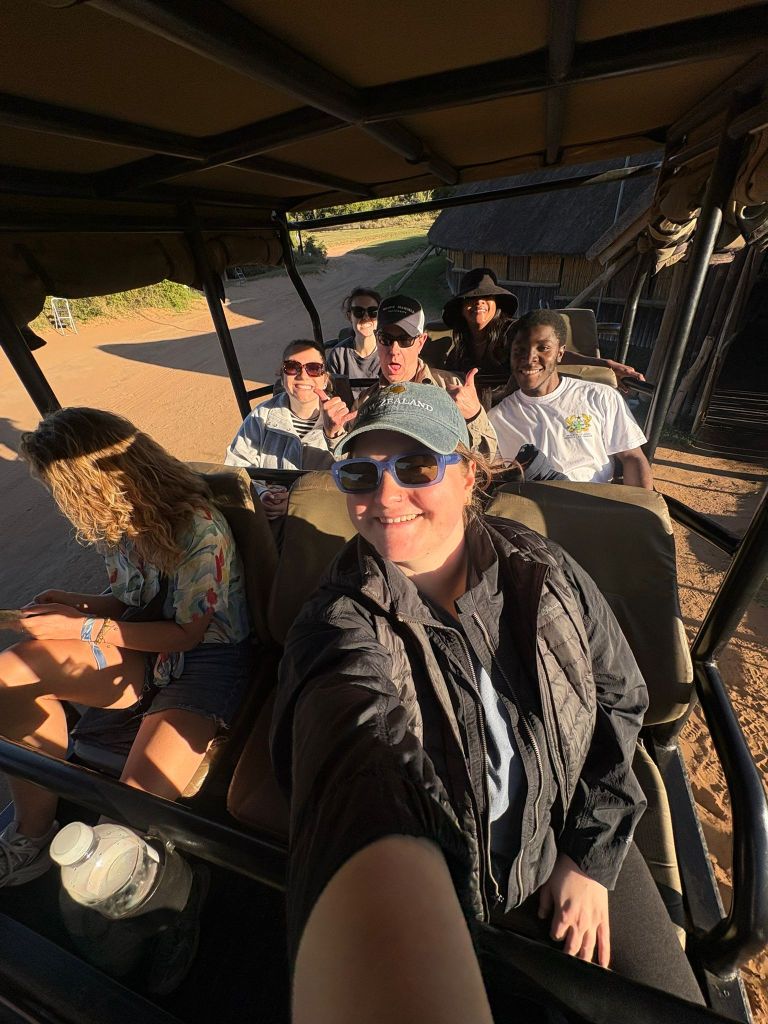
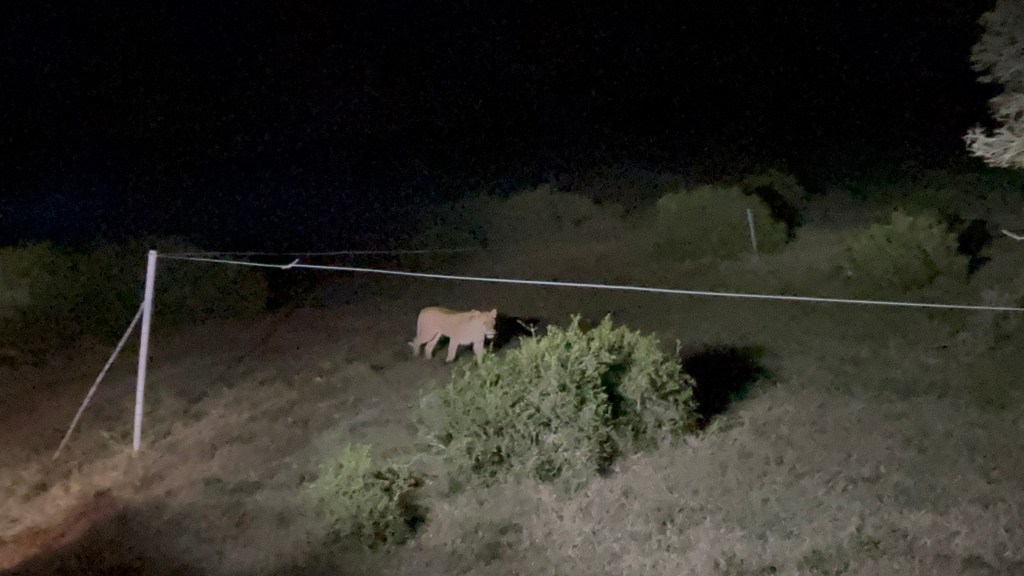
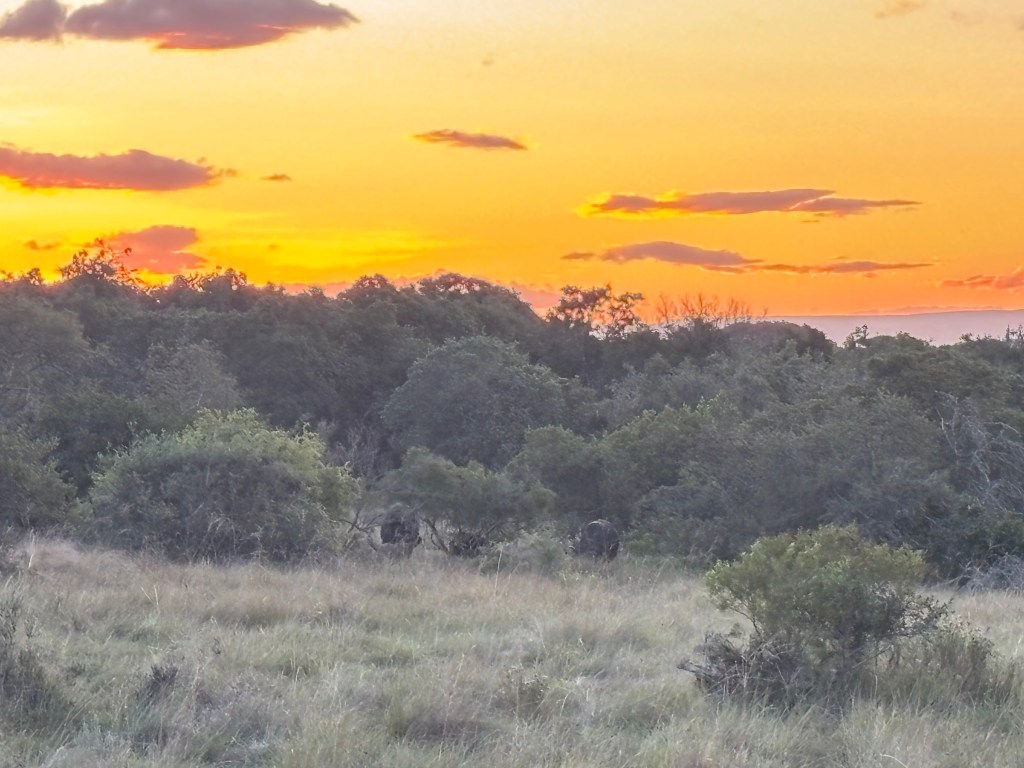
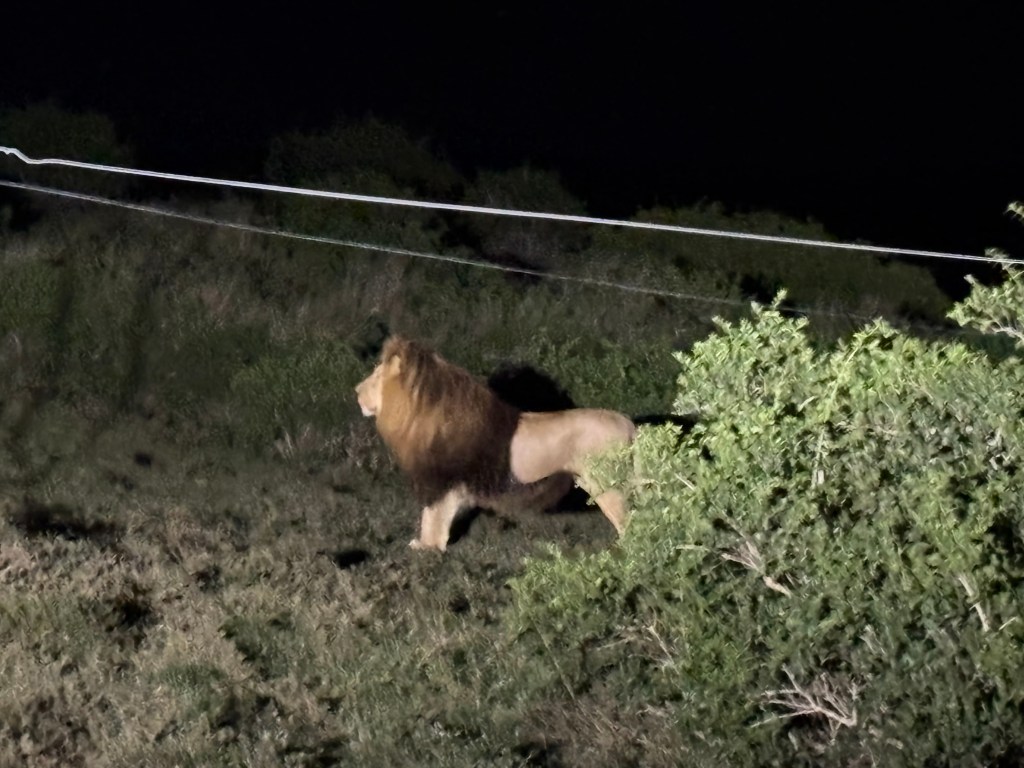
We drove around, seeing many of the same animals we’d seen at Addo. About an hour and a half into our adventure, we stopped to have some tea before heading back out again. The second half of the afternoon was filled with more animal sightings. While on the safari, we saw many animals, including elephants, warthogs, rhinos, zebras, antelopes, ostriches, lions, giraffes, and hippos. We learned that the lions, which were the stars of the day, were part of an effort to reintroduce a line of Cape lion genetics to the region. This type of lion originally went extinct in the wild in the 1800s, but the lions in Schotia have genetic similarities to the Cape lions and were reintroduced a few years ago. They were now at the point of three generations in this lion family, totaling about 9 lions in the pride, and are hoping to continue conservation of this lion population.
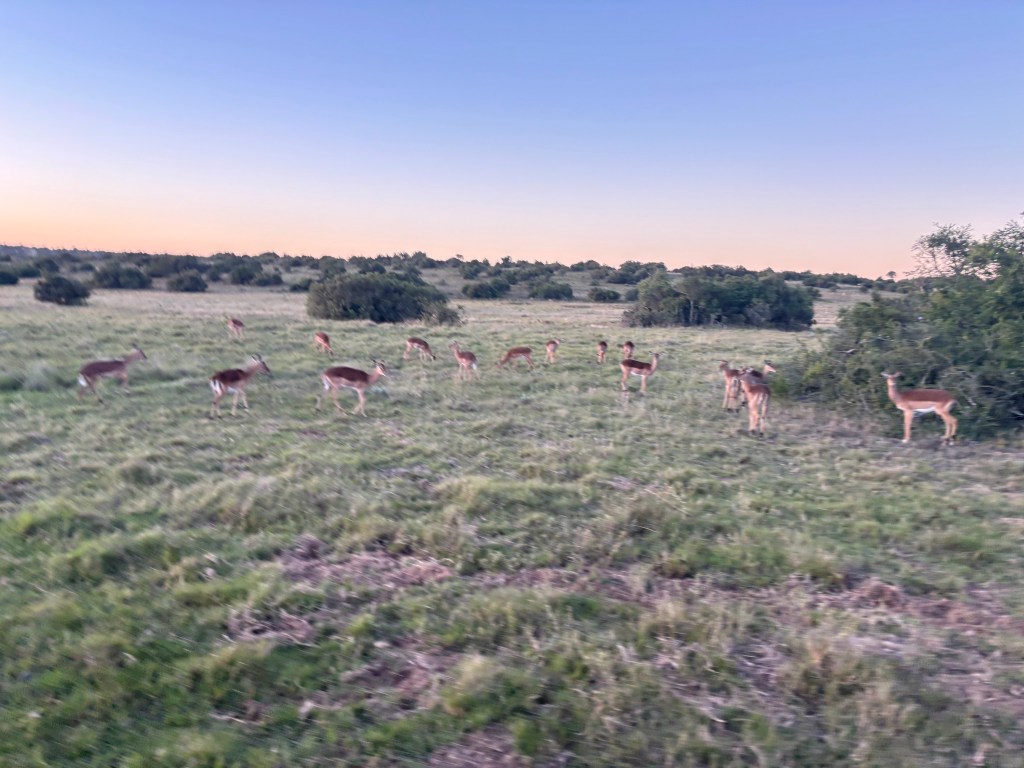
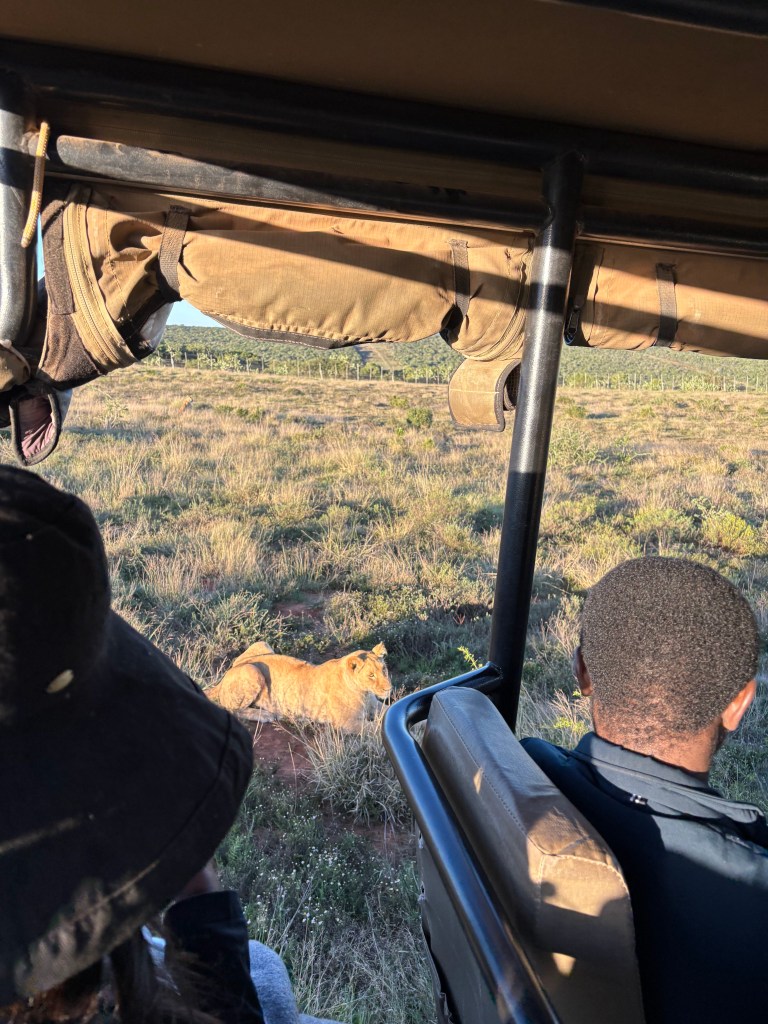
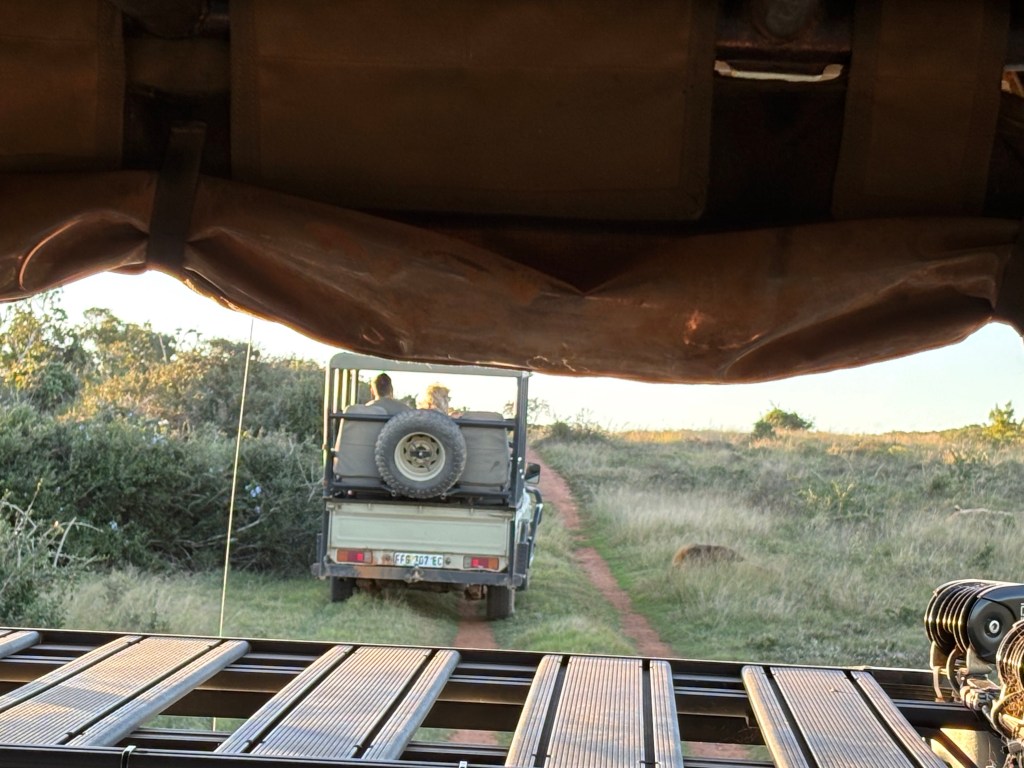
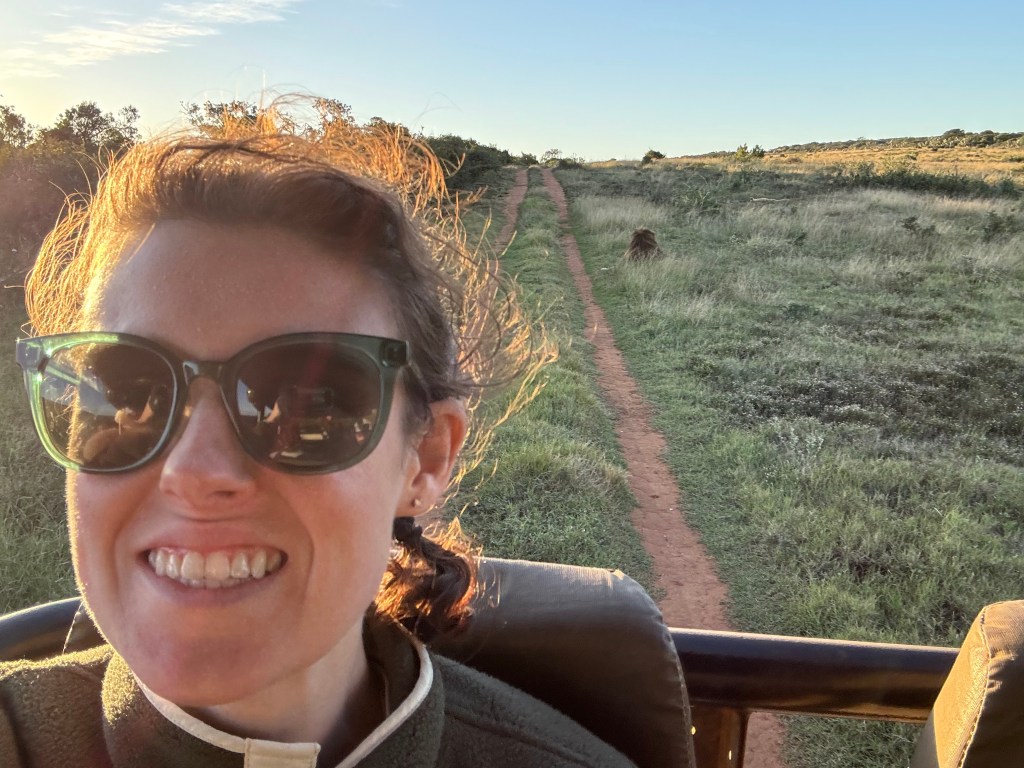
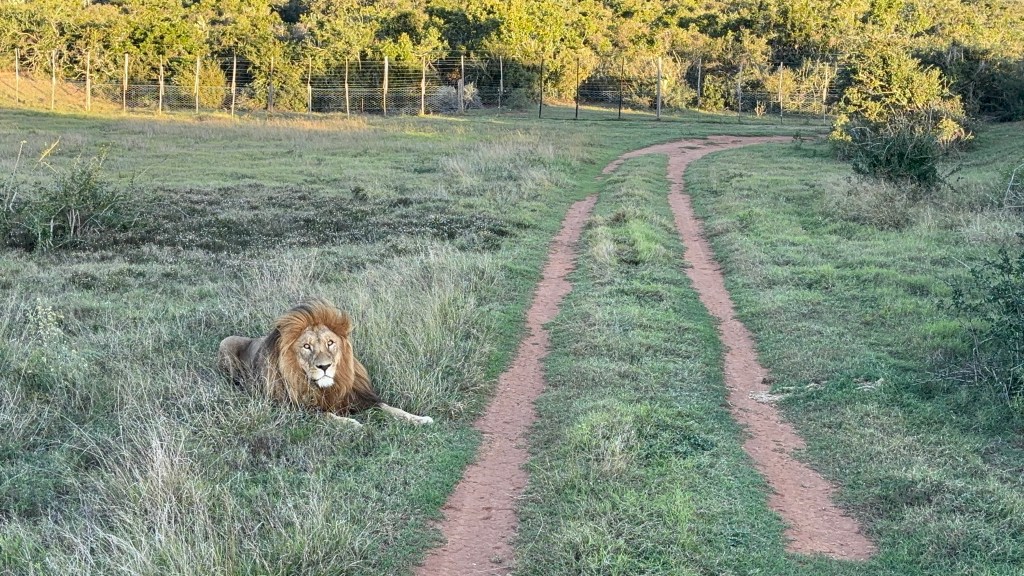

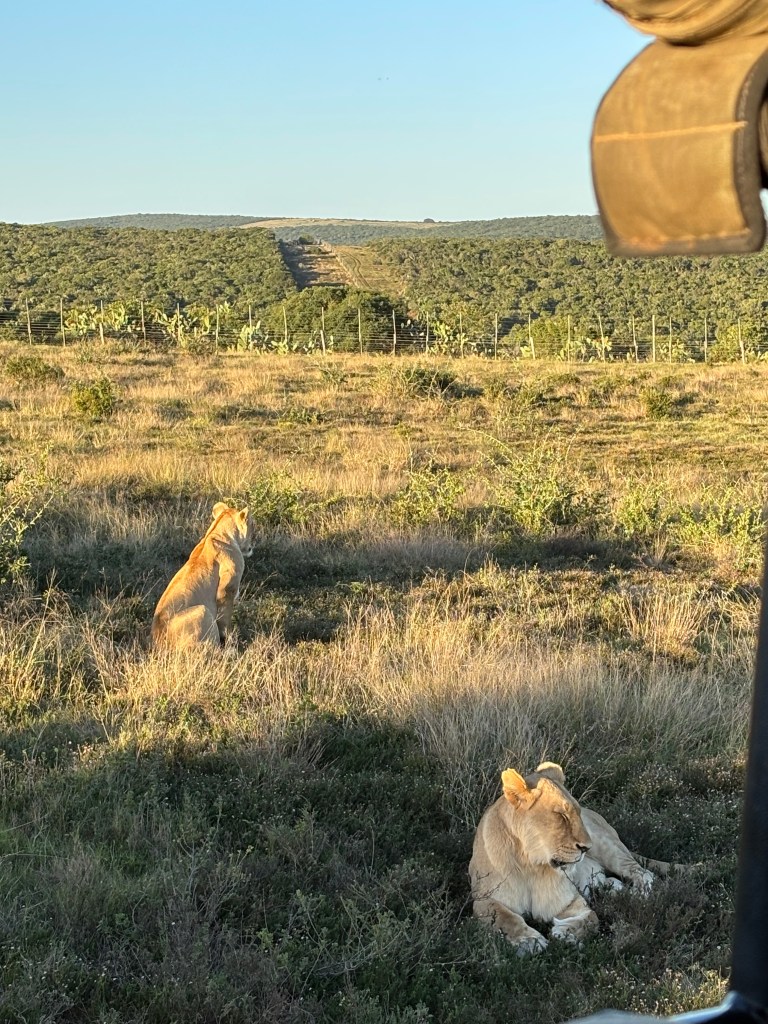

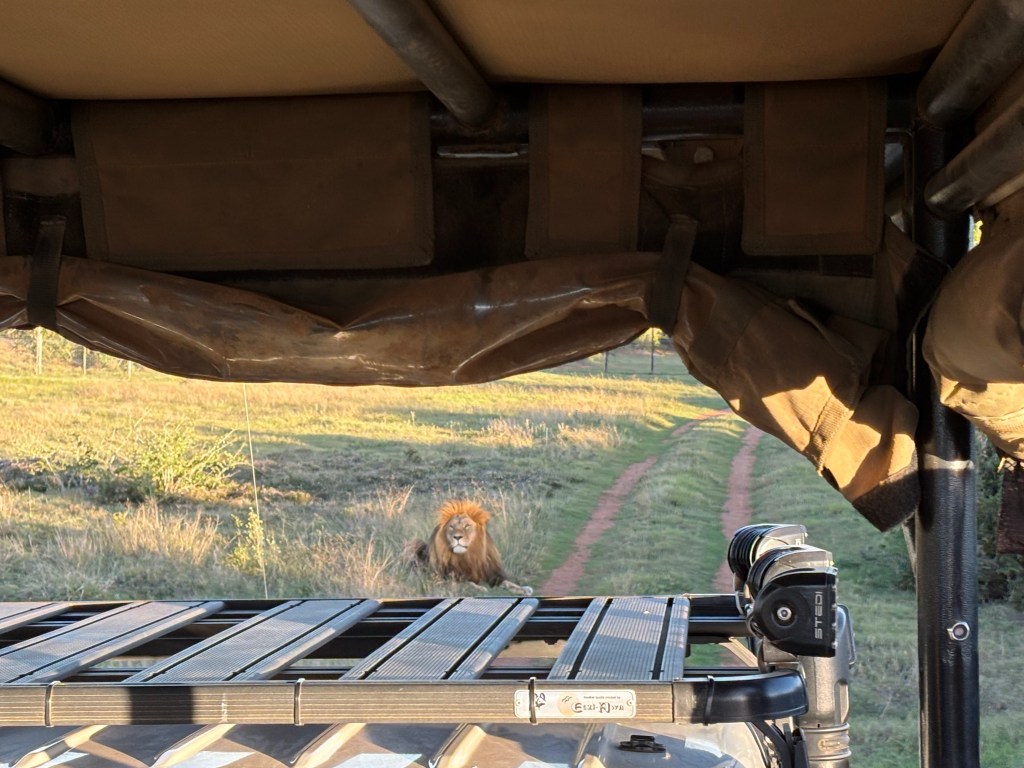
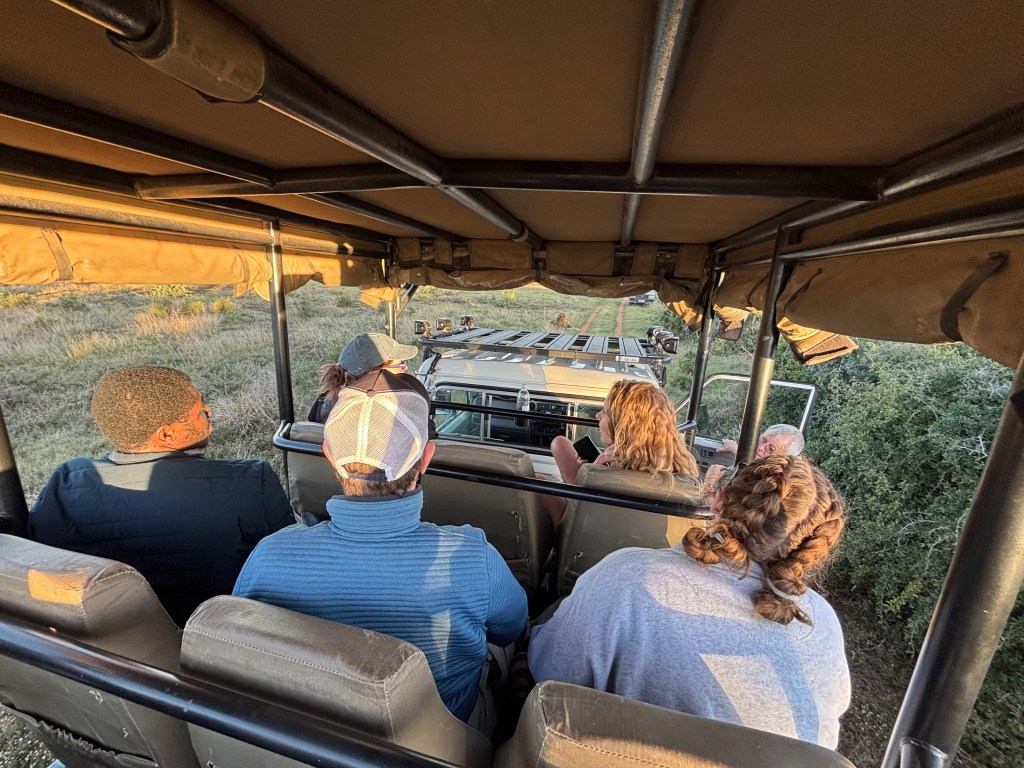
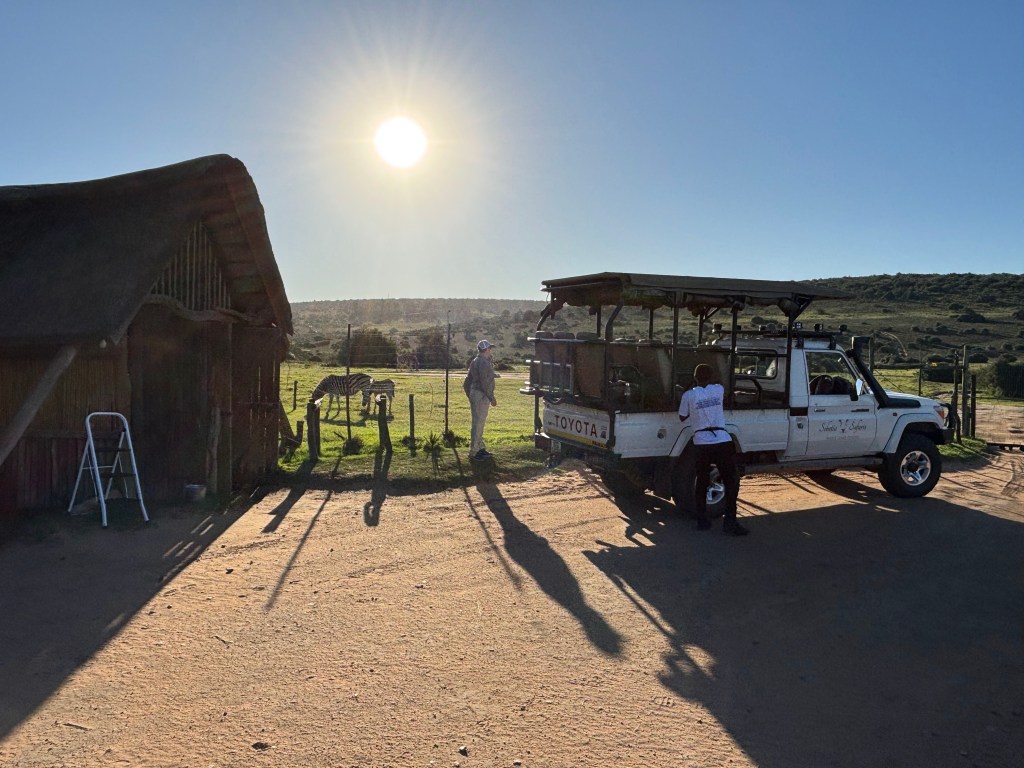
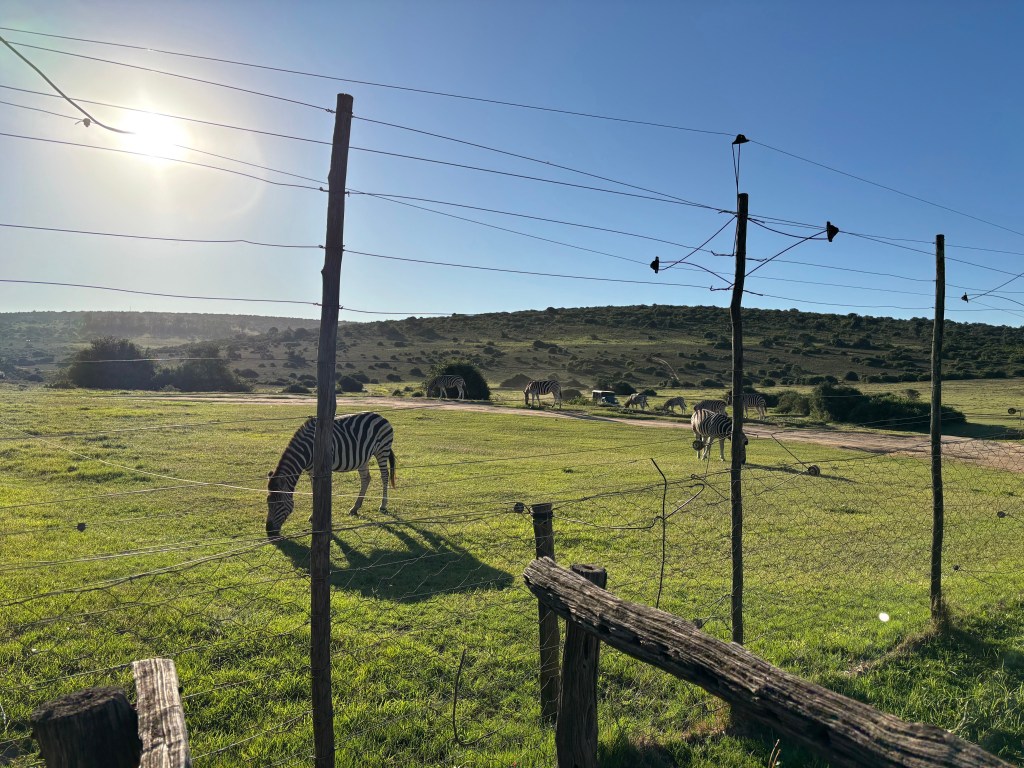
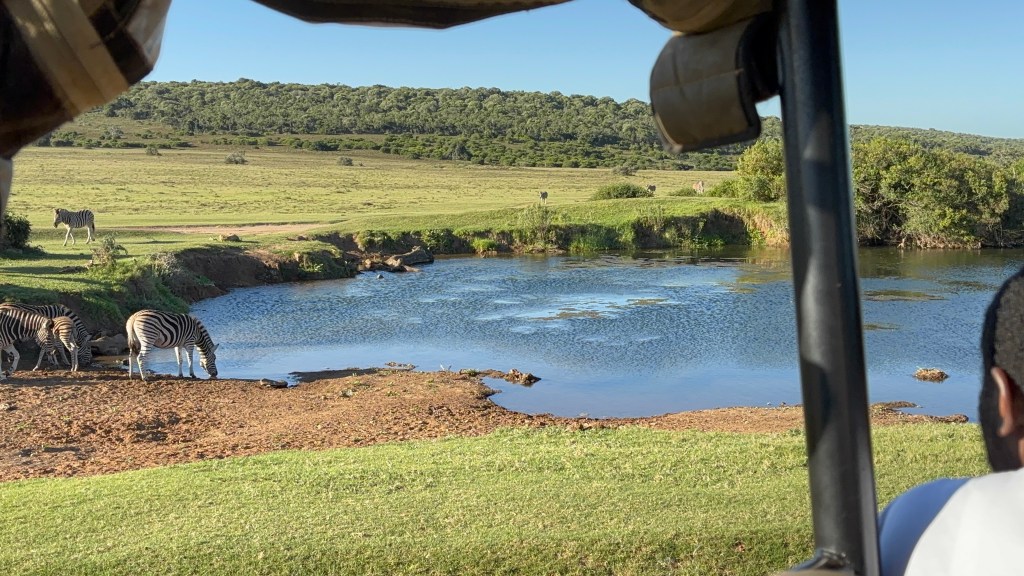
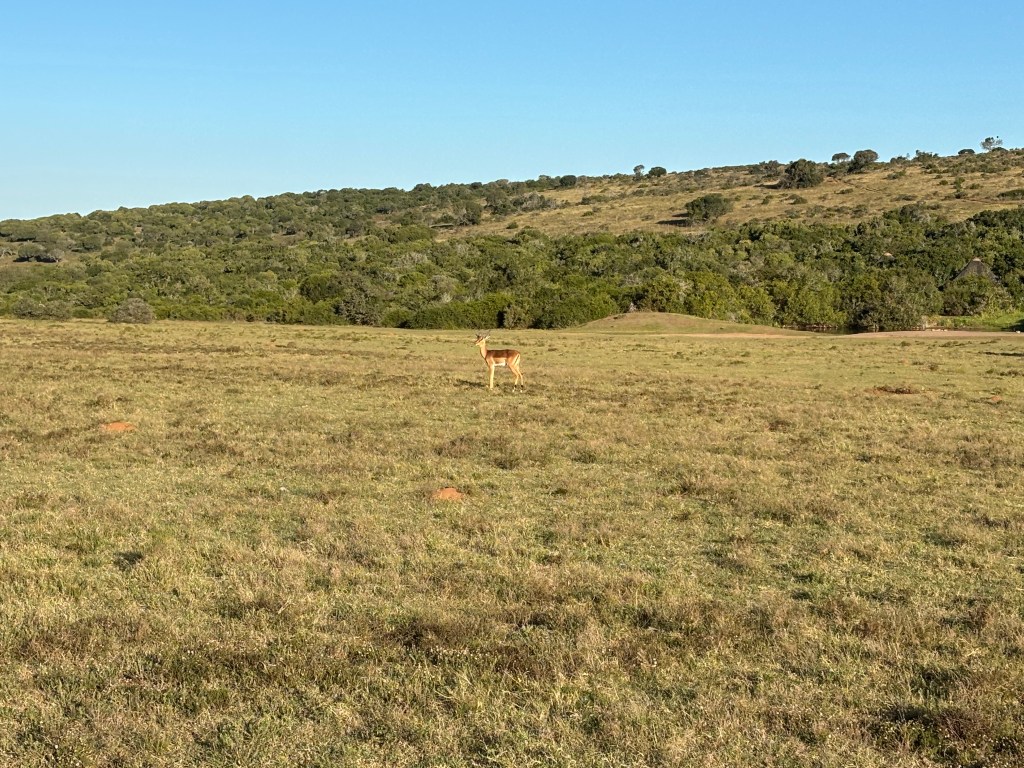

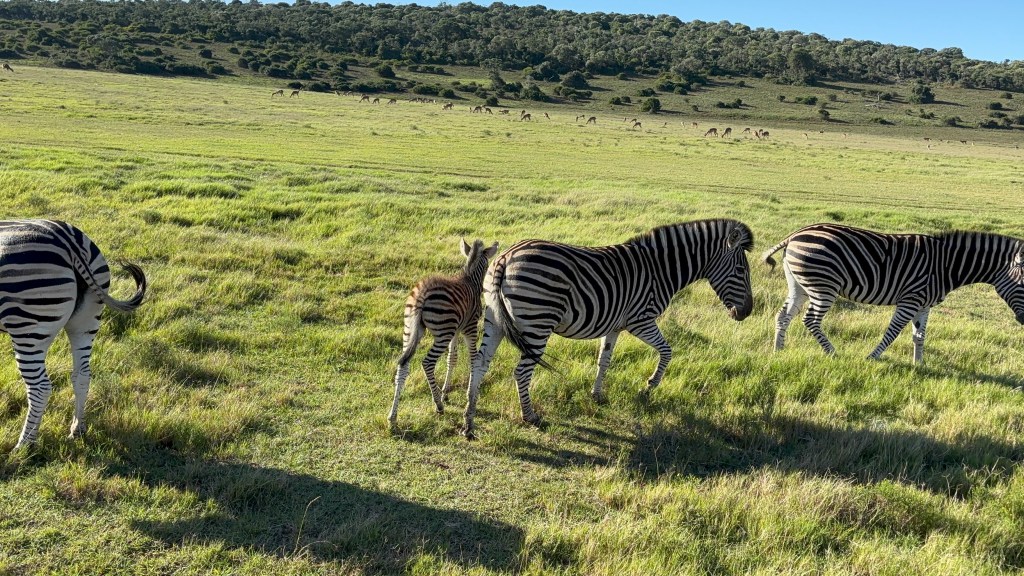
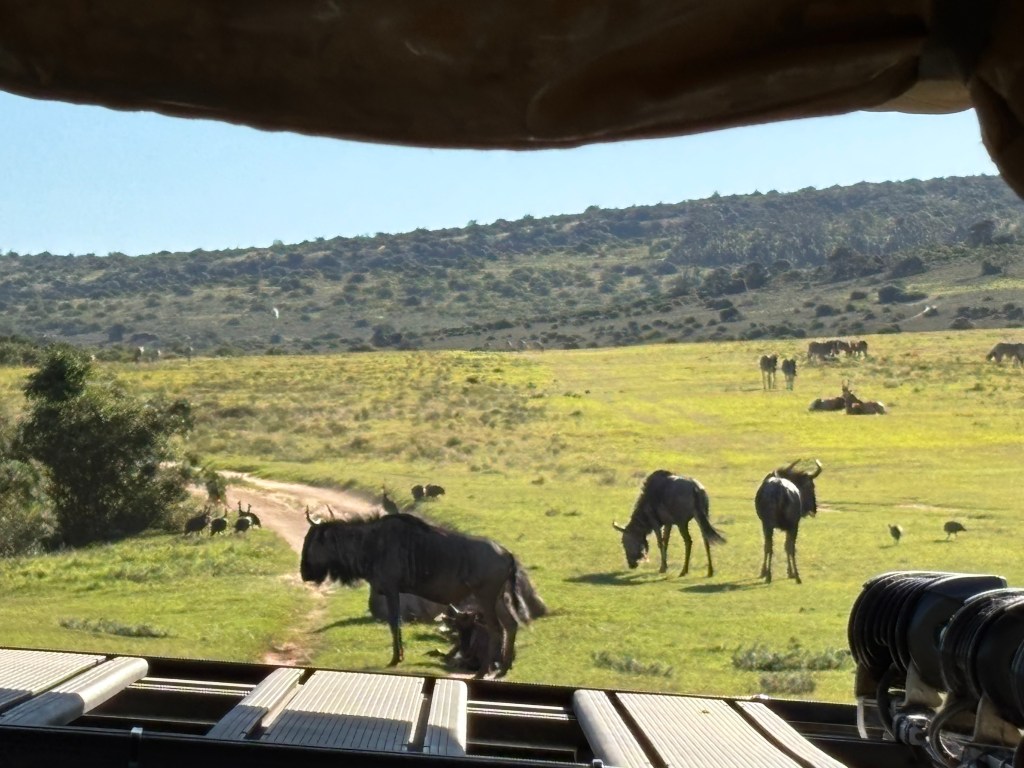
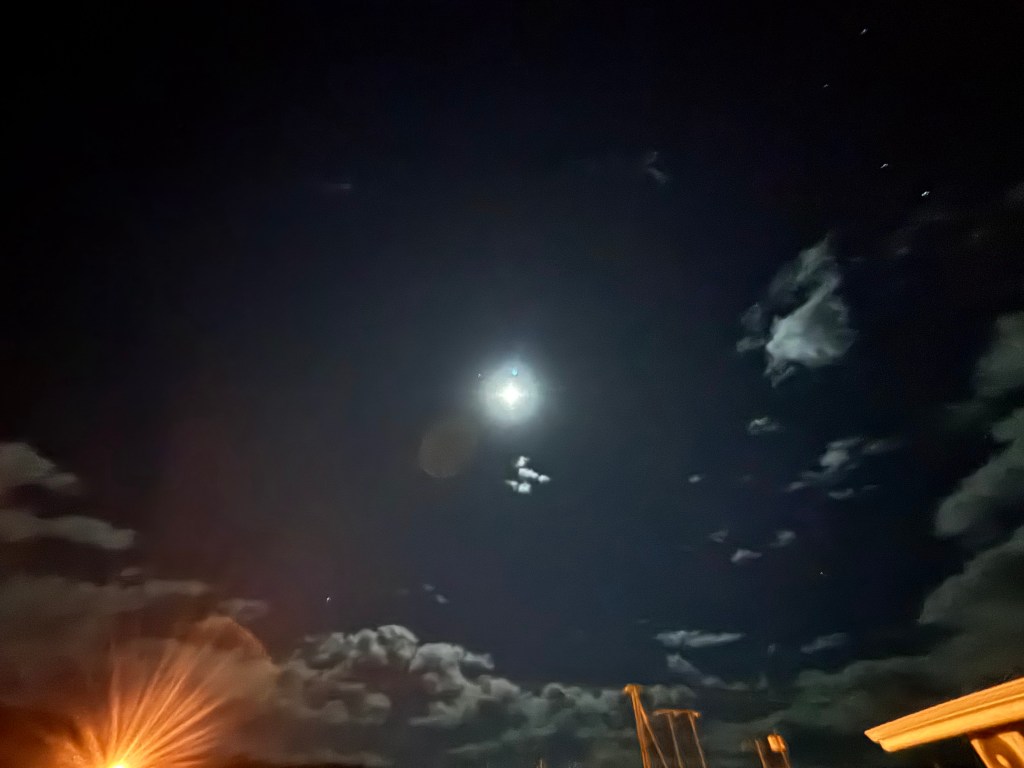
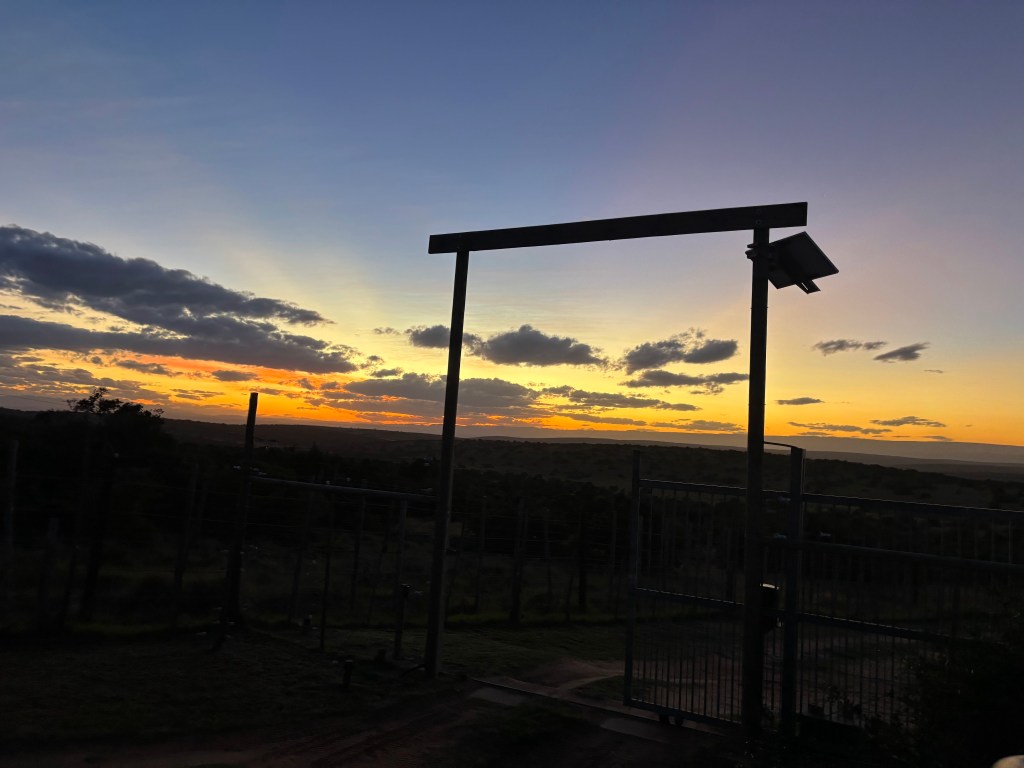
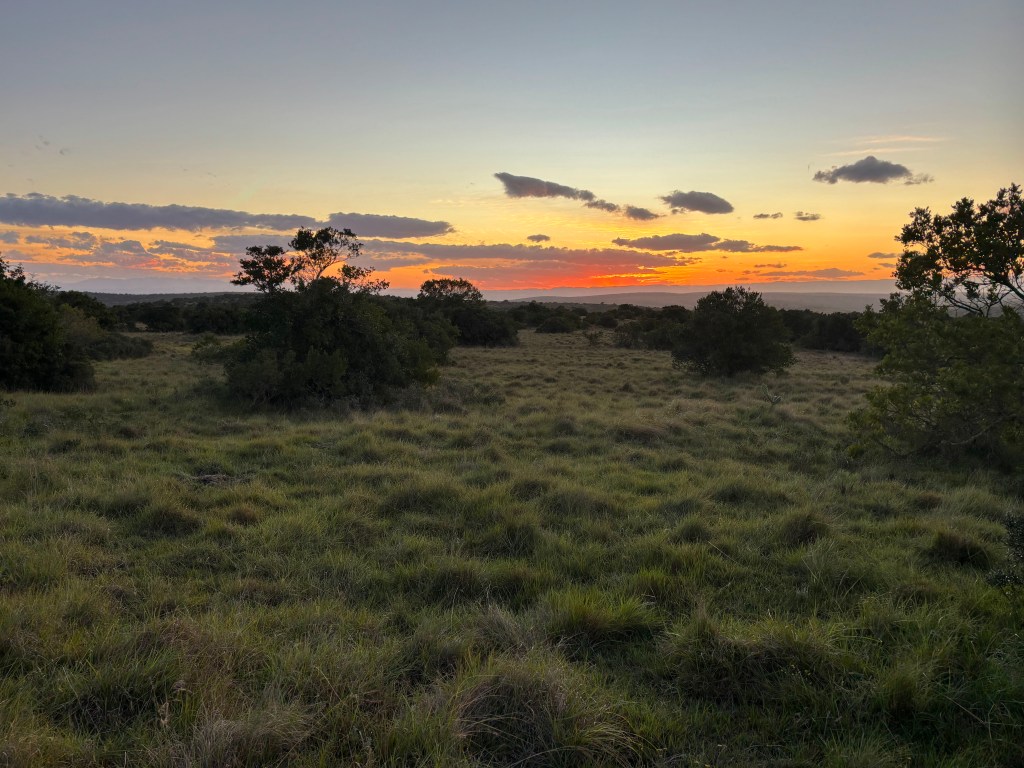
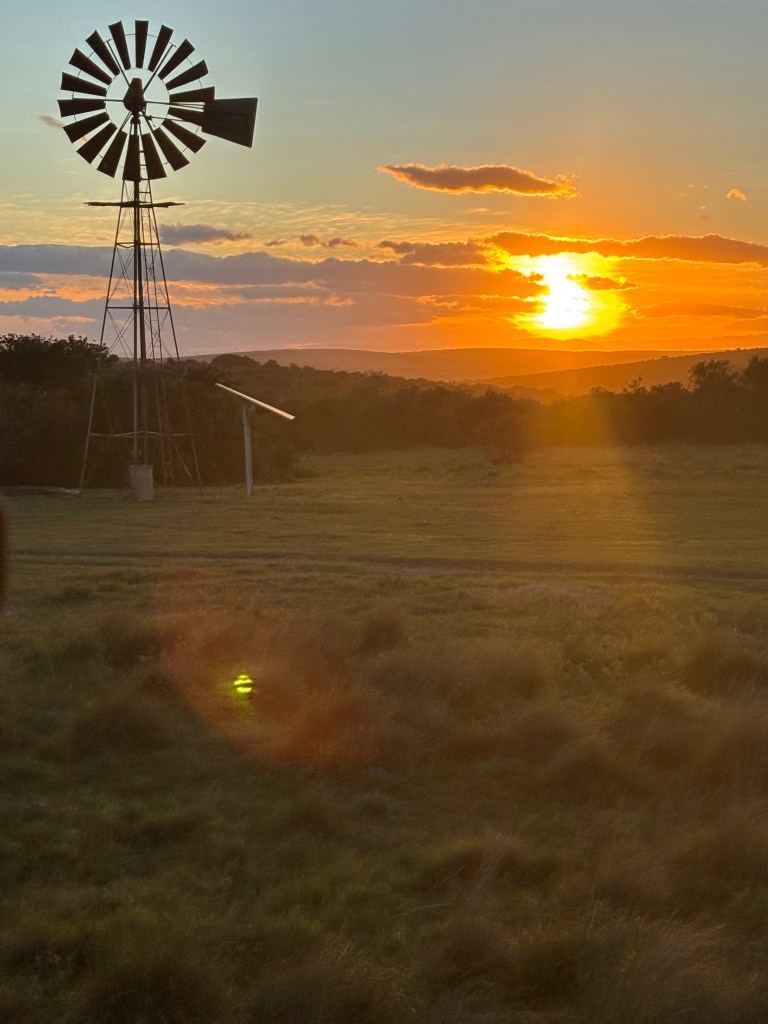
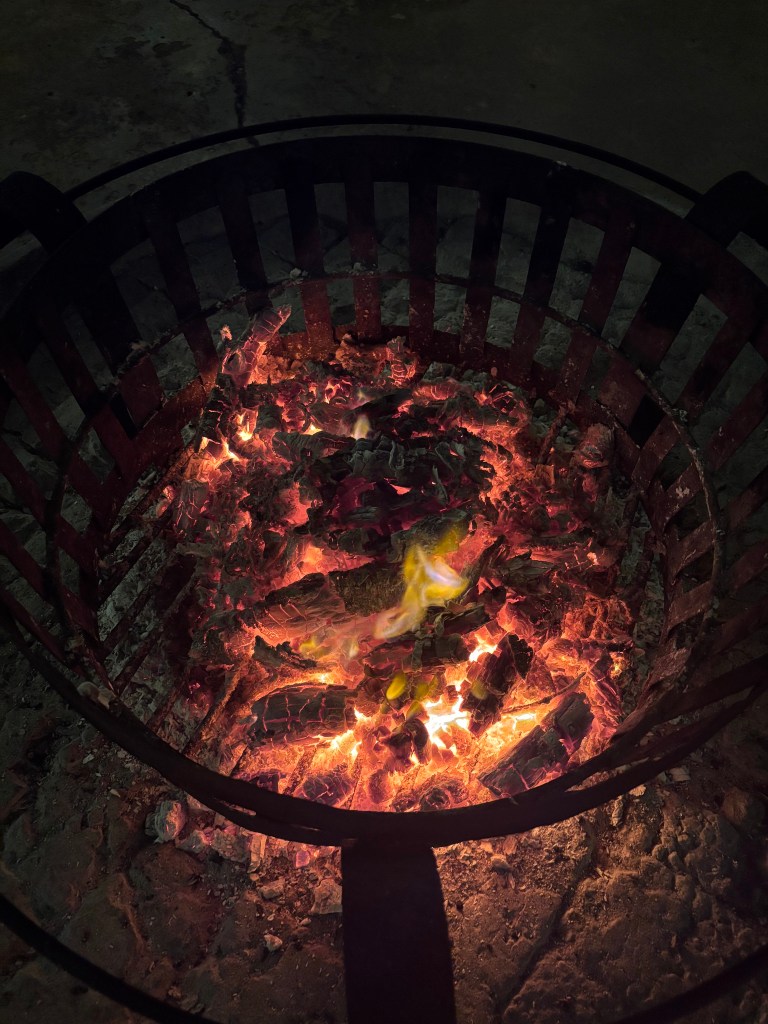
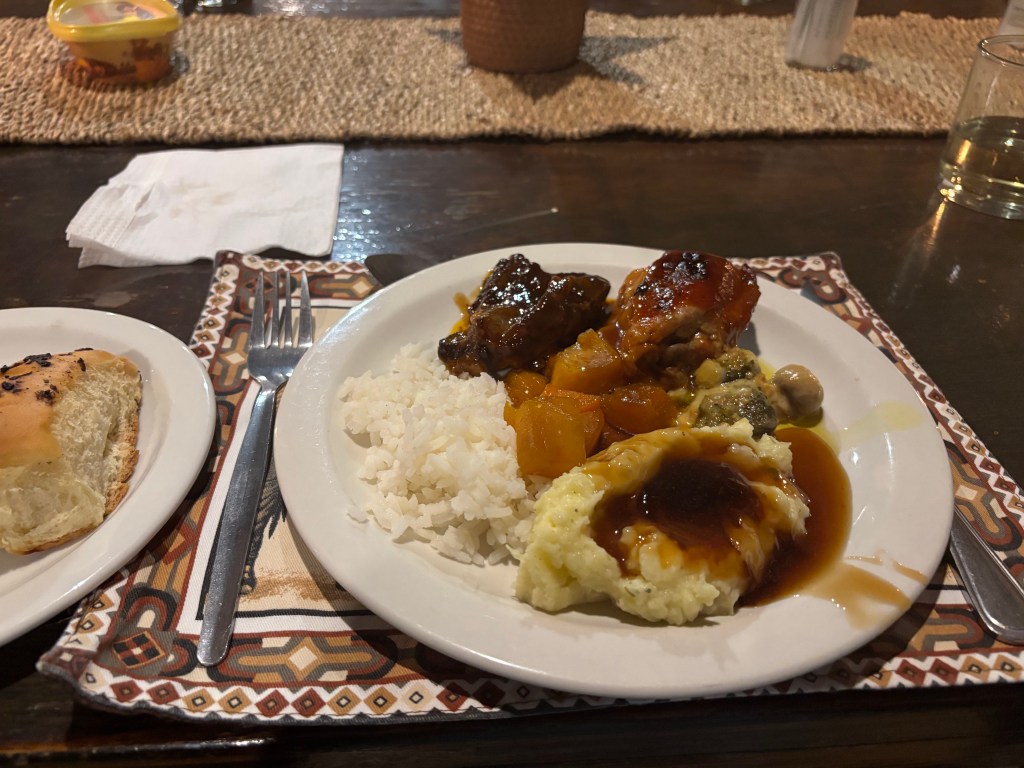
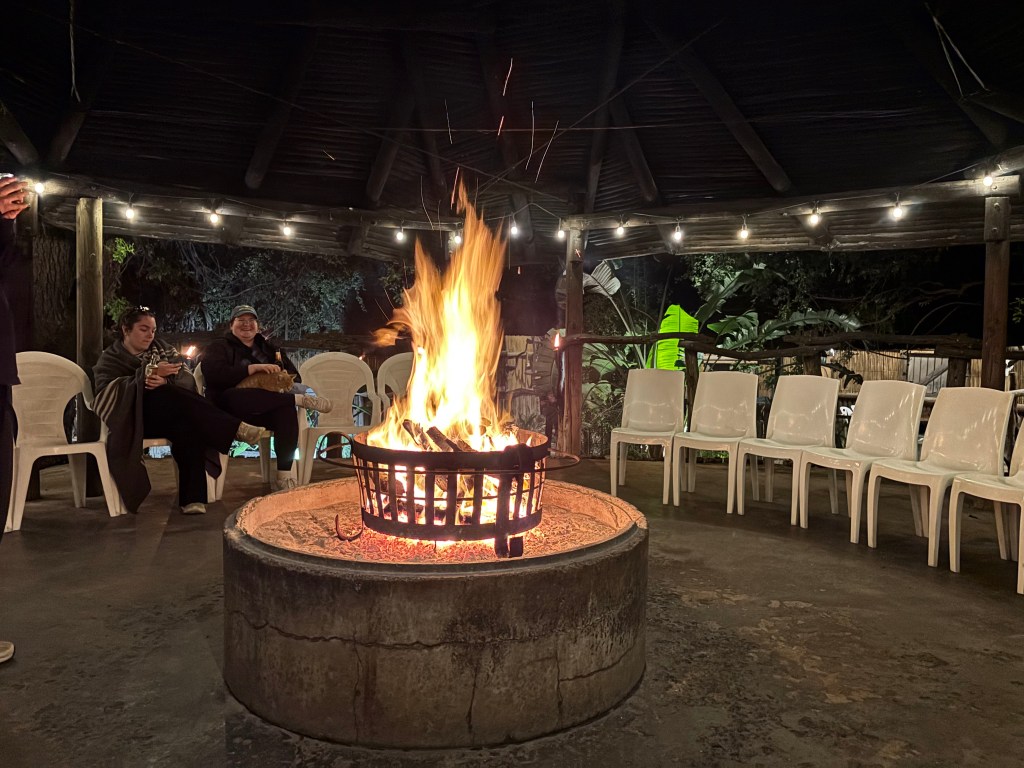
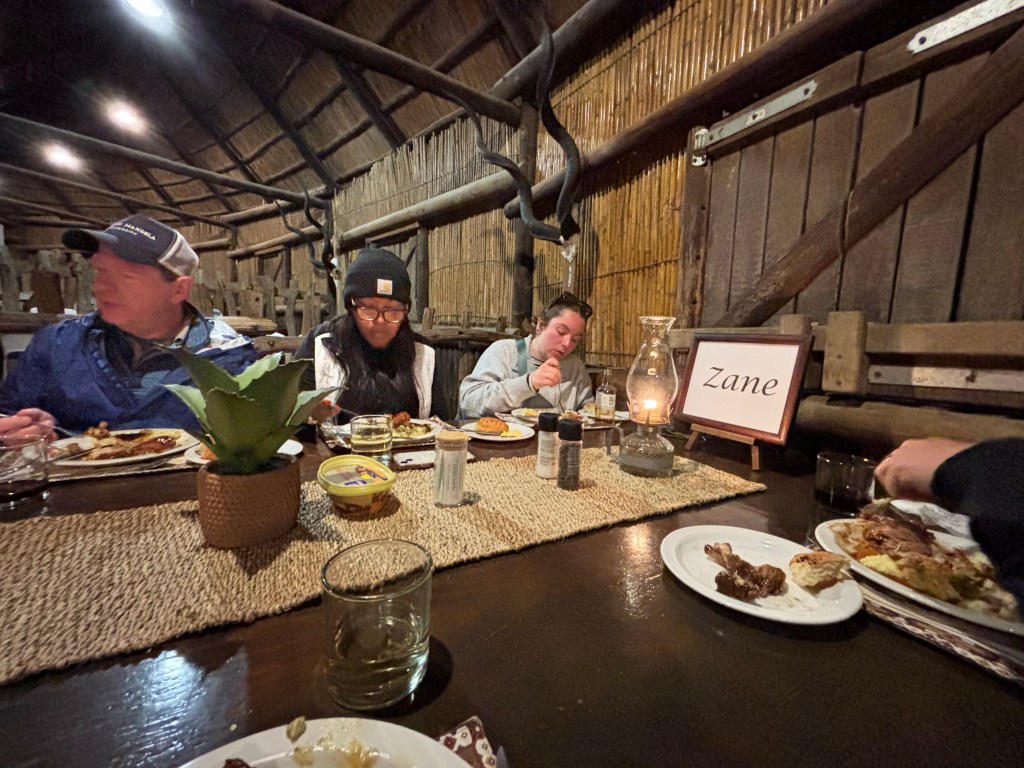
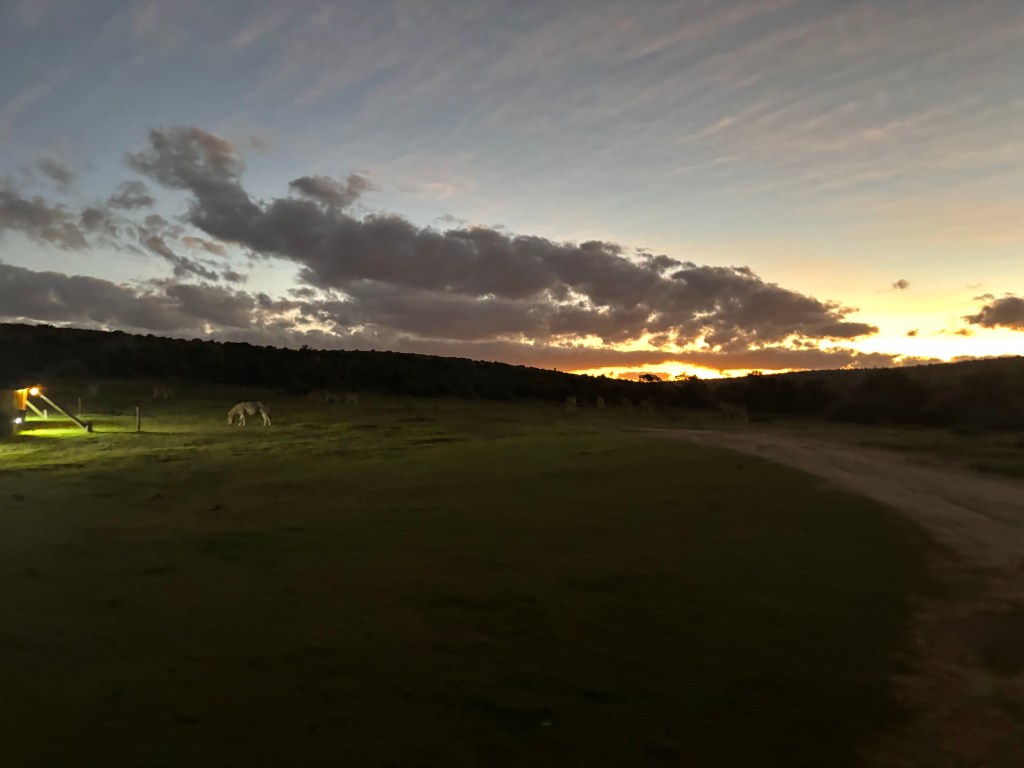
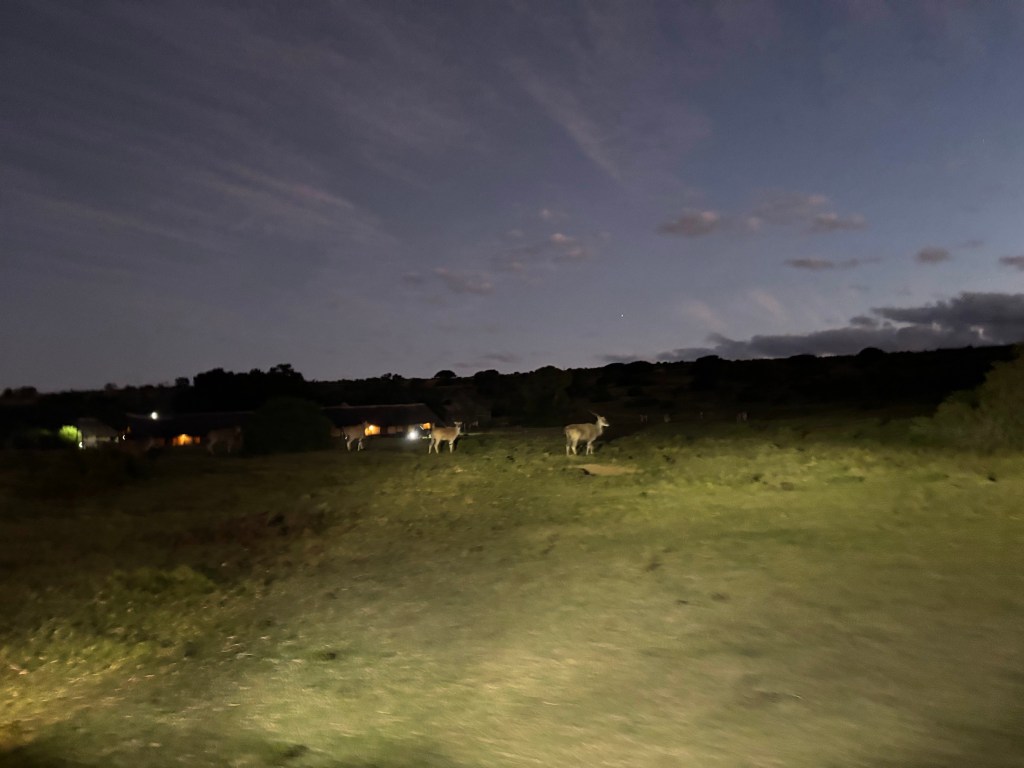
After seeing the lions, we drove around a bit more as the sun set. Once it started to get dark, we headed off to dinner on the reserve, a delicious meal of stew, chicken, potatoes, rice, vegetables, bread, and dessert. After our meal, we started the night drive back to the front gate, holding lights up to search for flashes of eyes in the darkness. We saw herds of antelopes and zebras, and we eventually came upon the lions again. They were stalking a herd of antelope, on the prowl for one of the injured ones we’d seen earlier. We waited and watched them for a while, but ultimately our presence disturbed their hunt just enough that the antelope they were after ended up getting away. After that really unique experience, we were exhausted and ready for the end of our night.




A little break
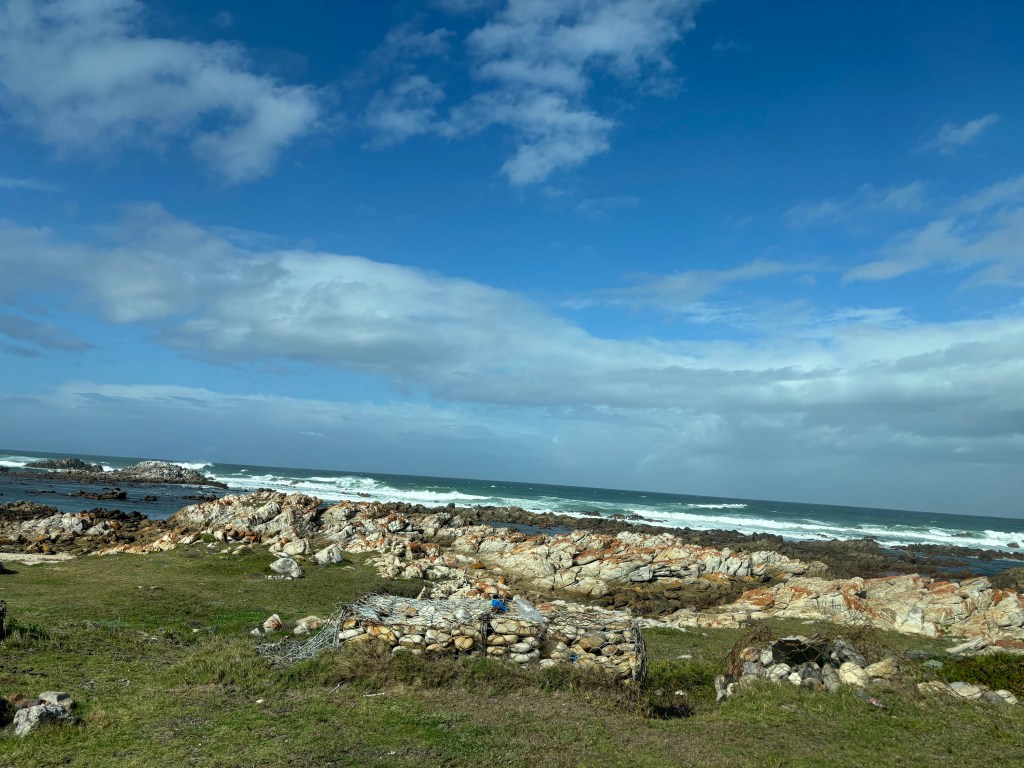
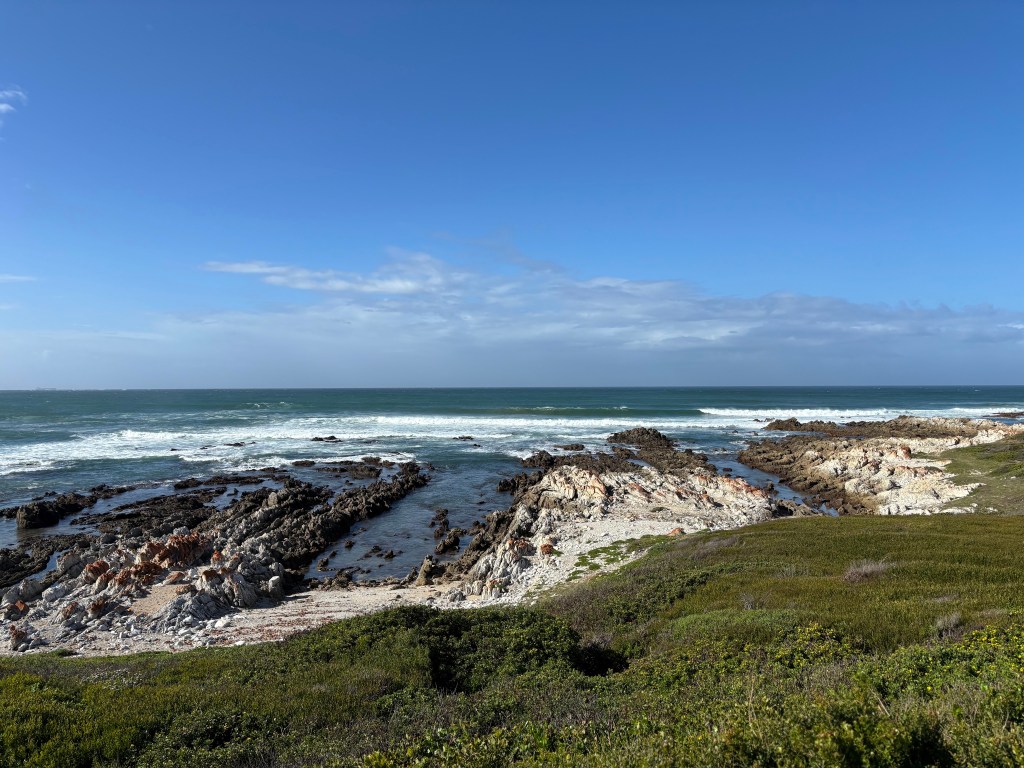
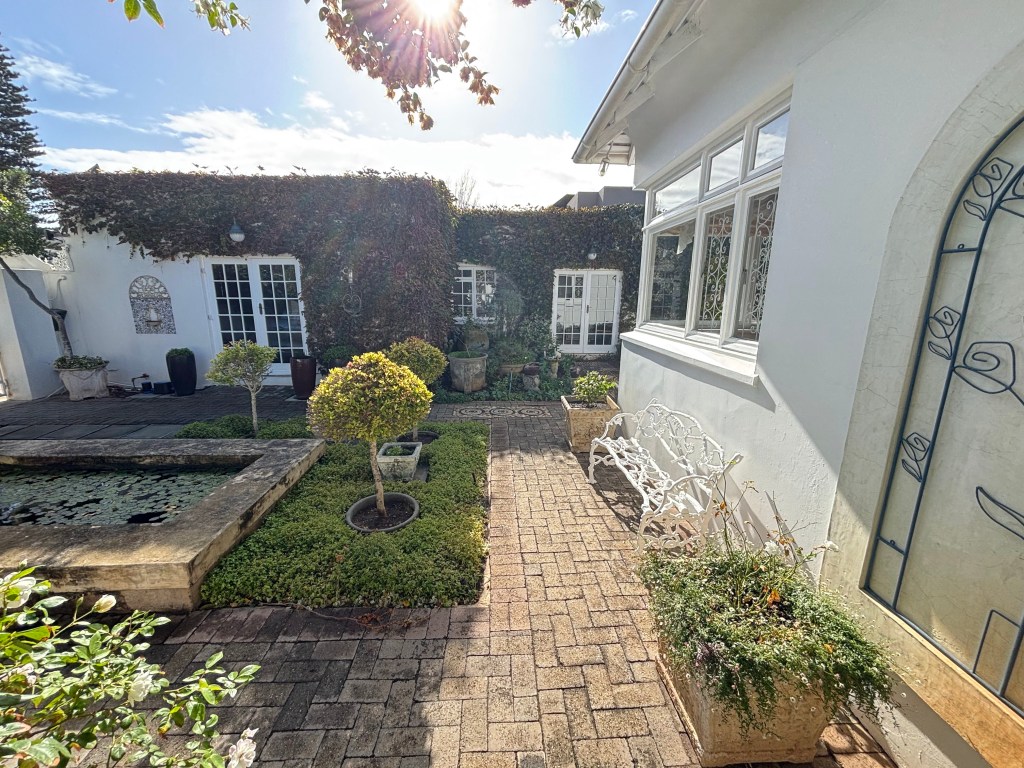
The next morning, we wandered around PE/GQ, stopping at a few scenic outlooks along the coast and to view the outside of one of the other NMD campuses. It had been raining in the morning, so the market that Dr. W planned to take us to for some souvenir shopping wasn’t as lively as it usually was on Sunday mornings, but there were still some vendors by the time we got there, and my colleagues bought some gifts for their families and friends. Because haggling makes me extremely uncomfortable, I lent one of them my cash, and she made a purchase for me while buying some of her own stuff.
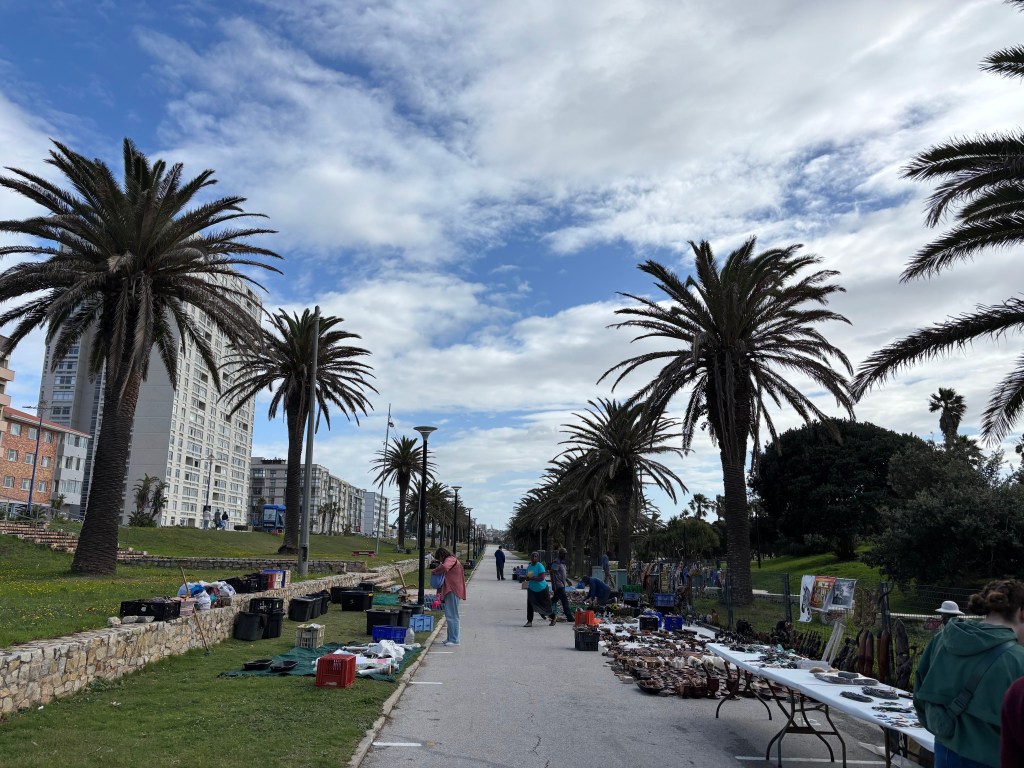
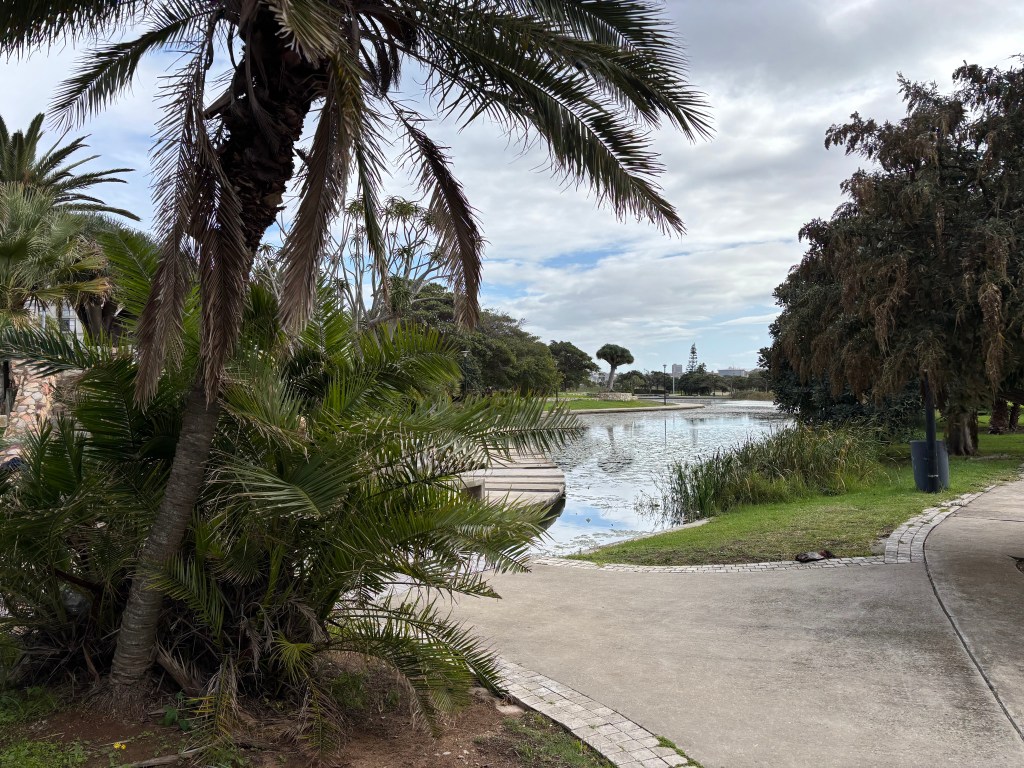
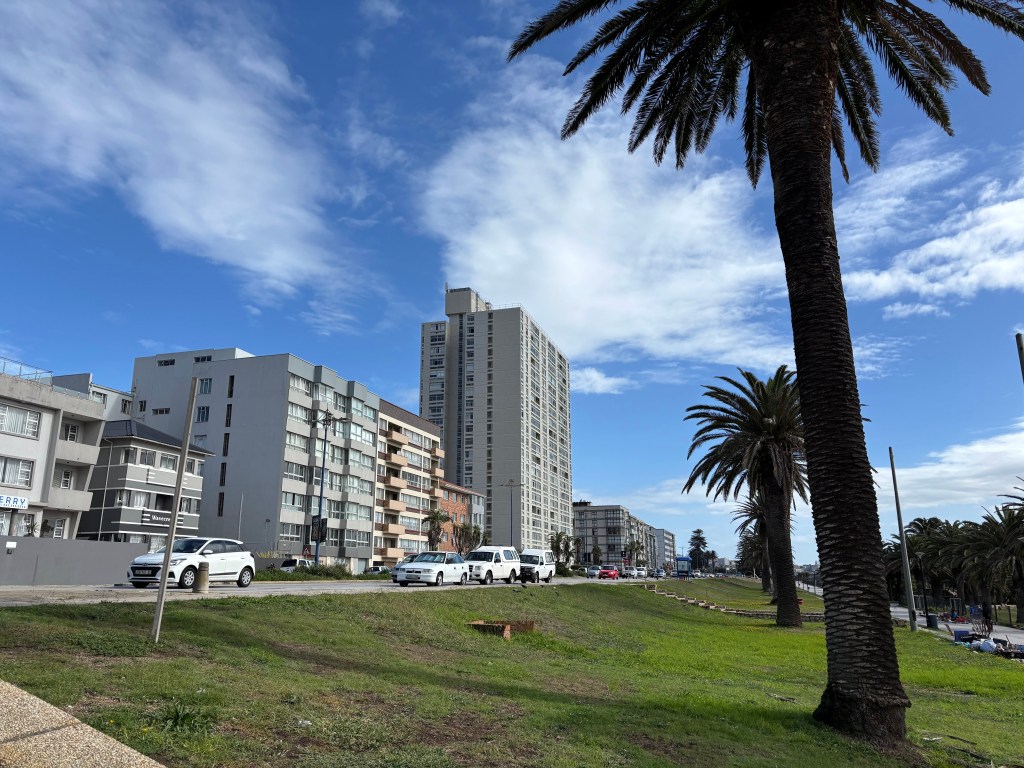
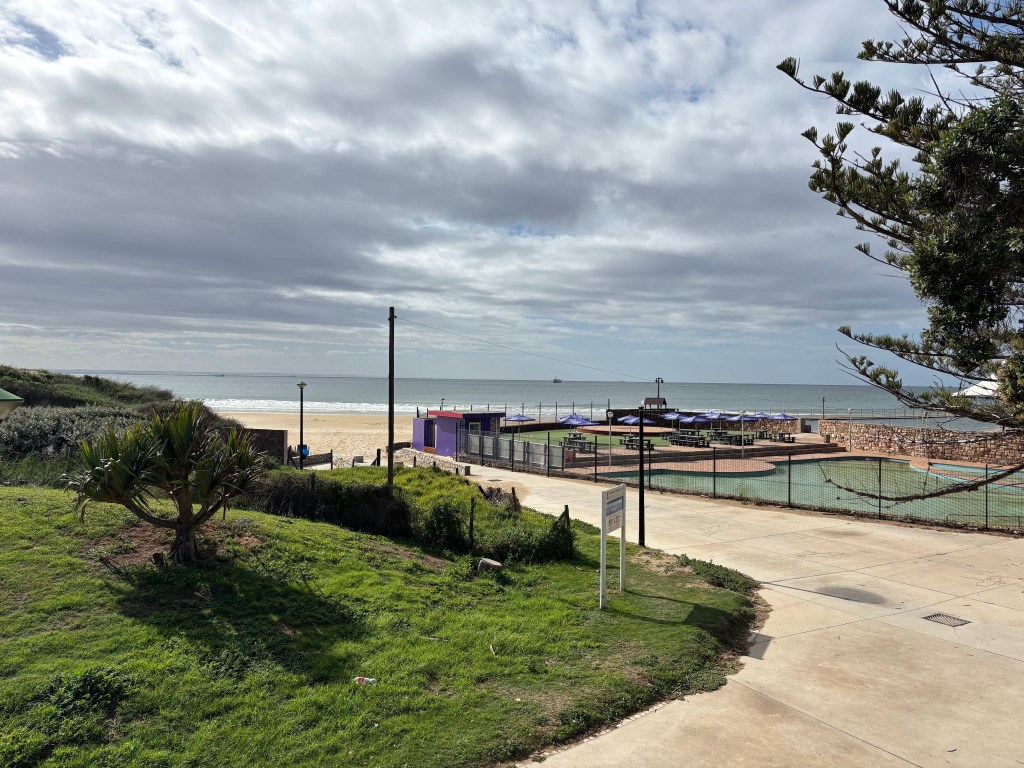
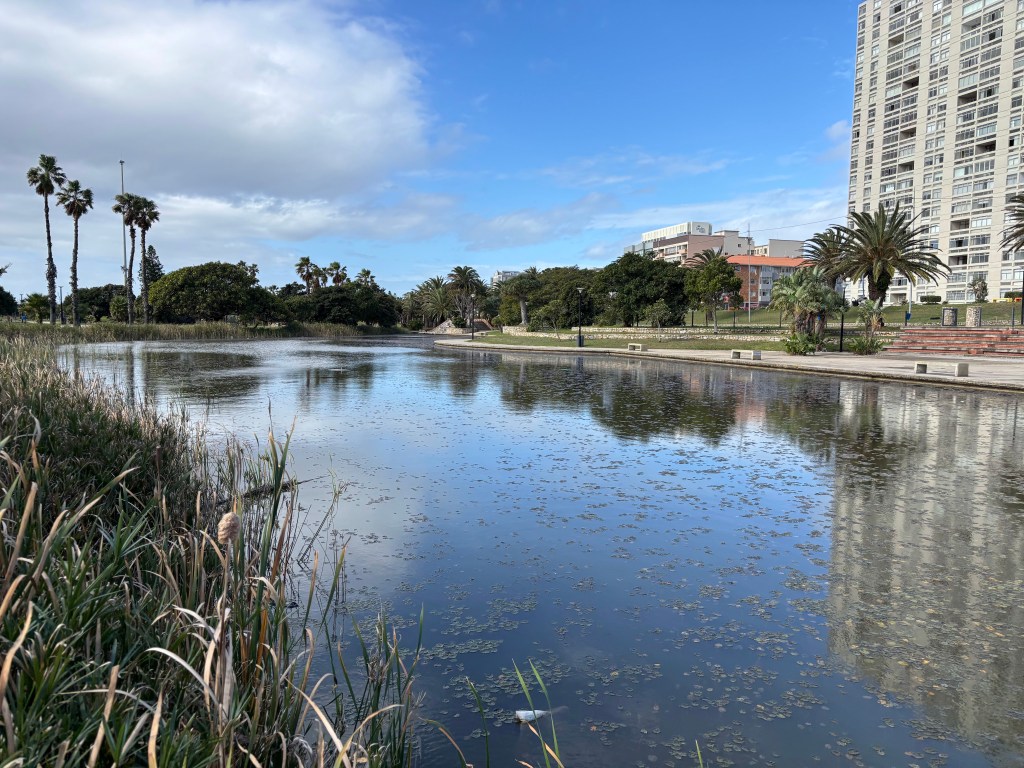
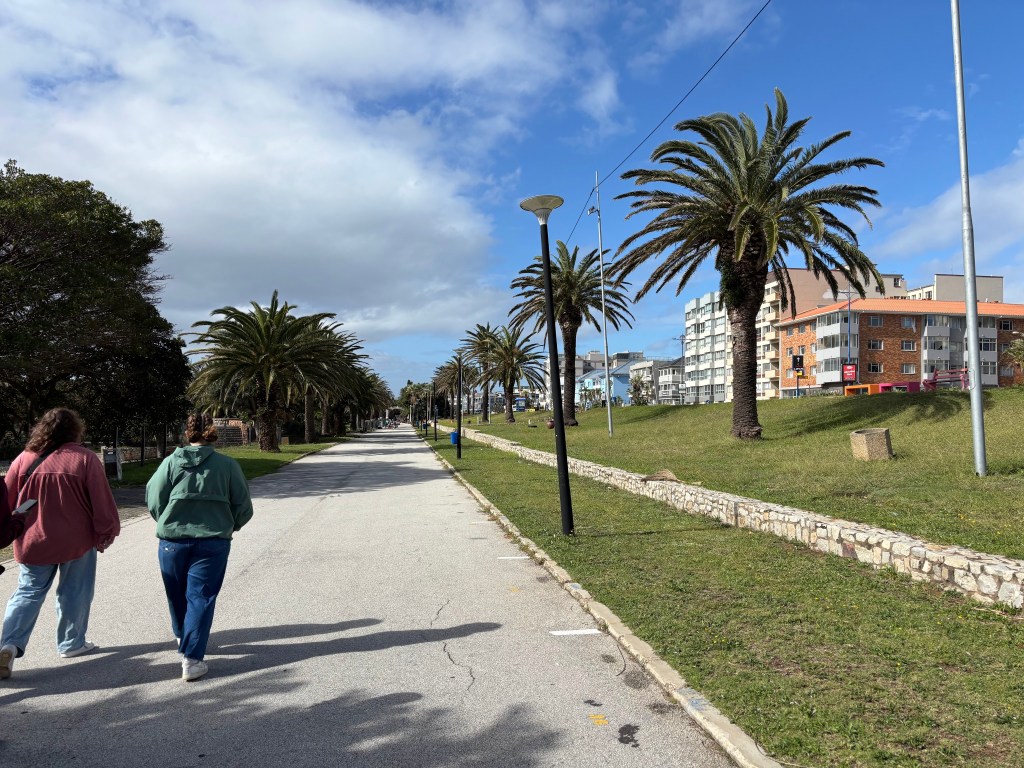

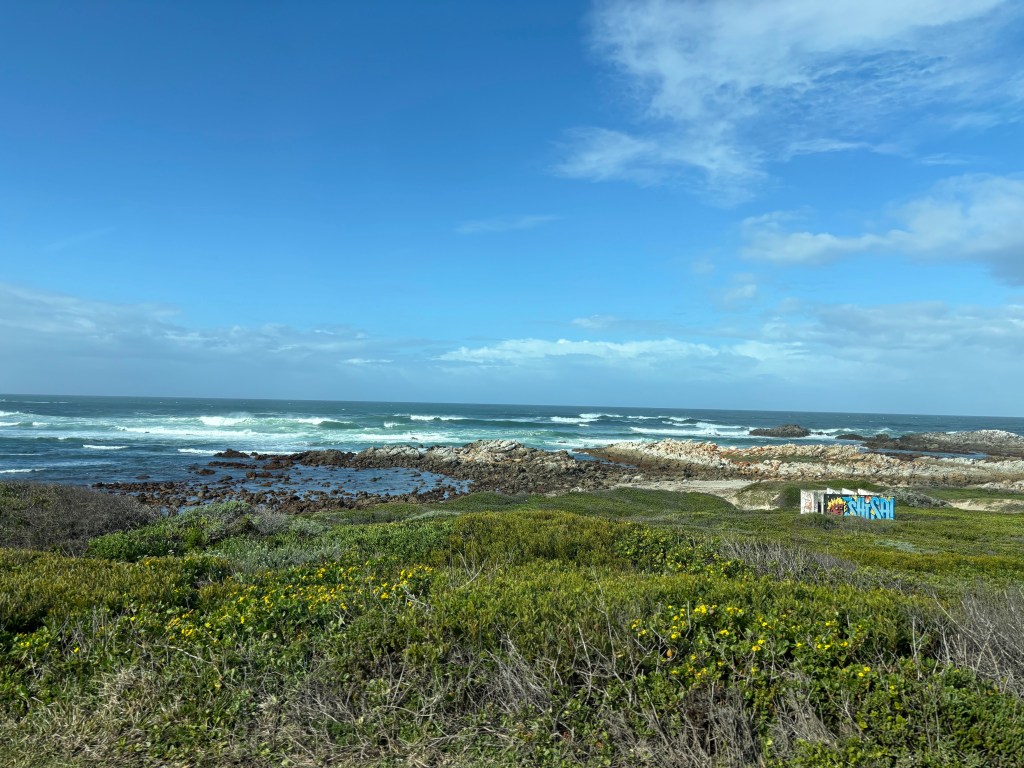
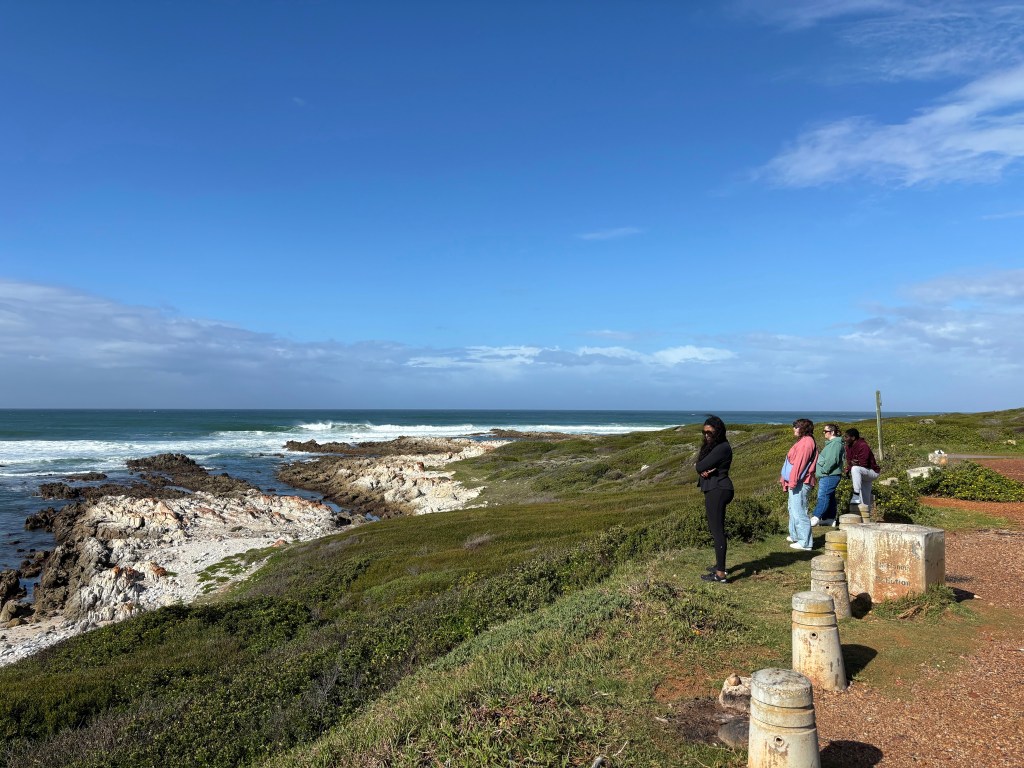
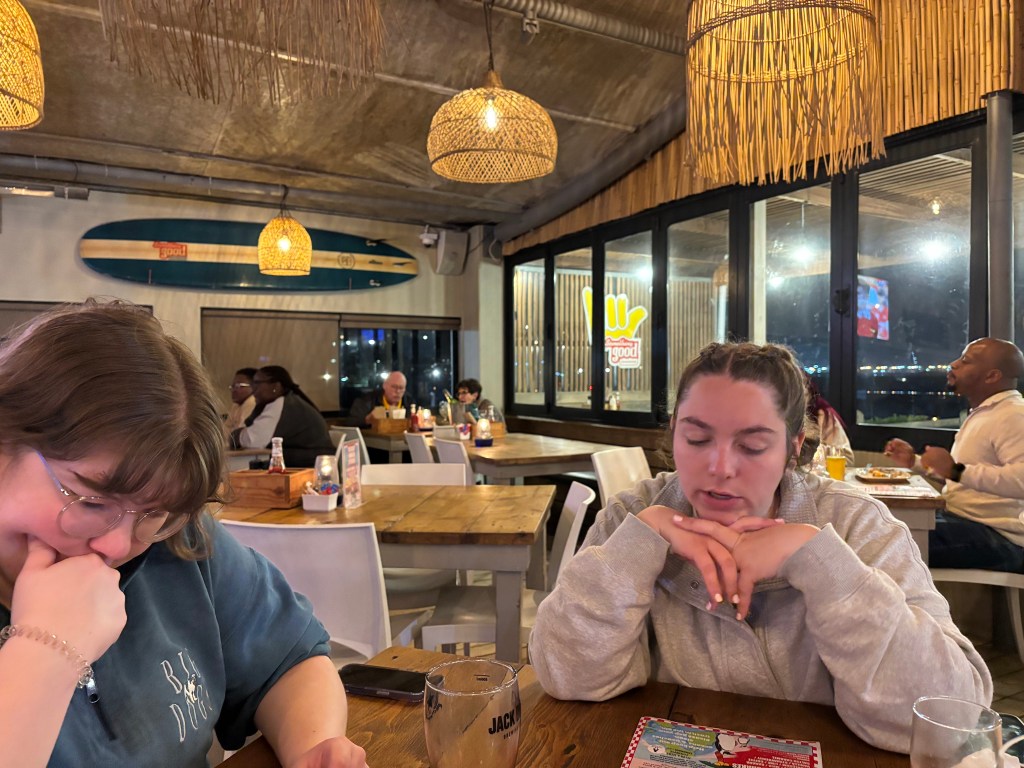
We had some freedom that afternoon, so, exhausted, I took a nap. I also started my blog and did some final workshop prep for the next week. Taylor, Laurel, and I went to dinner on the water that evening, and then we turned in, ready to start our second week at NMD.
 WANDERING