
The final part of my South Africa adventure was Cape Town. While the first 10 or so days were a mix of work and leisure, we were finished with all of our work by the time we stepped off the plane in Cape Town and were able to just be tourists.
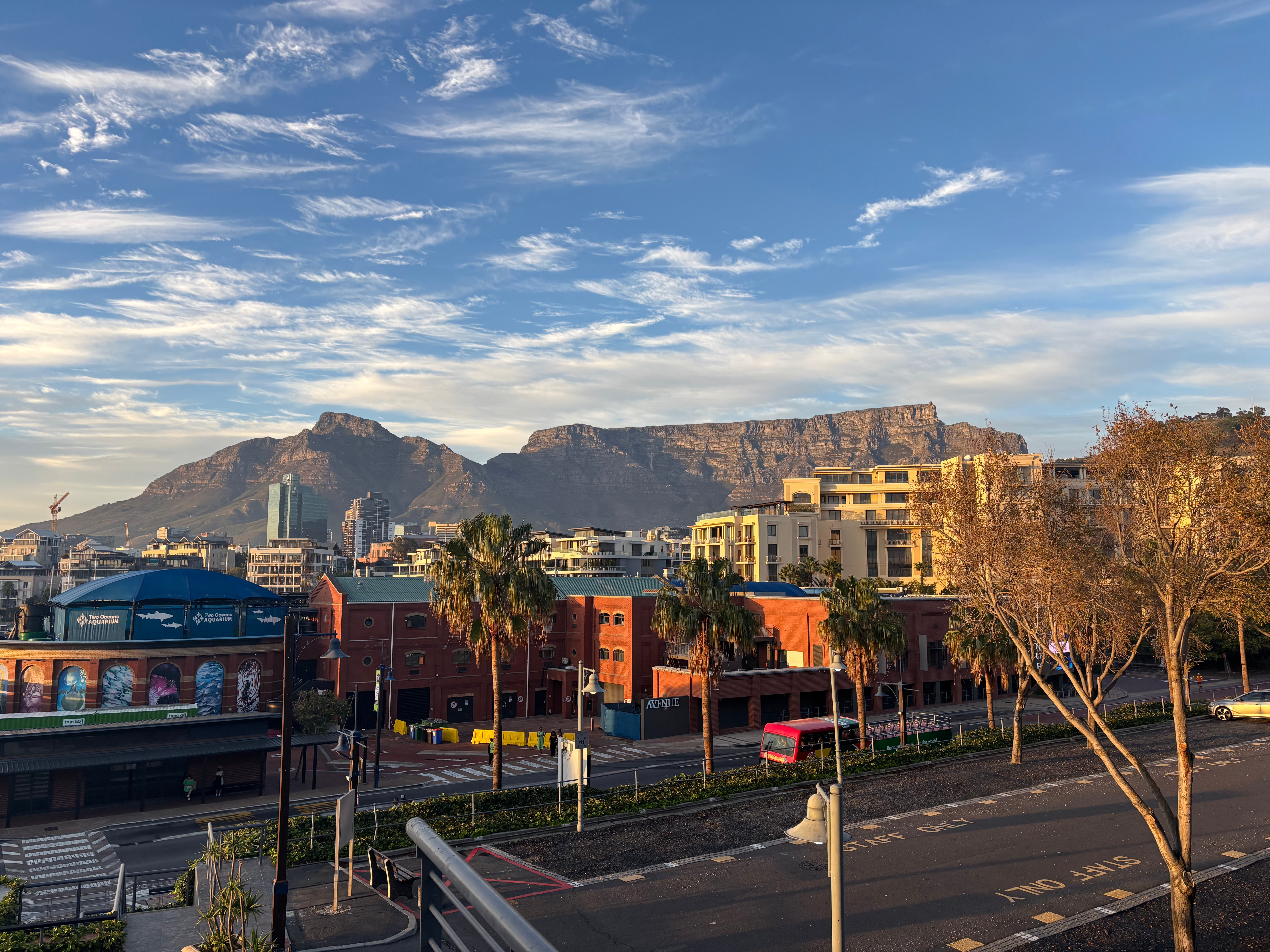
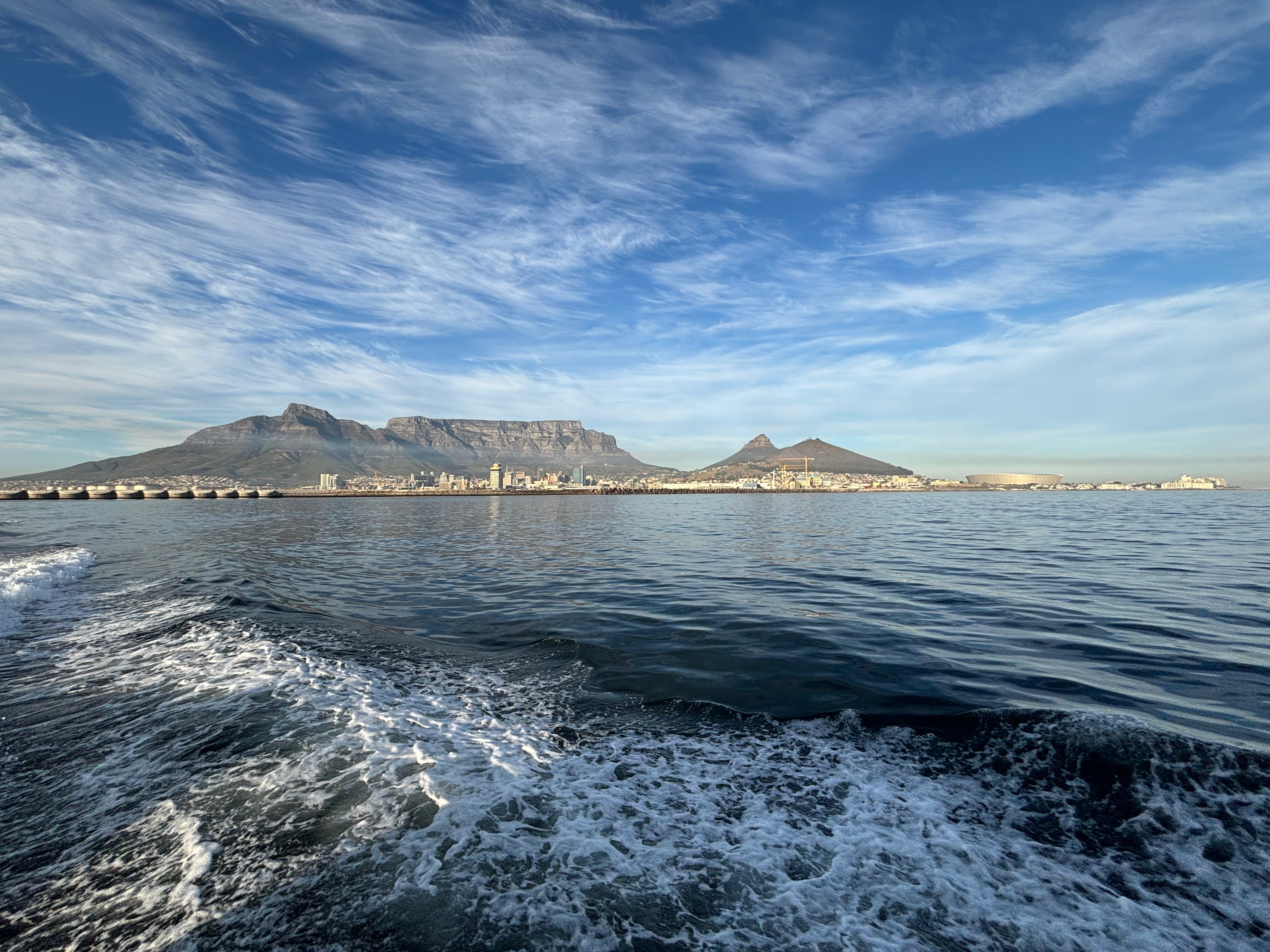
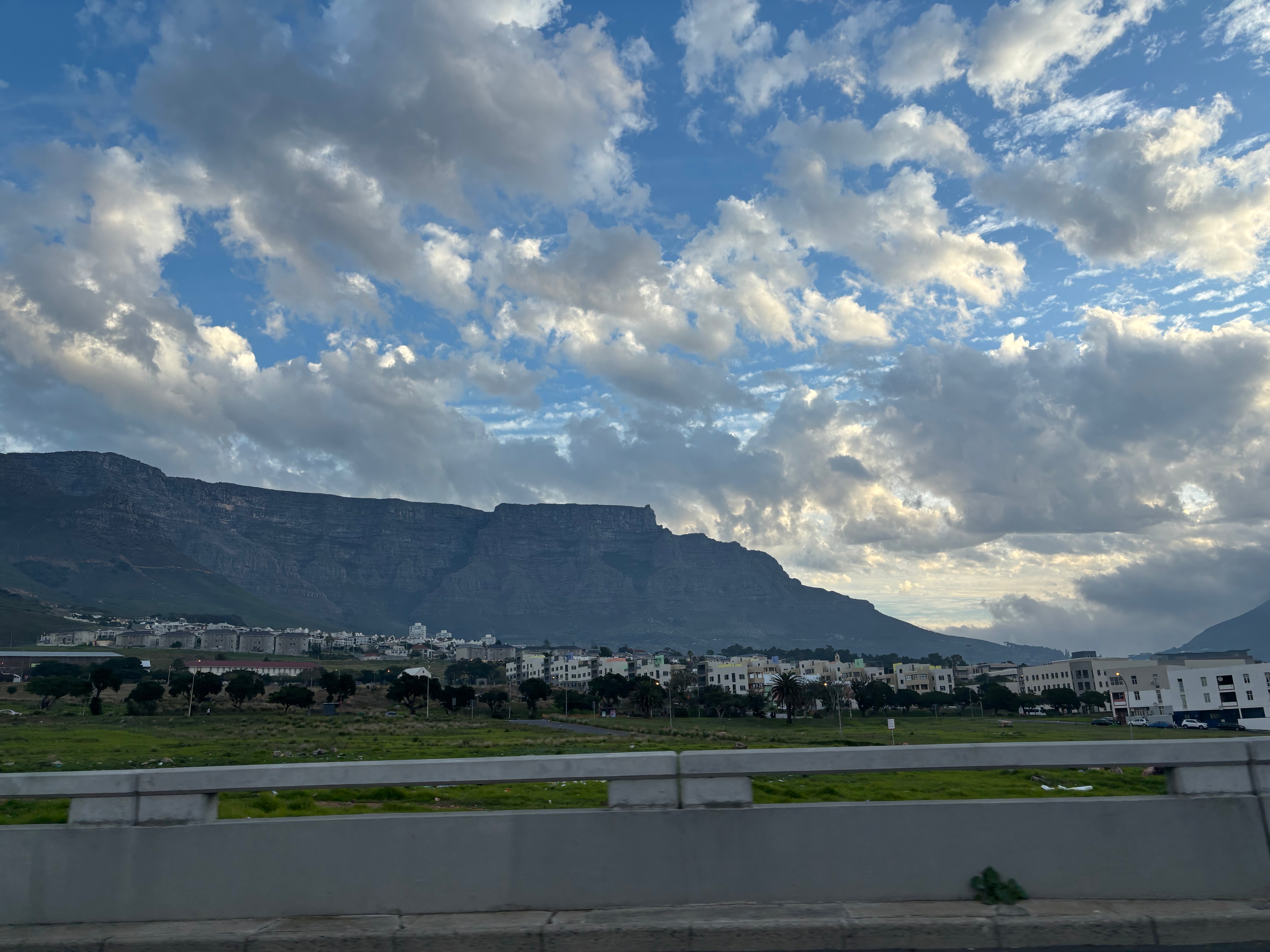
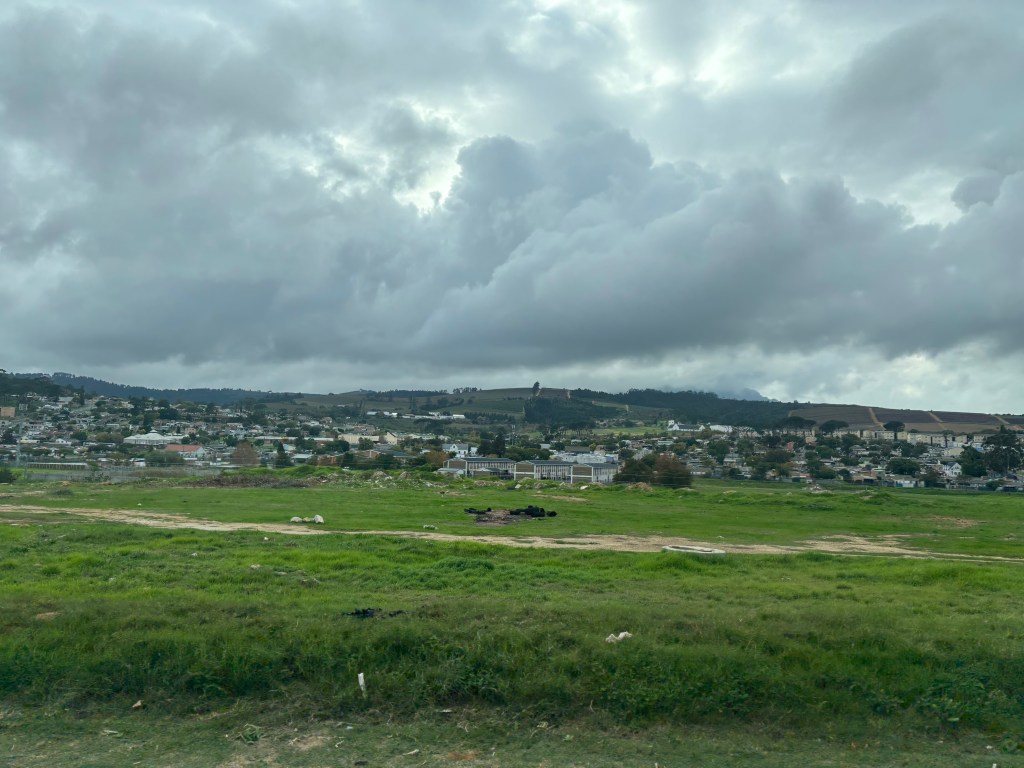
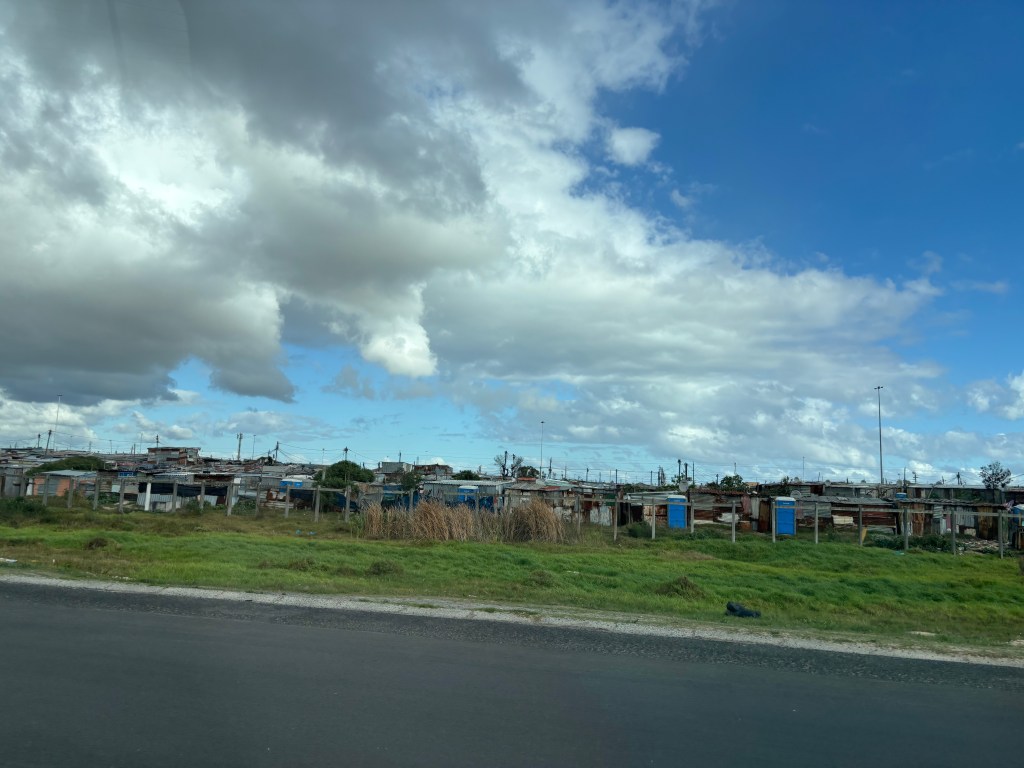
We got off the plane and started our drive to our hotel, catching sight of Table Mountain, the main geological feature of the area. It was a stark contrast, driving from the airport to our hotel, because we passed areas of extreme poverty before entering the city and finding ourselves in a wealthy shopping district. While we had seen some of the extreme poverty while in PE/GQ, especially around the medical school buildings, the contrast between Cape Town and the surrounding townships was much starker. It was the first of a series of extreme contrasts that we experienced during our time in Cape Town, and an important observation when considering all the things we’d learned about South Africa in our preparation and time there.
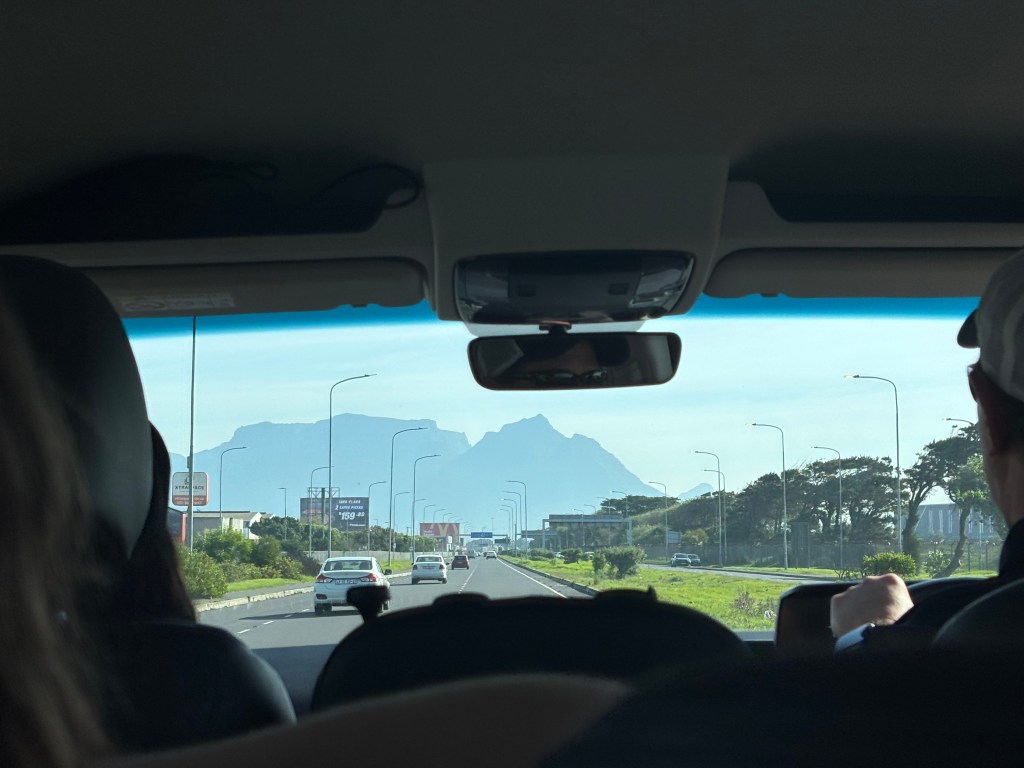
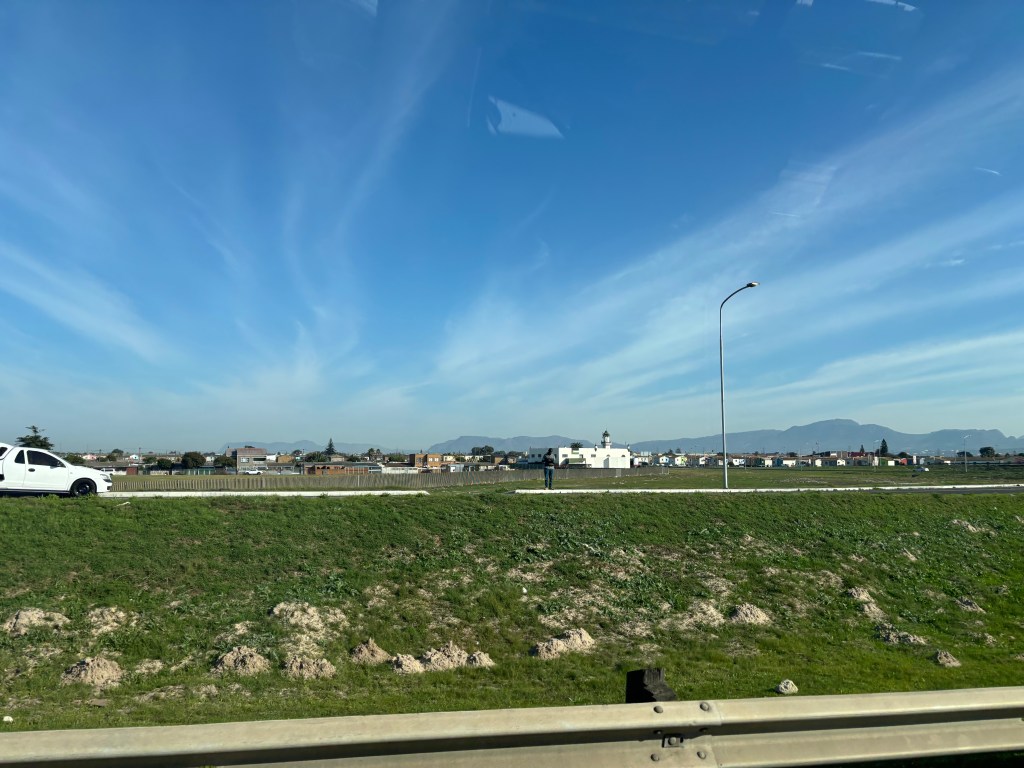
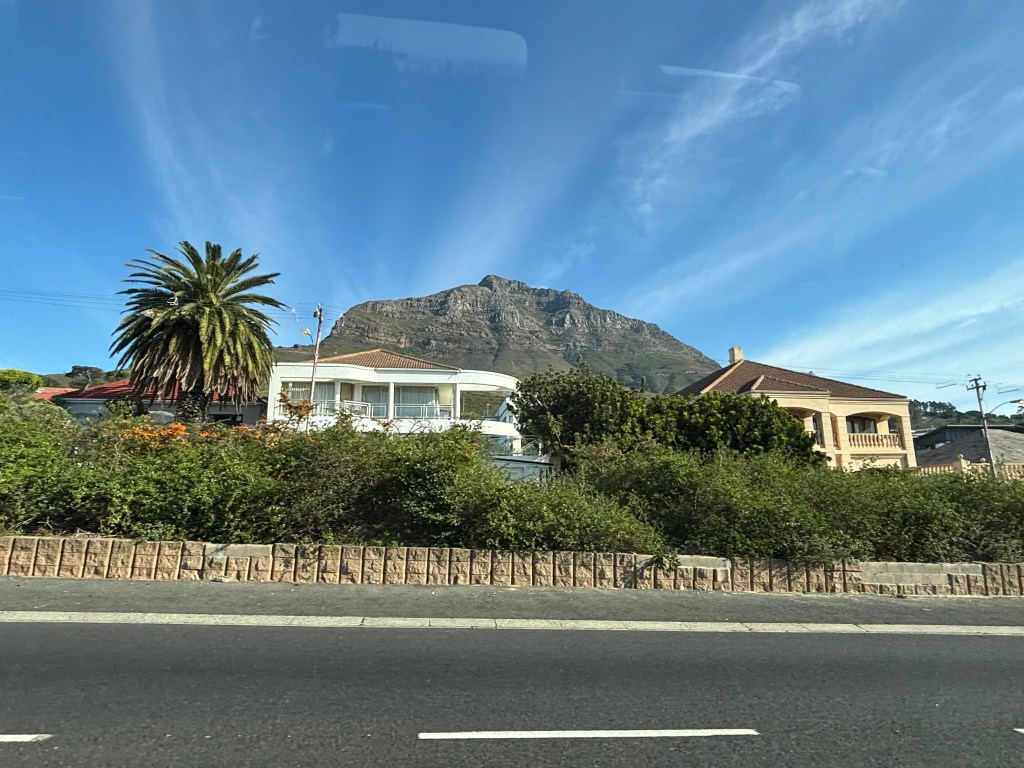
Sometimes, it was difficult to contend with the fact that the Apartheid State of South Africa only ended a year before I was born. That means South Africa, in its current iteration, has only existed for 30 years. We saw the remnants of it everywhere, both explicitly and more subtly, in ways that hadn’t been quite so obvious in the Eastern Cape.
One place was in the societal structure. While most of the students we’d interacted with in PE/GQ were African (Black) or Coloured (Mixed Race), and the staff we worked with were pretty evenly racially distributed, almost everyone we met in Cape Town who were in service roles were African/Coloured, while everyone consuming those services were White. The racial distinctions themselves are a remnant of Apartheid, but so too seem to be the roles people have fallen into in this new society. We saw the legacy in other places, as well, especially in some of the tourist experiences, such as Robben Island or the District Six Museum, both of which had guides who had experienced the Apartheid State firsthand.
The timing of our trip felt important. While much progress has been made, many of the young people we talked to seemed to have lost sight of the impact Apartheid had on certain aspects of their current lives, like their racial classifications. Our tour guides were in their sixties, seventies, and eighties. The weight of their words hit harder knowing that they were not just recounting history, but their stories. If I ever go back to South Africa with my children one day, they likely will not get to hear the stories from the mouths of those who lived the experiences. And that will be a great loss.
But I did get to hear the stories from those who lived them. I got to be in this place where time has healed, but hearts and bodies have not yet forgotten. And all of that was contrasted against one of the lovliest backdrops I’ve ever experienced. It was a profound, complicated experience that I will cherish not only for my travel memories but also for what it has added to my understanding of social justice.
The First Evening- The Waterfront and Rugby
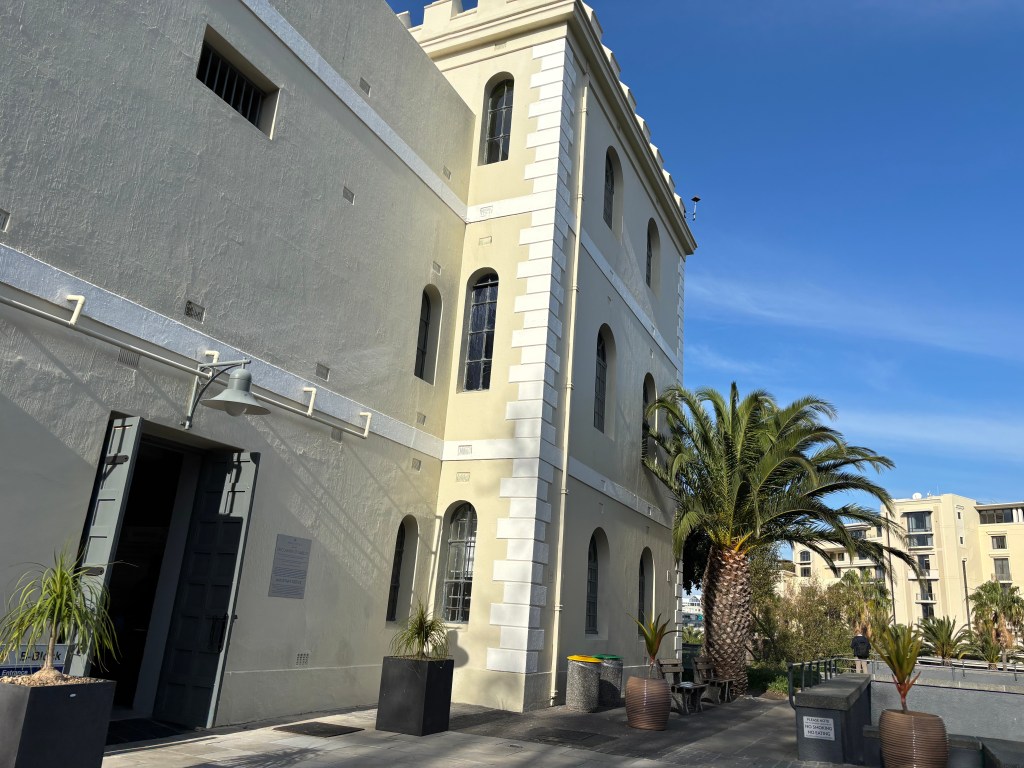
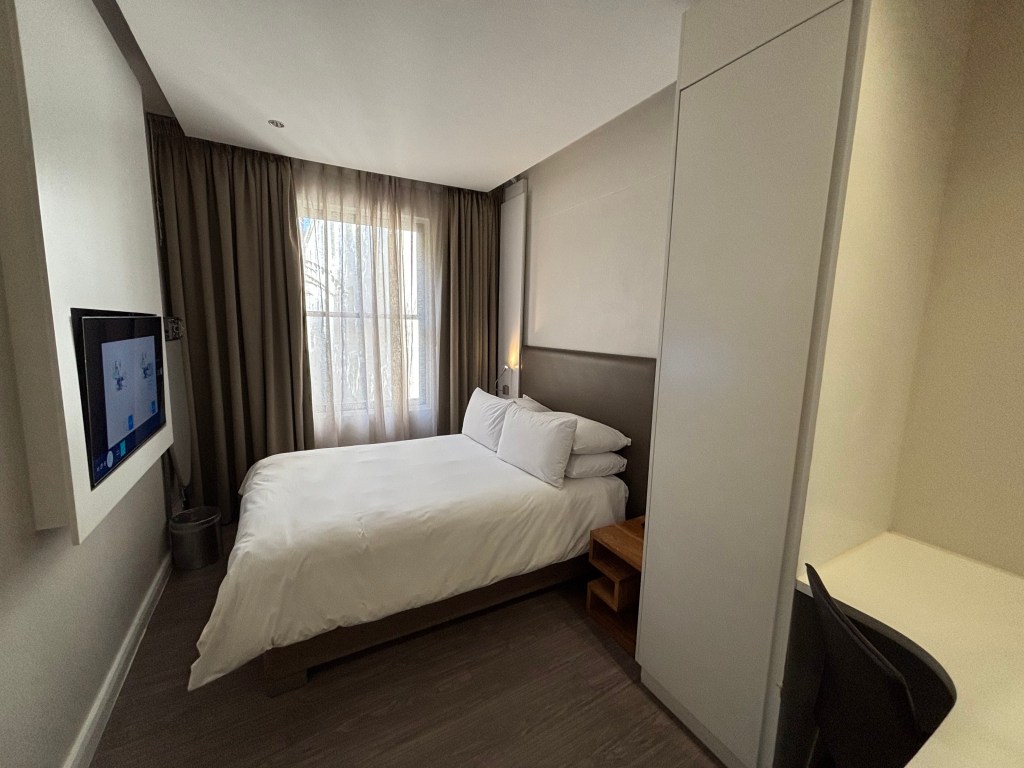
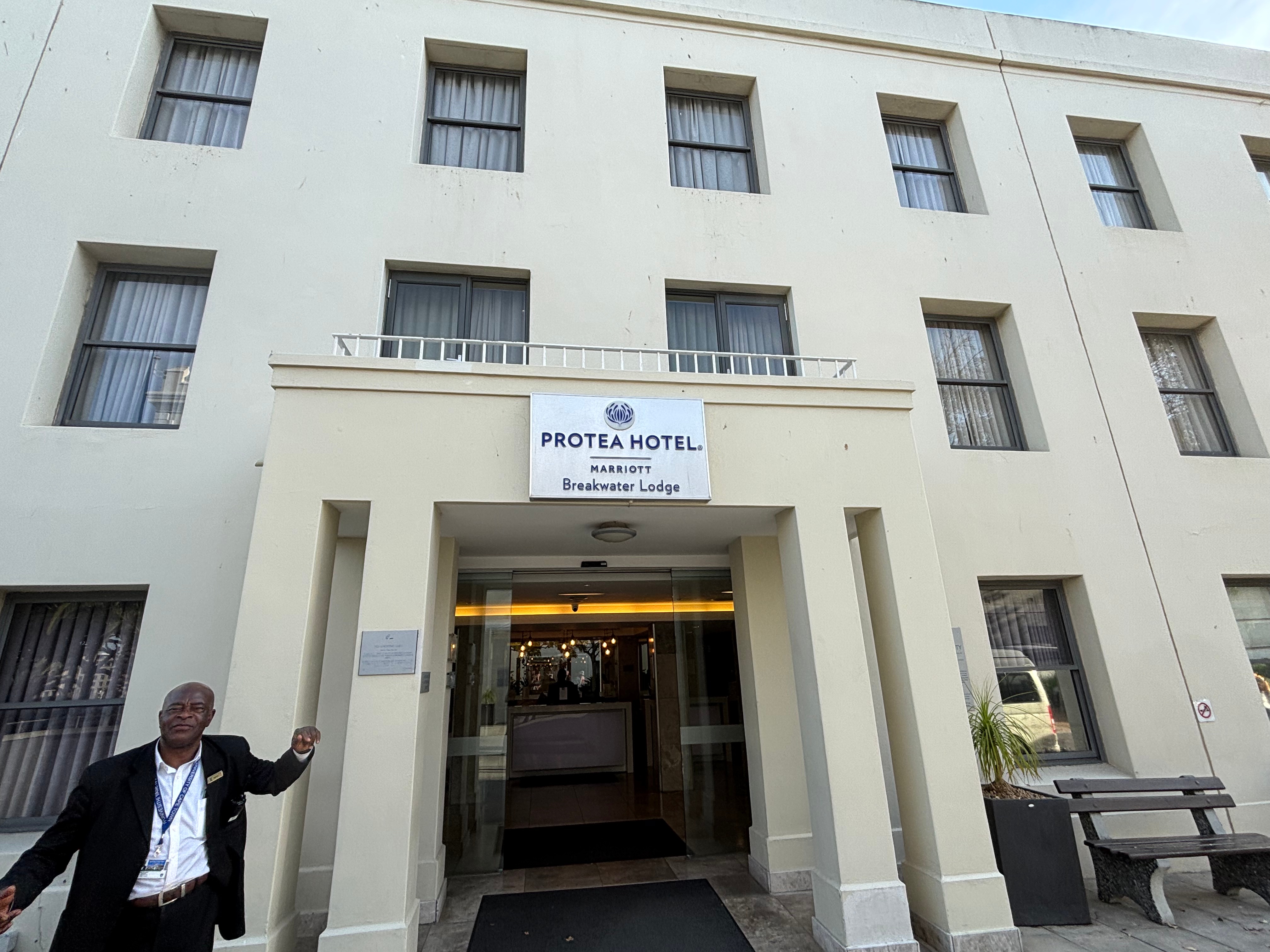
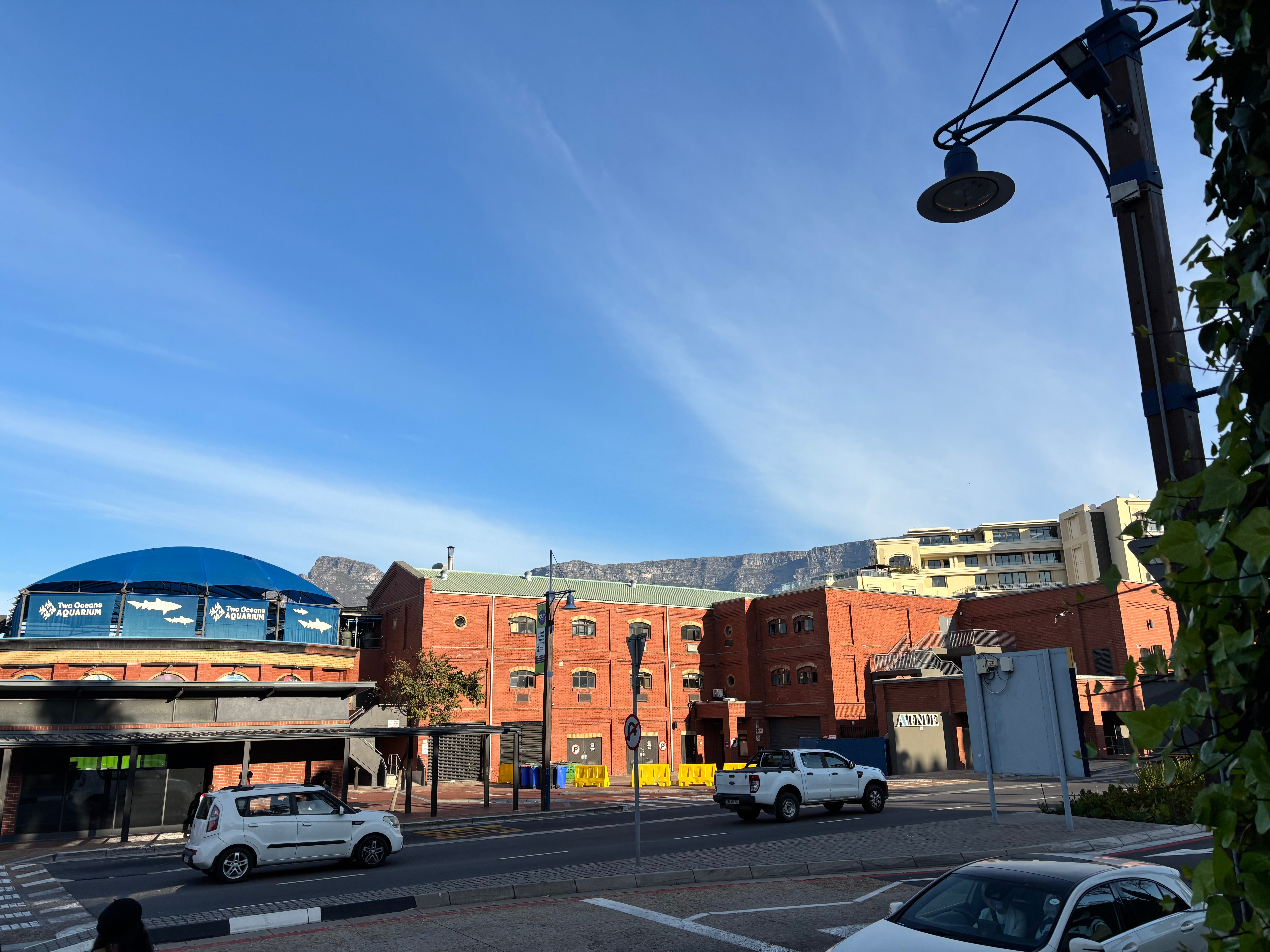
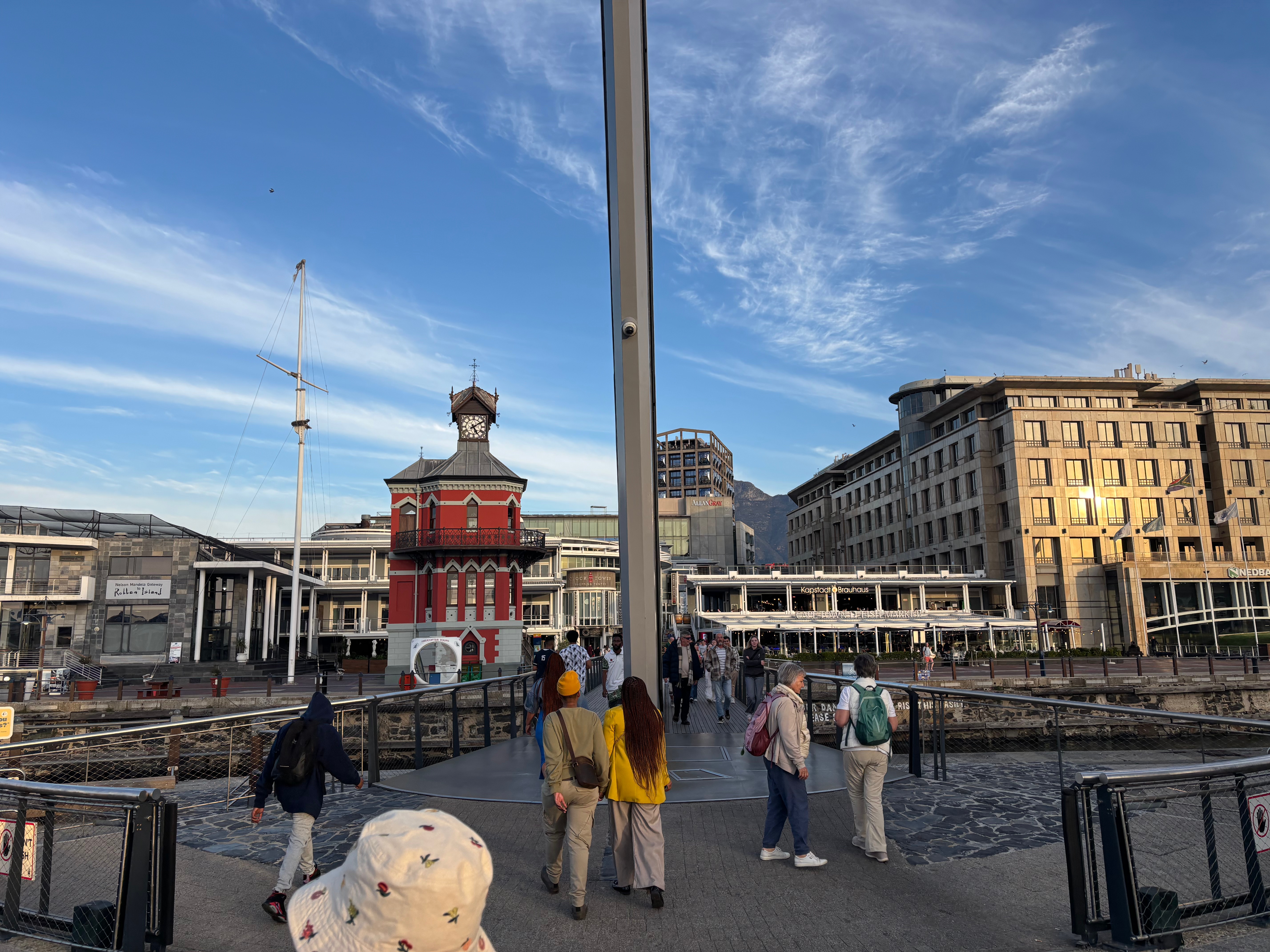
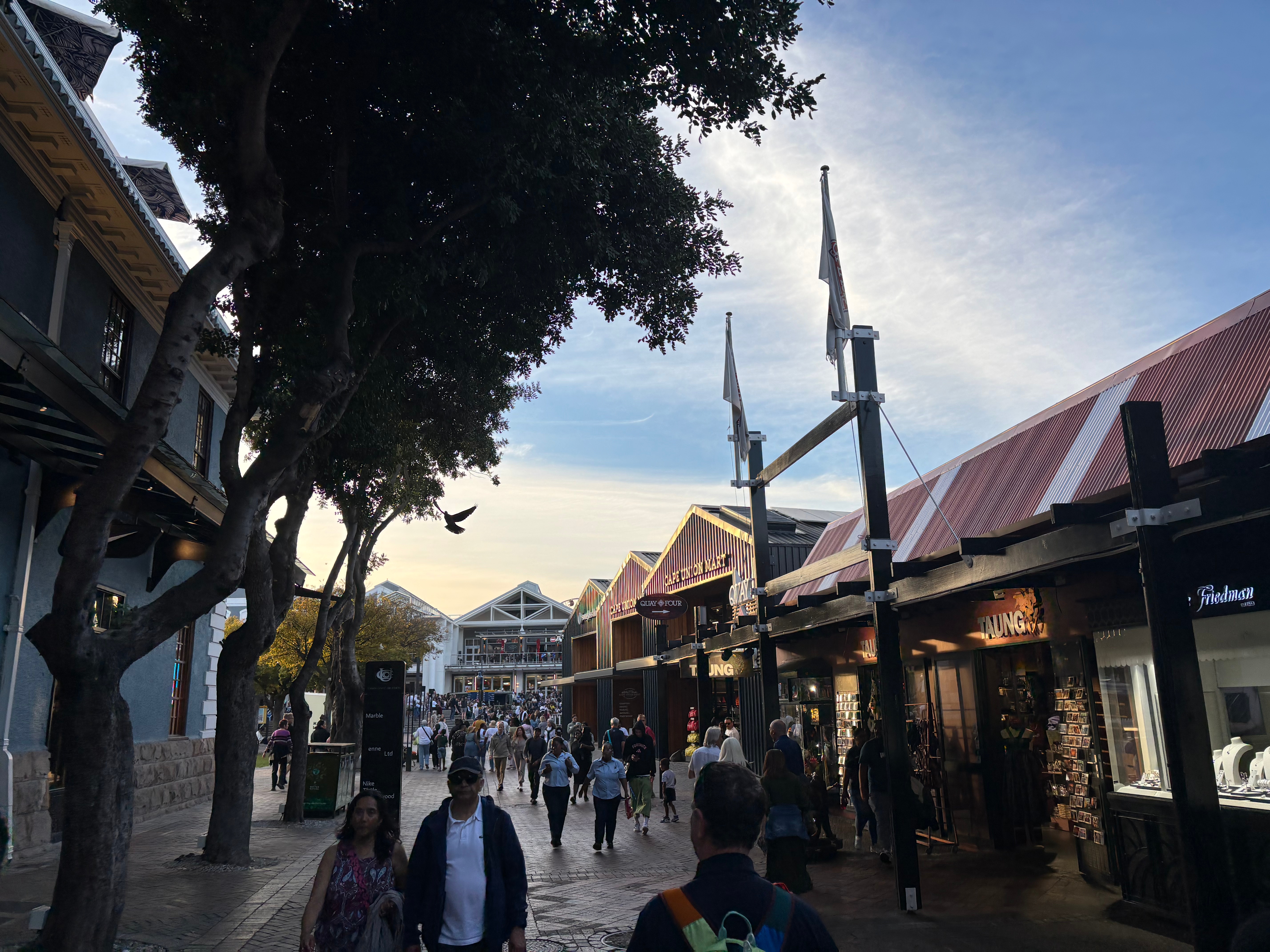
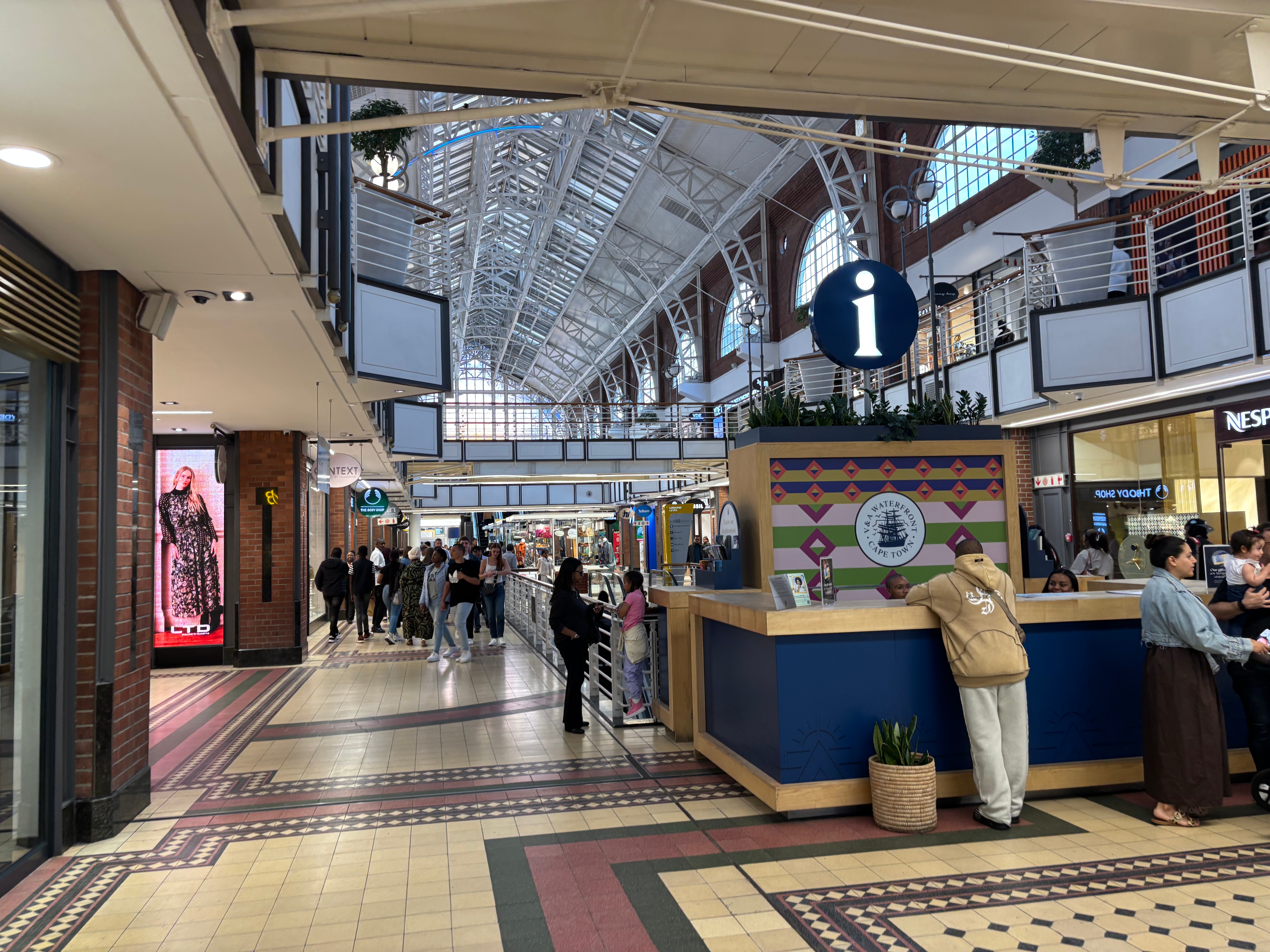
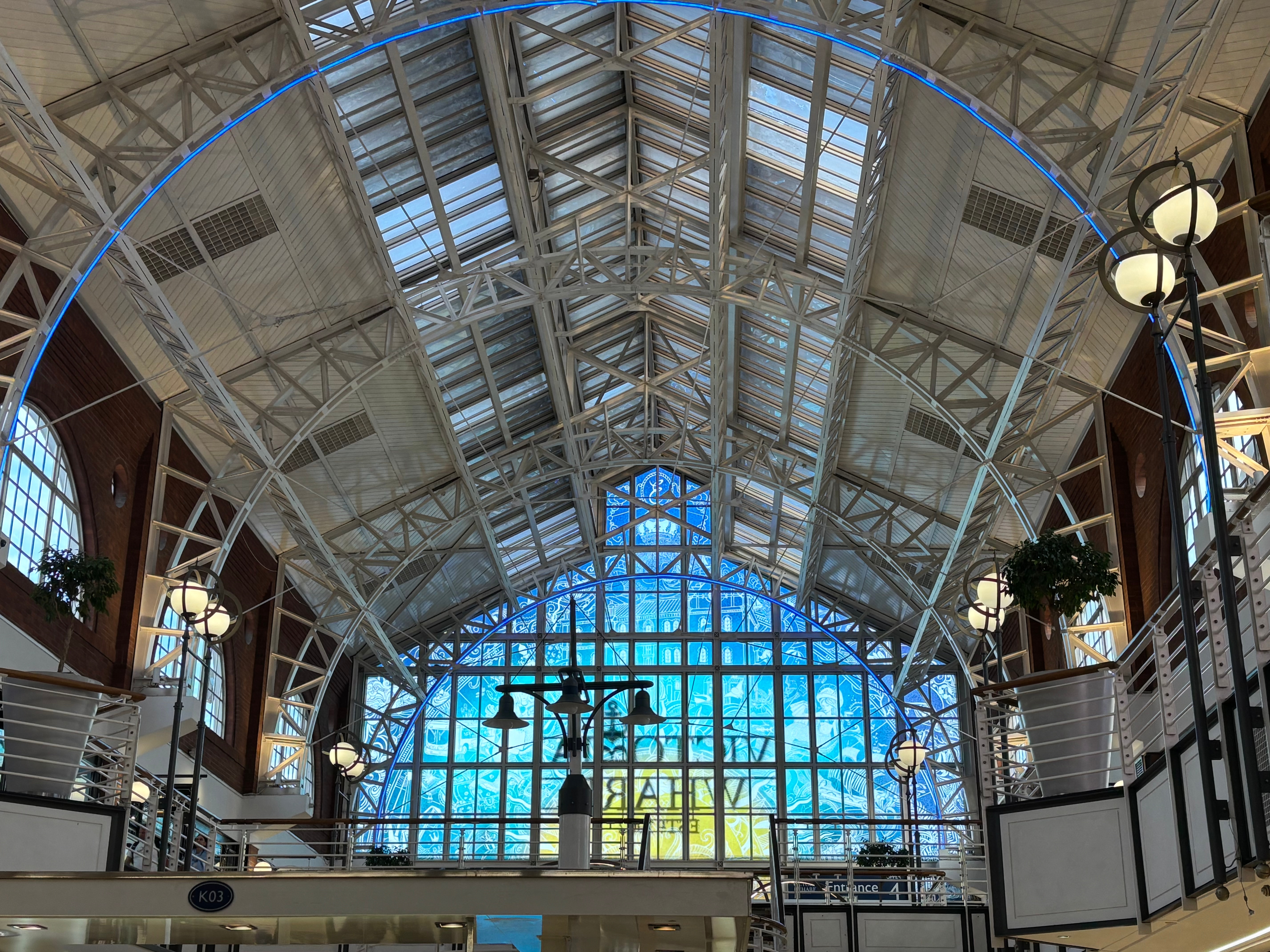
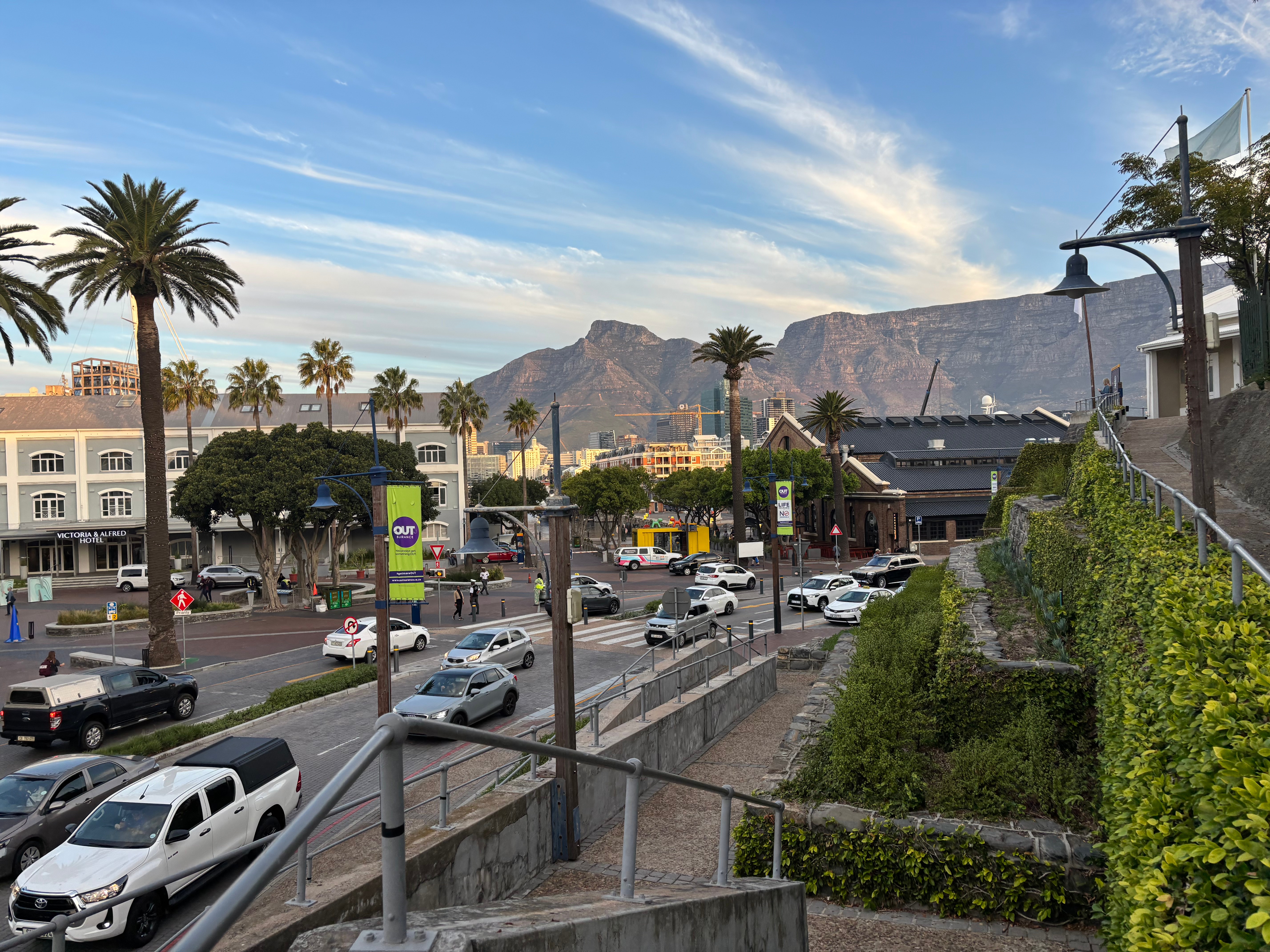
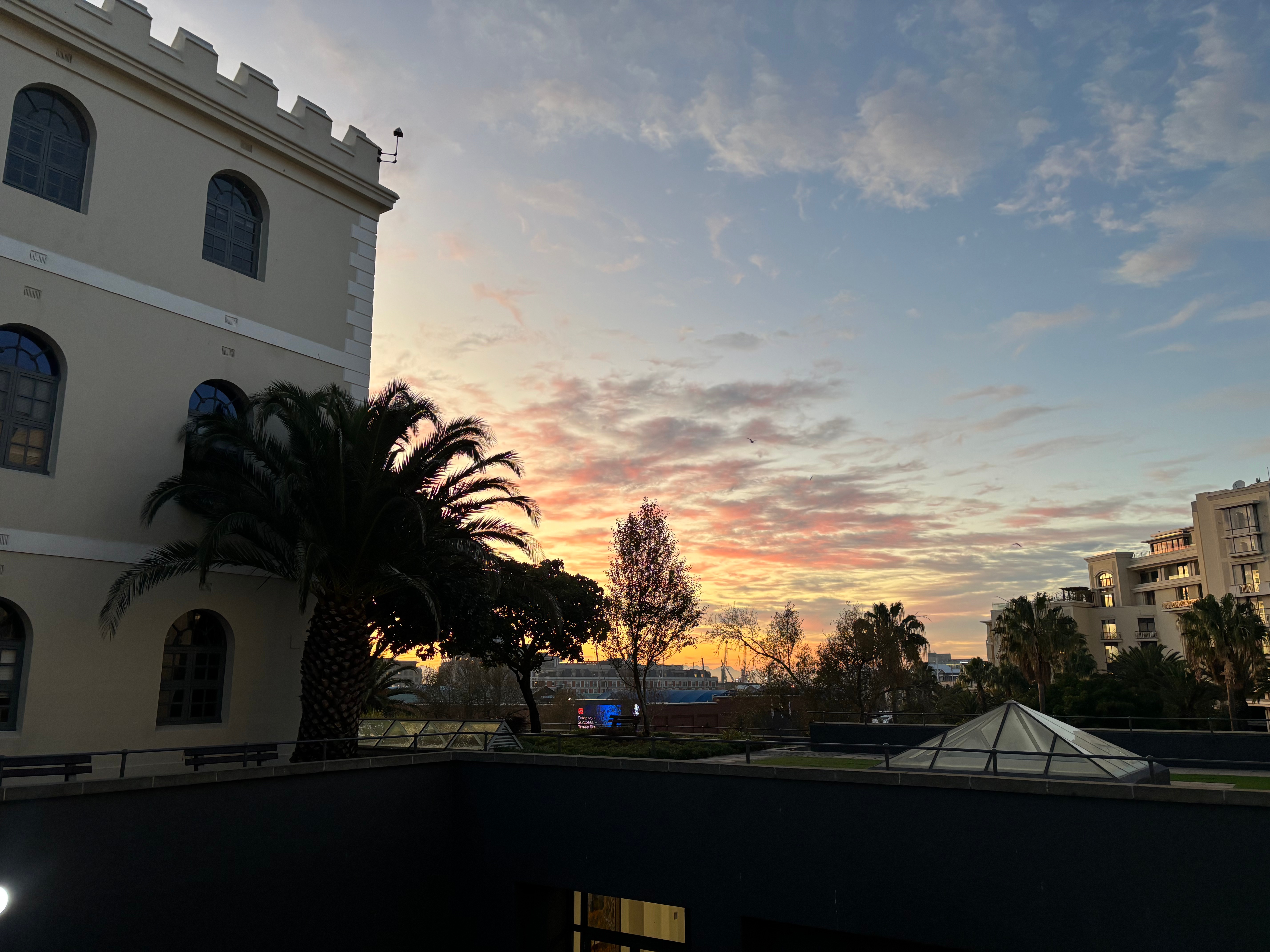
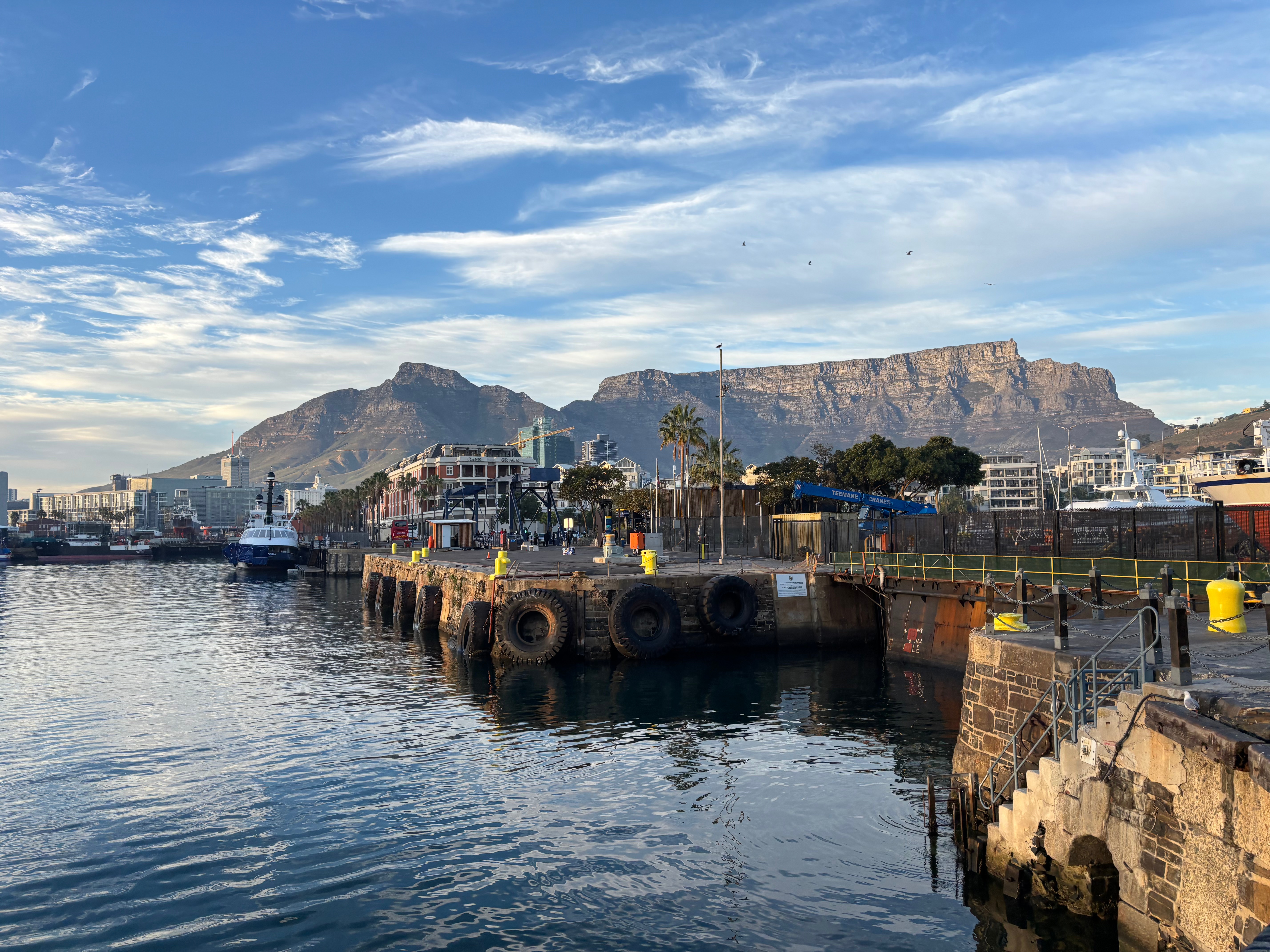
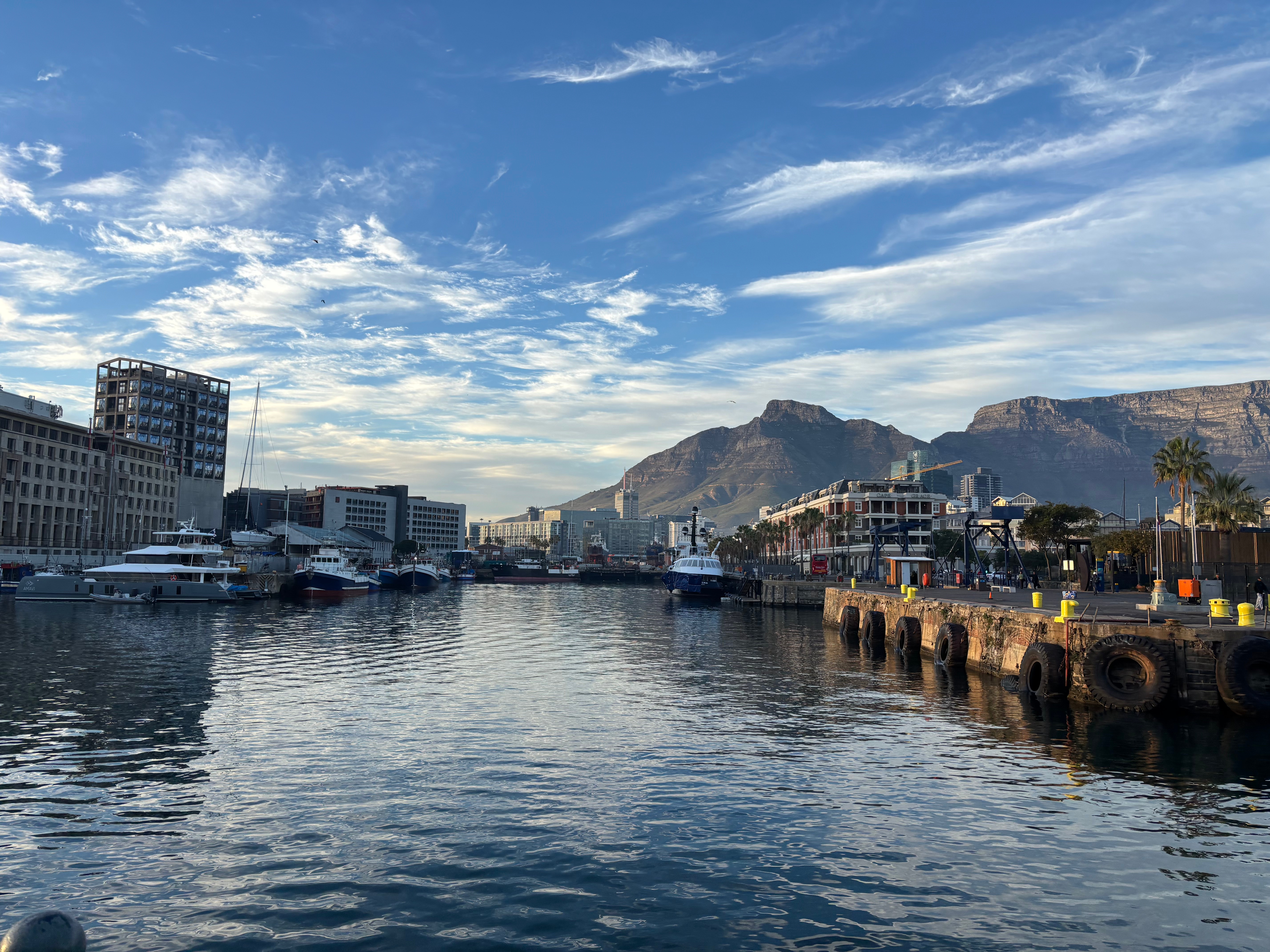
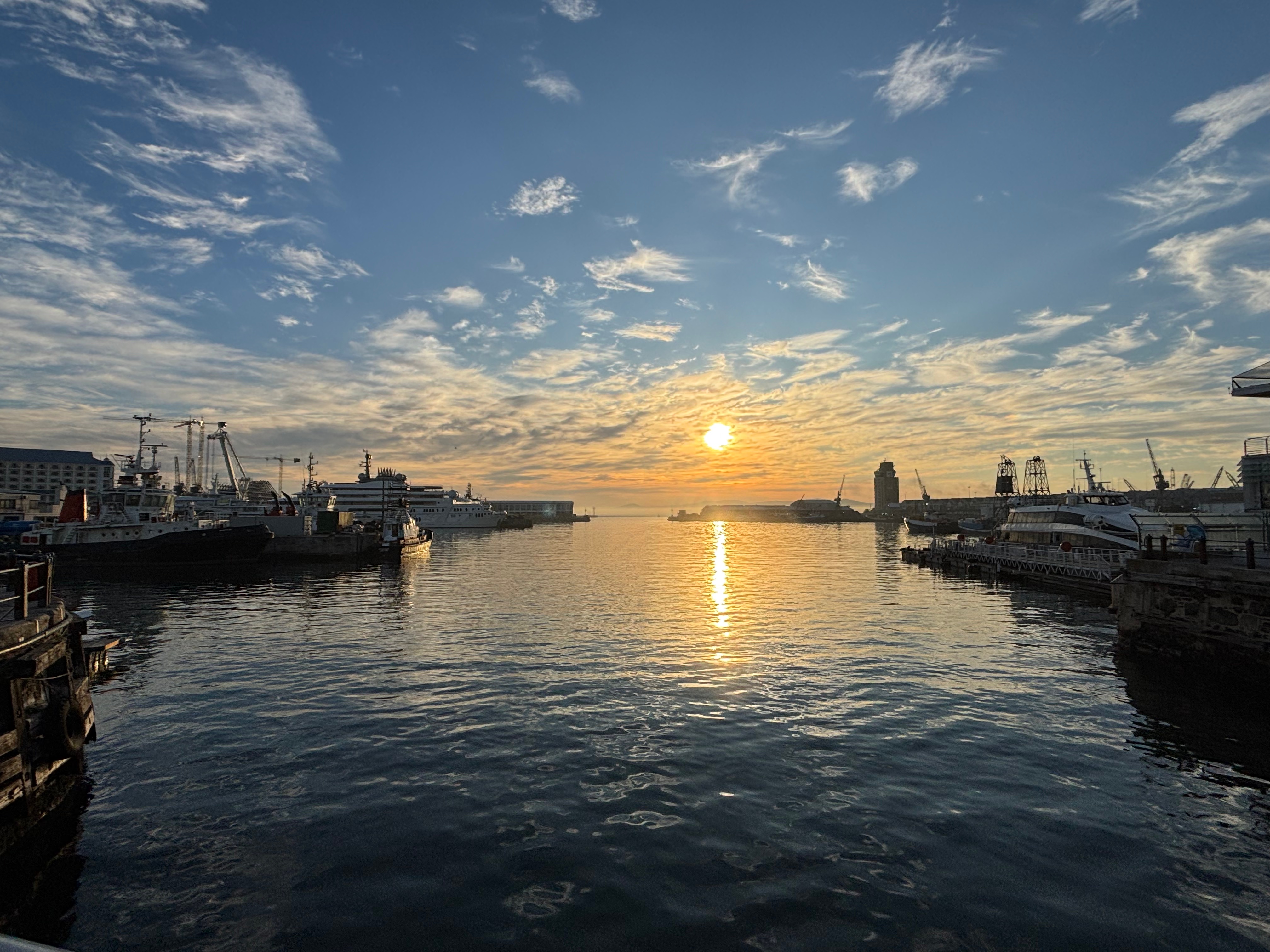
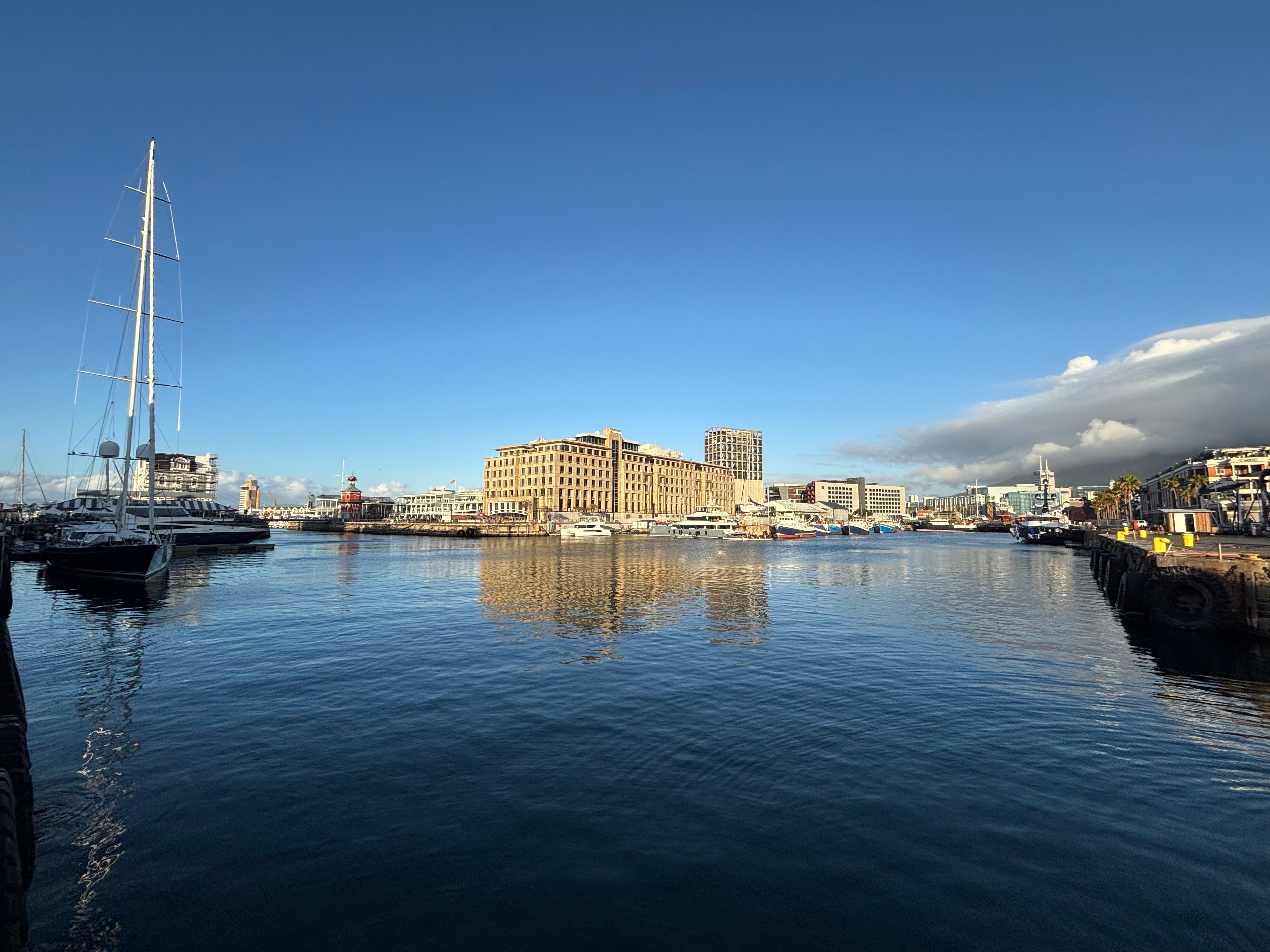
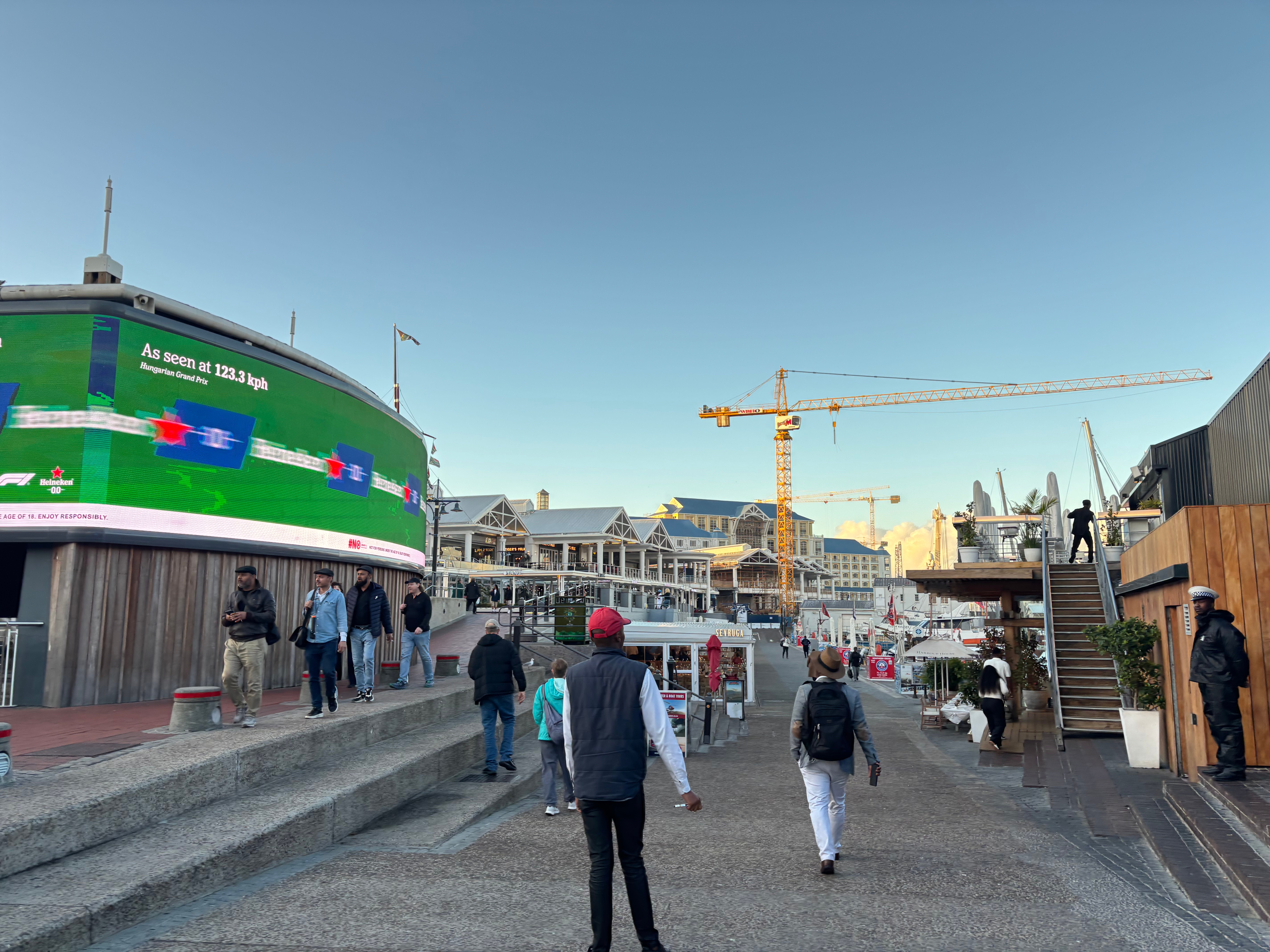
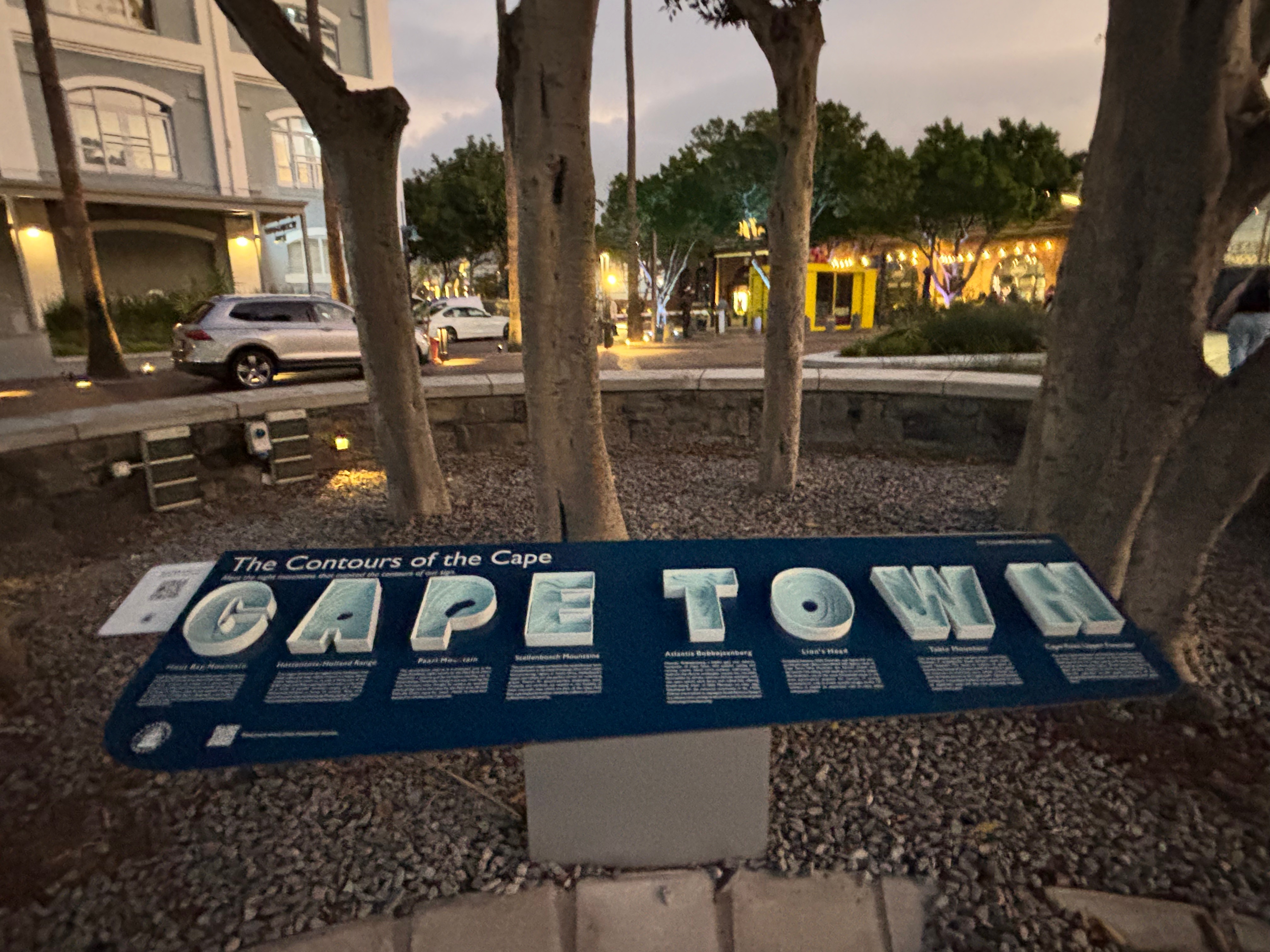
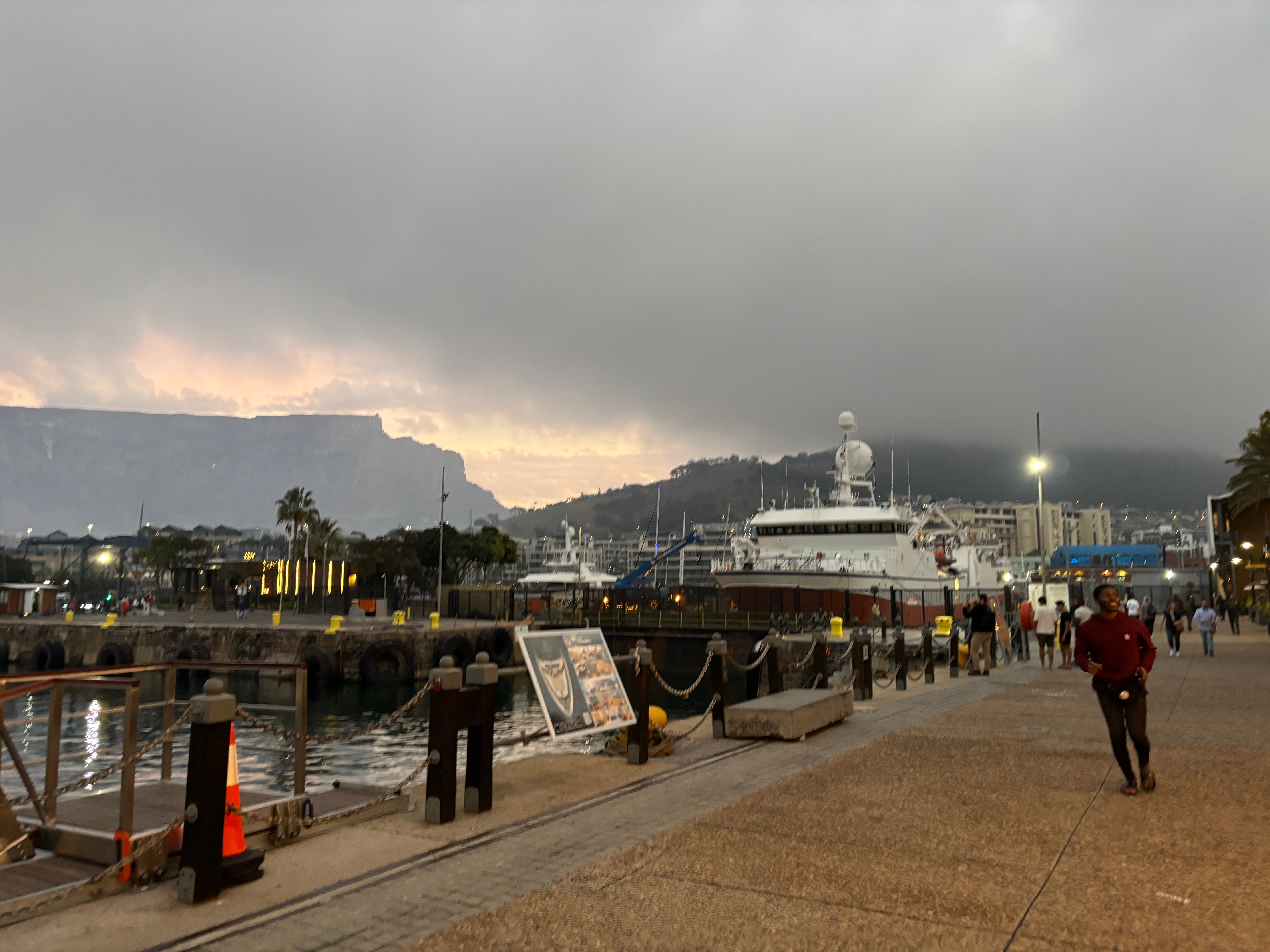
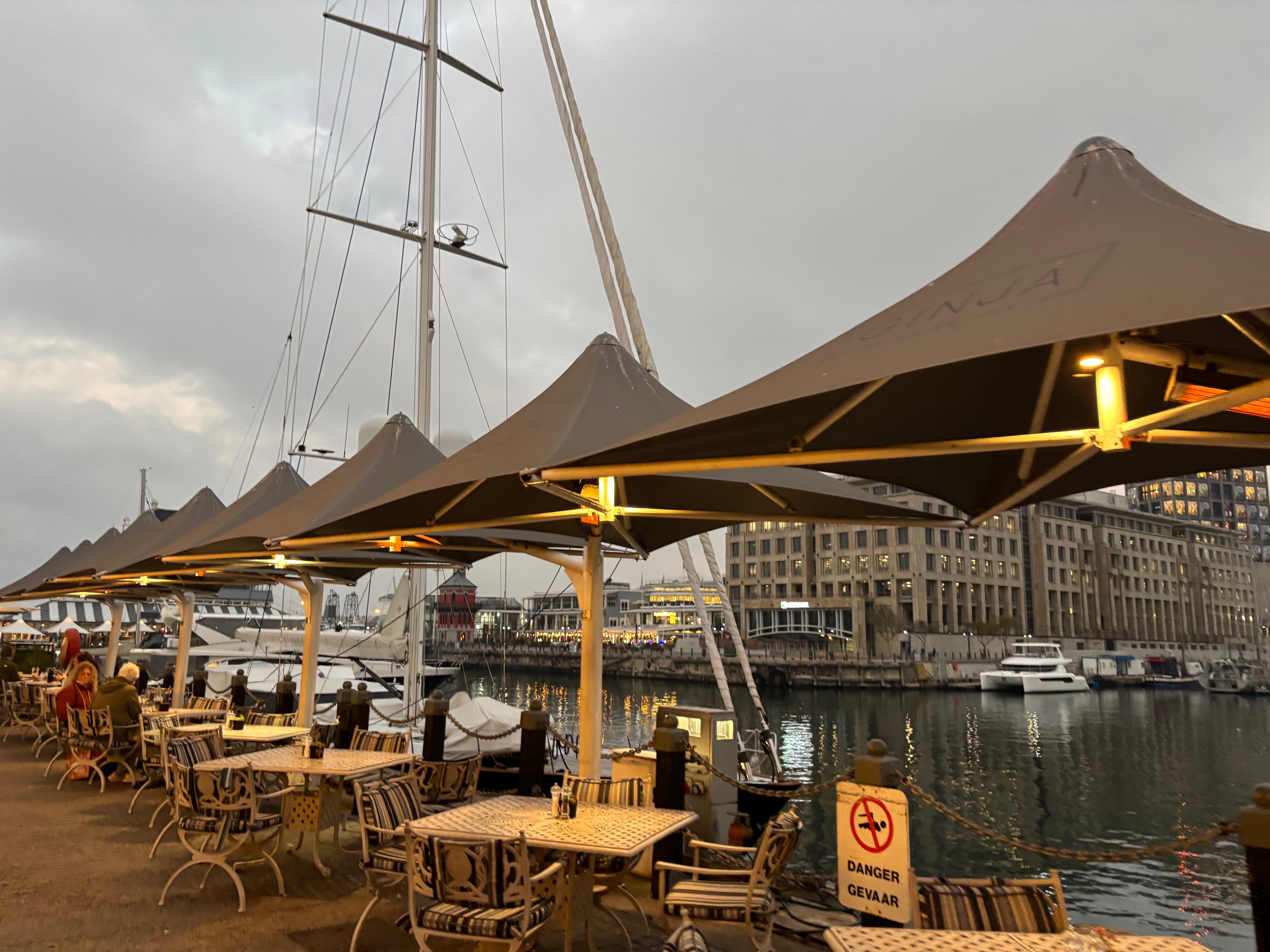
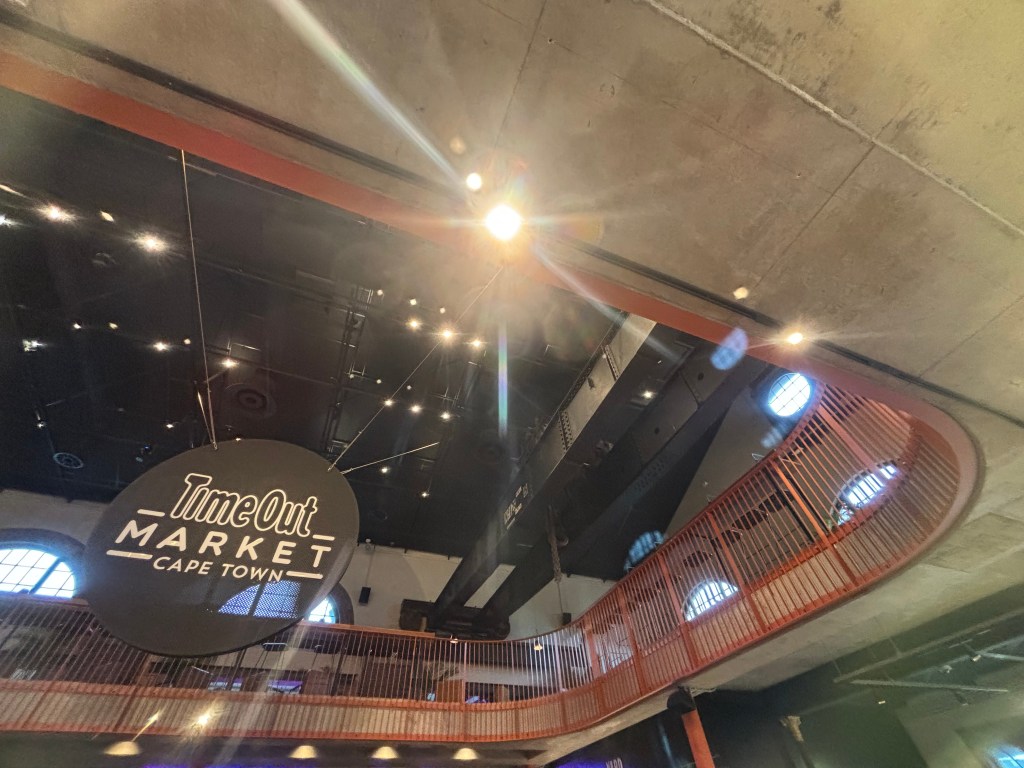
We arrived in the city itself and stopped off at our hotel, the Protea Hotel Breakwater Lodge. The hotel was an old jail on the Cape Town waterfront, and staying there was a very cool experience. I again roomed with Laurel and Taylor, but this time I got my own bedroom with a shared bathroom. We dropped off our stuff and then went to grab dinner. We ended up at a Time Out Market on the waterfront. Time Out is a brand you can find here in Chicago, with a variety of local food stalls. Nearby, there was a statue of Nobel Peace Prize laureates, and the streets were teeming with street performers. We had a fantastic view of Table Mountain as we wandered the waterfront, and we just spent the afternoon taking in the liveliness of the area. We ended up randomly running into some alumni of the program who were taking their own college students to Cape Town for a study abroad experience.
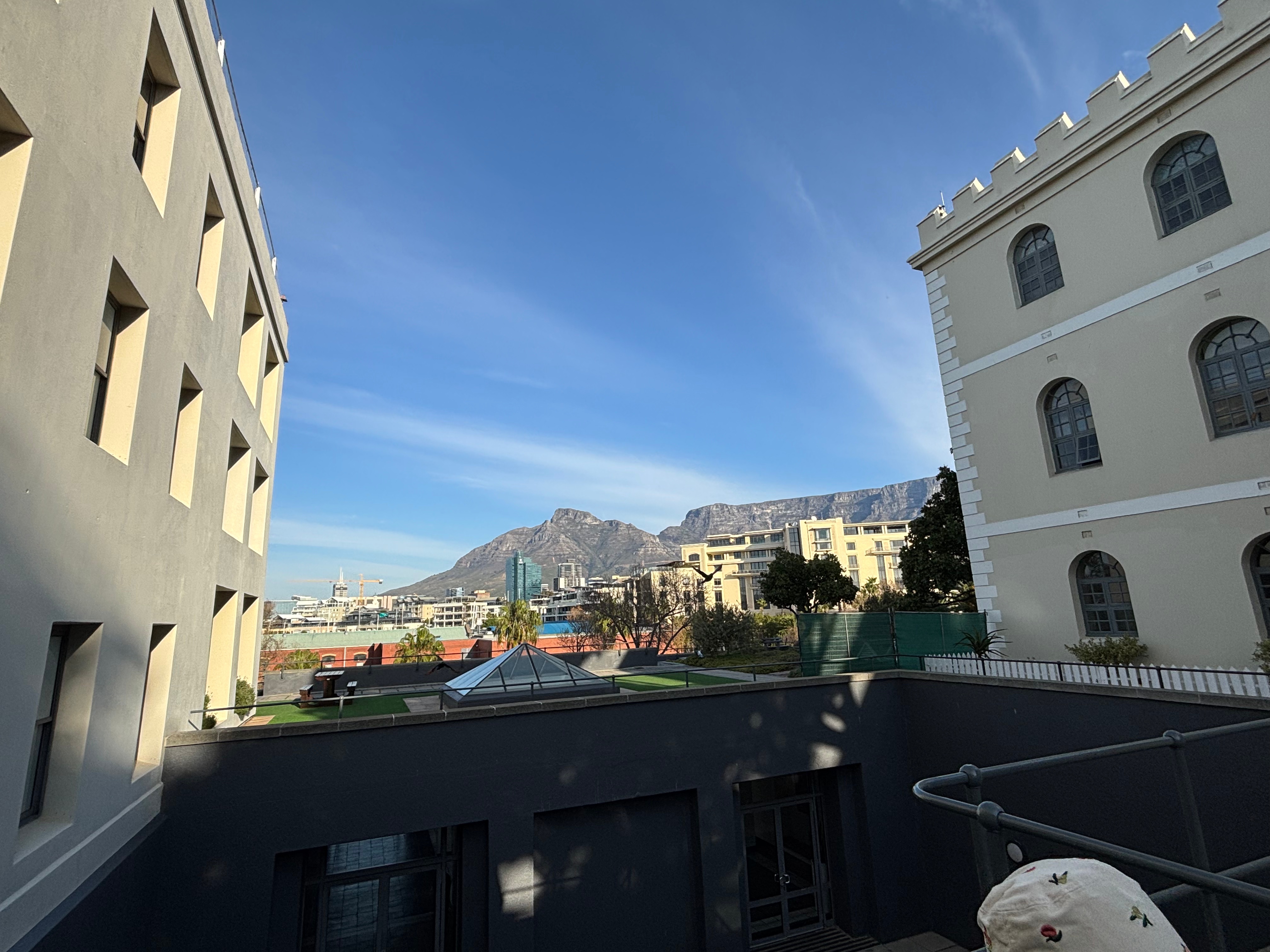
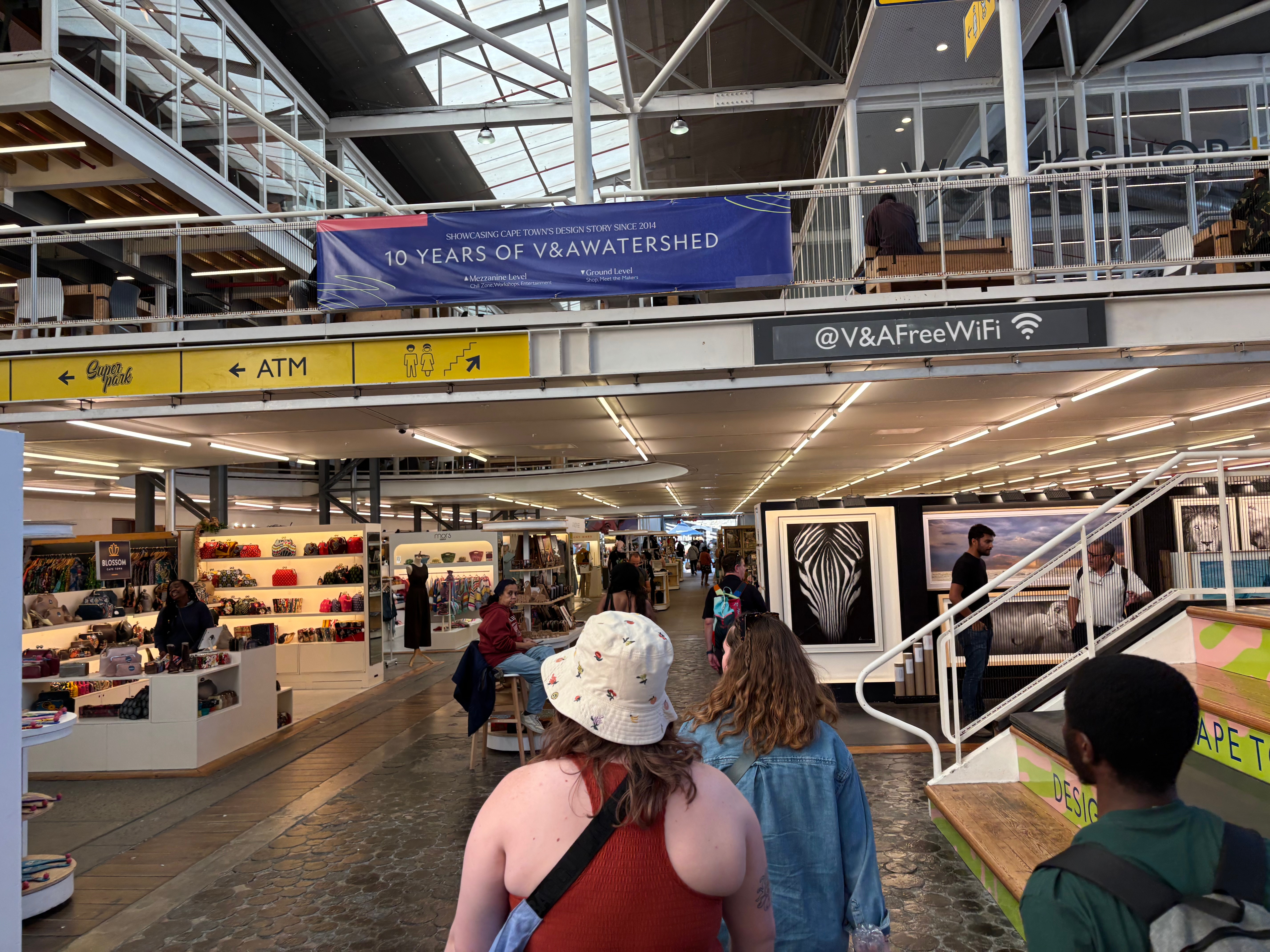
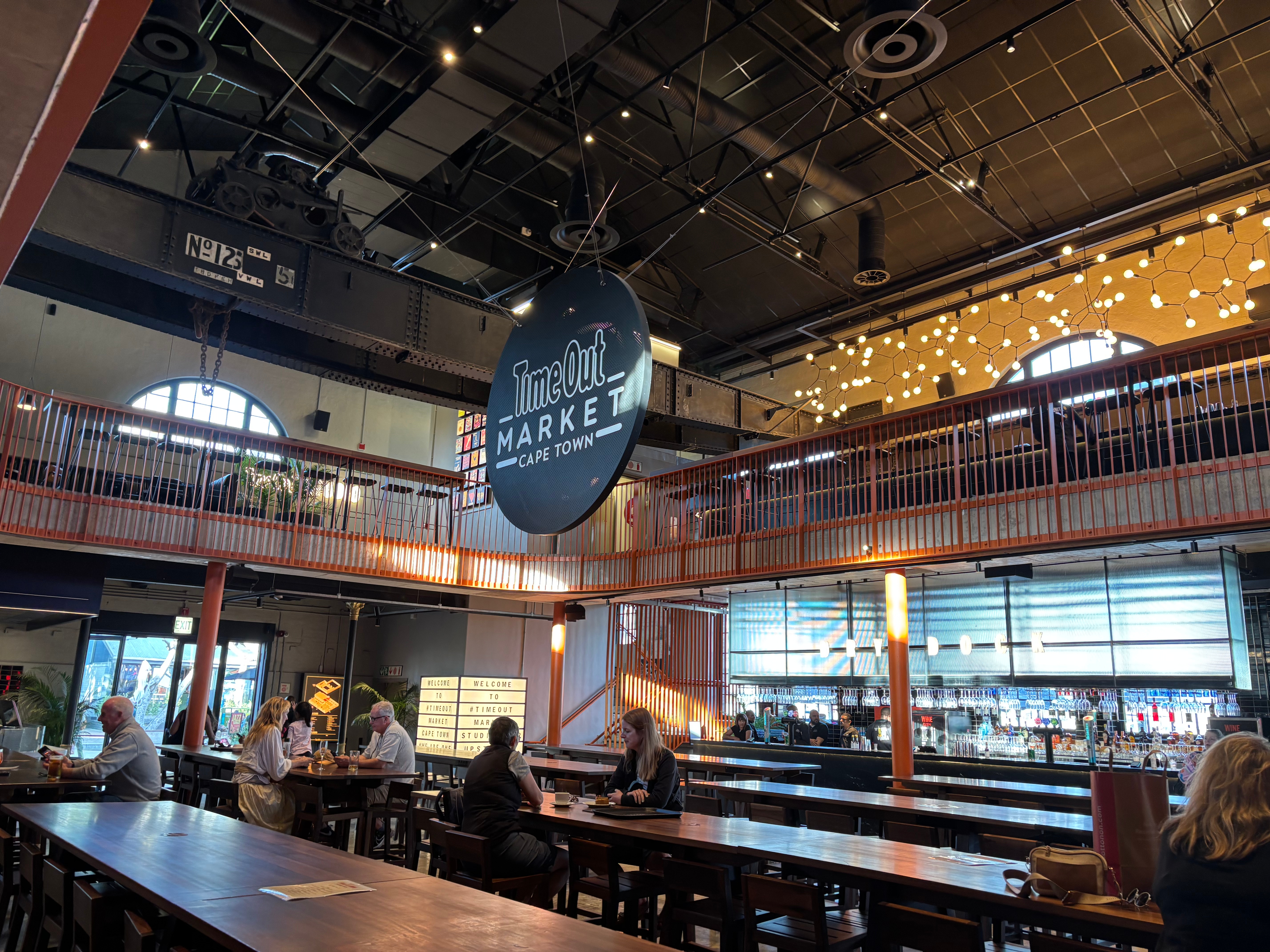
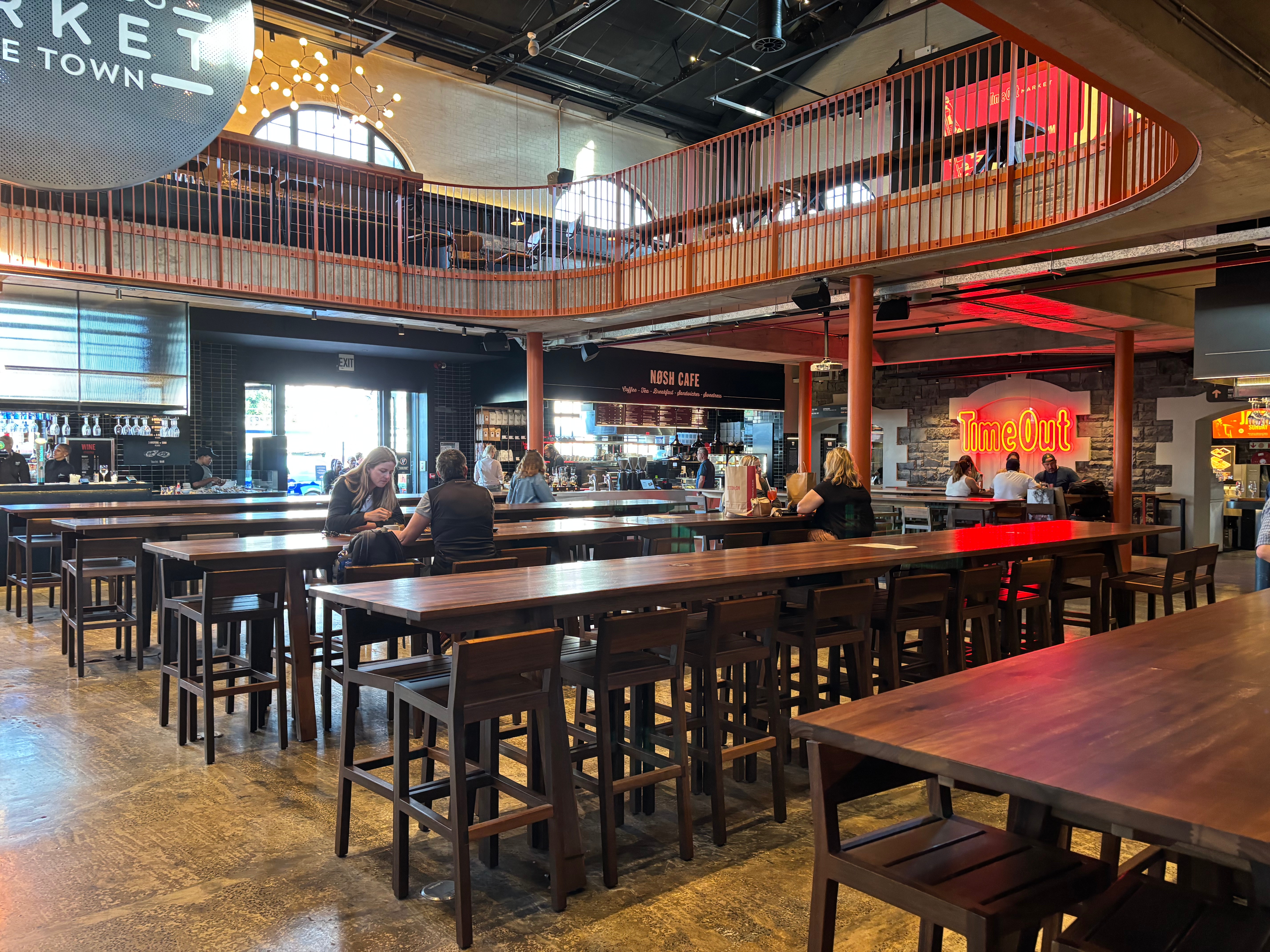
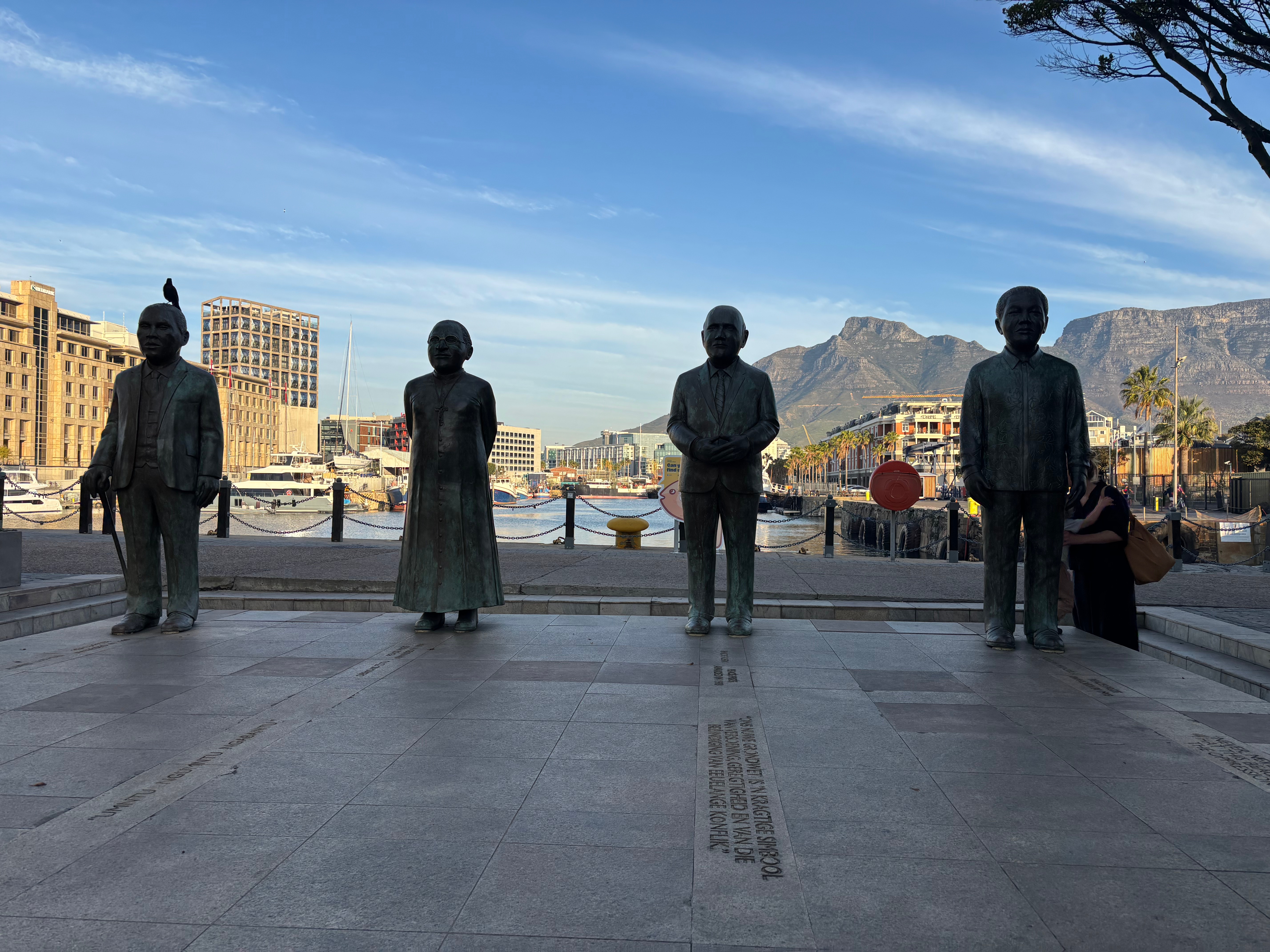
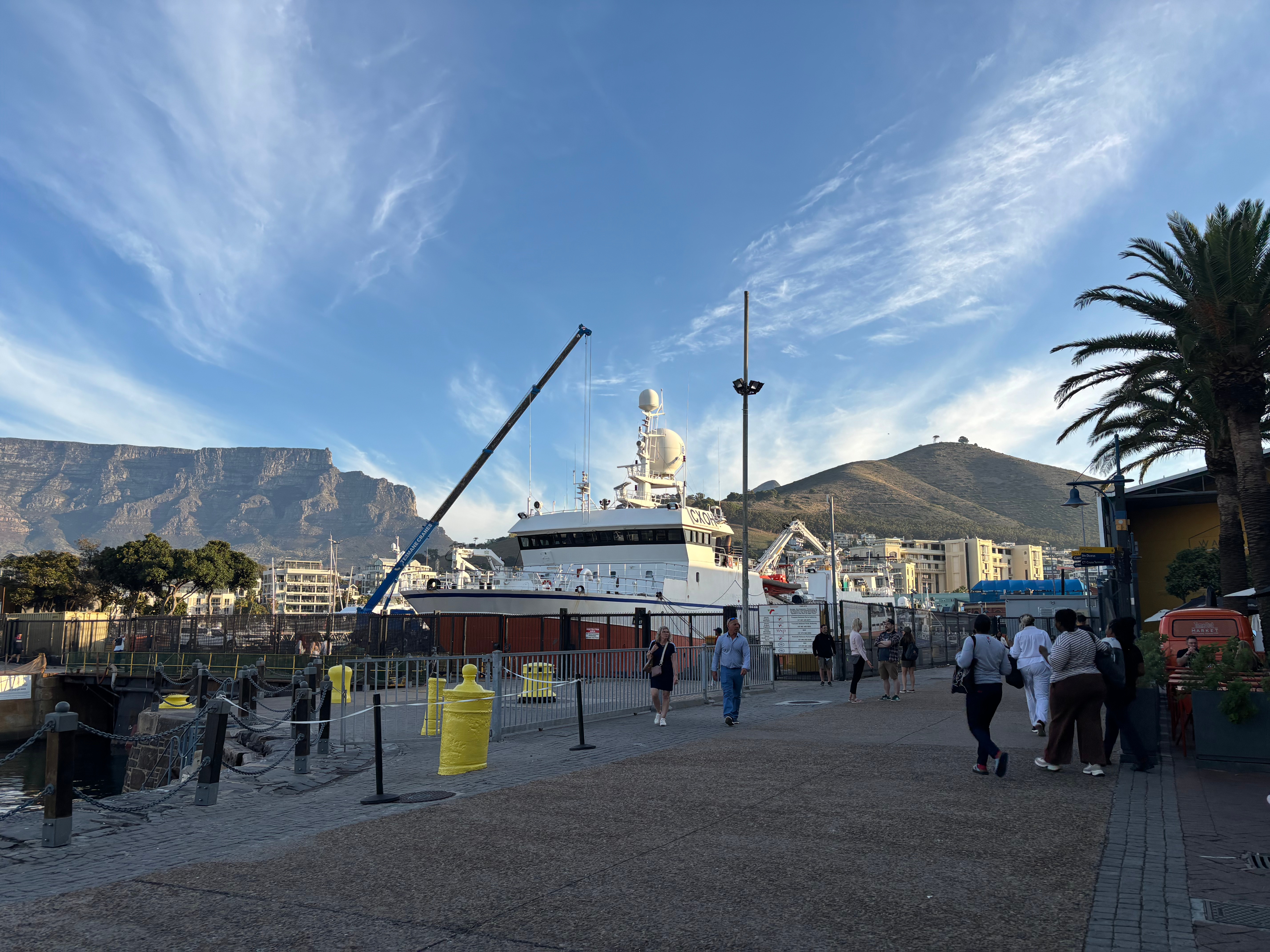
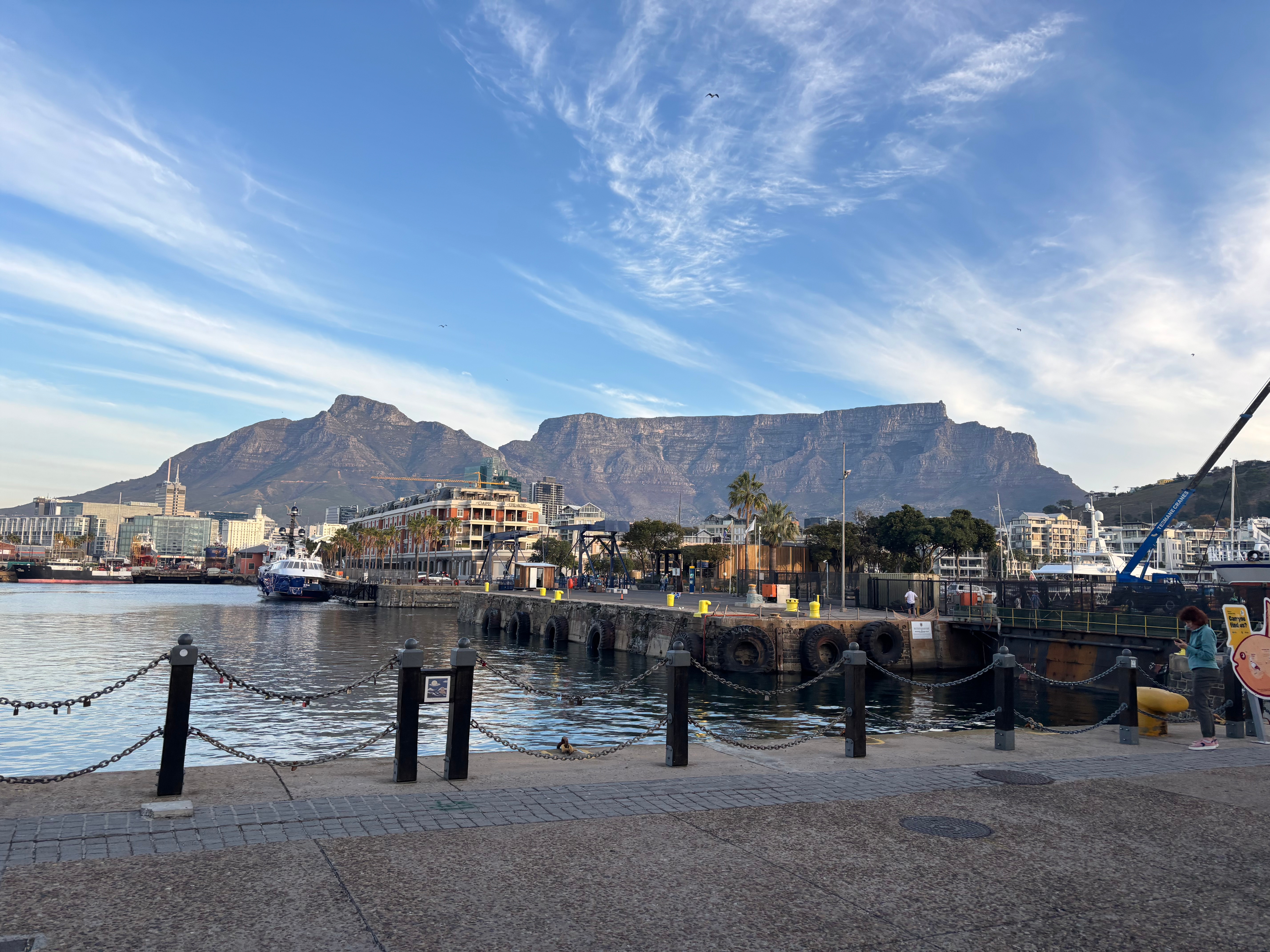
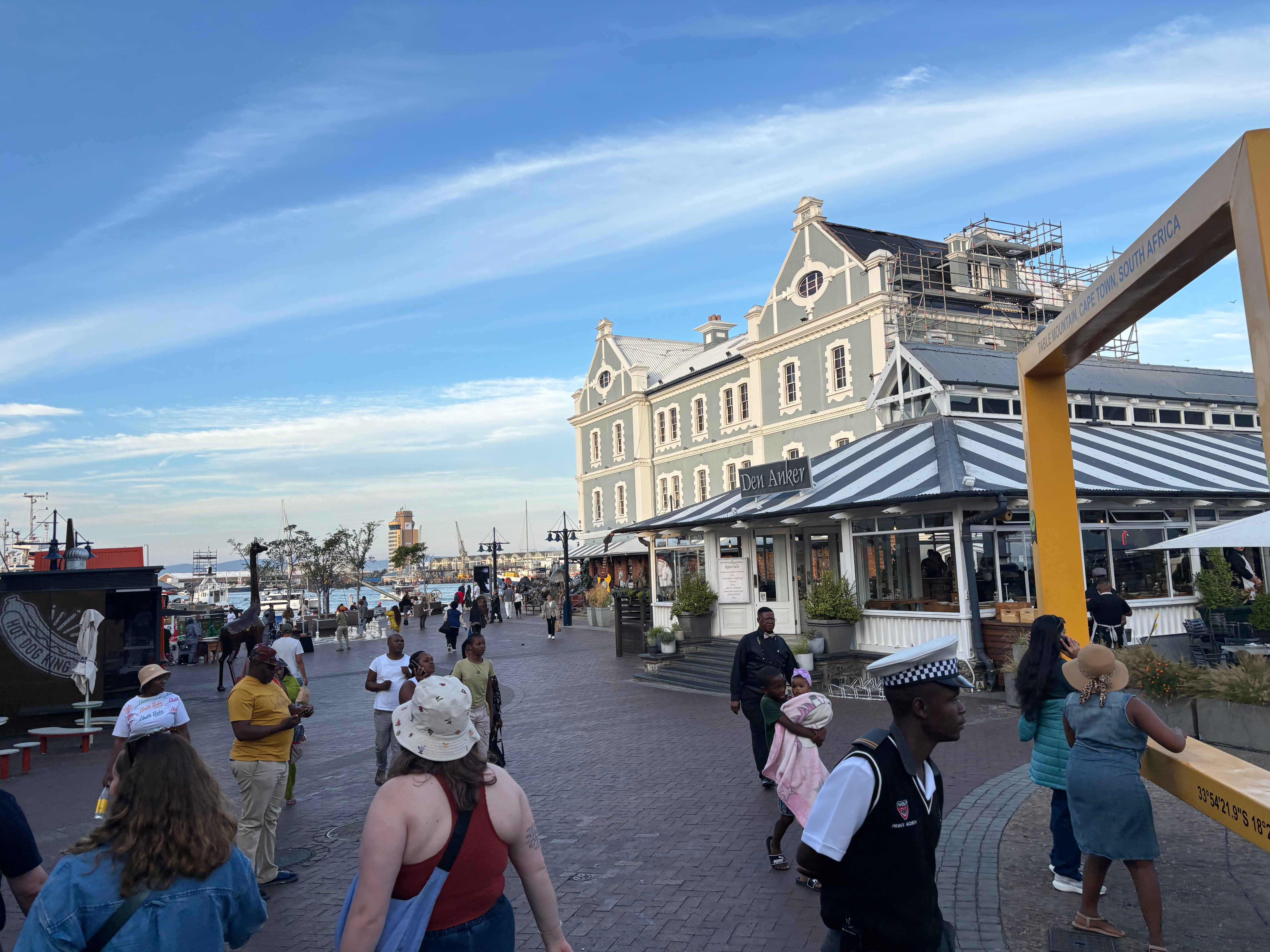
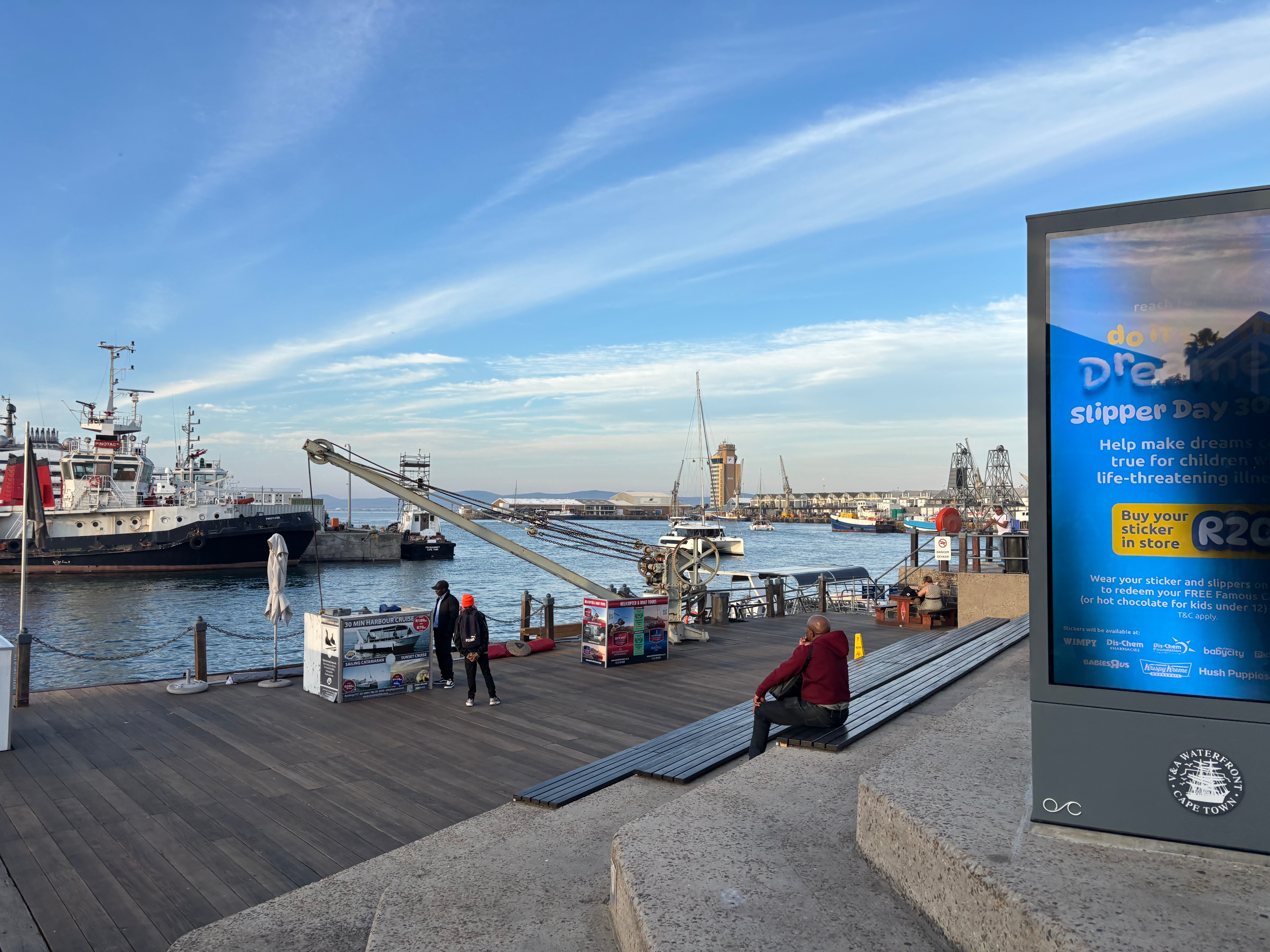


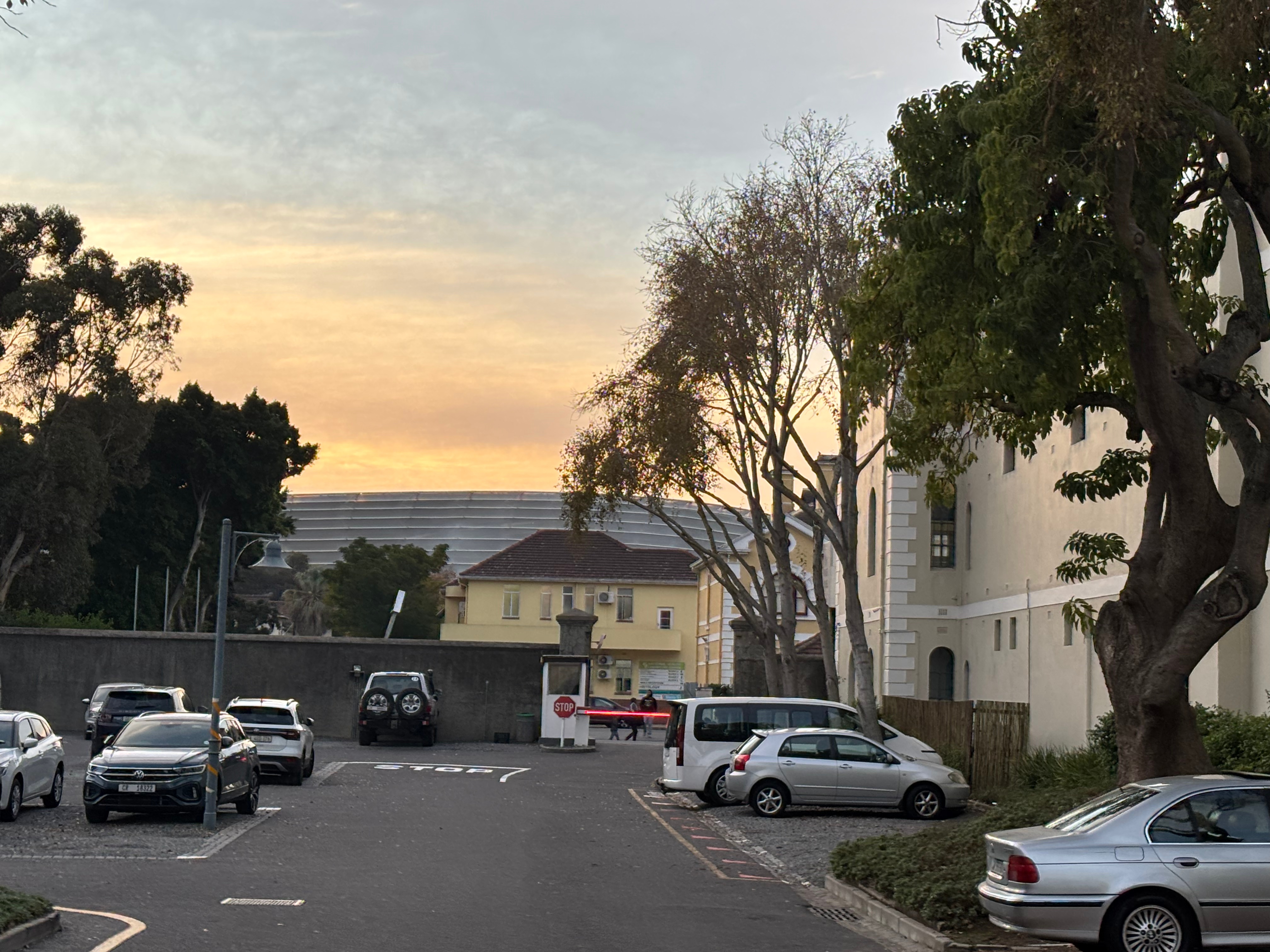
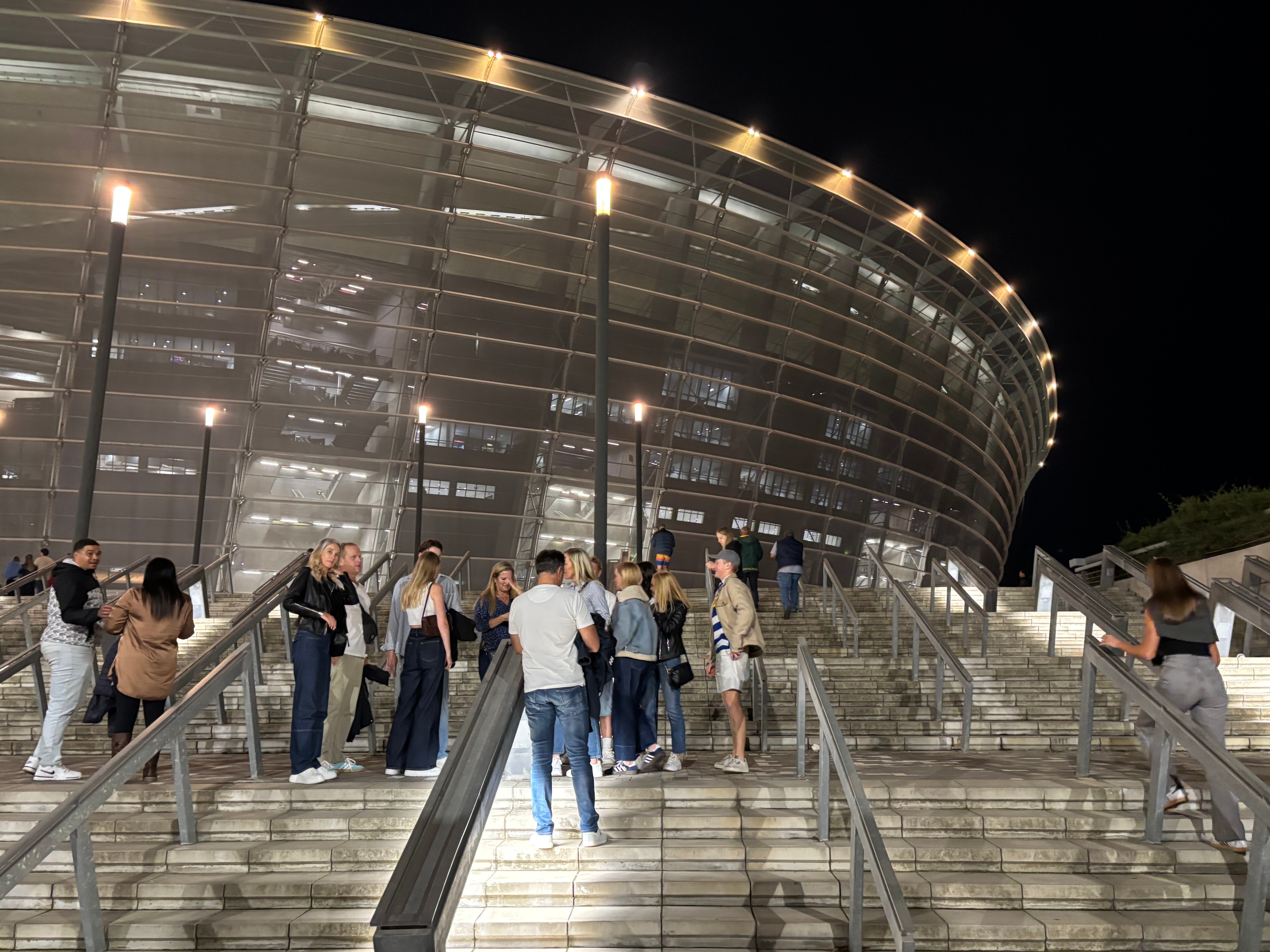
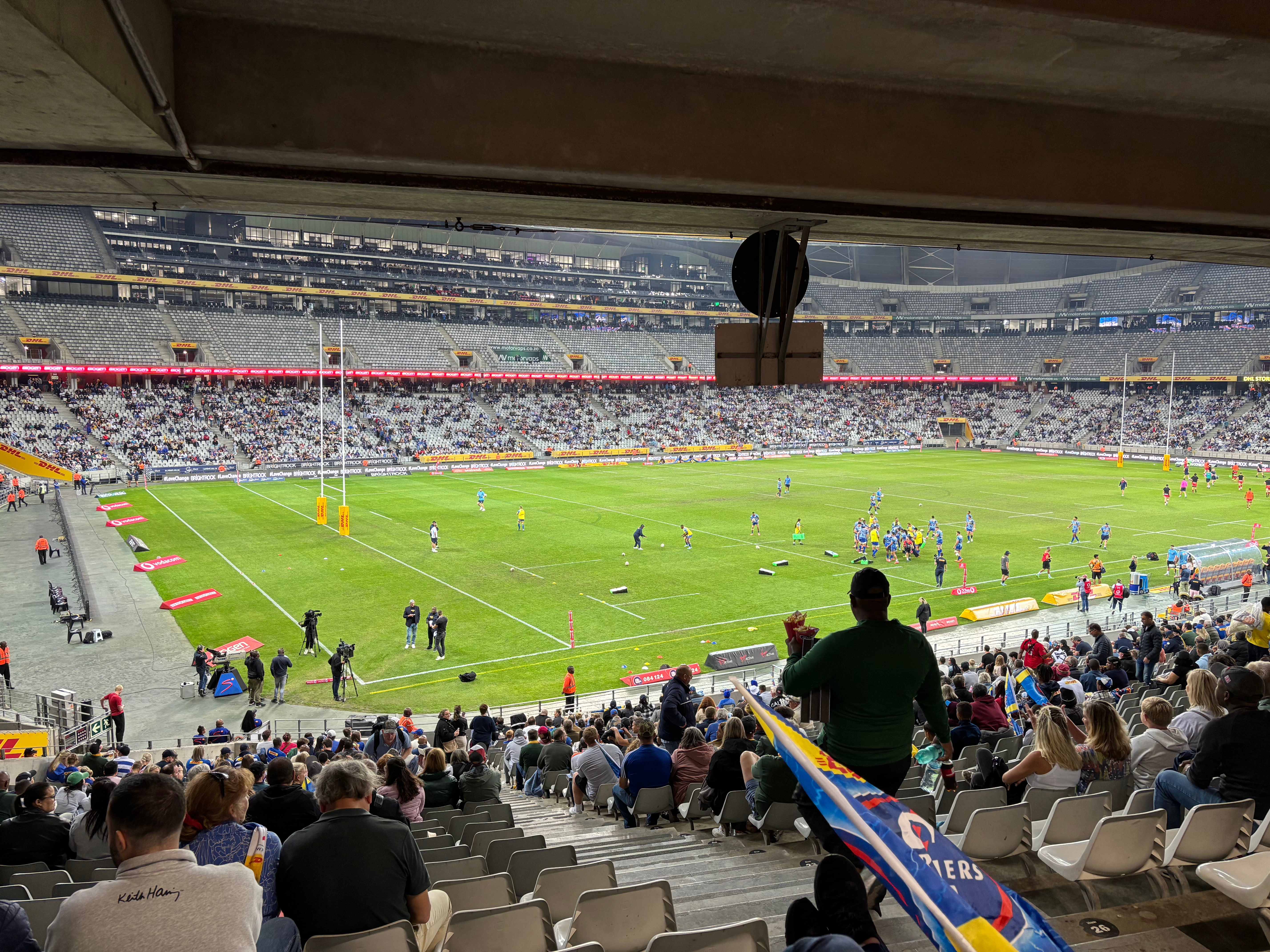
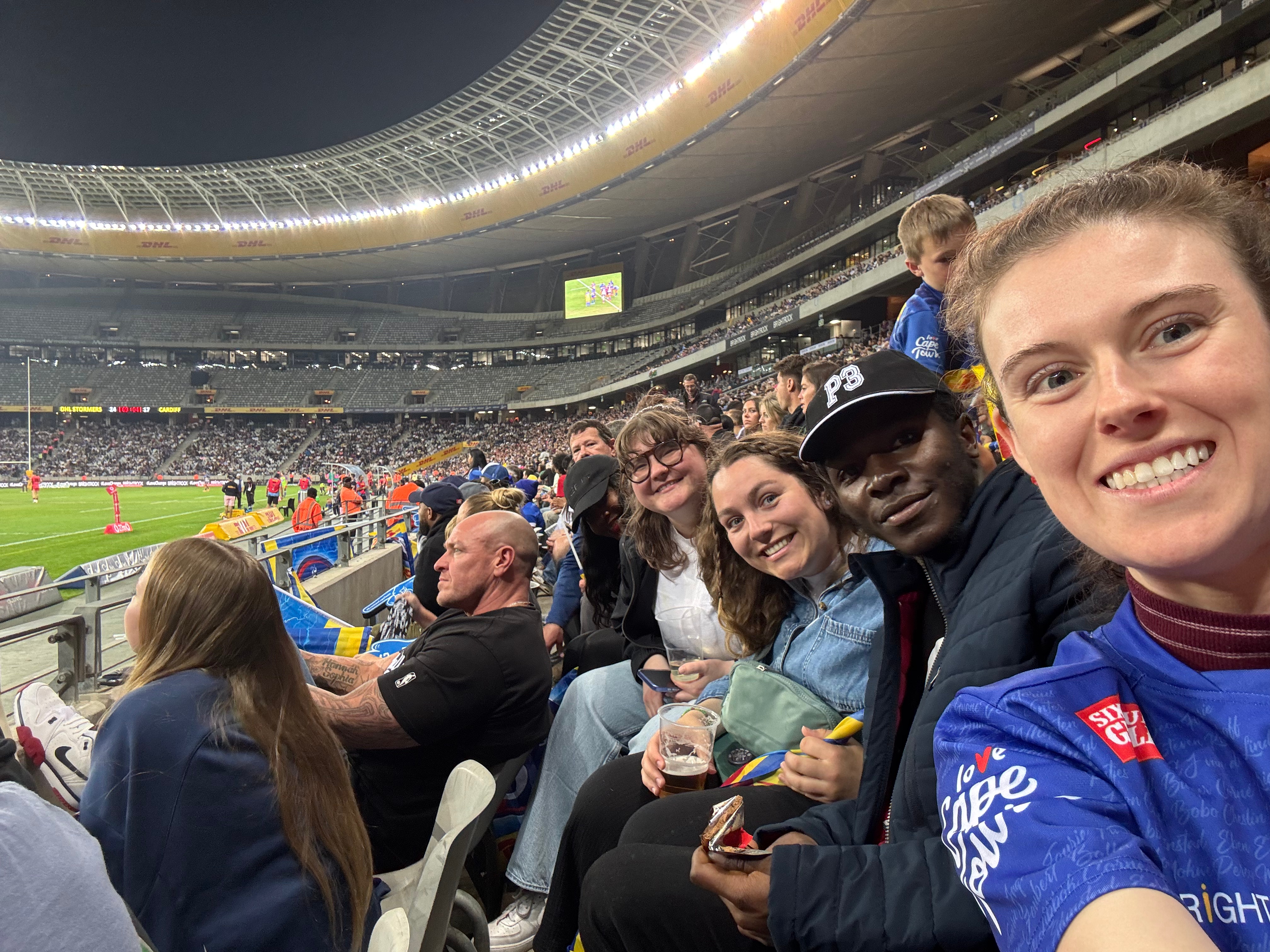
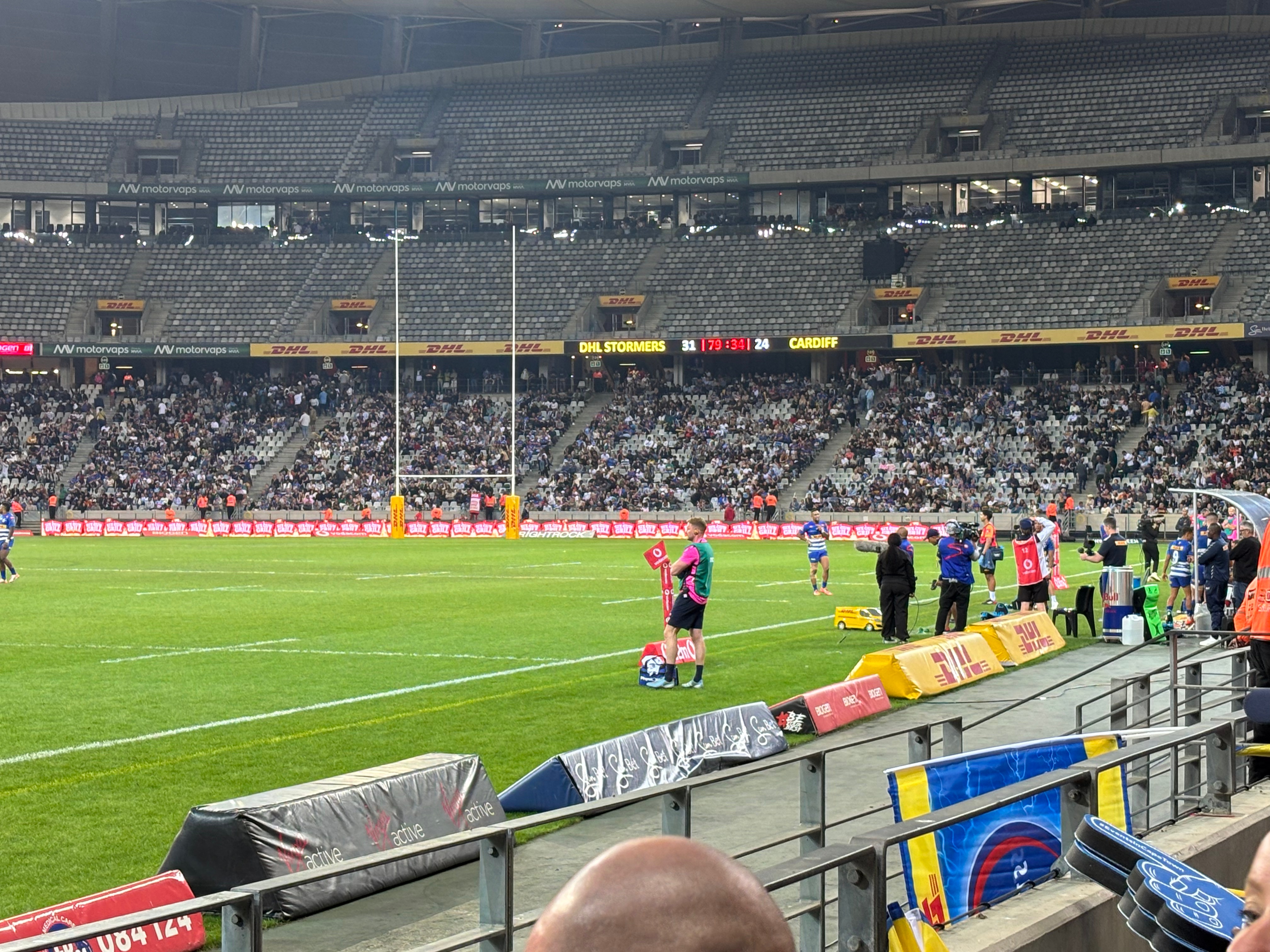
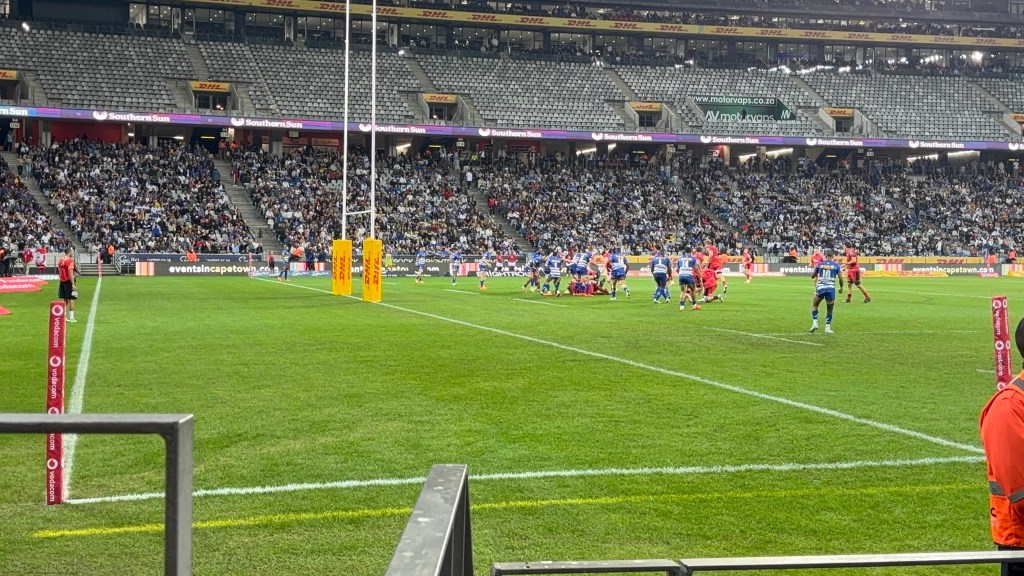
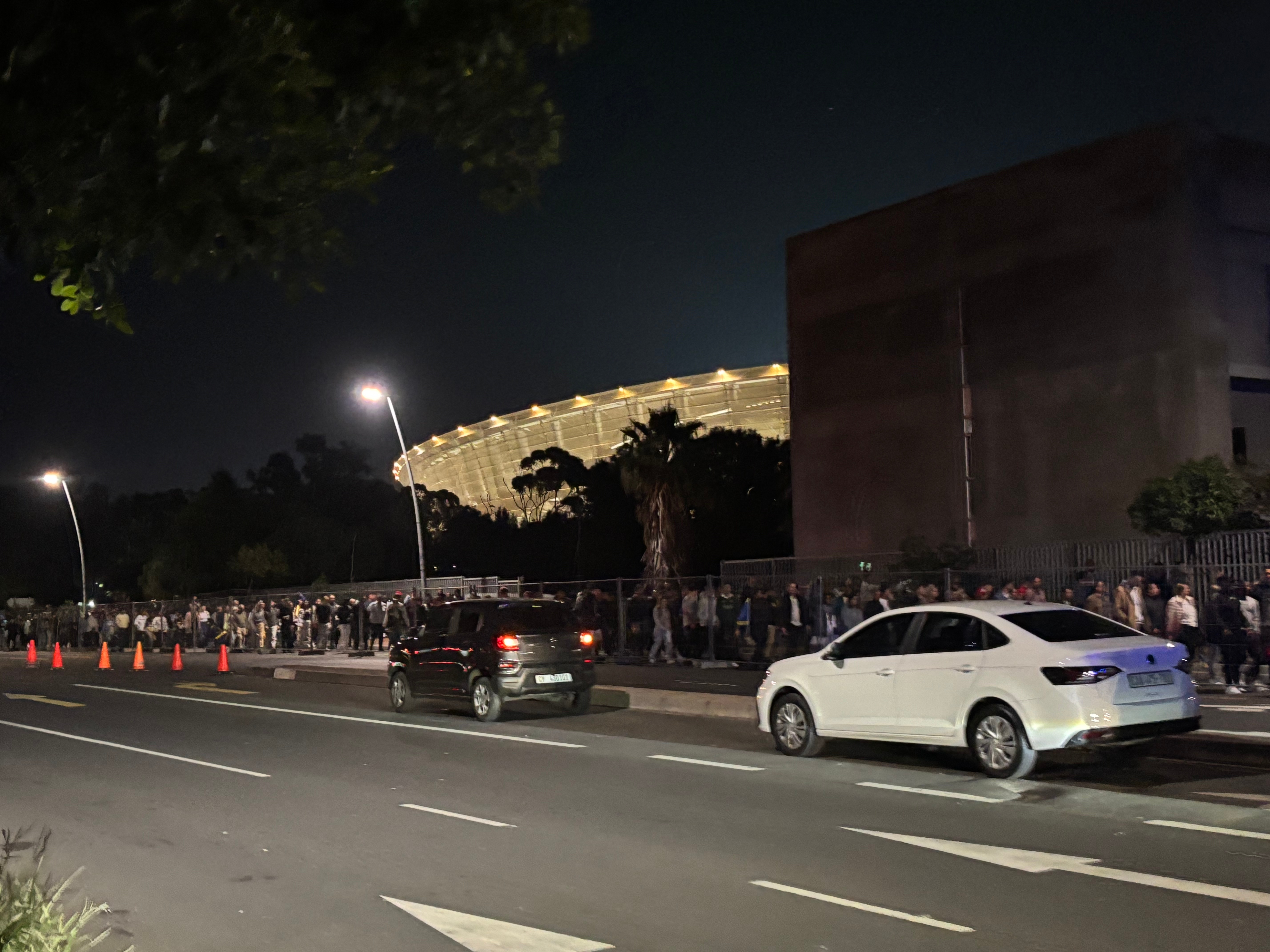
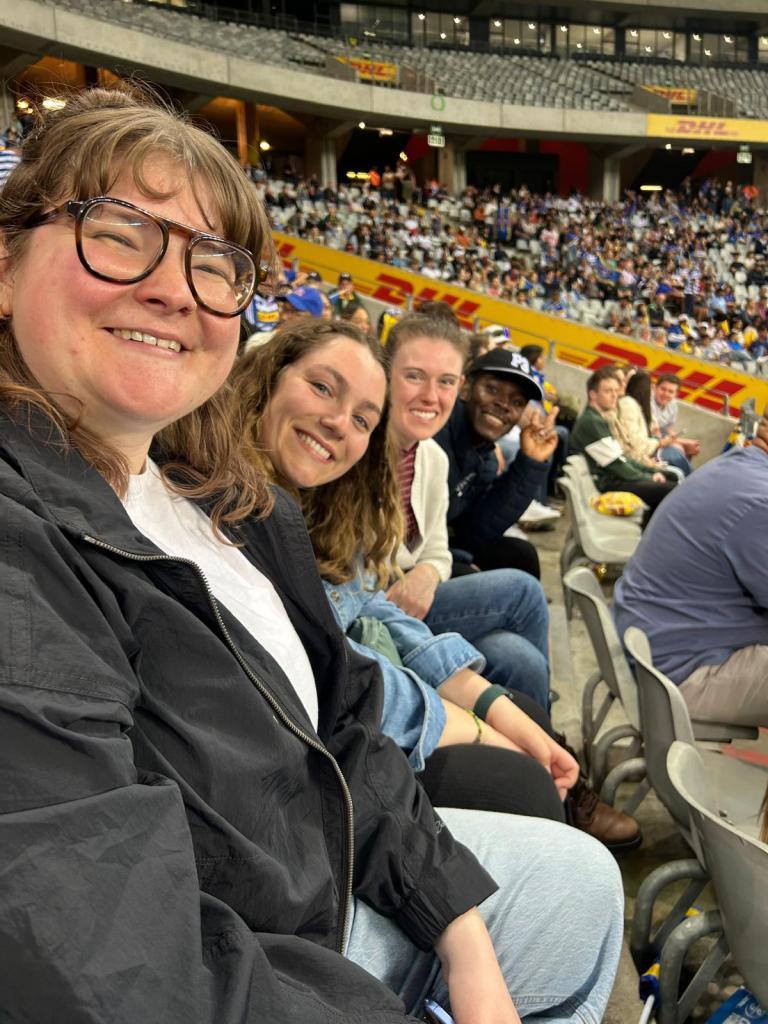
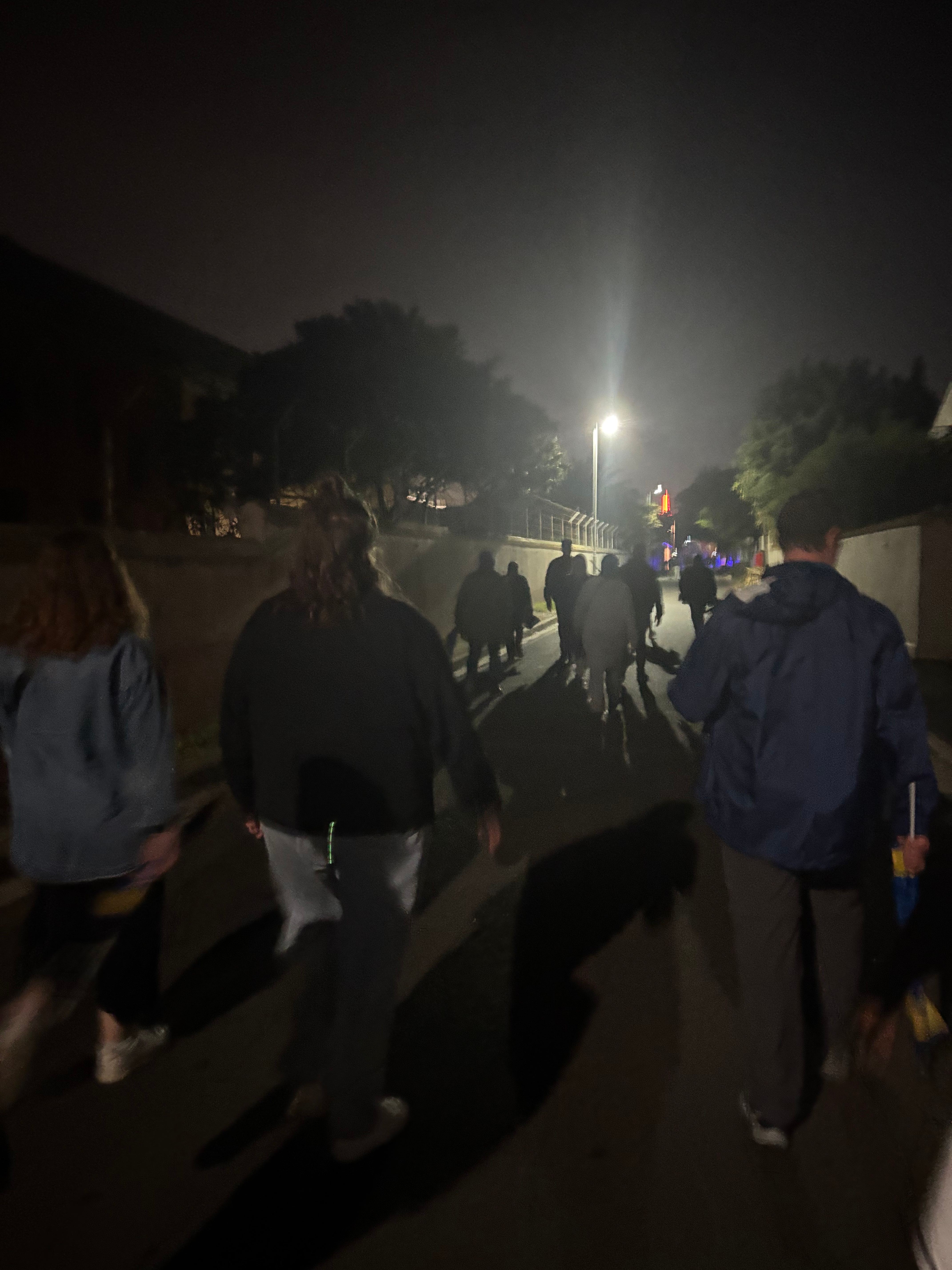
Dr. W had heard from the program alumni that there was a local rugby game going on that night, and he asked us if we wanted to go. Wanting to experience the local culture, all of us jumped at the chance to attend the match. So after dinner, we walked over to the stadium, only a short distance from where we were staying, and cheered on the DHL Stormers. Every time the team won, a small remote control DHL truck was driven onto the field, which was such a random and fun sports team’s celebration tradition. During one of the intermissions, I went to the gift shop and bought myself some sports gear, because I love being a fan. Our team ended up winning heftily, and we walked back to our hotel in a great mood.


Day 1- Robben Island and Table Mountain
On our first full day in Cape Town, we got up early and headed out to catch the ferry to Robben Island, now a World Heritage Site, the location where Nelson Mandela had been imprisoned. This was one of the most moving experiences of the whole trip. We did Robben Island on the first day because it was one of the most important things for us to see, owing to its cultural and historical significance. After all, this was still an educational program. Additionally, this was our most weather-dependent activity, and we wanted to make sure we had time to rebook if our ferry was cancelled due to rough weather at sea.
Named for the Dutch word for seals (Robben), Robben Island is an island off the coast of the Western Cape that was originally used as a place for Dutch settlers to raise their sheep unmolested by predators. The settlers also caught seals and used them for various 17th-century purposes. Eventually, Robben Island became a prison (beginning in the mid-17th century with a prisoner called Autshumato) and also for a time a leper colony.

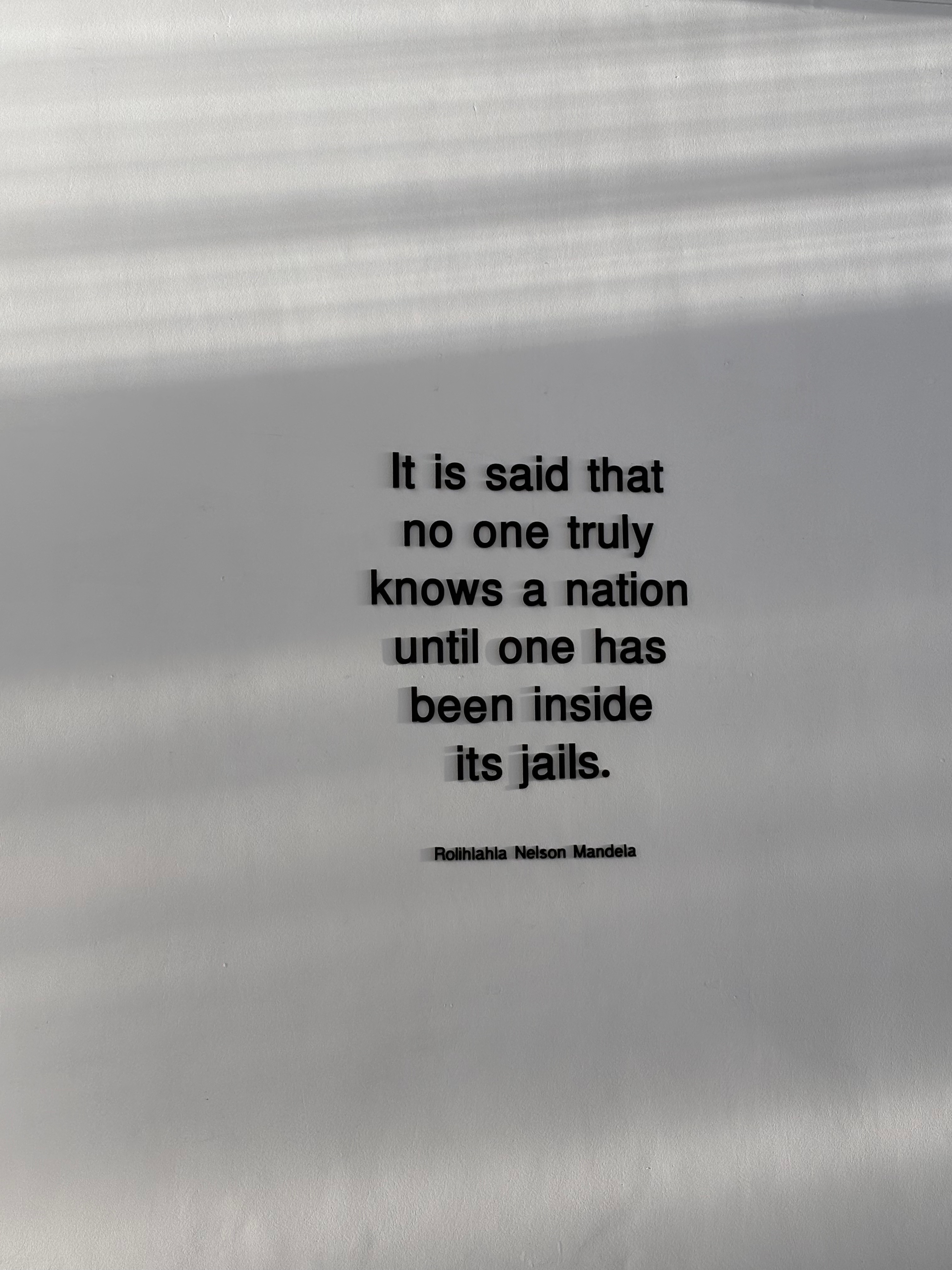

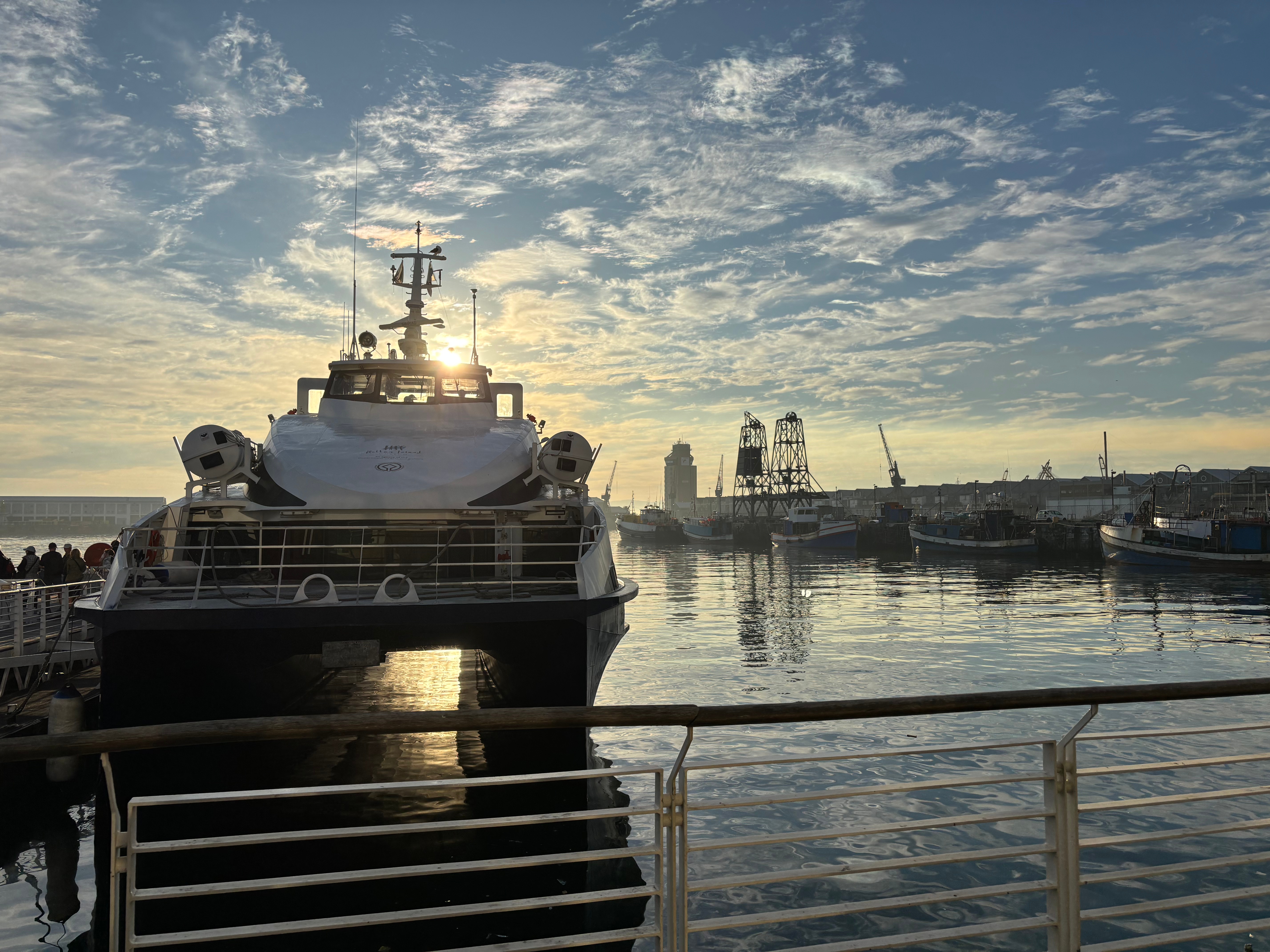
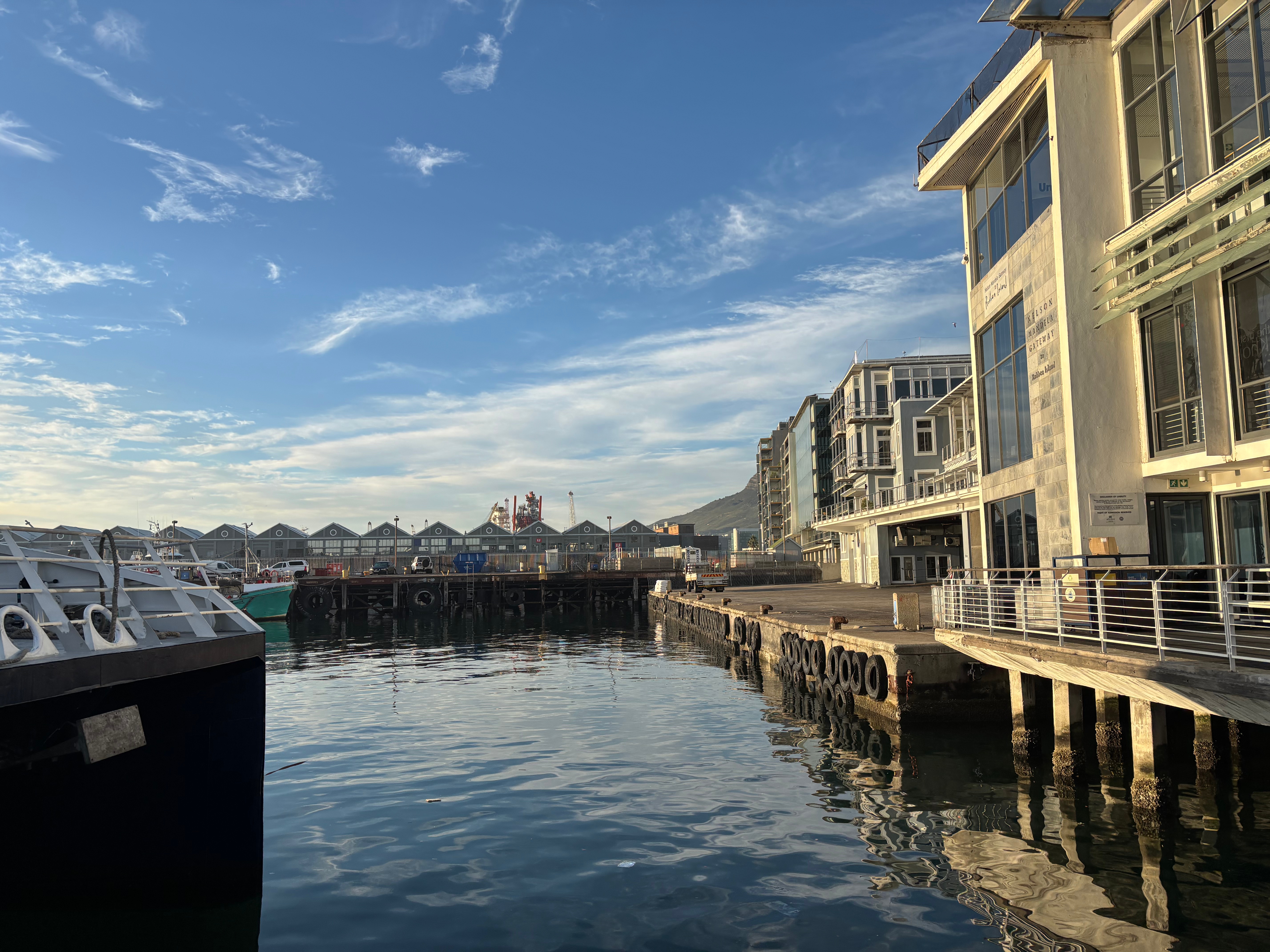


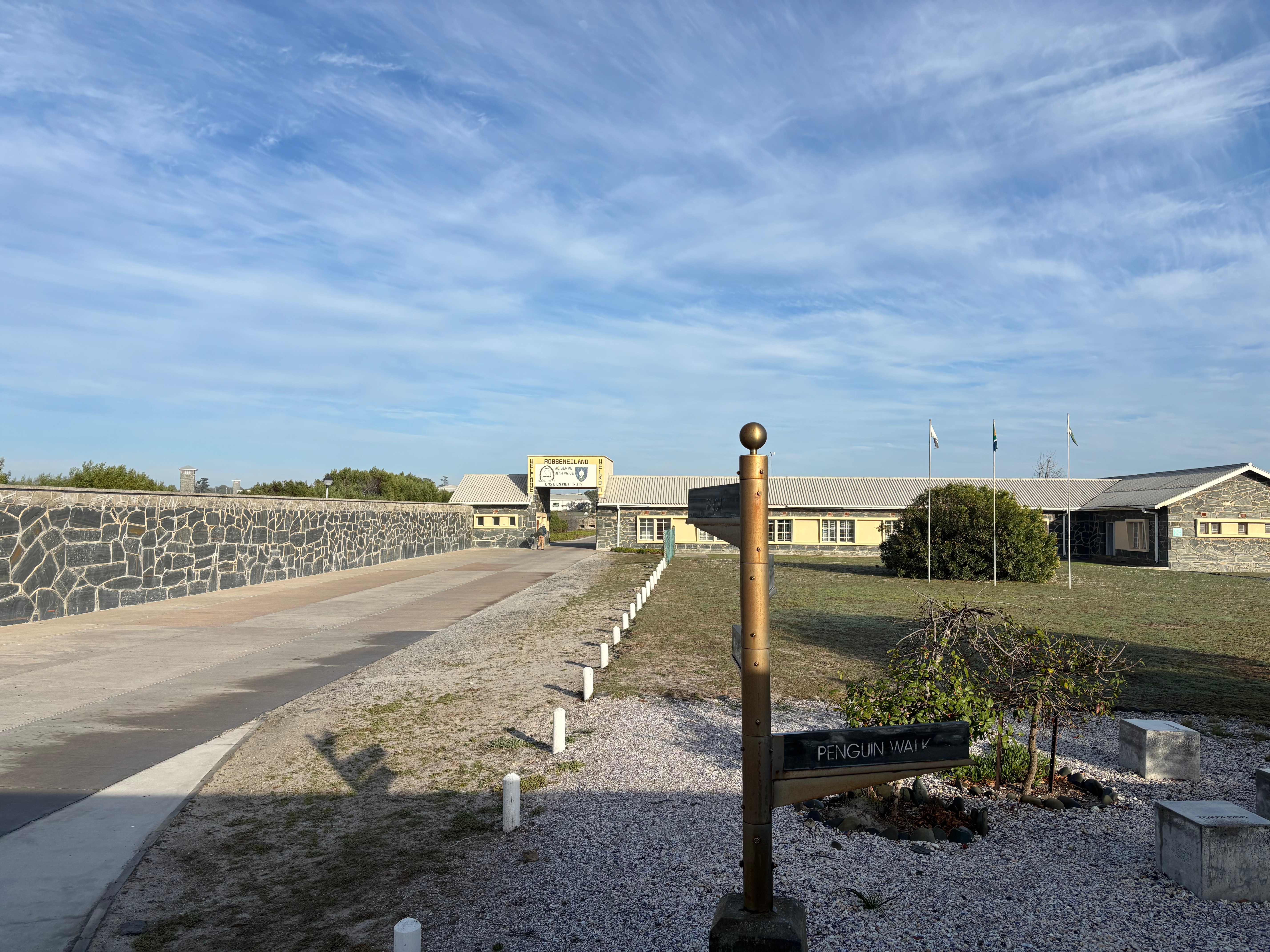
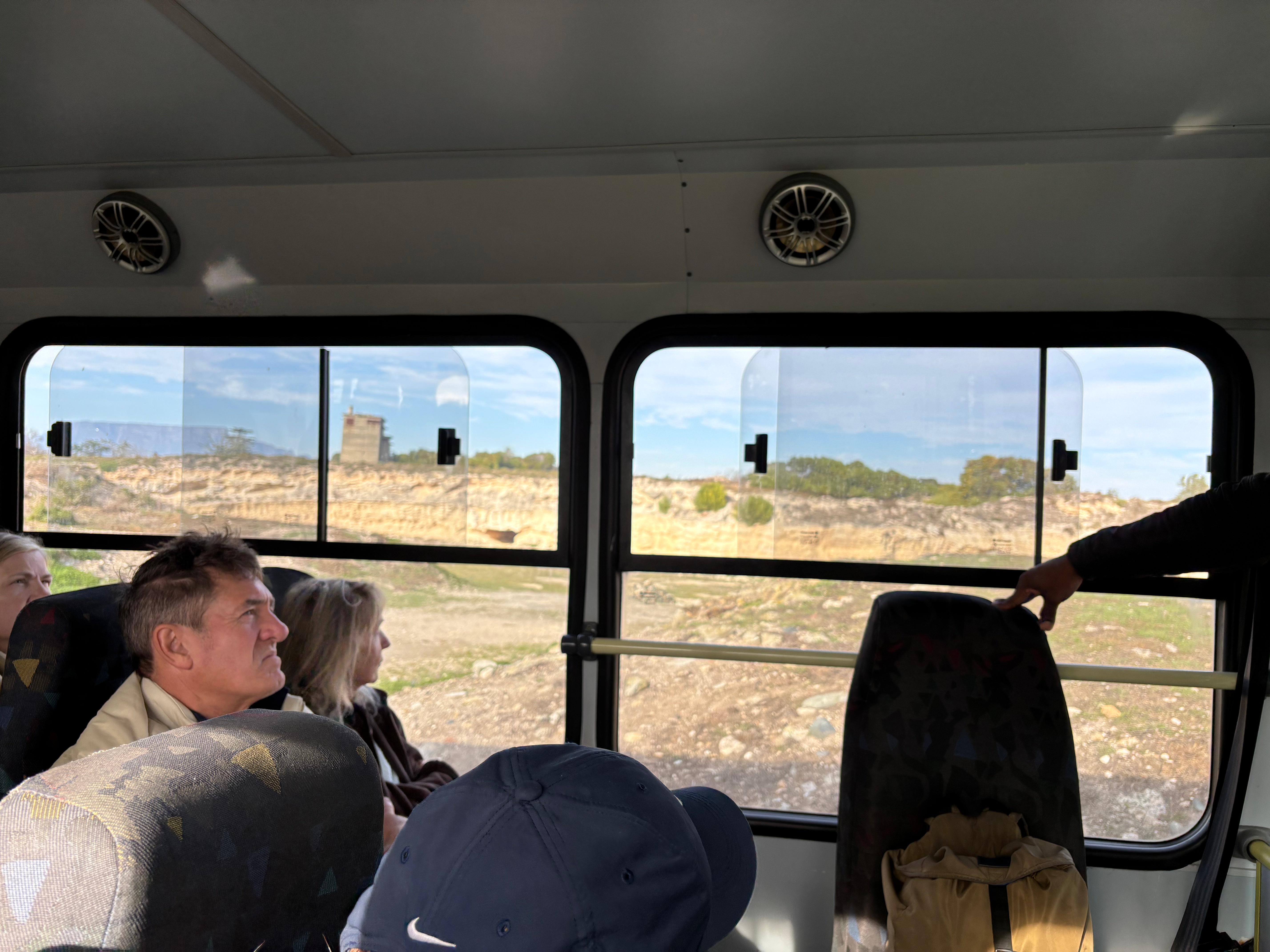
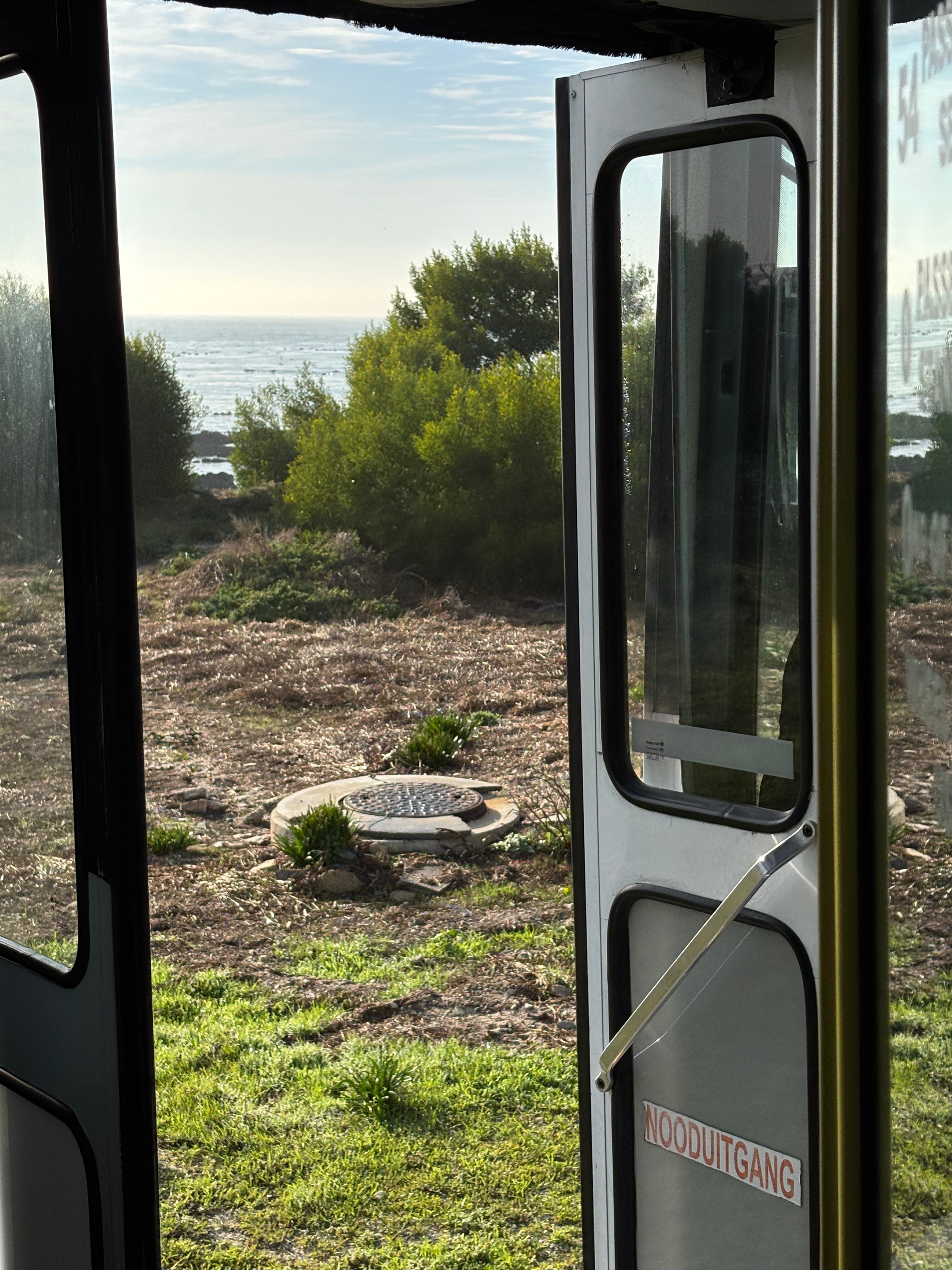
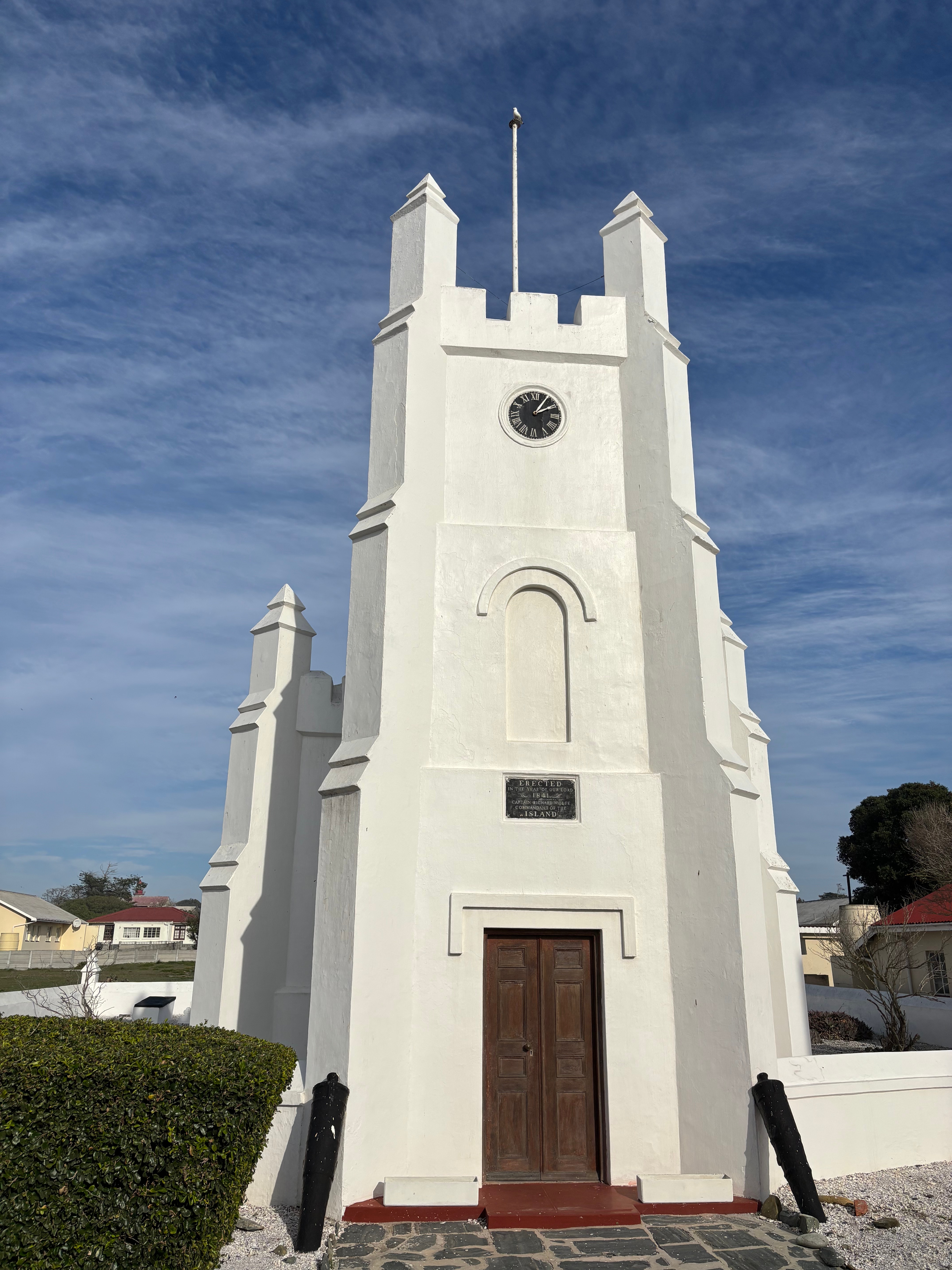
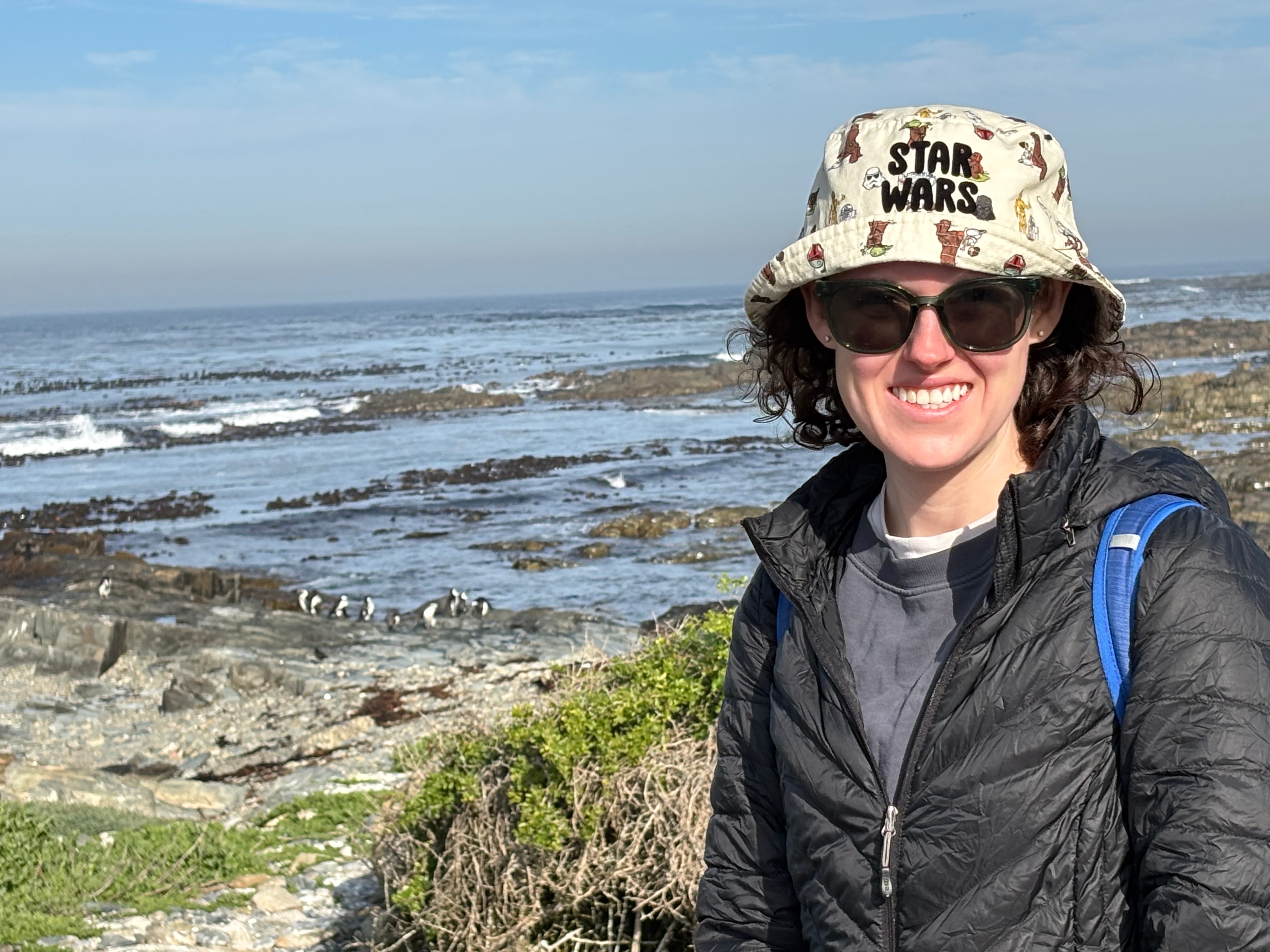
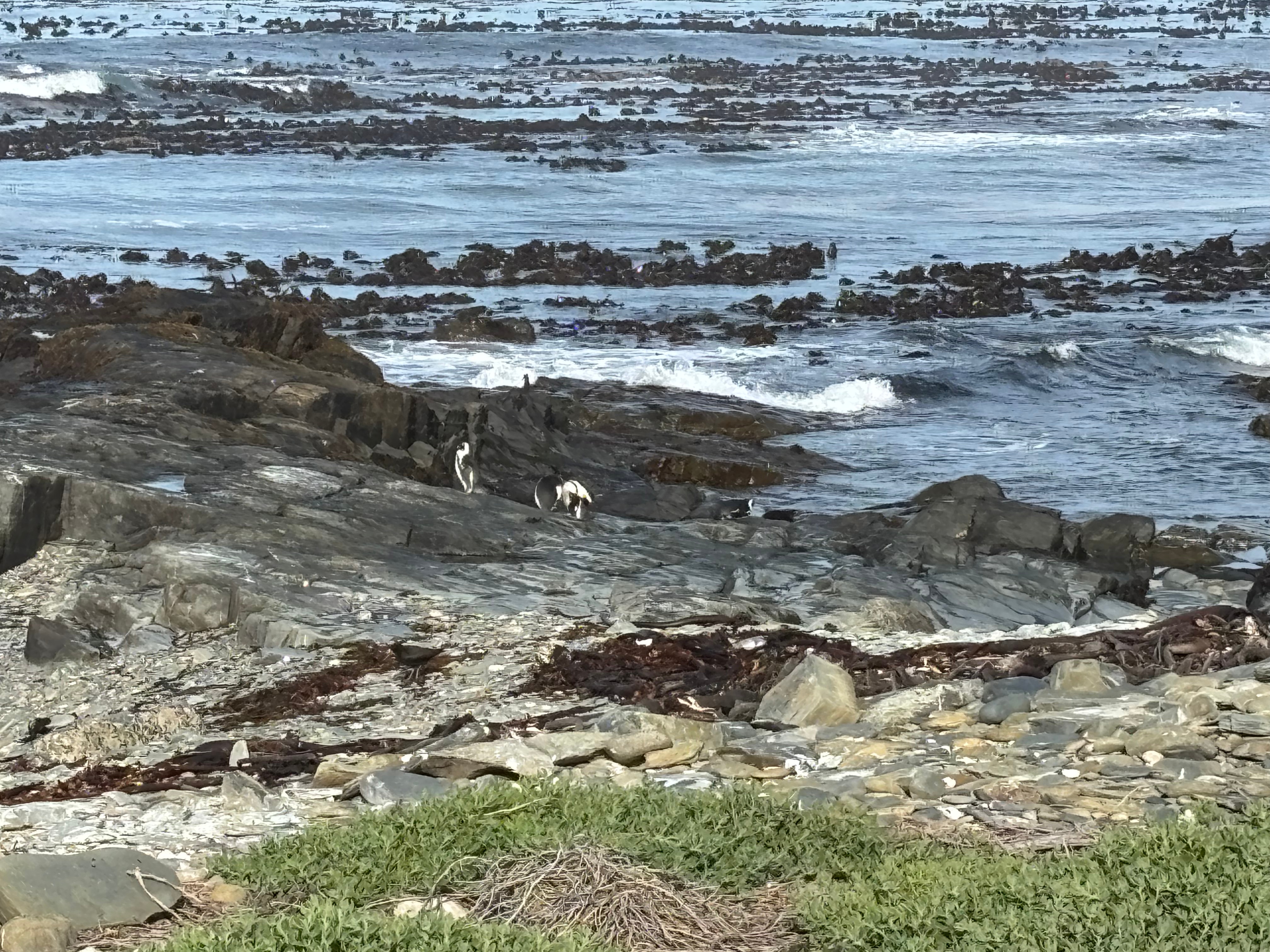
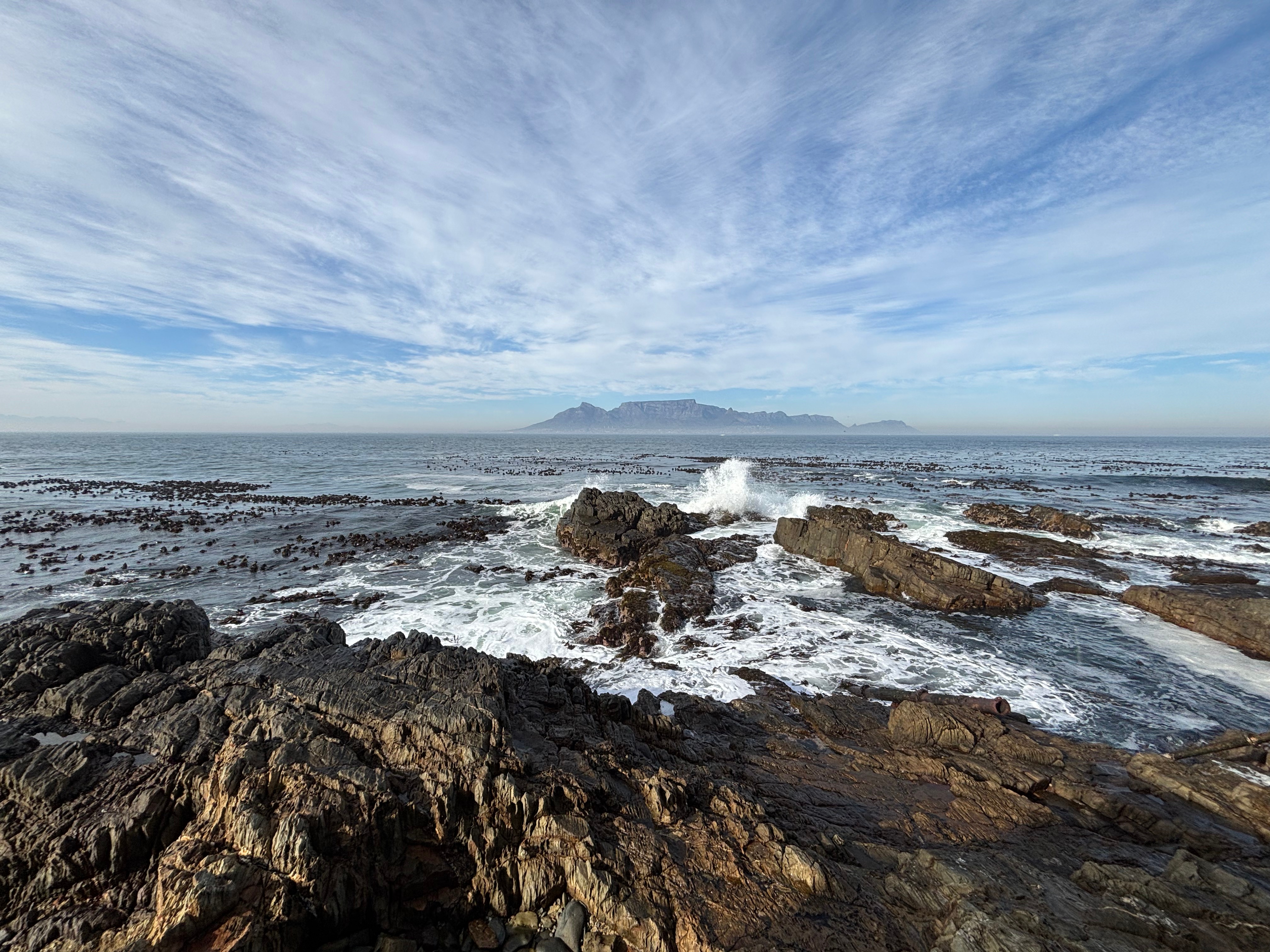
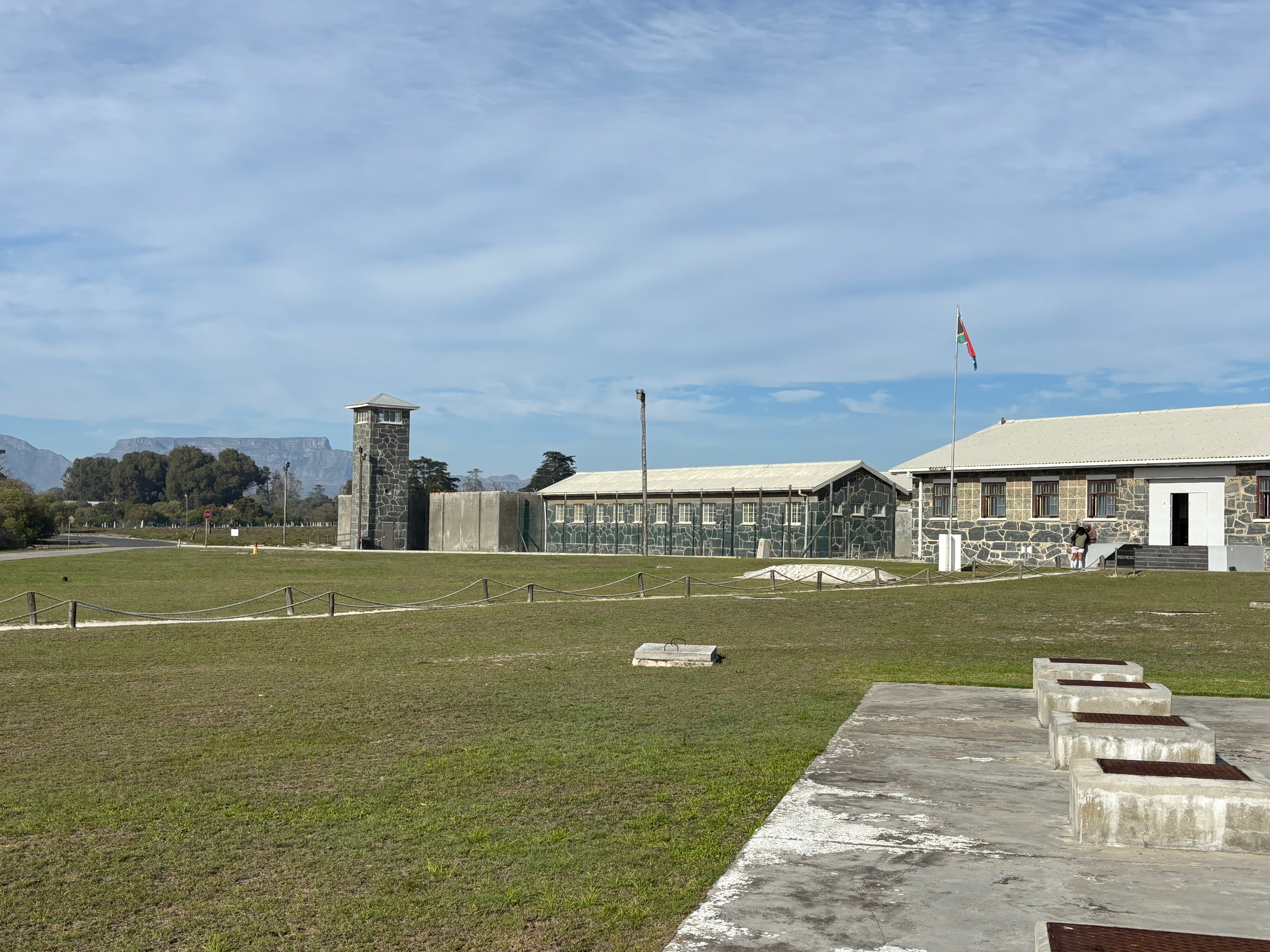
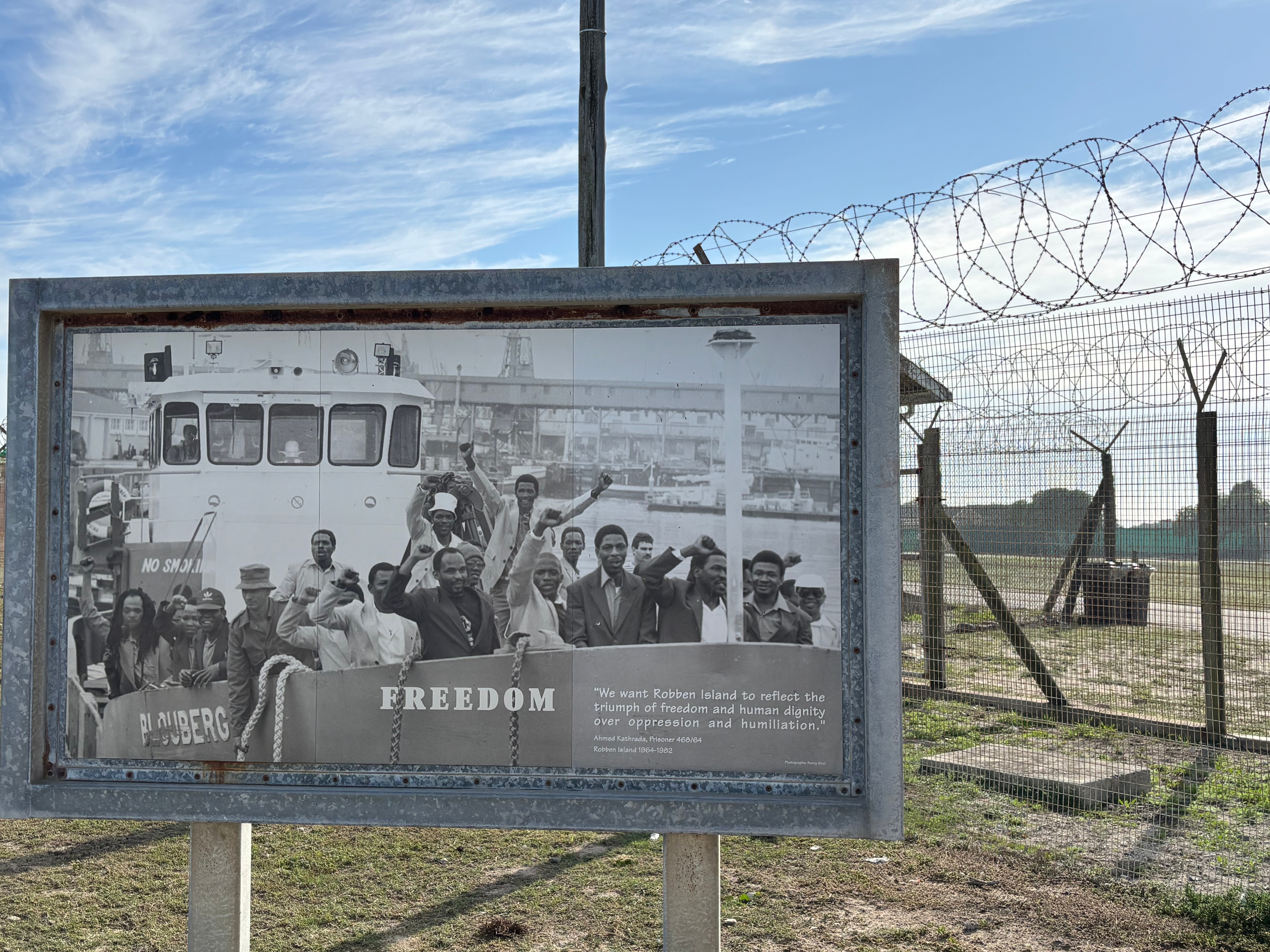
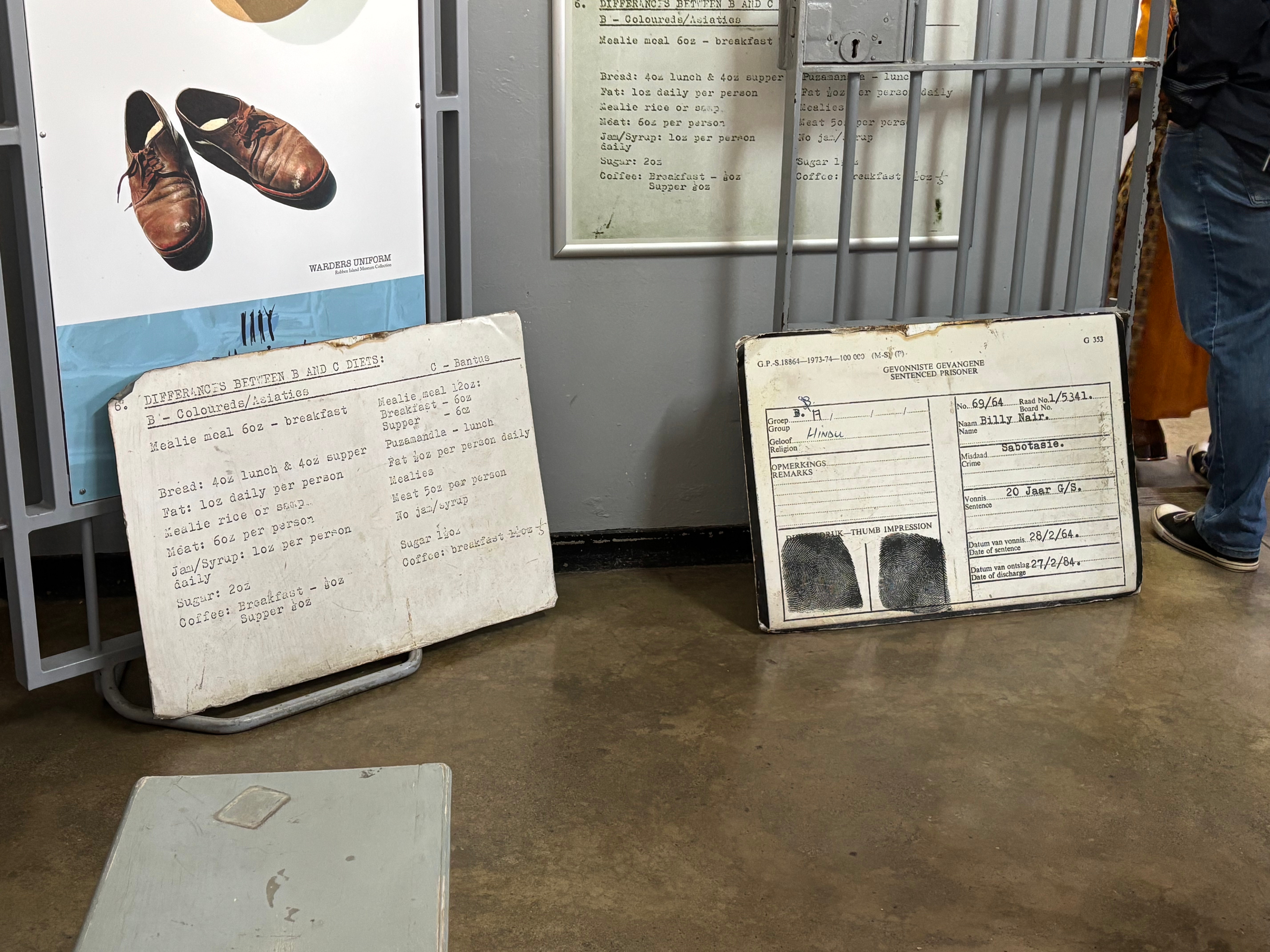
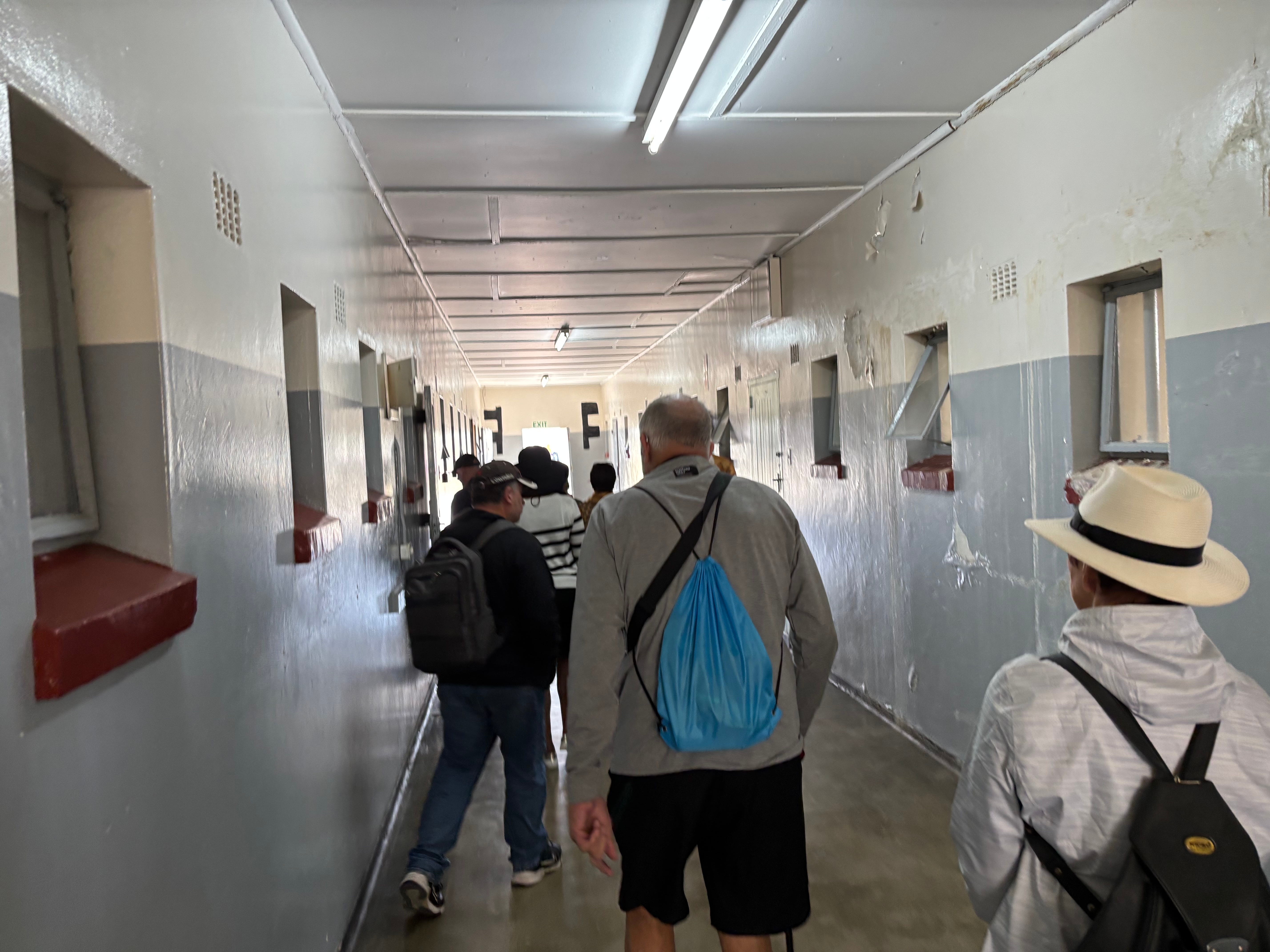

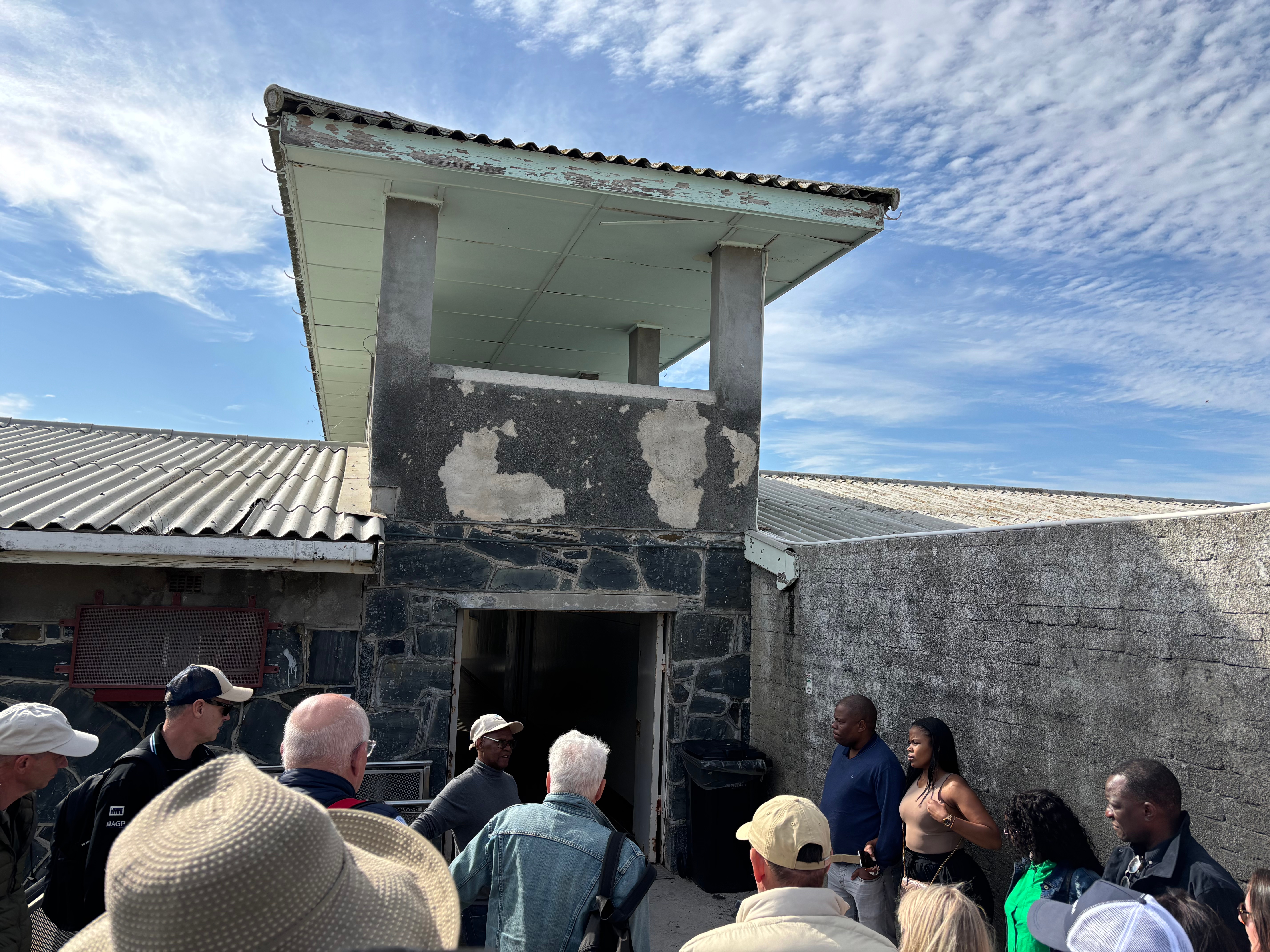
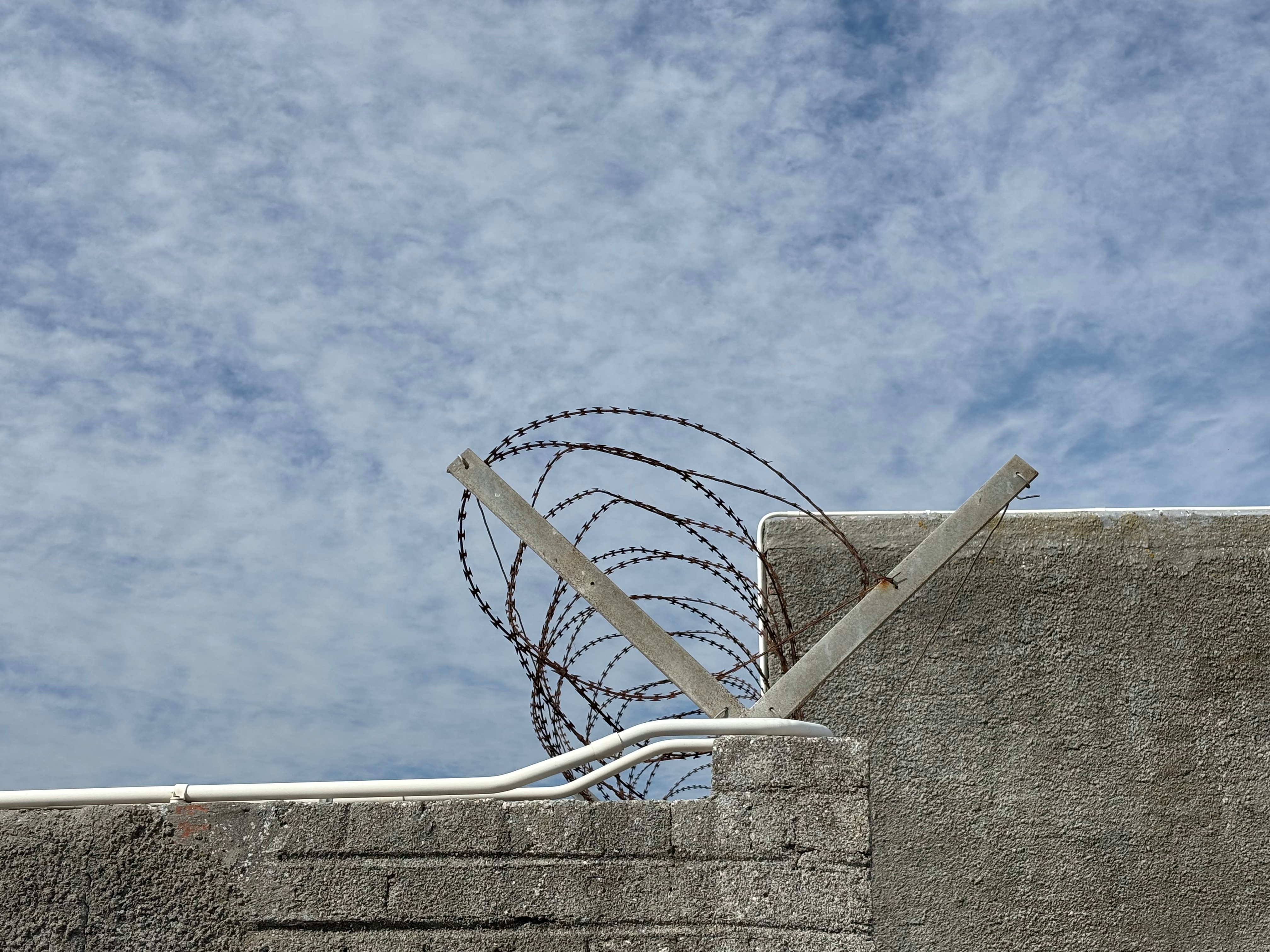
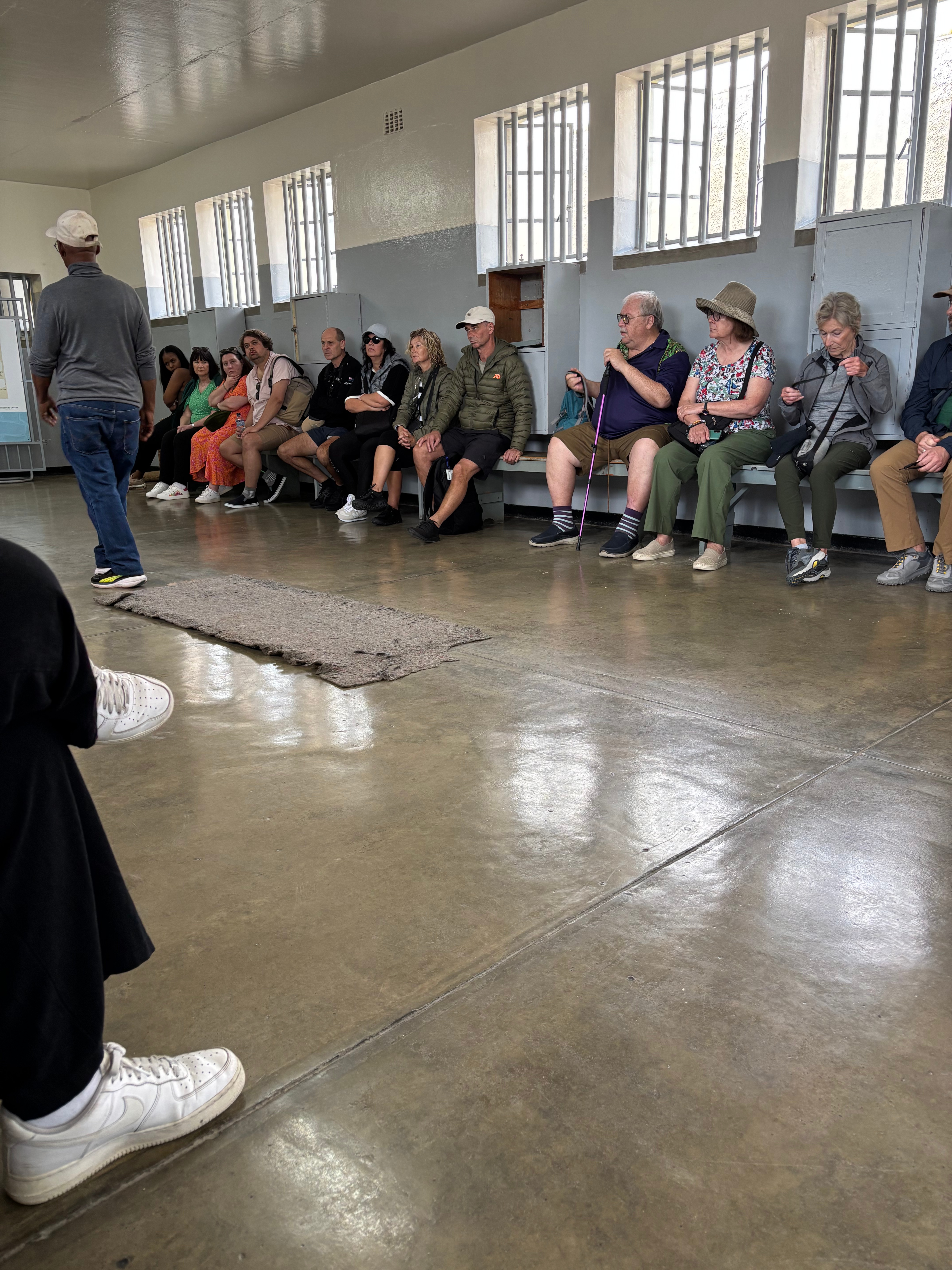
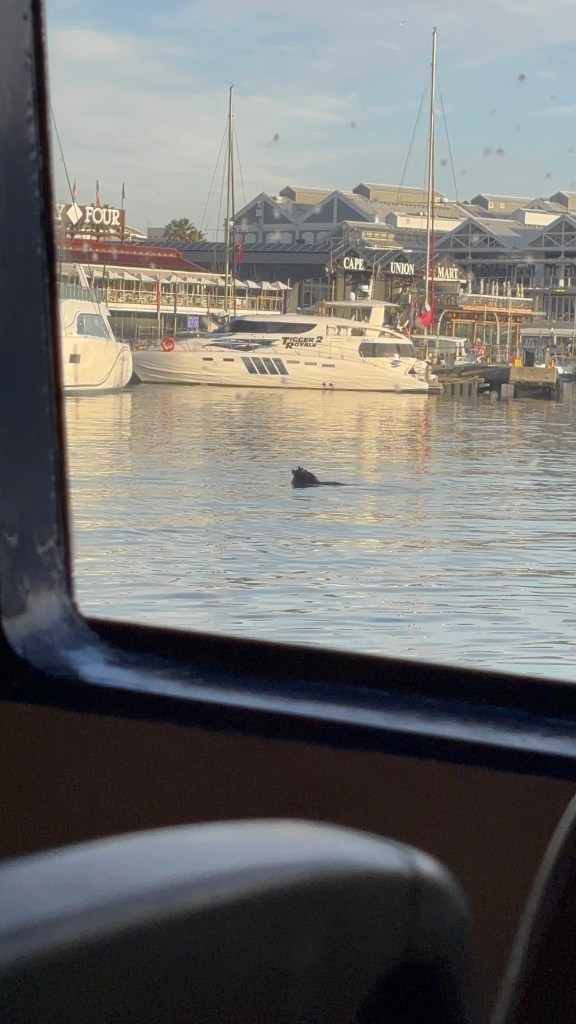
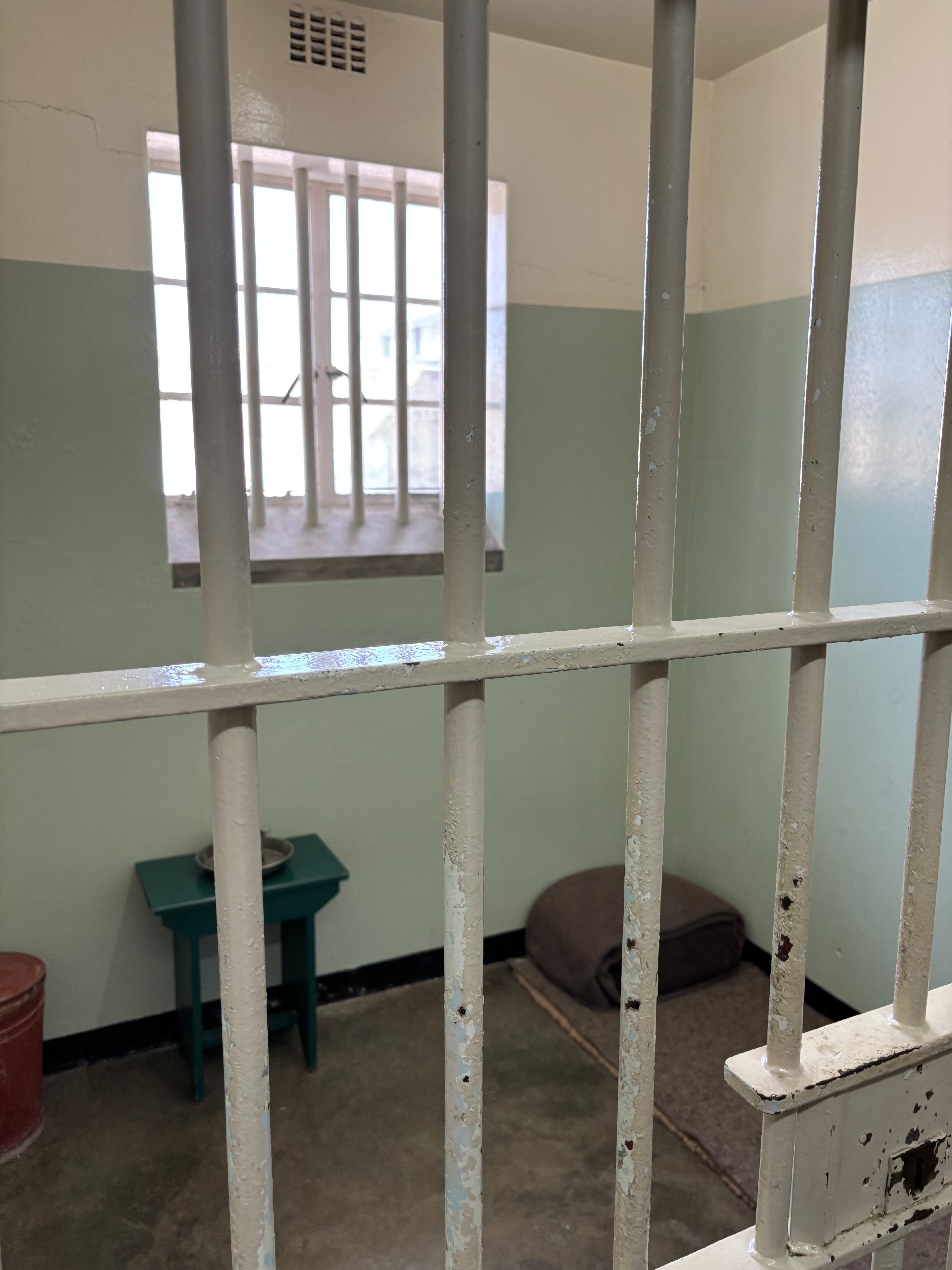
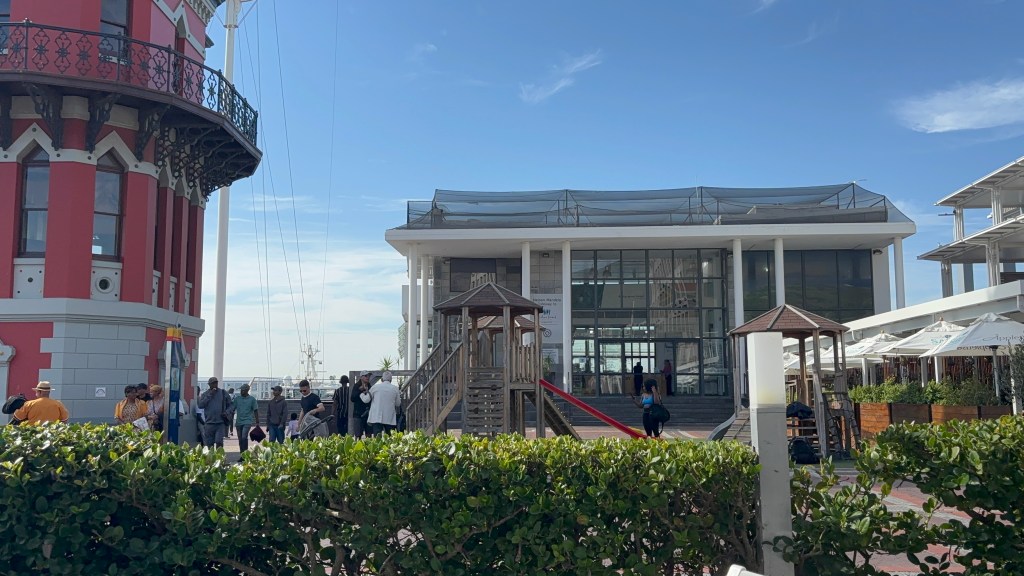
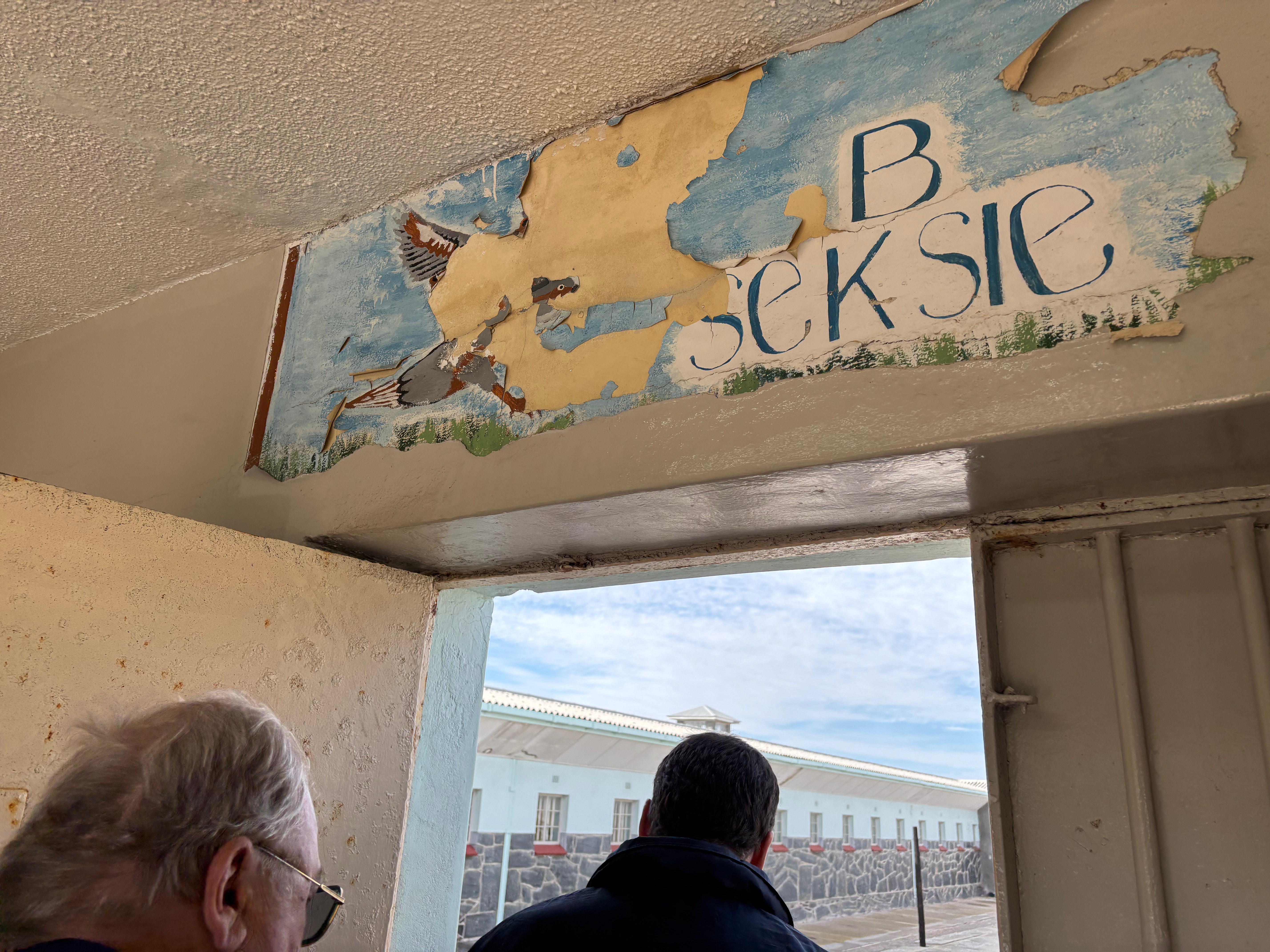
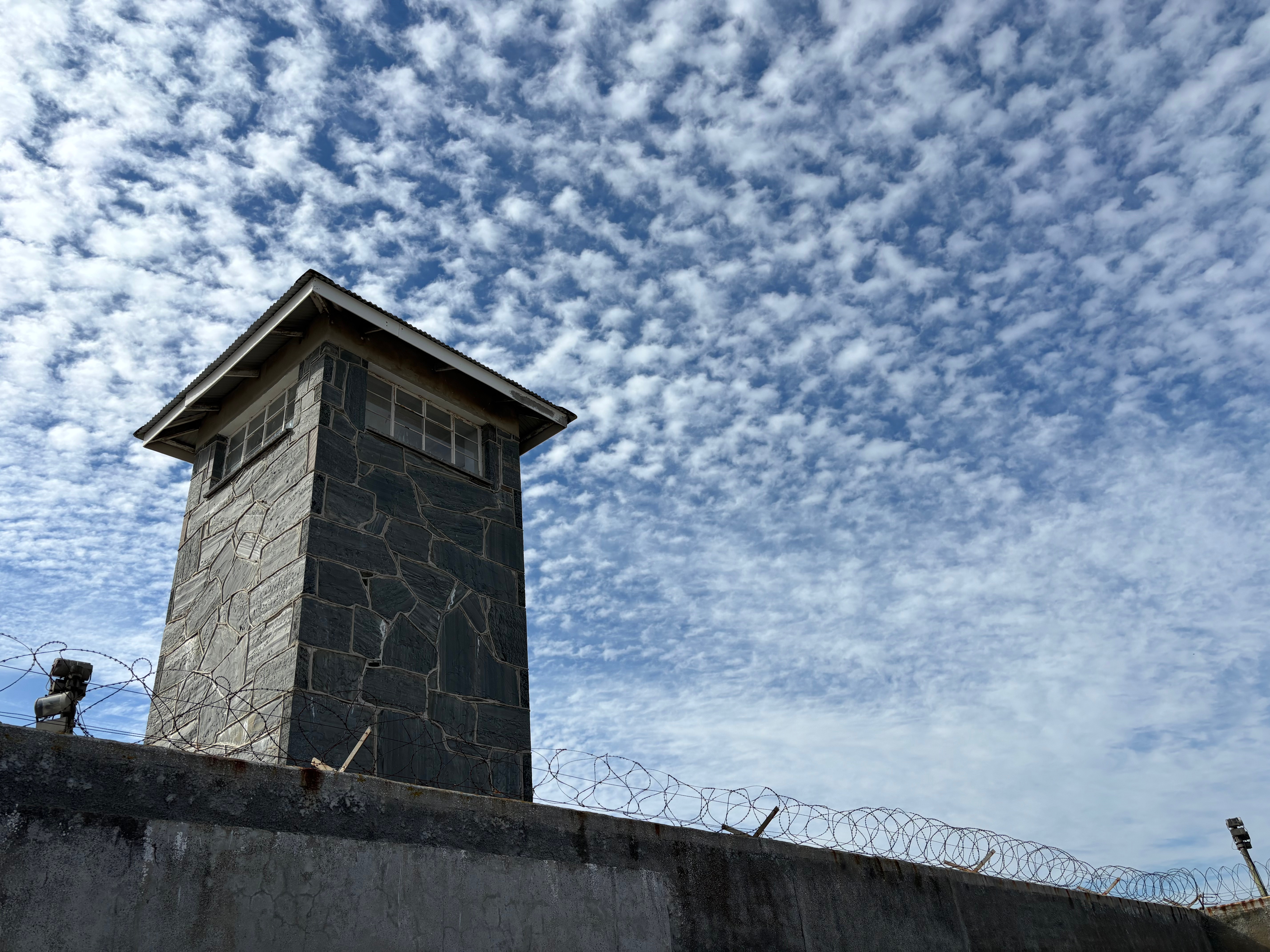

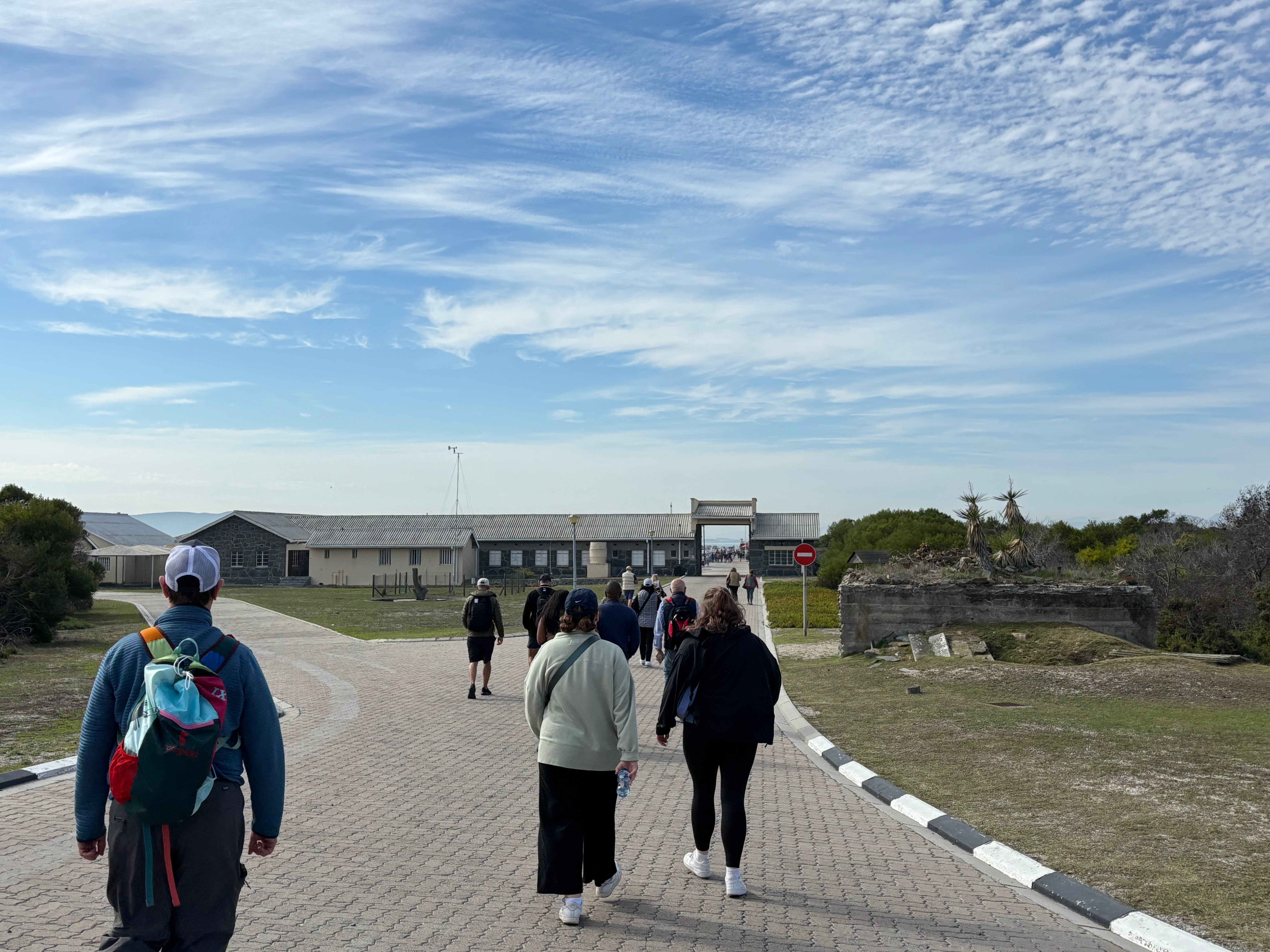
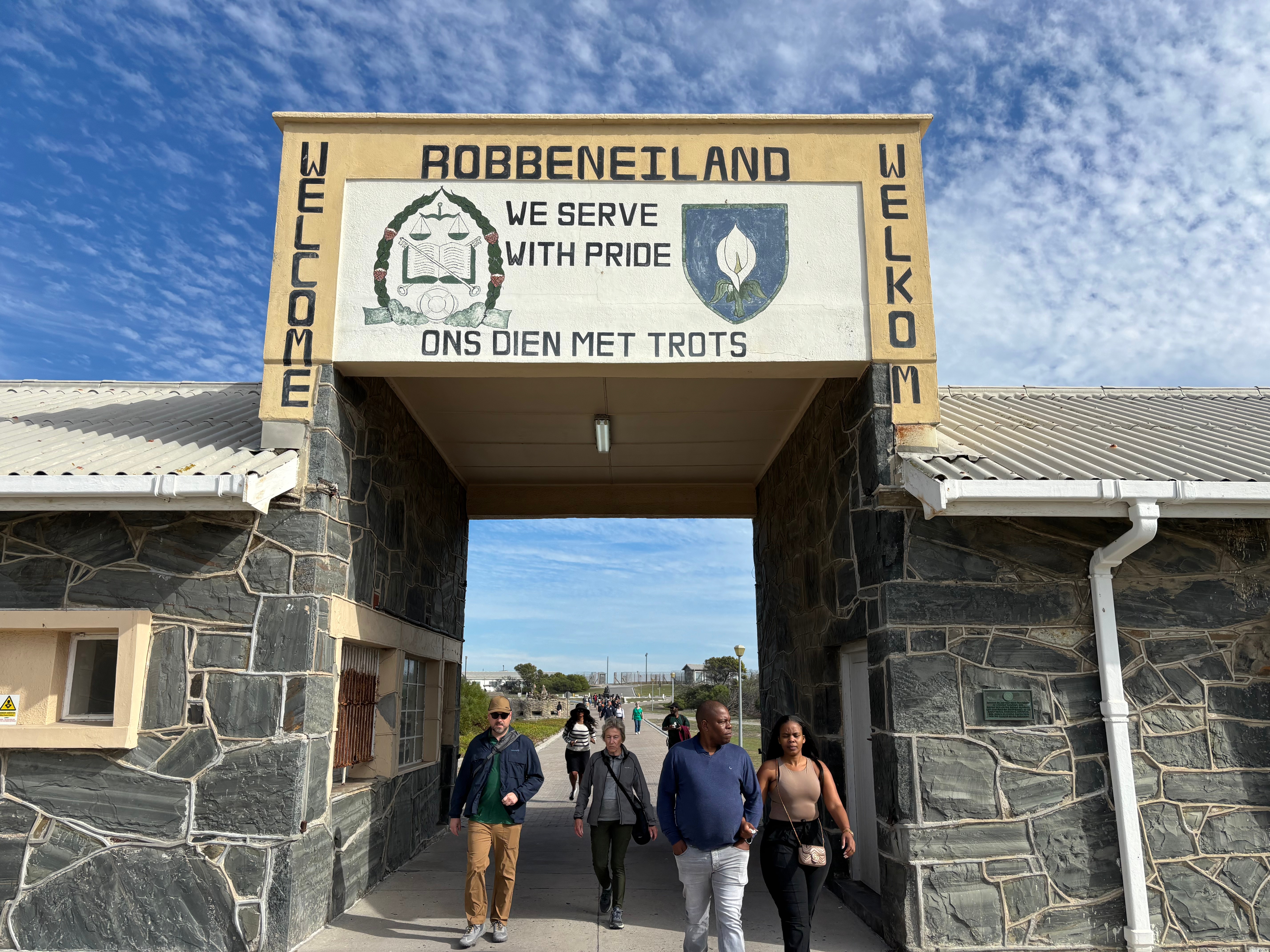

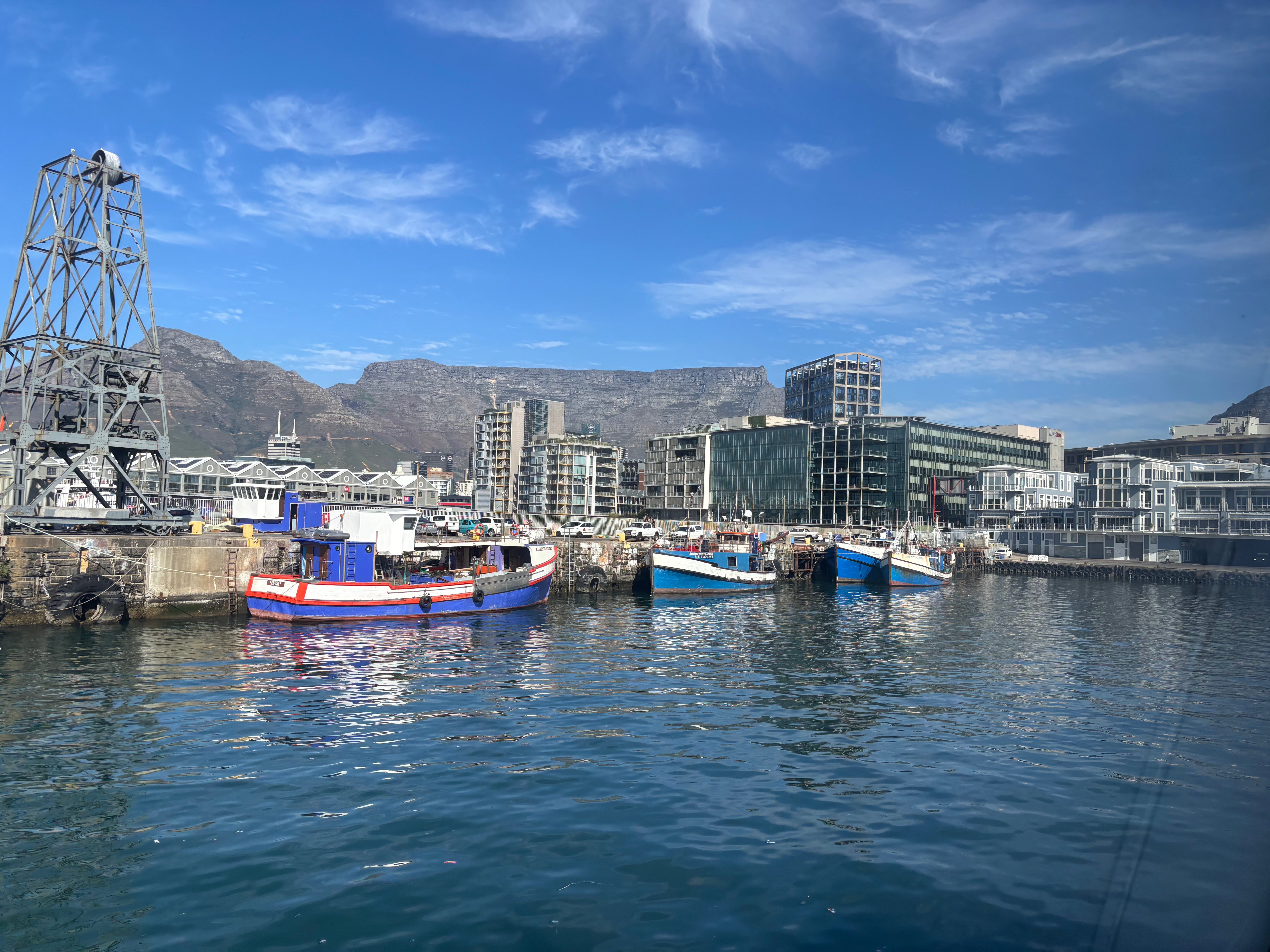

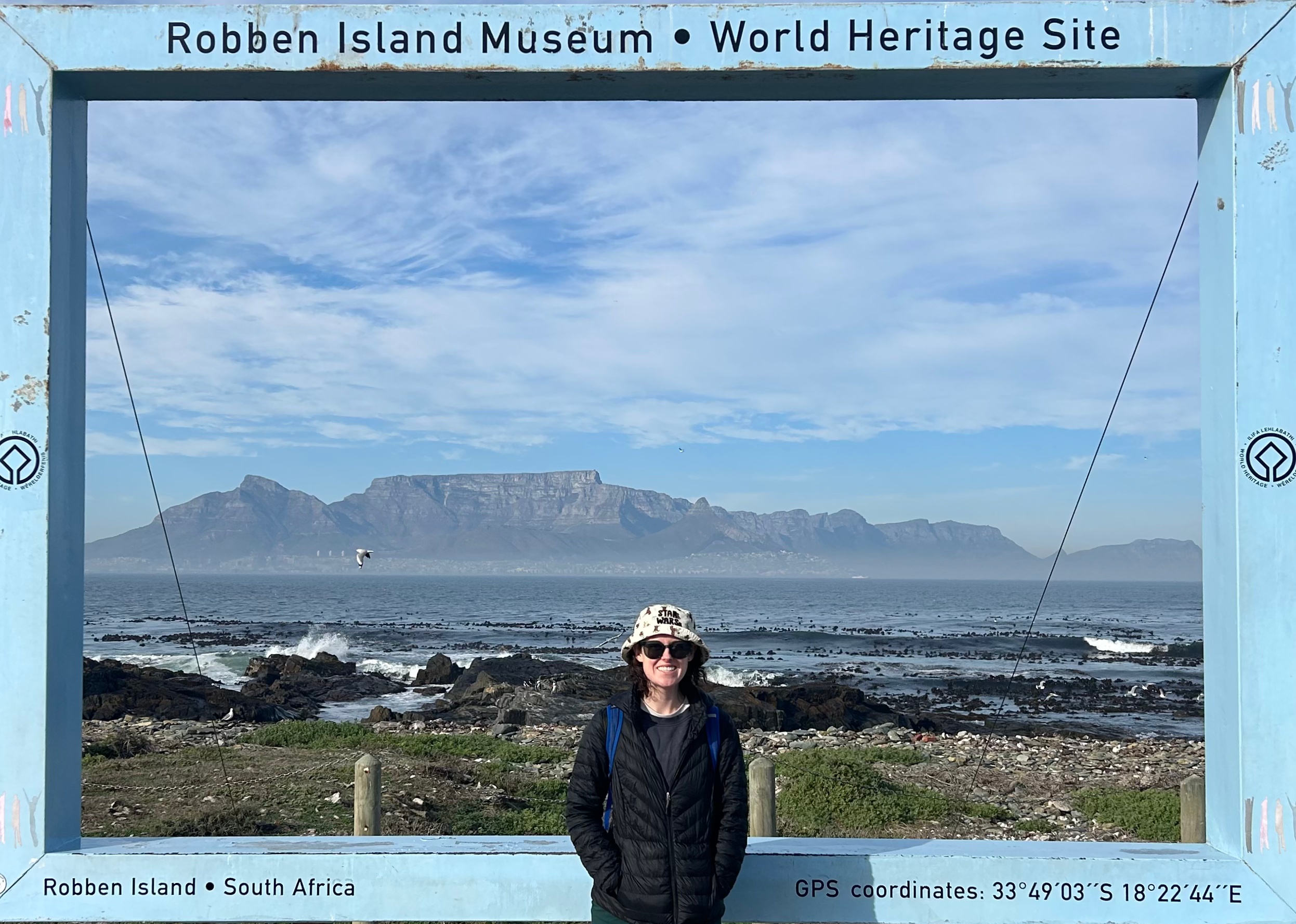
However, from the 1960s onward, the island was primarily used as a political prison for those who fought against Apartheid. The only access to the island is by boat, and prison guards lived in a small town on the island. The isolation was a perfect setting for the goal of breaking the spirit of those who had been imprisoned for political reasons.
We took the boat over, the trip taking about 40 minutes. When we off-boarded, we walked along the port where the prisoners would have been offloaded, then boarded a bus. The bus took us on a tour of the whole island, the young guide giving us a summary of the island’s 500-year history. He showed us the village where the guards lived, the quarry where Mandela worked and years later gave a commemorative speech, the Robert Sobukewe house where the anti-apartheid leader served out his solitary confinement, the leprosy graveyard, and the lookout that was the best spot to take pictures of the penguins. From there, he dropped us at the front of the prison building, where our older tour guide took over.
I didn’t realize it until the man started talking, but maybe I should have. He was the right age, and he didn’t seem like he’d been born a natural tour guide the way walking tour guides and museum docents so often do. But our tour guide was a former political prisoner, held at Robben Island during the time that Mandela was there. He had been arrested as a youth, while still in school, for a very small offense that he and his cousin had gotten caught up in. He stayed at the prison for a very long time, coming of age in that place. He recounted the various physical and psychological torture he and others endured, twice mentioning that in the moment, he thought he’d never be able to have children from the various torture methods they employed. He spoke of the guards and the dogs and the isolation from families back home, the way they were only allowed to receive the mail they were sent sparingly, and how even then, much of it was redacted. He talked of how, when he was let go, his family had grown without him, and his sister’s mostly grown children saw him as just some stranger the first time they met him.
It was heartbreaking, but also matter-of-fact. Nobody should have to go through the things the prisoners at Robben Island went through, but he did. And he comes back to work to give tours because he knows the importance of educating people on this kind of experience, hoping to prevent it from recurring in the future. The moment it clicked—that I was sure this man had in fact been one of the prisoners—I was astounded at the strength it must take to come back to the same place you were tormented for years and talk about that experience. But this man’s drive and commitment to his cause were evident in all that he shared.
He gave us an introduction outside, then brought us into a room where prisoners would have slept on the floor. There, he recounted his various experiences. Finally, when that was done, he took us through the rest of the prison, including Nelson Mandela’s single-person cell. We were let out into the prison yard where, as we were leaving, he asked to shake each one of our hands to thank us for listening to his story and sharing the message of peace and advocating for an end to systemic oppression.
On the boat back, we watched the information video they had playing for us, but all of us were pensive, thinking about how we would share the impact the experience had on us. Our professors encouraged us to continue these conversations at meals and in the car for the rest of our trip.
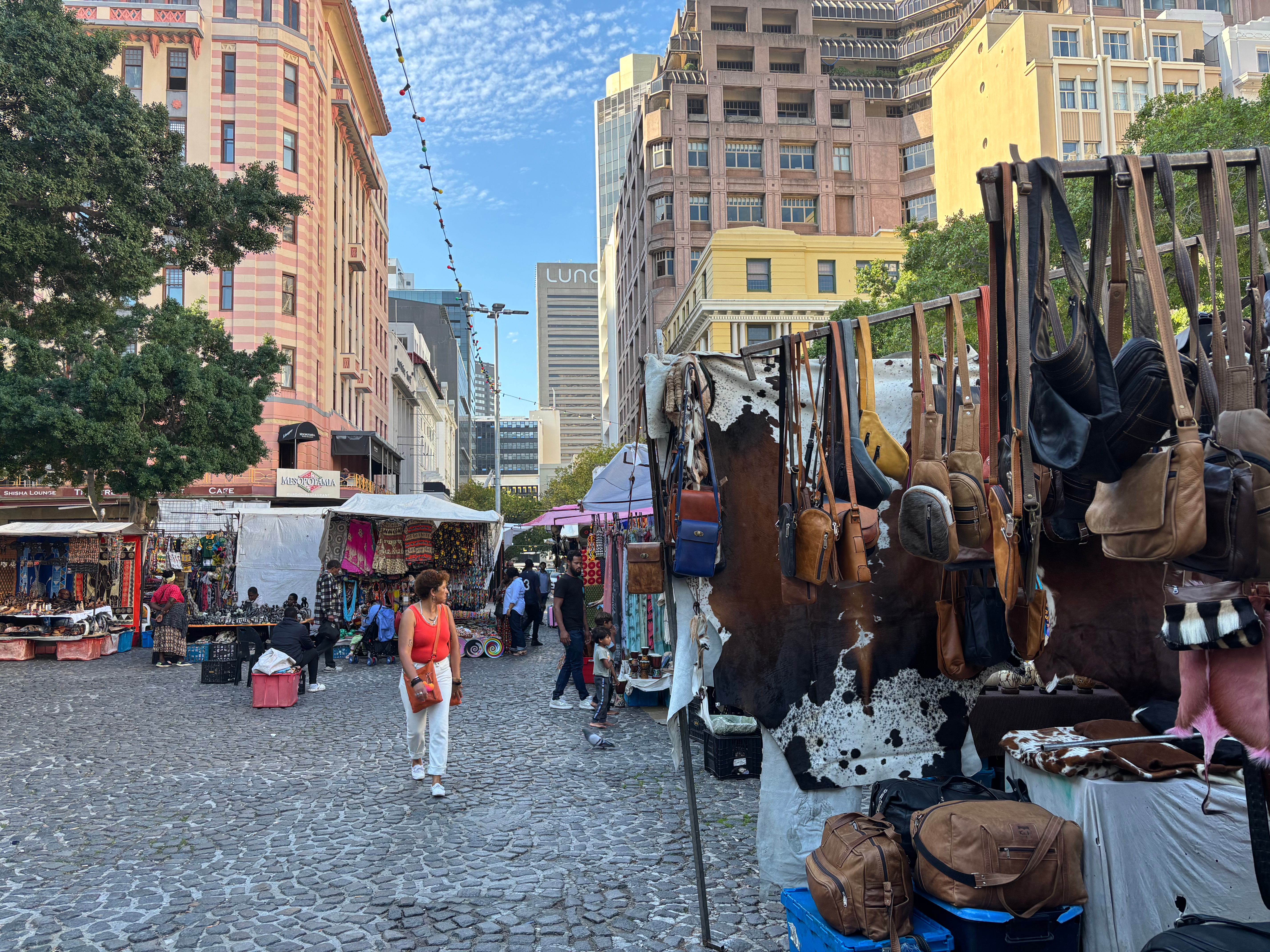
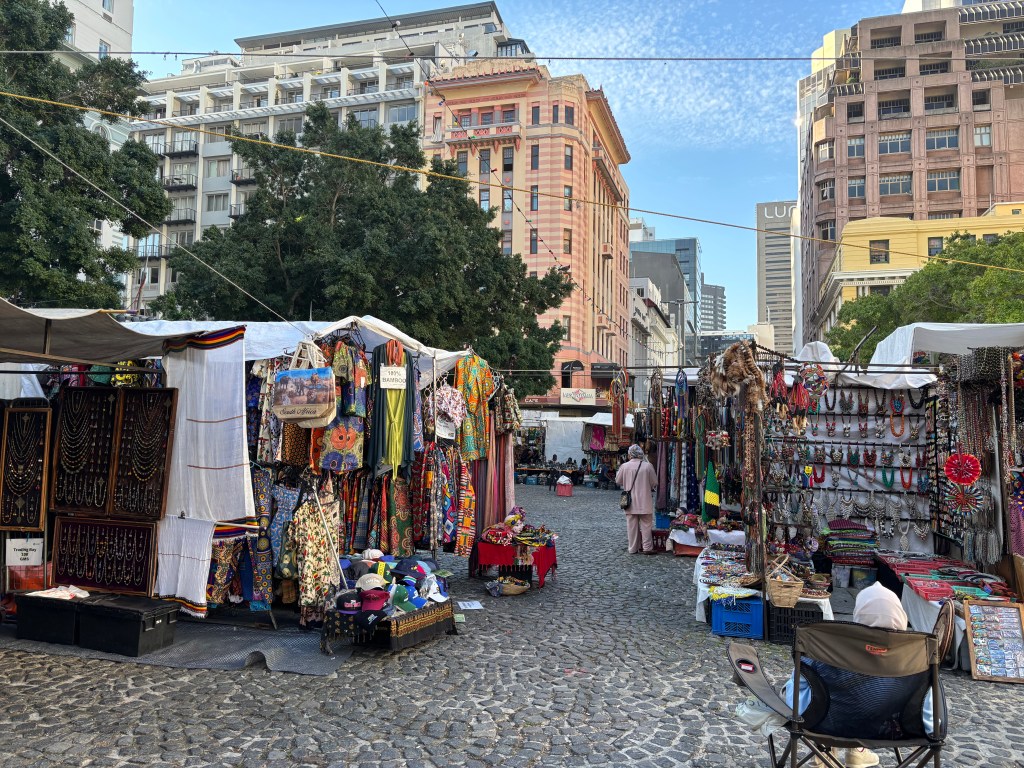
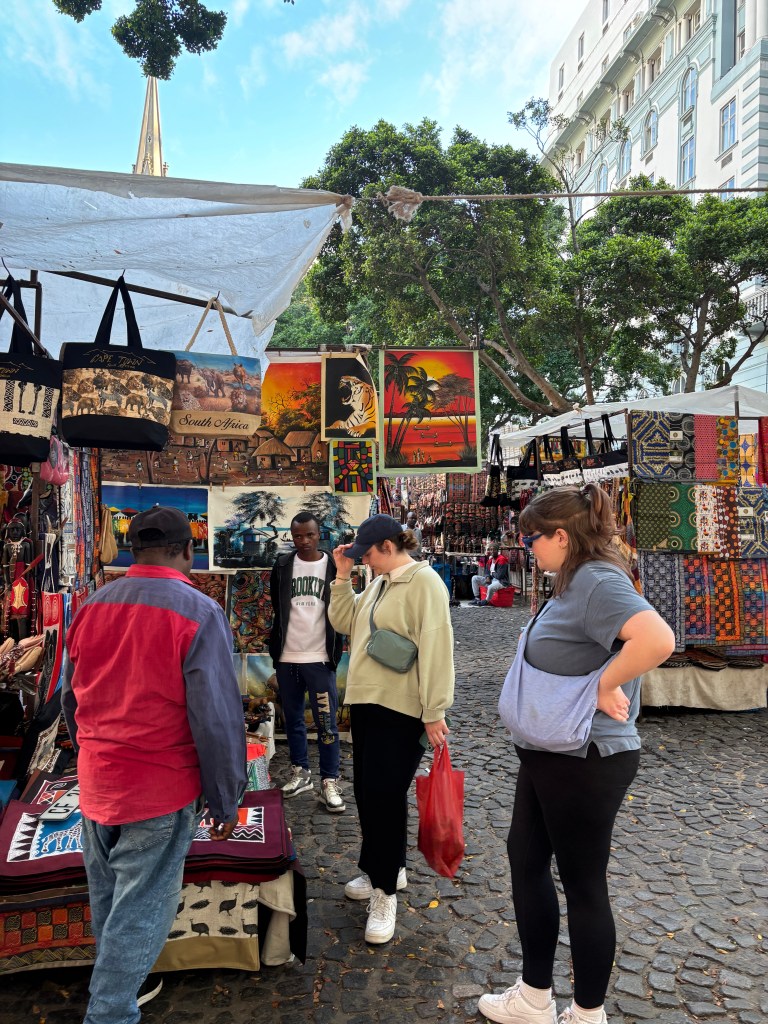
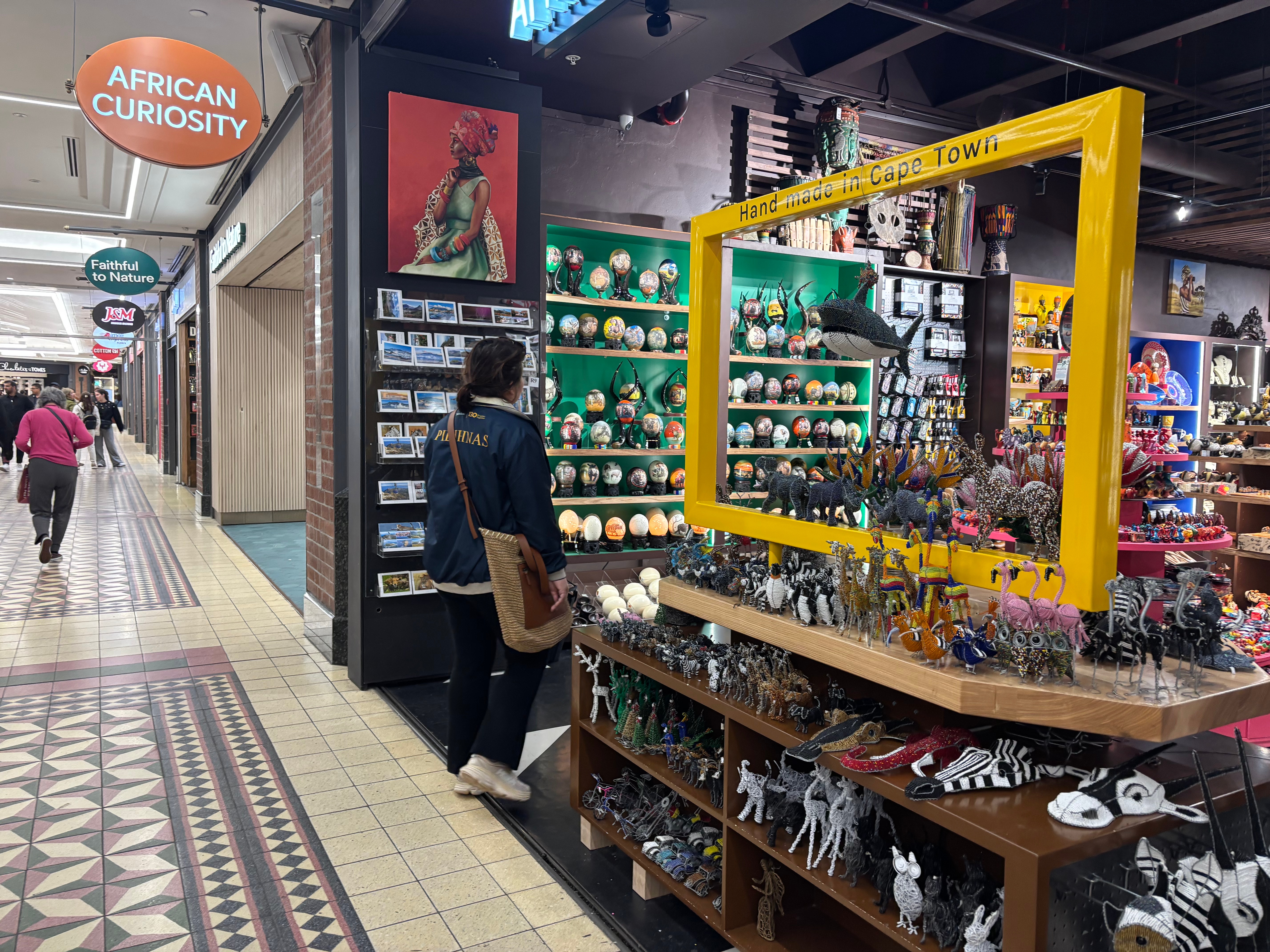
For lunch, we went to a seafood restaurant not far from the port. Then, we headed off to a street market to pick up some more souvenirs. Again not interested in the bartering, I just wandered through the stalls, accompanying my colleagues and asking them to purchase something with my money whenever I saw a particular item that I really wanted.
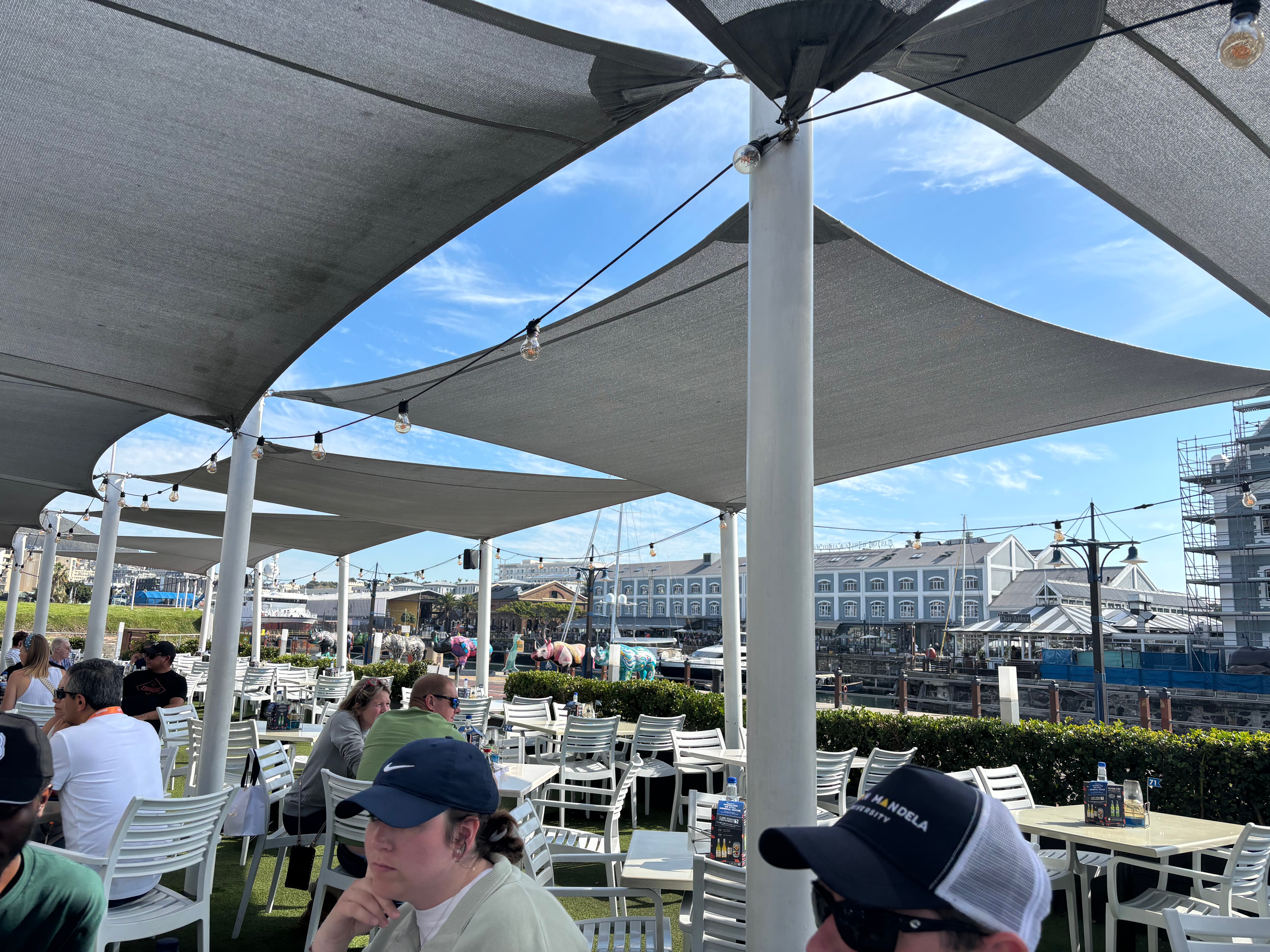

Because the weather was still beautiful, we decided that our trip to Table Mountain should also be that afternoon. Table Mountain is a flat-topped mountain that overlooks Cape Town.
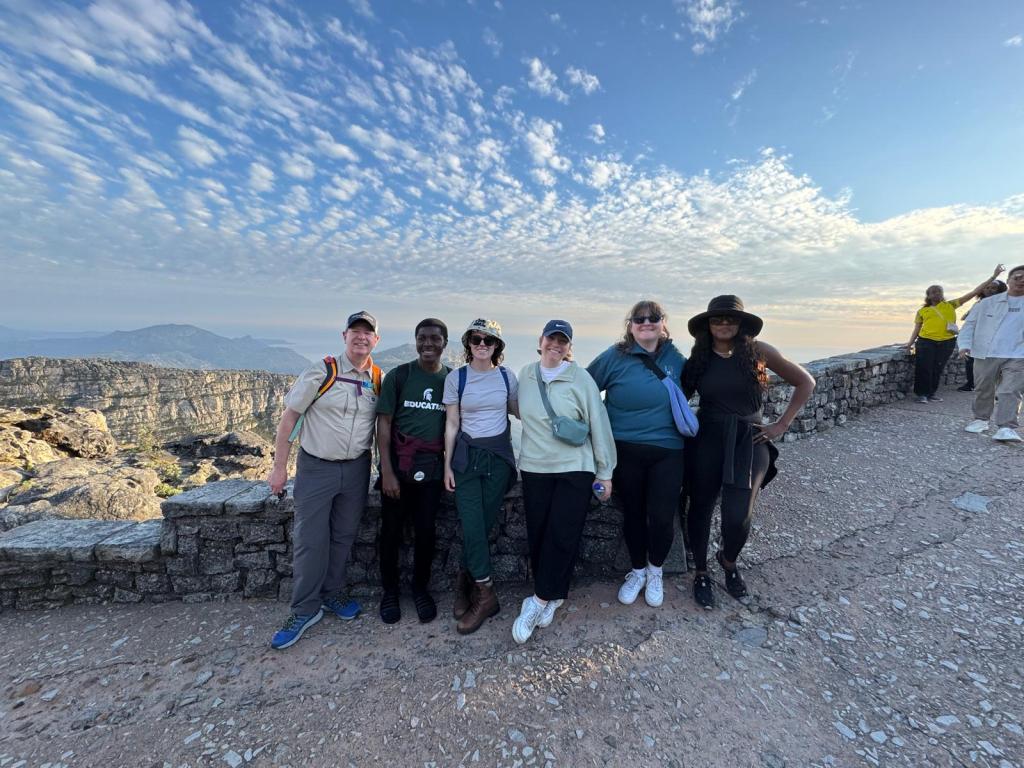
We headed up the mountain to find parking, then walked to the cable car. We took it up the side of the mountain, none of us students prepared for the fact that it would rotate us 360 degrees on the ride up so that we could see the whole of the panoramic view.
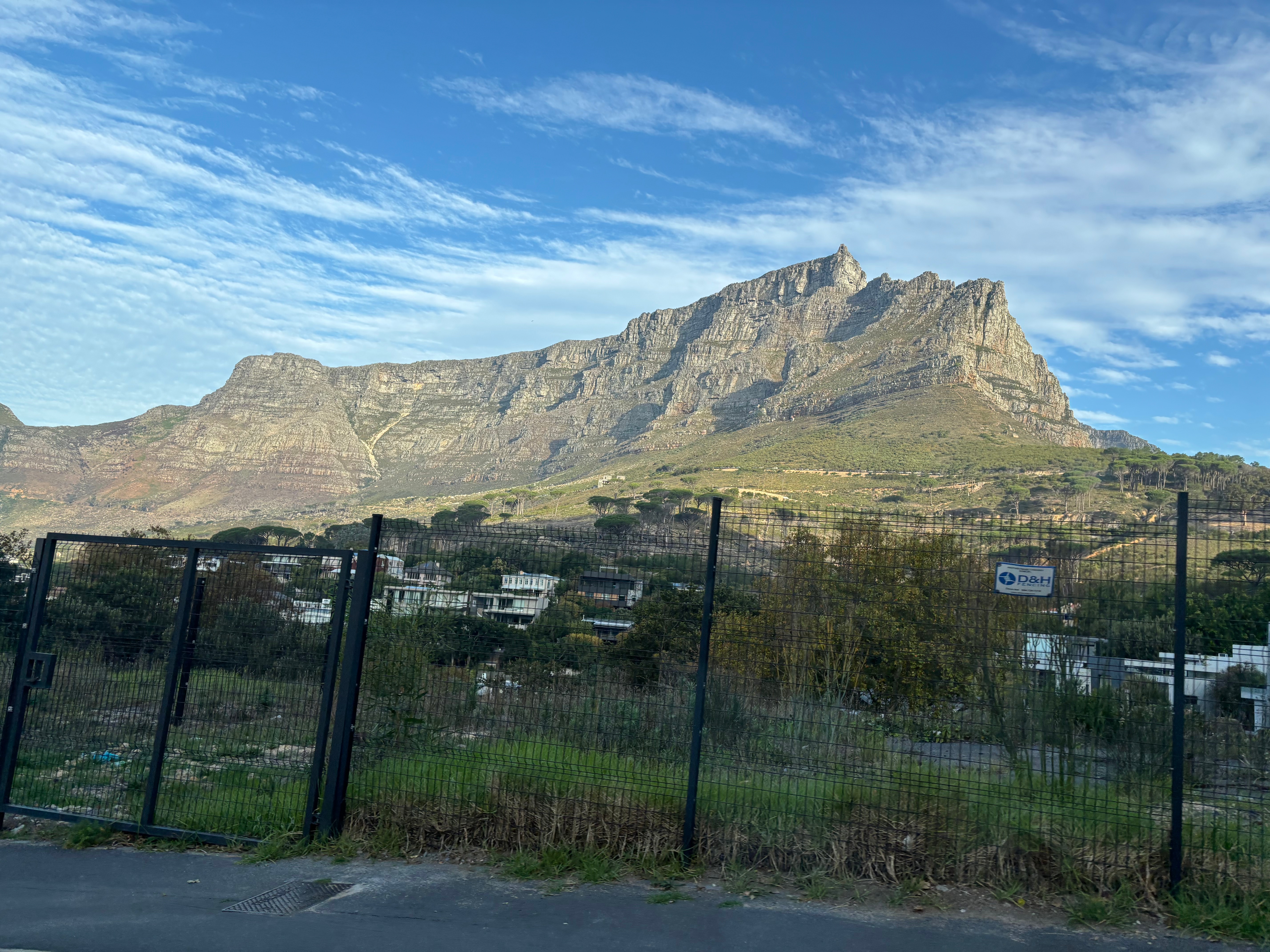
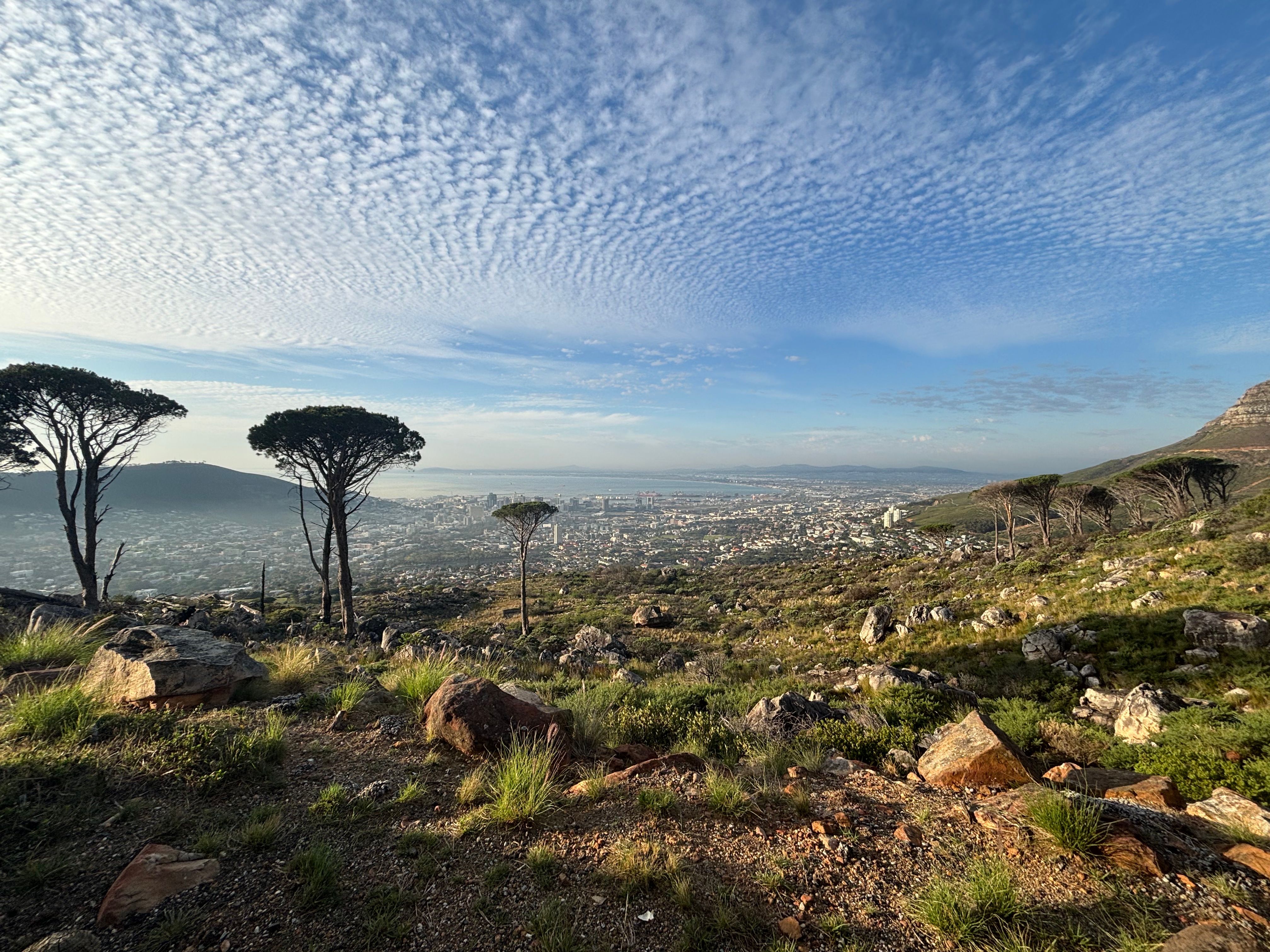
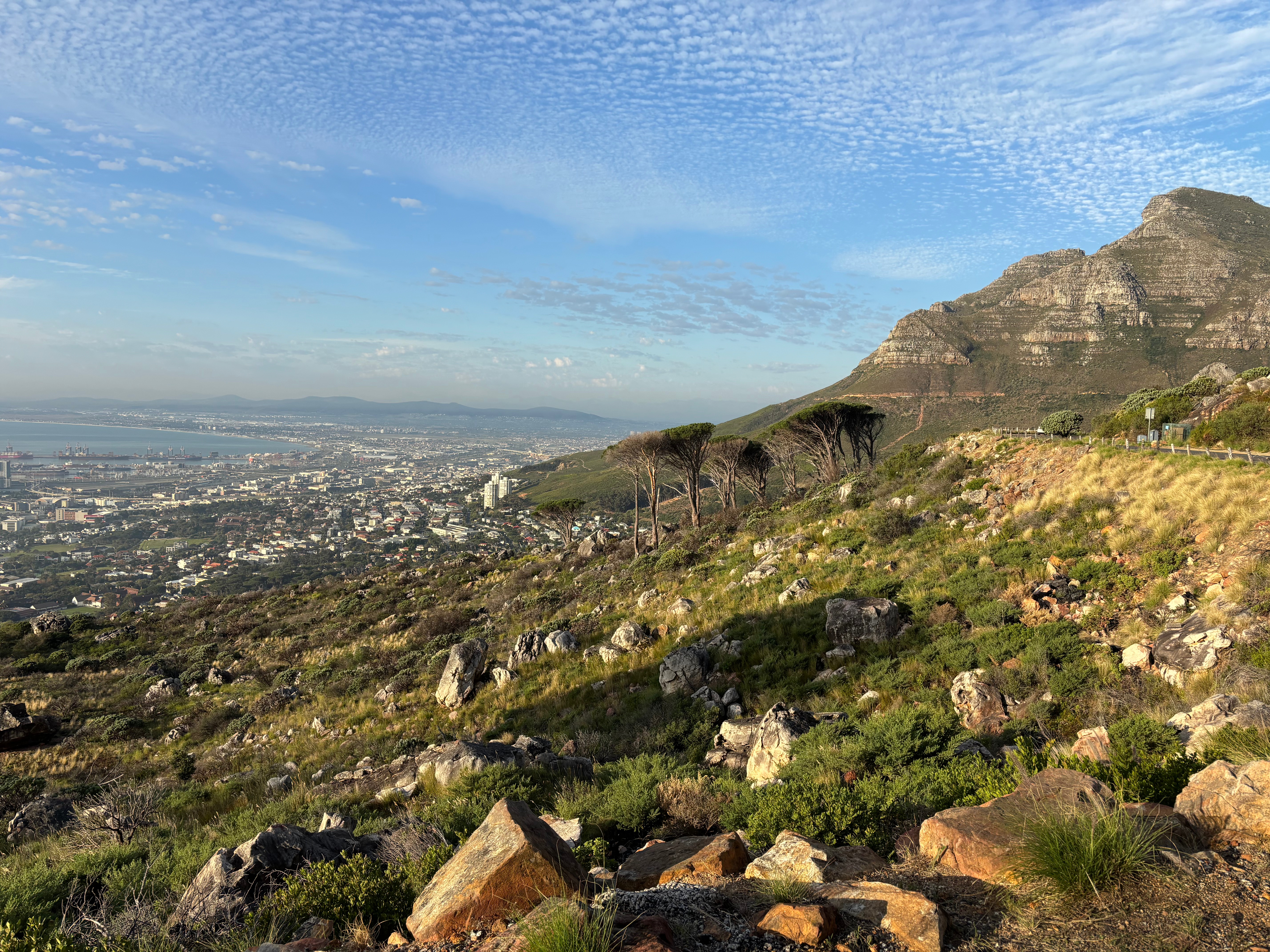

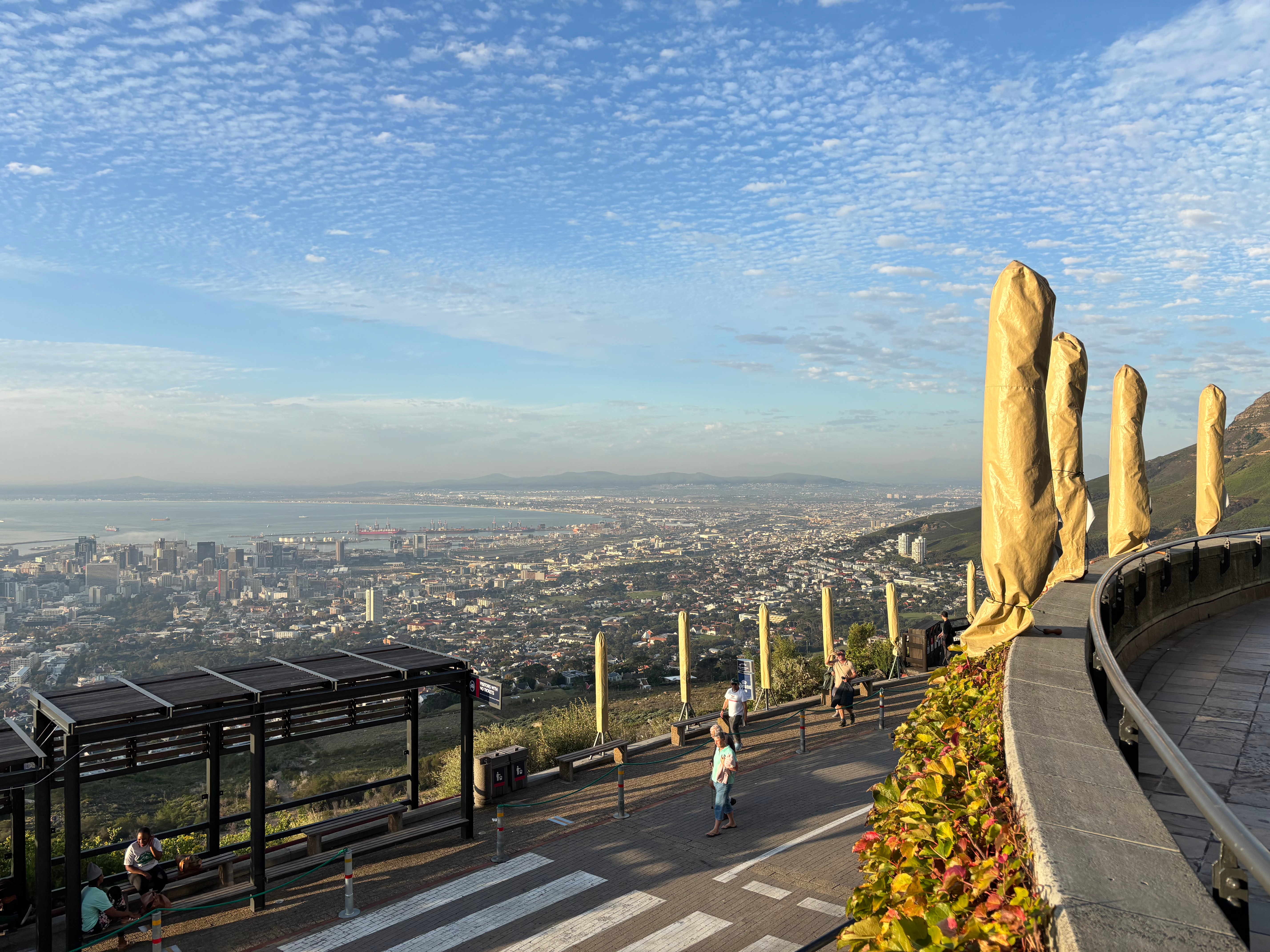
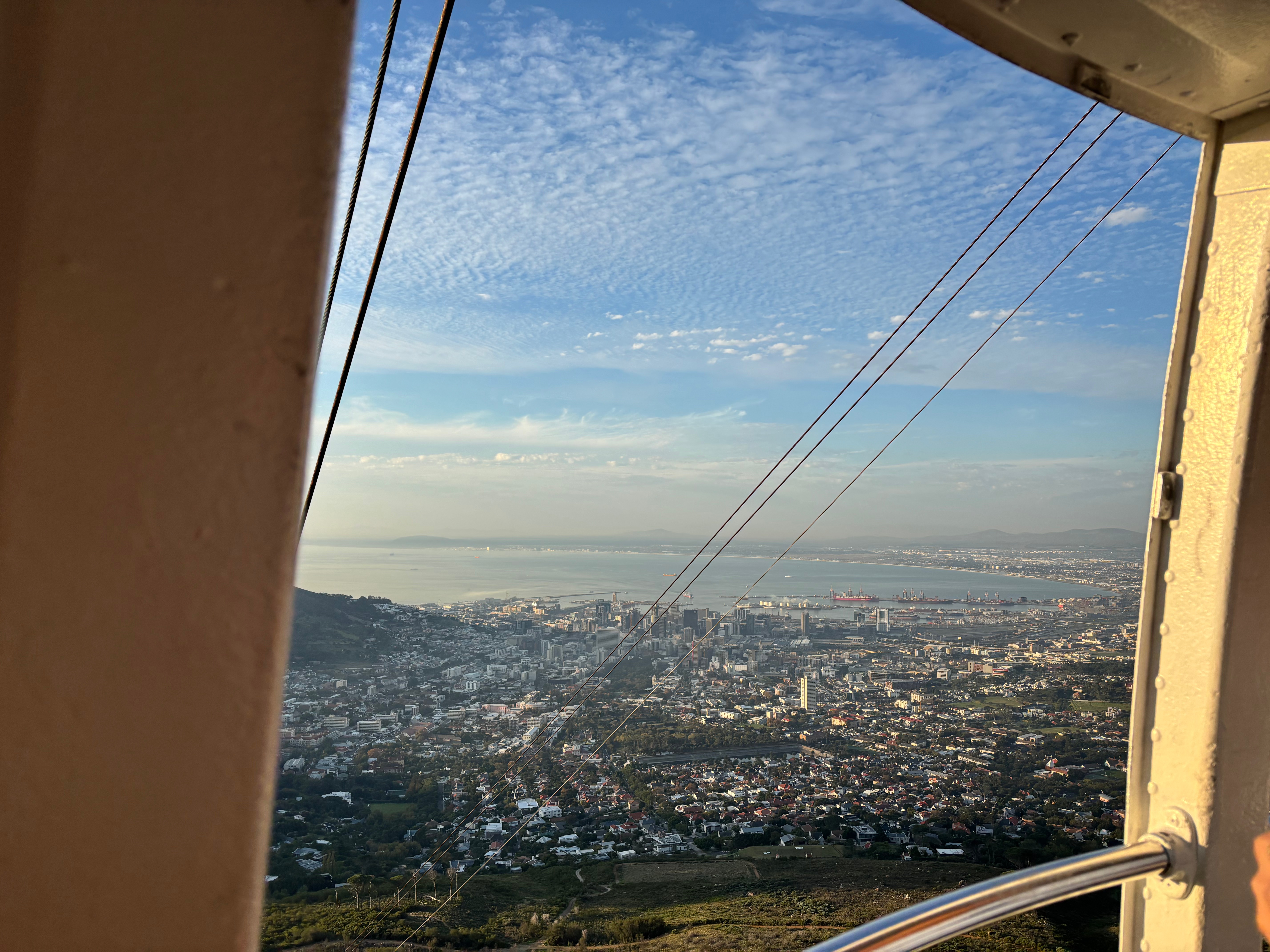
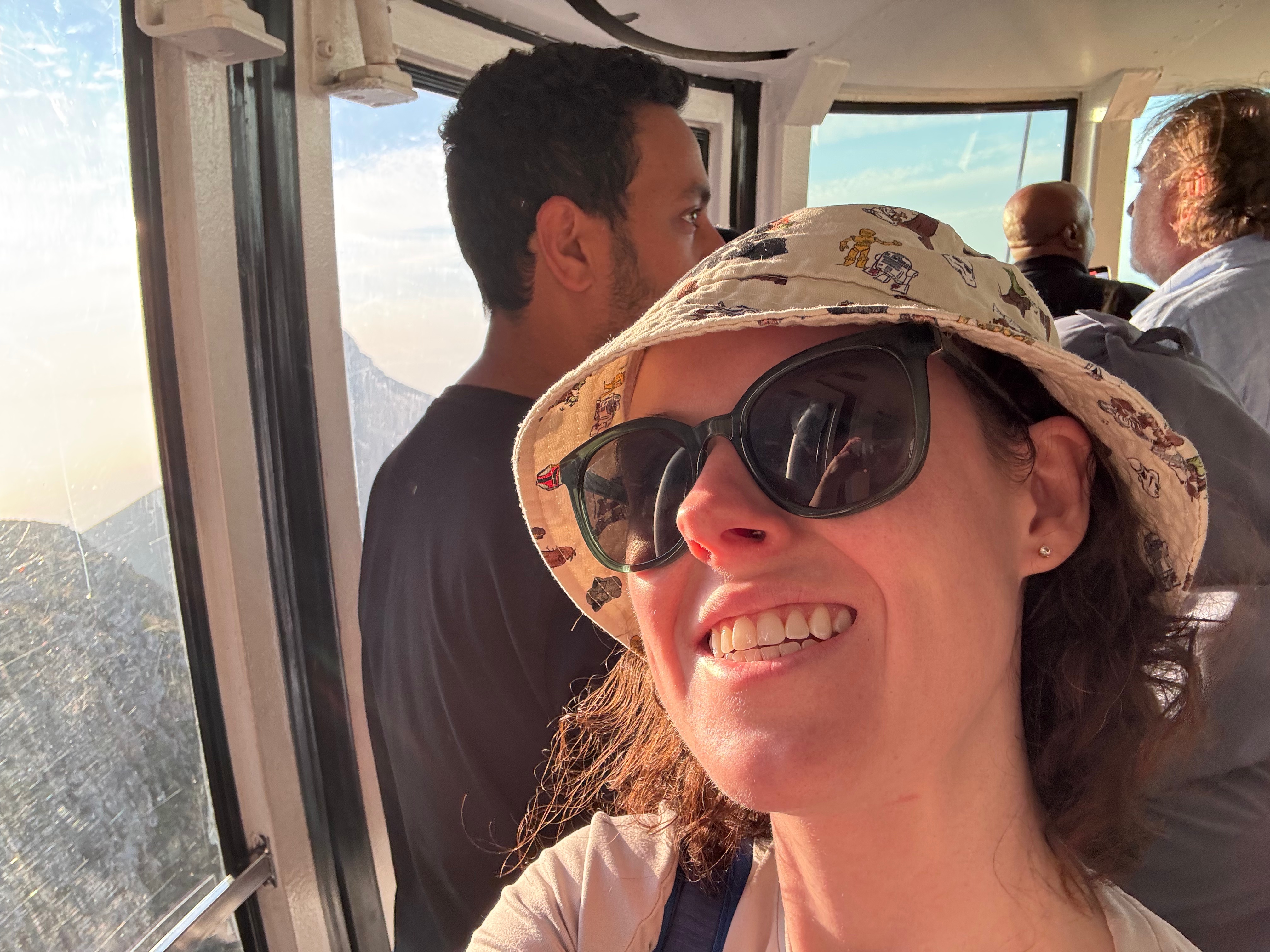
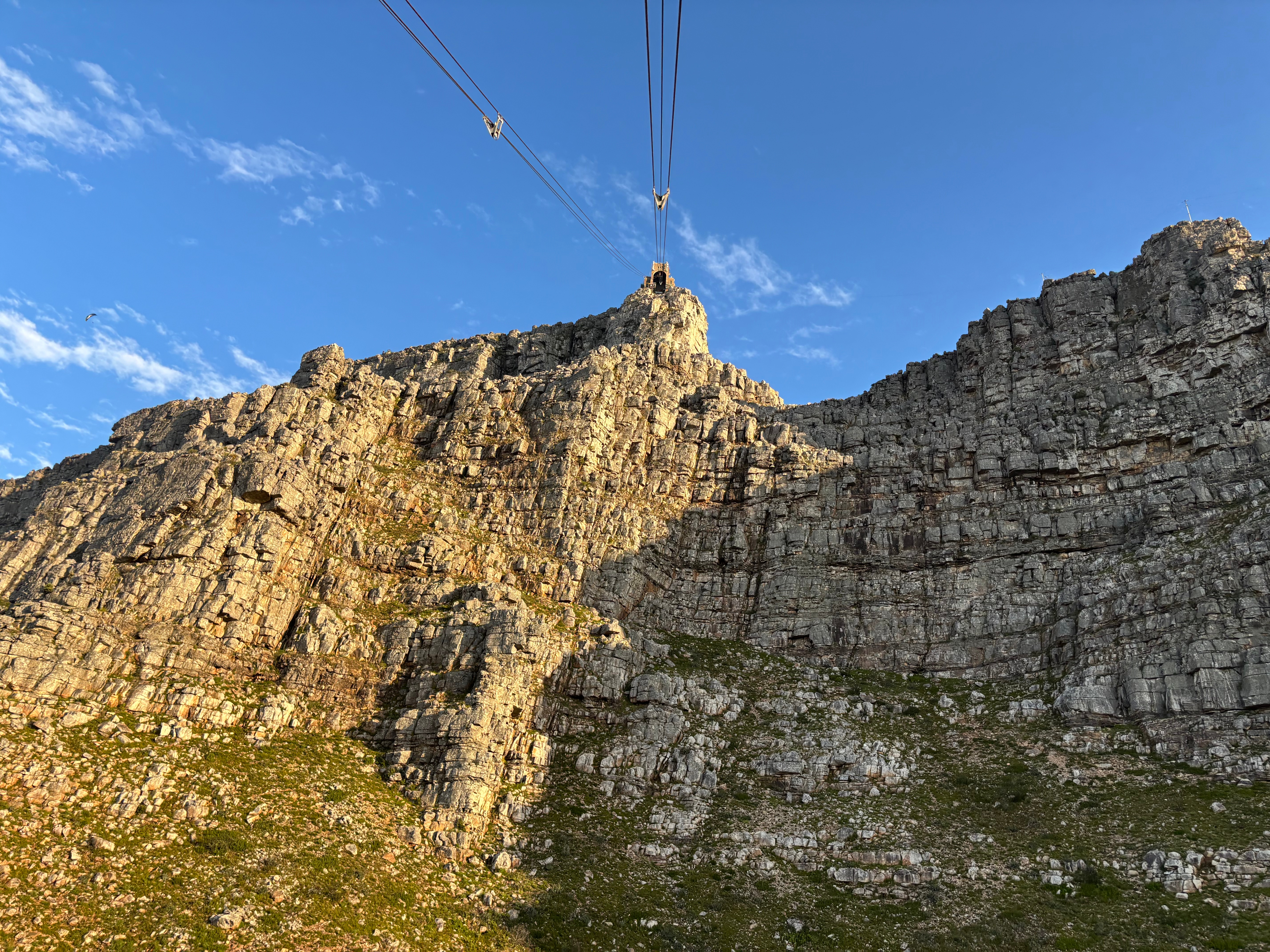
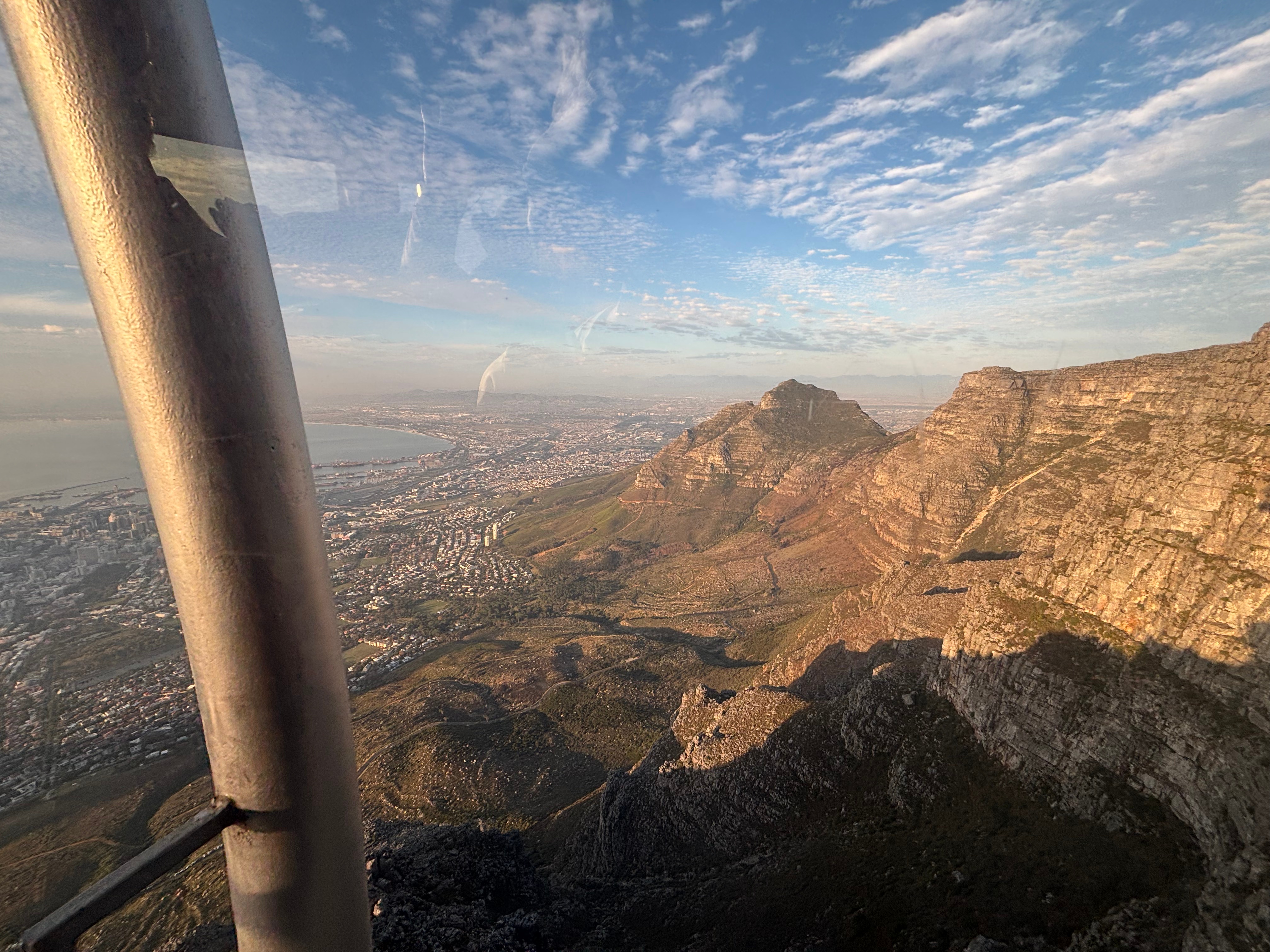
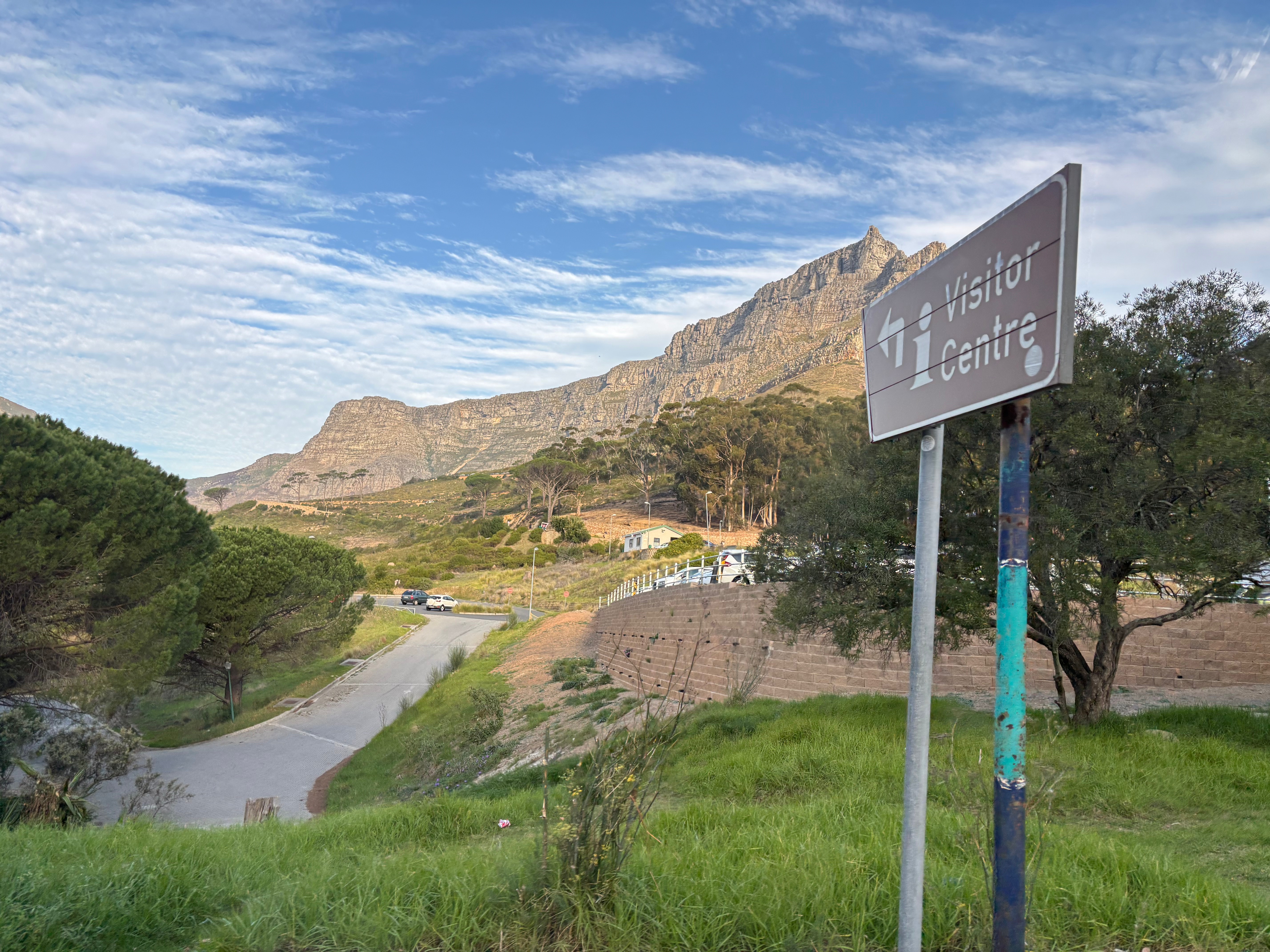
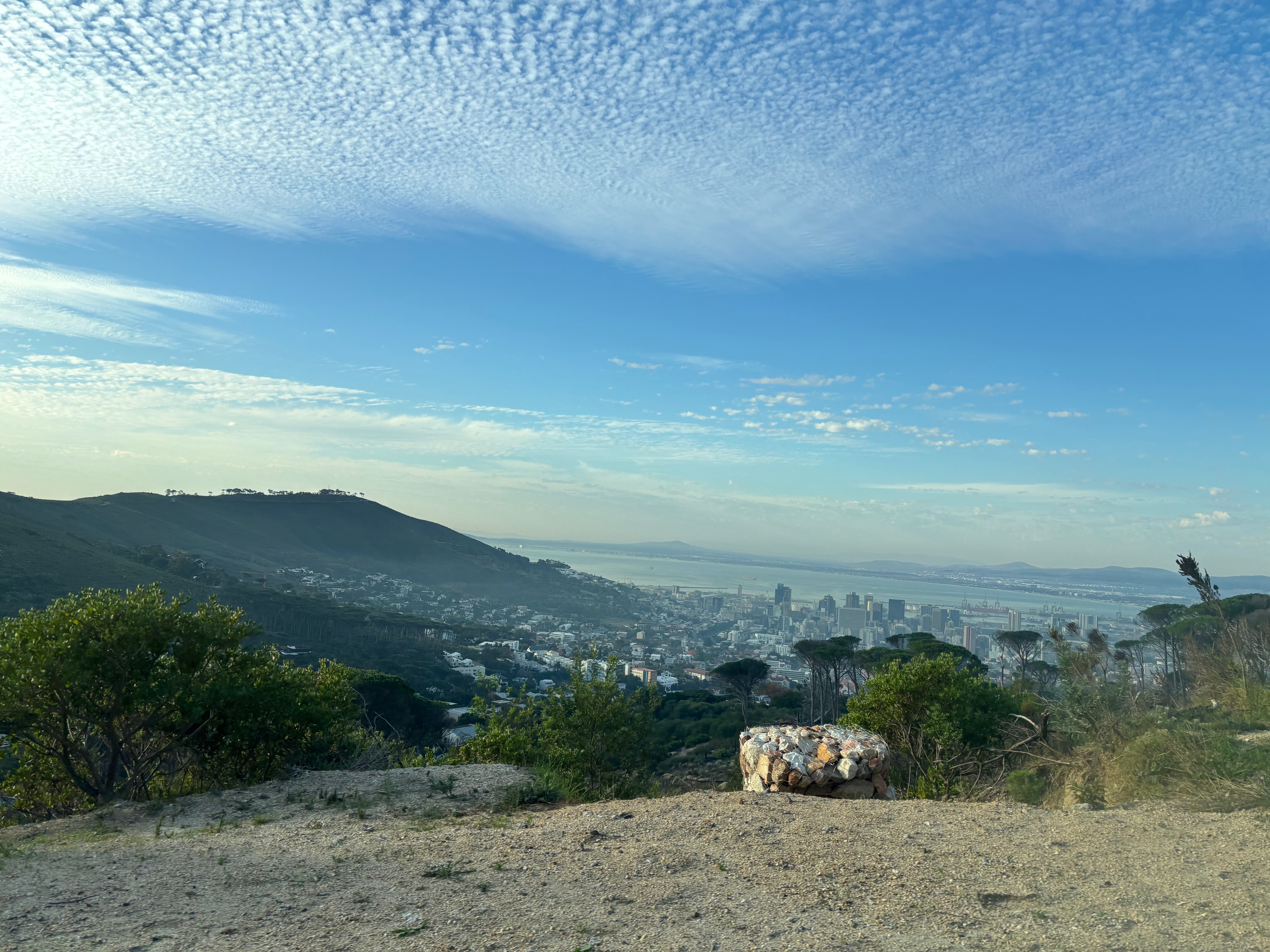
We wandered the top of the mountain for a while, catching views off of both sides, as well as the slightly out-of-this-world landscape on the top. We got glipses of the sunset beginning before catching what was pretty much the last cable car back down the mountain.

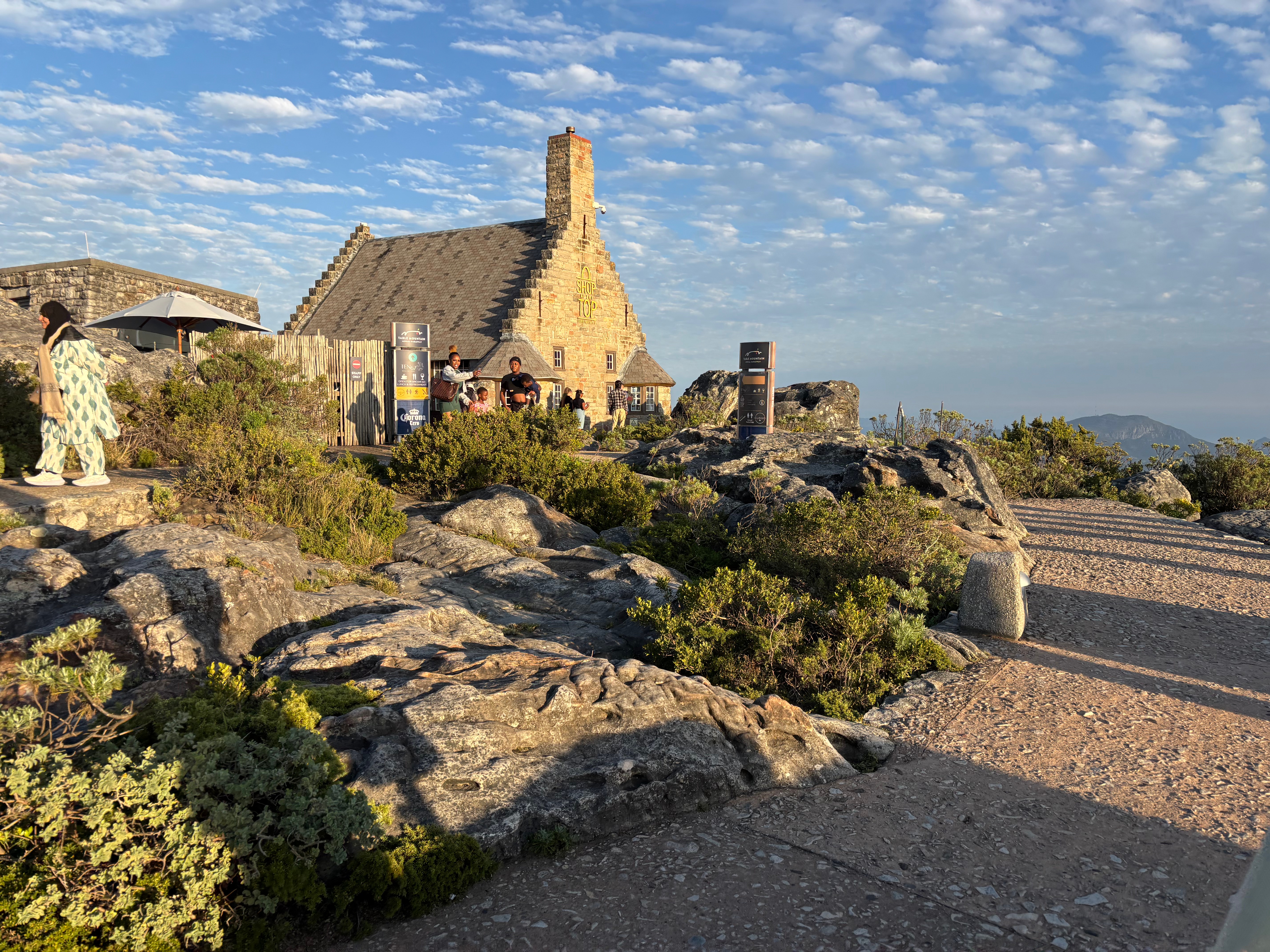
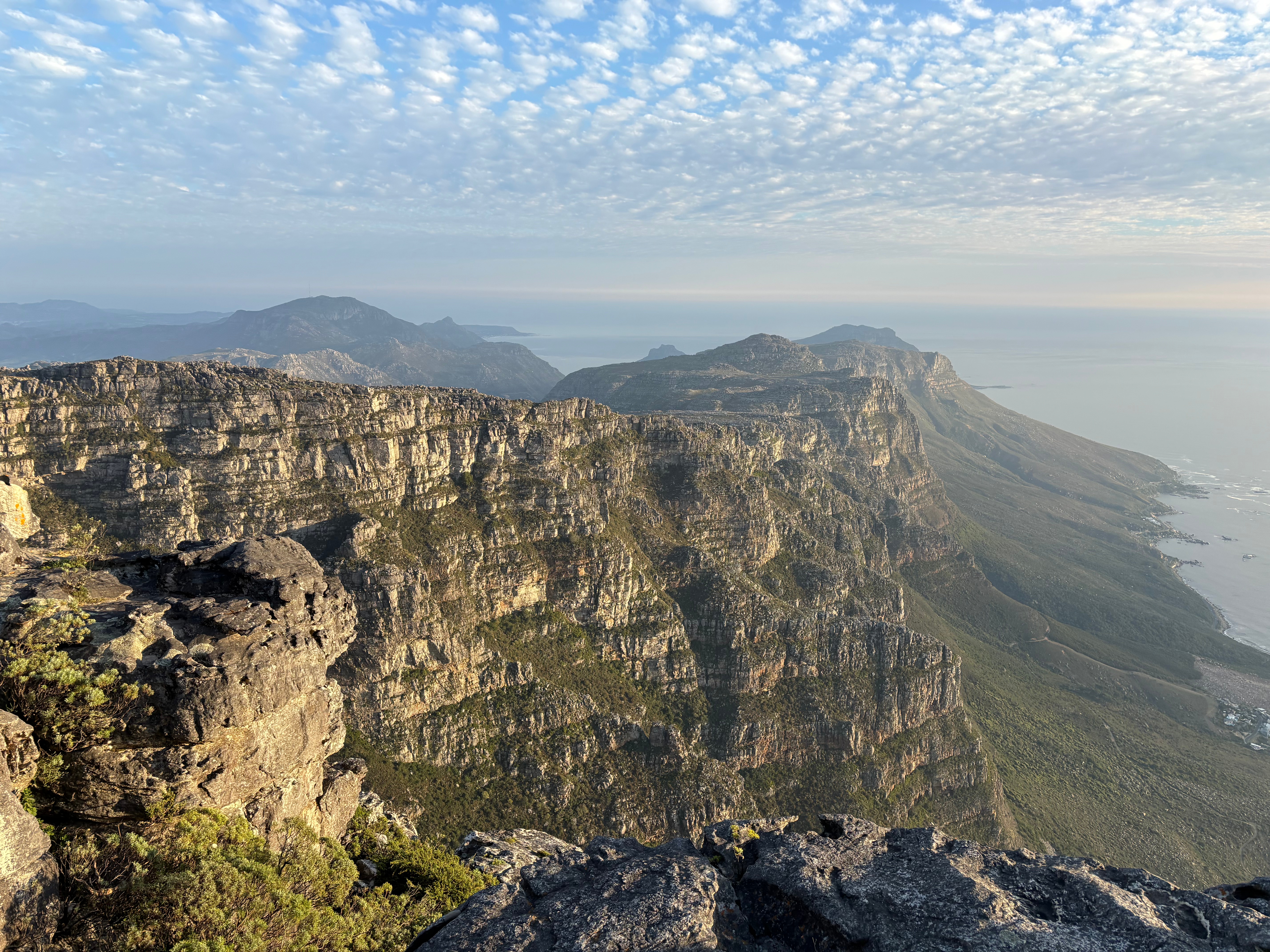
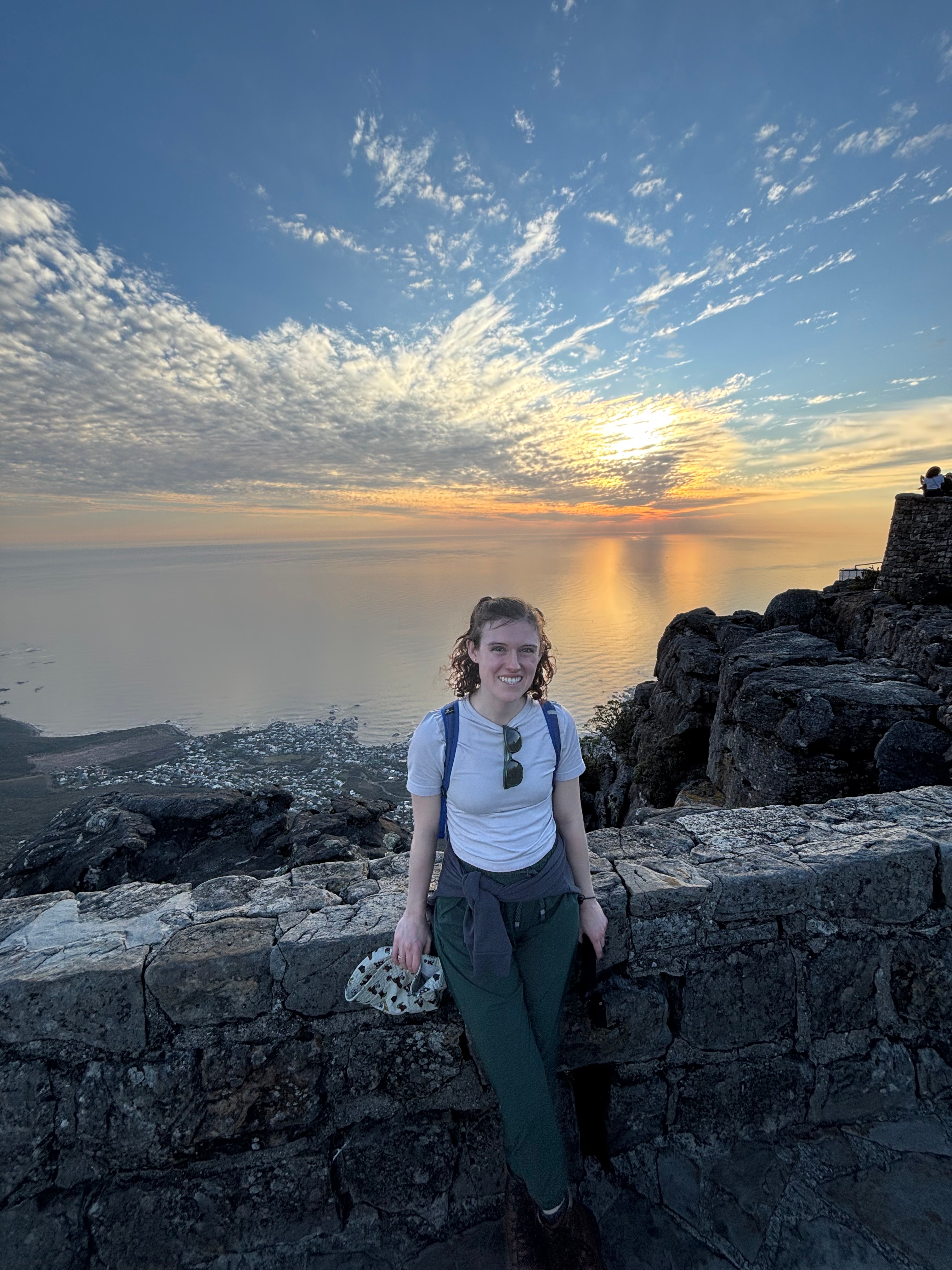


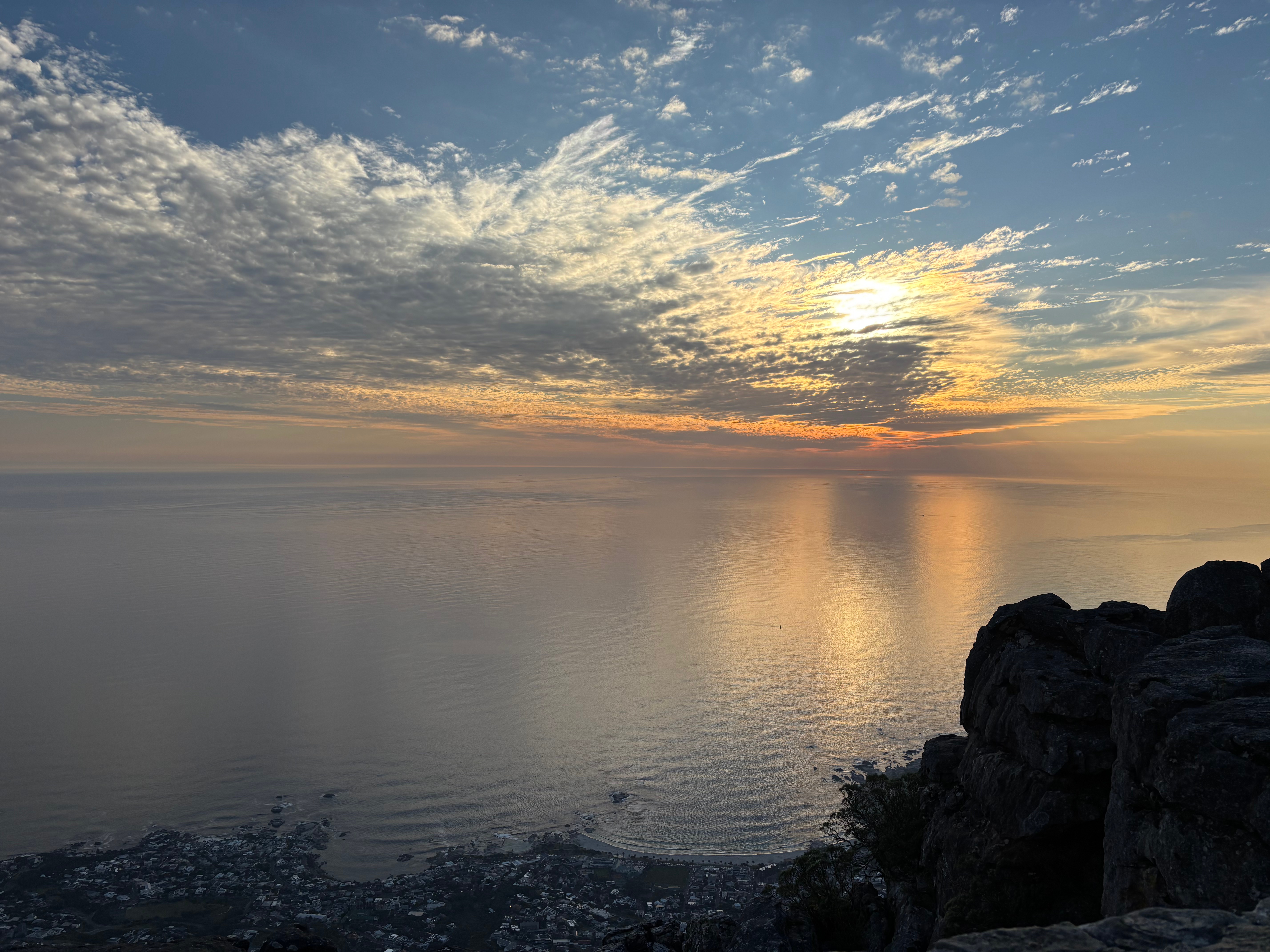
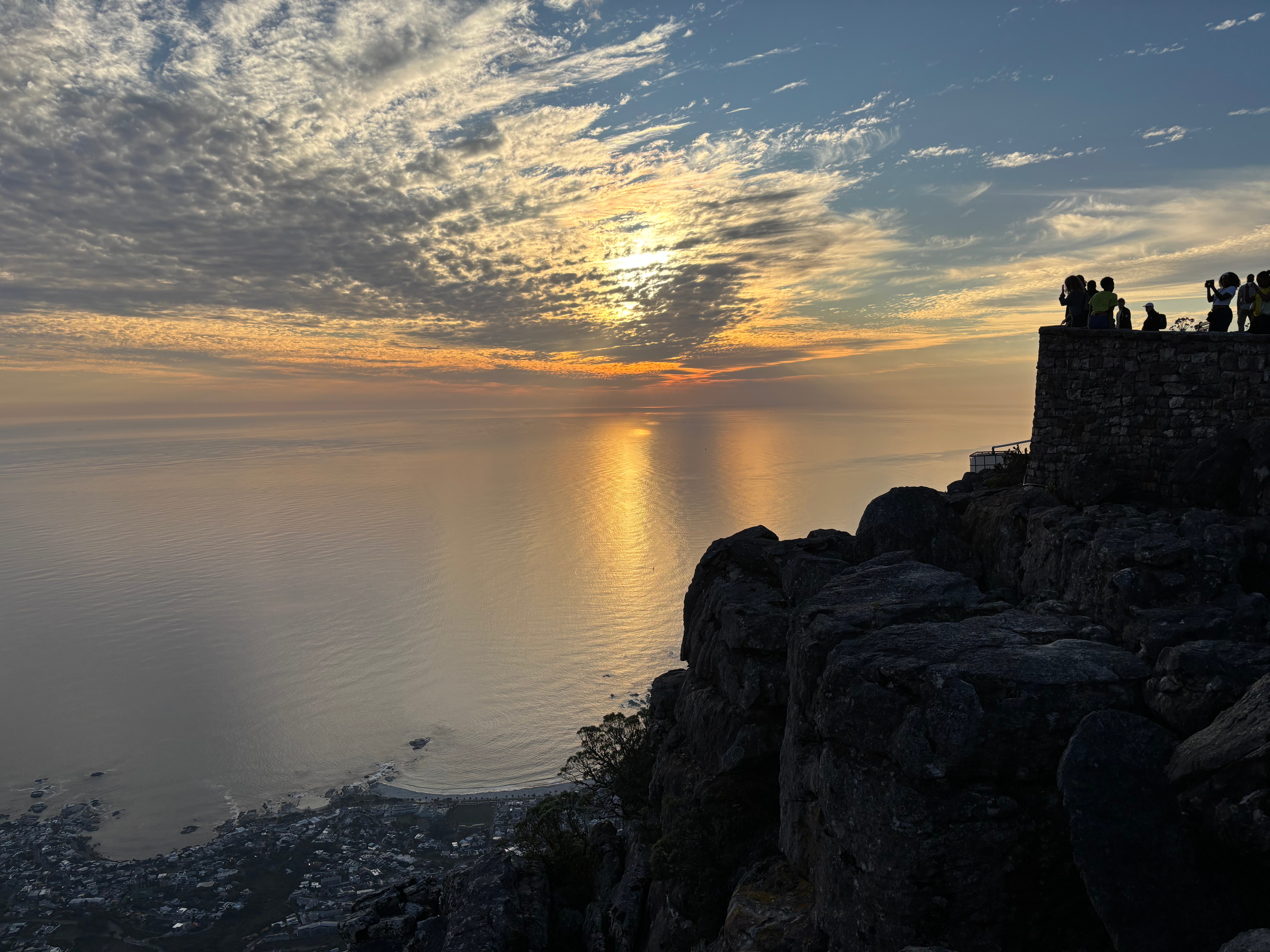

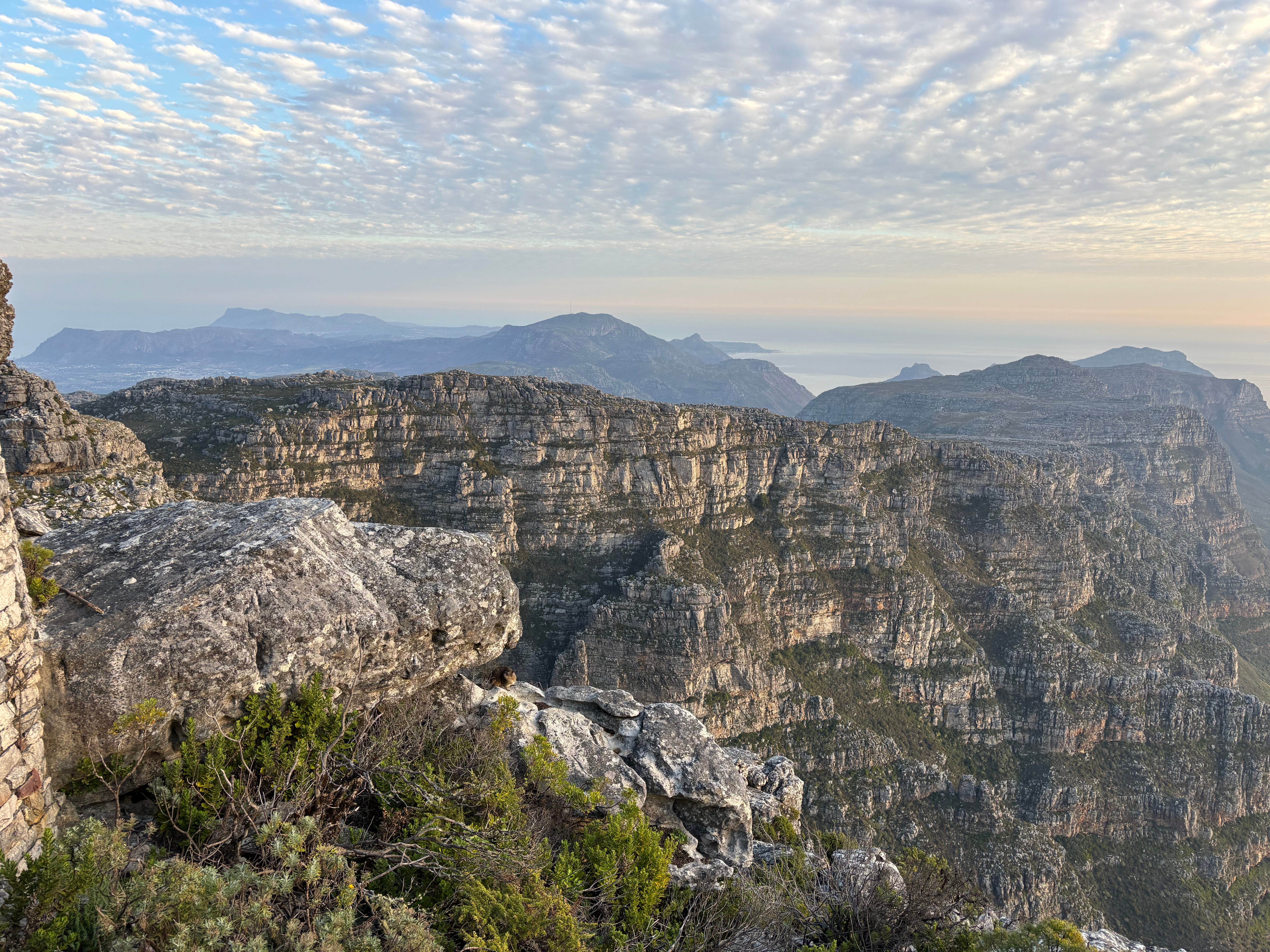

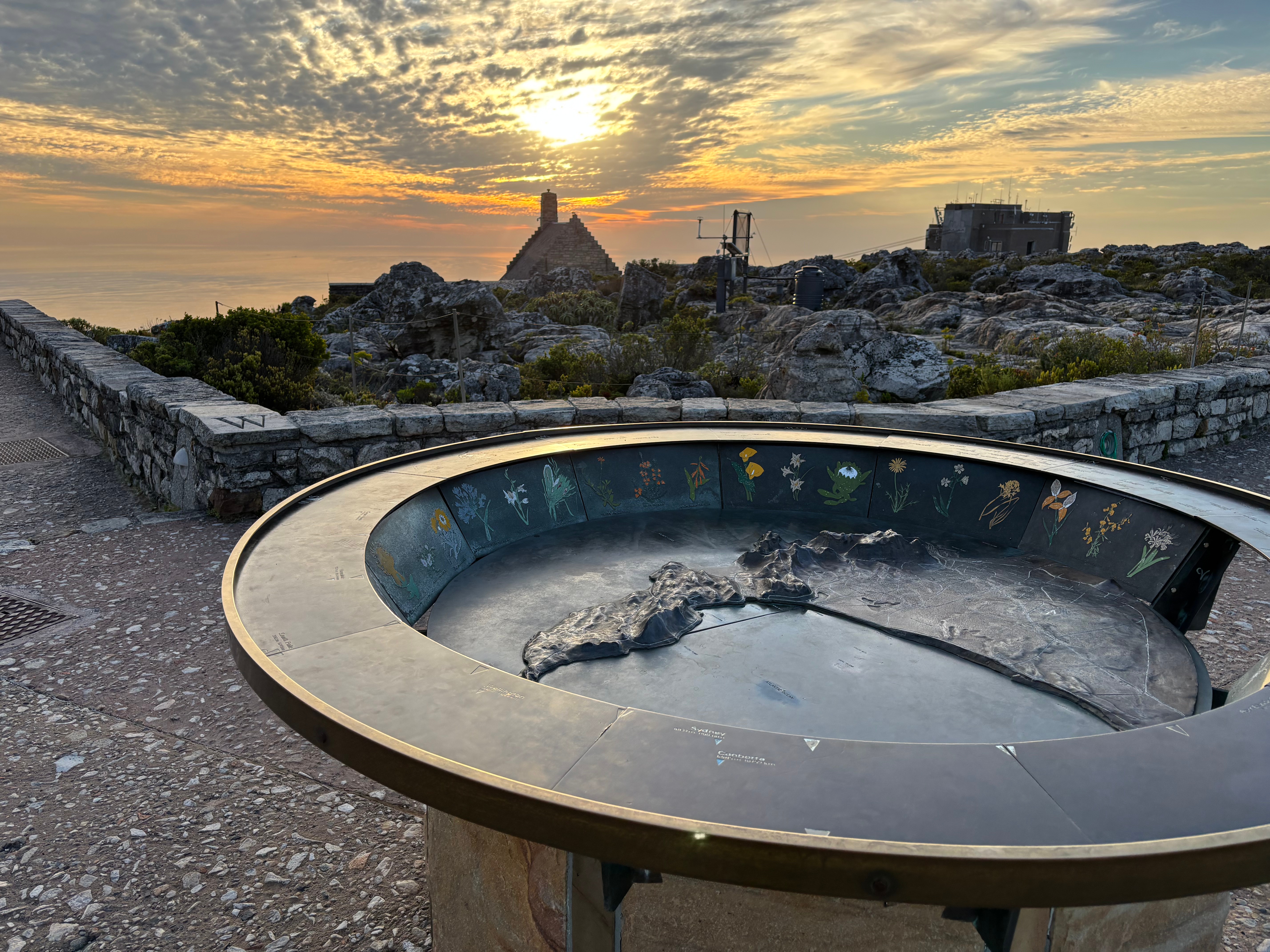
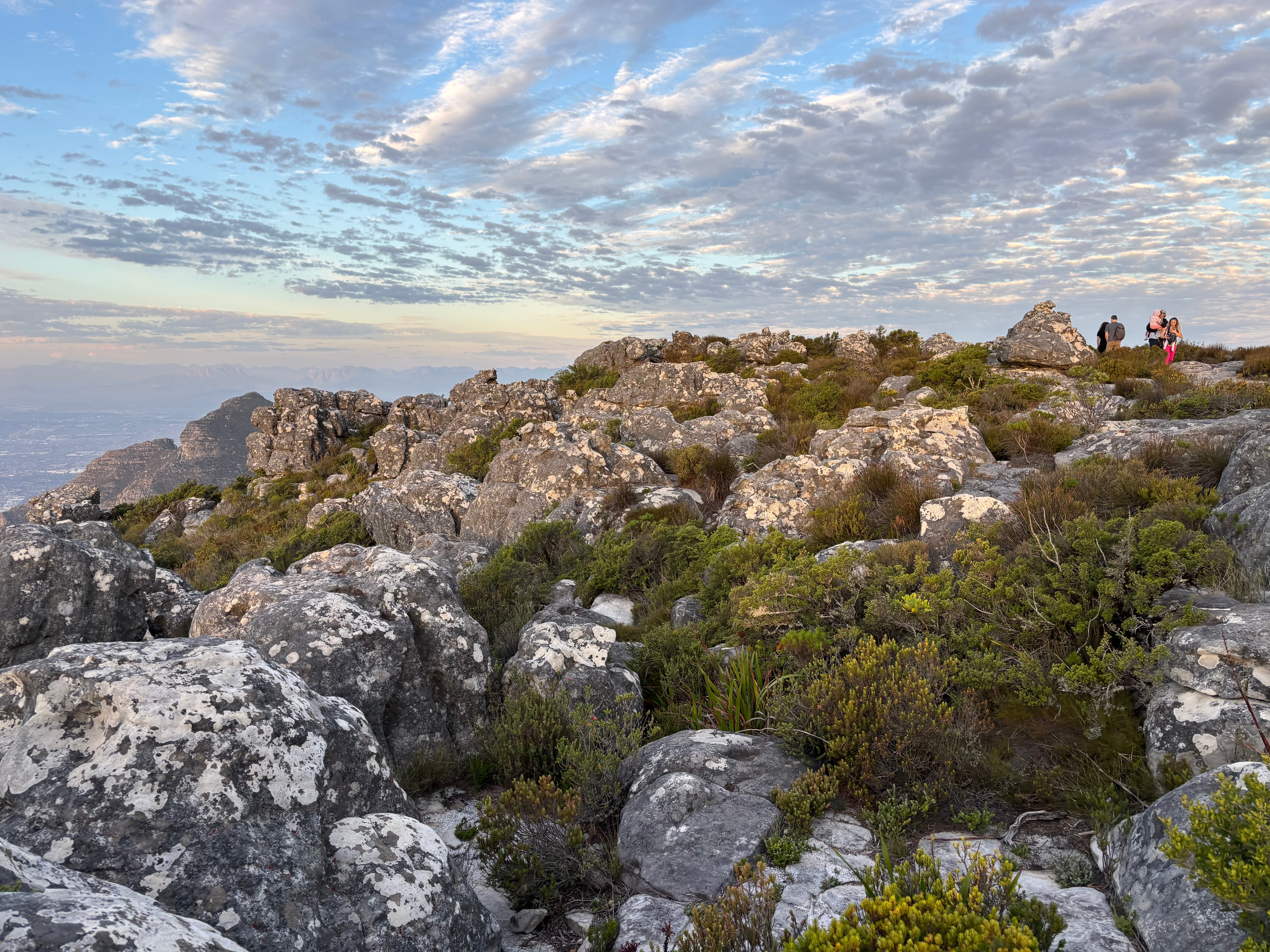
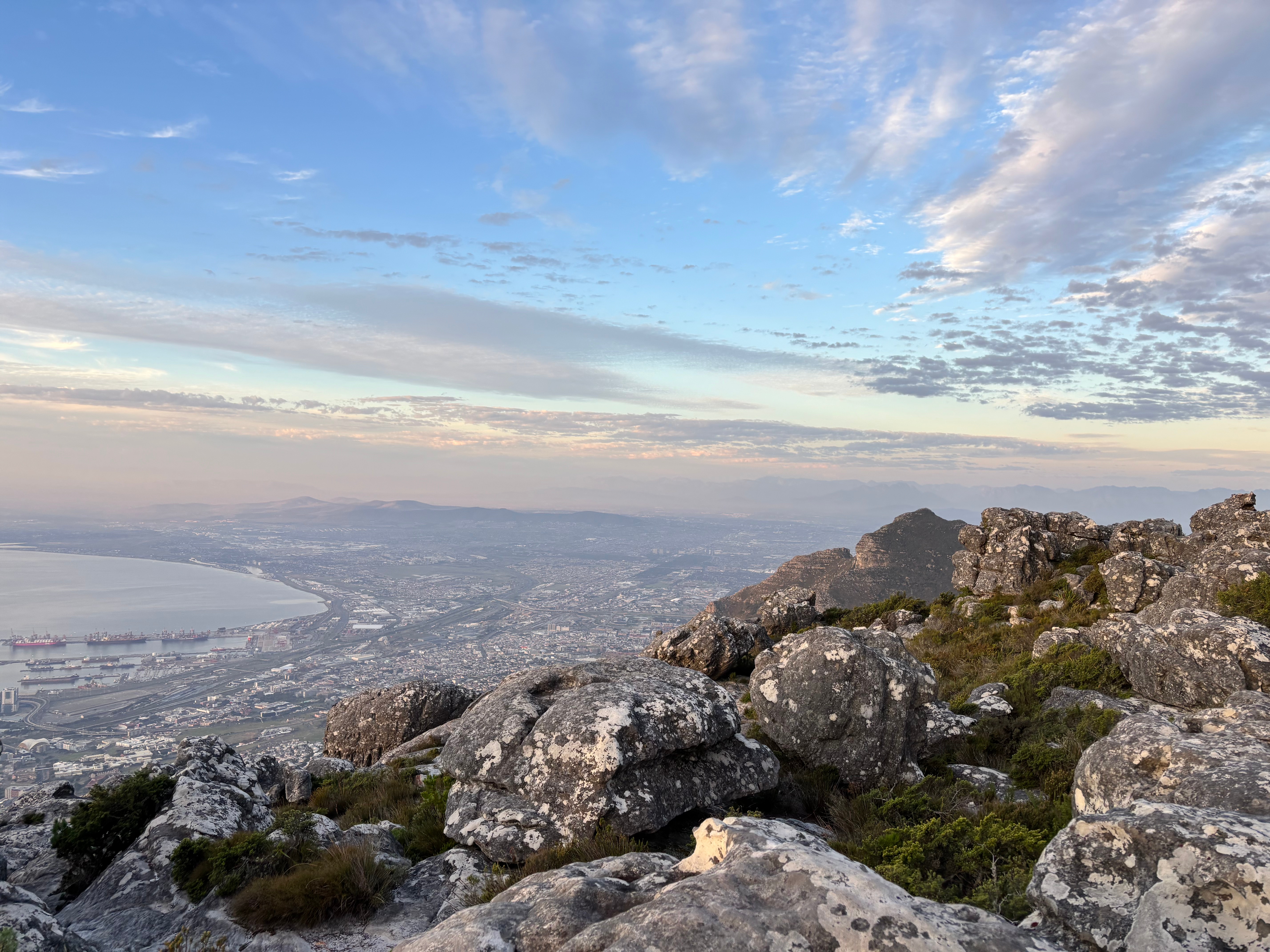

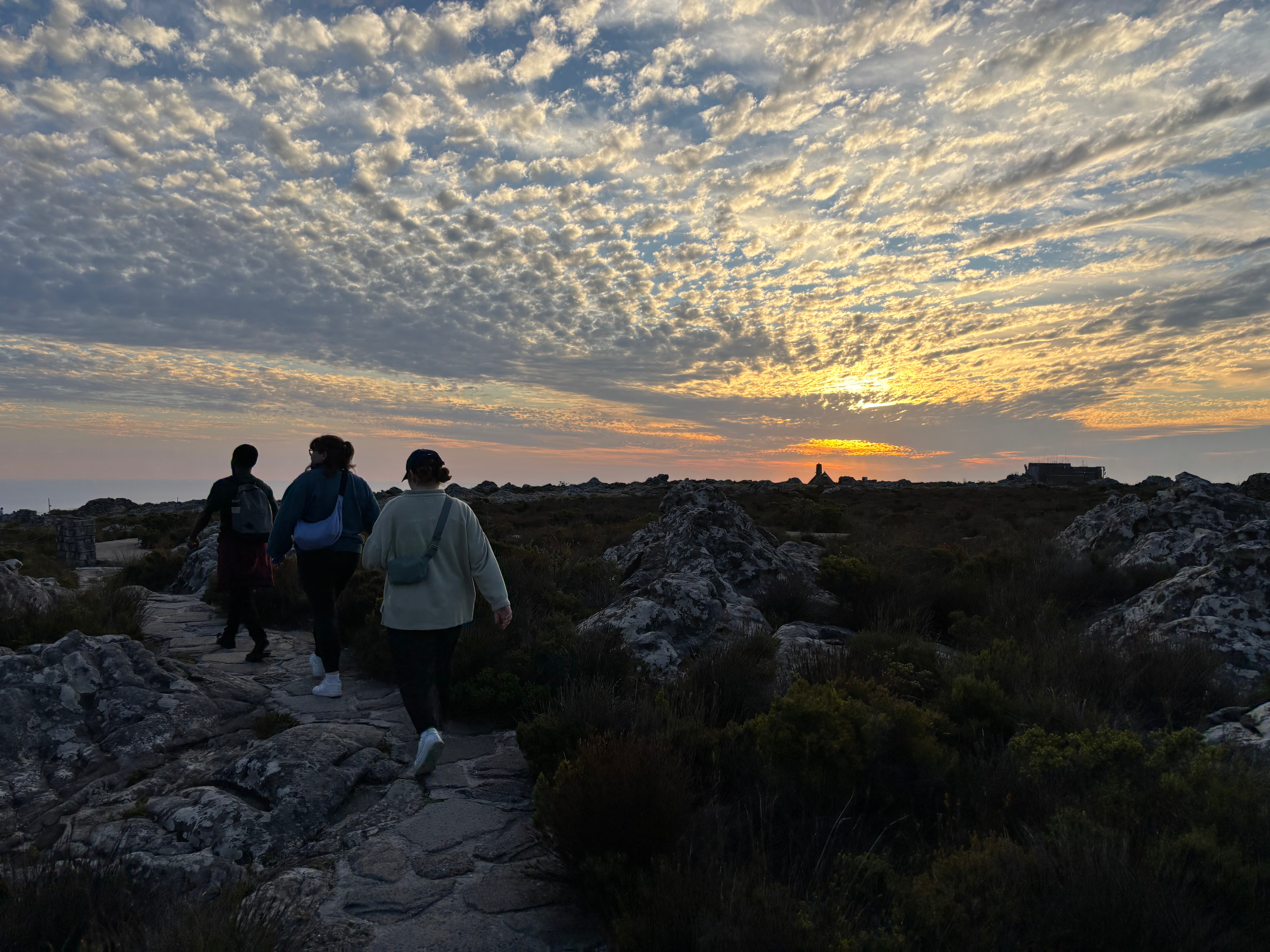
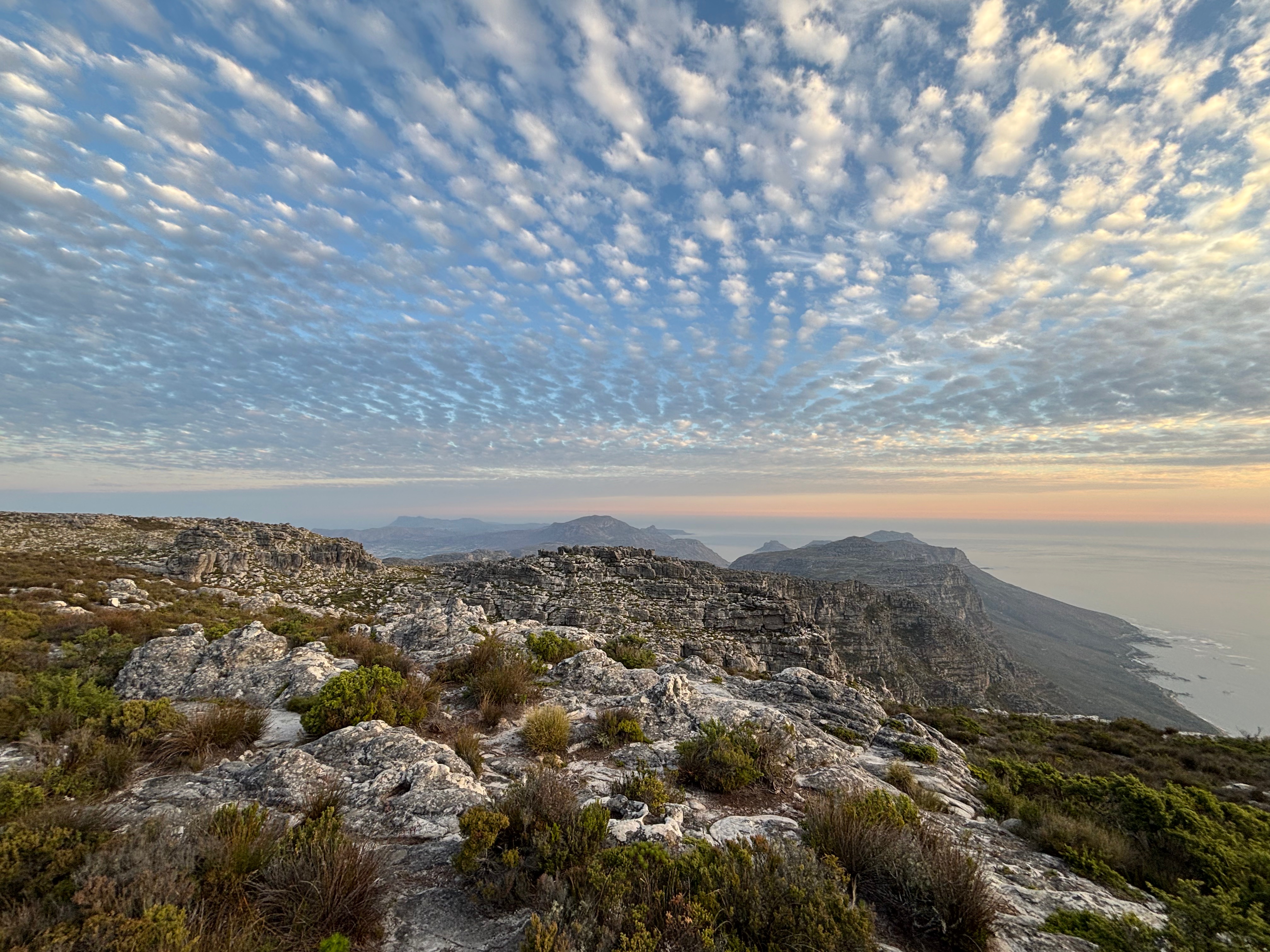
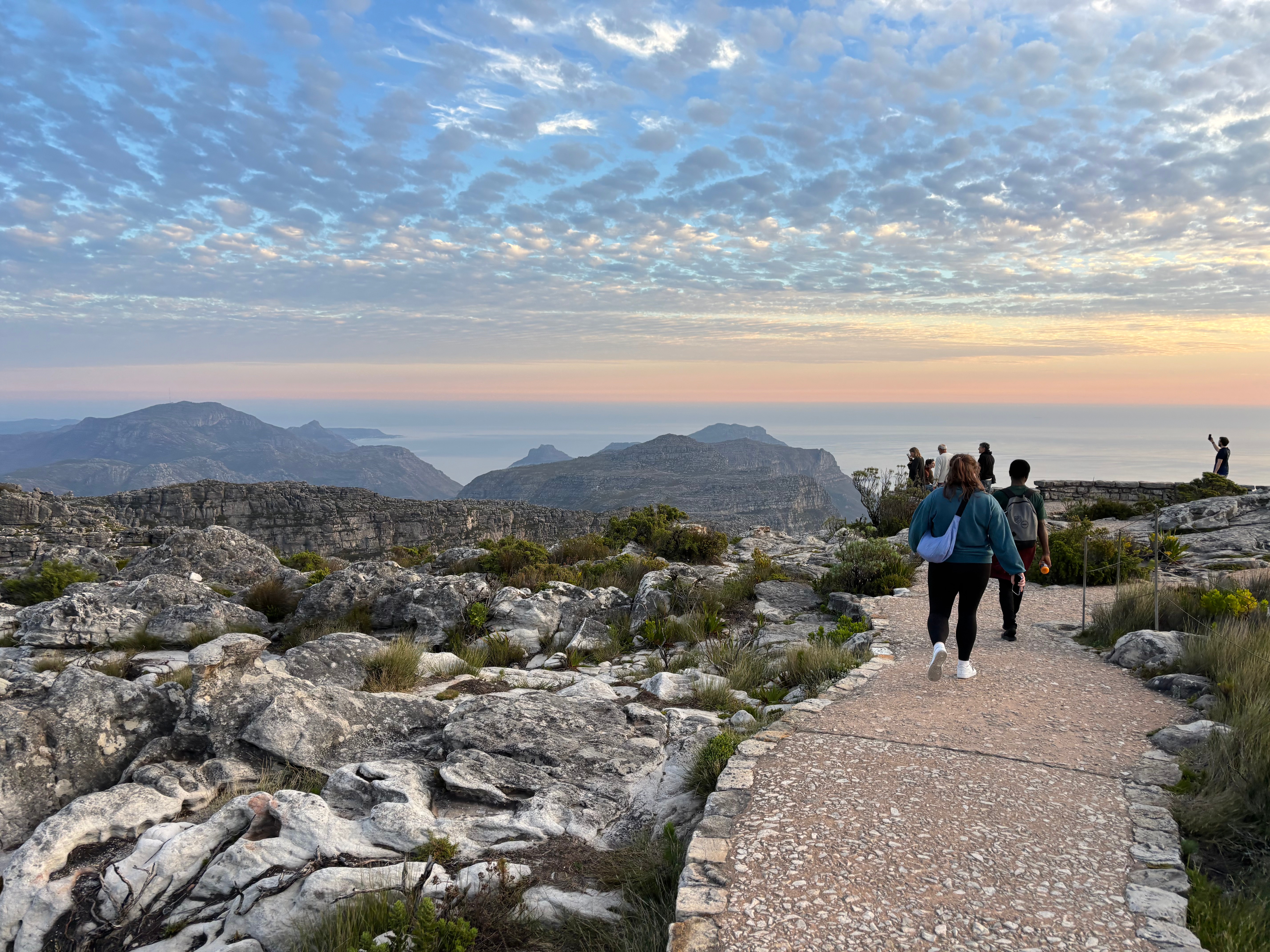
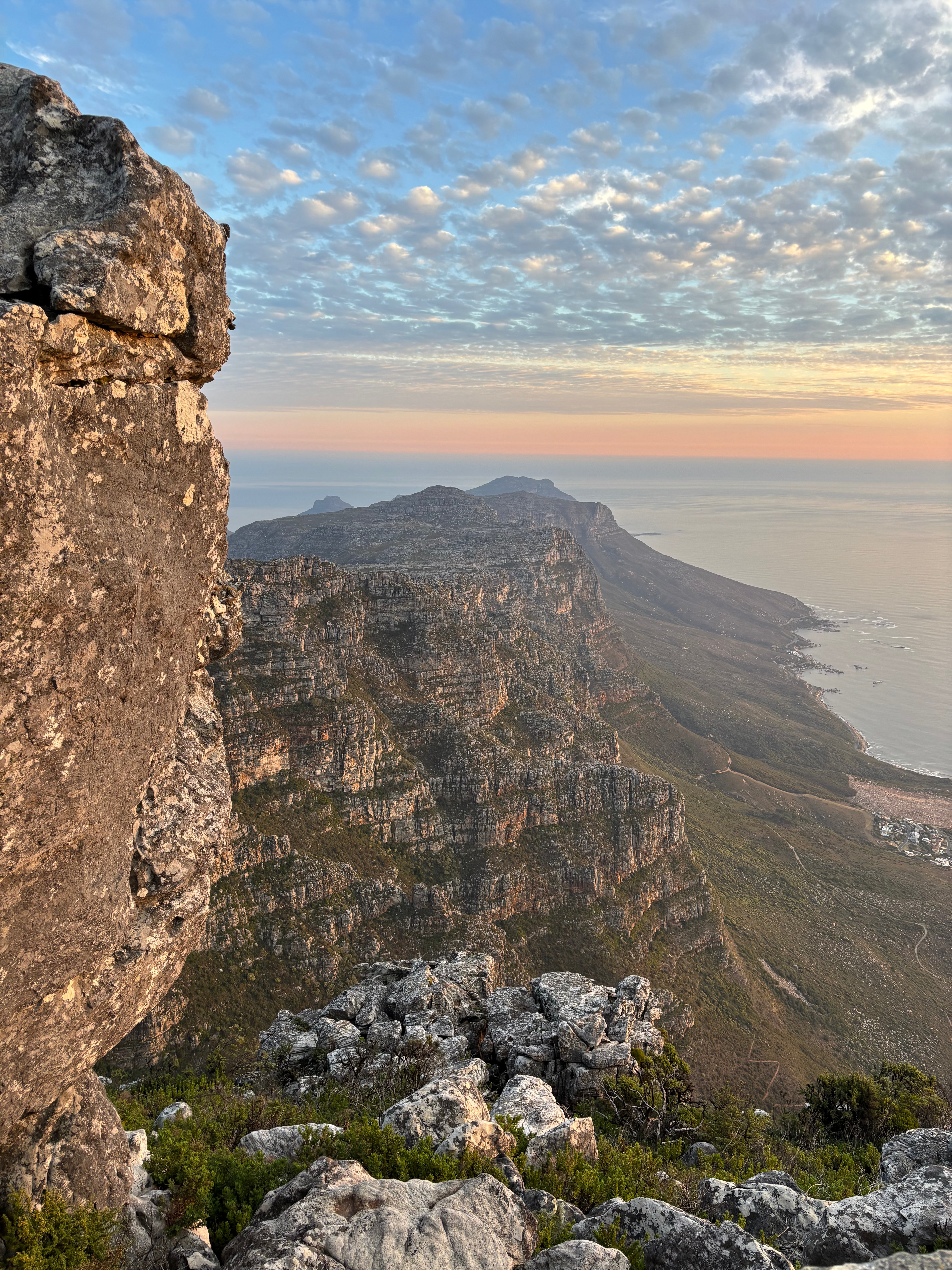
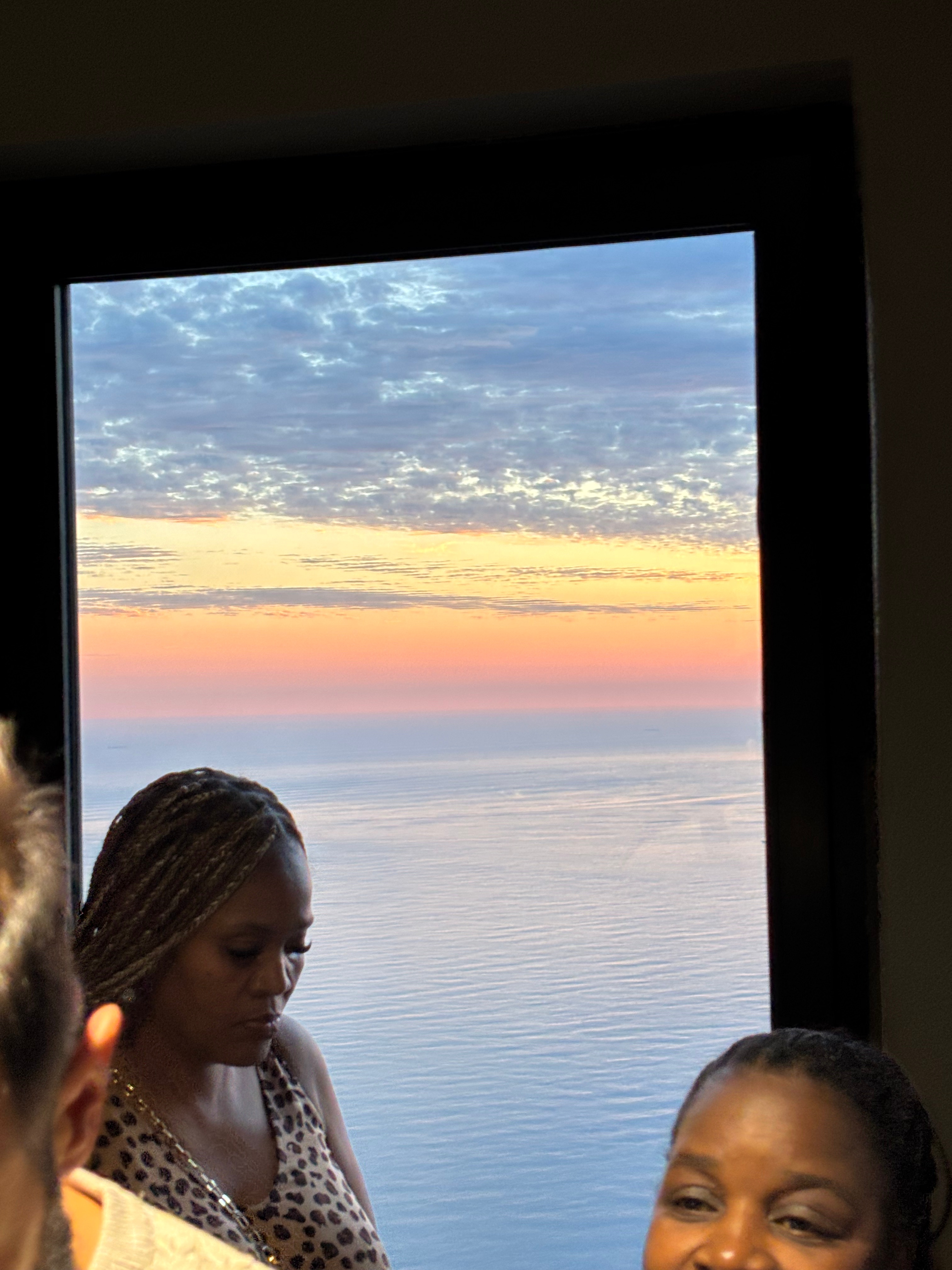
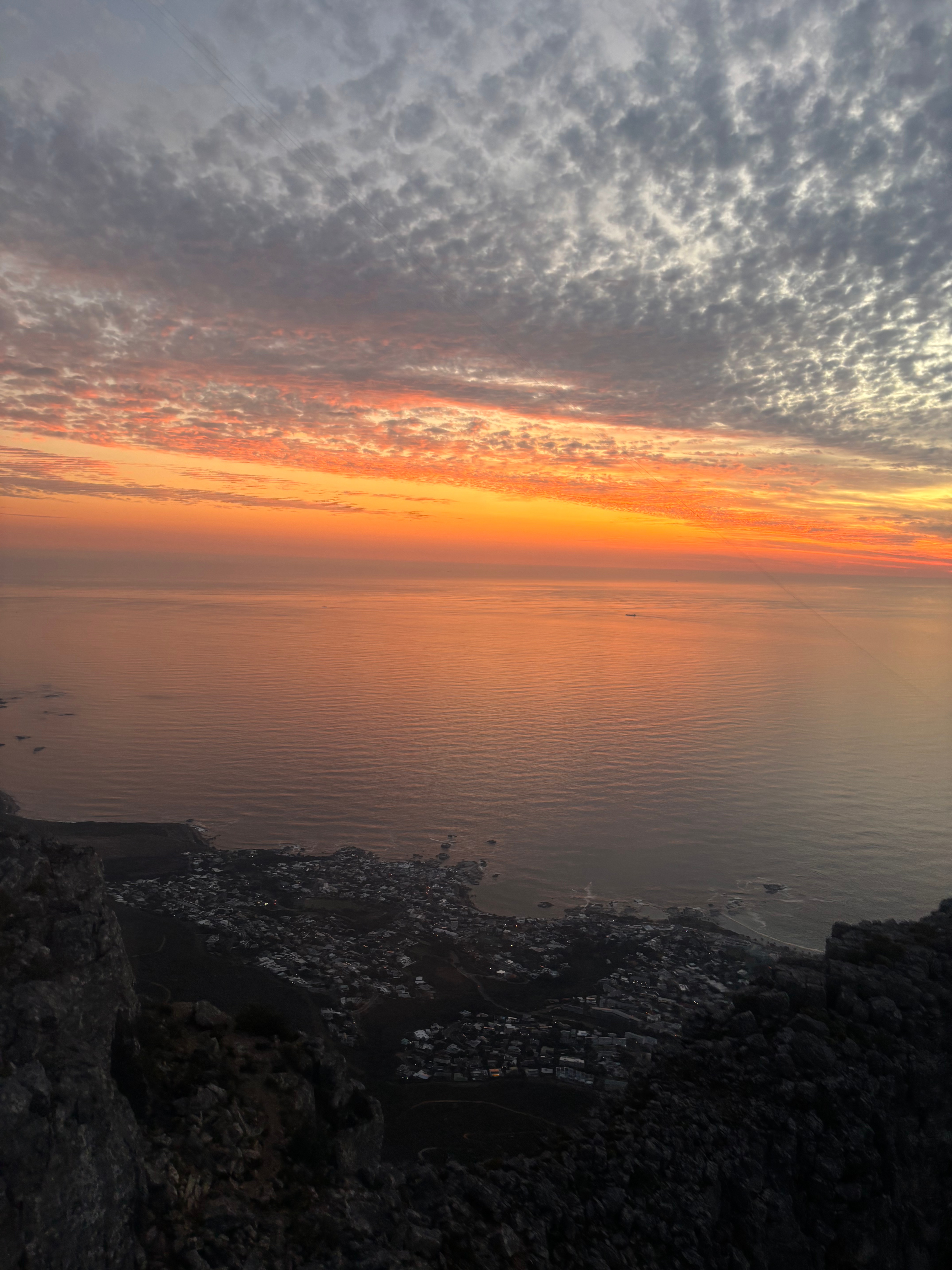
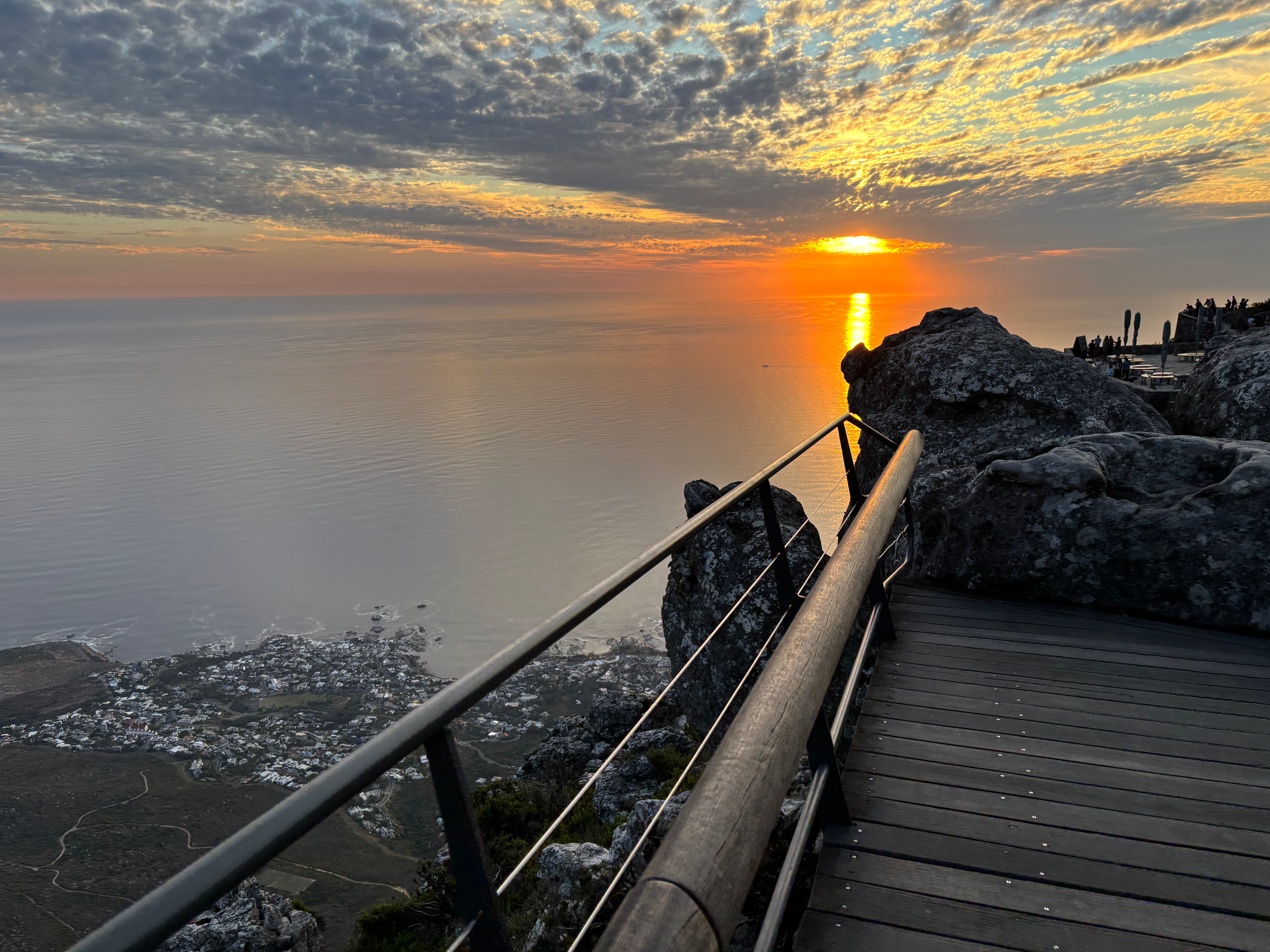
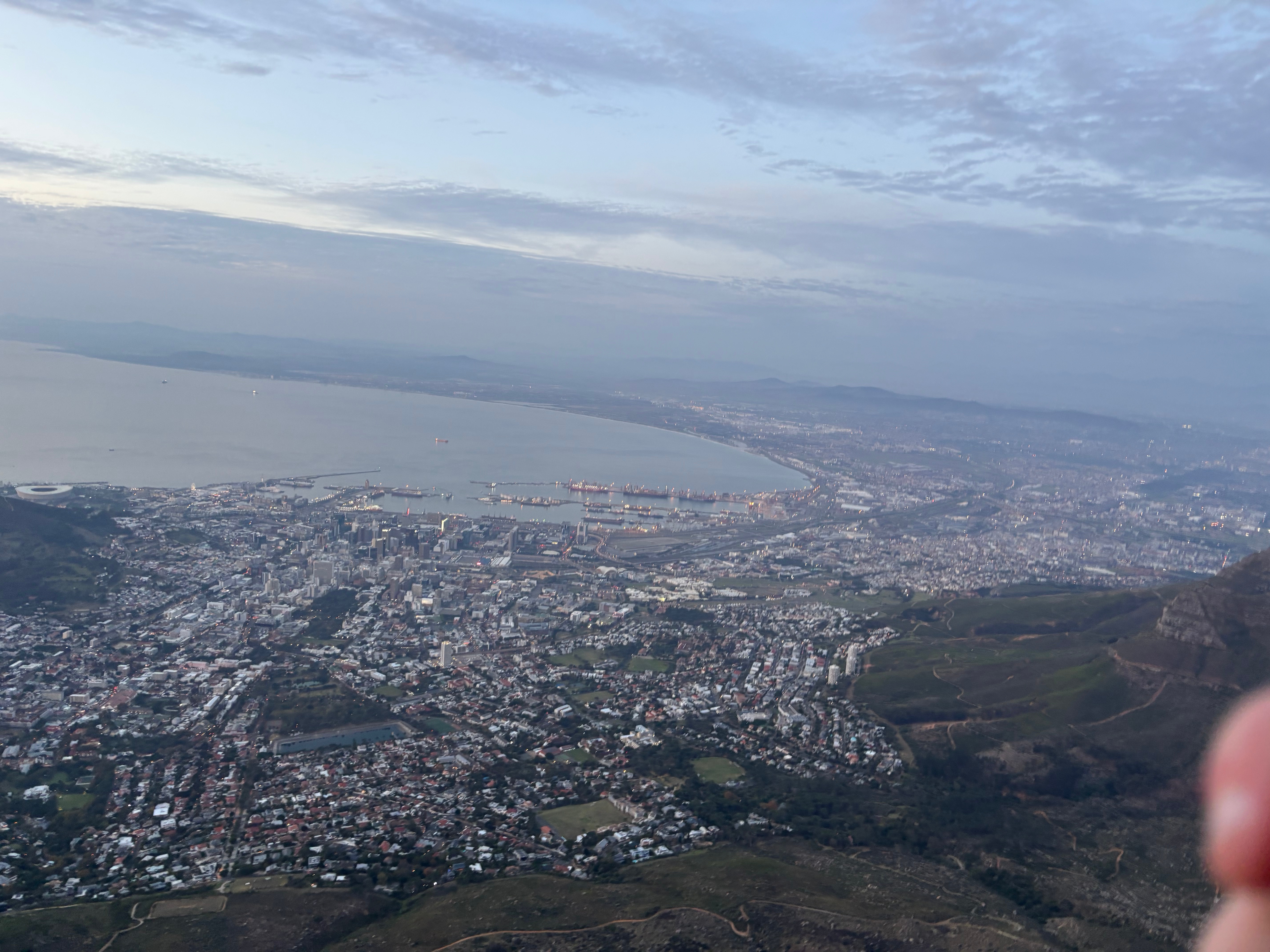

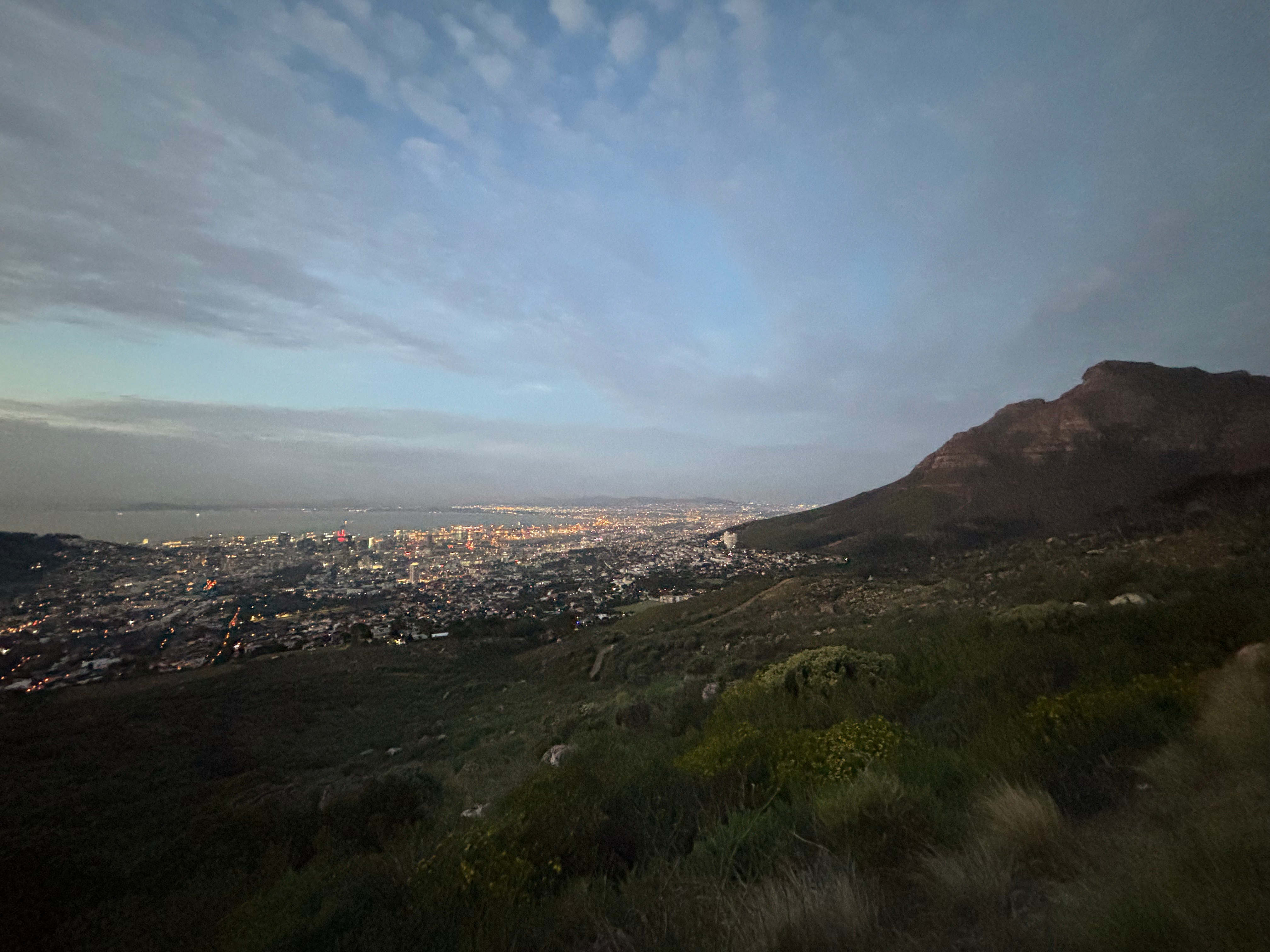
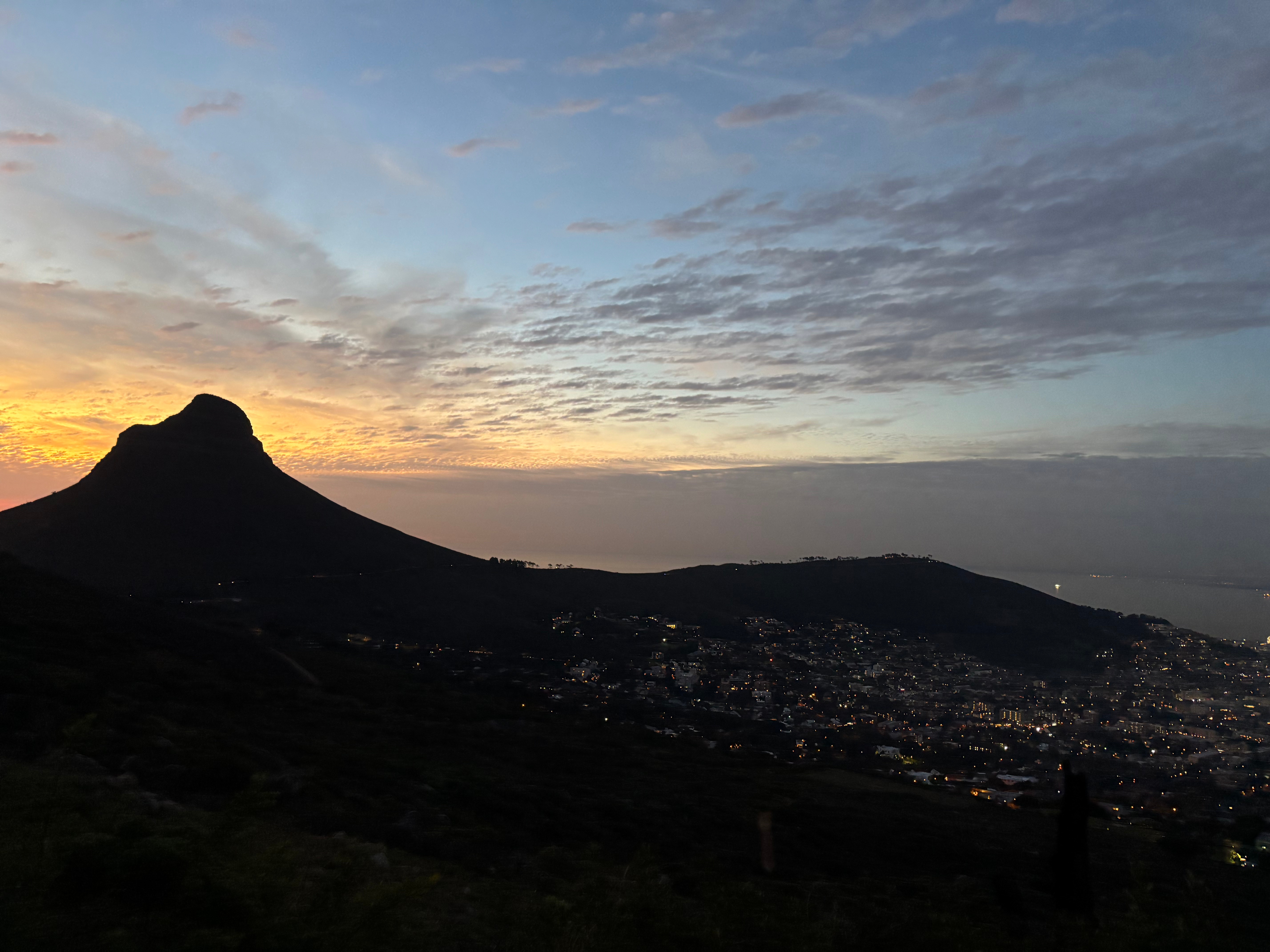
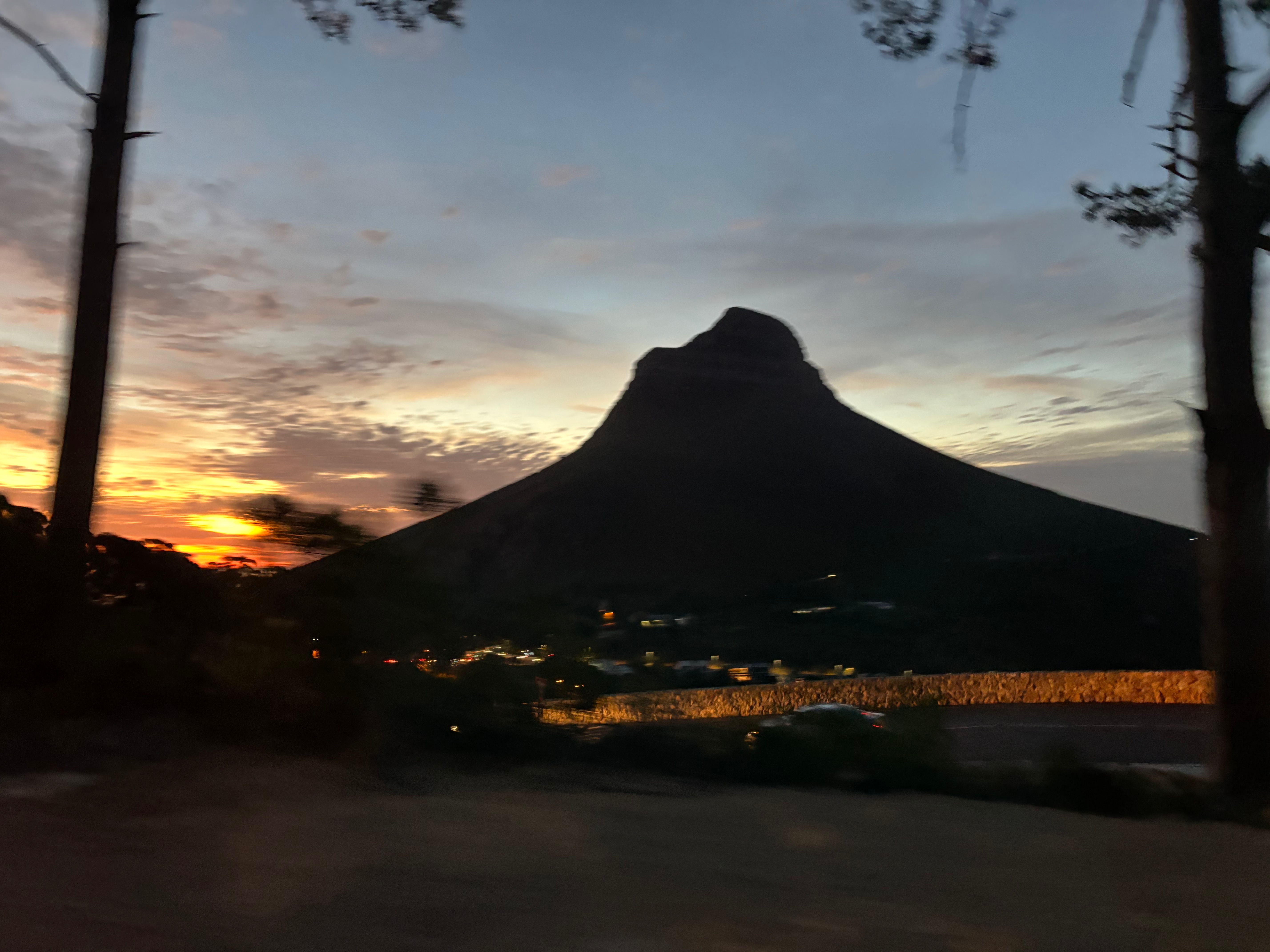
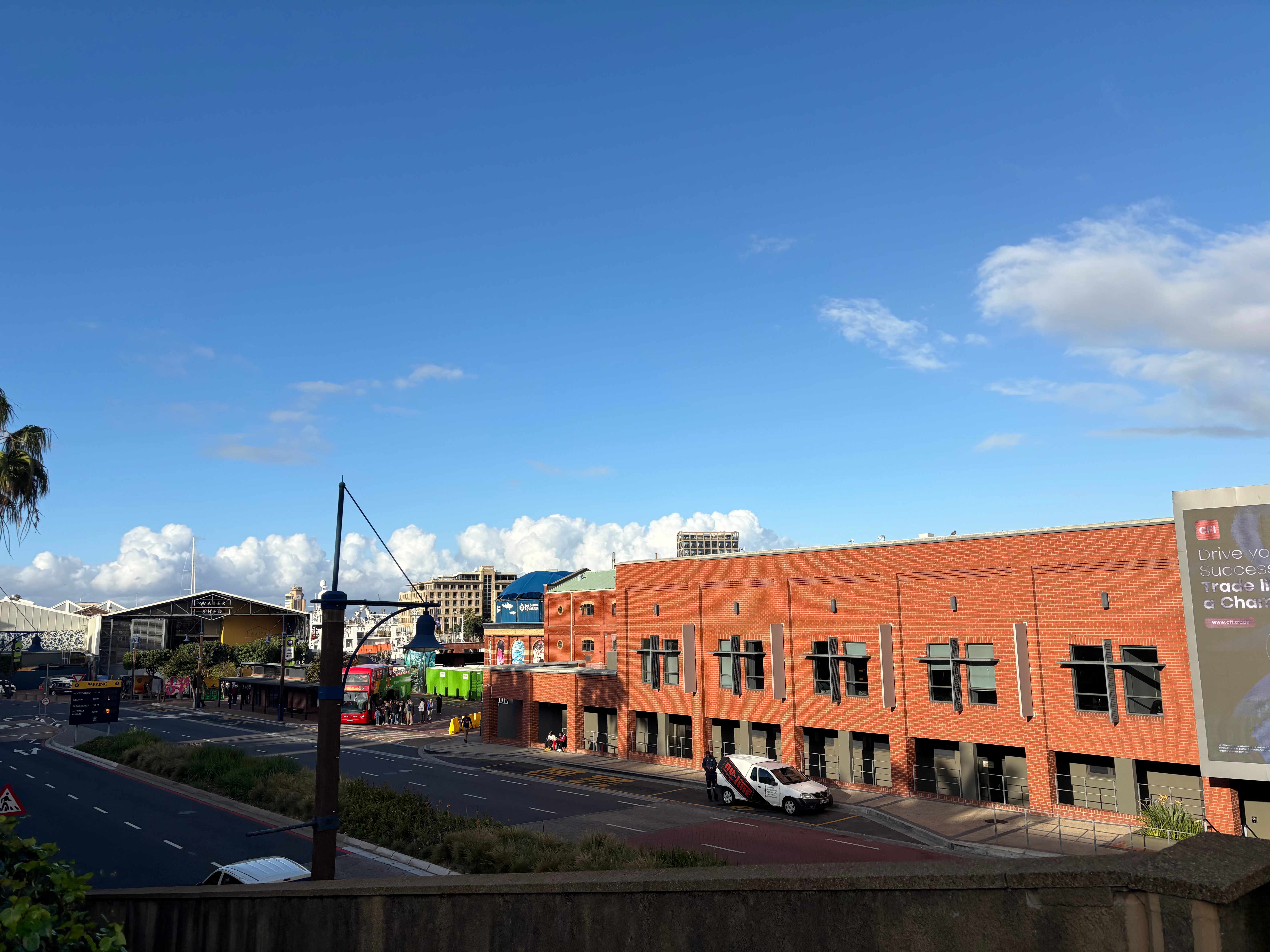
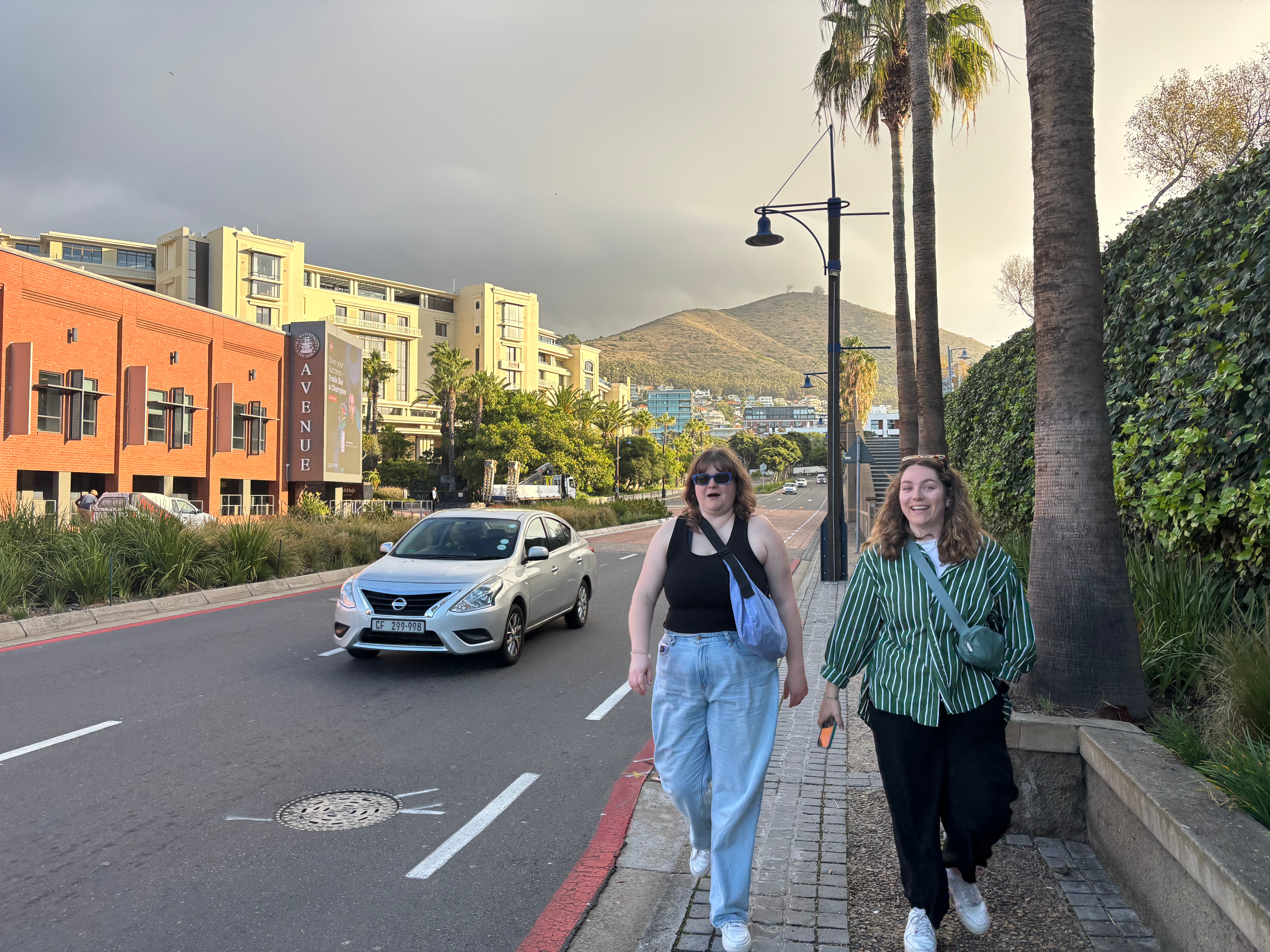
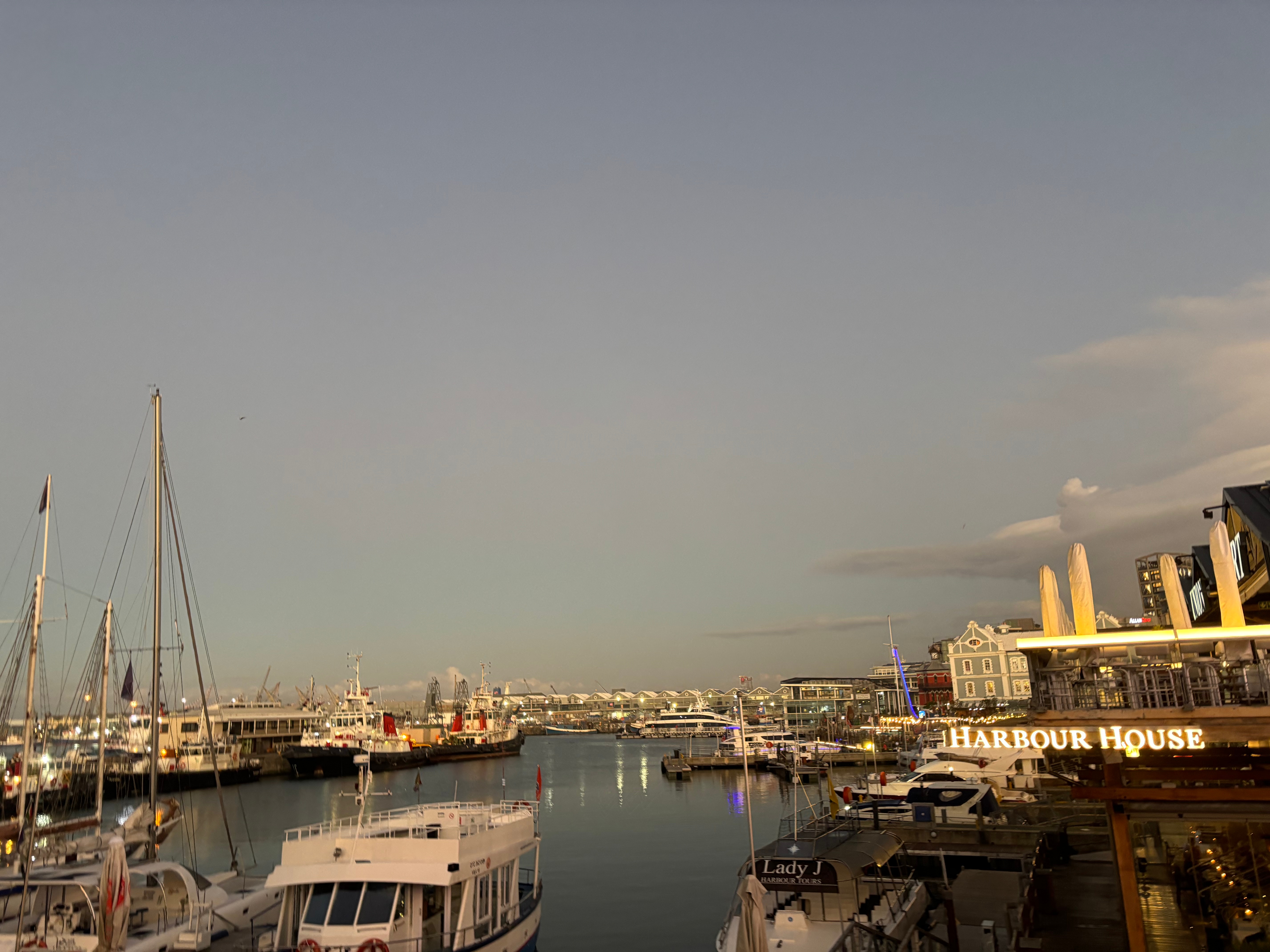
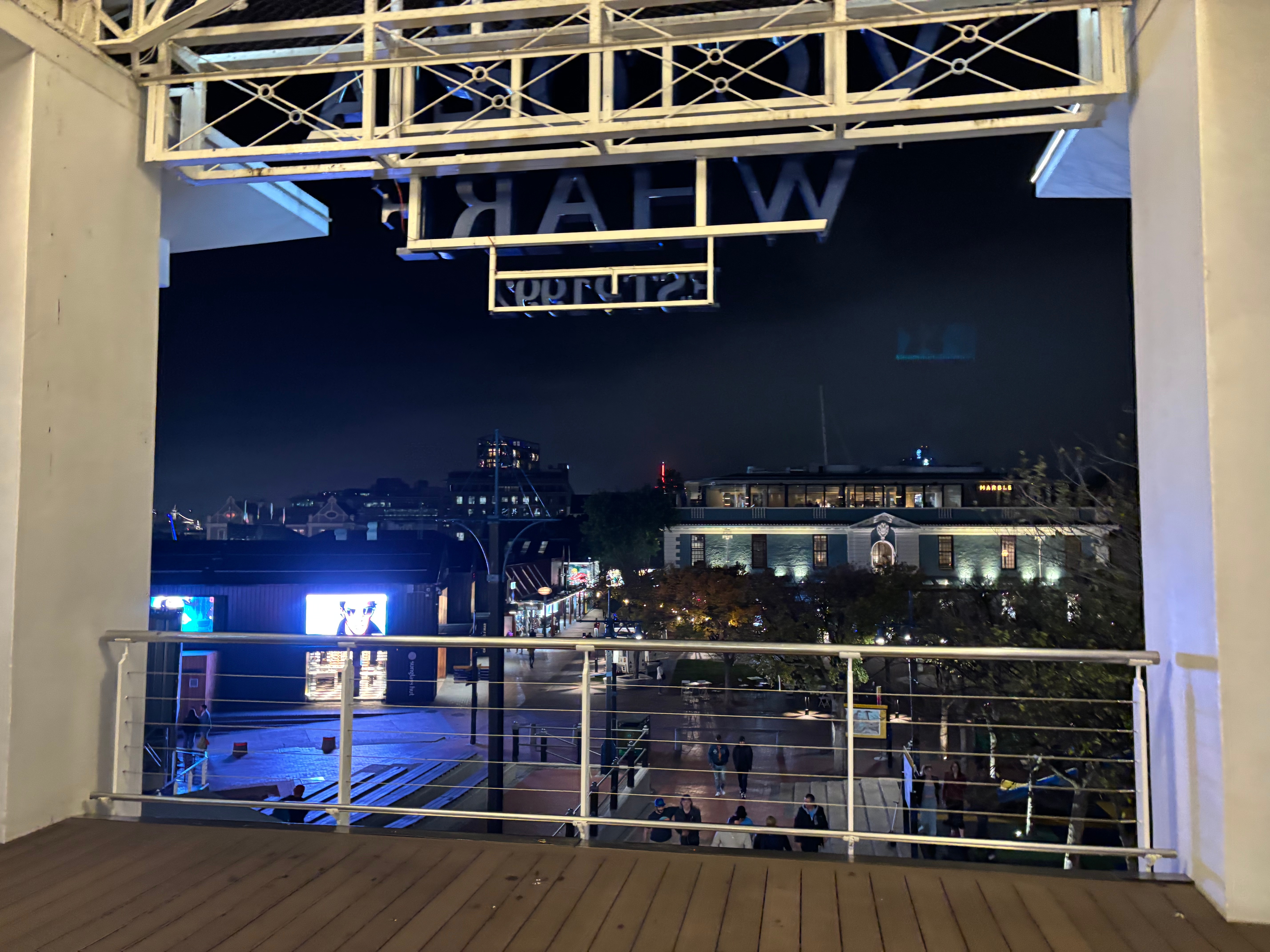
That night, we wandered the waterfront and grabbed some food from another waterfront restaurant with really delicious seafood. We turned in that night, content that we’d had a beautiful day to do all of our weather-dependent activities.

Day 2- The Cape of Good Hope, Penguins, and Kirstenbosch
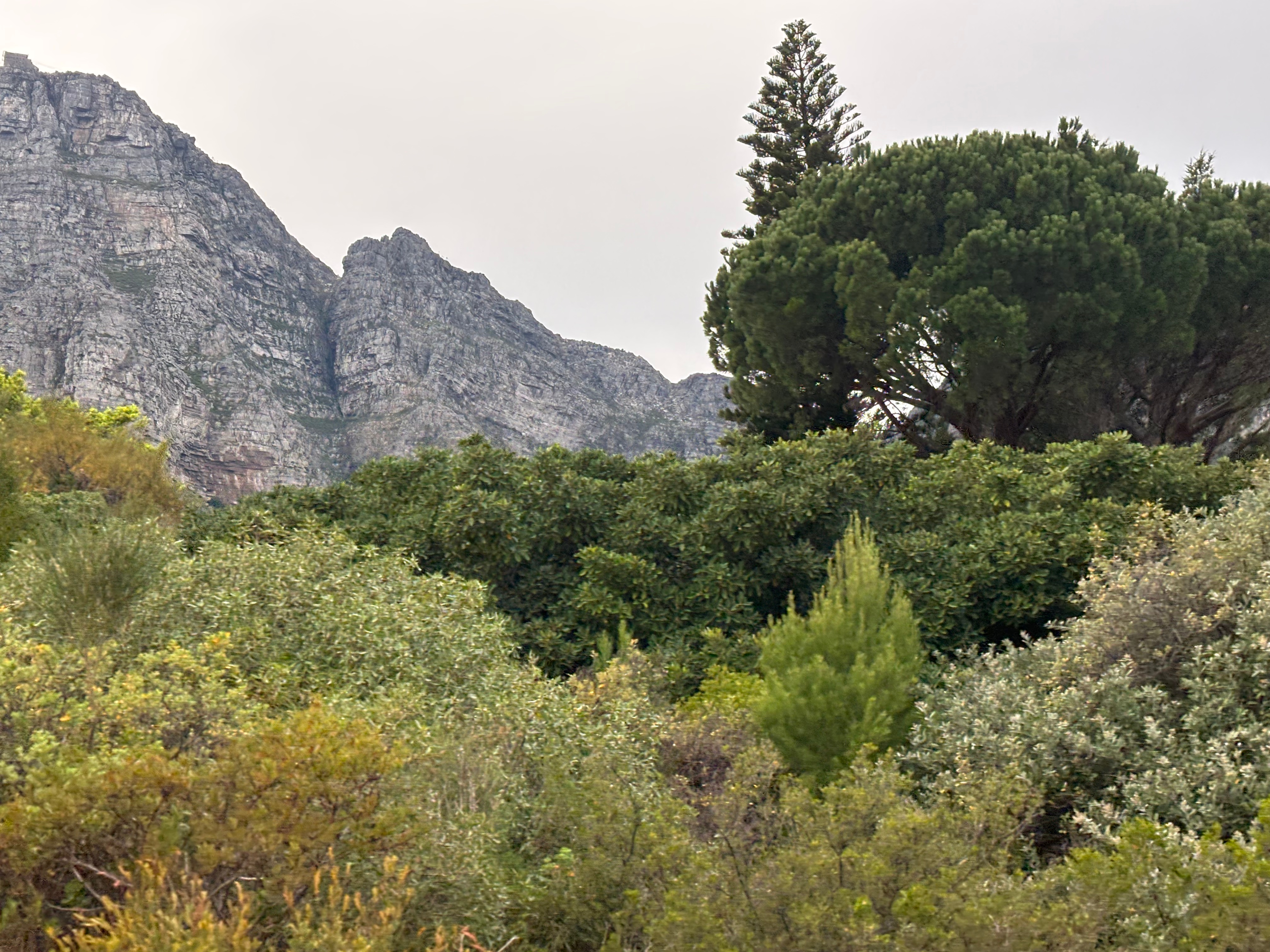
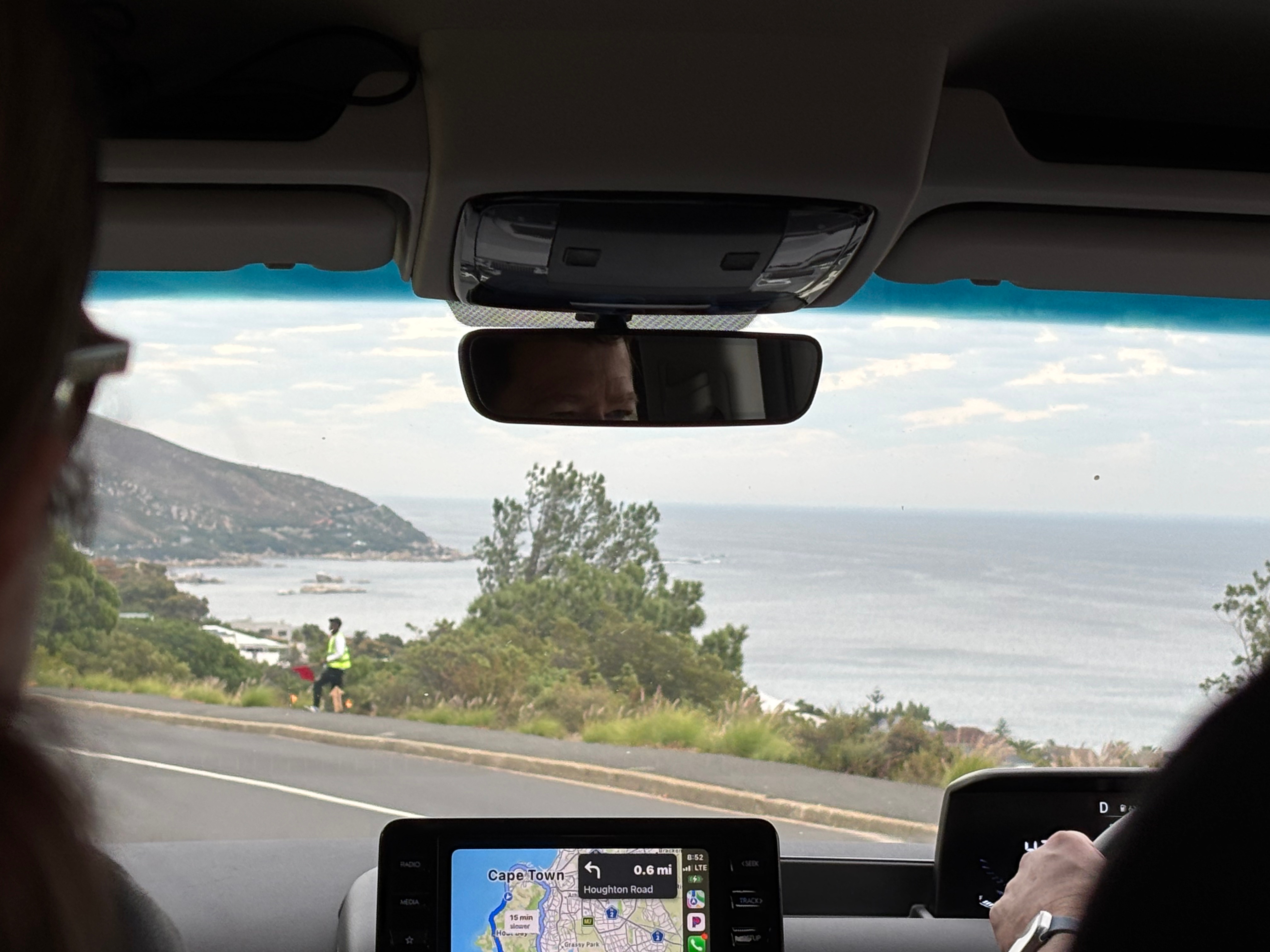
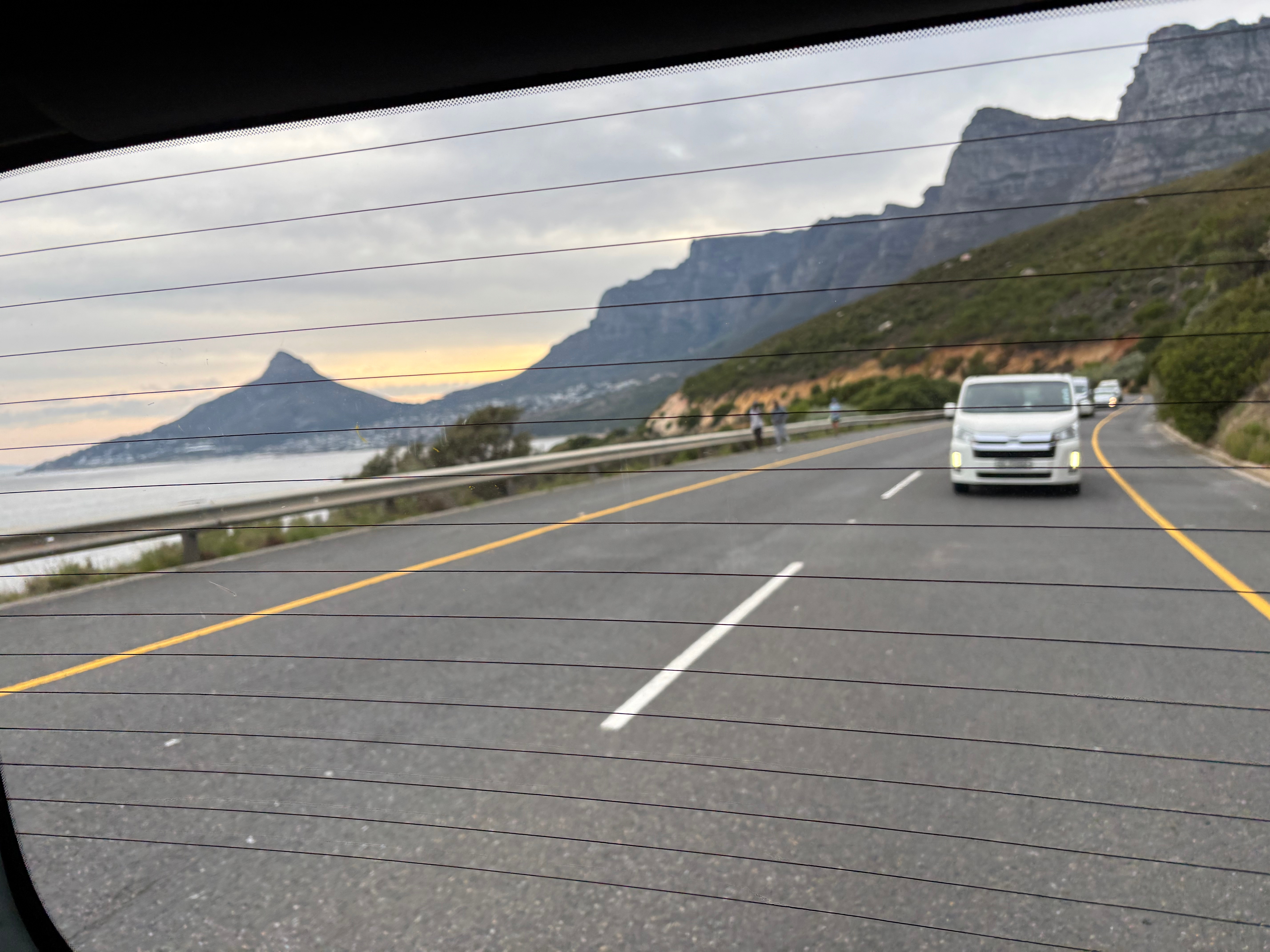
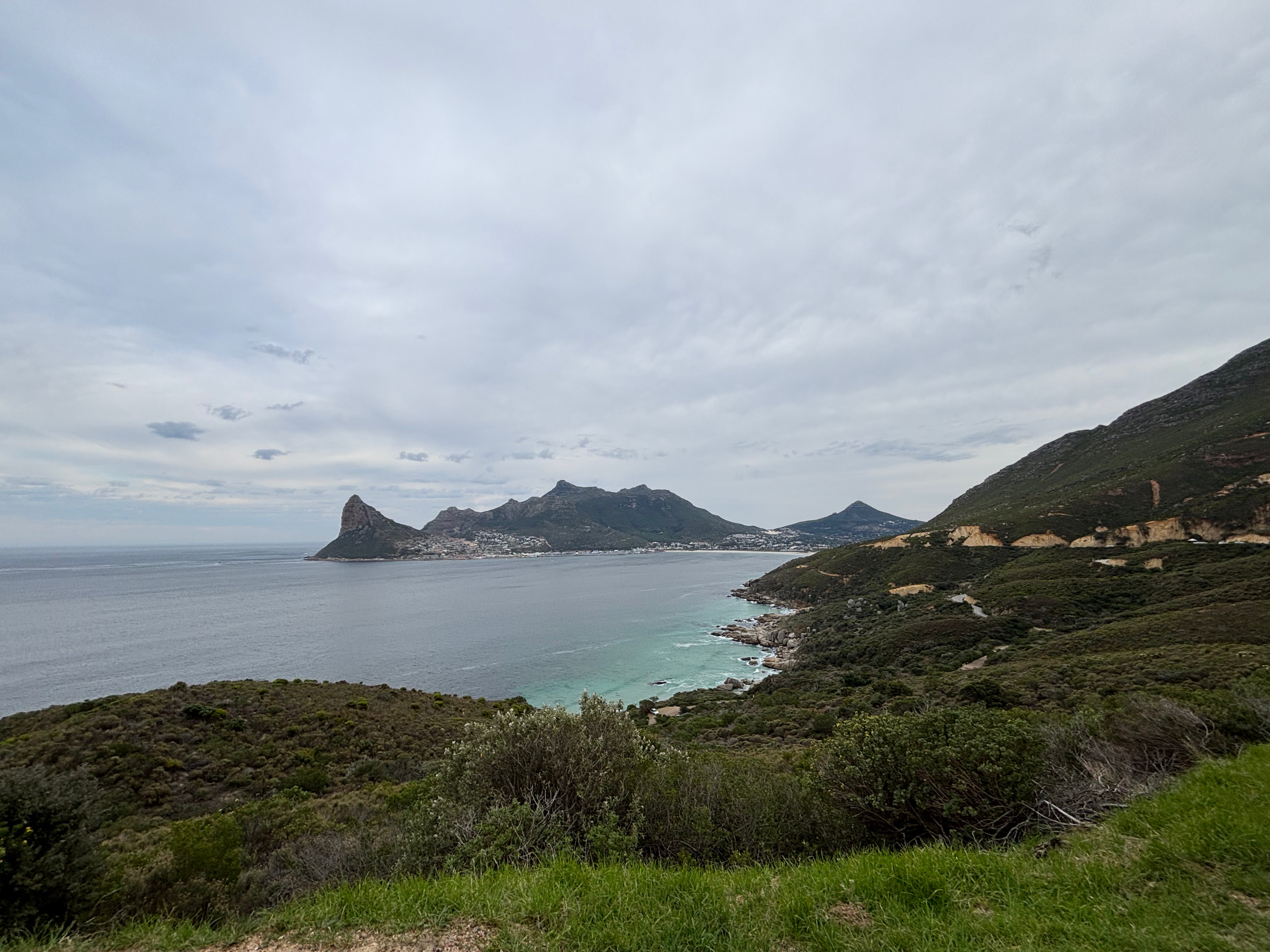
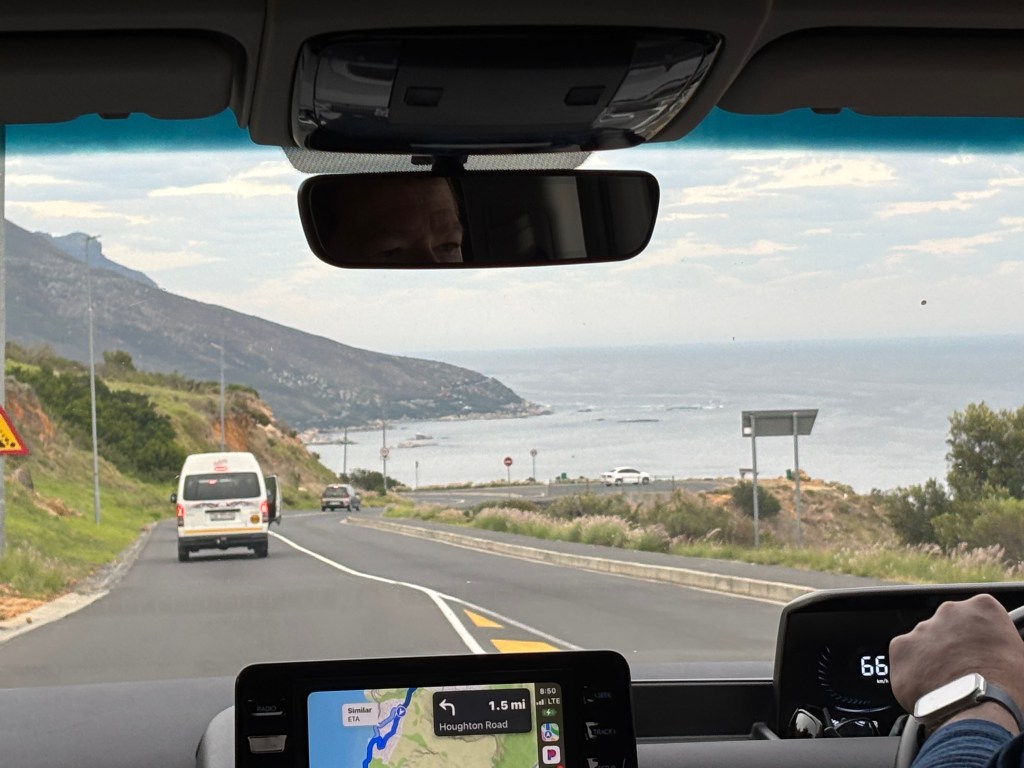
Our second full day in Cape Town wasn’t spent in Cape Town, but rather driving along the coast toward the Cape of Good Hope. All of our stops were still officially in Table Mountain National Park, which seemed to span the entire peninsula. We stopped at a few different lookouts on the drive down, catching sight of various inlets, bays, and views of Table Mountain from different angles.
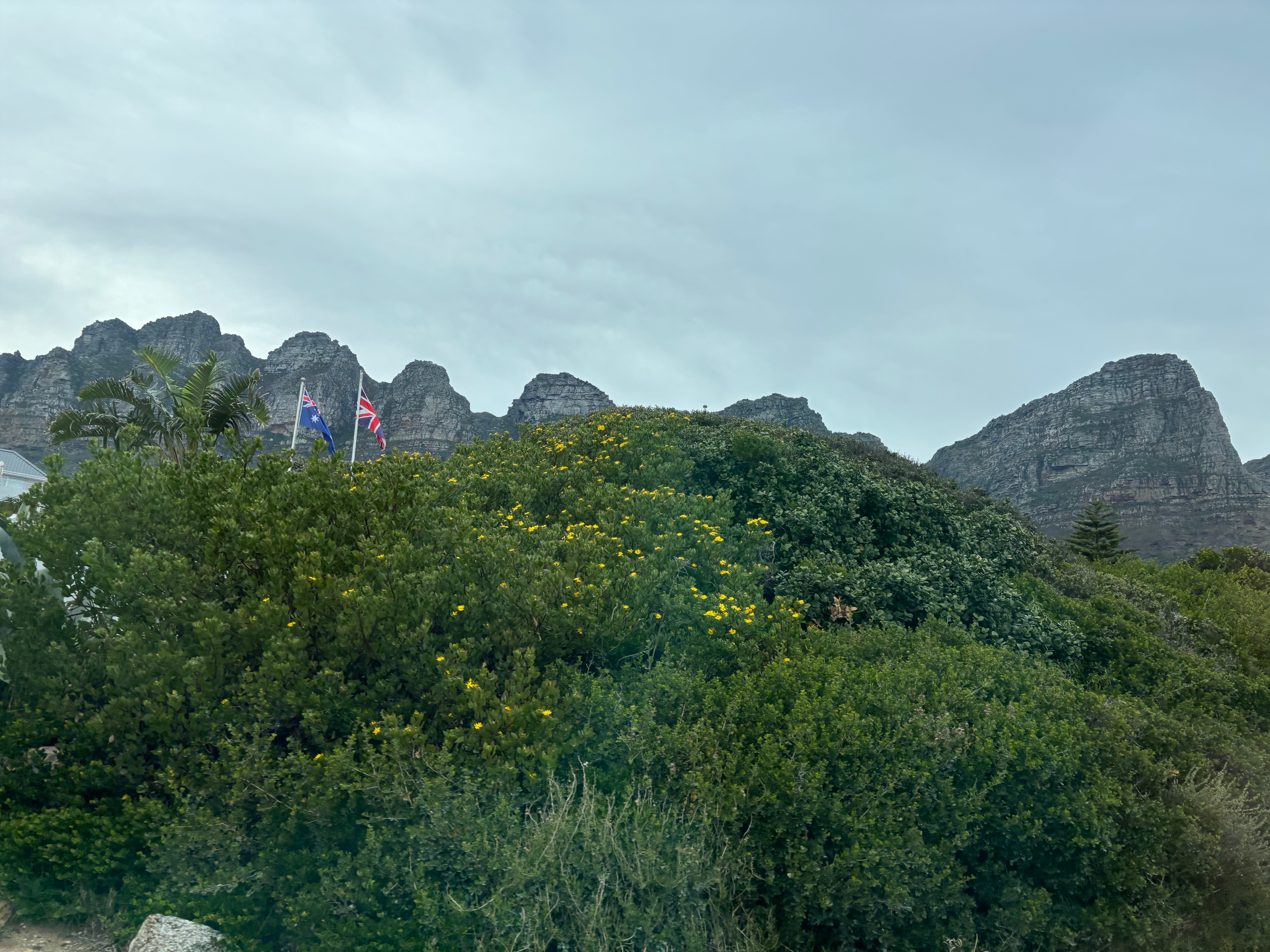
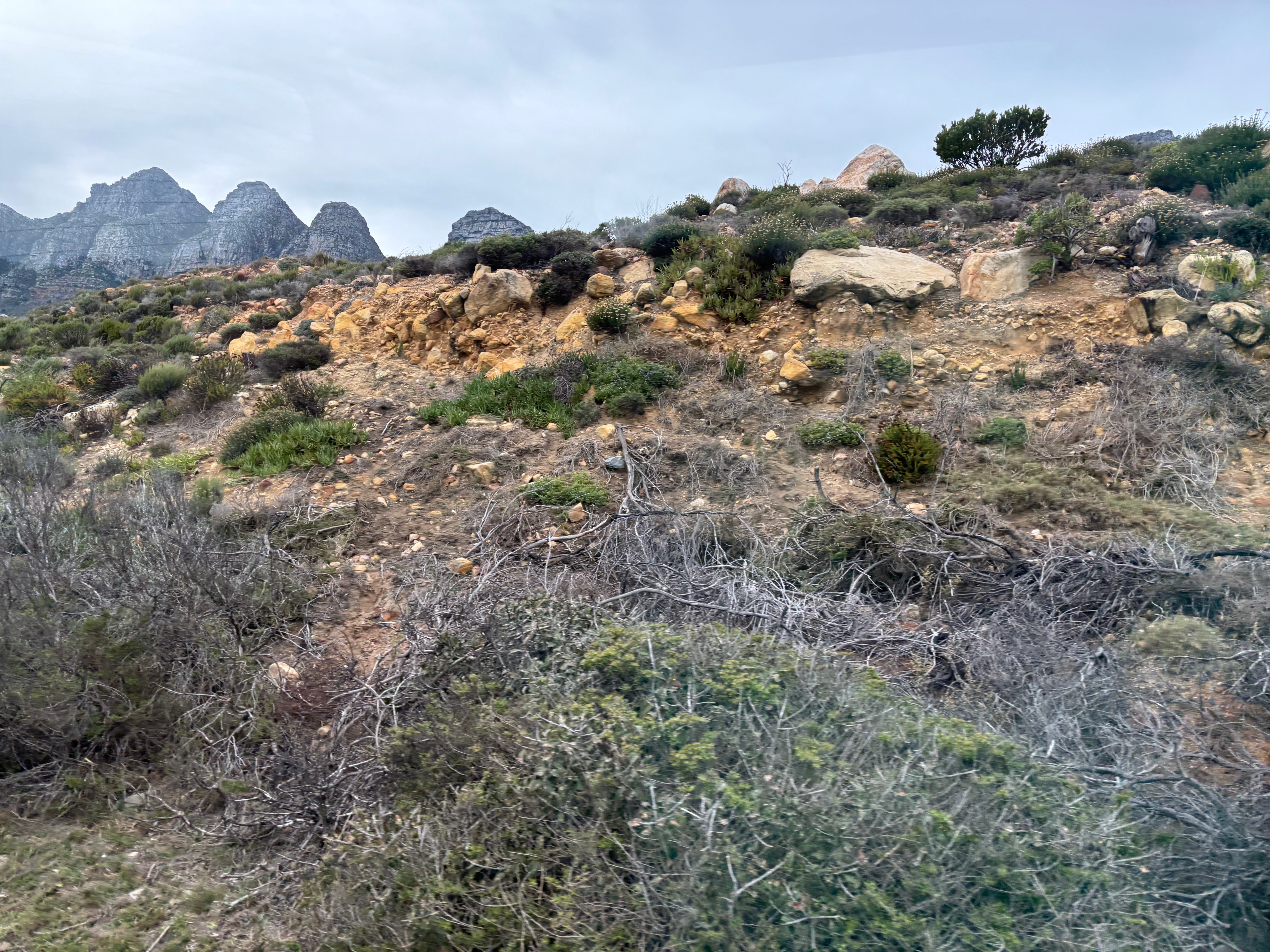
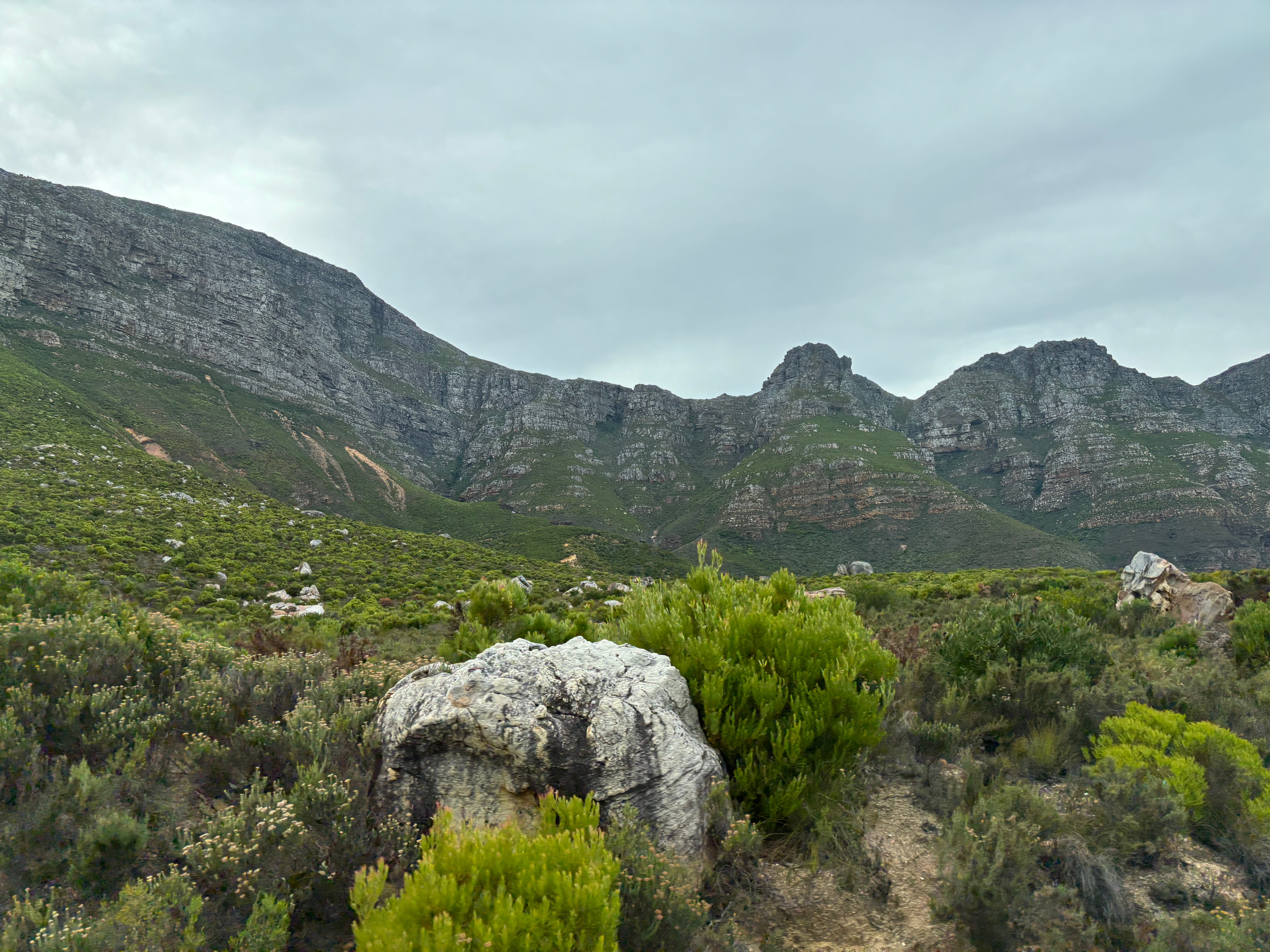
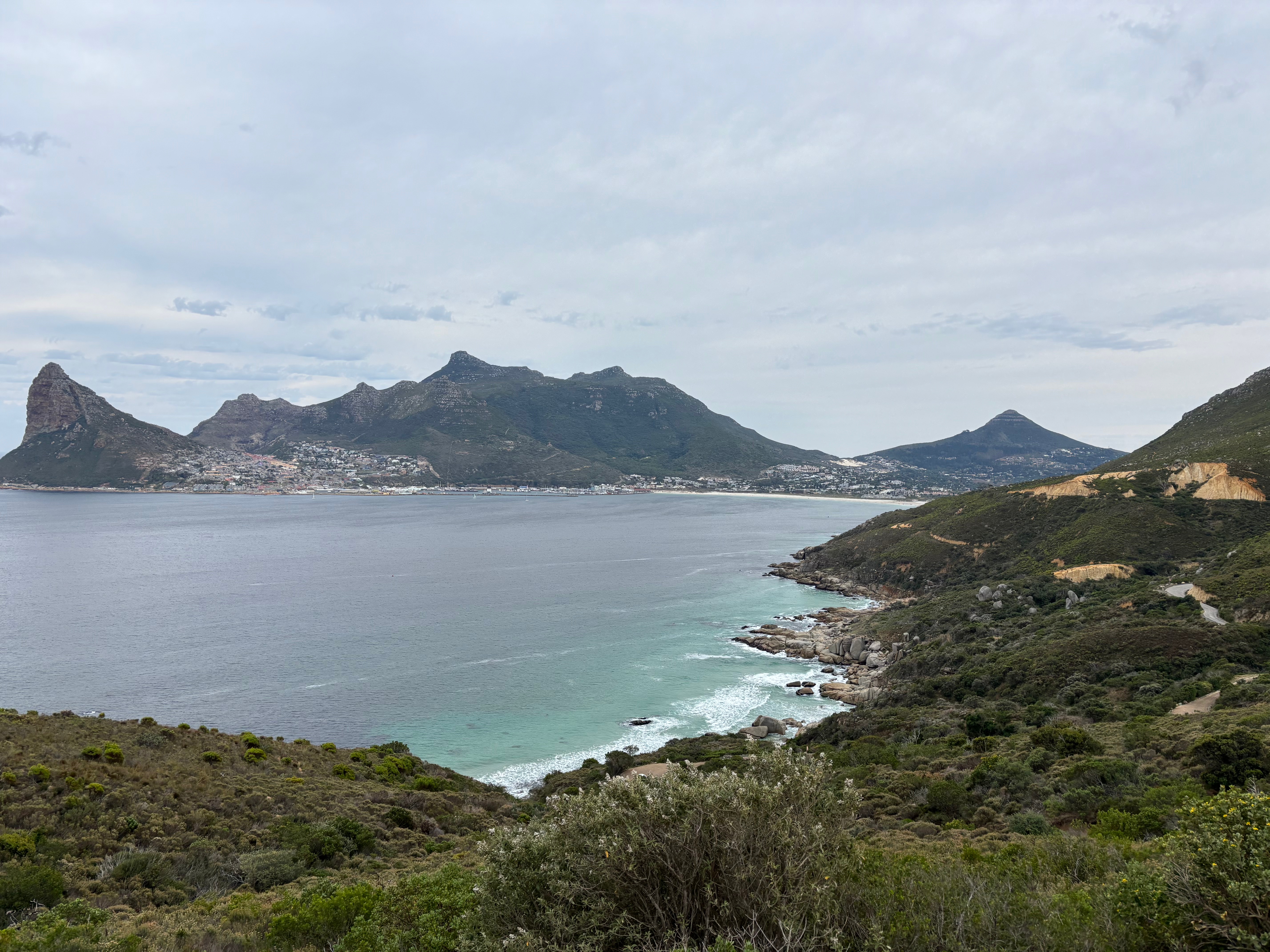
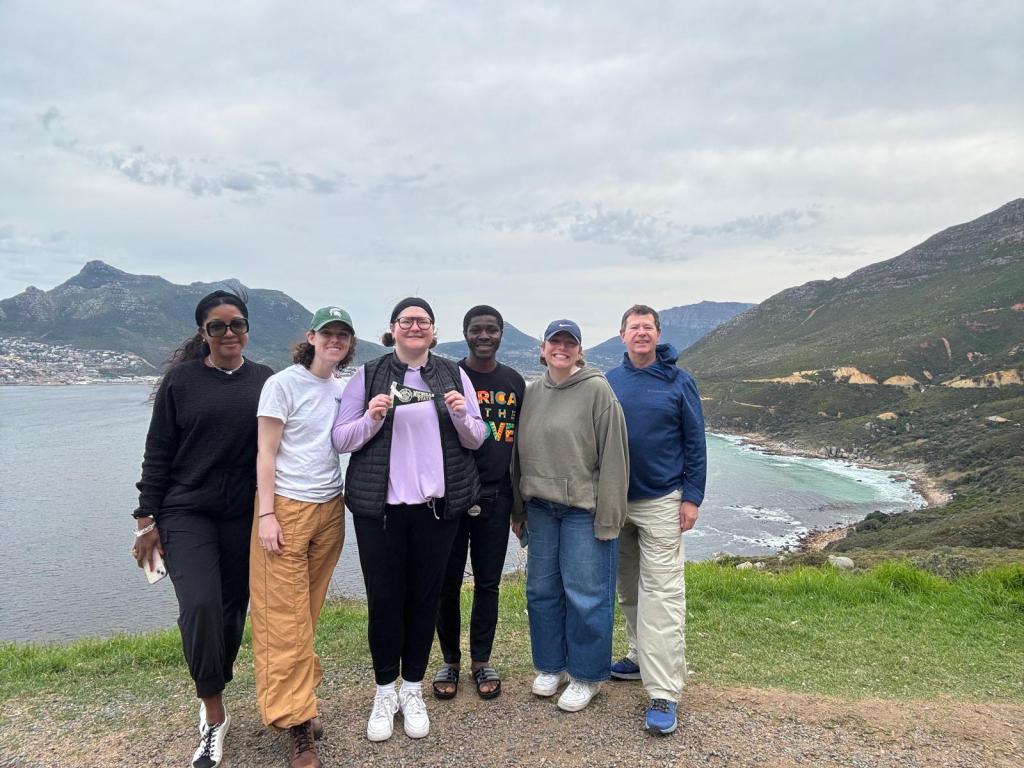
We were in somewhat of a rush to make it there, because we wanted some good photos with the sign. It was a Sunday, which meant more people might be visiting, and the tour buses were on a pretty set schedule that got them to each of the tourist spots right around the same time. And I’m glad we did rush, because at every place we stopped, we arrived when it was not crowded and left right as the large buses were pulling in.
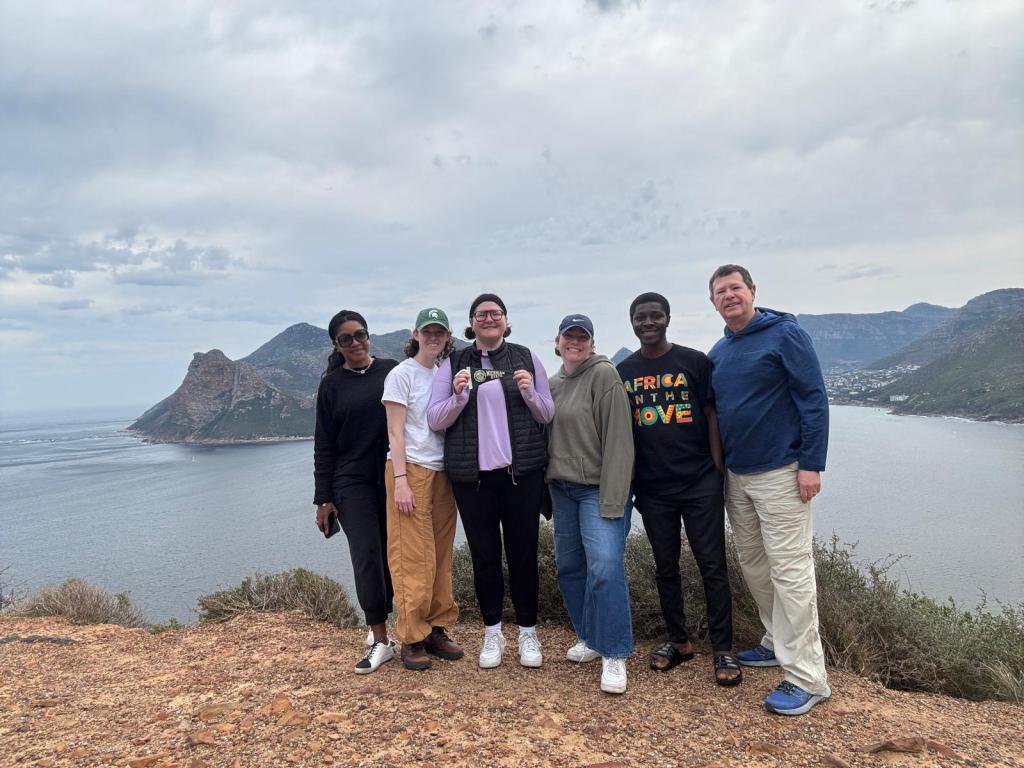
Our first stop was the Cape of Good Hope, and we worked our way back from there. Now, despite common collective memory from high school world history, the Cape of Good Hope is not actually the southernmost tip of Africa. It is the most South-Western point of the African Continent, but that doesn’t have quite the same ring to it. But the reason why it is so important is because of its role as the gateway to trade access by sea between the West and the East.
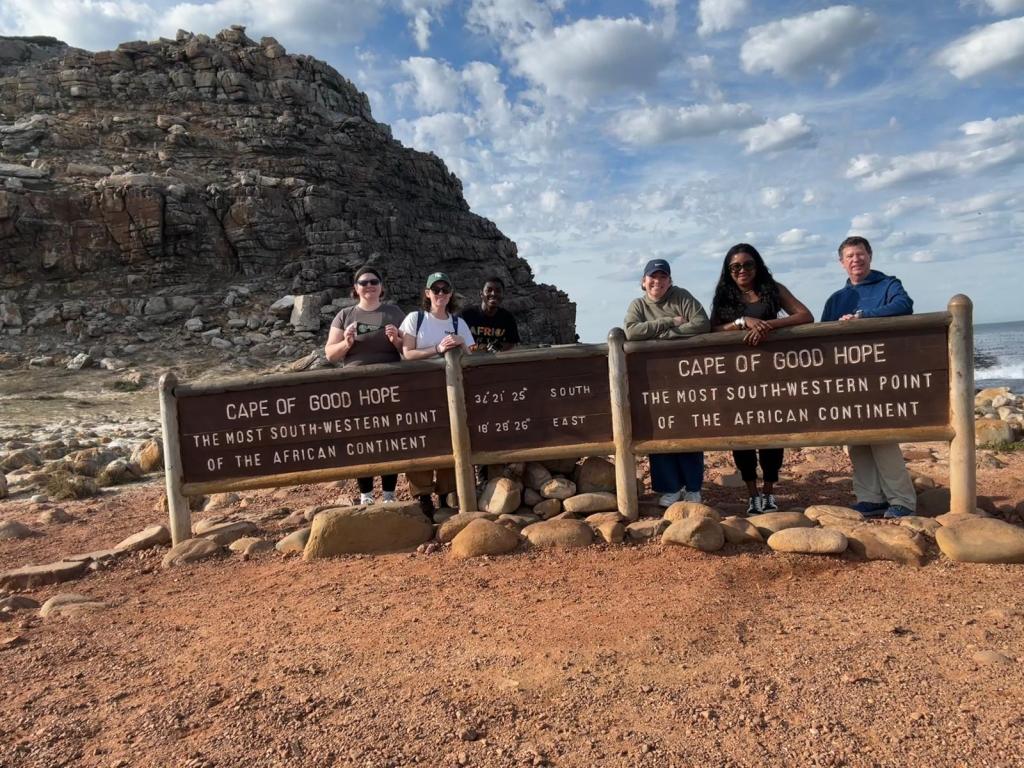


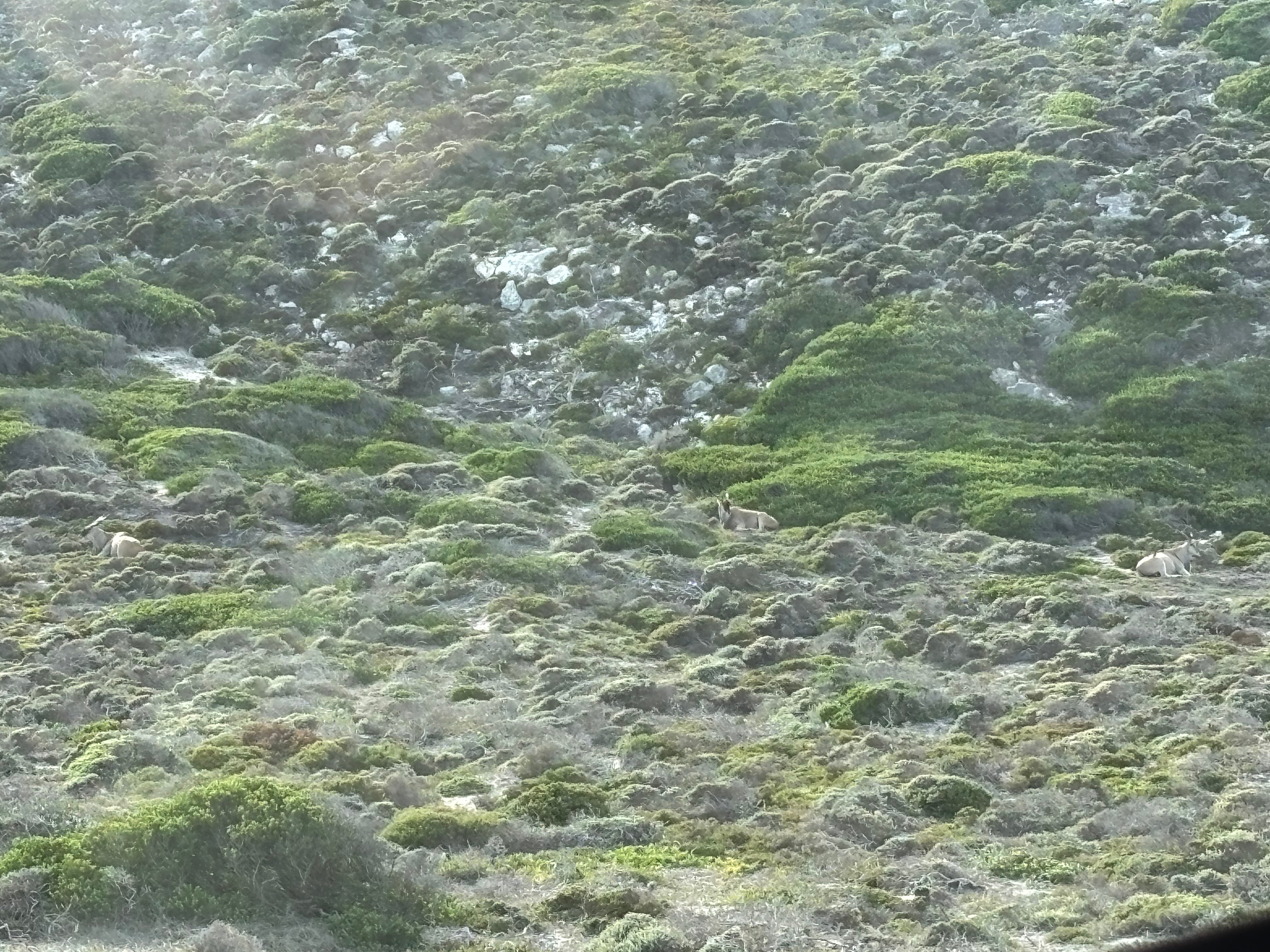
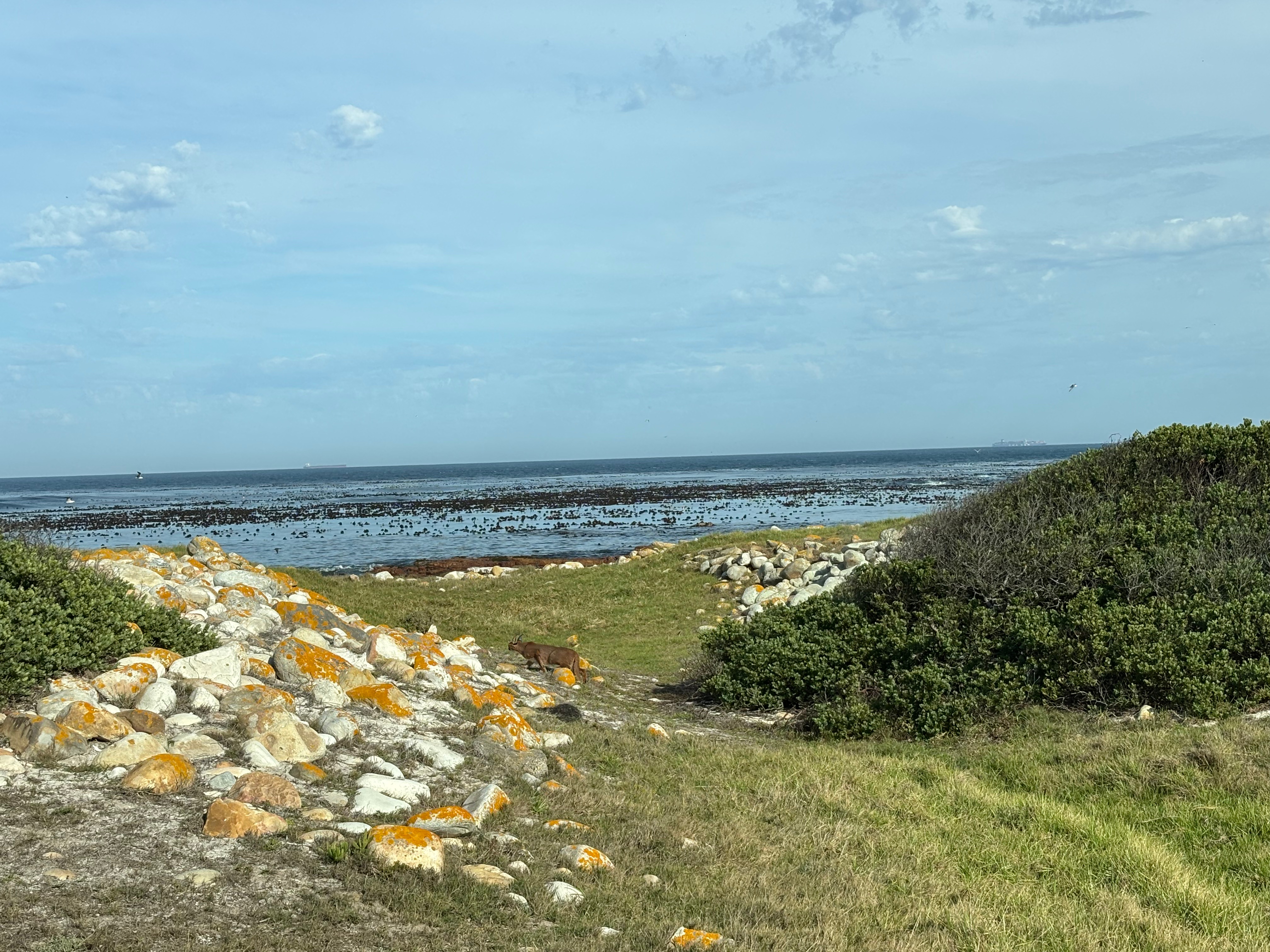
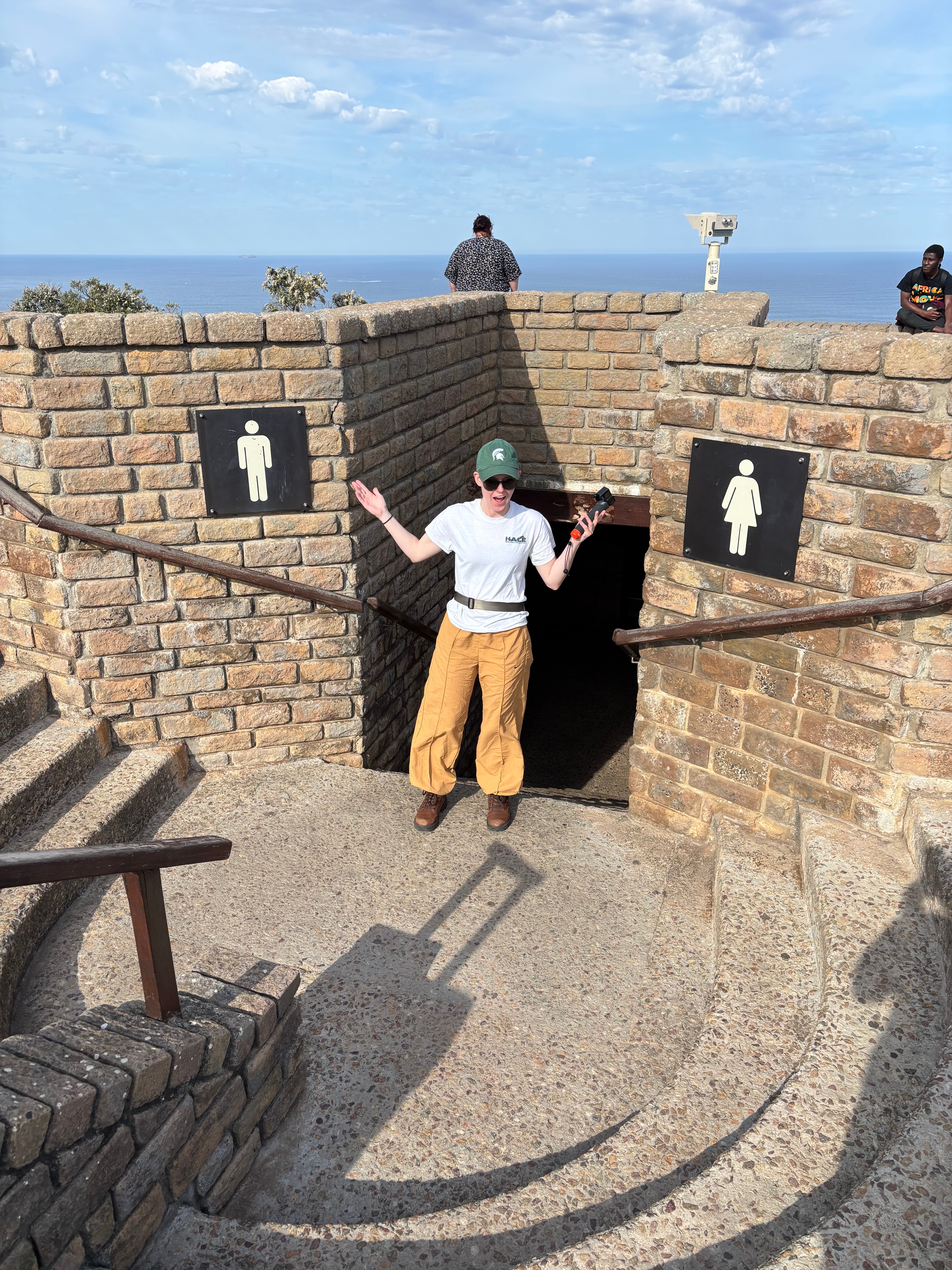
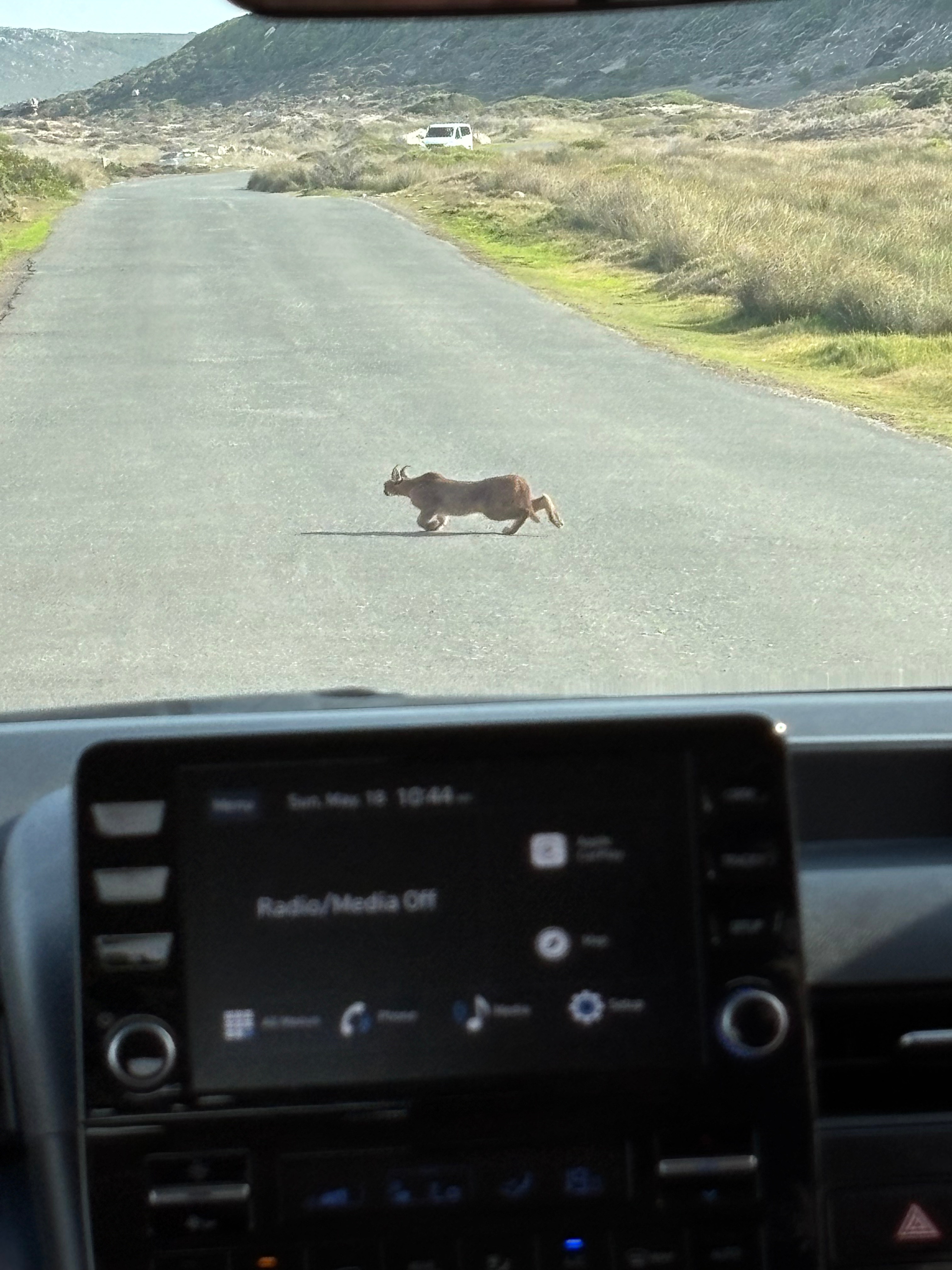

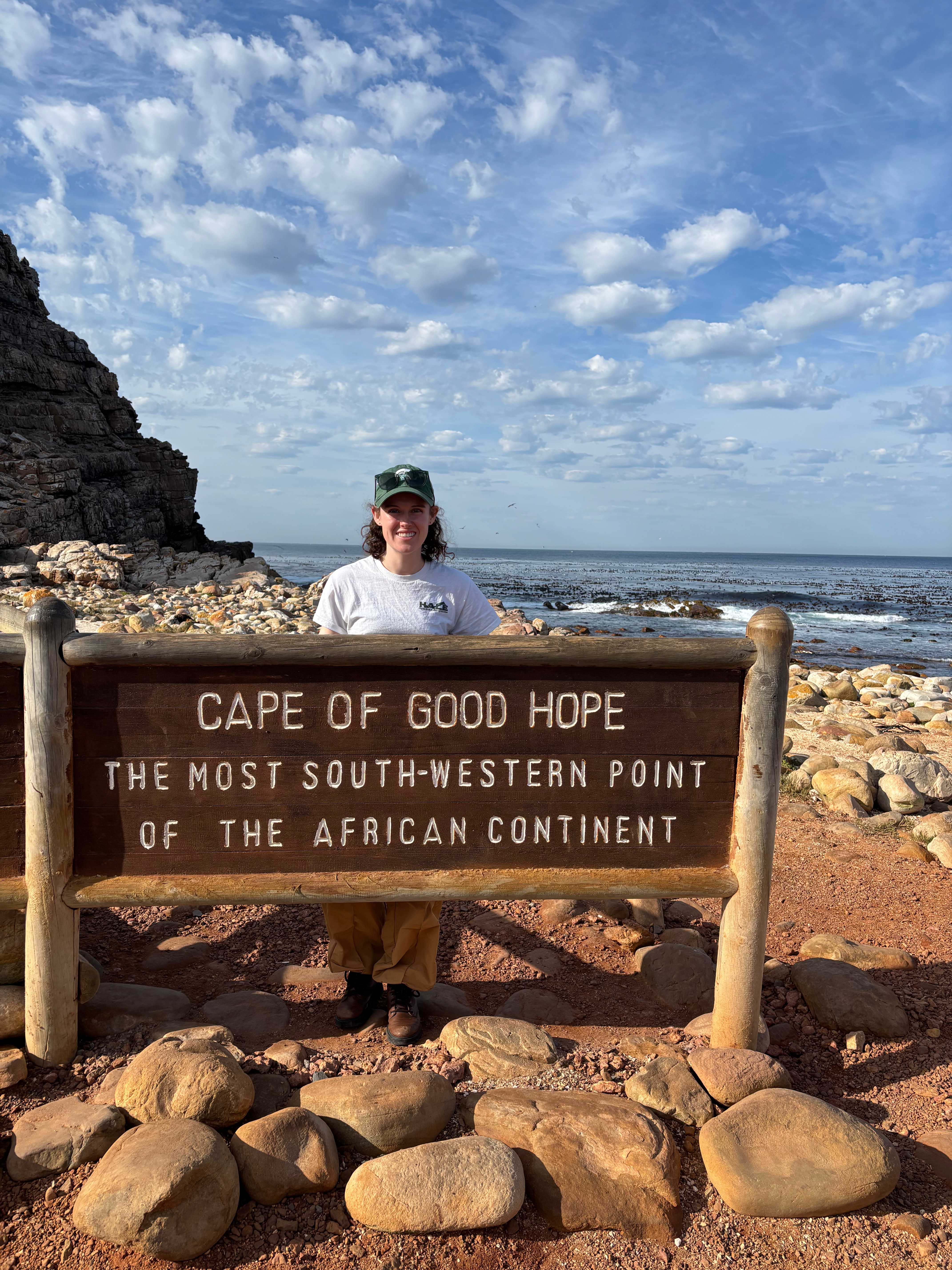
We took pictures with the sign first, just to make sure we got that out of the way before too many groups arrived and started photo bombing. Then, we wandered the beach for a bit before driving up to where we could catch the funicular. We took the funicular up the side of the mountain and then walked around at the top, all the way up to the lighthouse that sat perched atop the point. We got really great views of both directions of the ocean, and a few people even said they could see where the Indian and Atlantic Oceans met (although the official meeting place of the oceans is the actual most southern point of Africa, about two hundred miles southwest at Cape Agulhas).

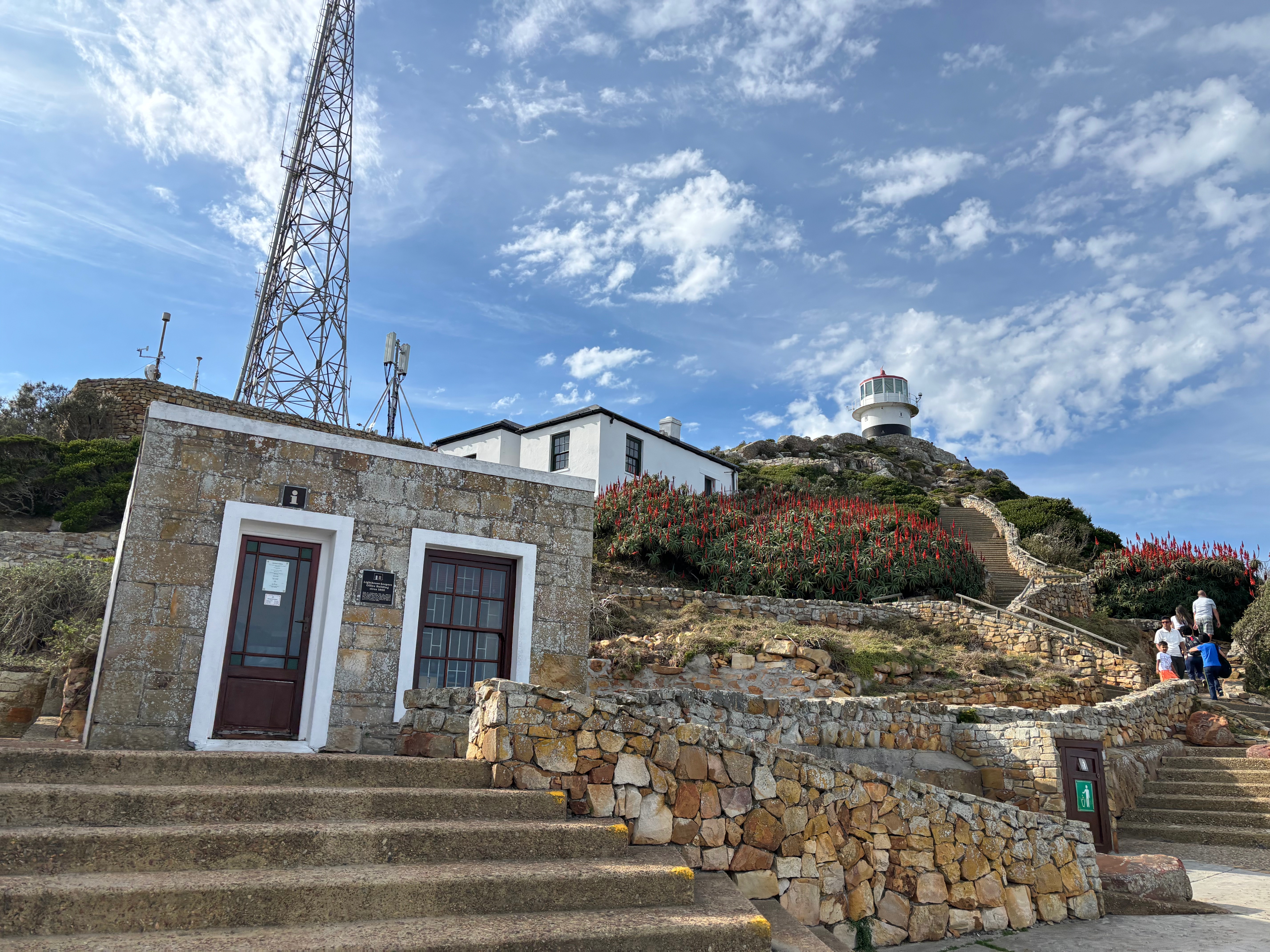

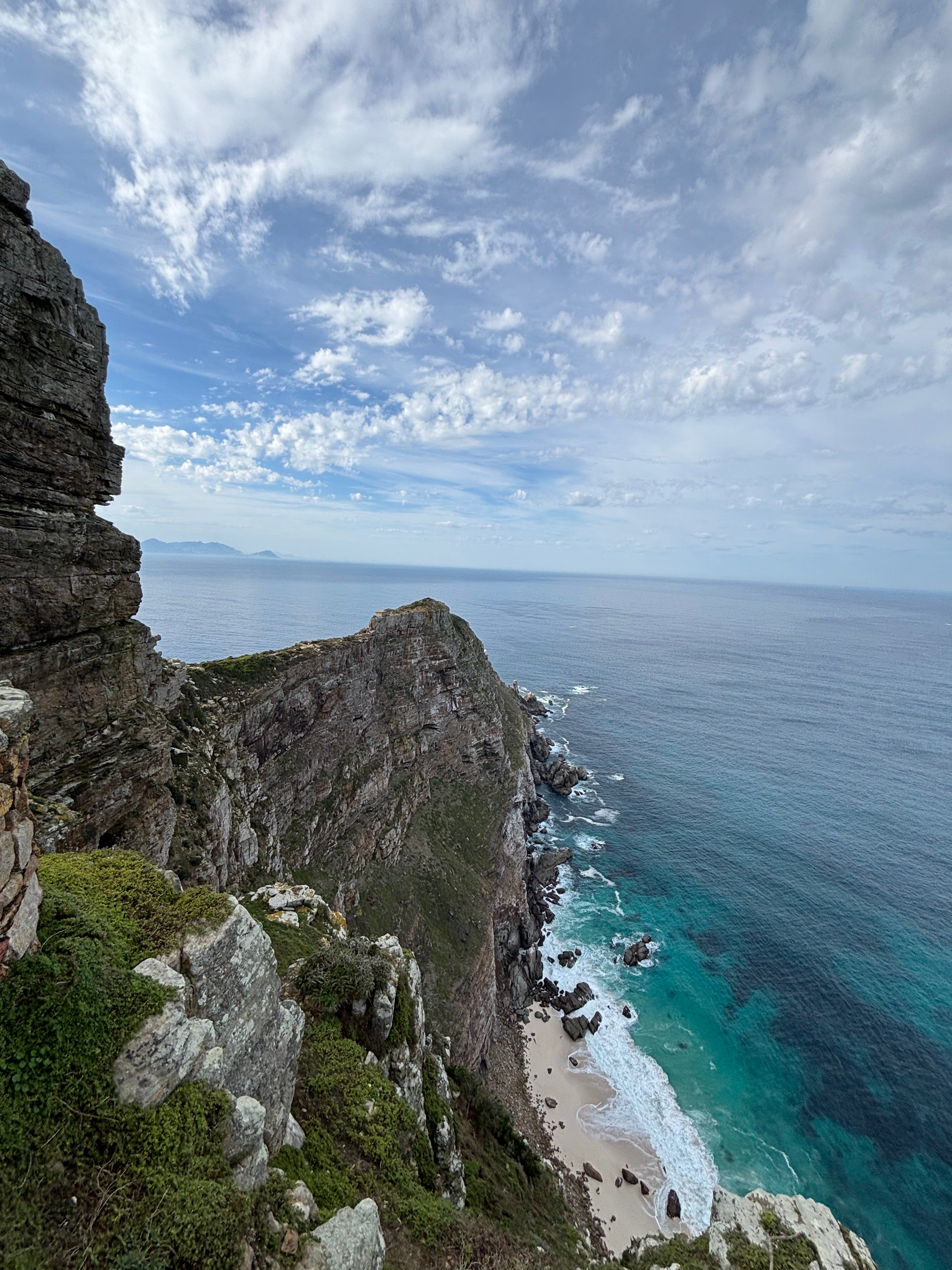

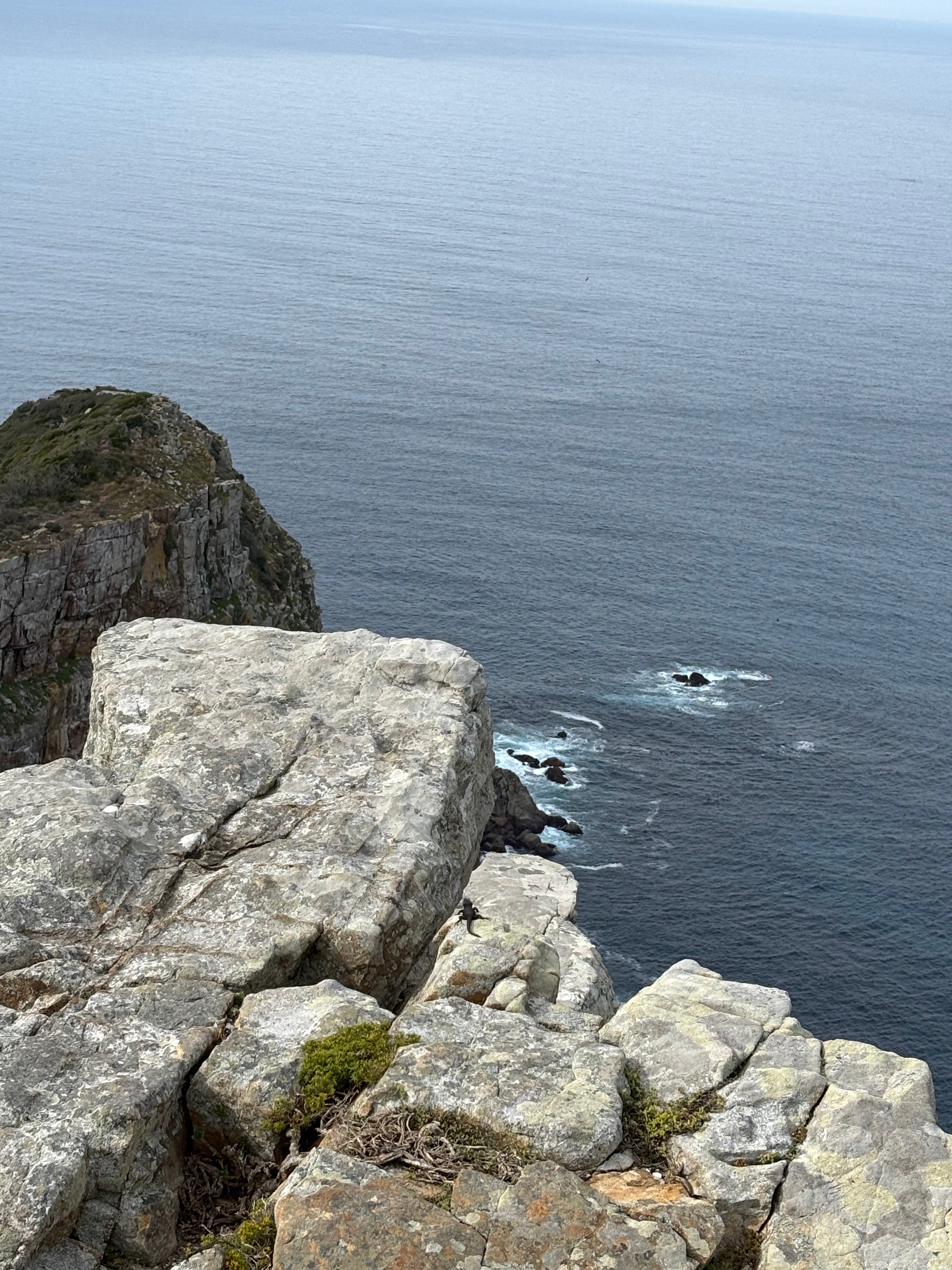
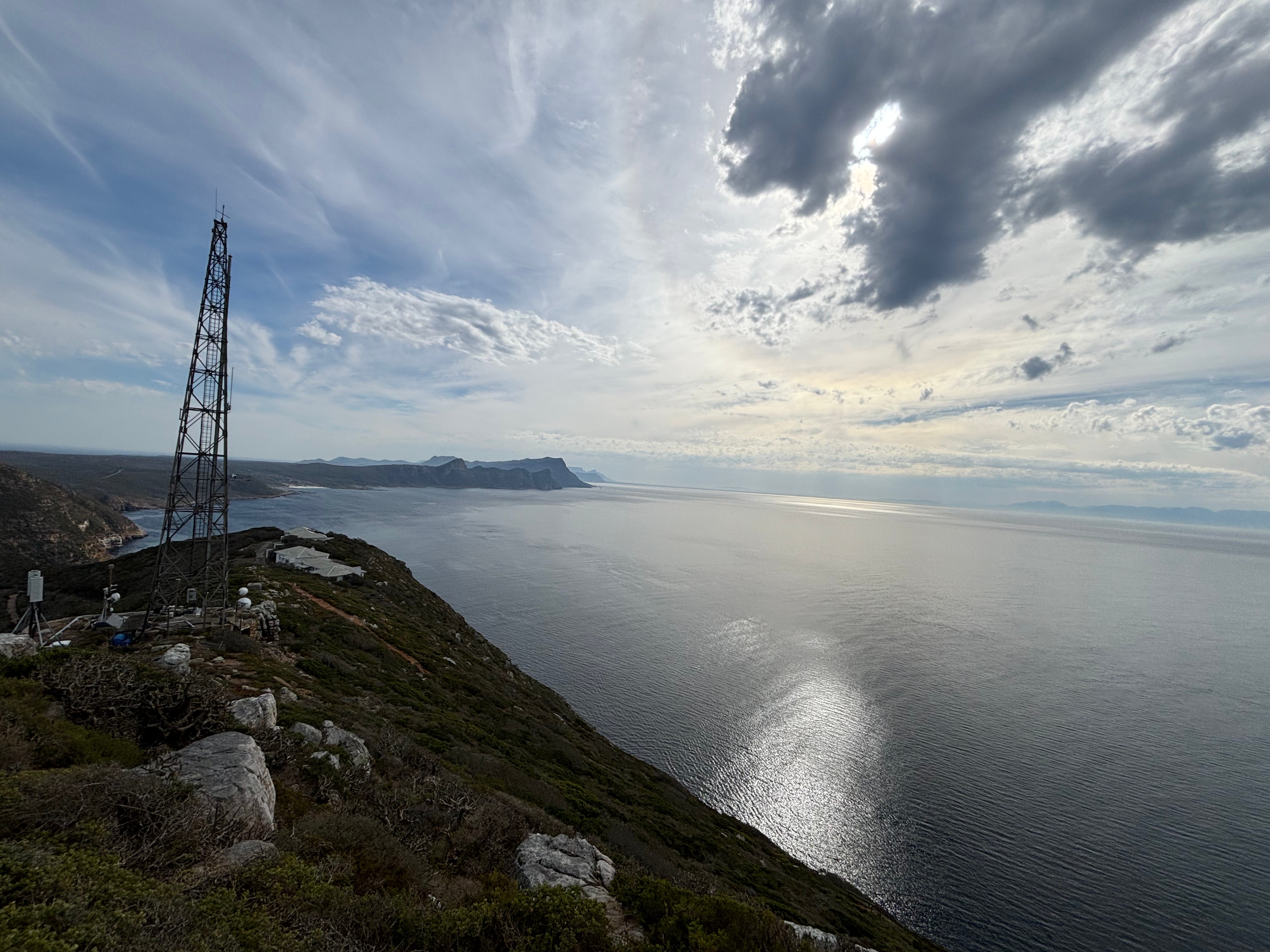


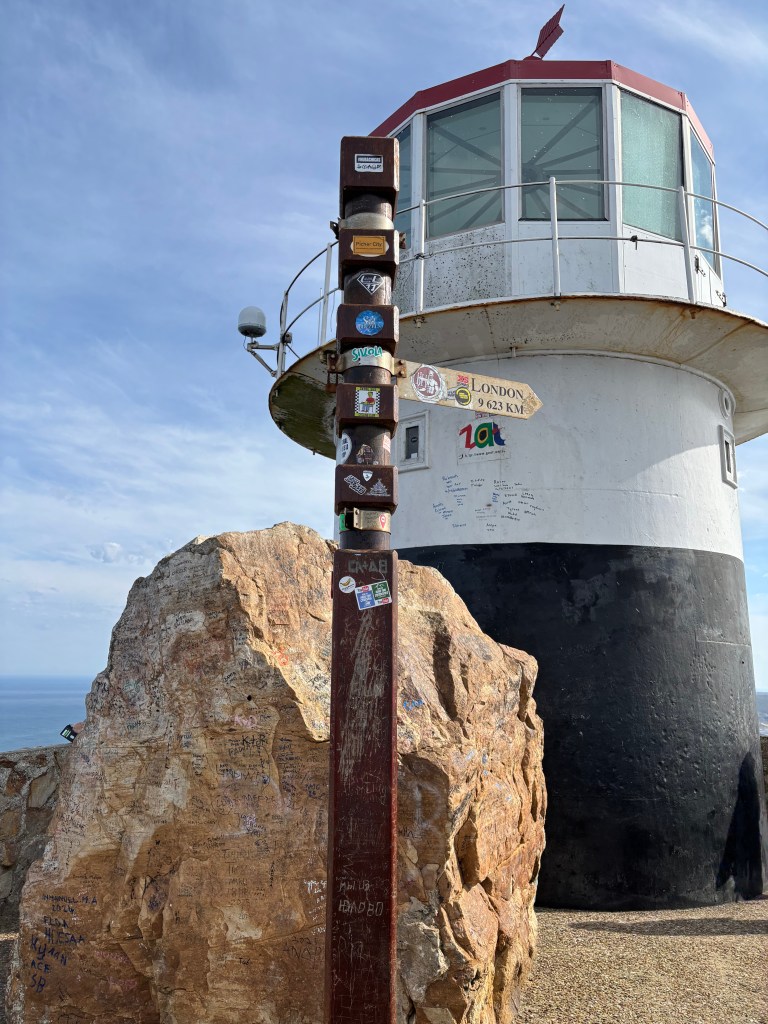
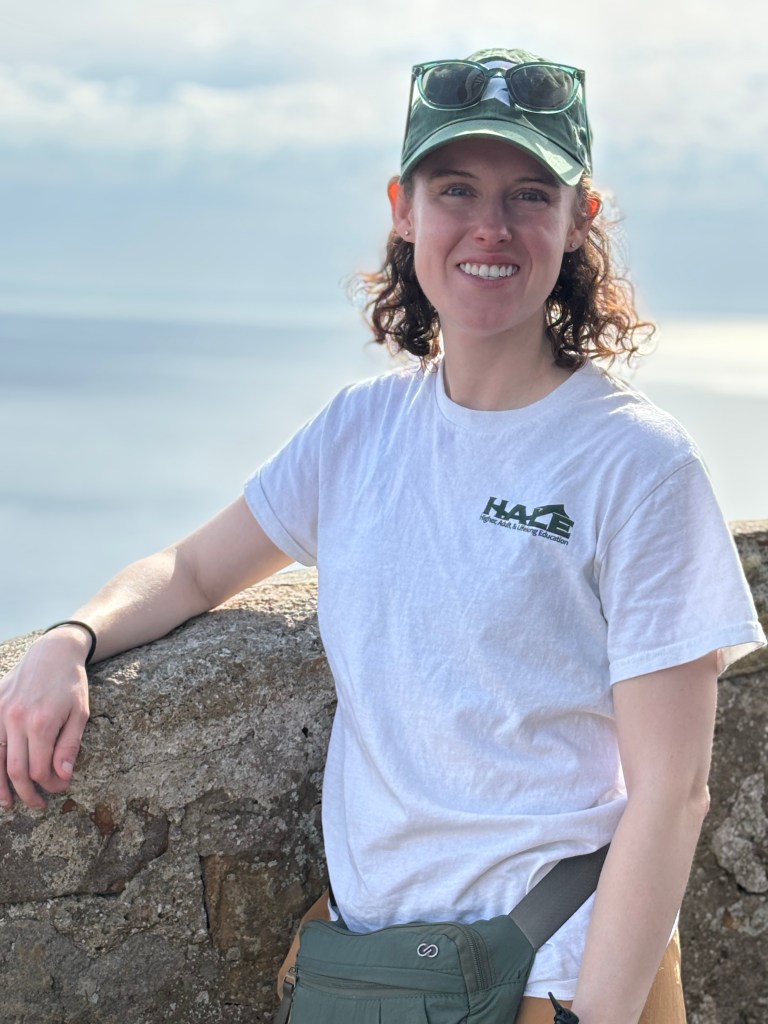
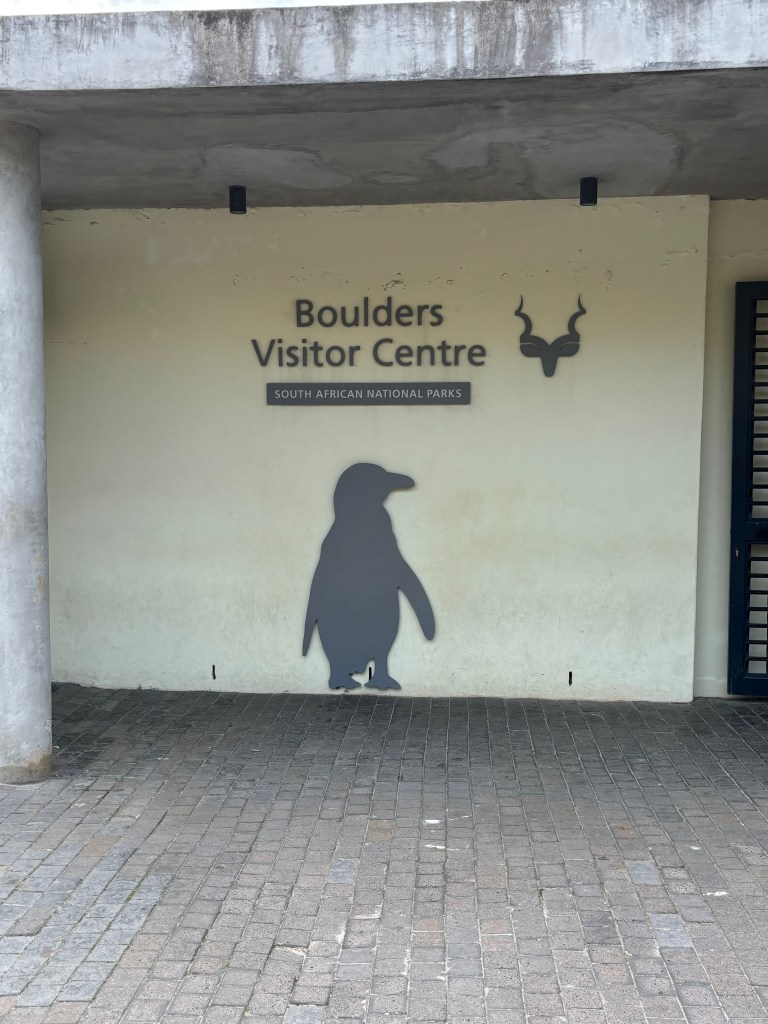
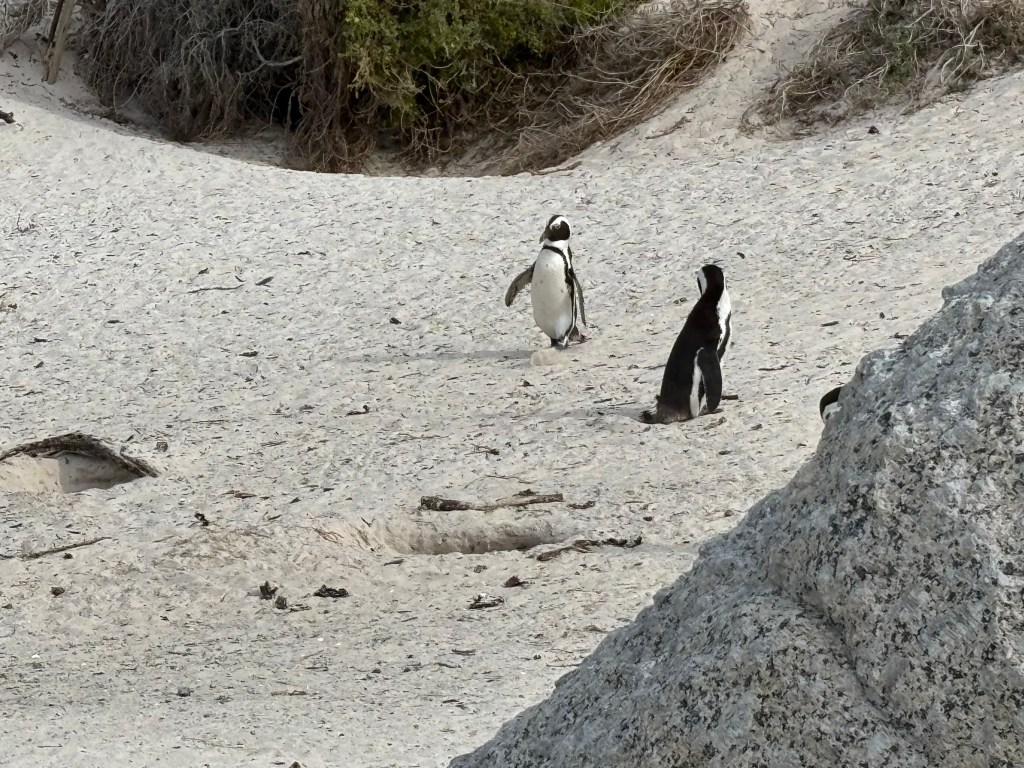
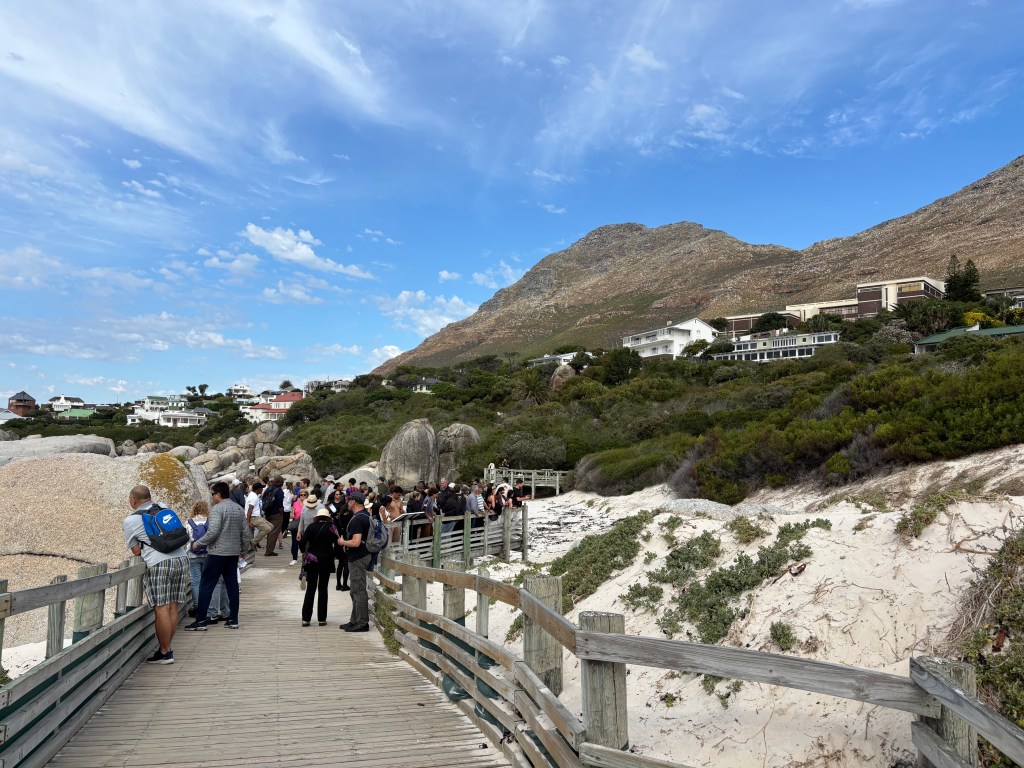
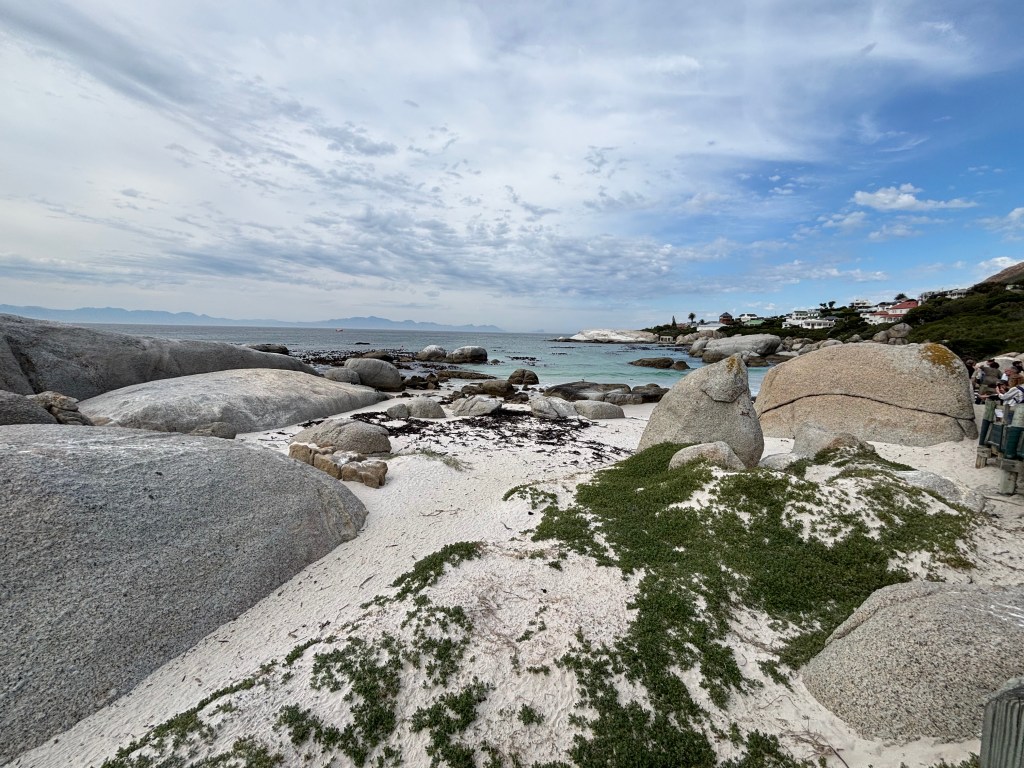
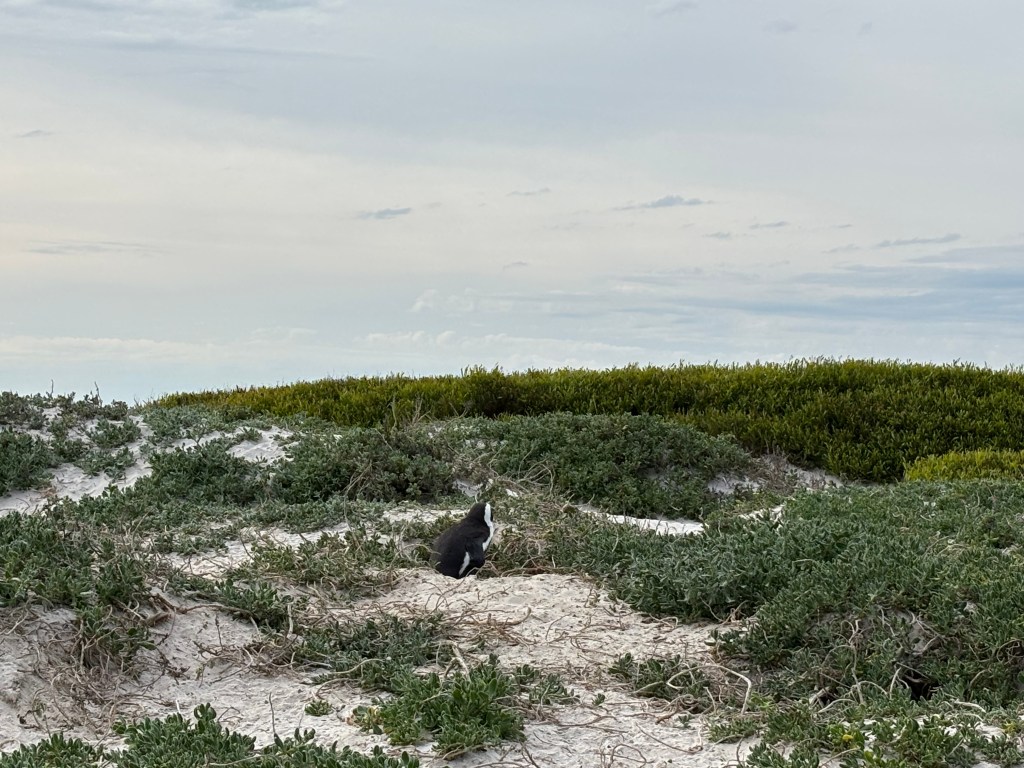
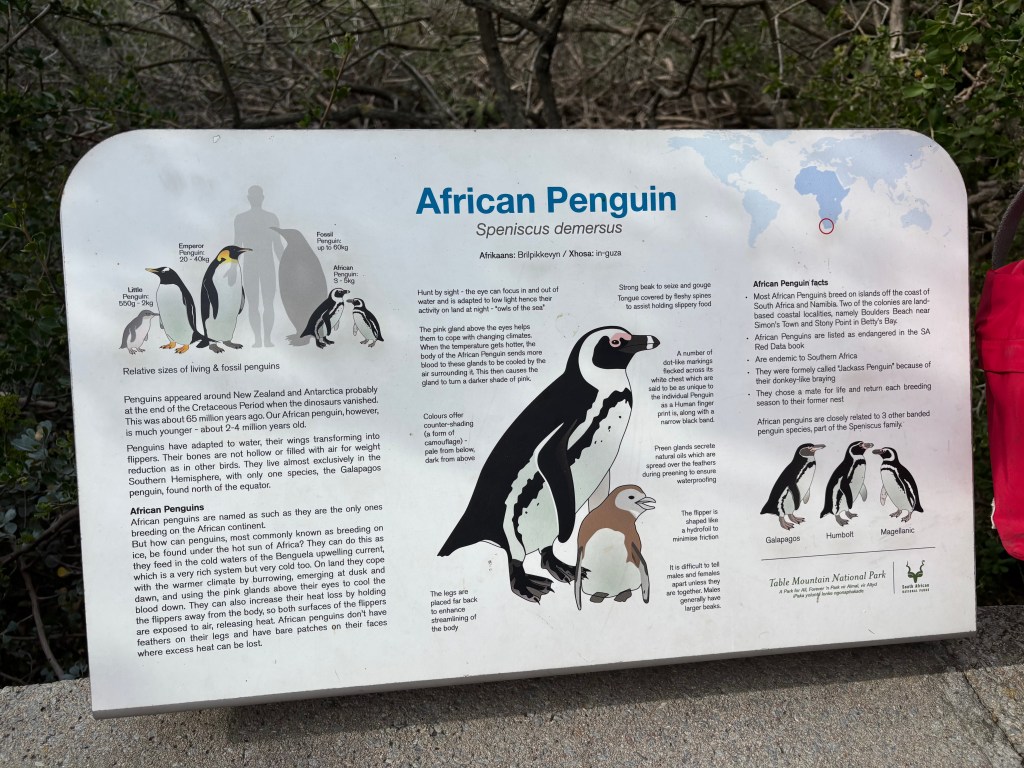
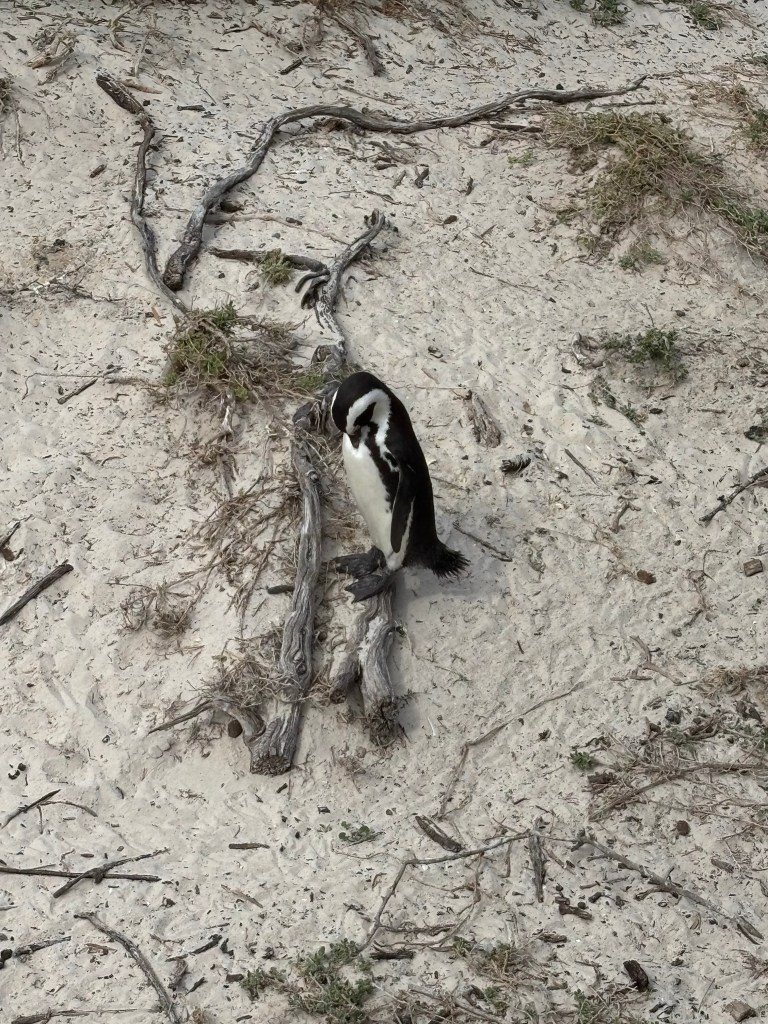
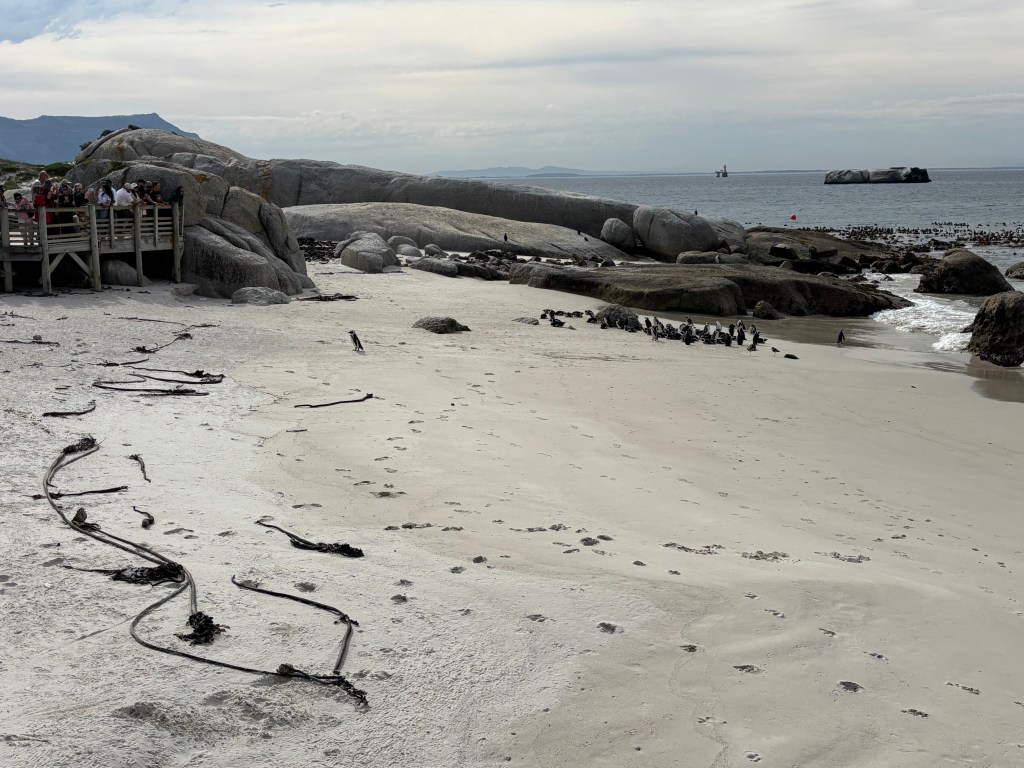
After that stop, we headed to Boulders Beach, where the penguin colony was. The penguins we saw were African penguins, on the smaller end, and the only ones that breed on the continent of Africa. Their nickname is the Jackass Penguin, thanks to the donkey-like noise they make.
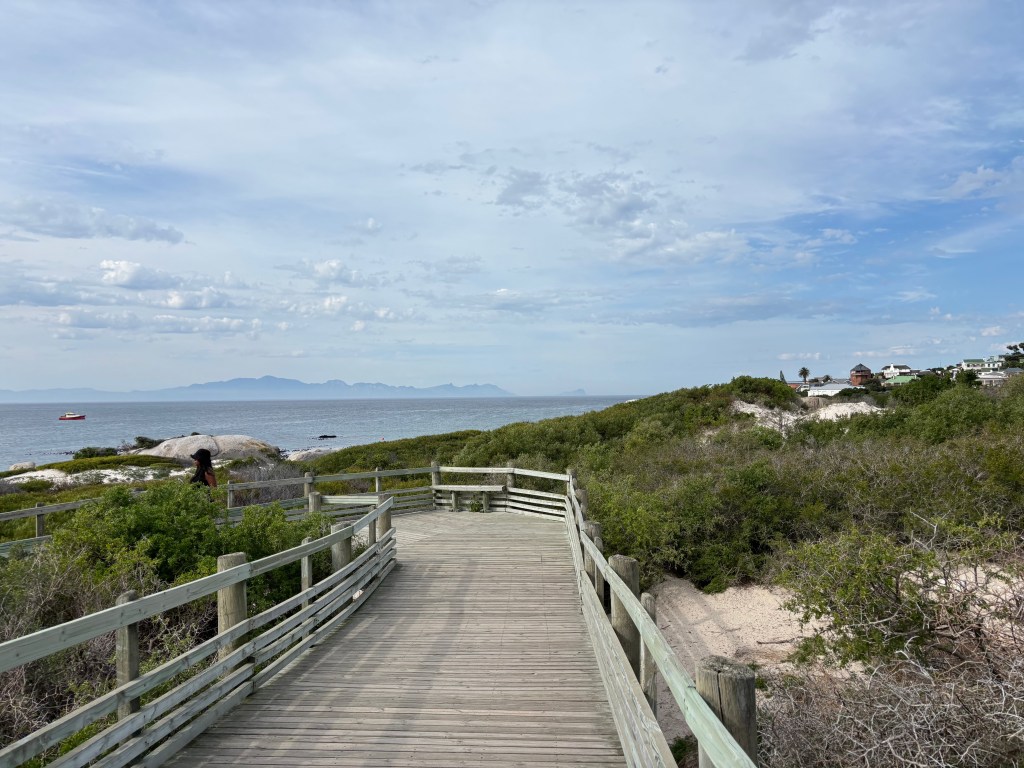
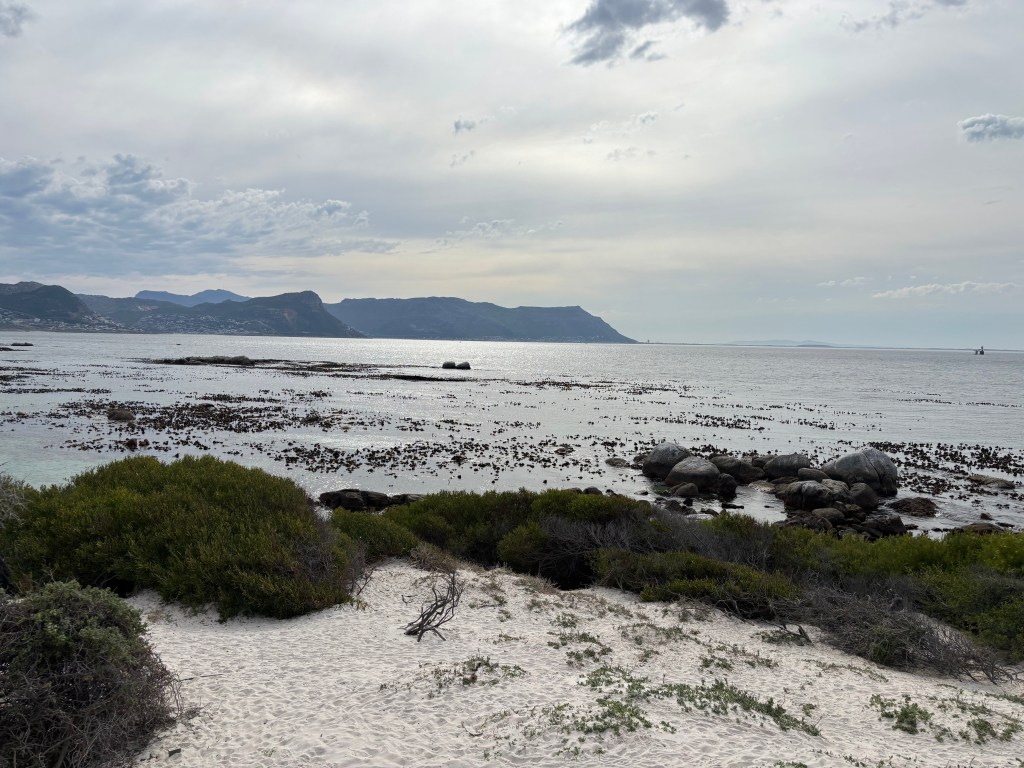
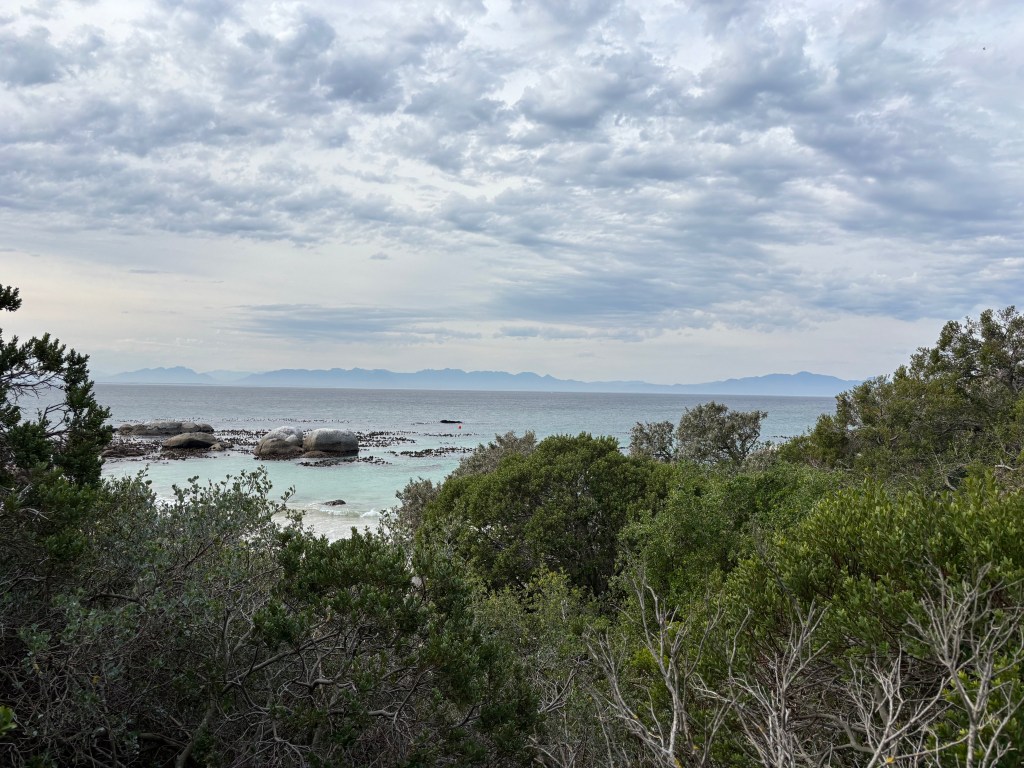
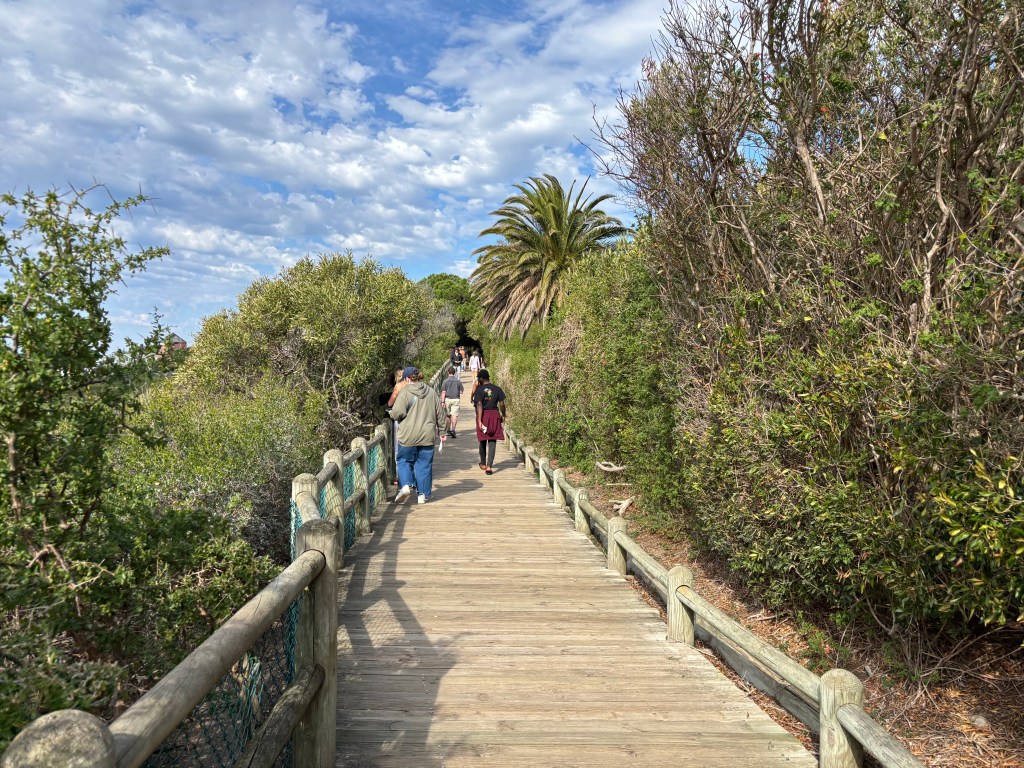
We walked along a boardwalk until we came to the official entrance, passing penguins and nests in the sand beneath us on the way. We spent about an hour wandering various boardwalks set up above the sandy beaches, where below the penguins (with their teenage chicks) hopped along, burrowed themselves in nests, swam, and just generally looked adorable. We also caught another monkey sighting as in the town above, we watched a drama unfold between a baboon and a townswoman’s open window.
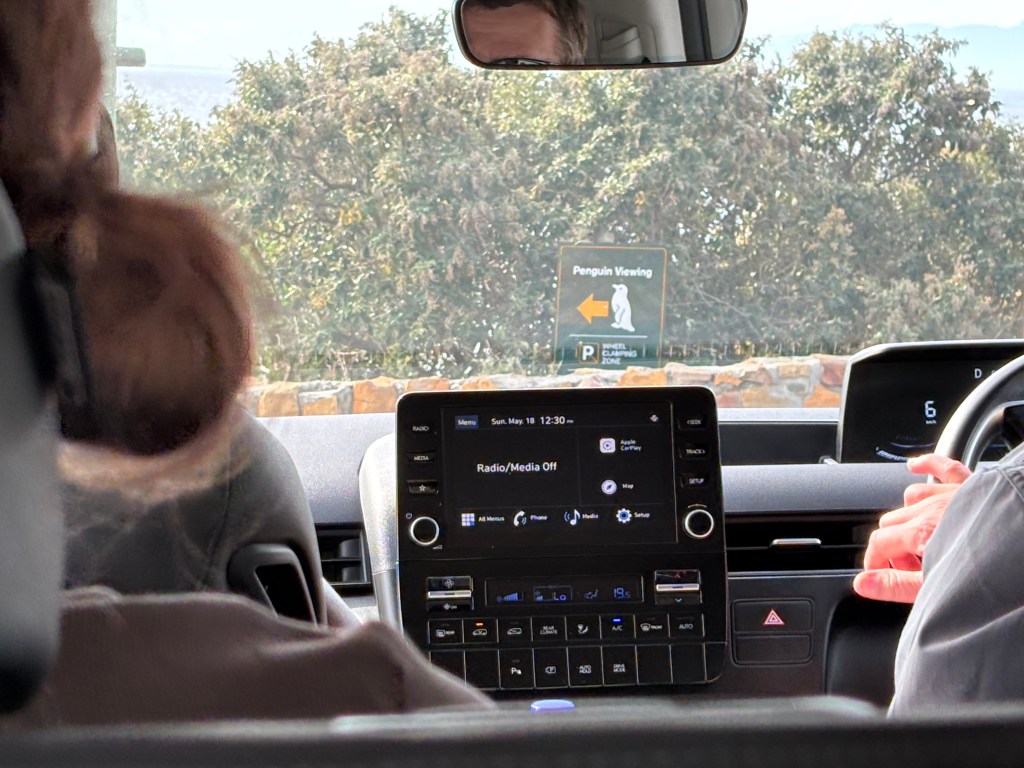
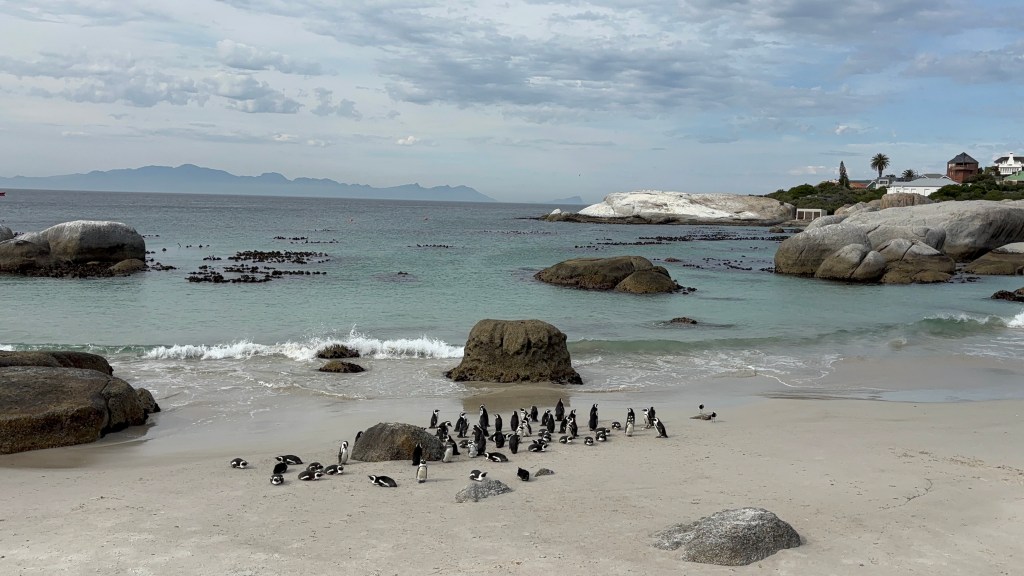
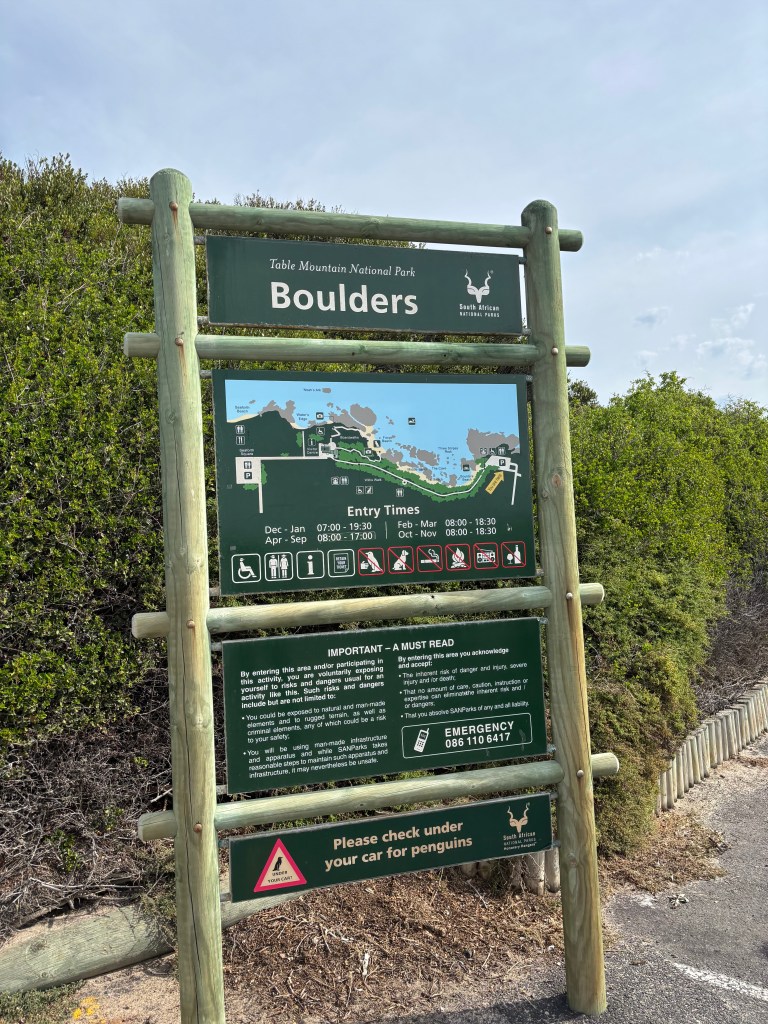
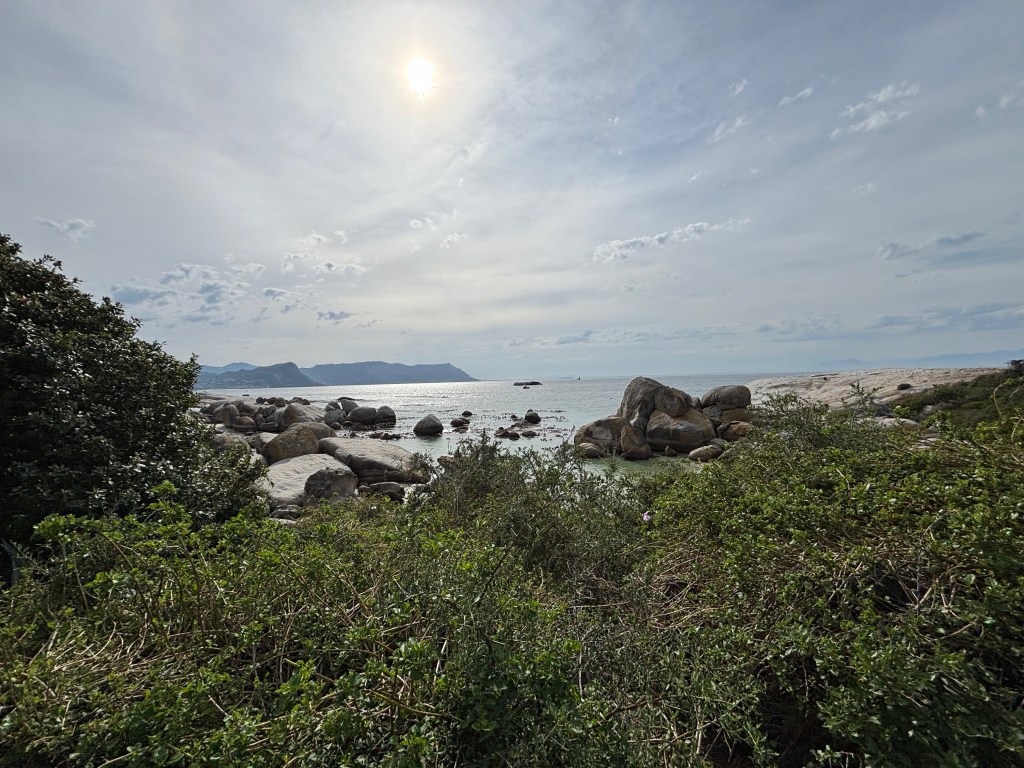
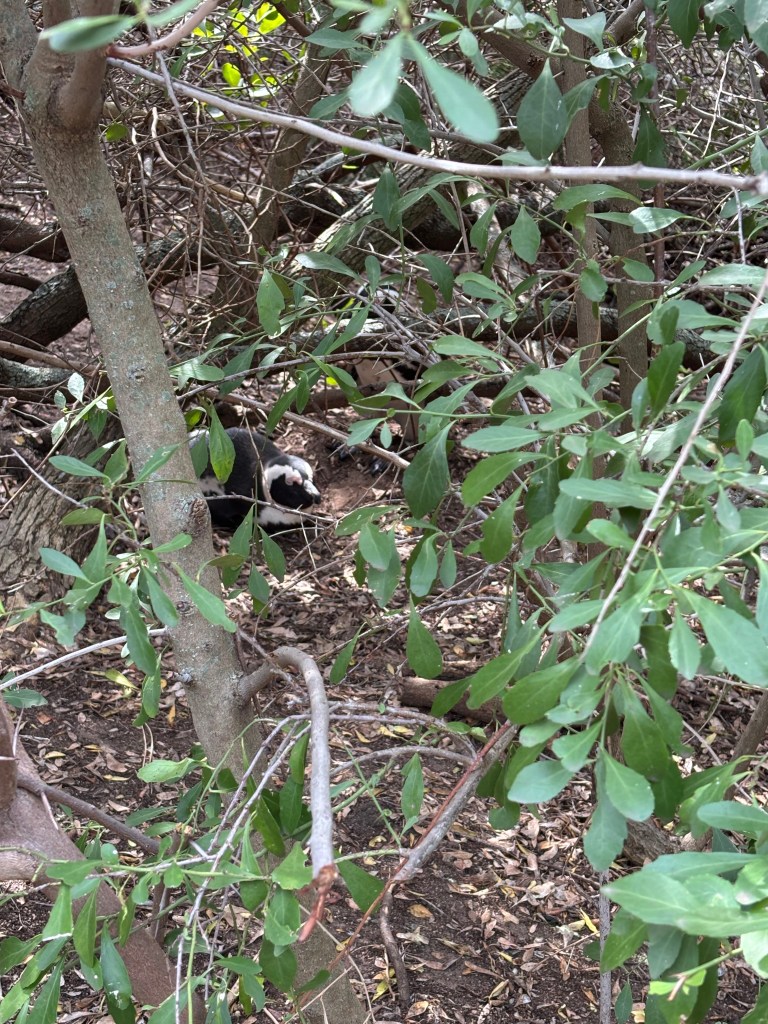
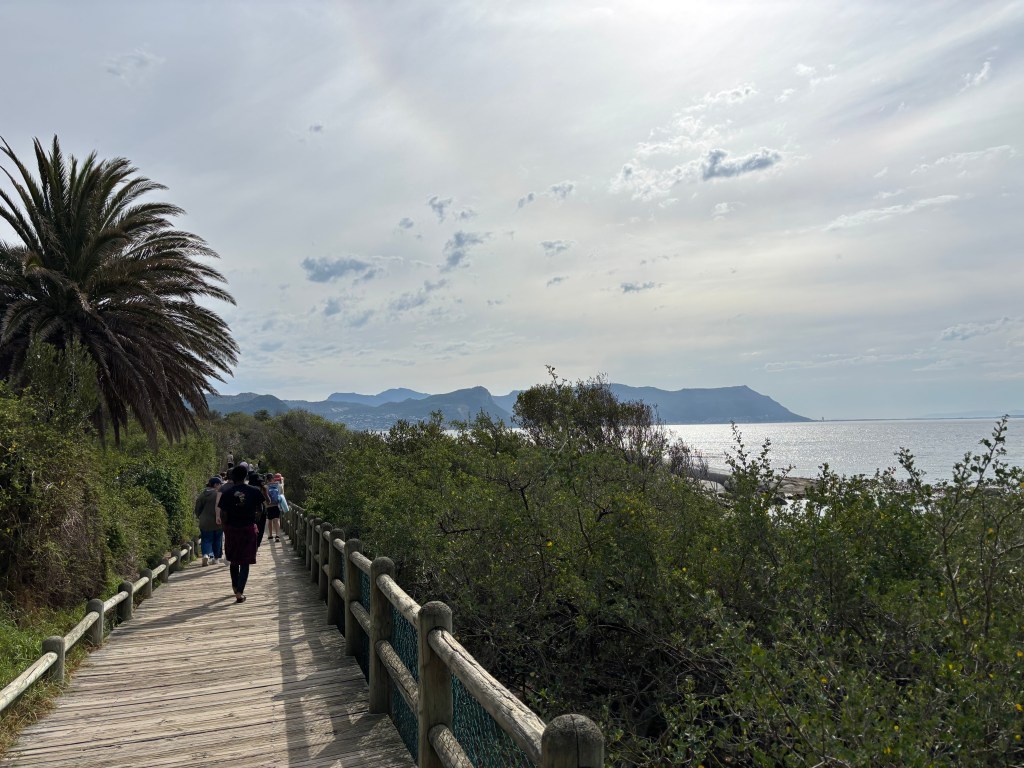
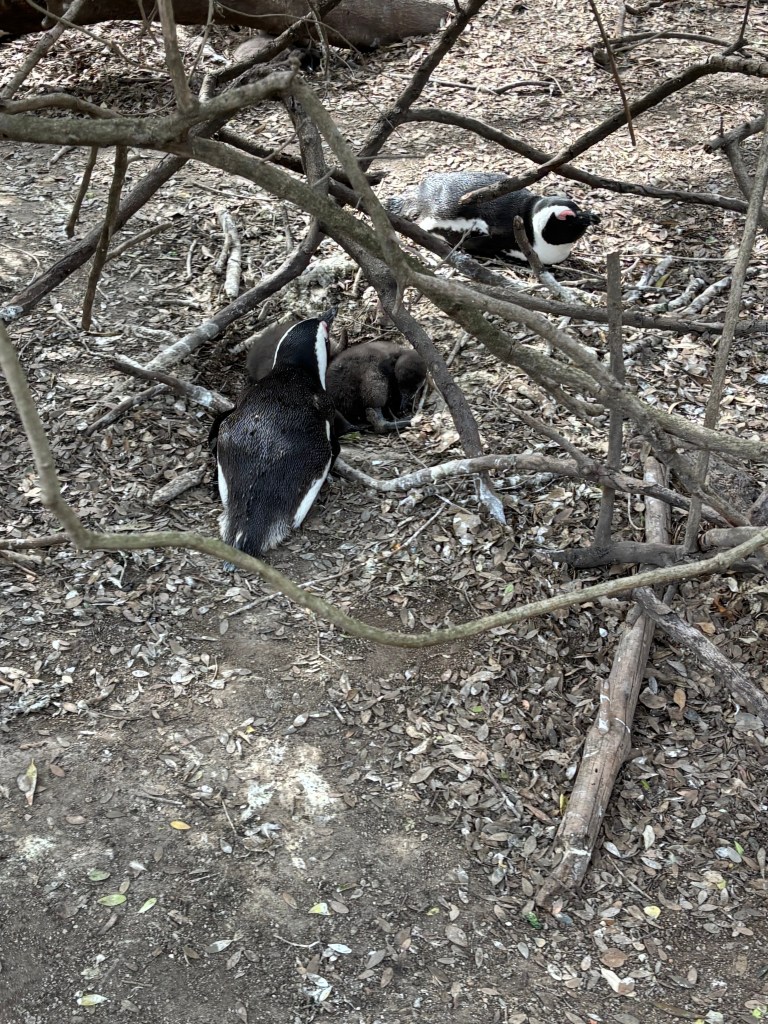
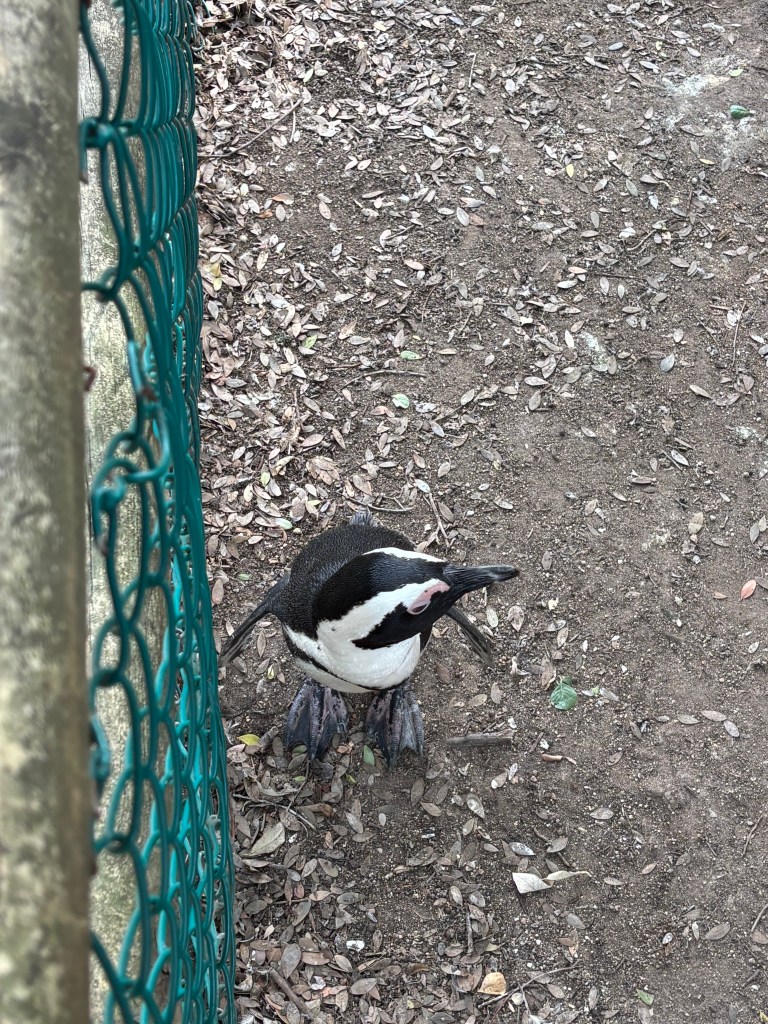

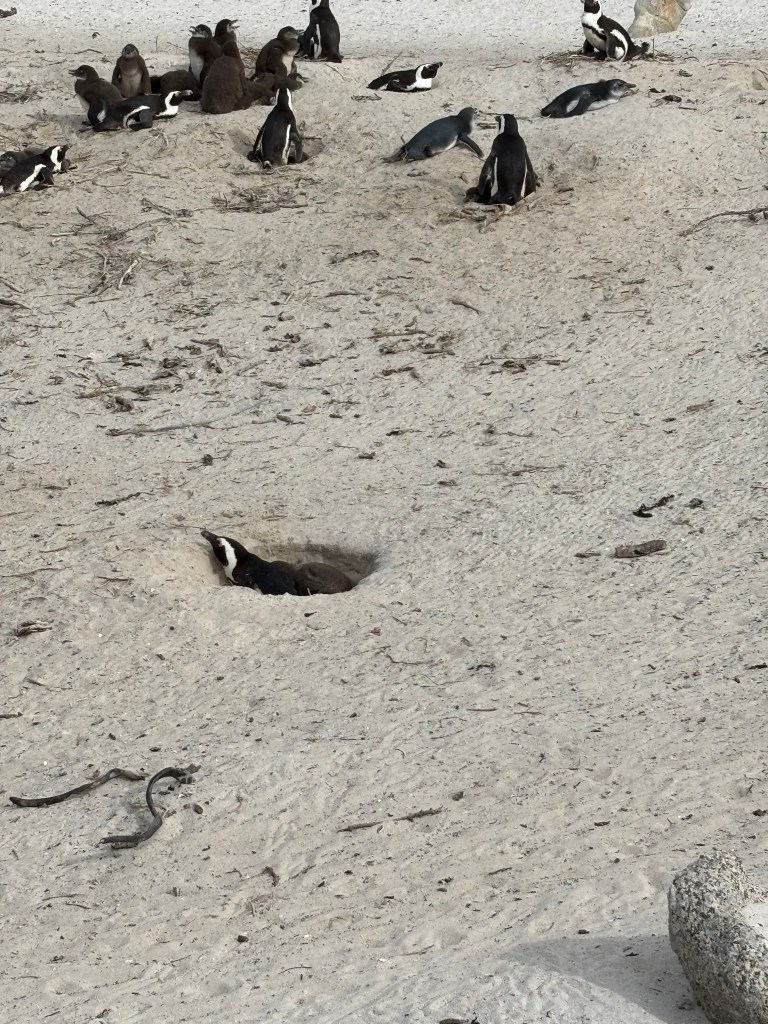
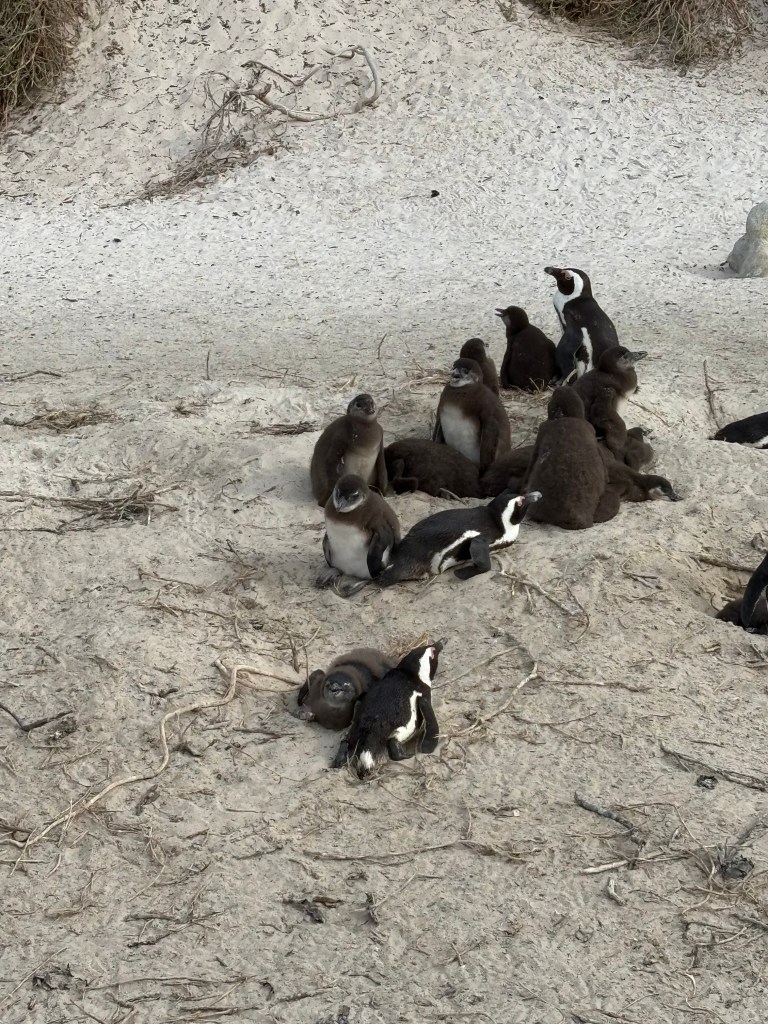
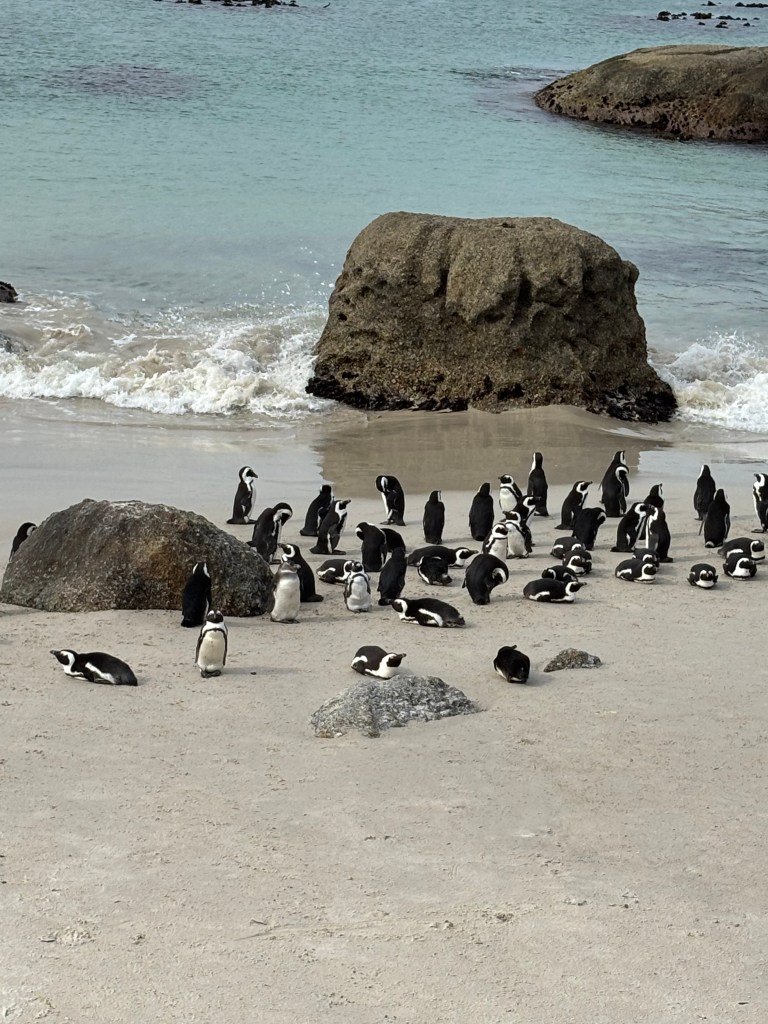

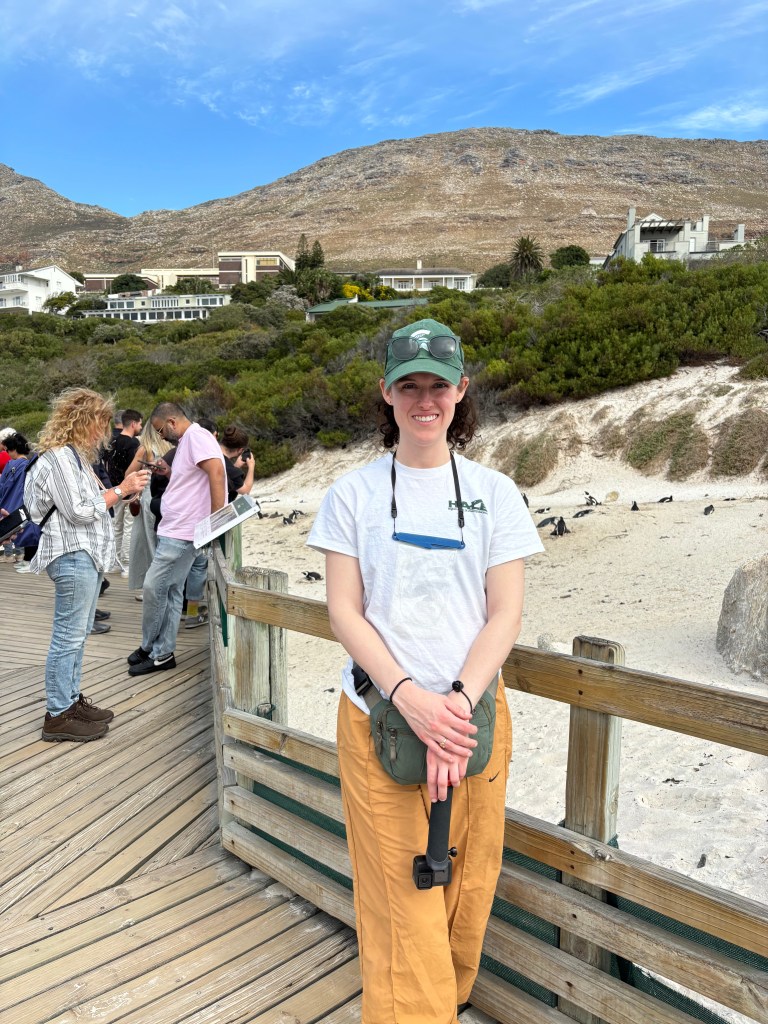




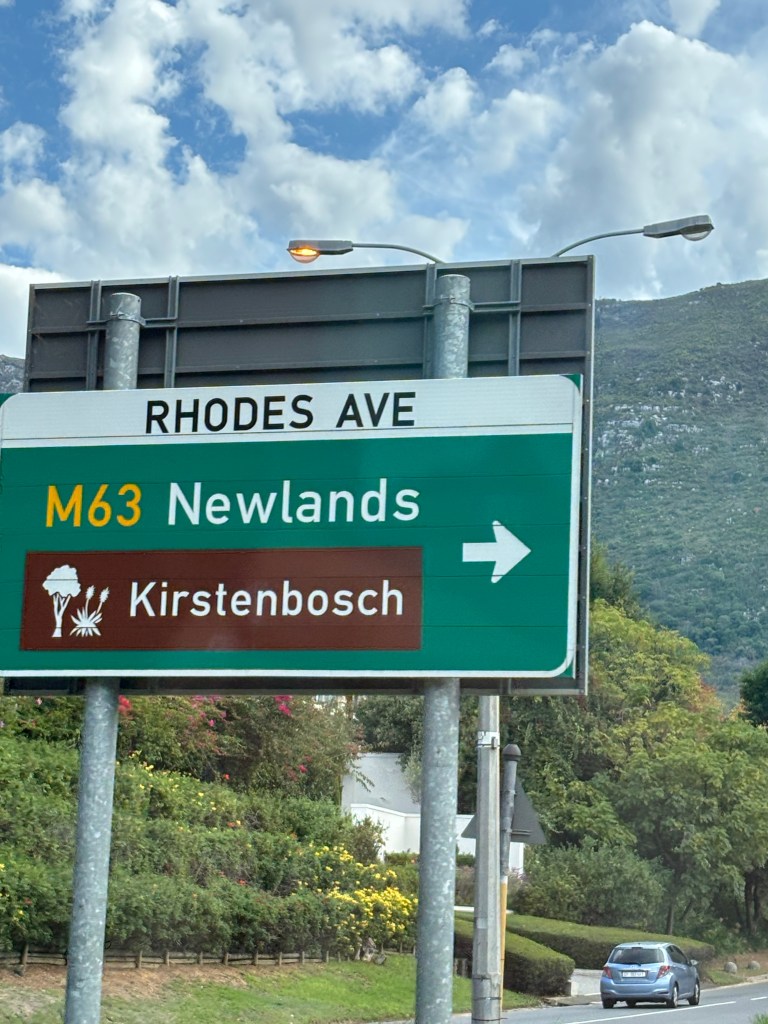
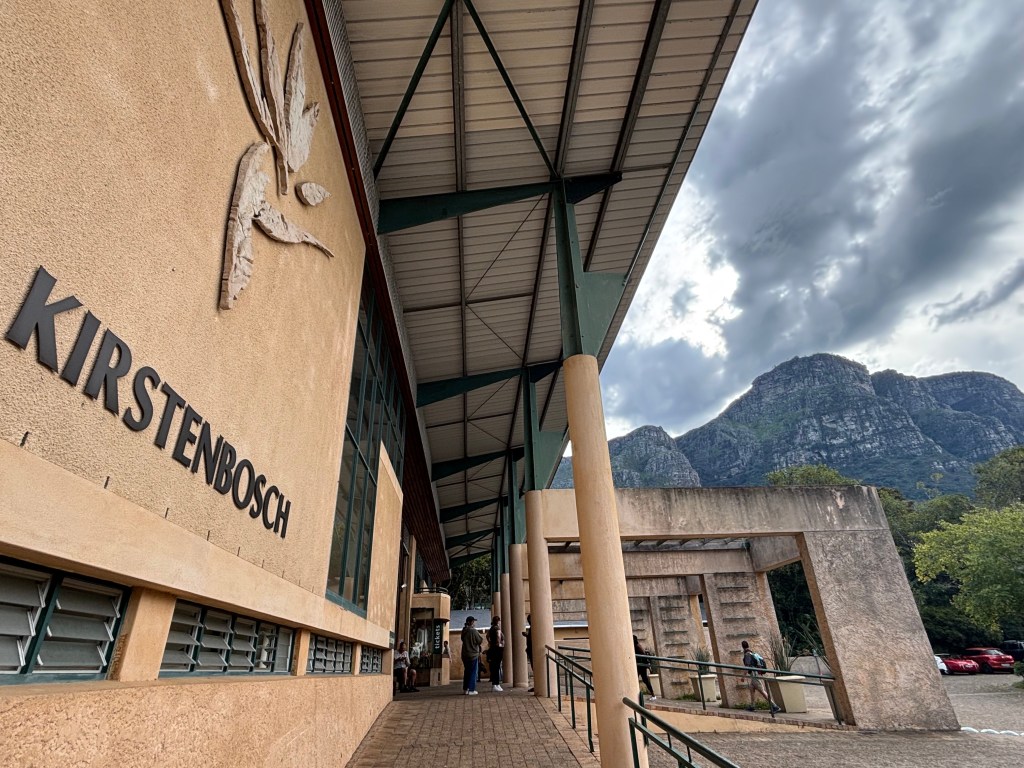
When we were done seeing the penguins (though really, you can never have enough time seeing the penguins), we decided to book it back to Cape Town to get lunch at Kirstenbosch, the local botanical gardens.
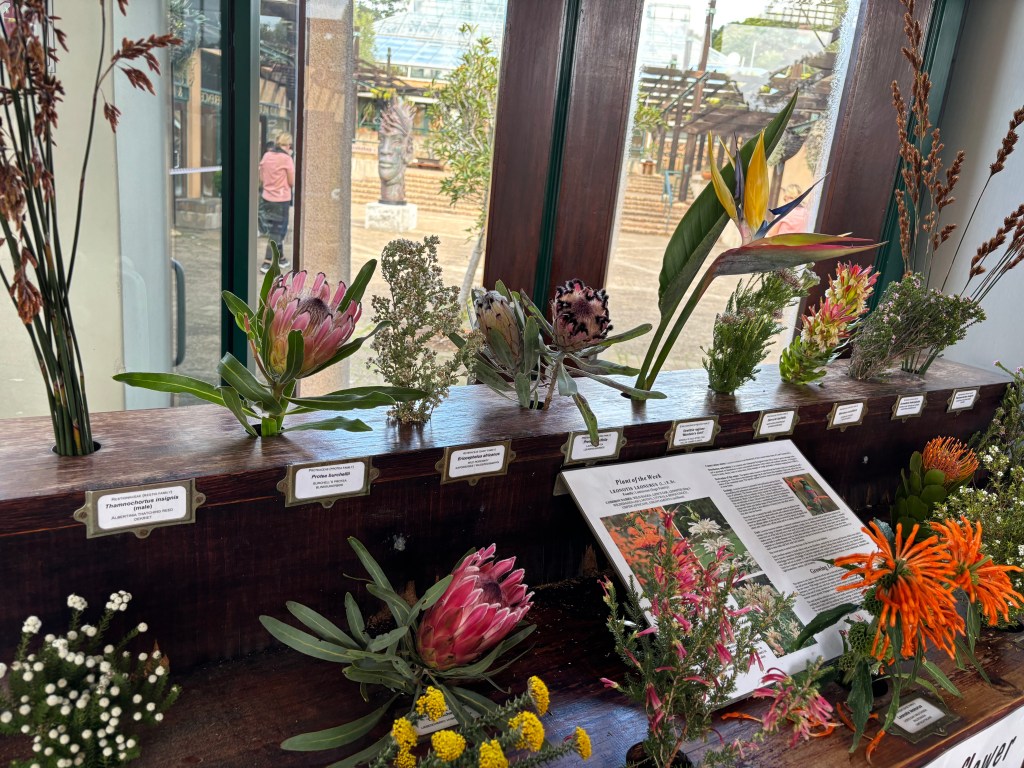
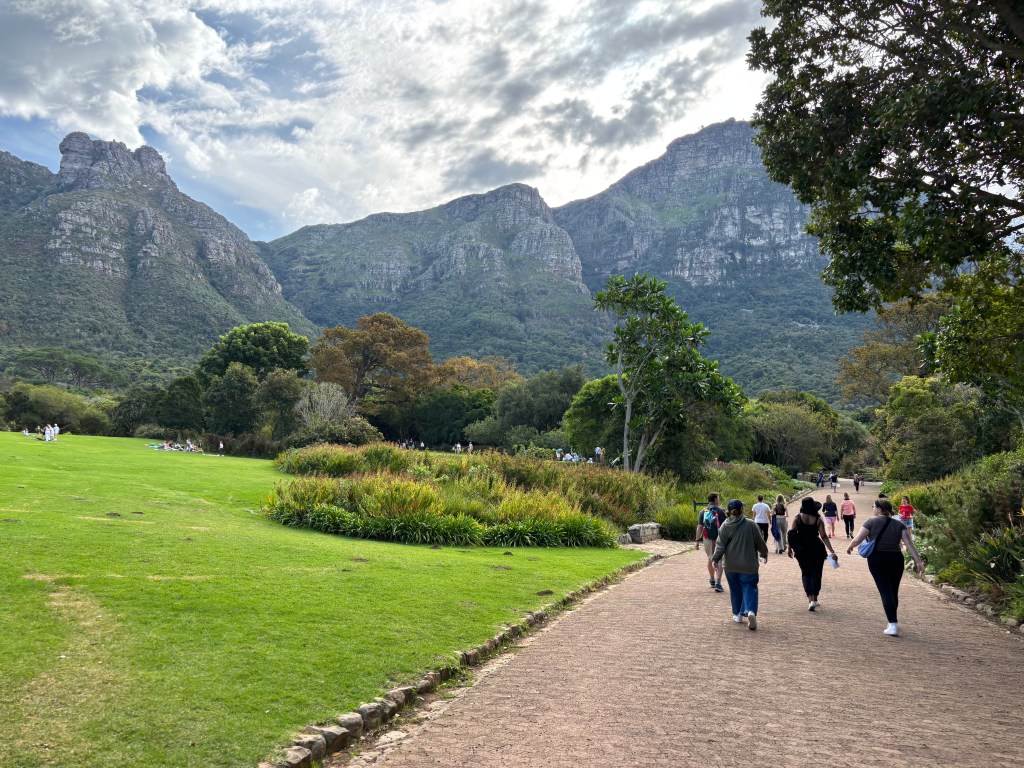
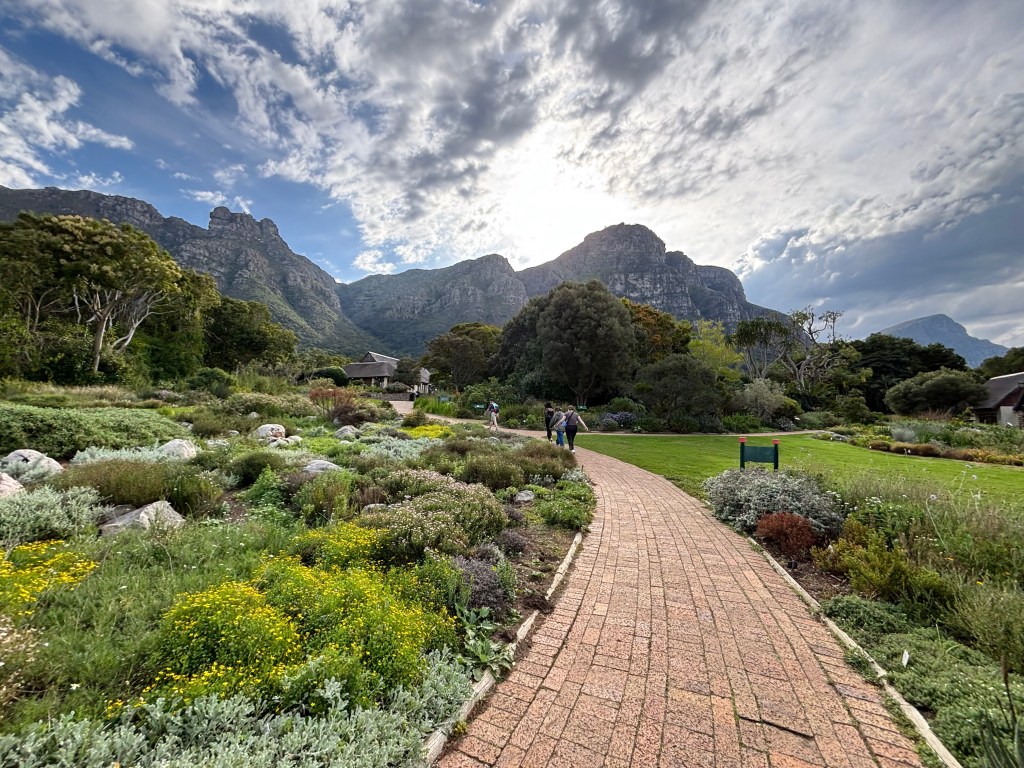
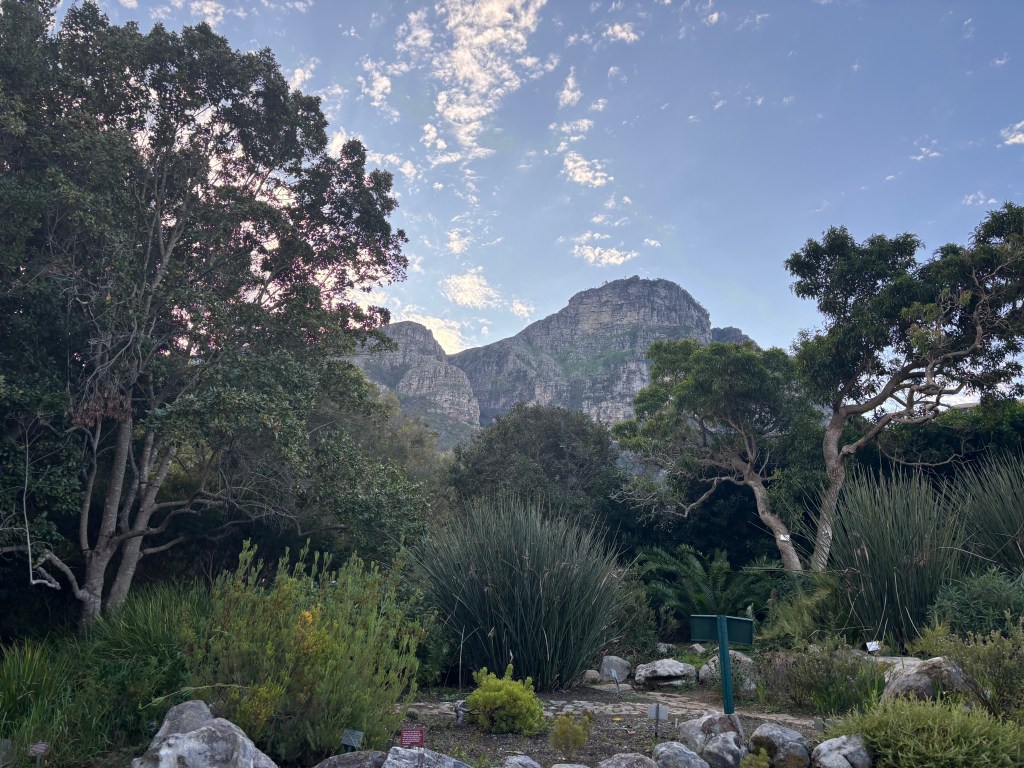
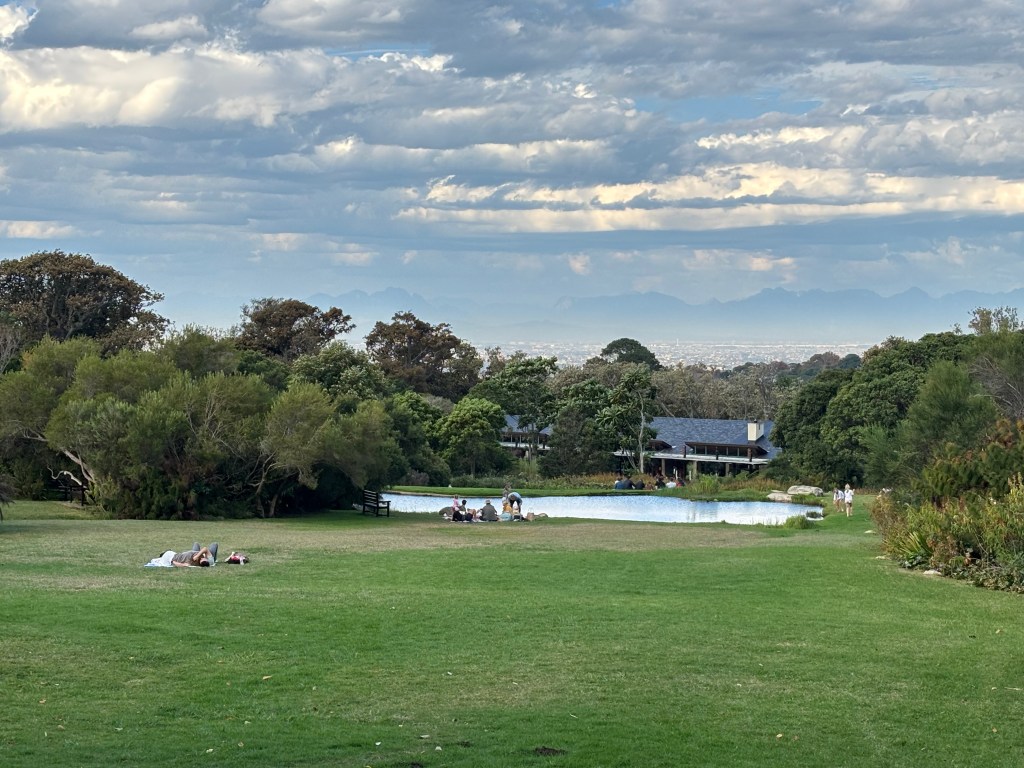
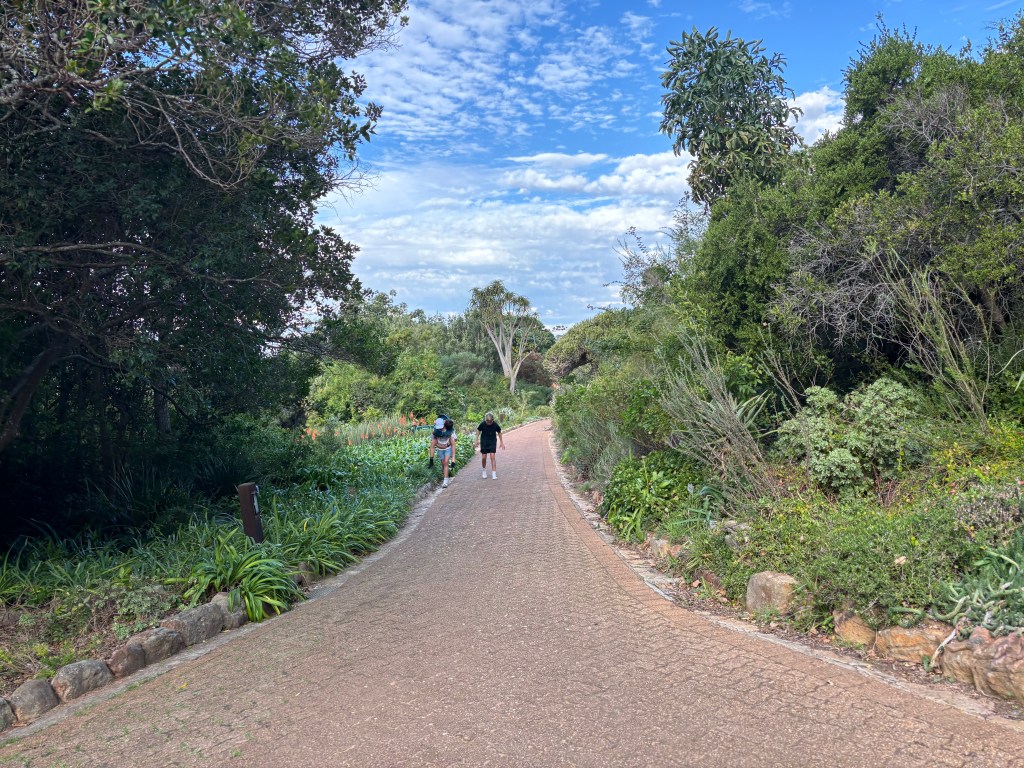
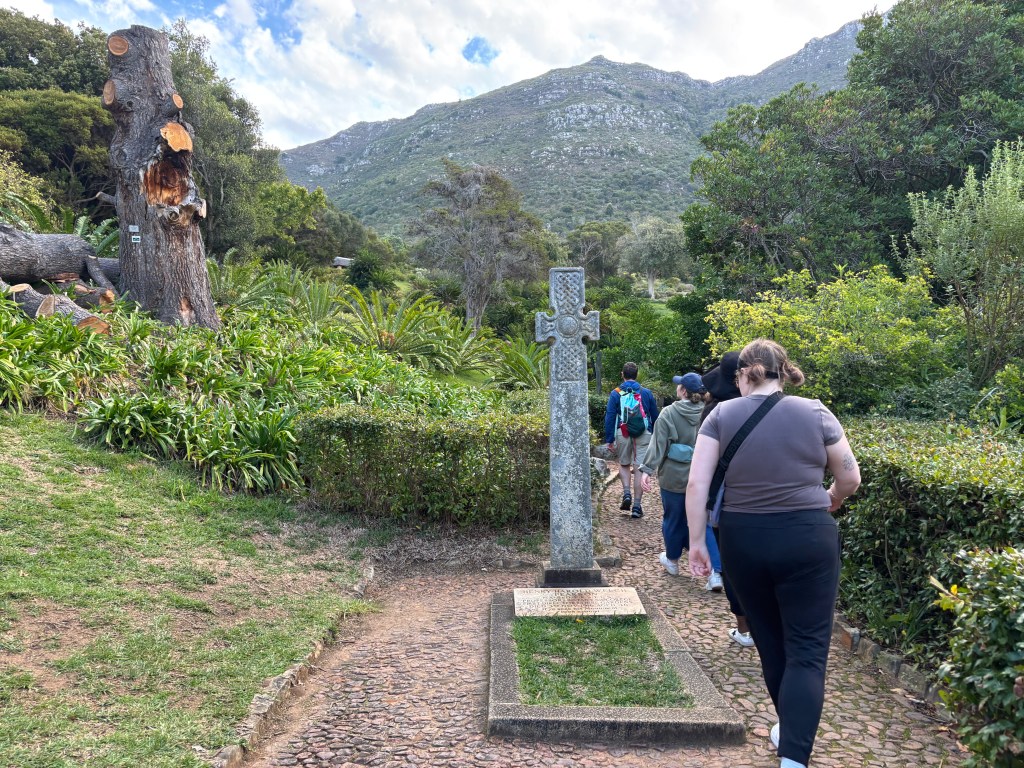
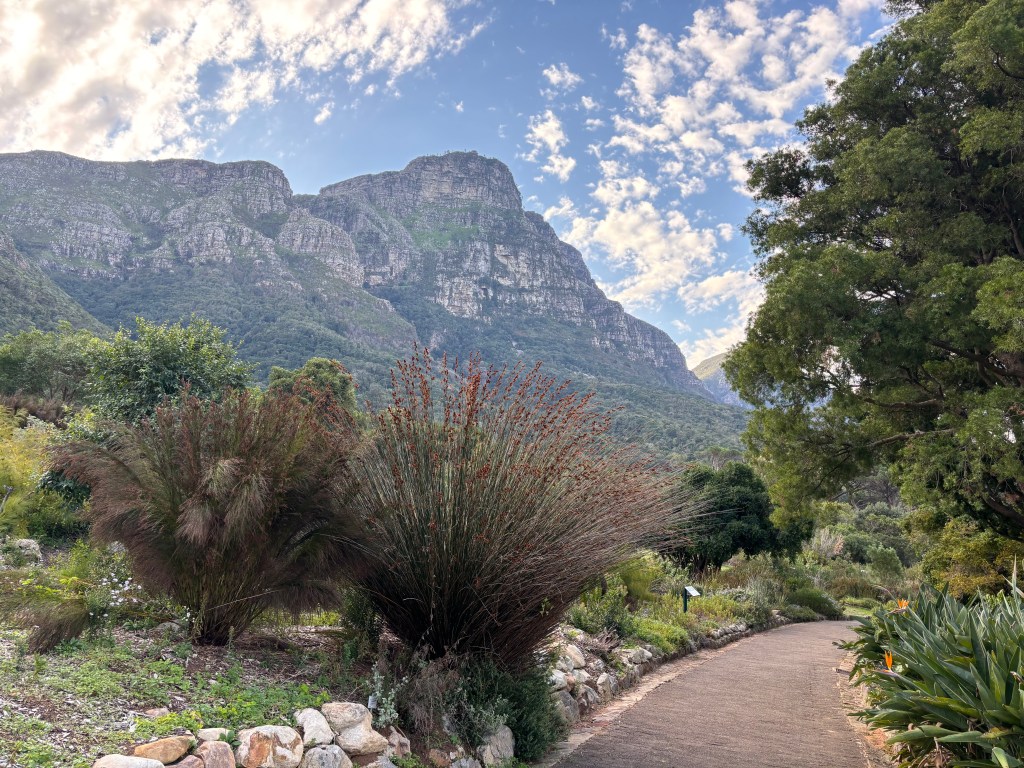
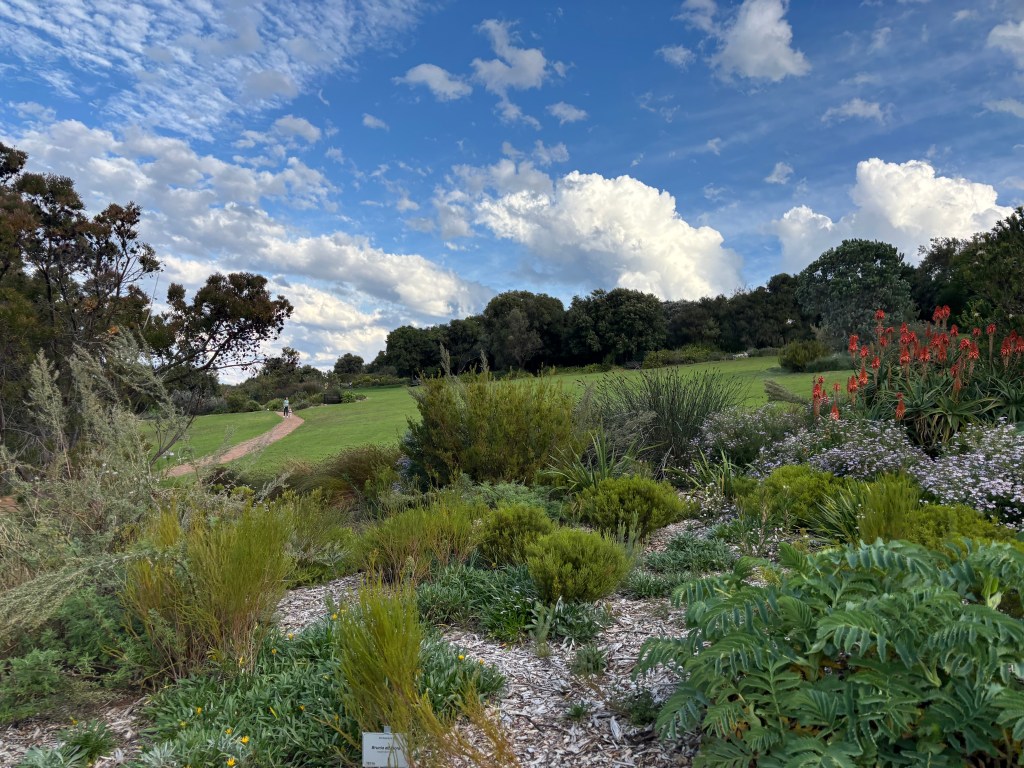
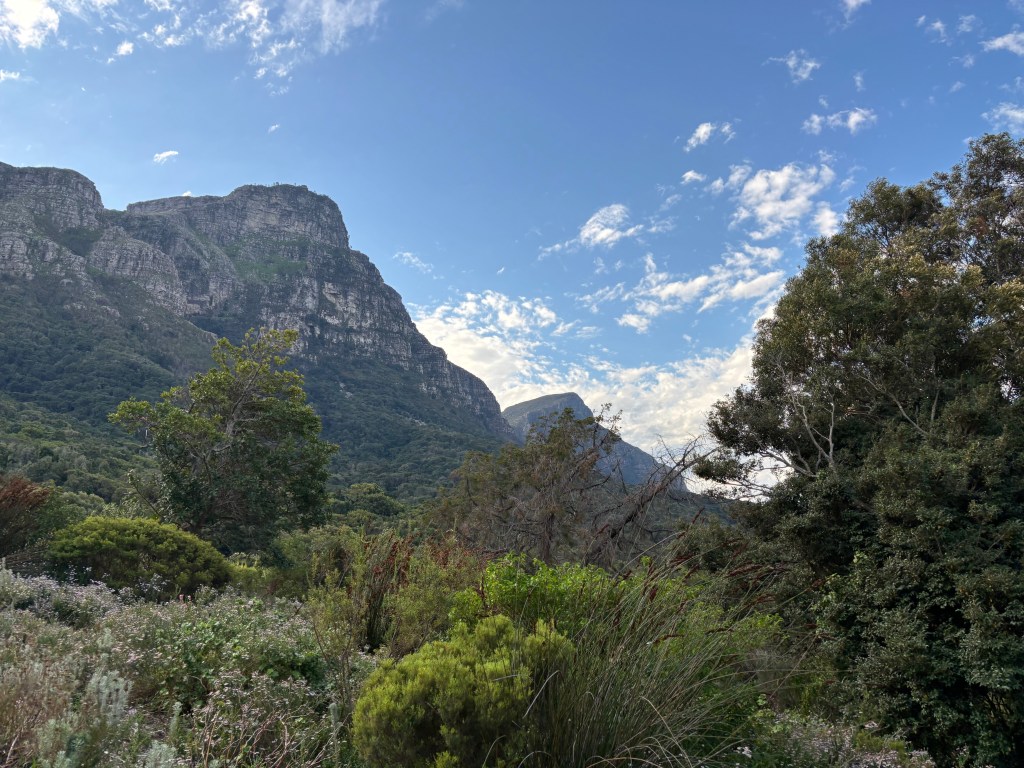
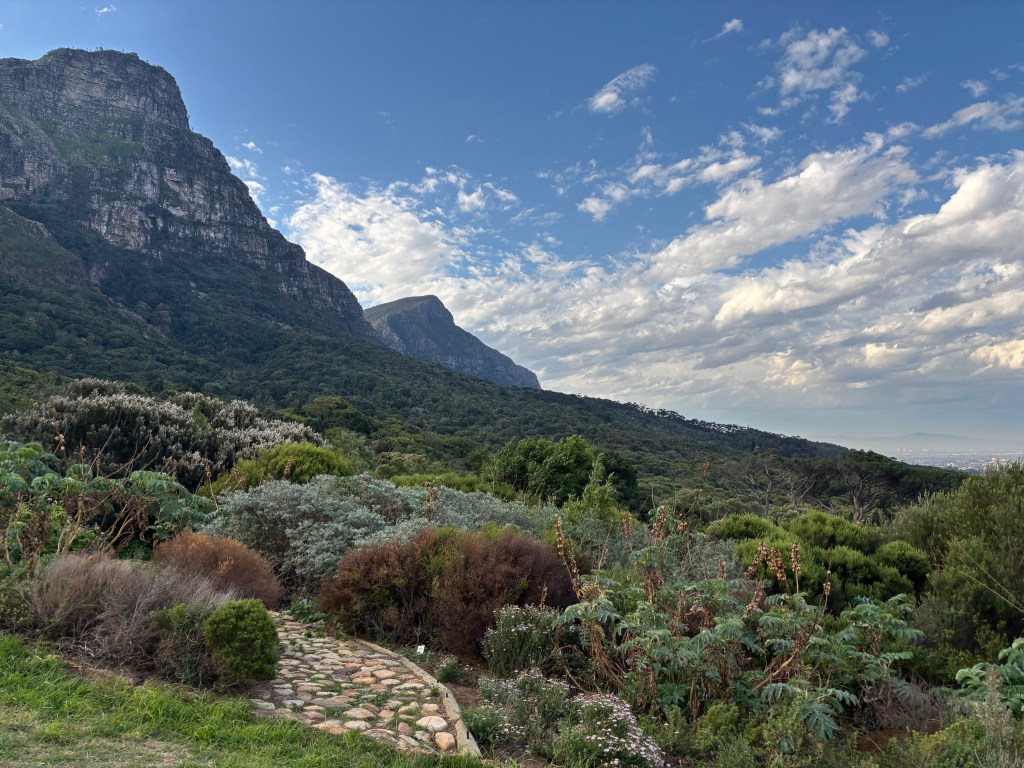
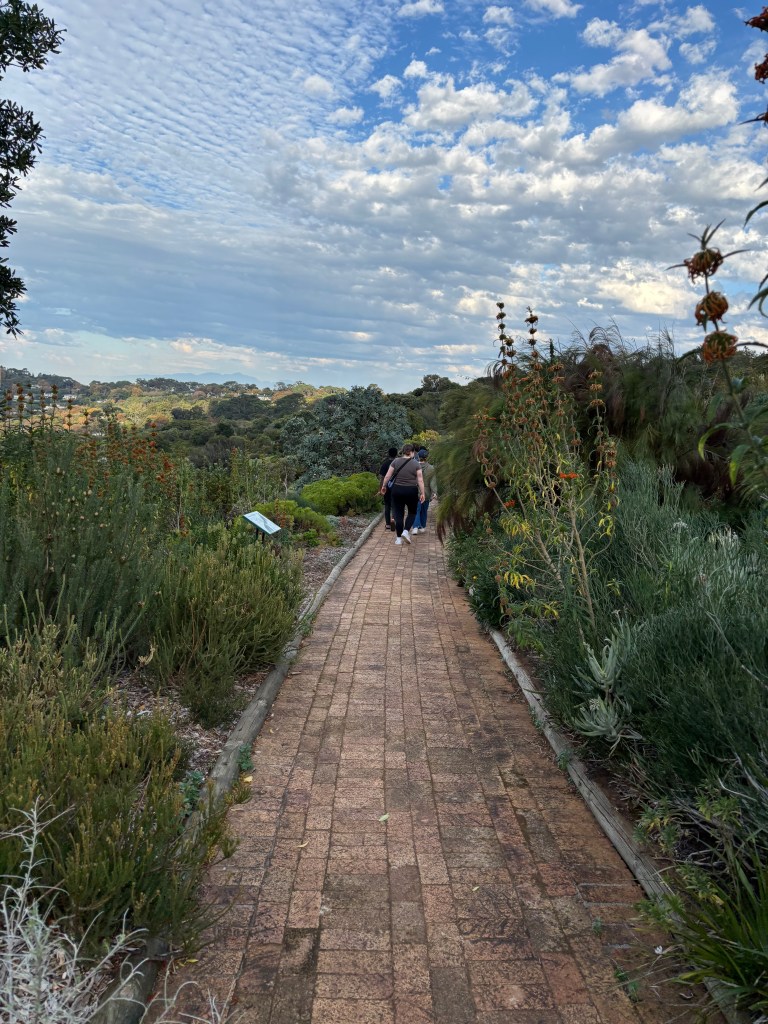
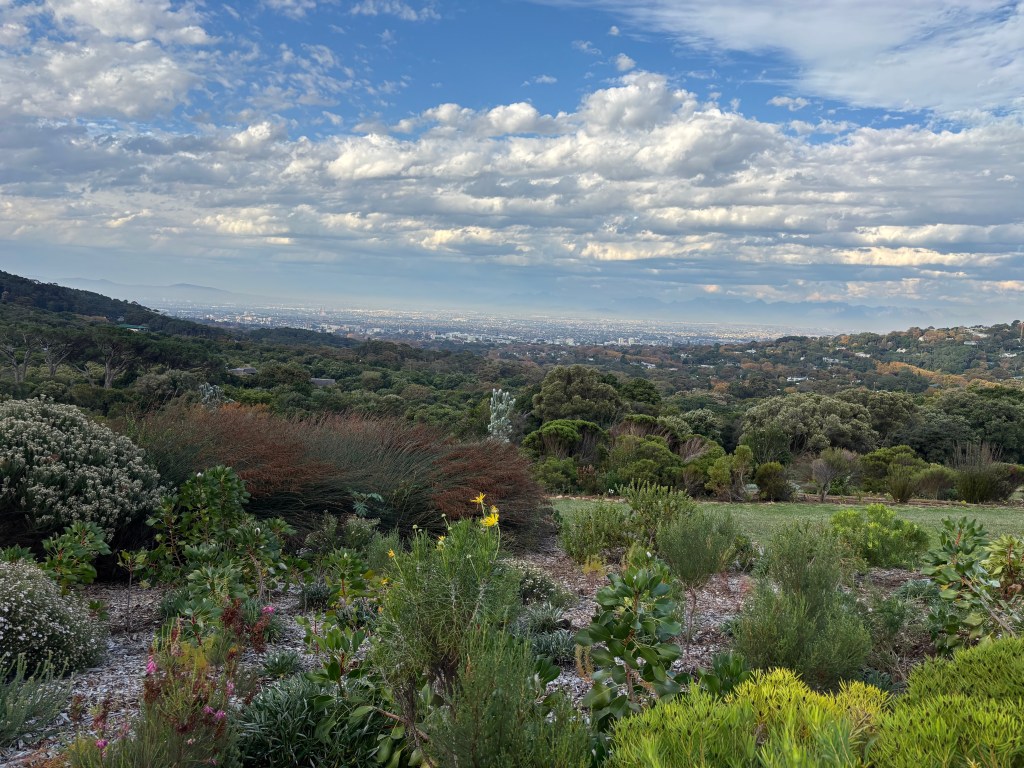
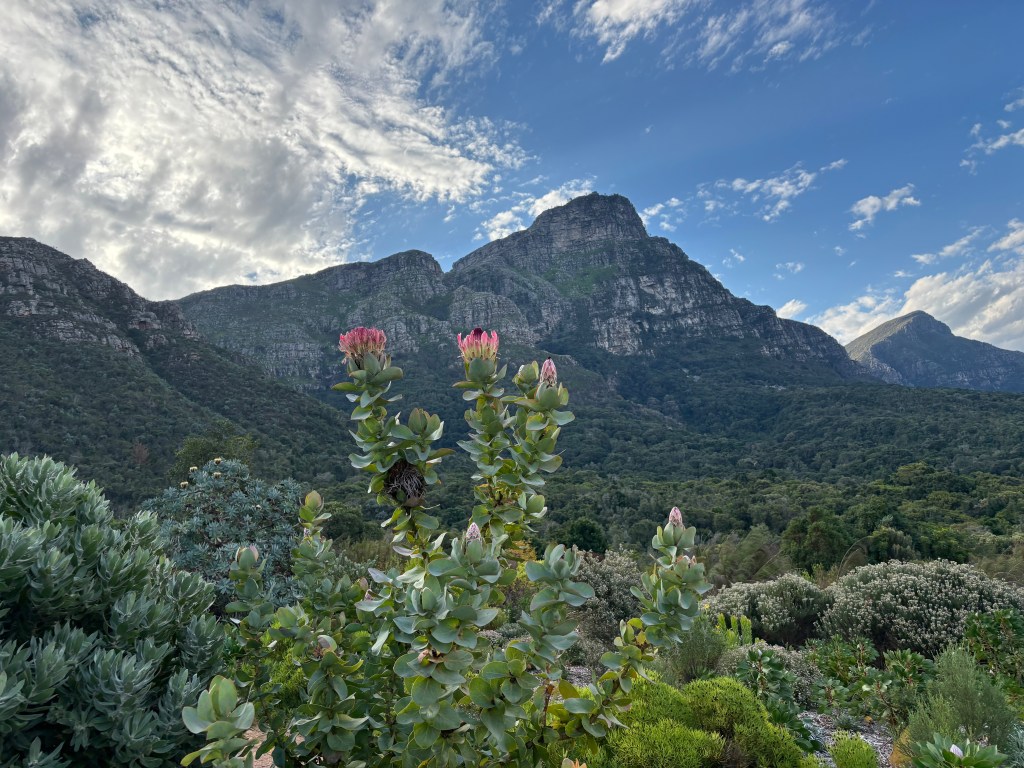
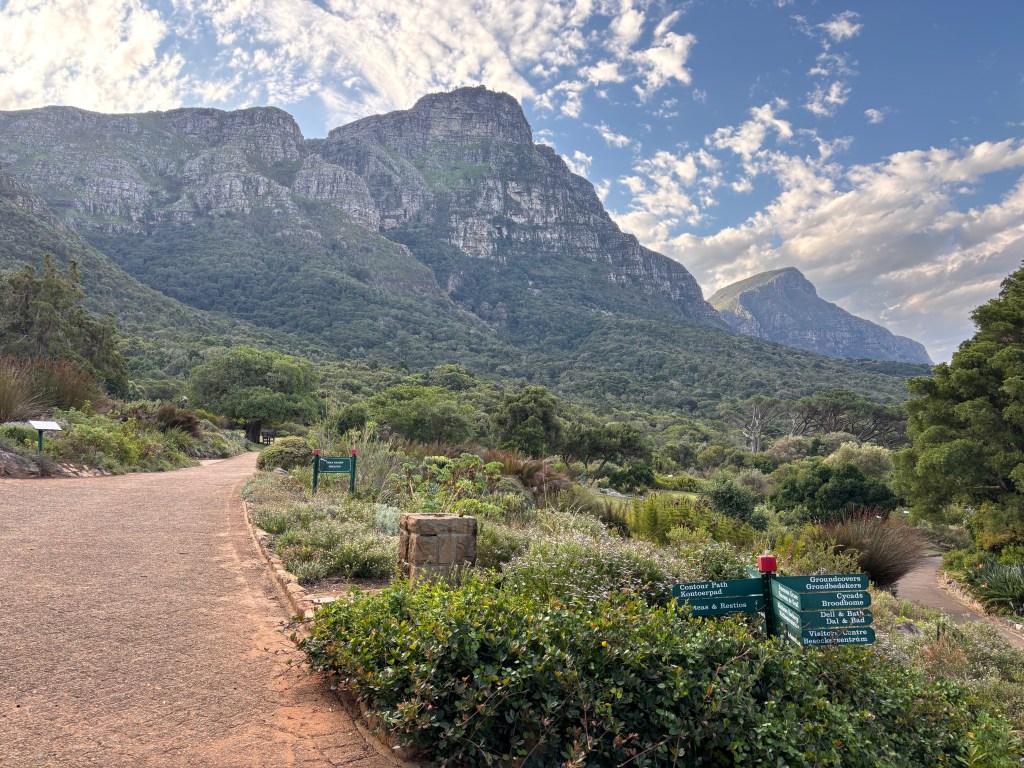
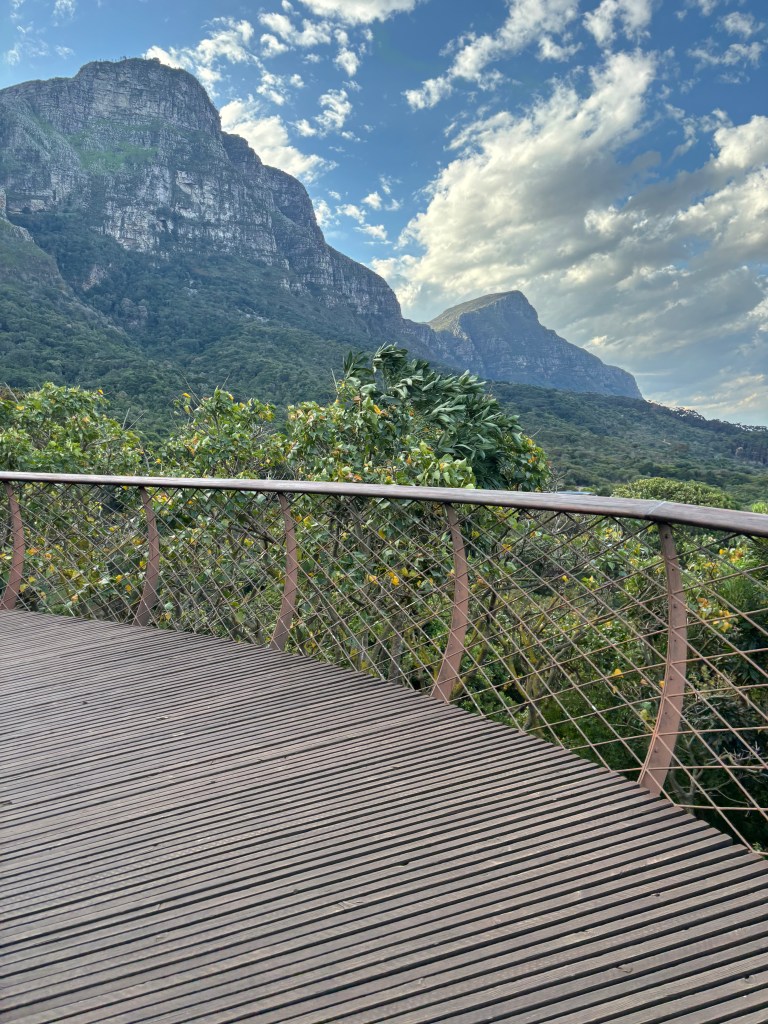
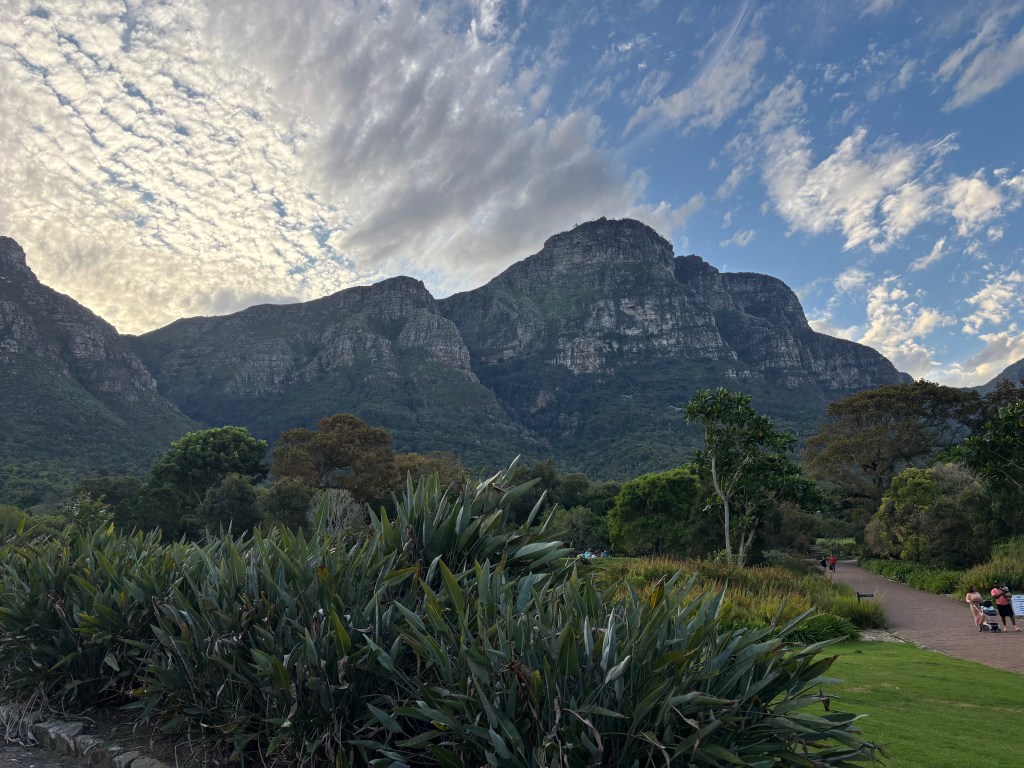
The gardens themselves were spectacular, but the backdrop made this botanical garden by far one of the most beautiful in the world. The gardens, filled with local South African plants, were set against yet another distinct view of Table Mountain.
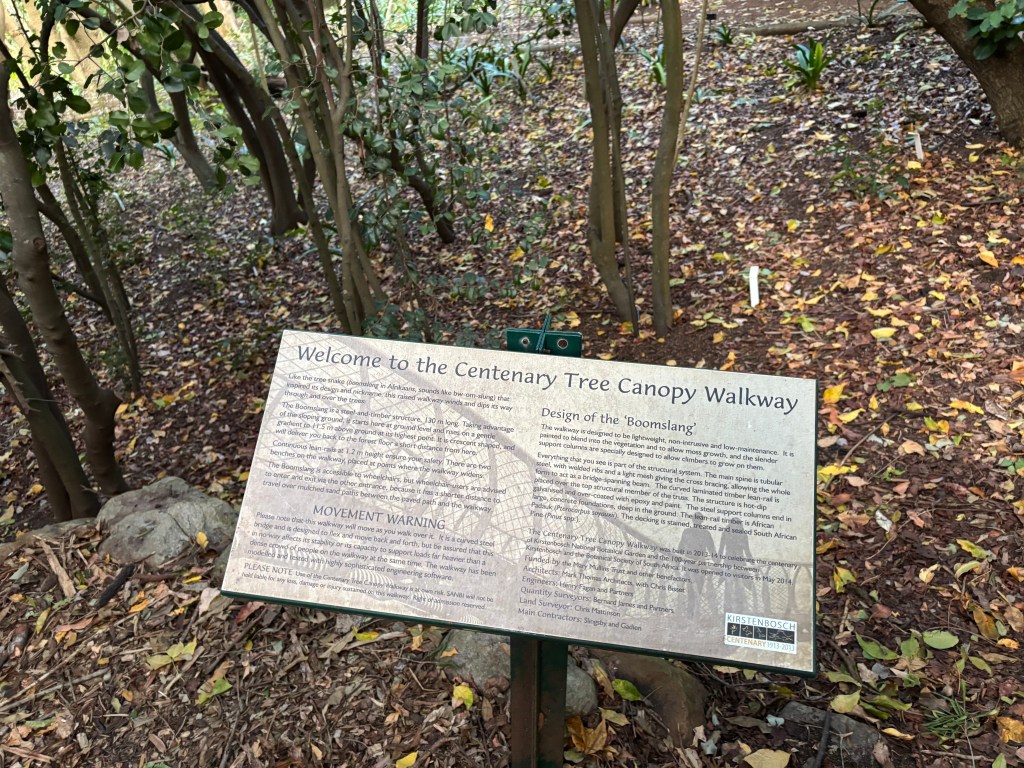
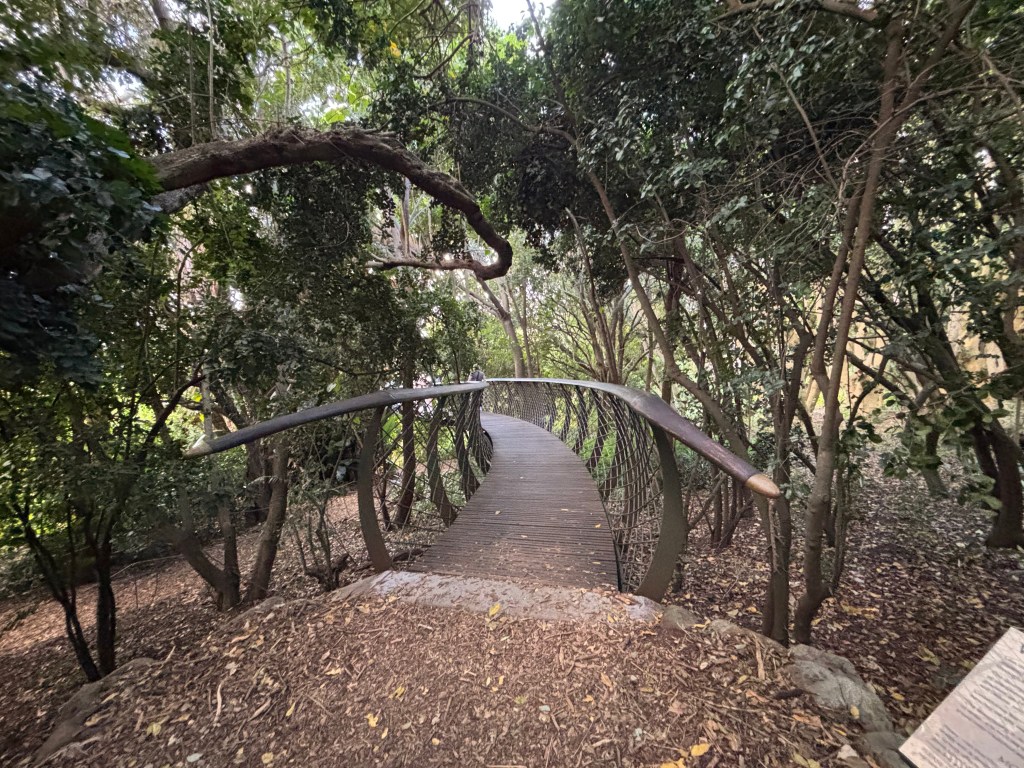
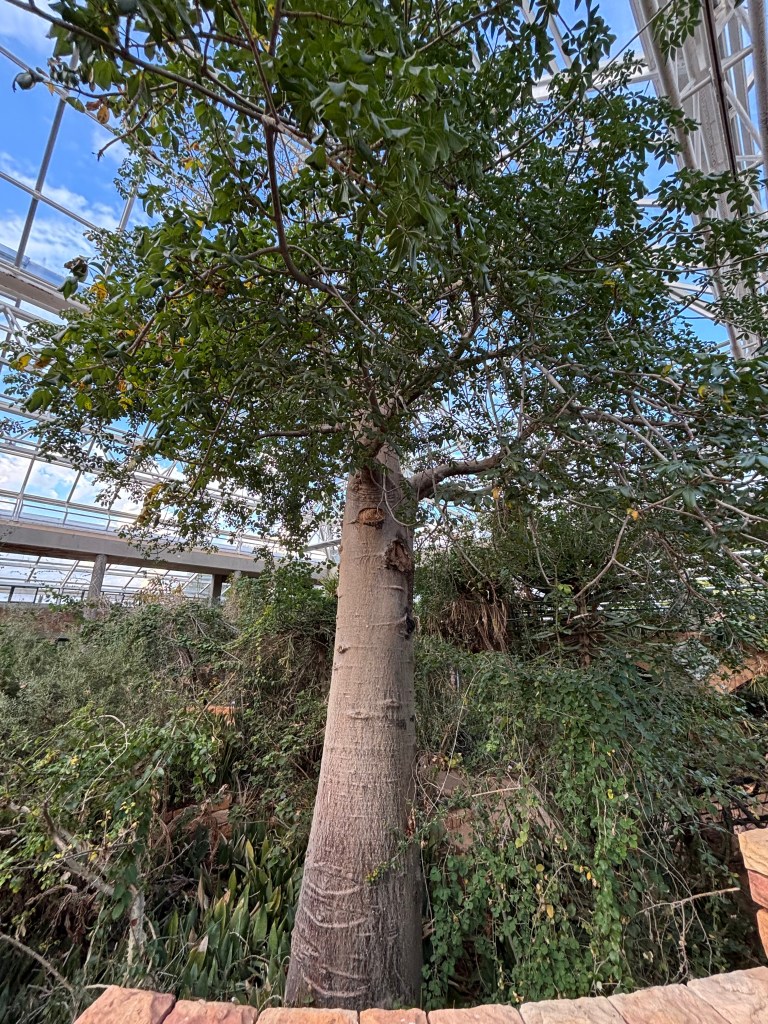
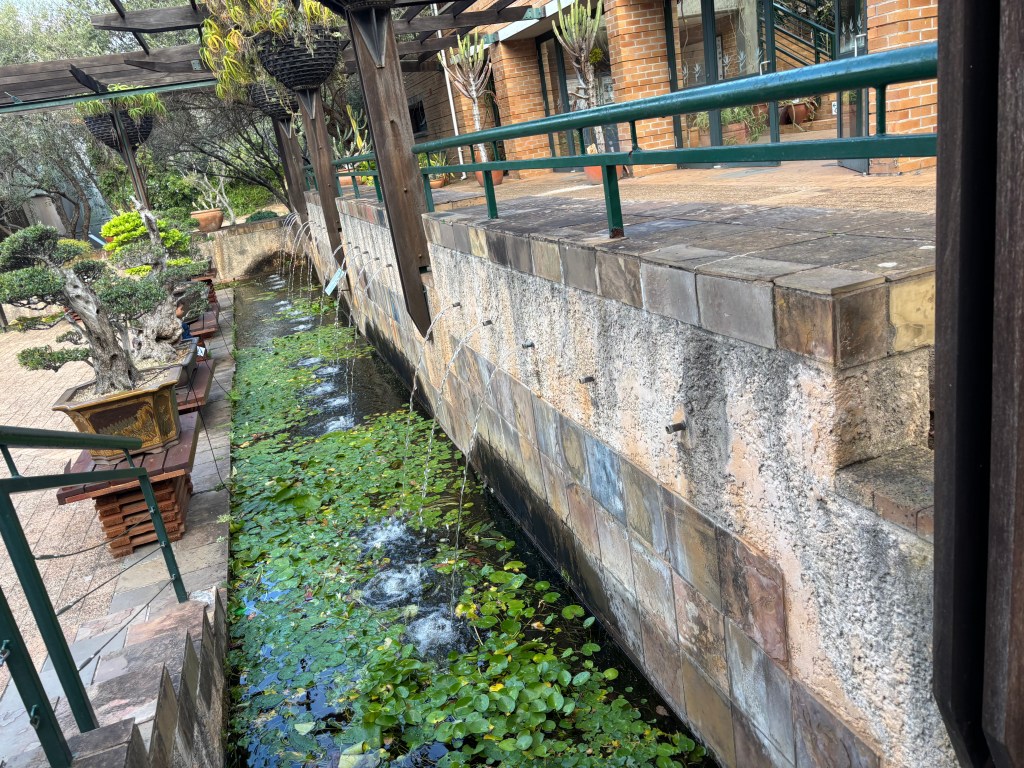
We grabbed lunch at a cafe in the gardens first, then spent the afternoon wandering the grounds. We saw an art show, walked some statues on the premises, walked a canopy trail suspended bridge through the trees, and saw a baobab tree in one of the greenhouses. It was a wonderful way to spend a sunny afternoon.


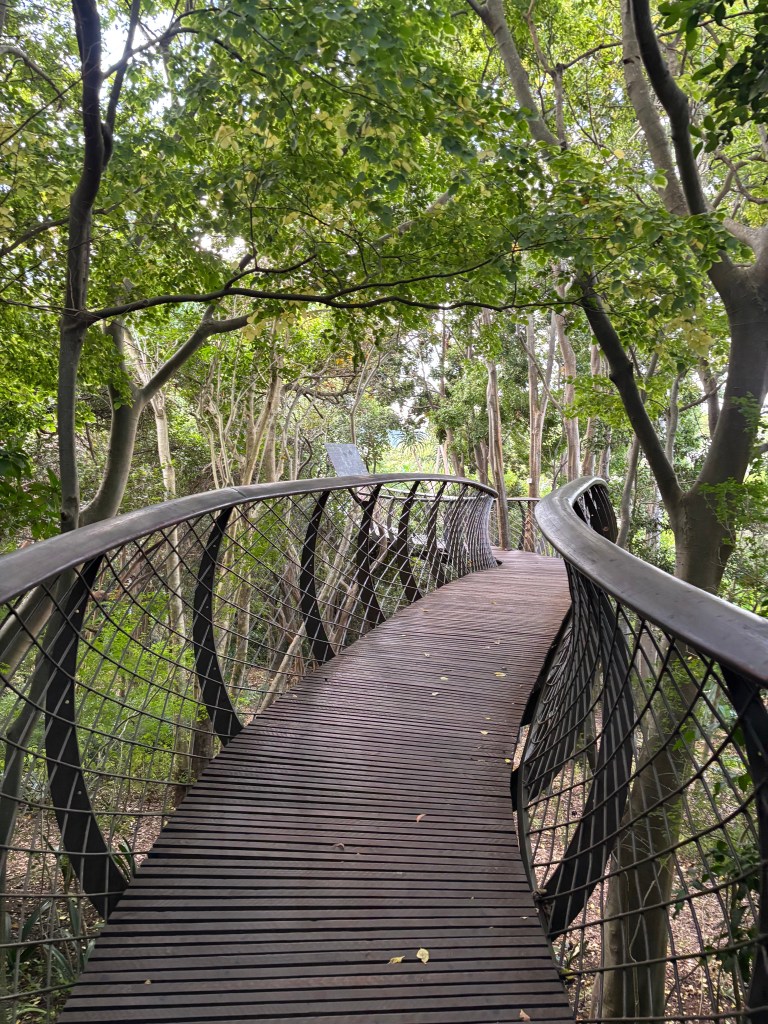
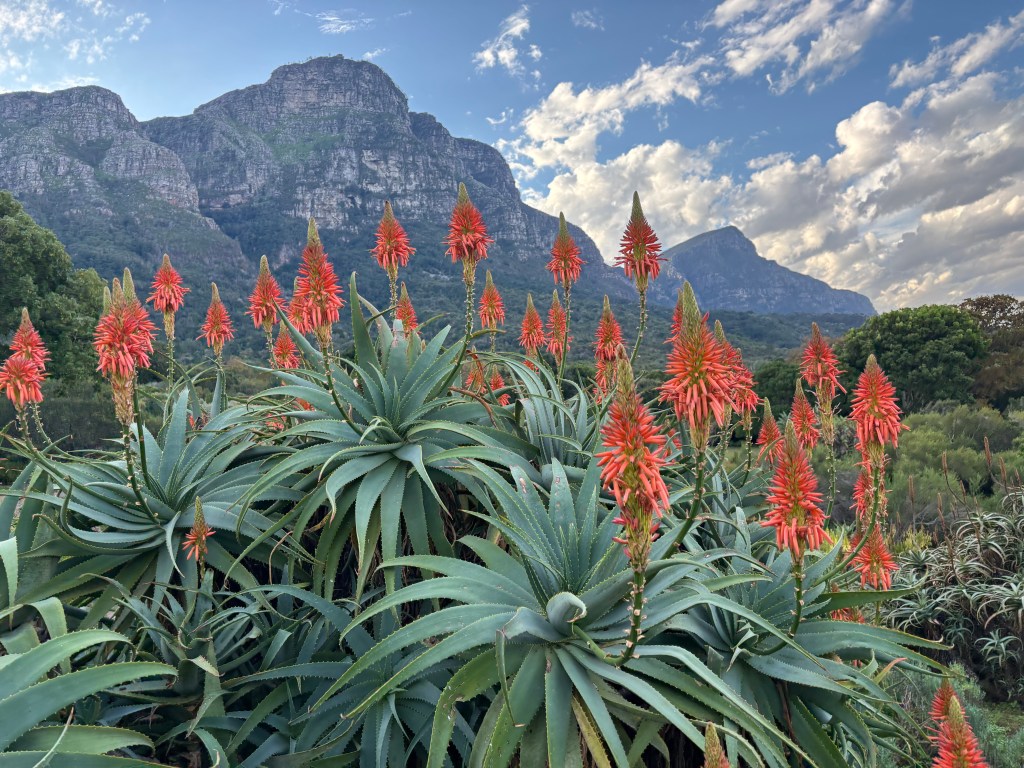
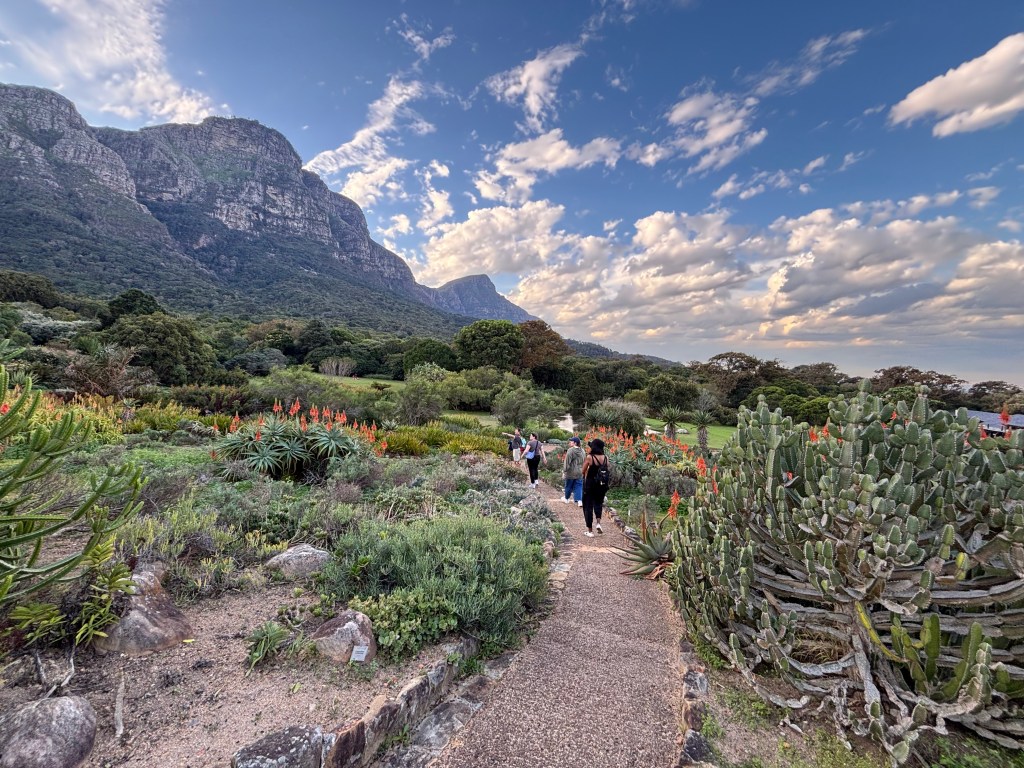
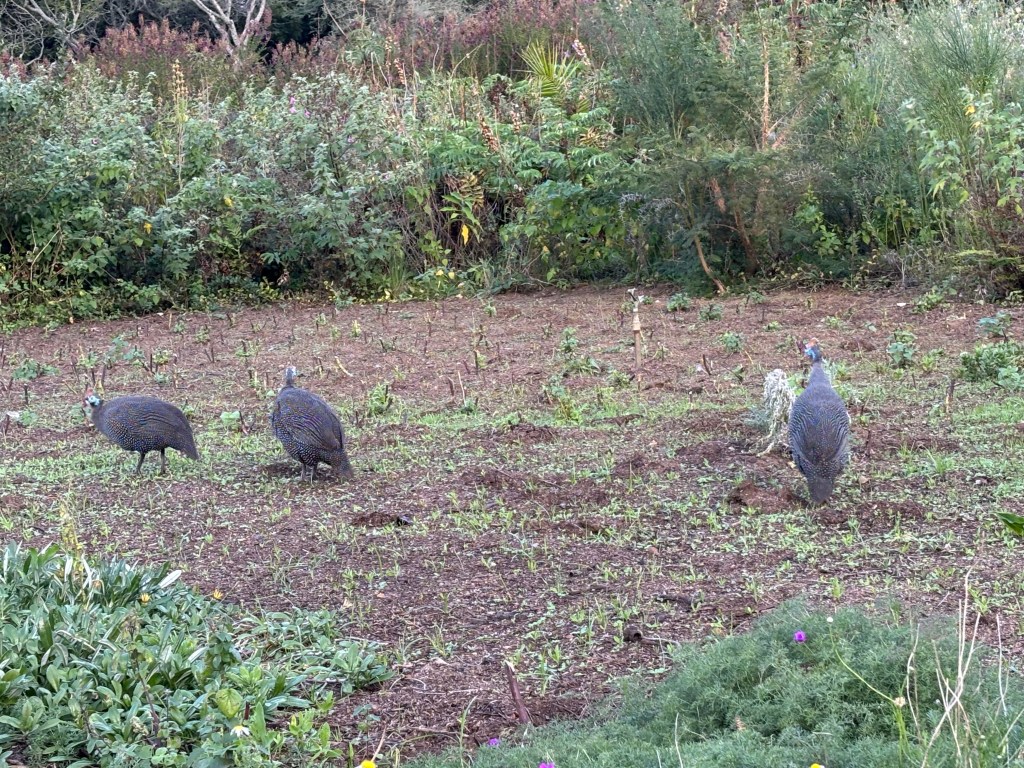


That evening, we ate by the waterfront again and did our souvenir shopping. We had a great time just wandering around and mourning the fact that we’d be heading out so soon.




Day 3- Wine Tasting
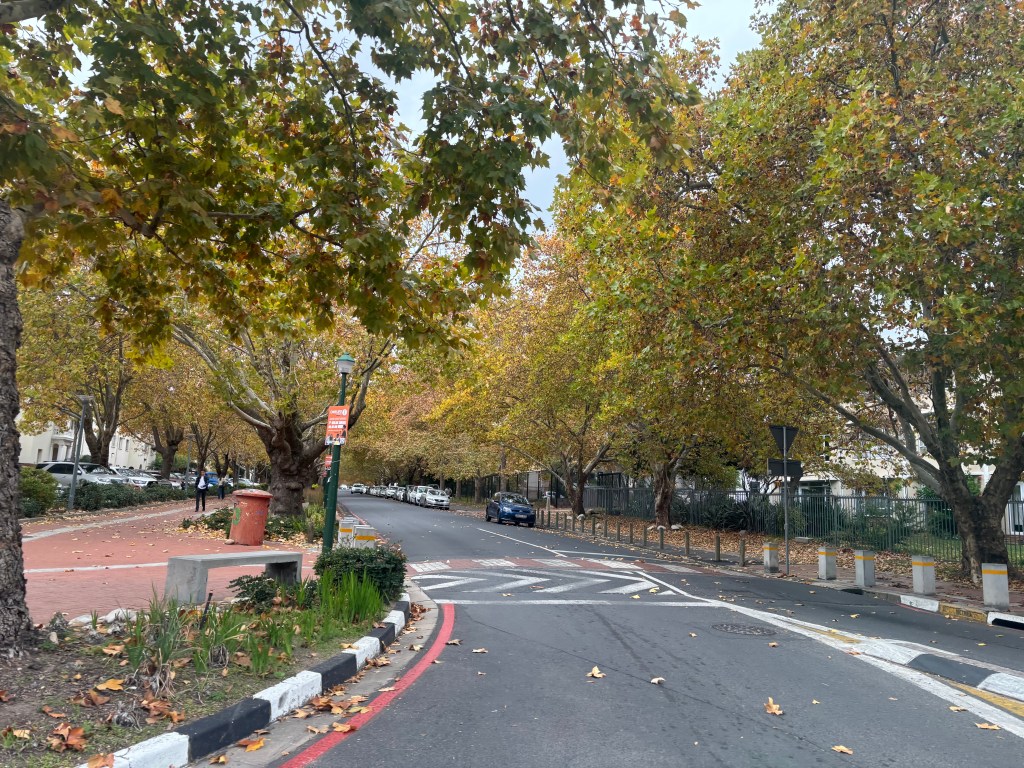
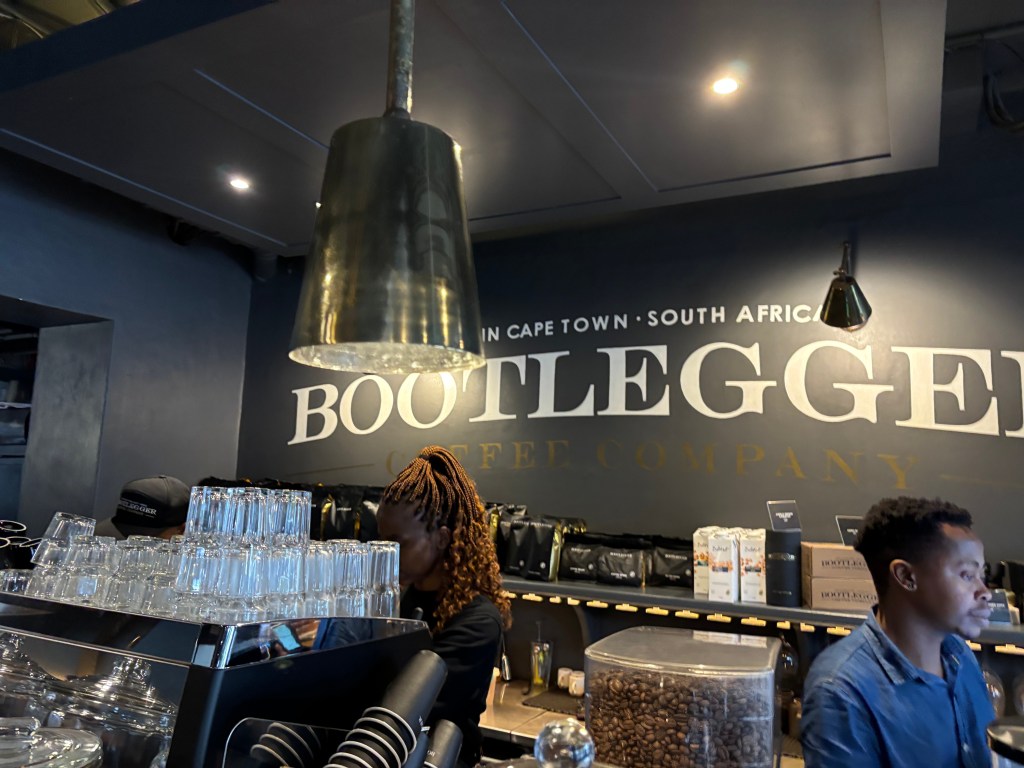
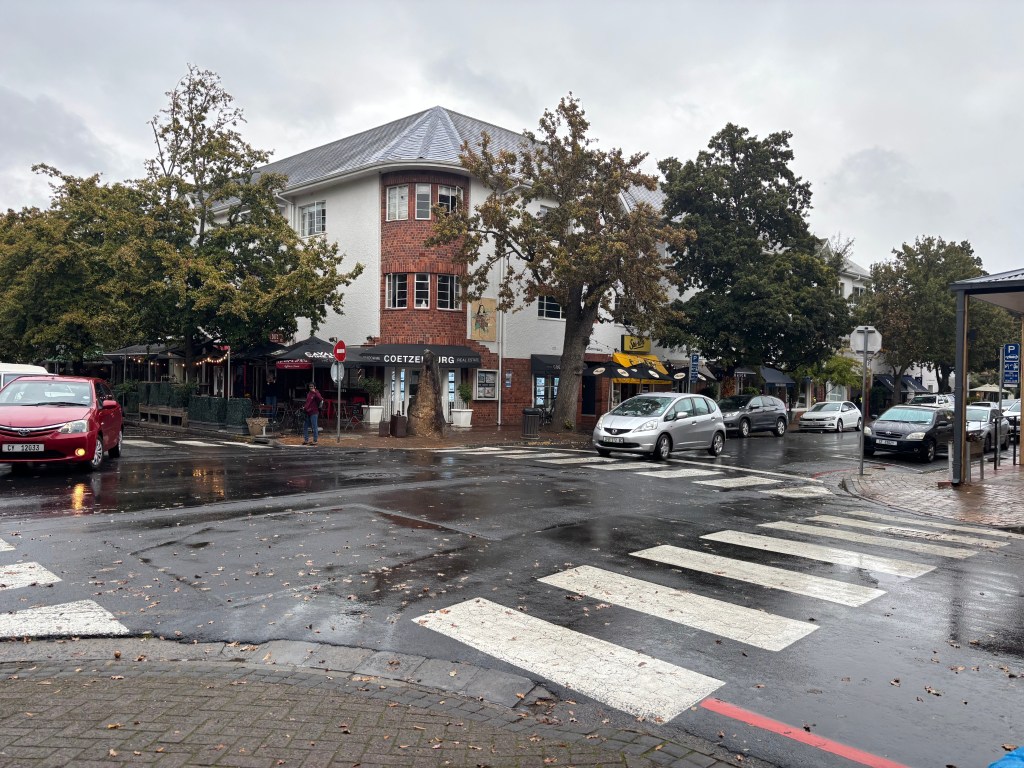
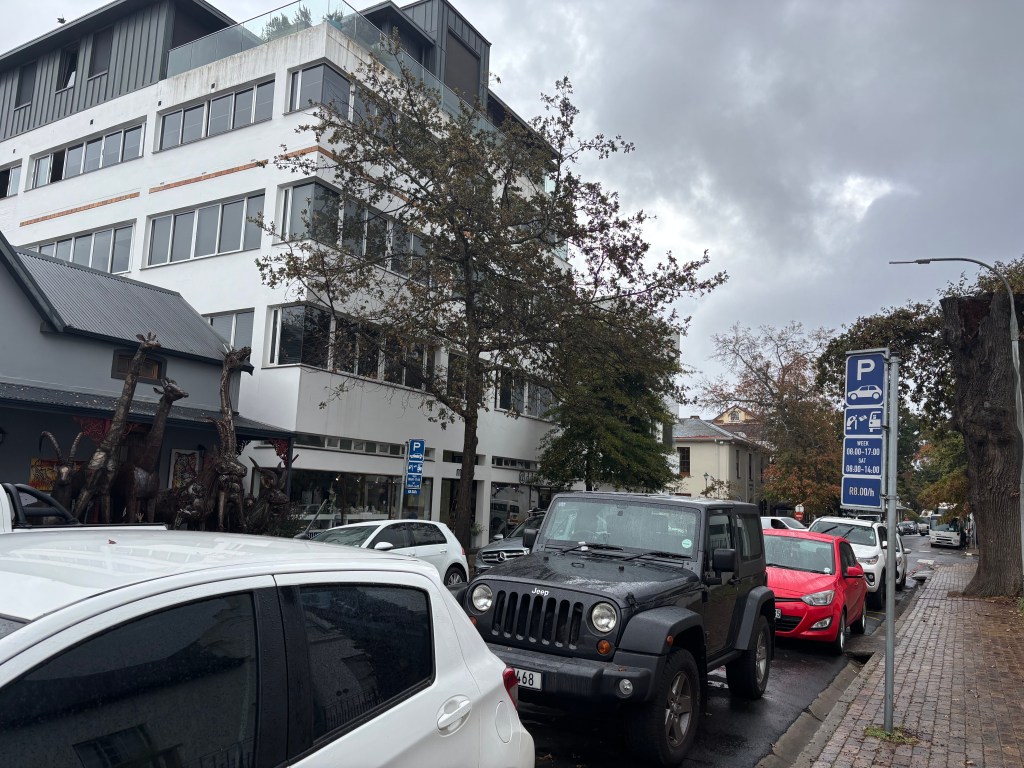
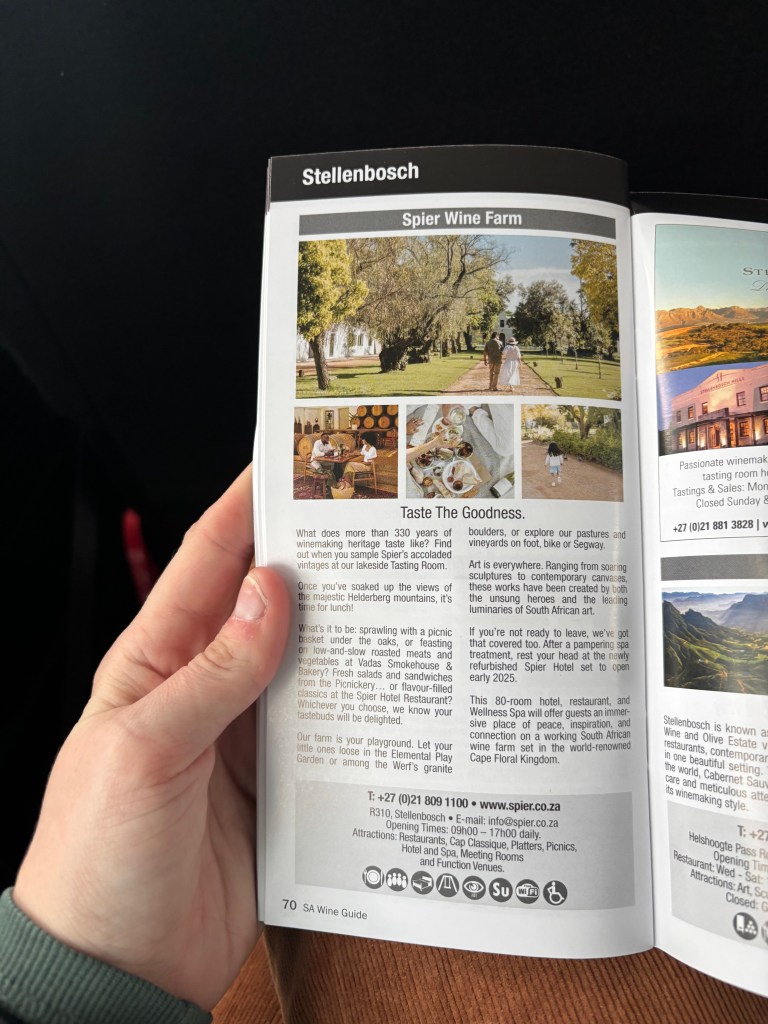
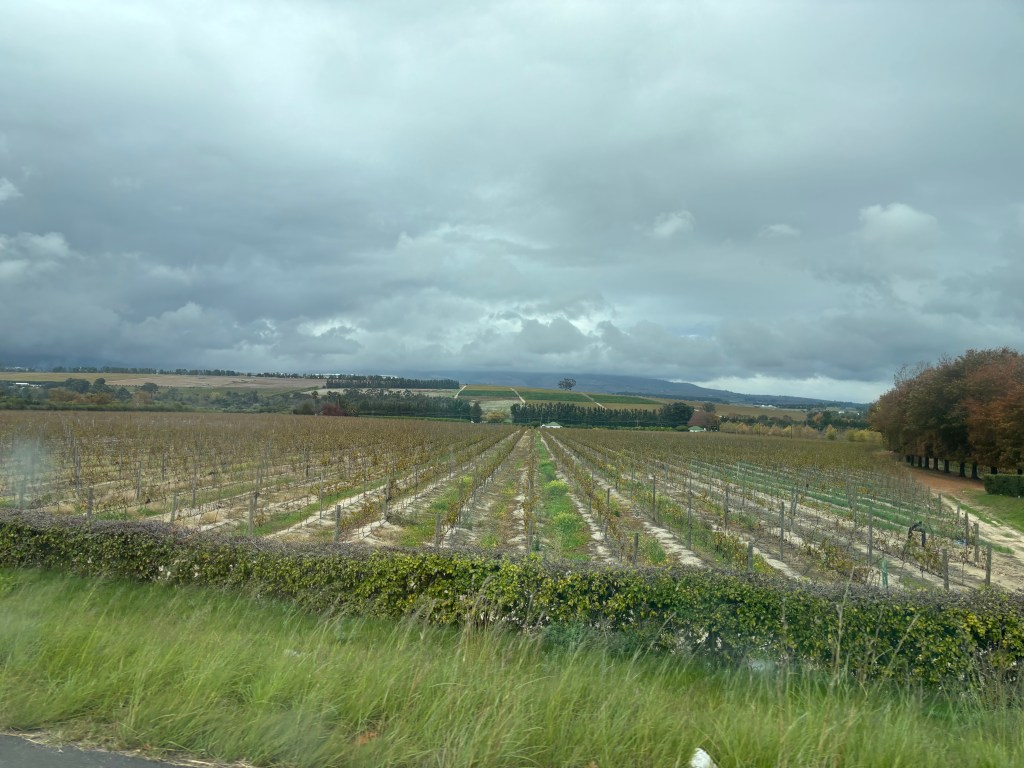
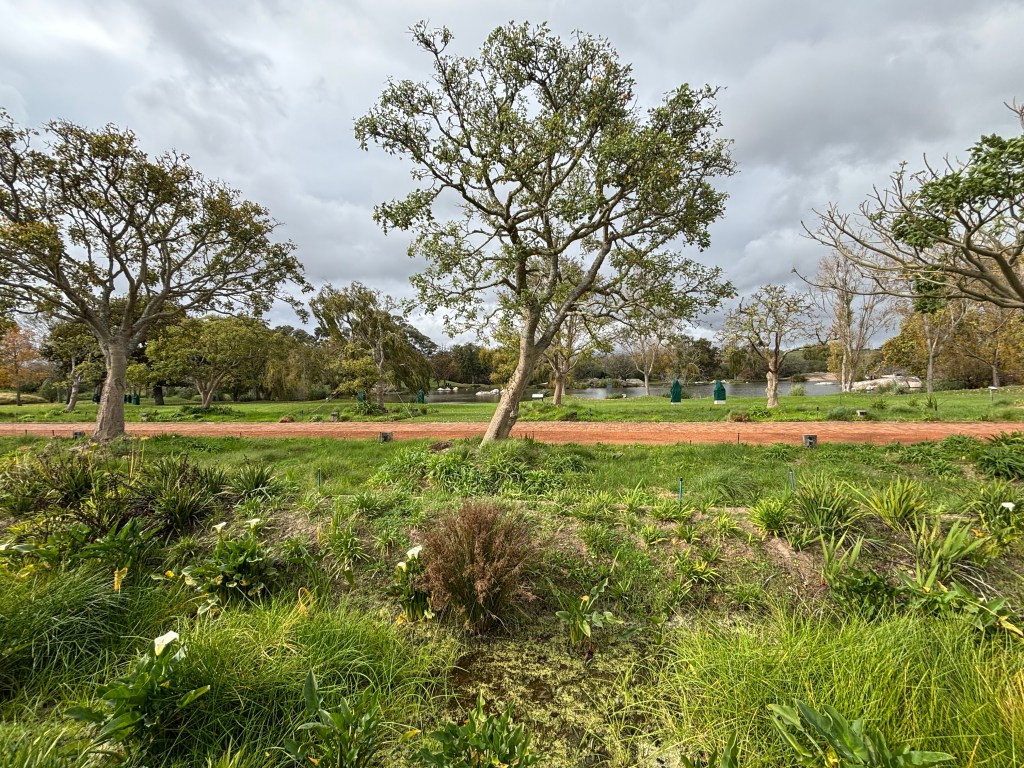
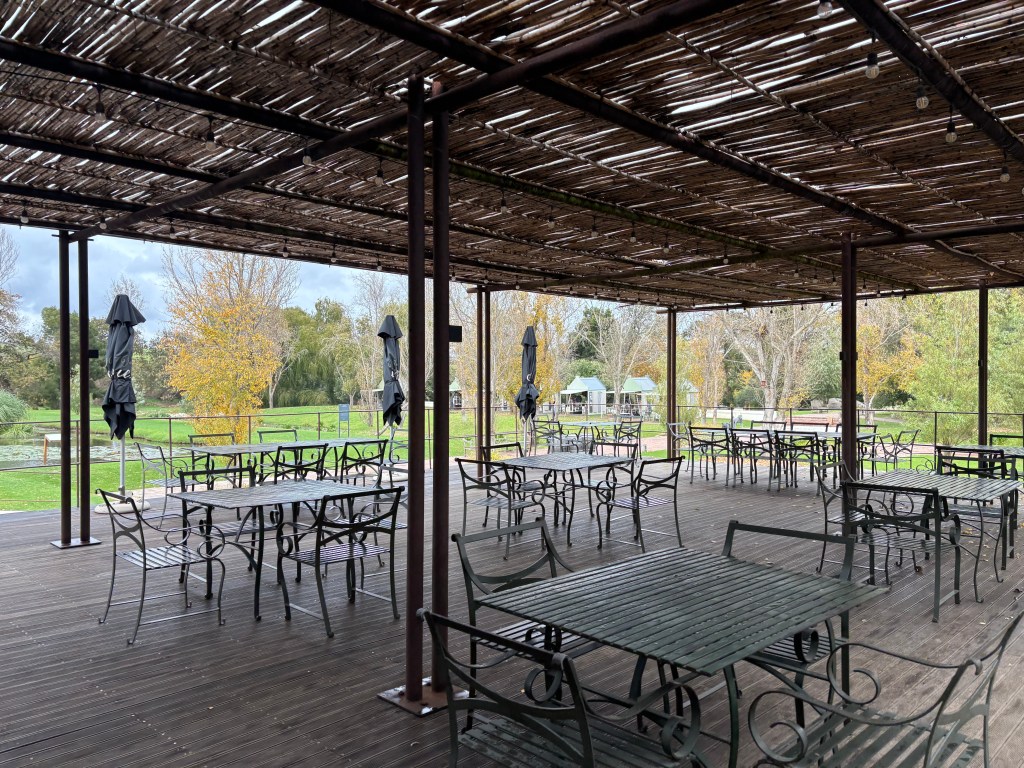
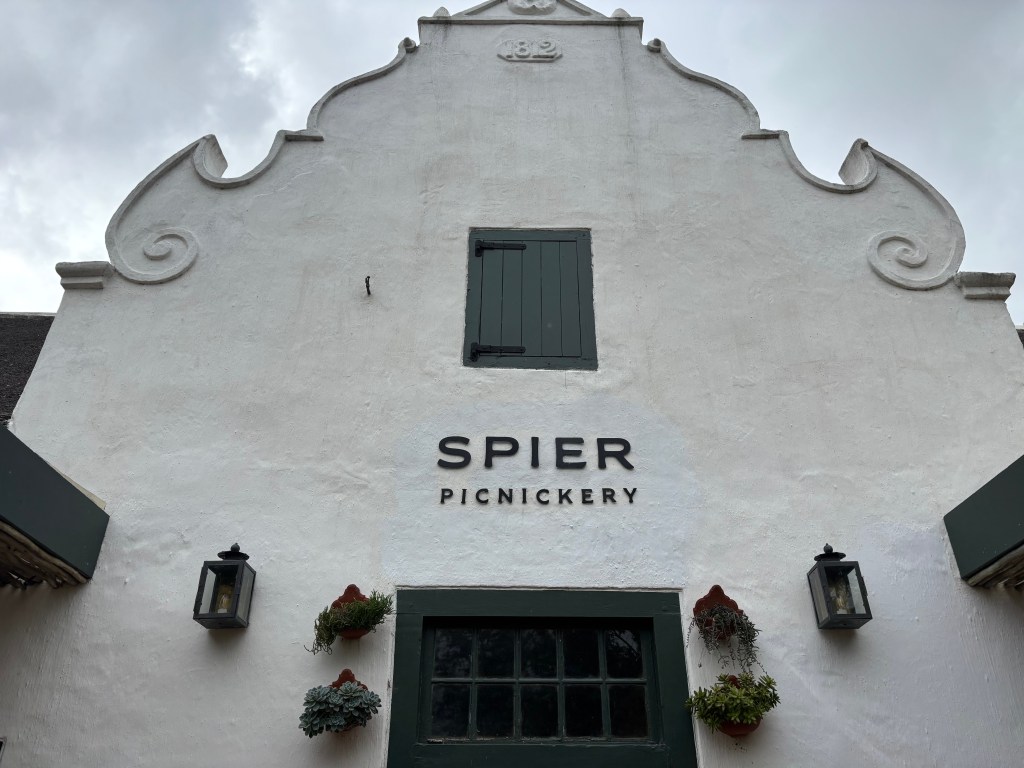
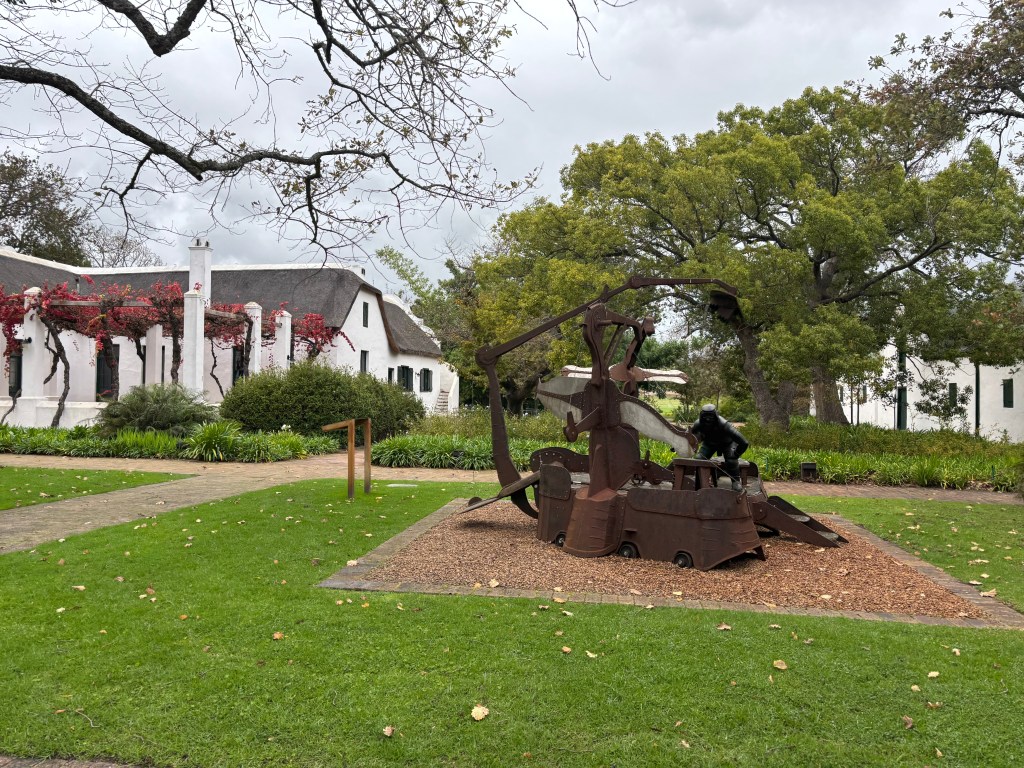
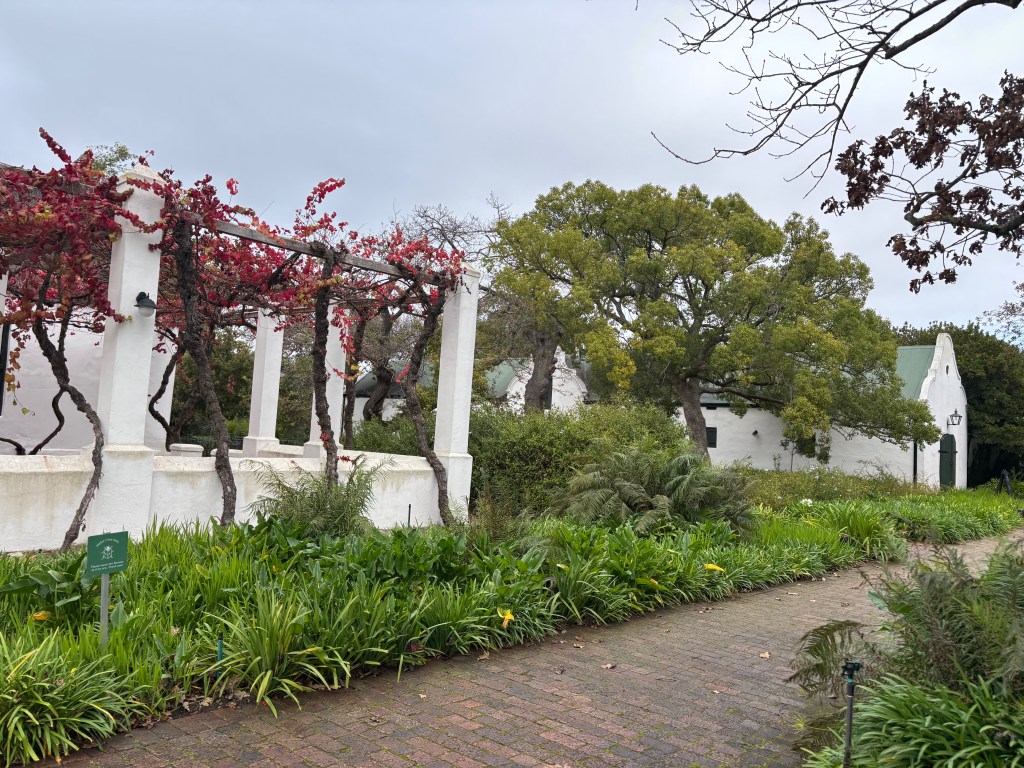
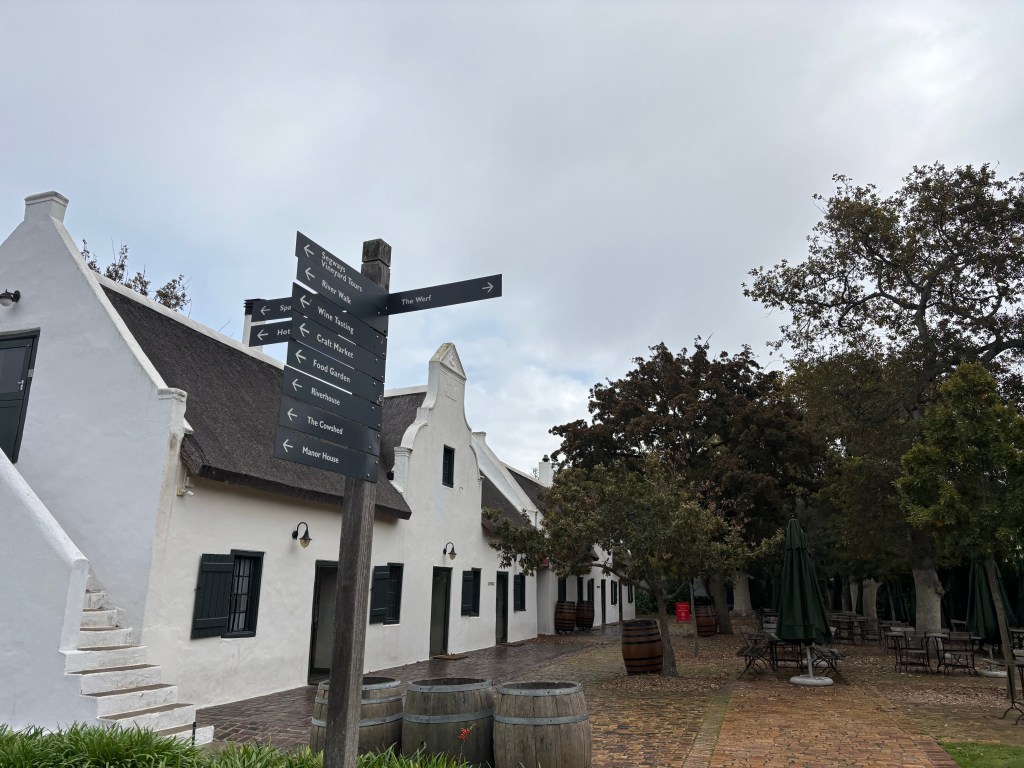
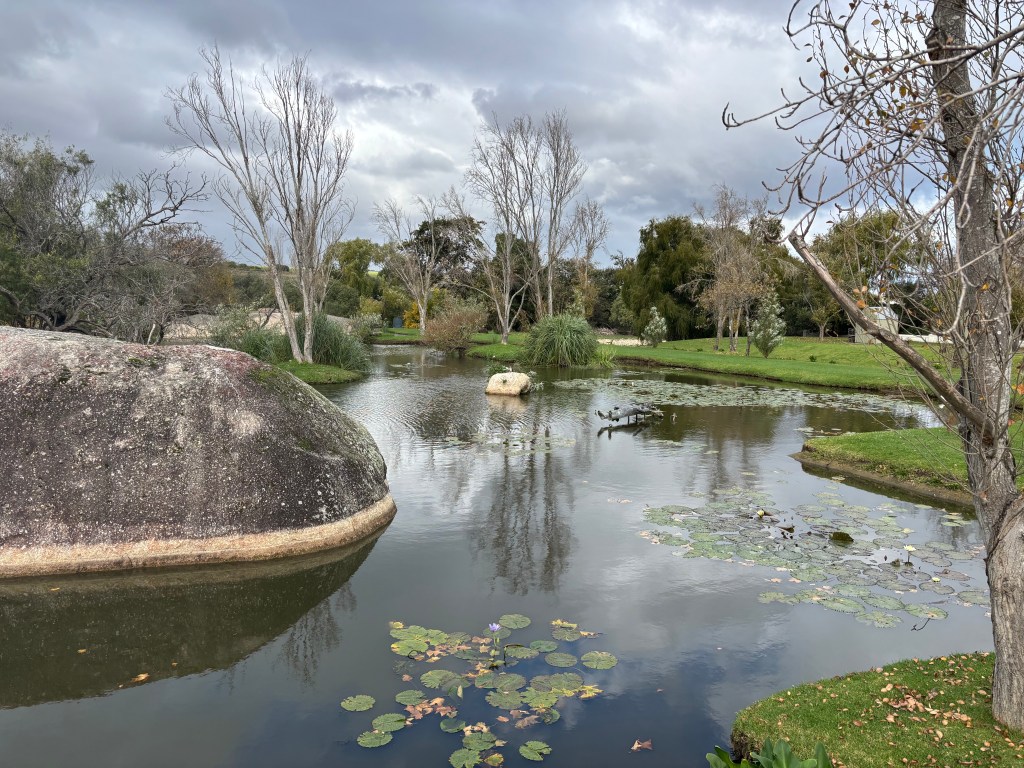
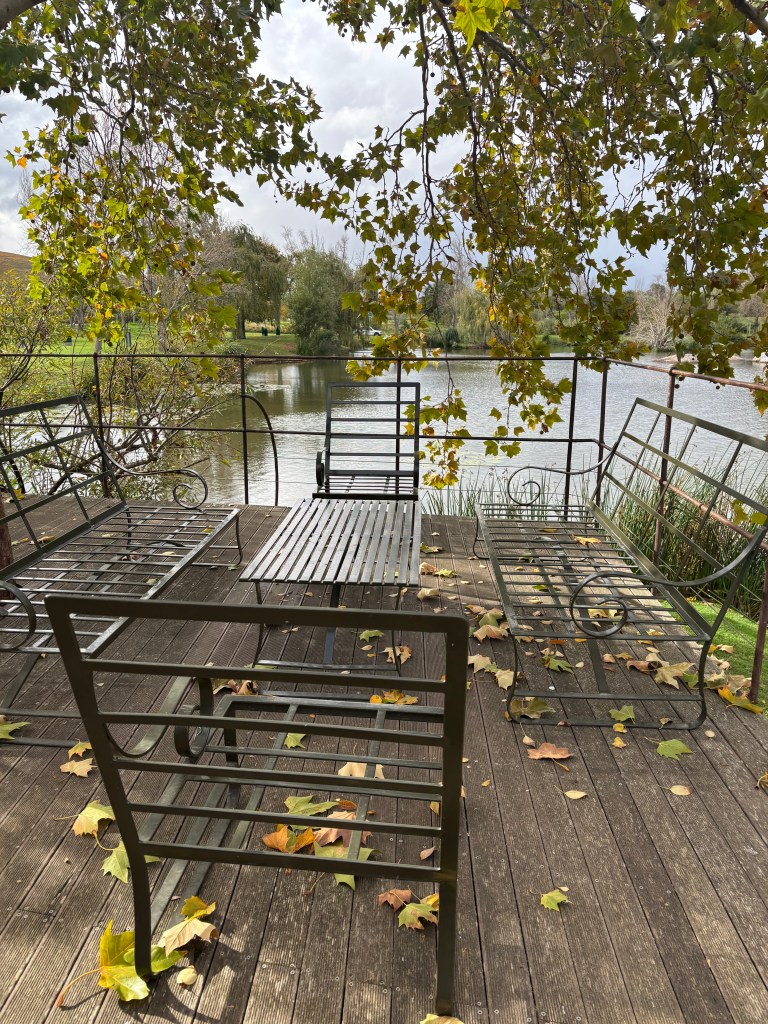
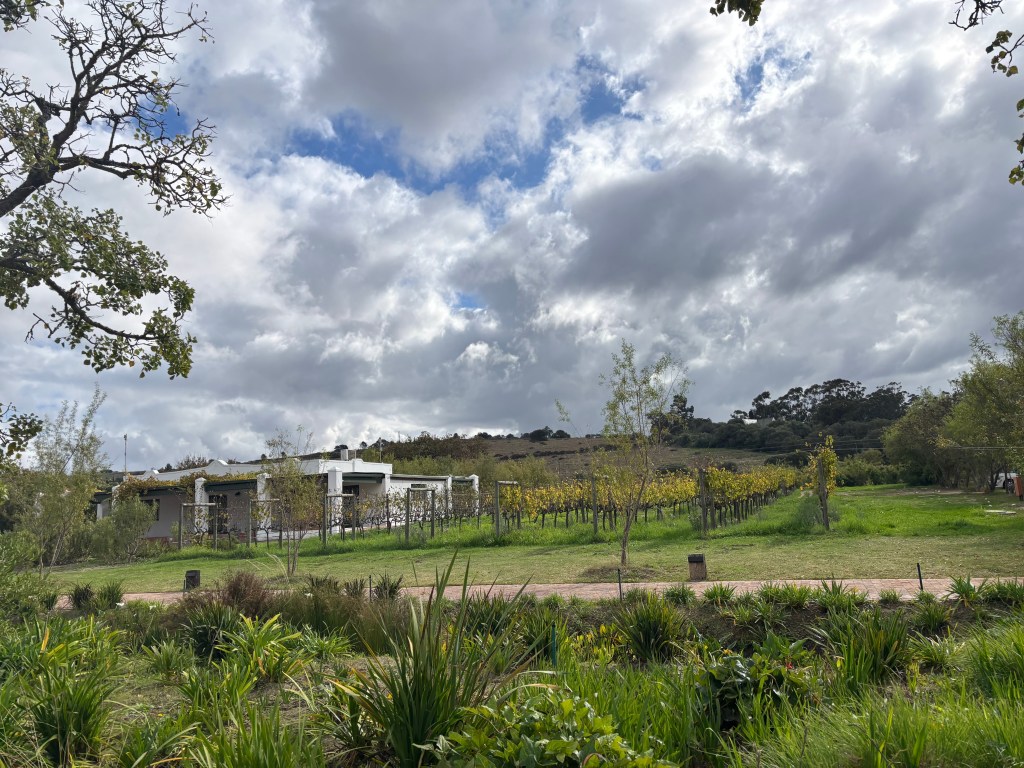
On day 3, we first drove to the town of Stellenbosch, a college town and ritzy neighborhood not far from Cape Town, where we were able to do some more souvenir shopping in cute boutiques and grab some coffee and tea. Stellenbosch is also the area where South Africa’s wine country is situated, and after our short stint in the town, we headed off to Spier Winery for a wine tasting.
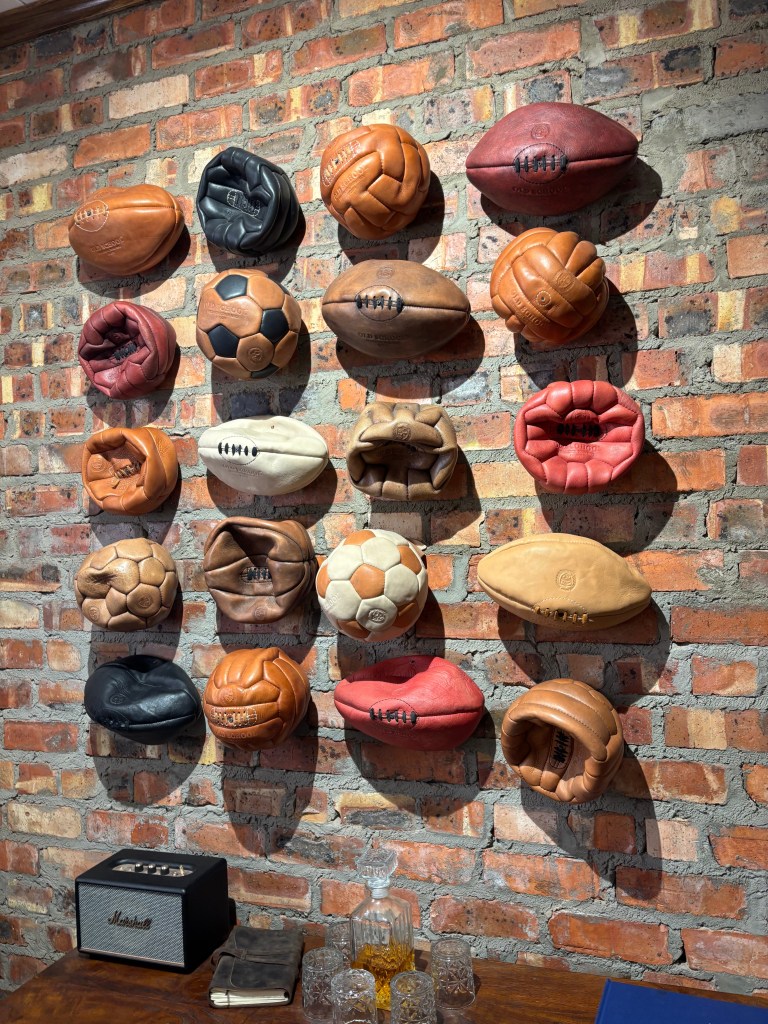
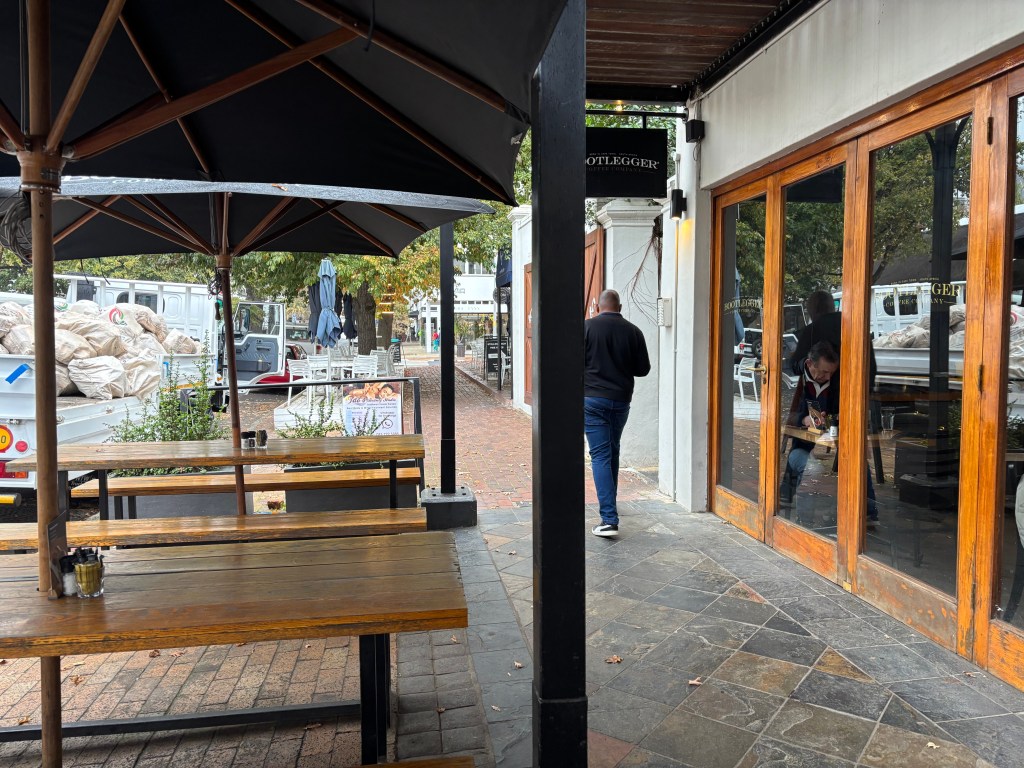
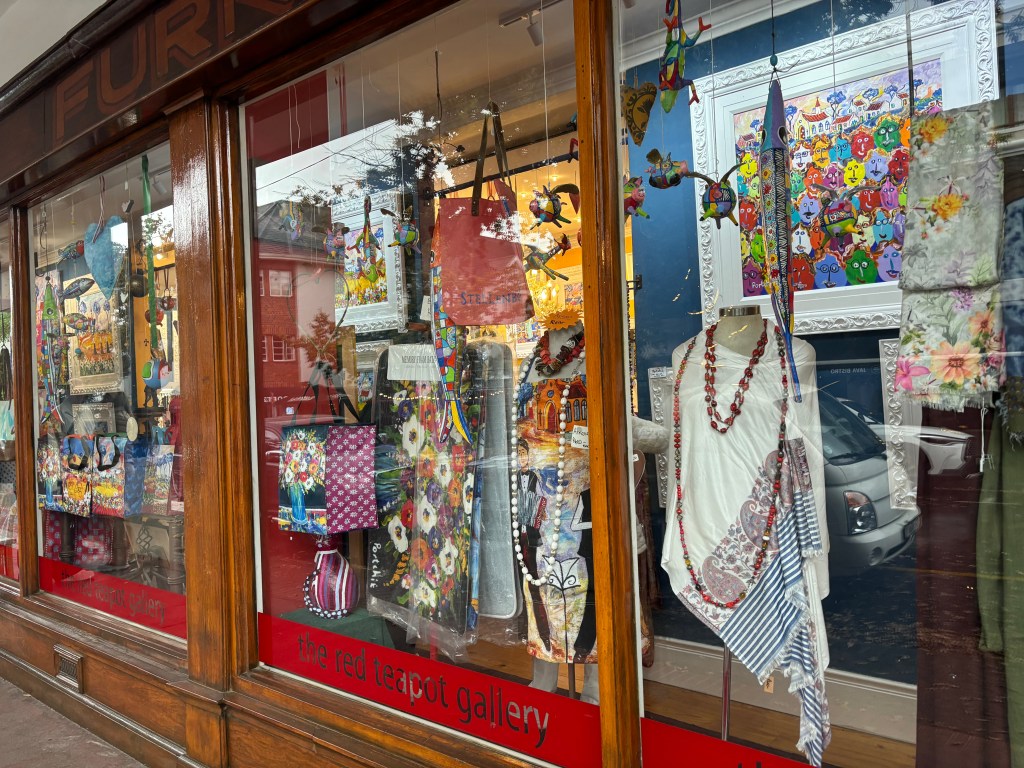
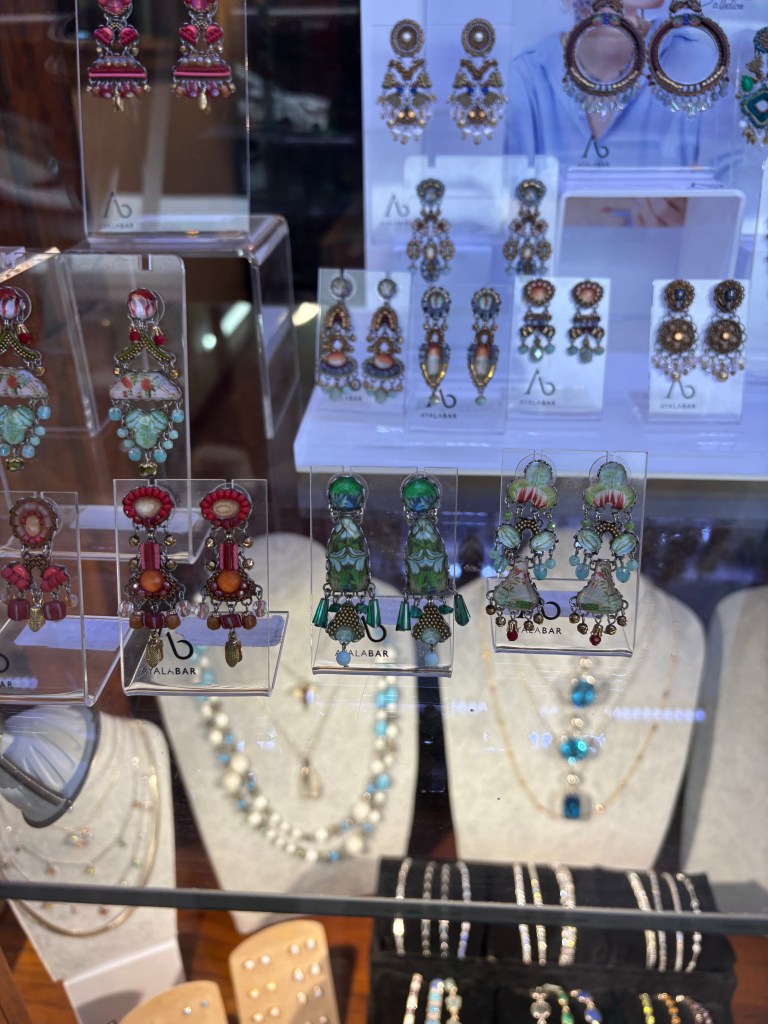
Cape Town falls at a similar latitude to Chile, Argentina, Australia, and New Zealand, all wine-producing regions of the south. They are about the same distance from the equator, in the opposite direction, from such well-known northern wine regions as Italy, France, Spain, and Napa Valley in California.

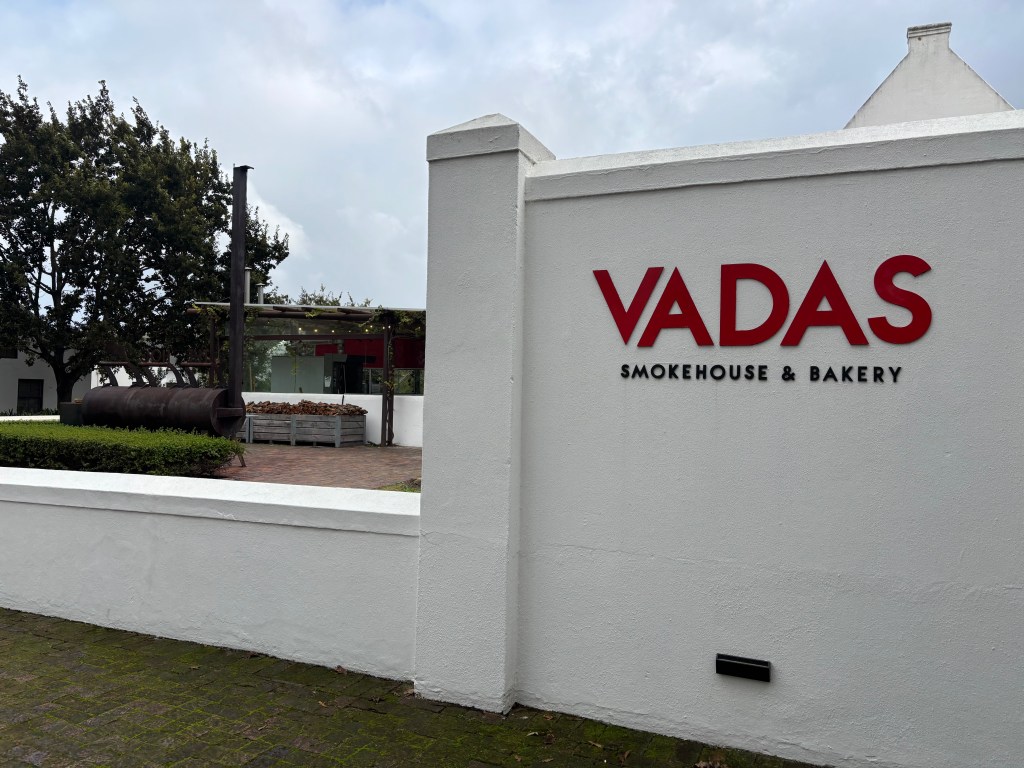
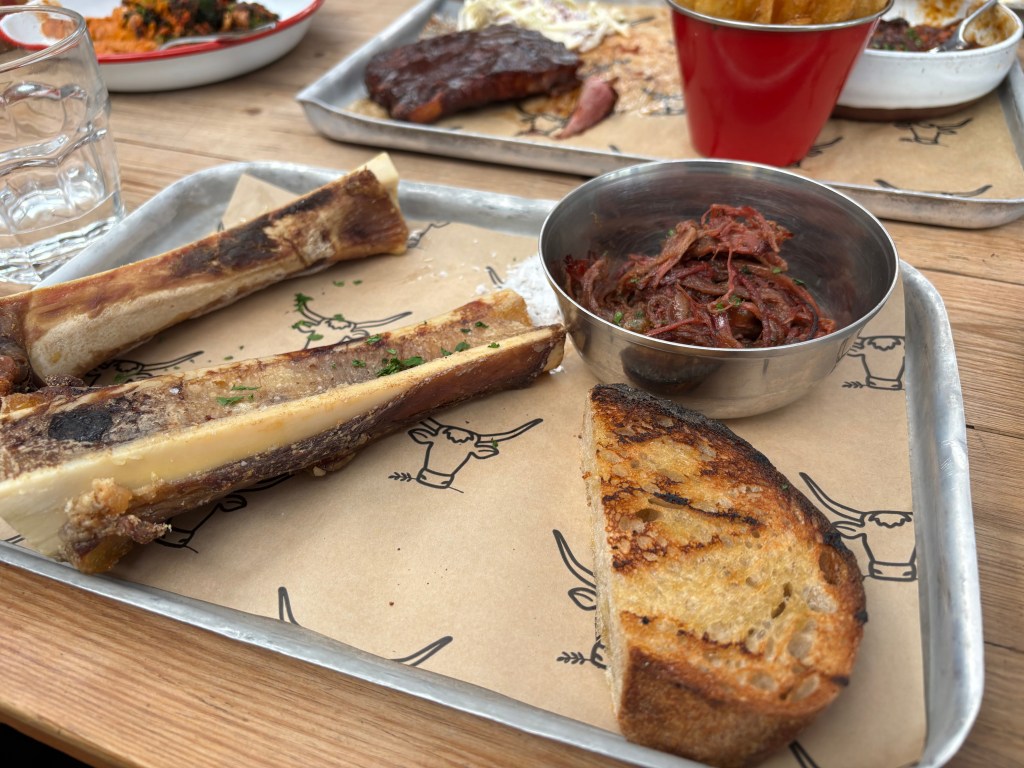
We went to lunch at a smokehouse before our wine tasting, and I got a delicious meal of beef tips. Then, the women sat down for our wine tasting while Enock and Dr. W wandered around. We each got three tasters and three chocolates to pair with them. We had a great time and all the wine was pretty good!
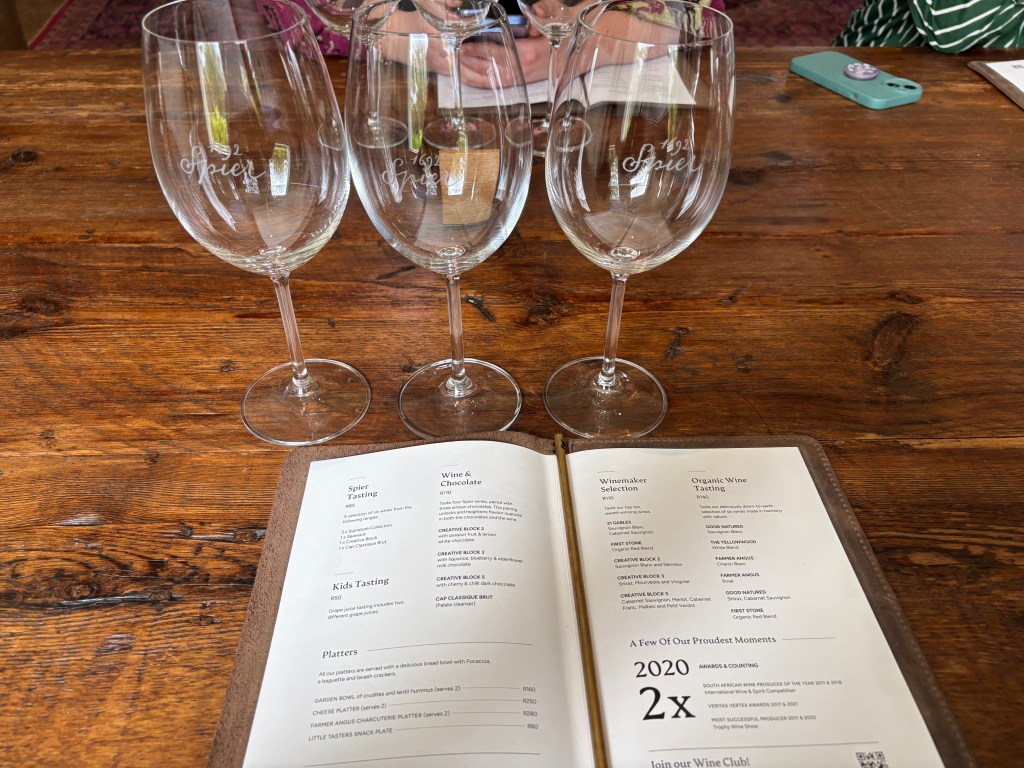
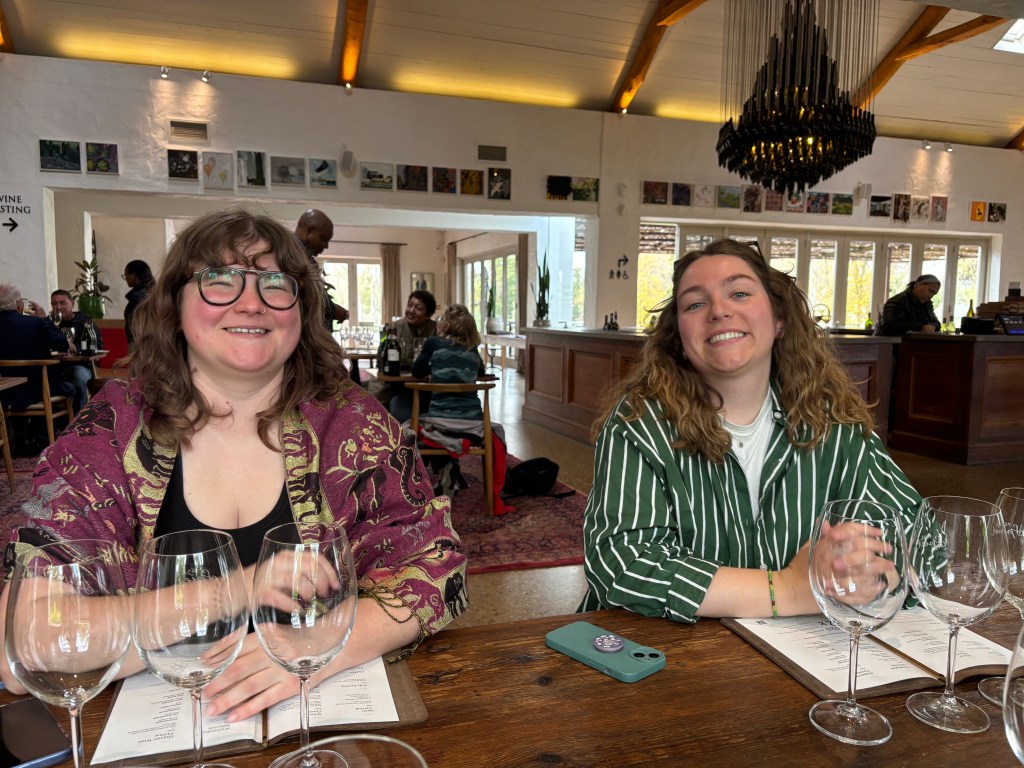
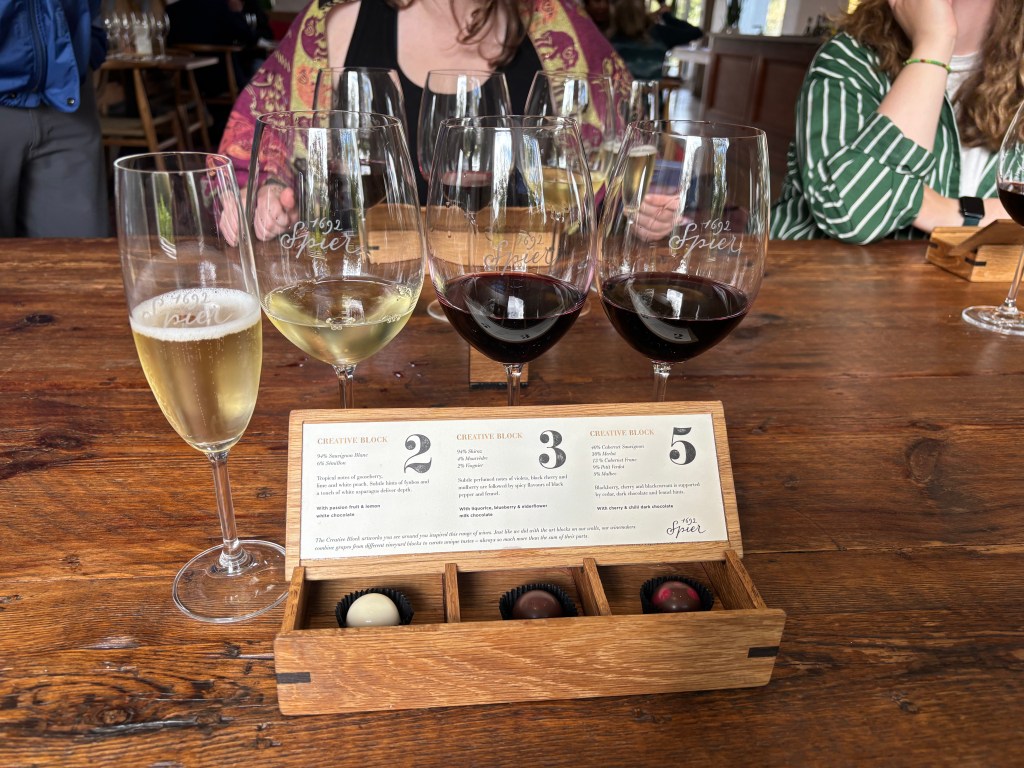
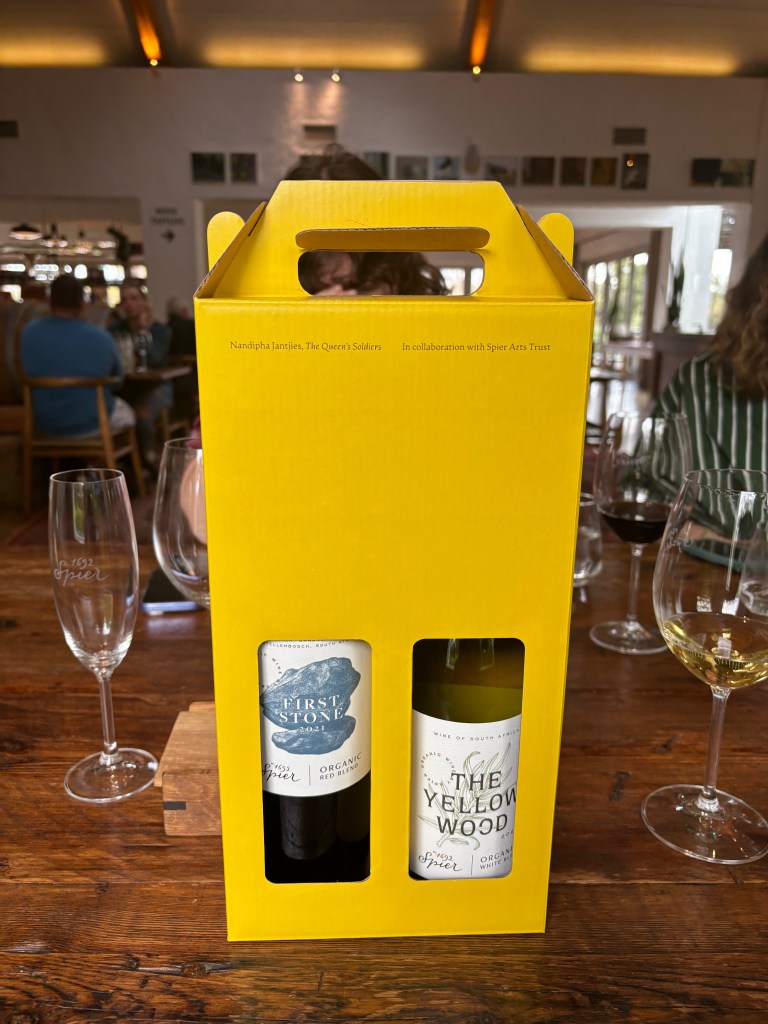
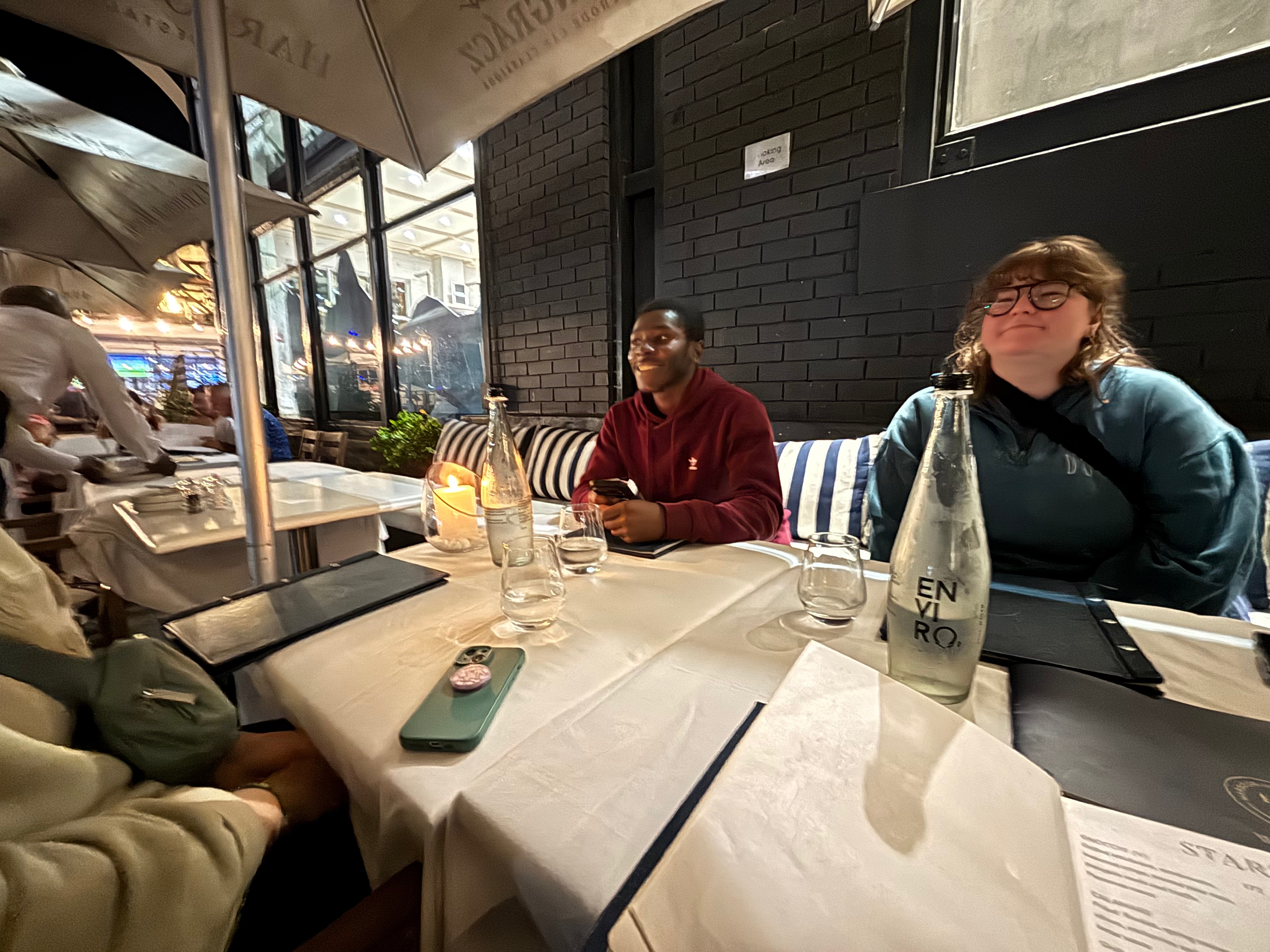
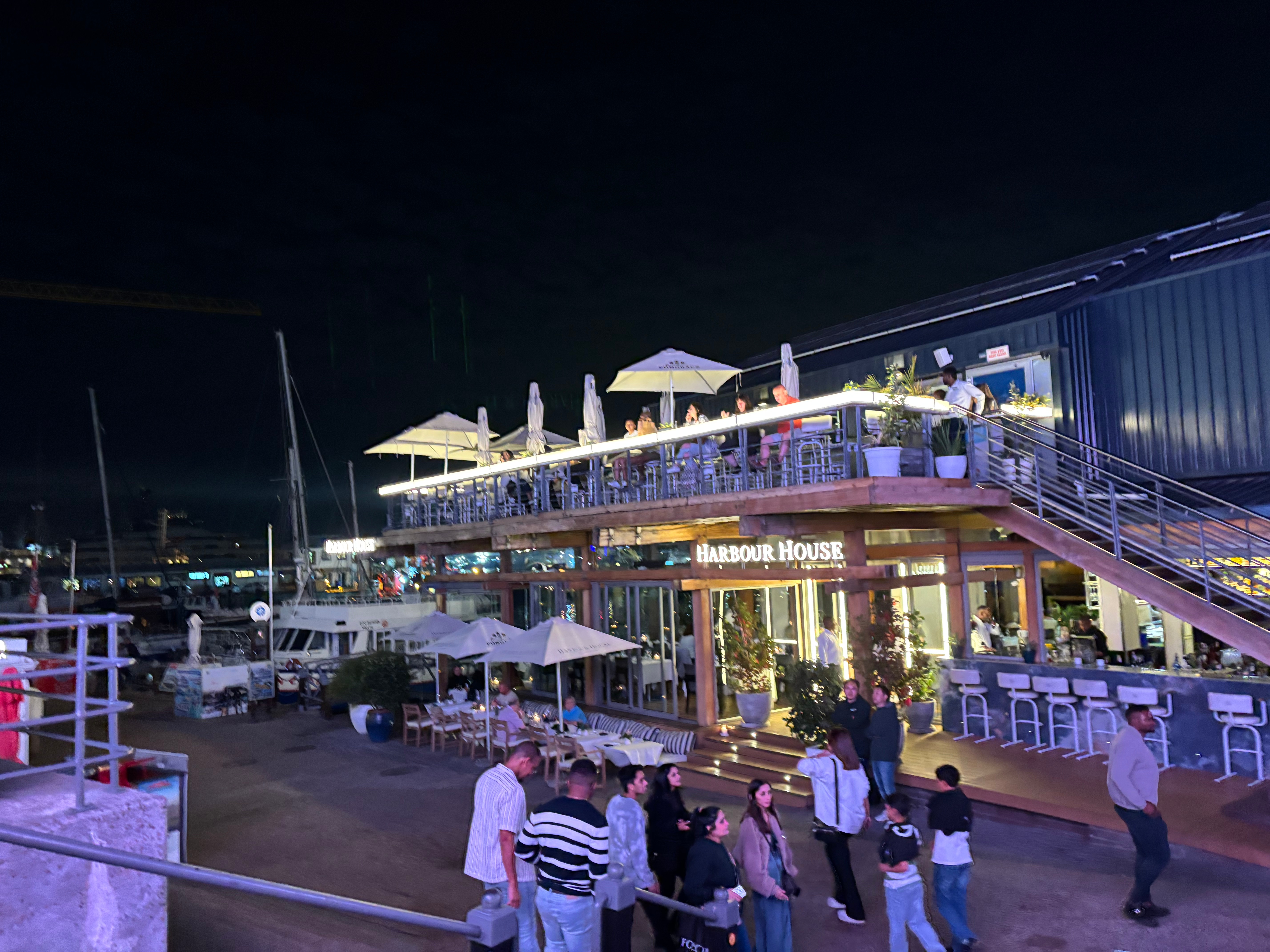
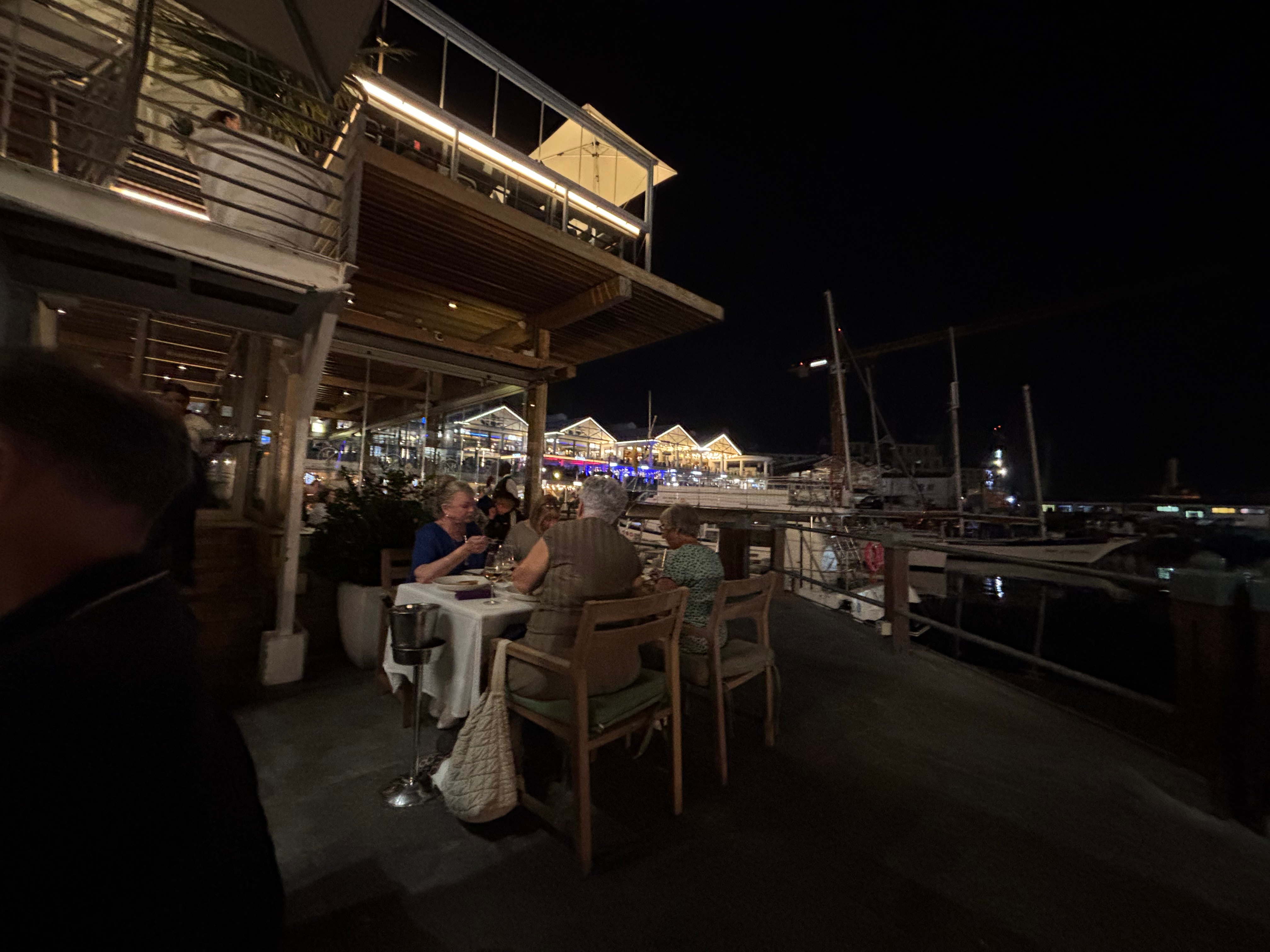
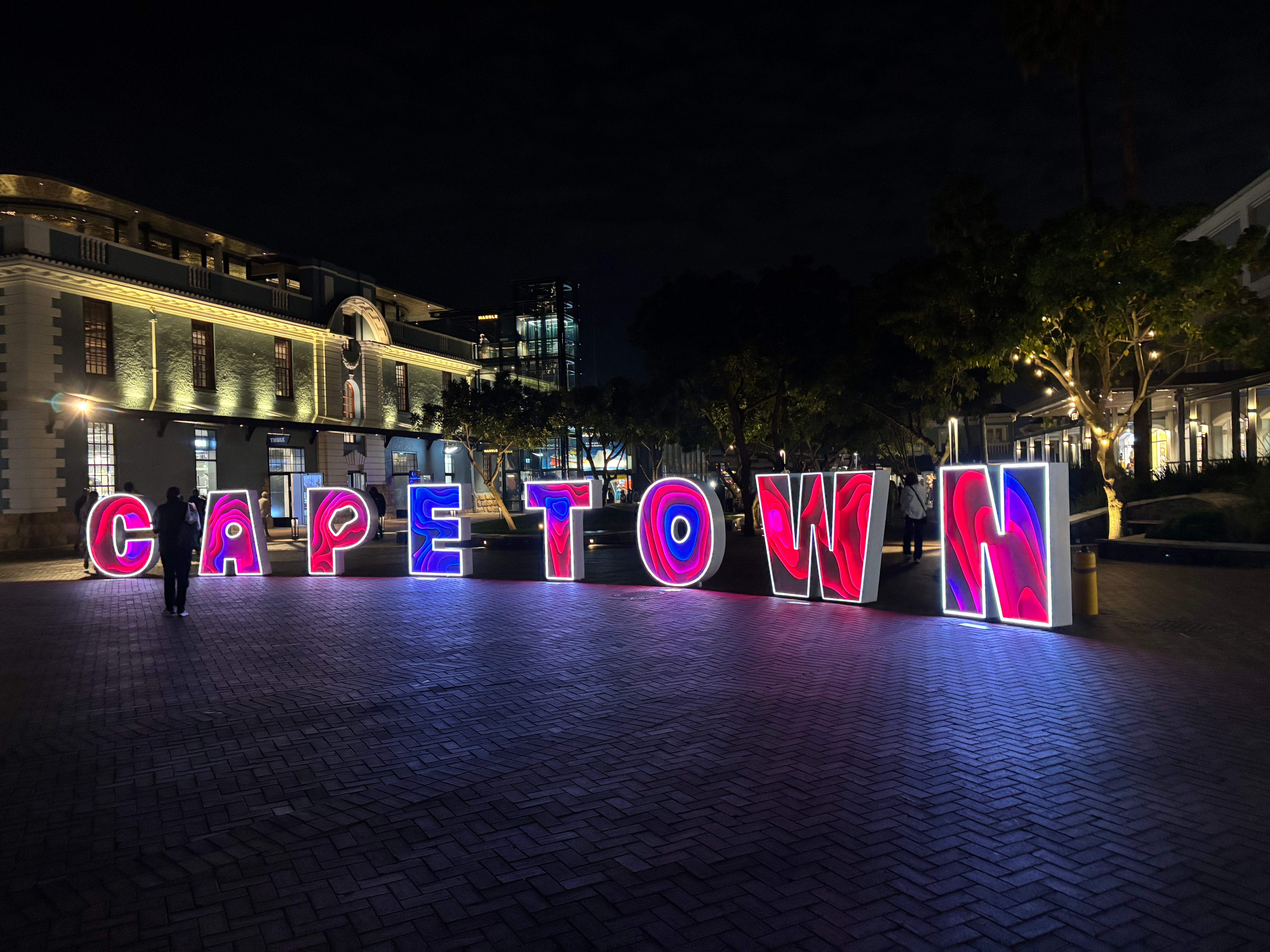
We headed back to Cape Town for our final evening. It was spent grabbing final souvenirs, wandering the waterfront, grabbing some more dinner, and then packing.
Day 4- District Six museum and the flight out
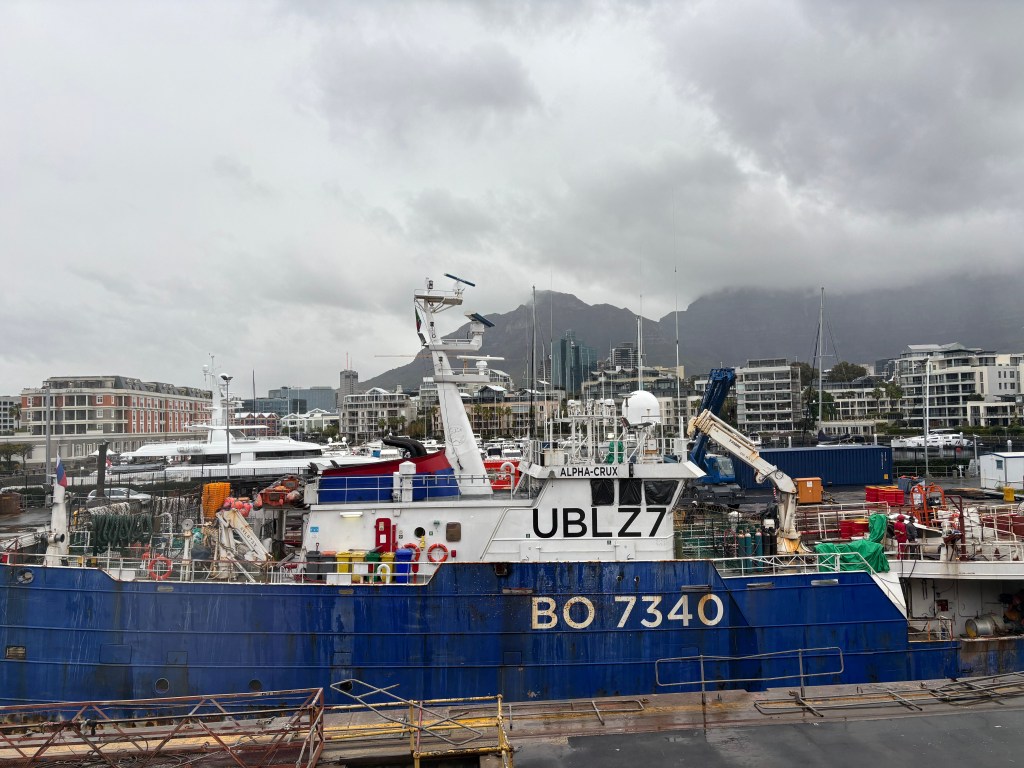
We’d planned well, because the bad weather only hit us on our very last day, when we were already planning on spending the day inside.
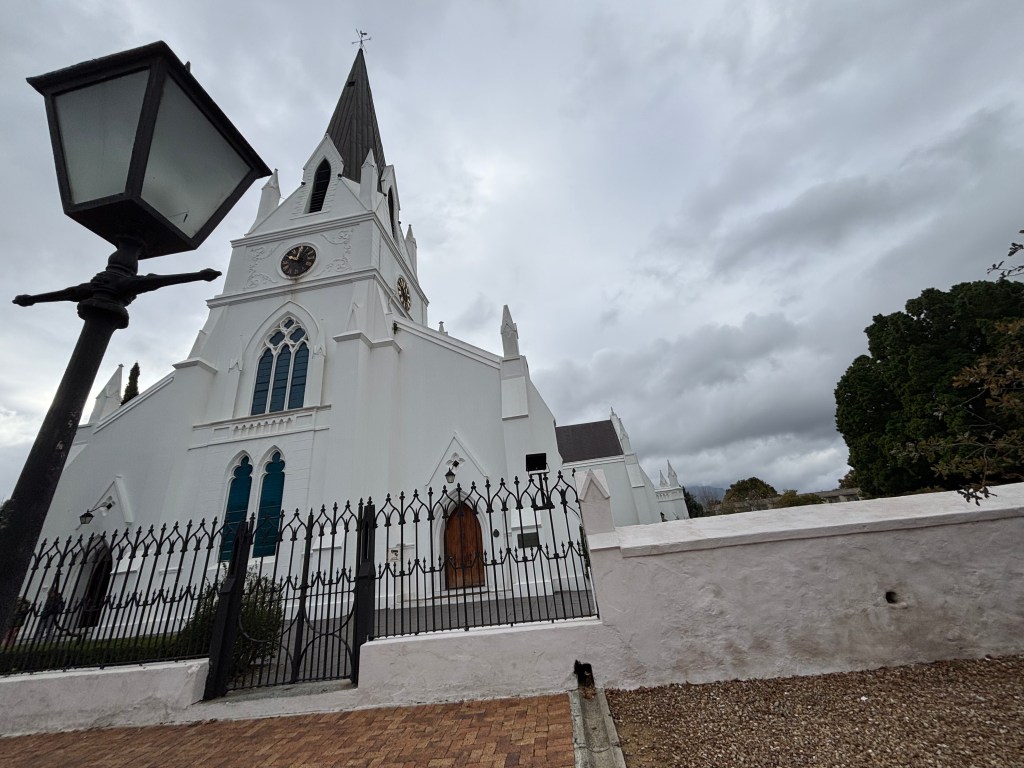
Our flight out of South Africa wasn’t until the evening, so the next morning, we headed out to the District Six museum. District Six was a neighborhood in Cape Town where residents were forcibly removed during the Apartheid era to make room for gentrification and government buildings. District Six was a bustling and diverse neighborhood before the forced relocation of 60,000 residents to the townships, the shantytowns on the outskirts of the city. The museum, housed in an old Methodist church within the district, chronicles the experiences of the residents before and during the removal, showcasing individual stories, before and after pictures, and tour guides who were former residents sharing their stories.
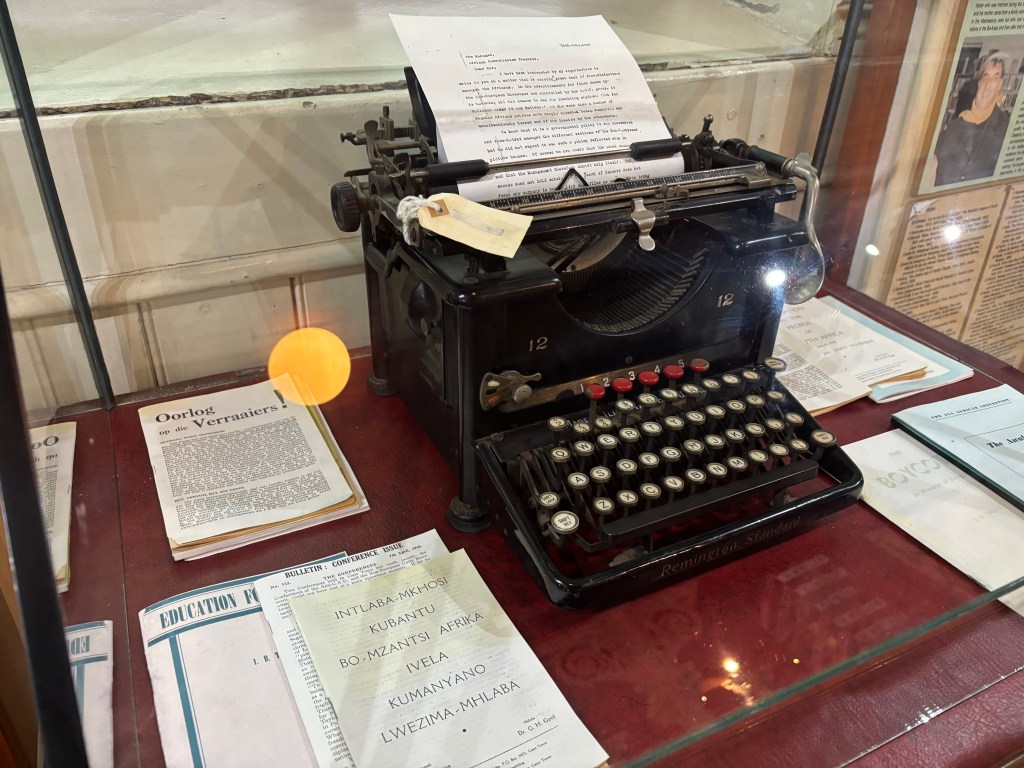
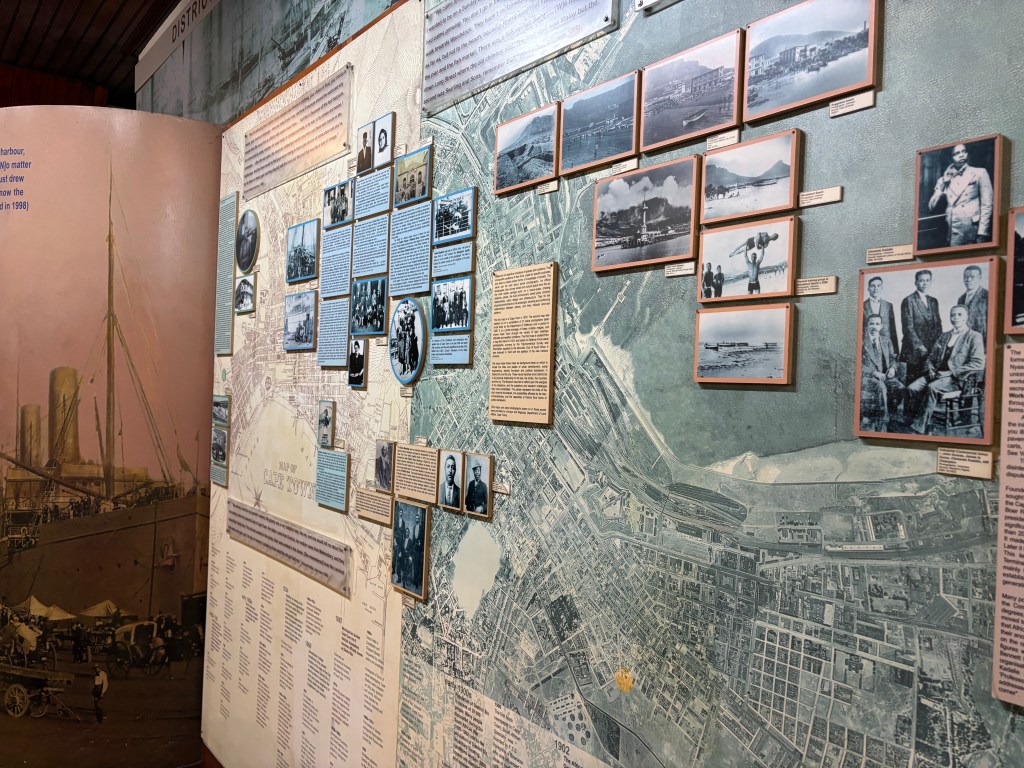

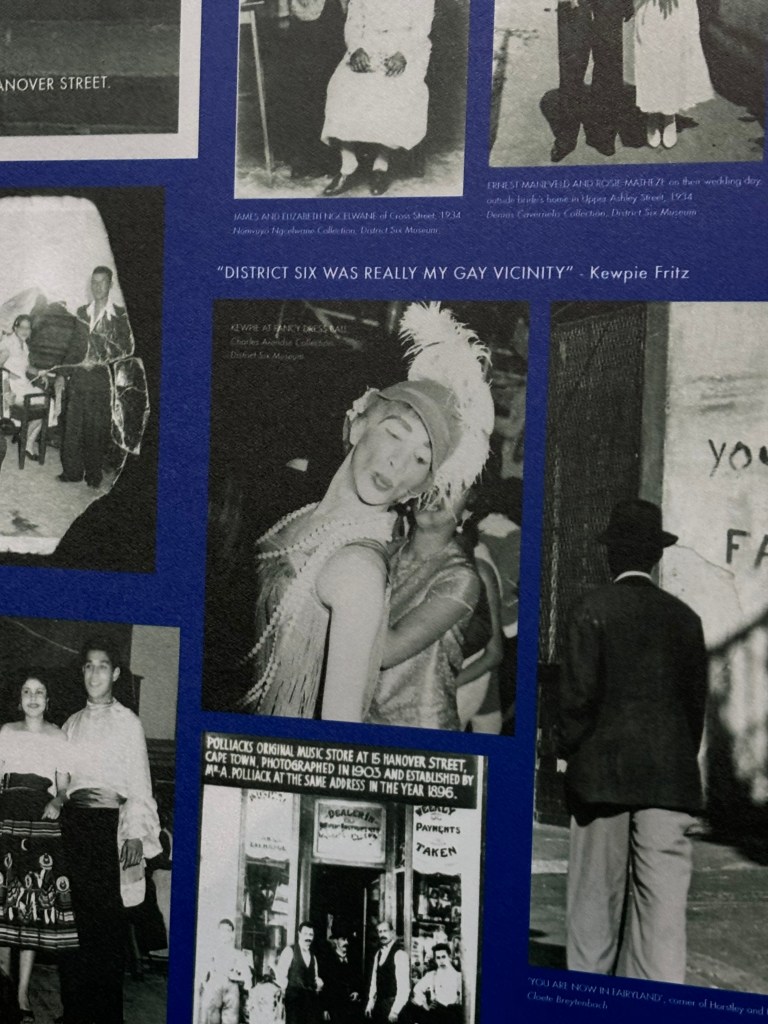

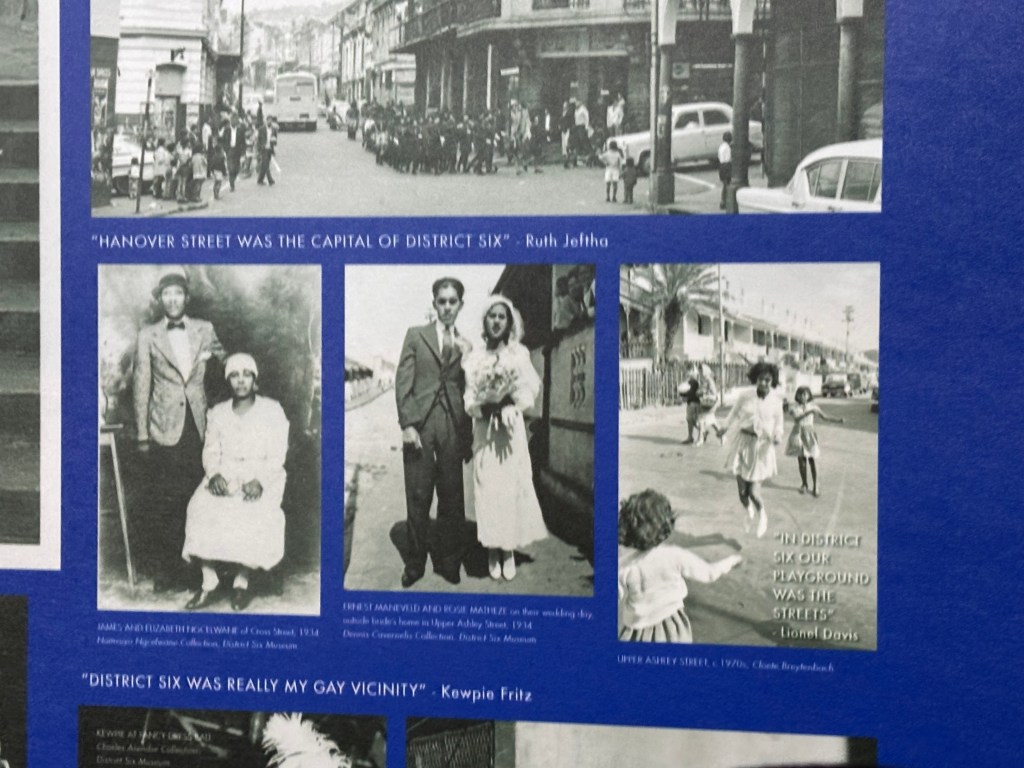
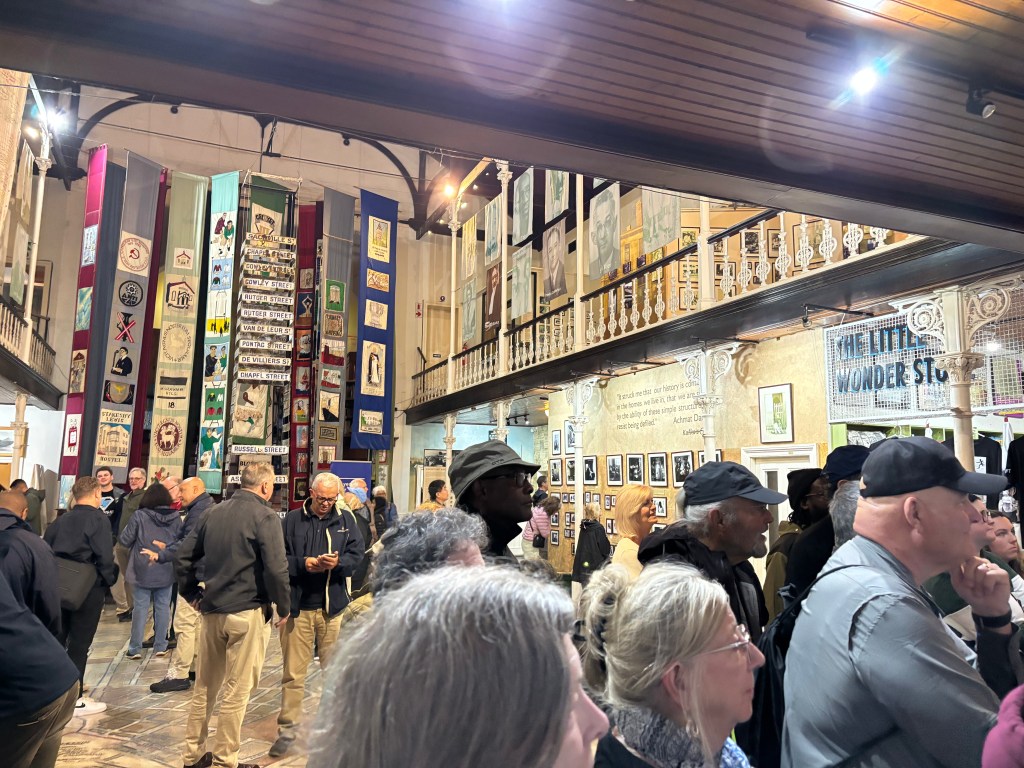
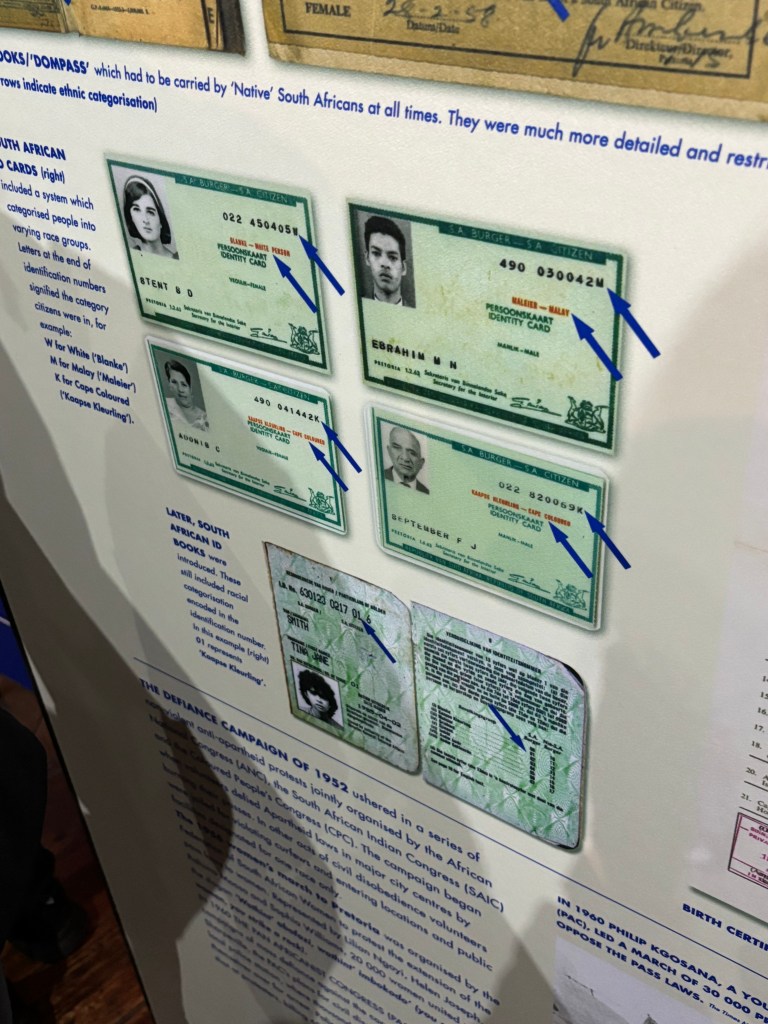
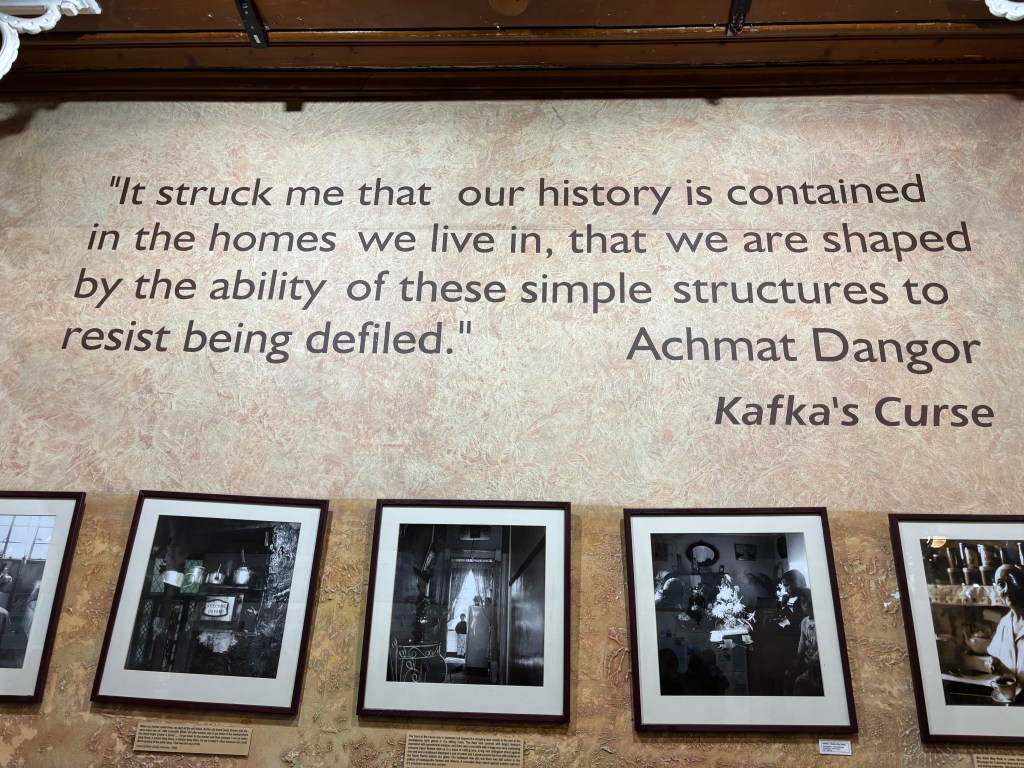
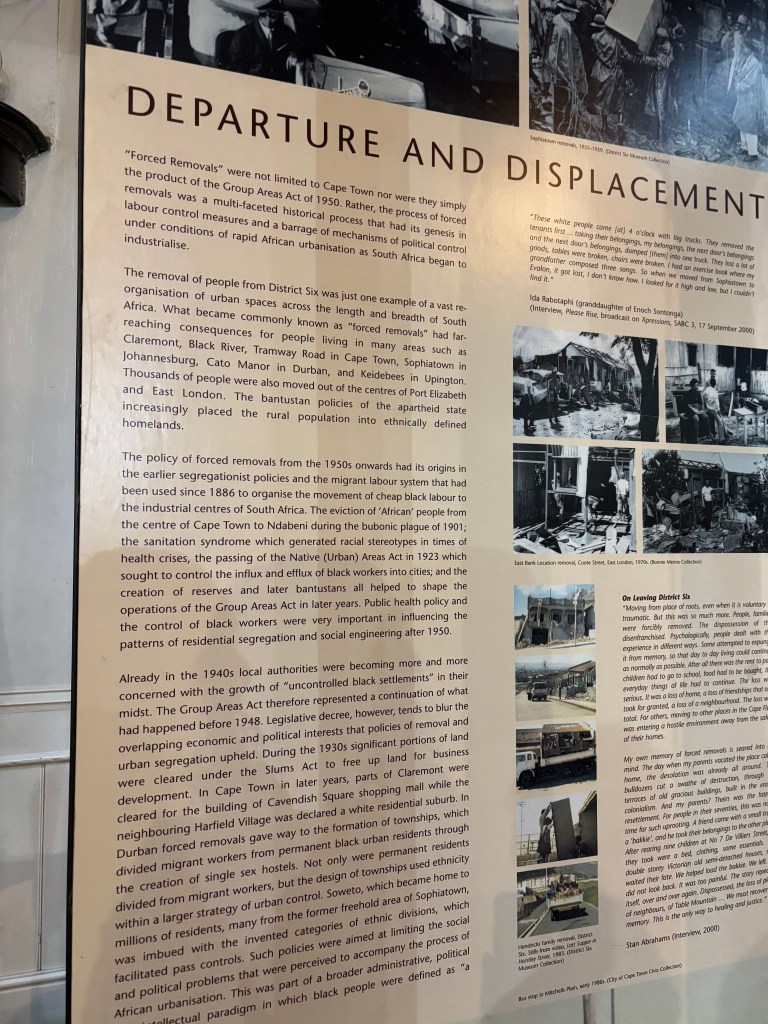
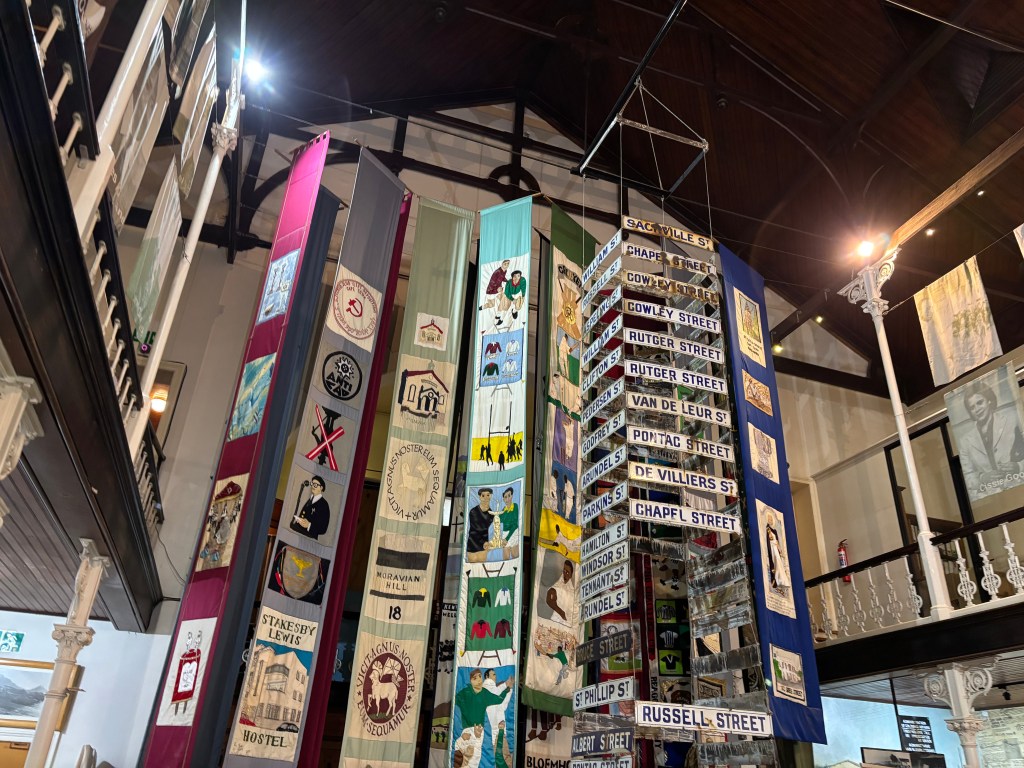
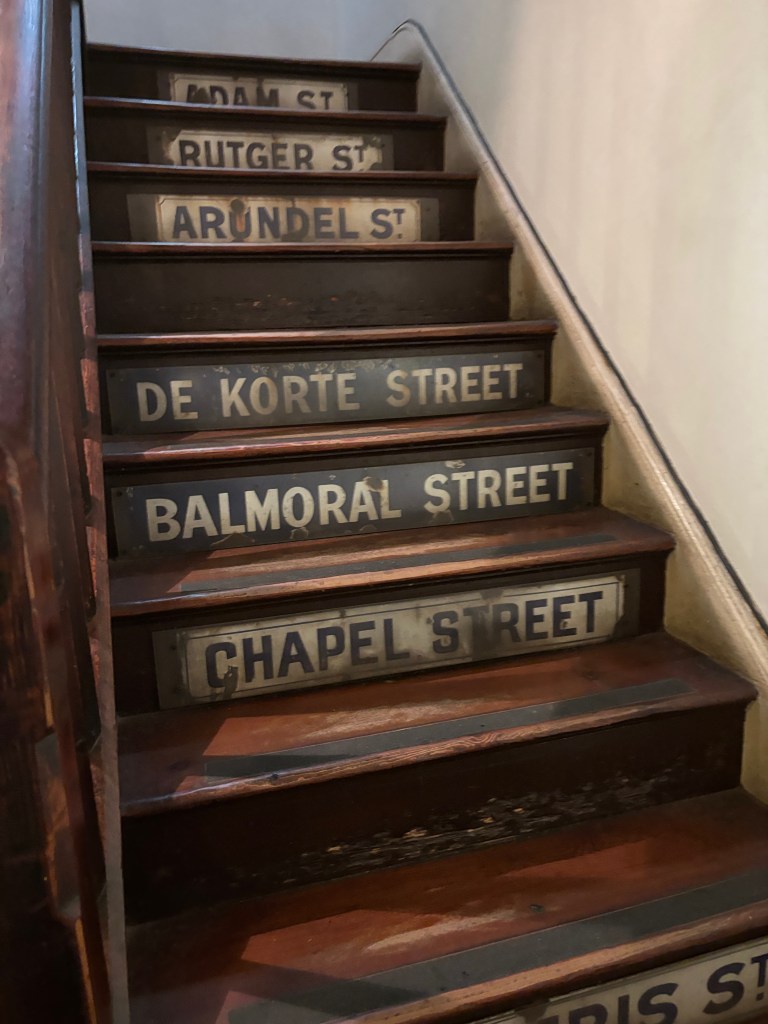
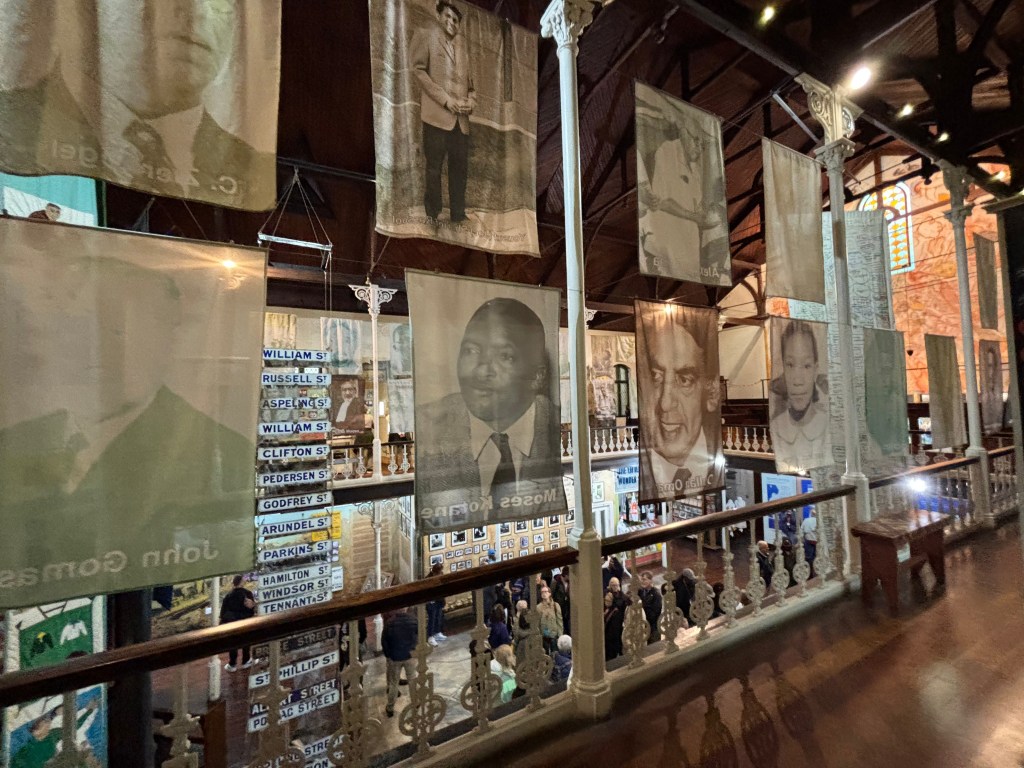
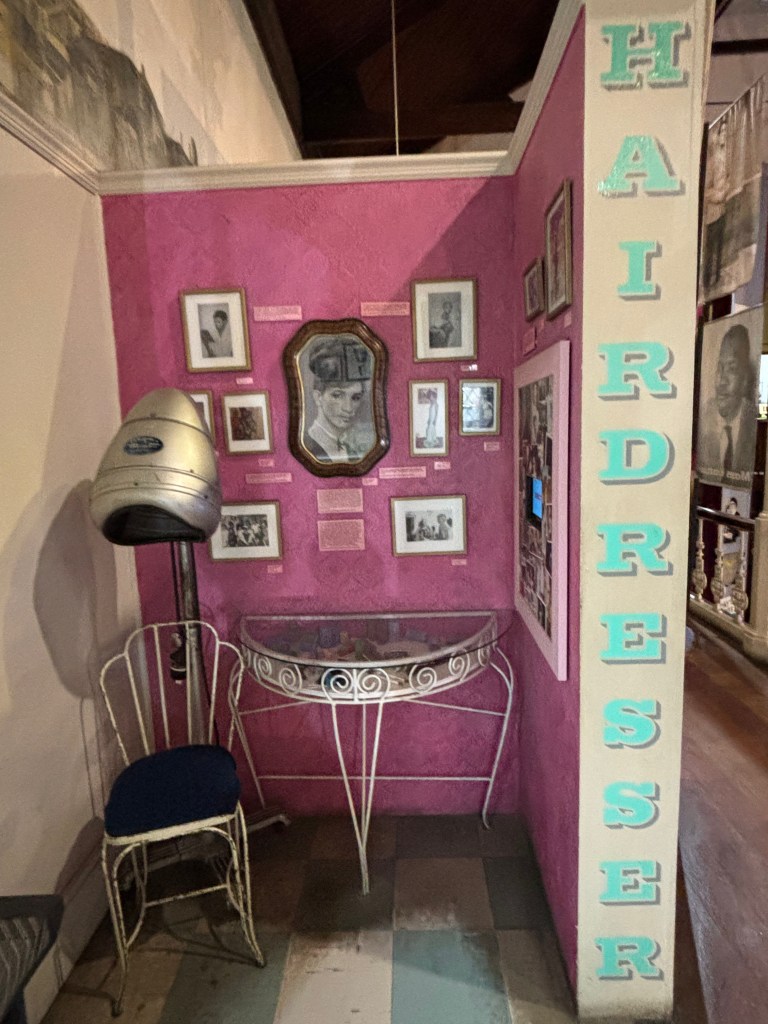
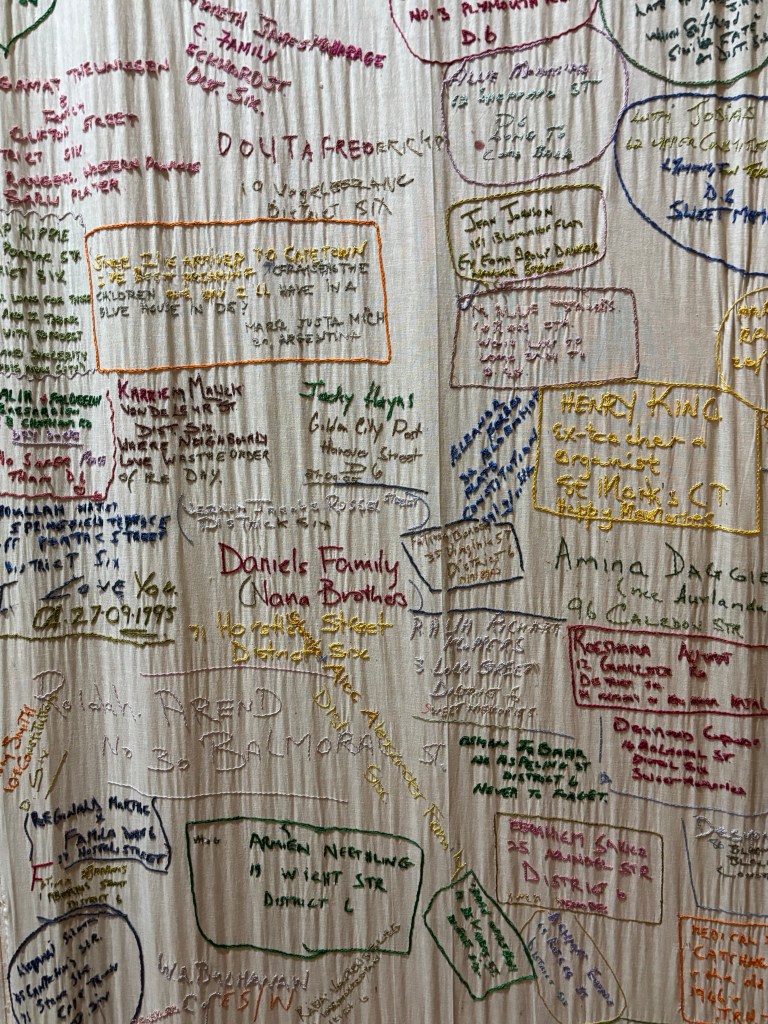

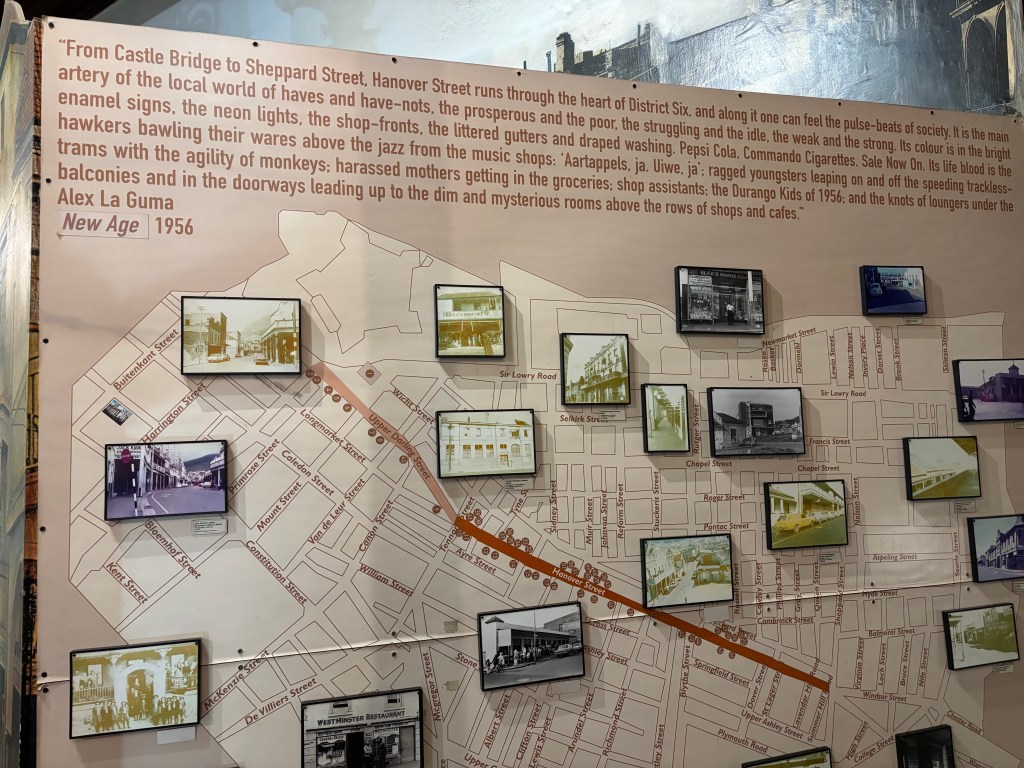
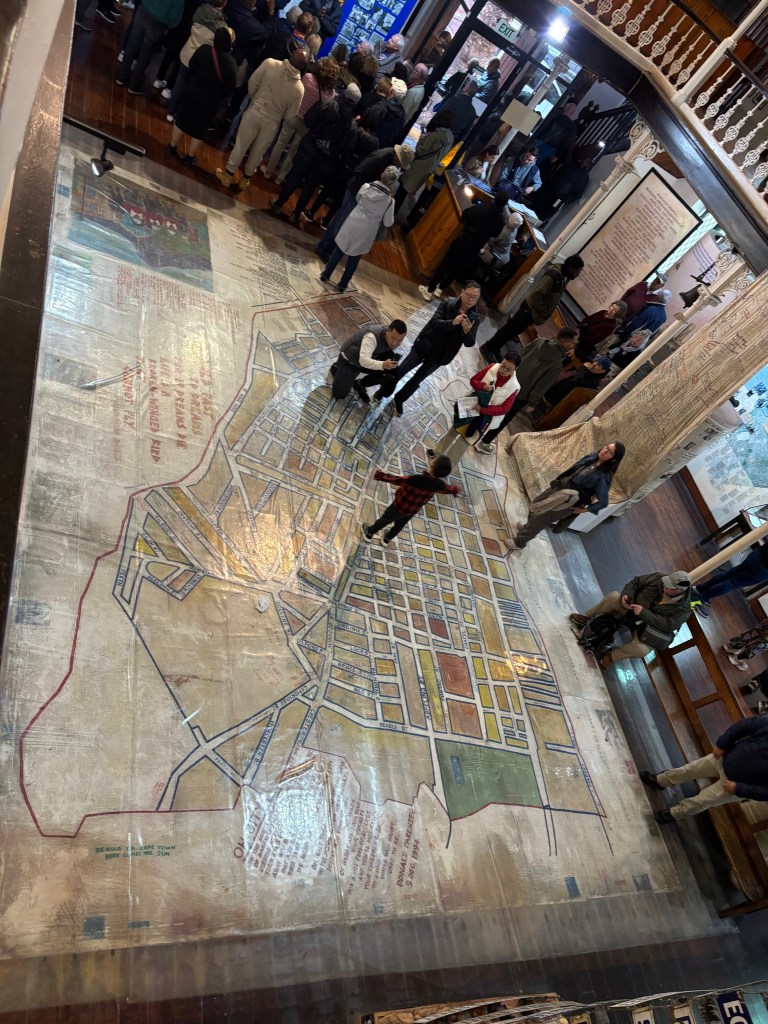

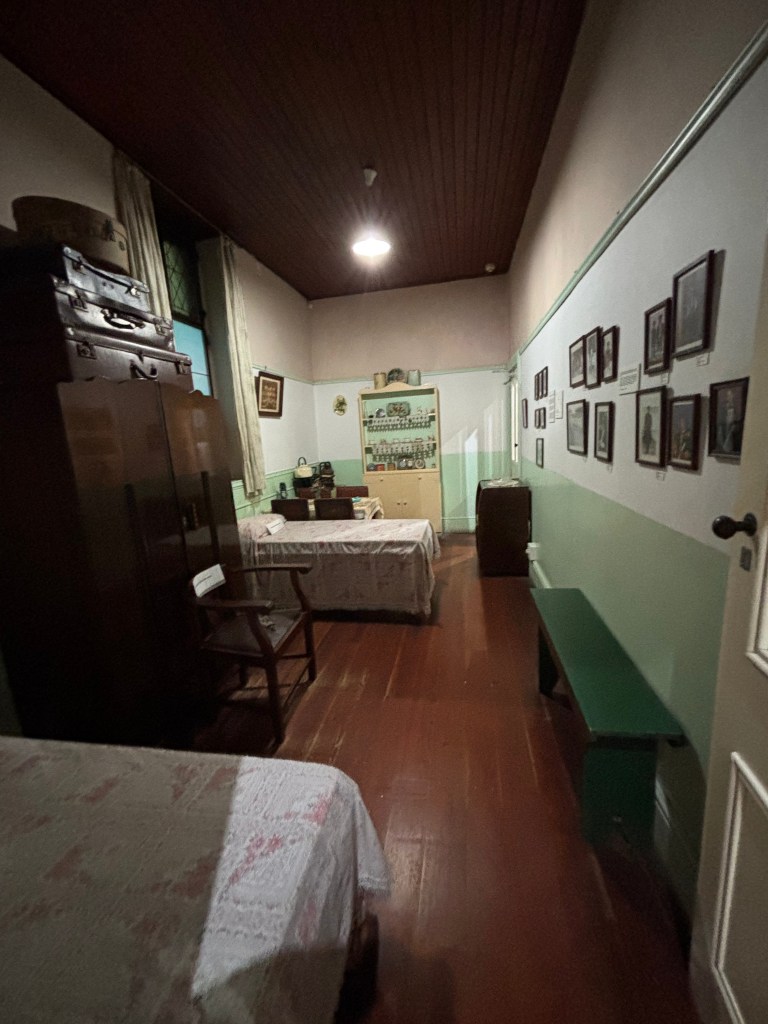
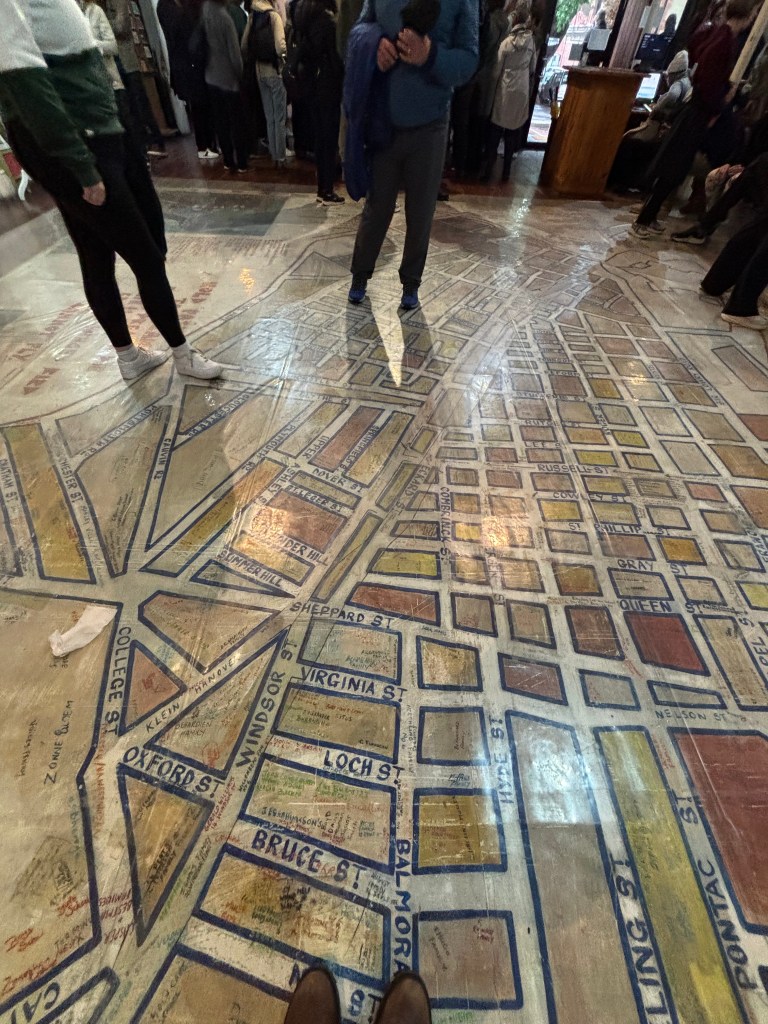
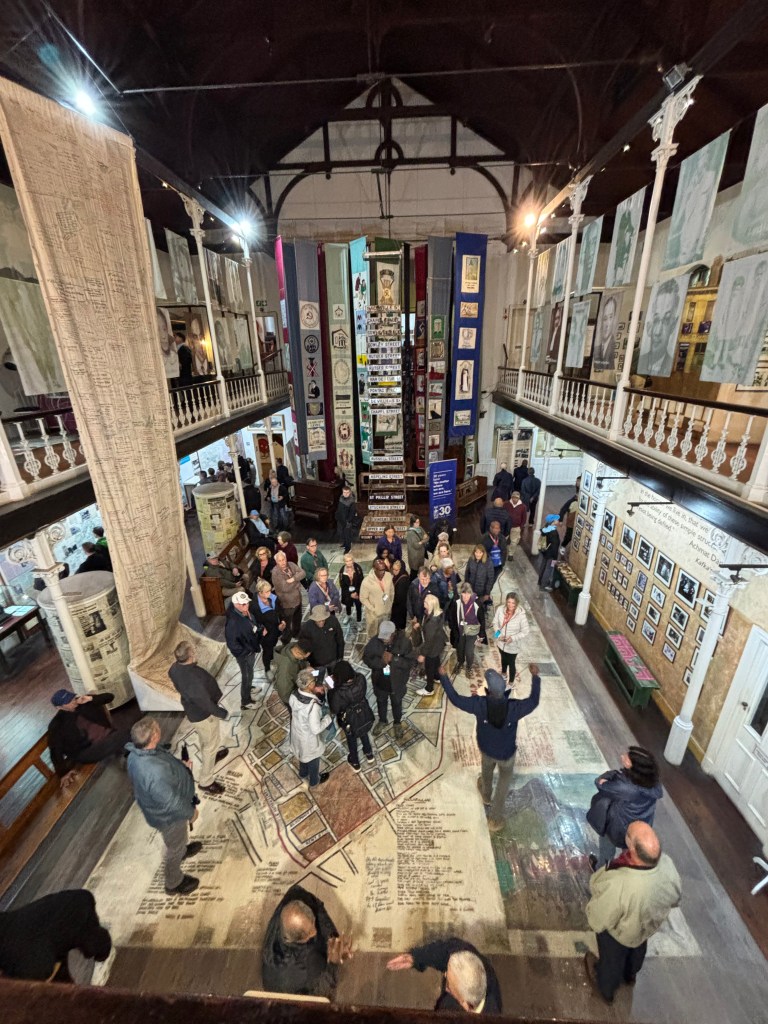
Like Robben Island, the memory of the Apartheid-era and the continued influence of Apartheid on the current society were front and center for this experience. The stories of the tight-knit community pre-removal were touching, making their dispersal all the more heartbreaking as residents were sent to different townships. The relocation made working more difficult, since parents would now have to commute to work rather than walking a few short blocks, and childcare became more difficult when instead of a trusted neighbor watching children after school, the community was now split willy-nilly between the various townships and neighbors were now strangers.
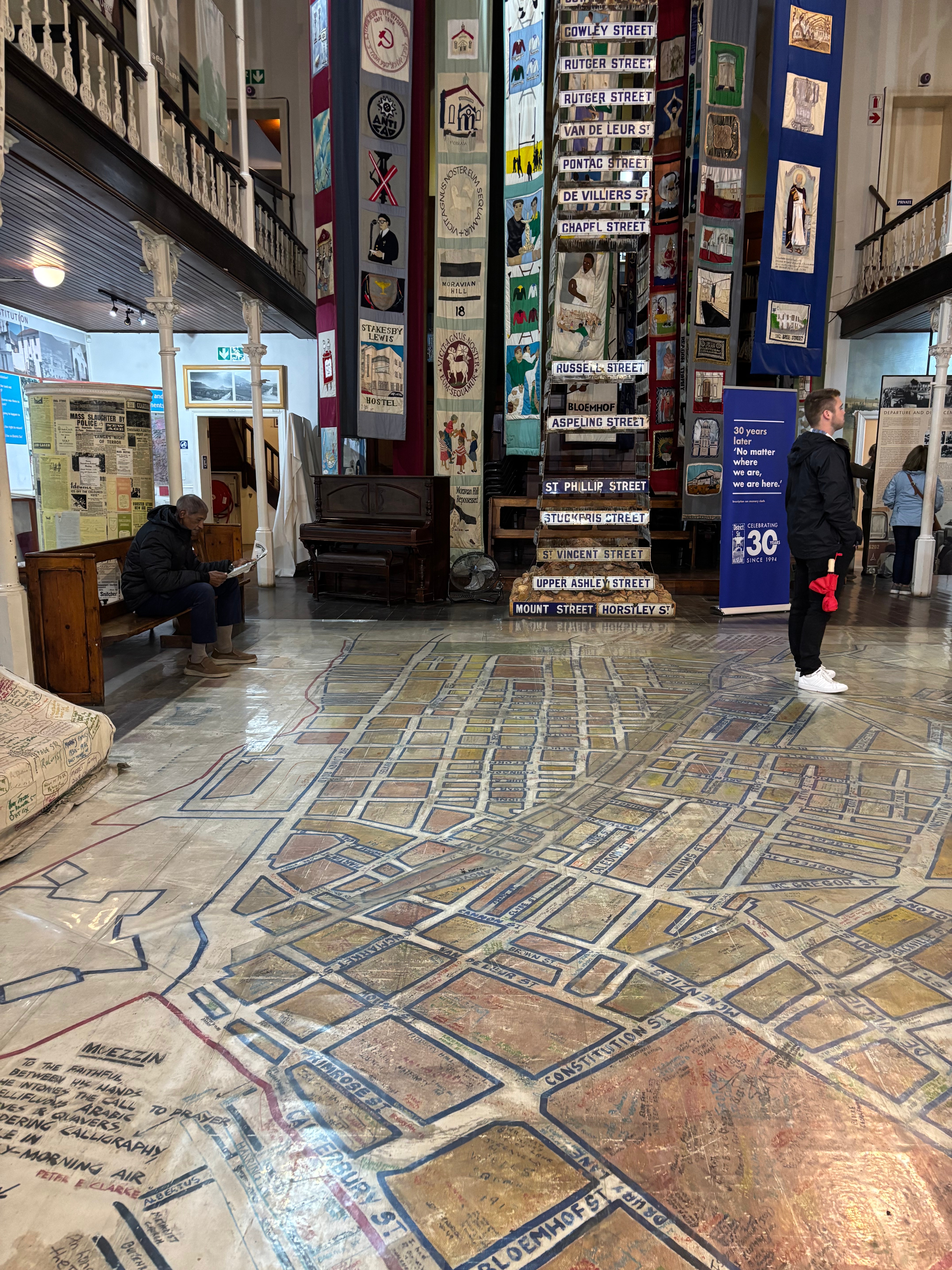
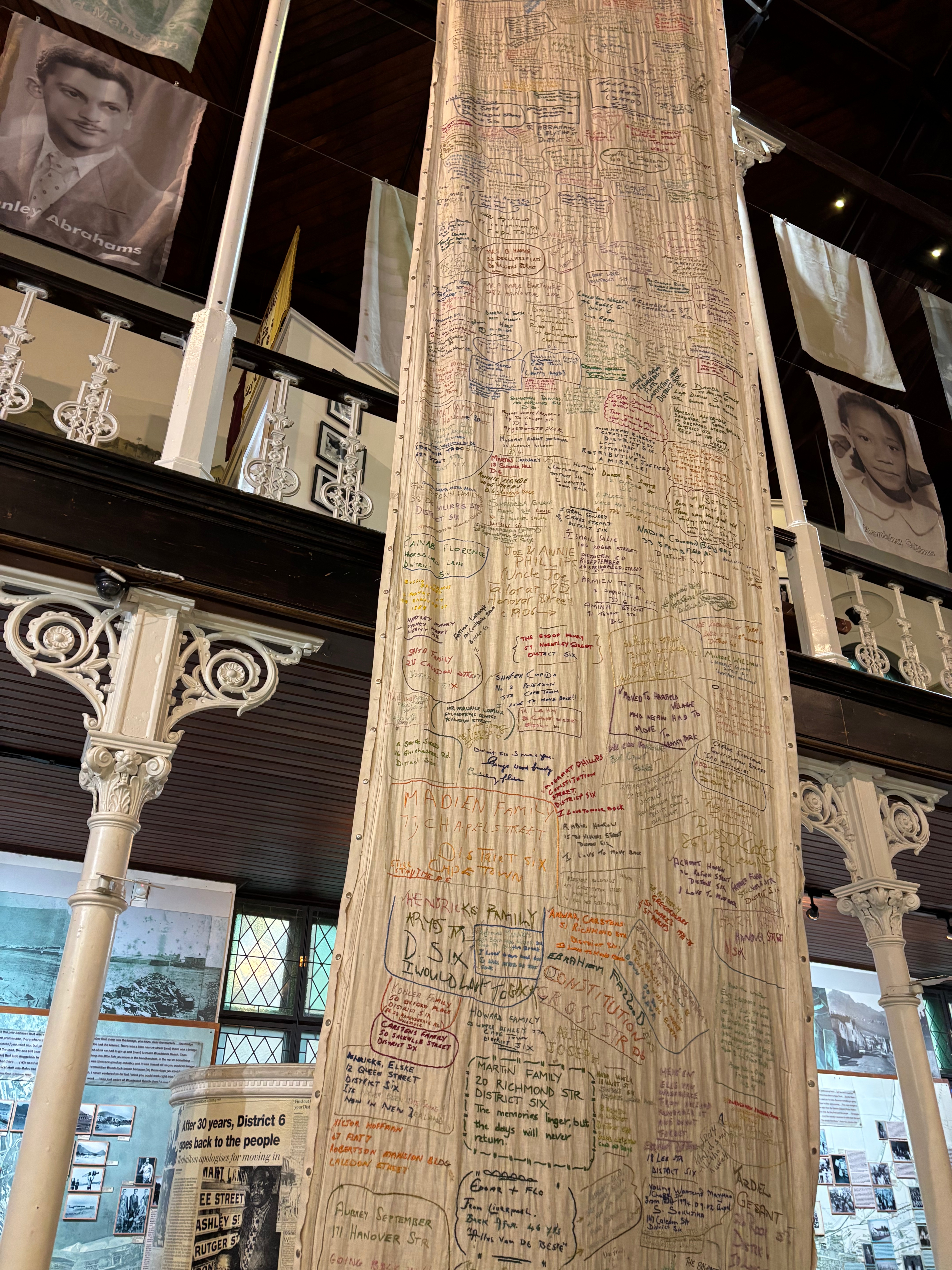
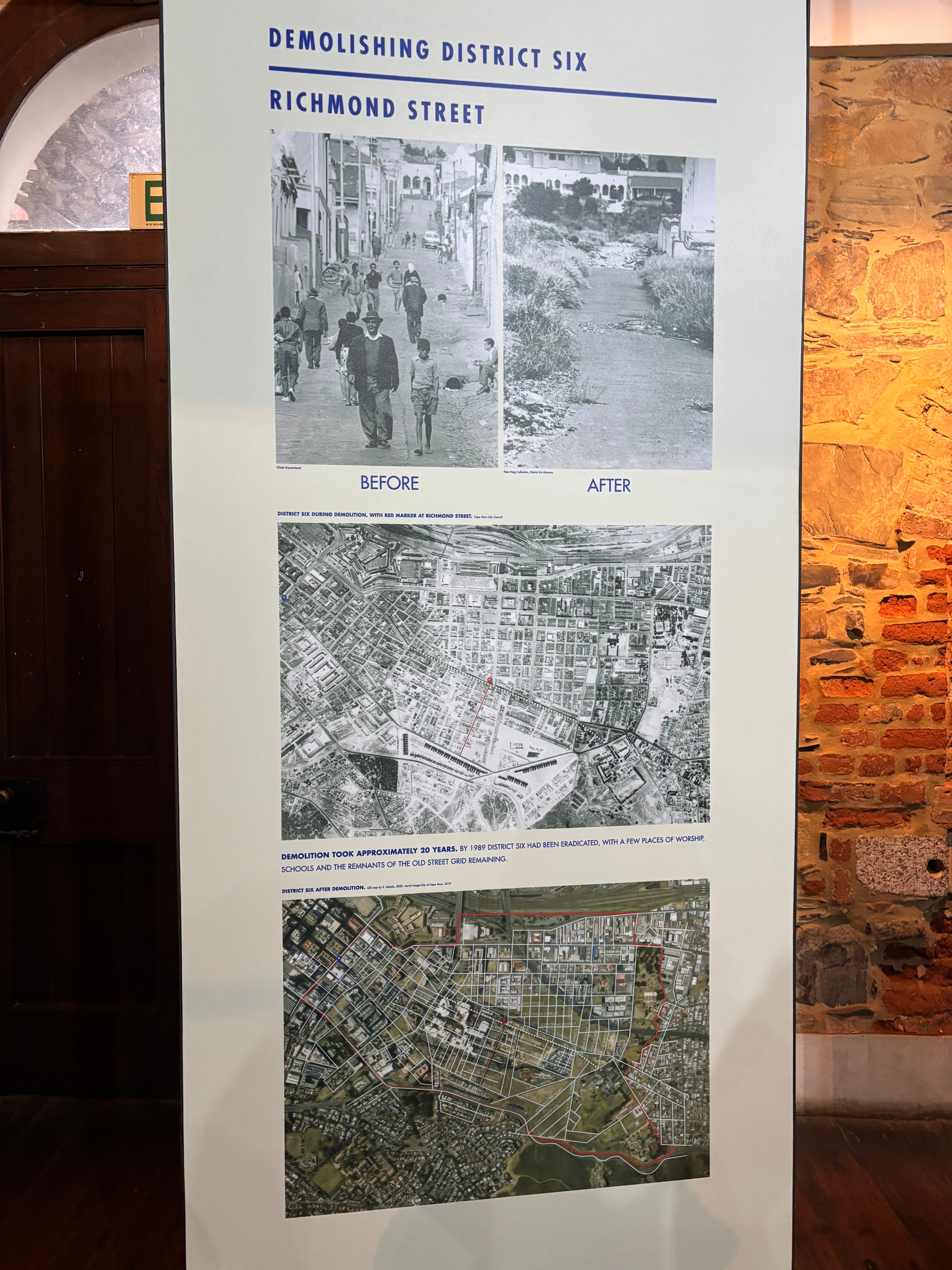

It was fascinating, in this post-Apartheid era, to have our tour guide break down the systemic oppression, highlighting various steps that the government took and how those steps further broke down the strong District Six community. Although I’d seen it throughout, he pointed out various places in which the Apartheid government had been influenced by the Nazis and the U.S. (when dealing with both Native Americans and Black Americans).
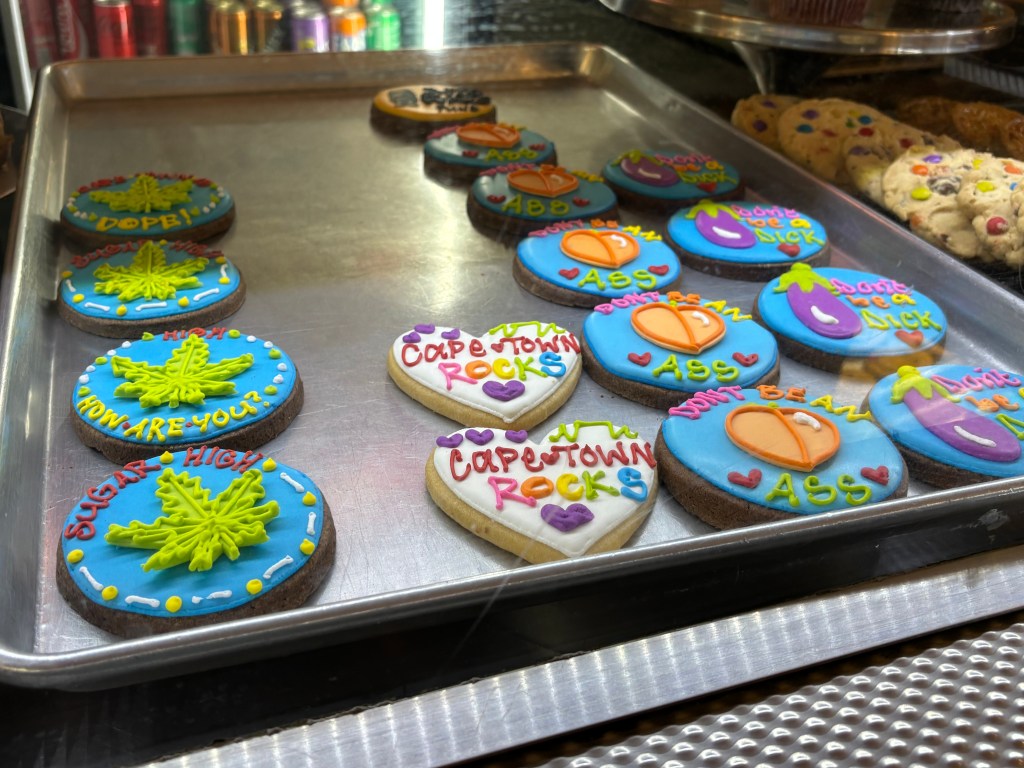
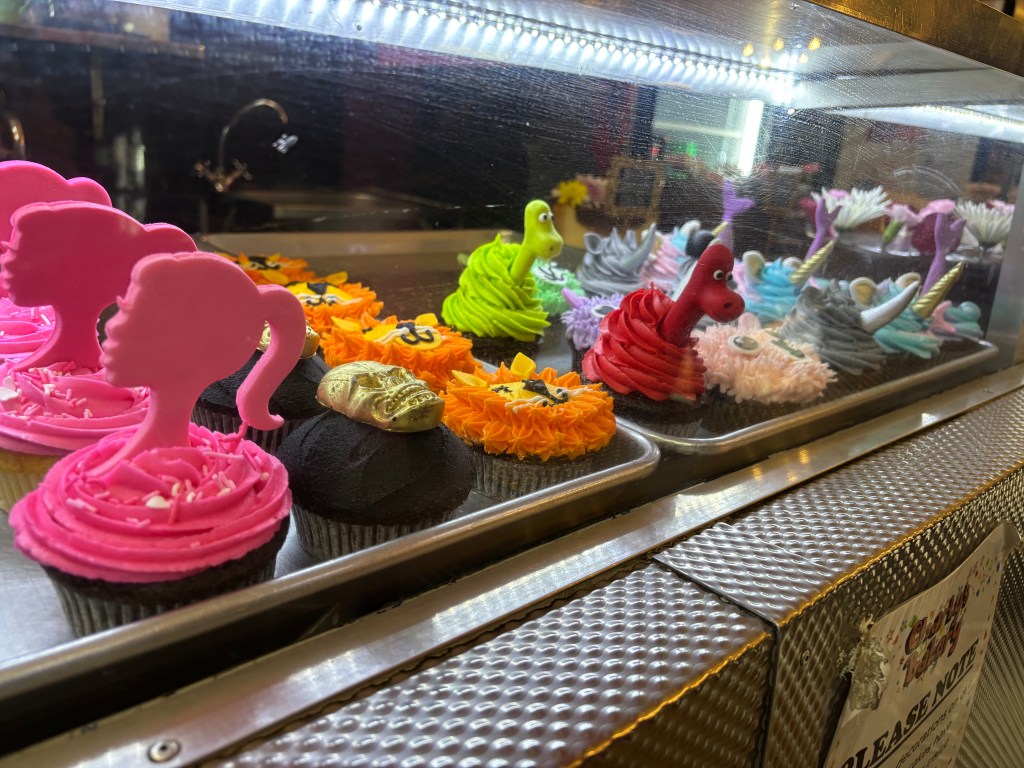
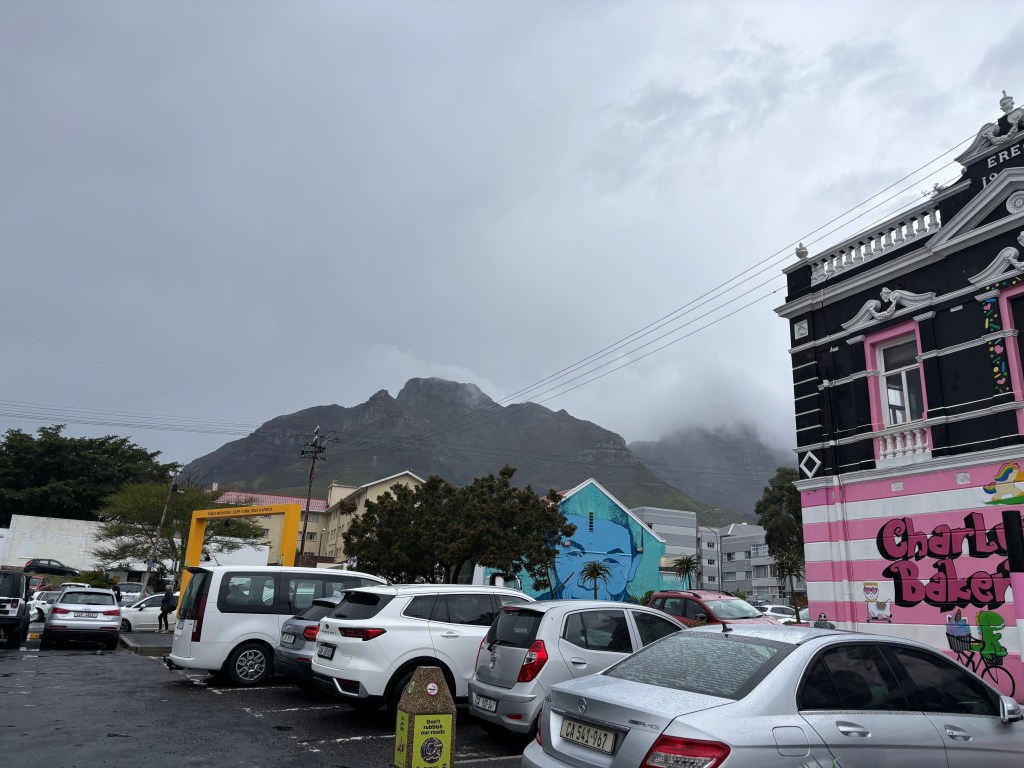
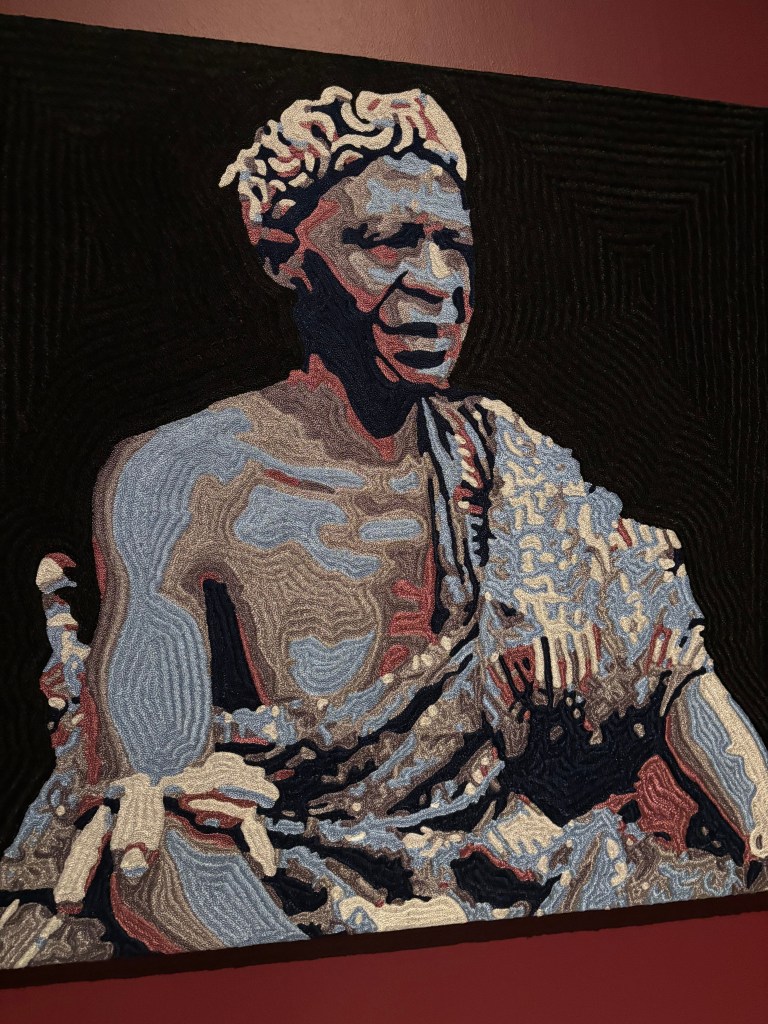
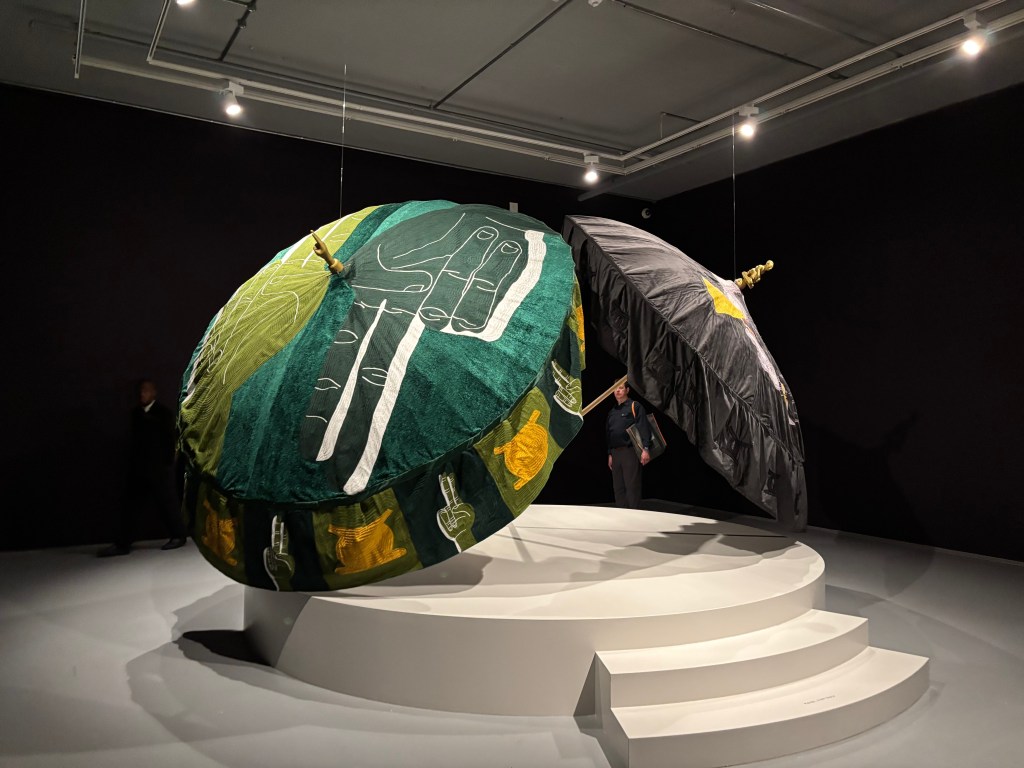
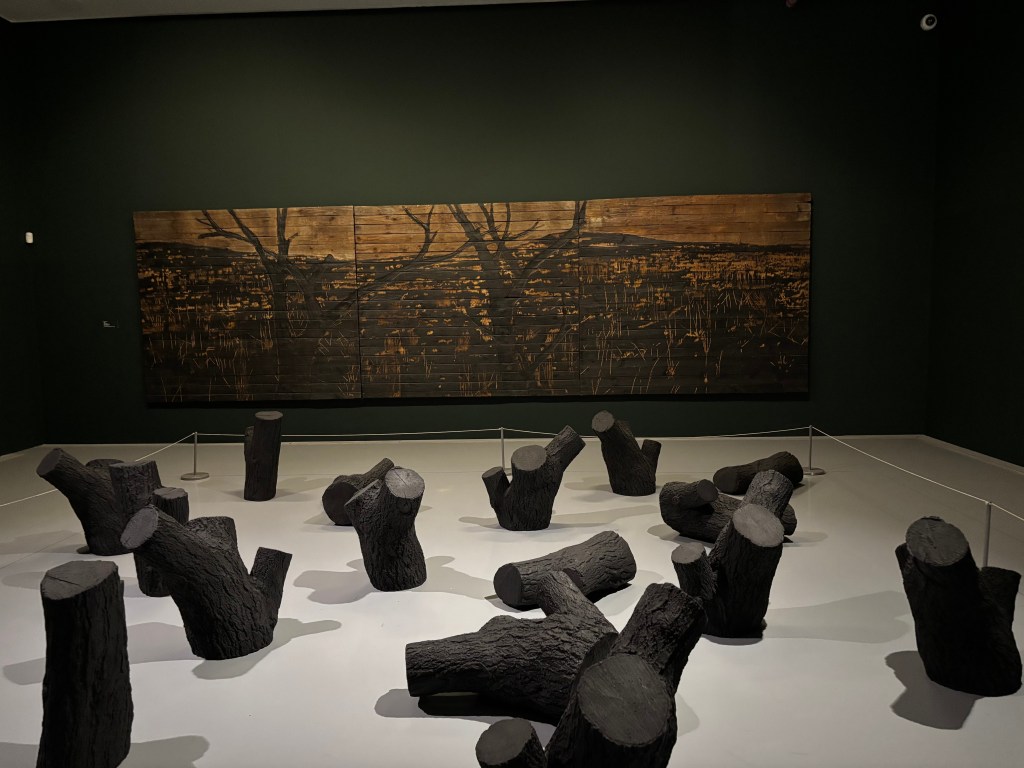
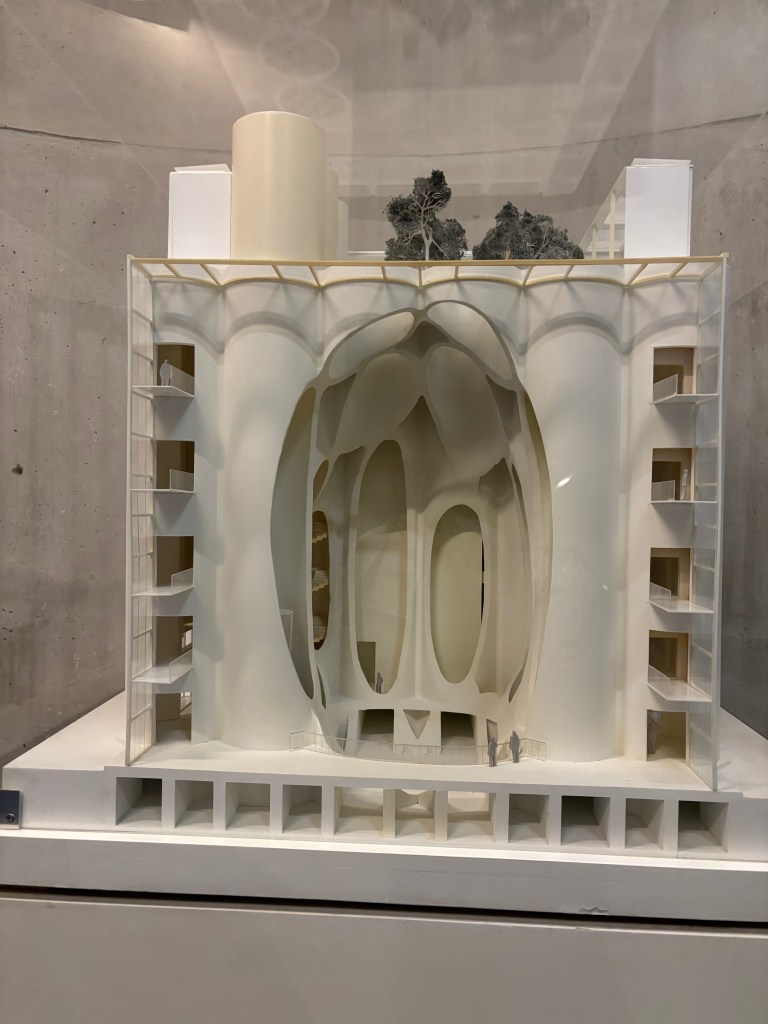
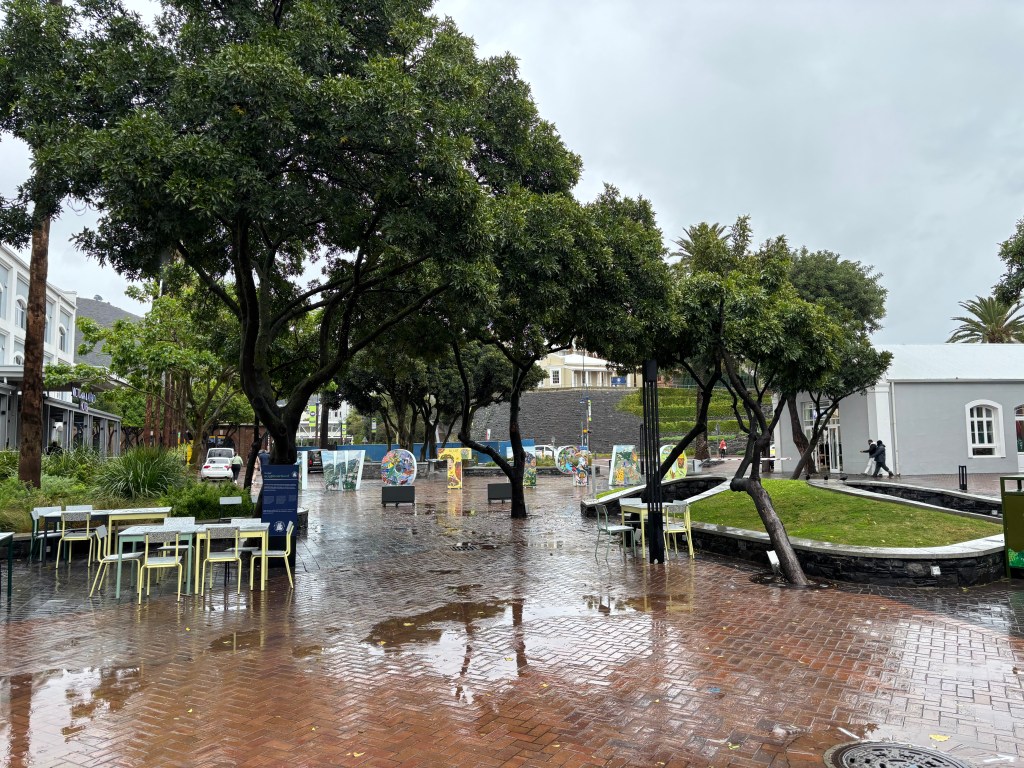
After the tour, we wandered around the exhibits for a little while longer before heading out. We stopped at a bakery along the way, then wandered around the waterfront towards a local art museum, looking for a way to fill up a bit more time before heading out, but limited by the rain.
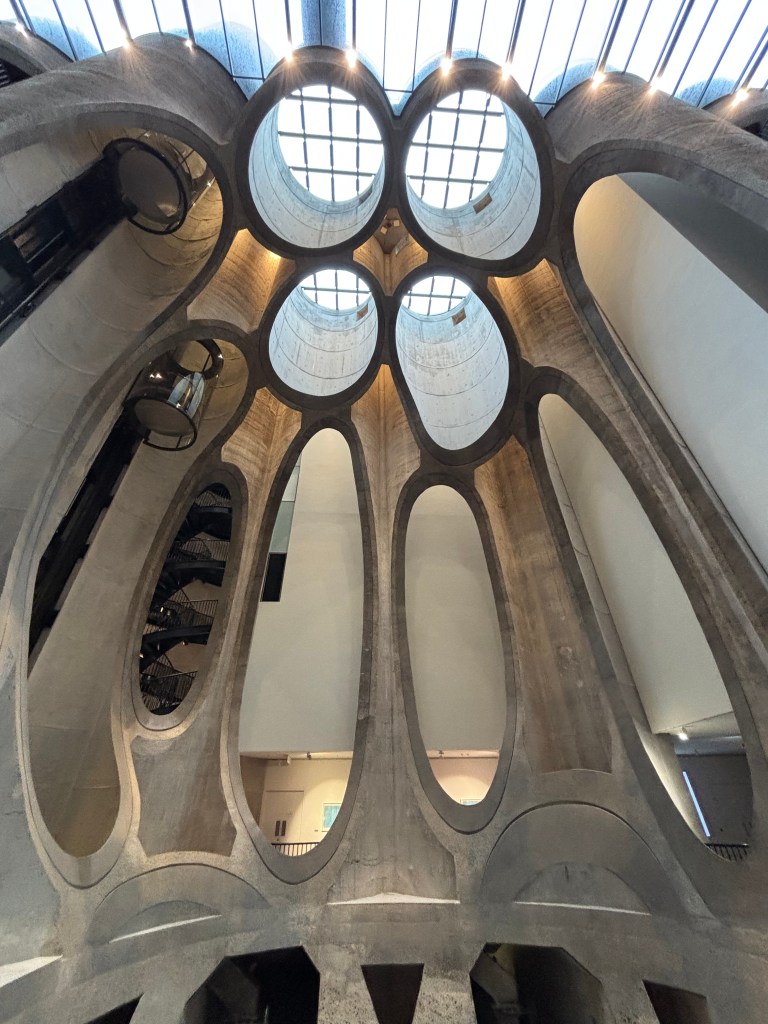
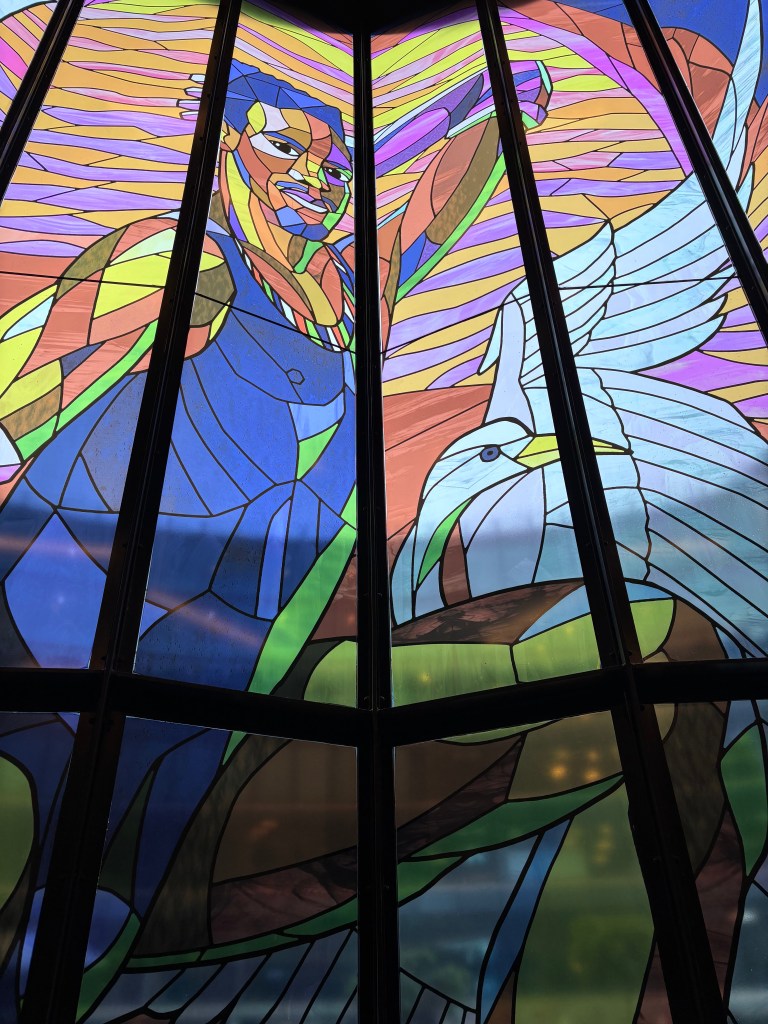
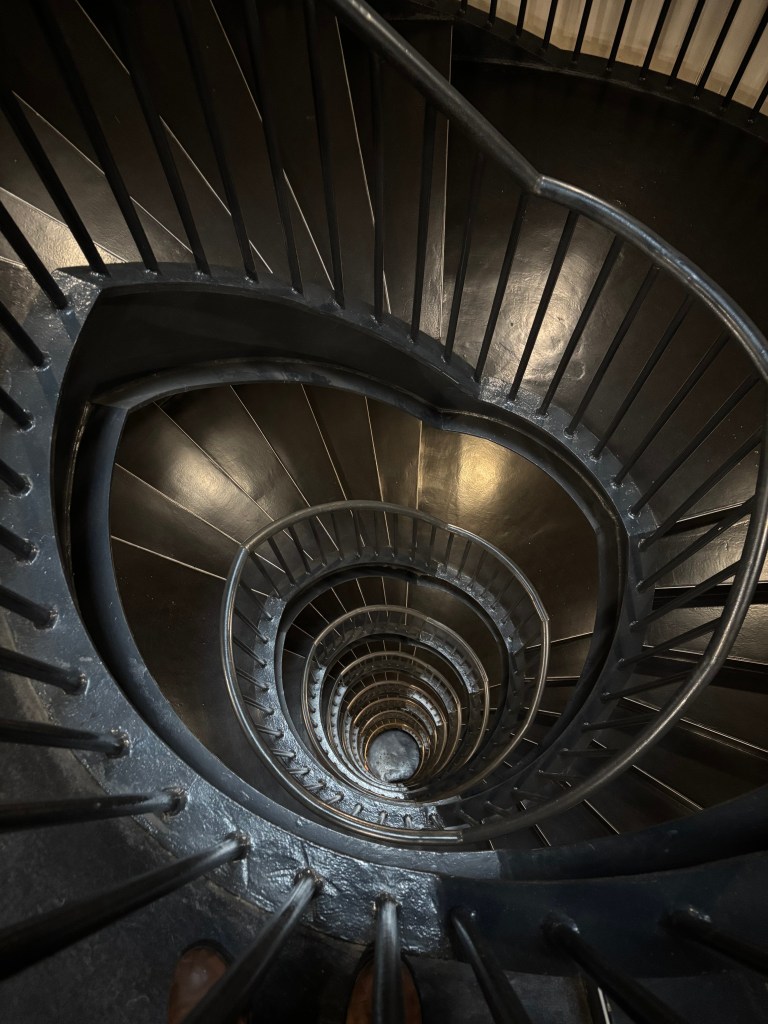
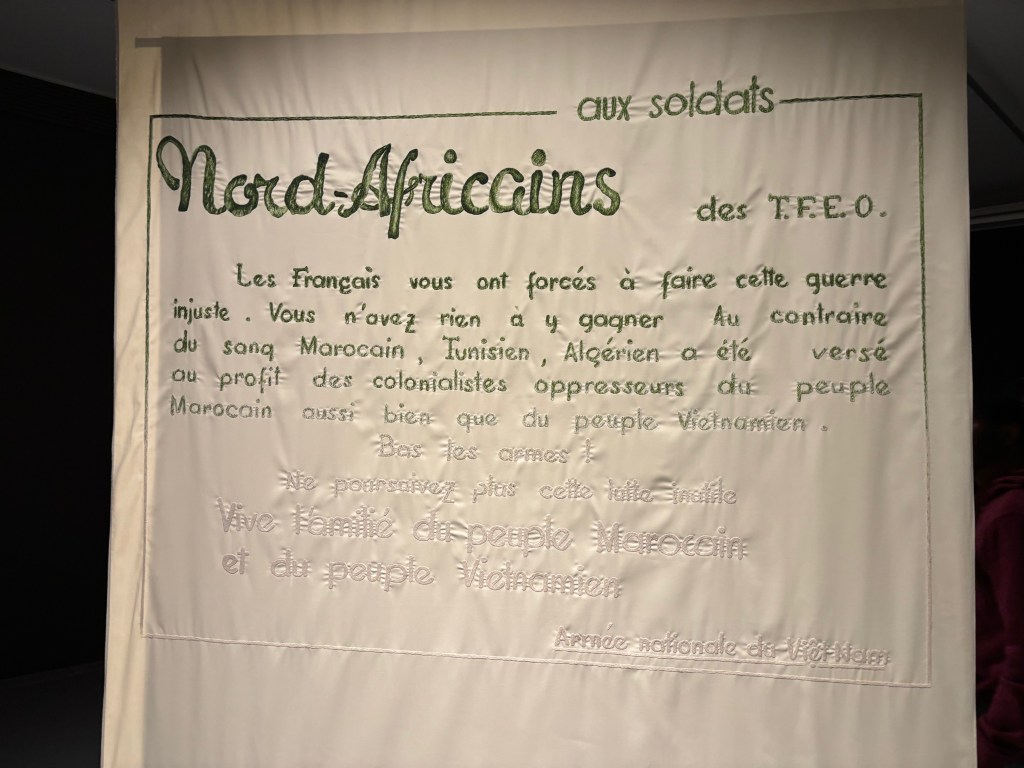
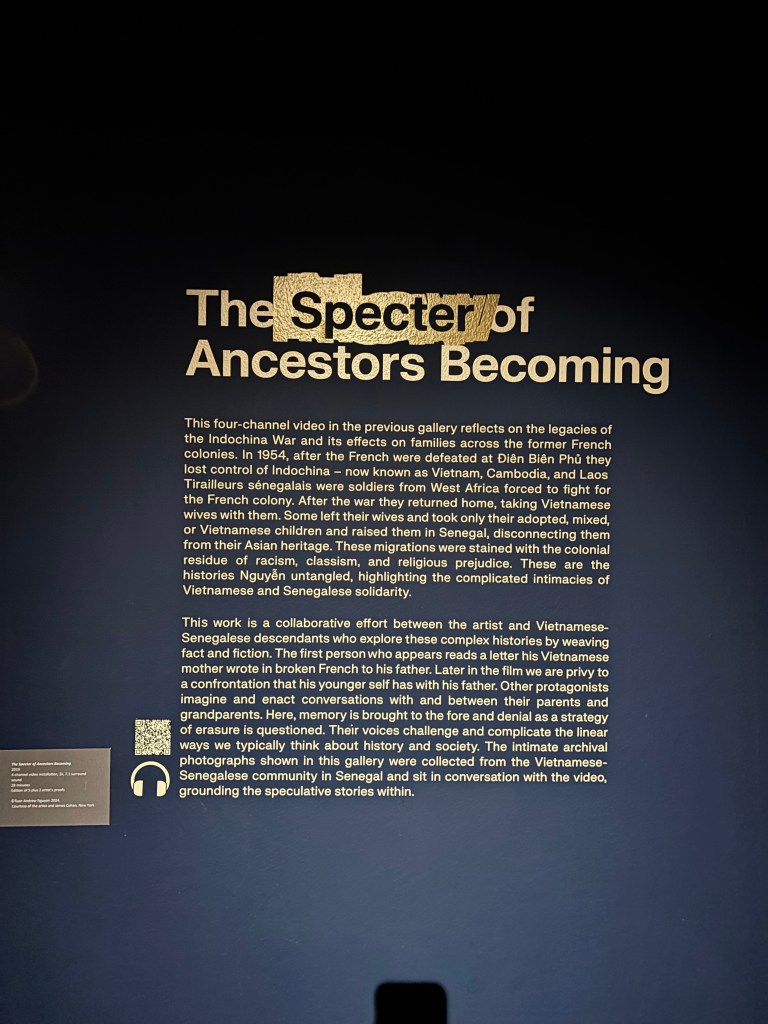
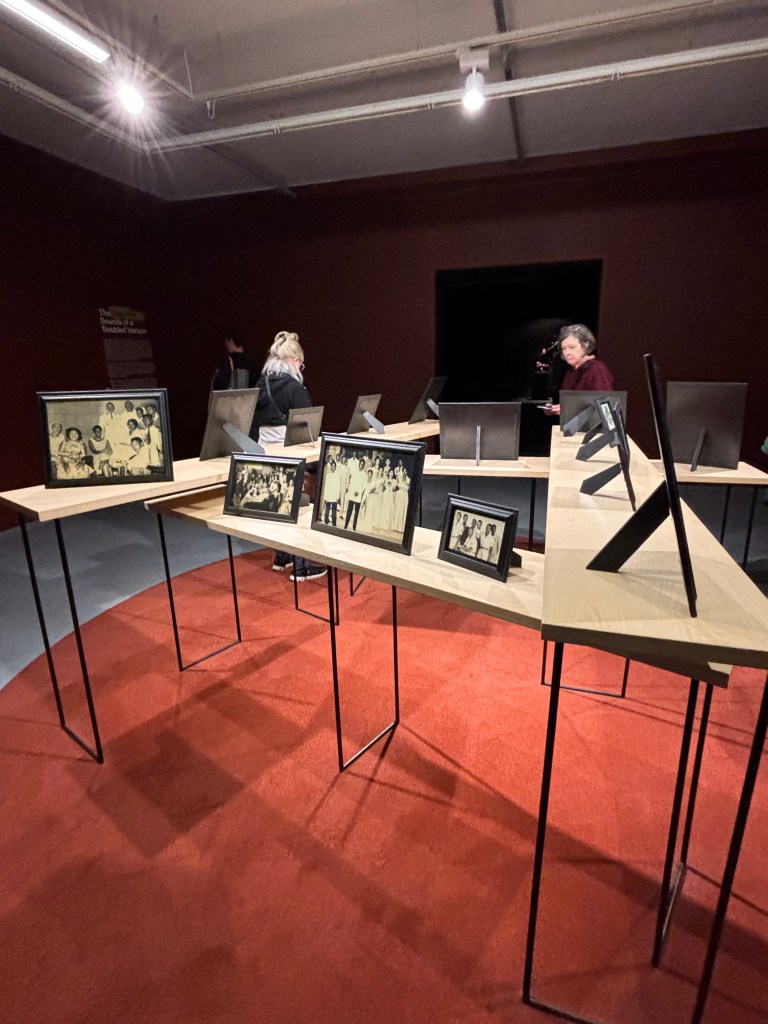
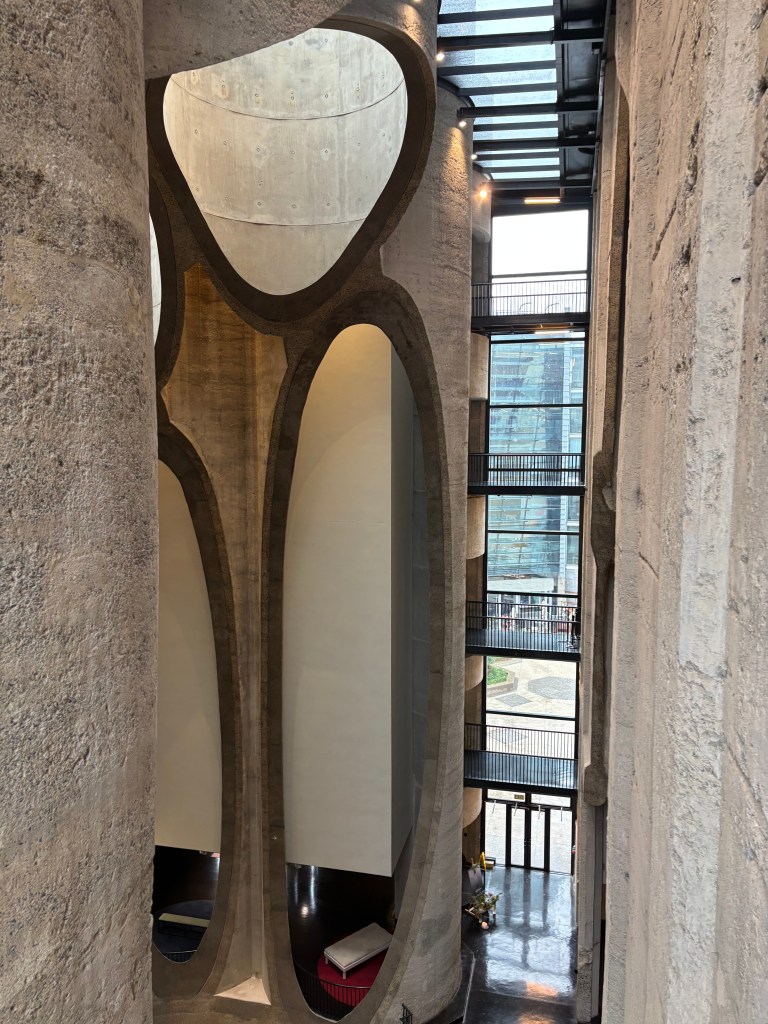
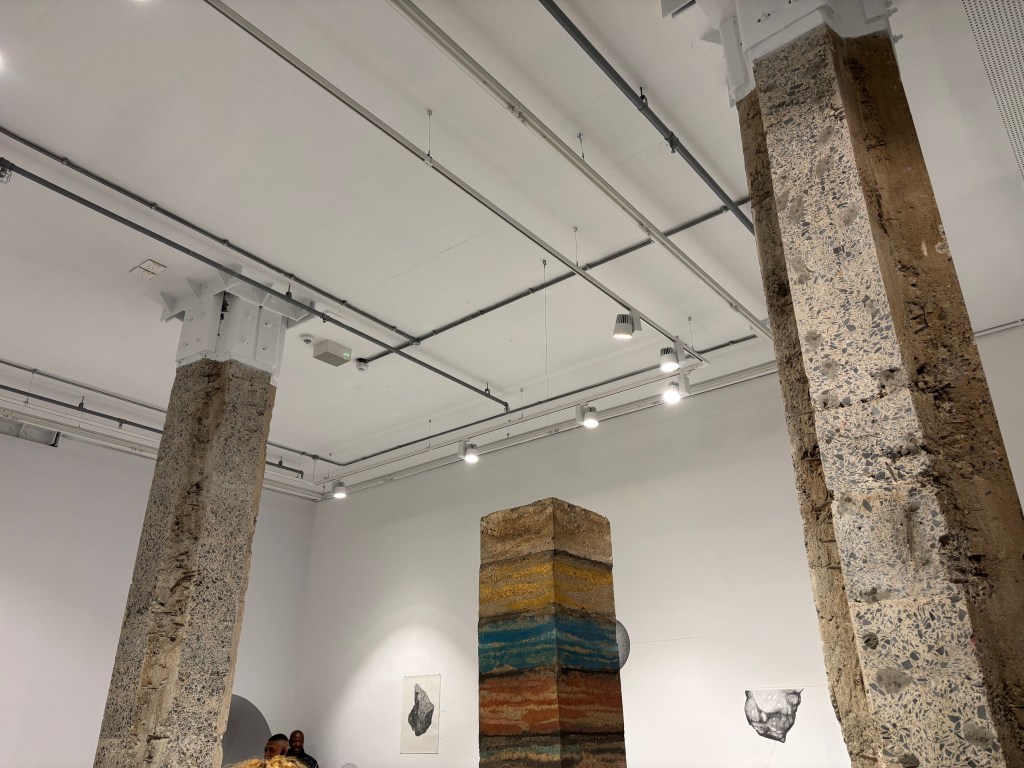
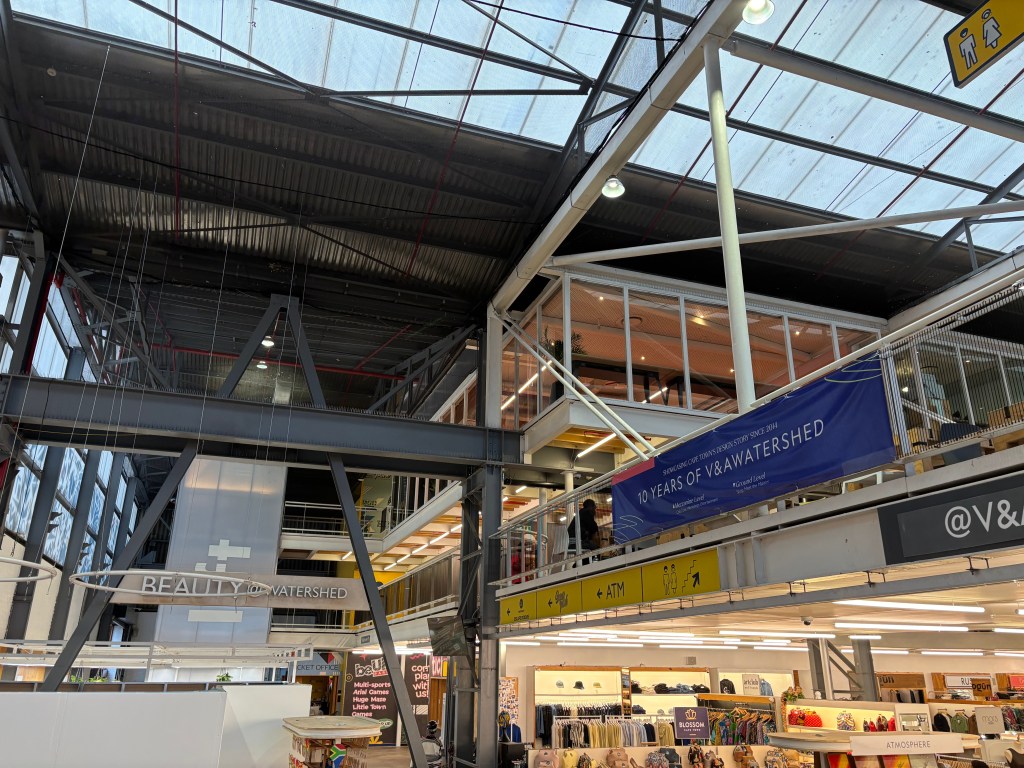
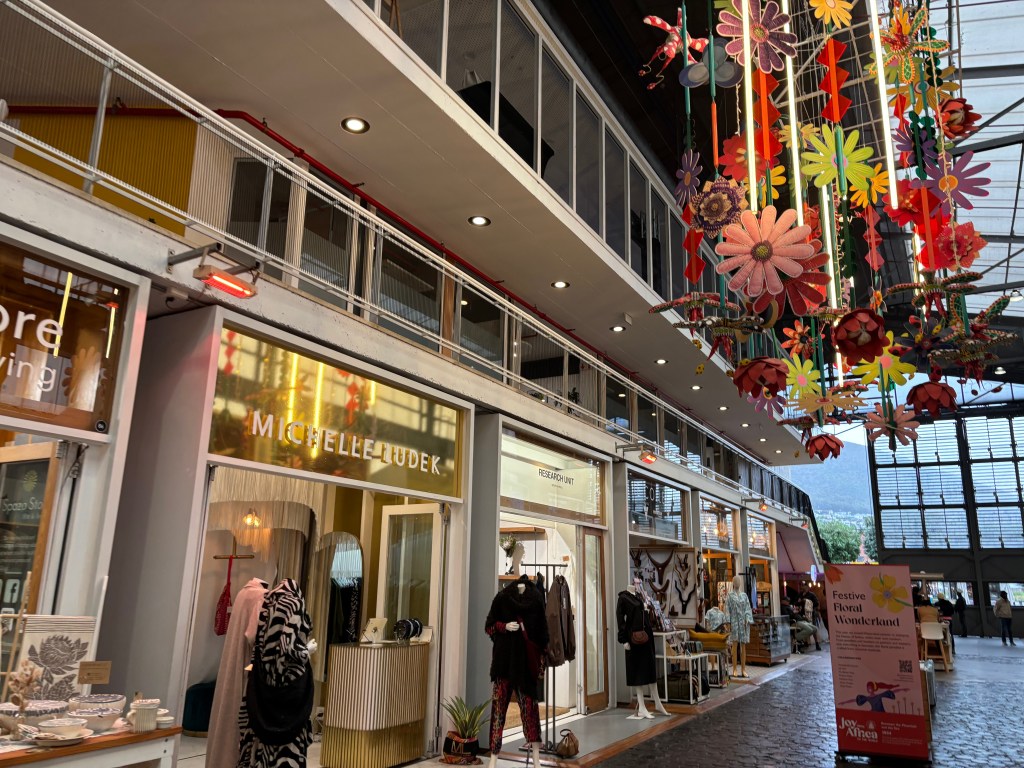
The art museum was in an old grain storehouse, and the architecture was as beautiful as the art exhibits.

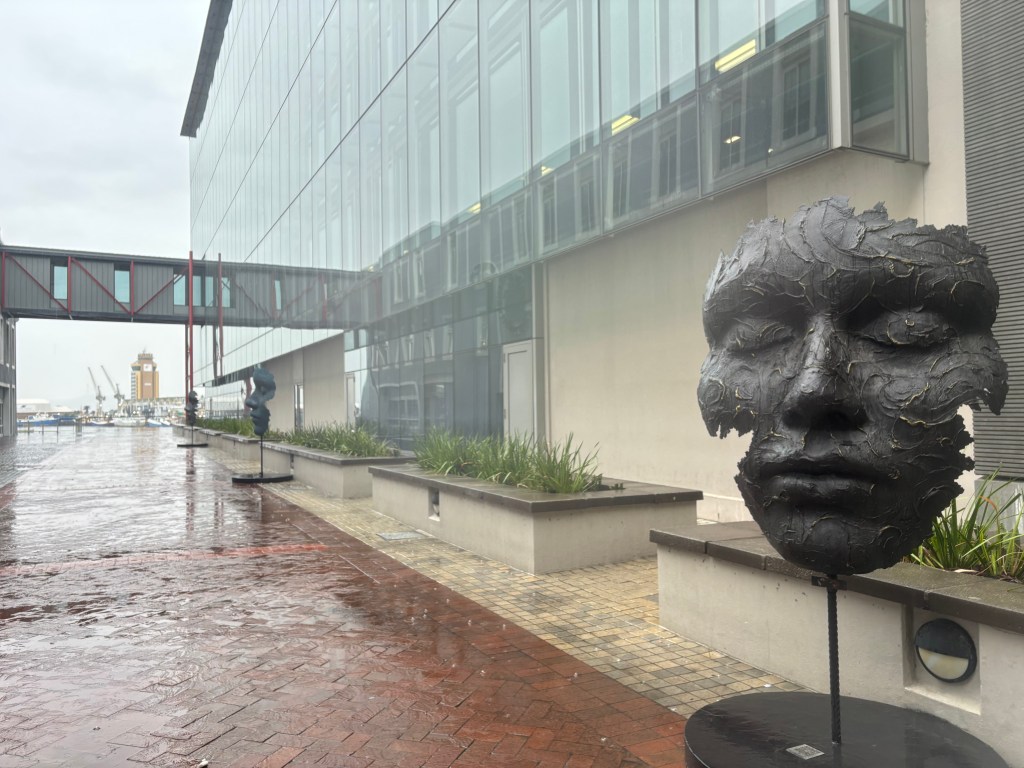
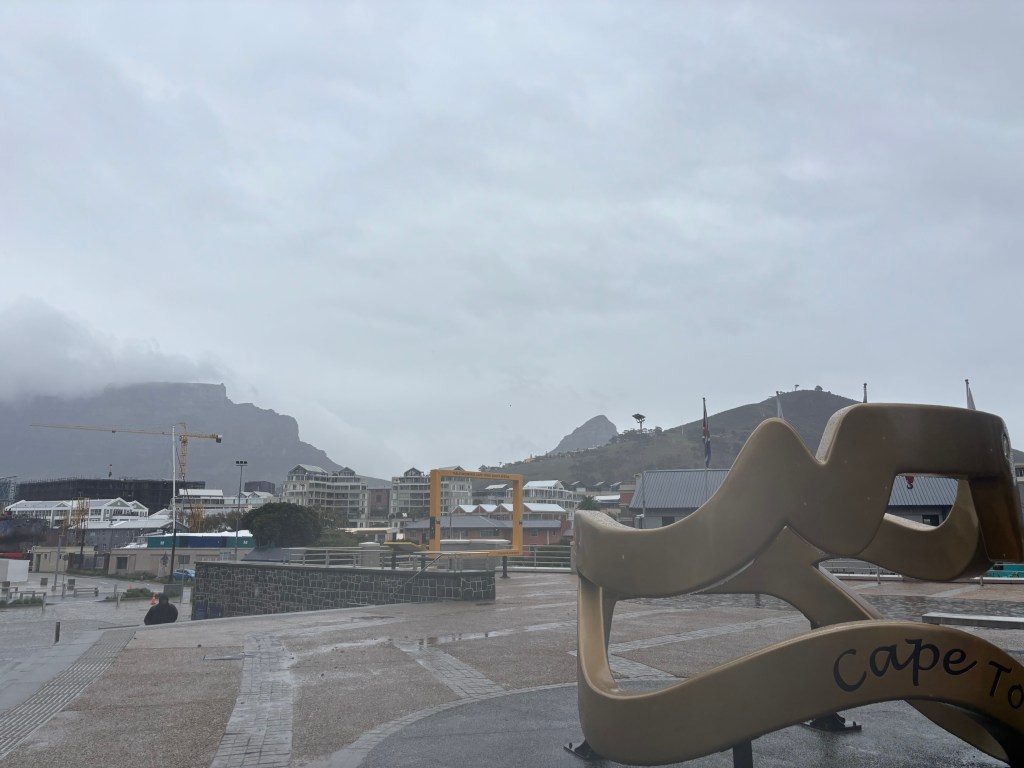
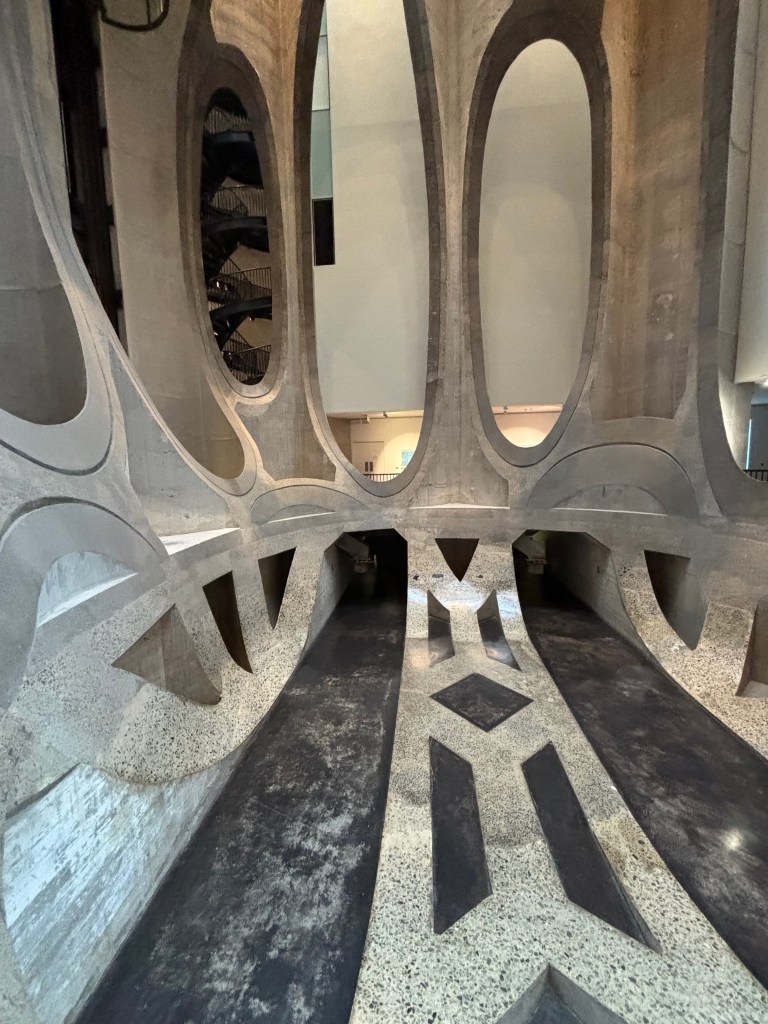






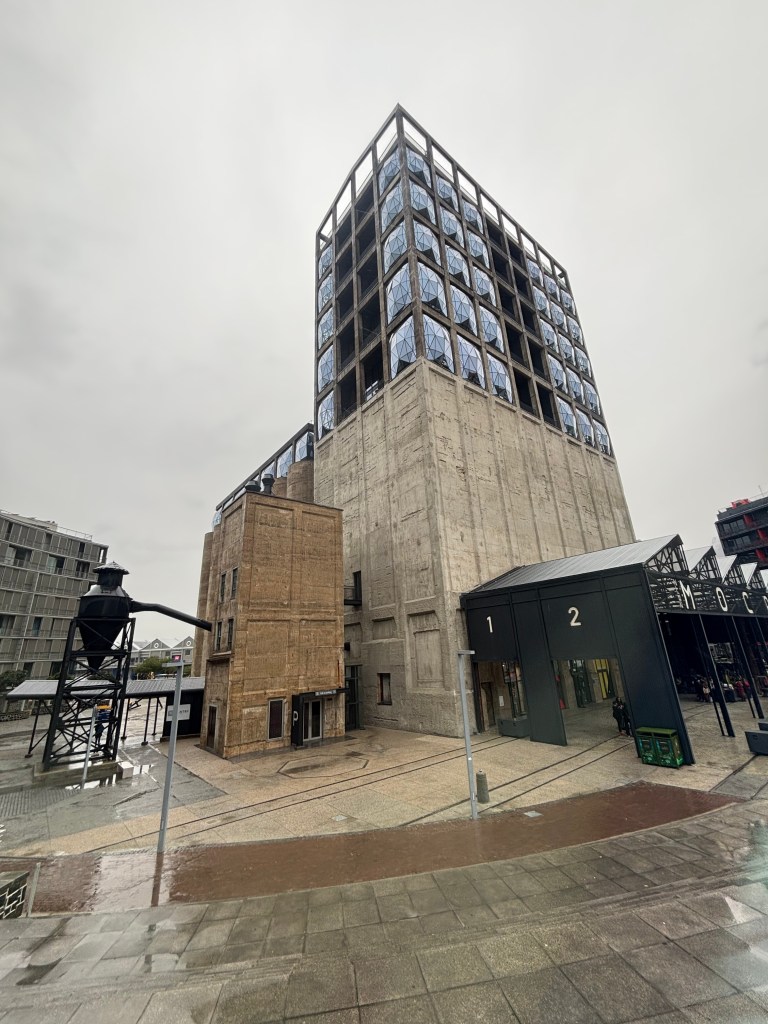
We wandered through the floors, hitting all of the exhibits, before heading out to lunch and our final few souvenir stops. We headed back to our hotel, zipped up our suitcases, and then waved goodbye to the waterfront and Table Mountain as we headed to the airport.

I was flying out to a different city than the rest of them were, but luckily our flights left within about 15 minutes of each other, so the group was on the same timeline and at the same terminal.
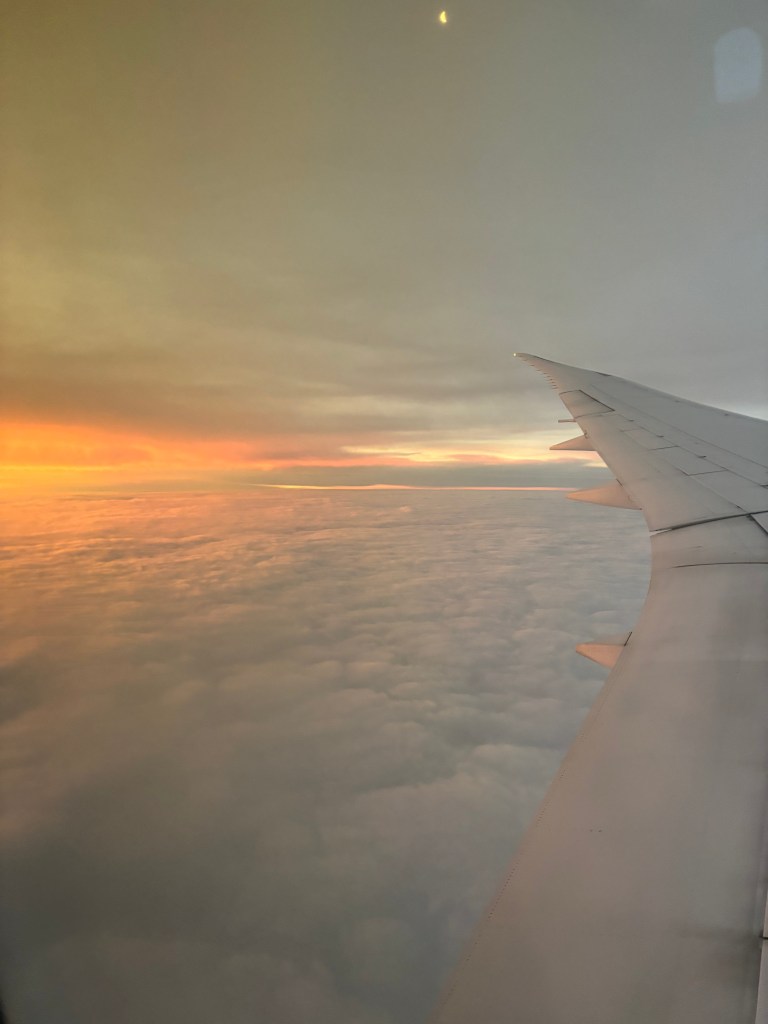
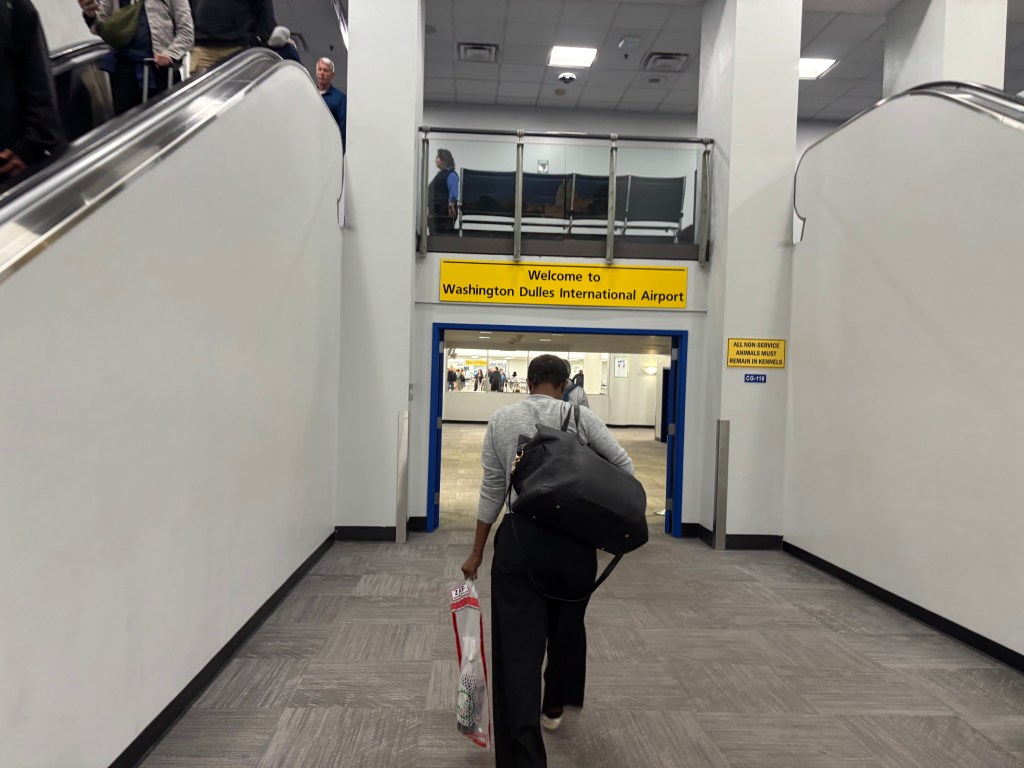

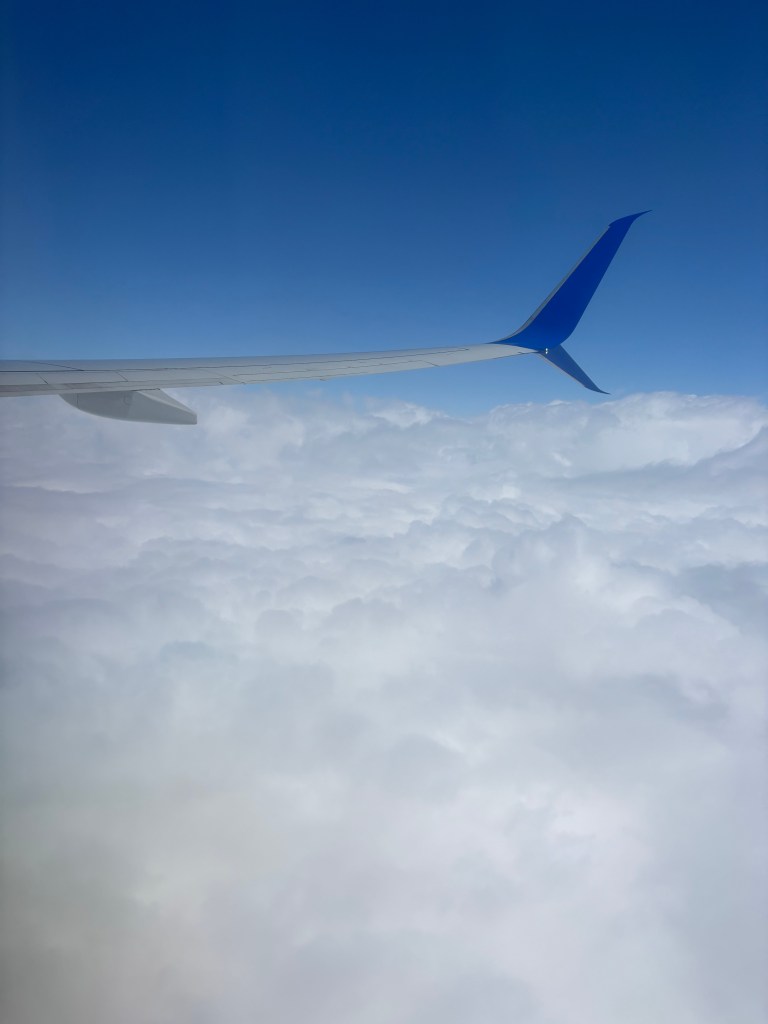
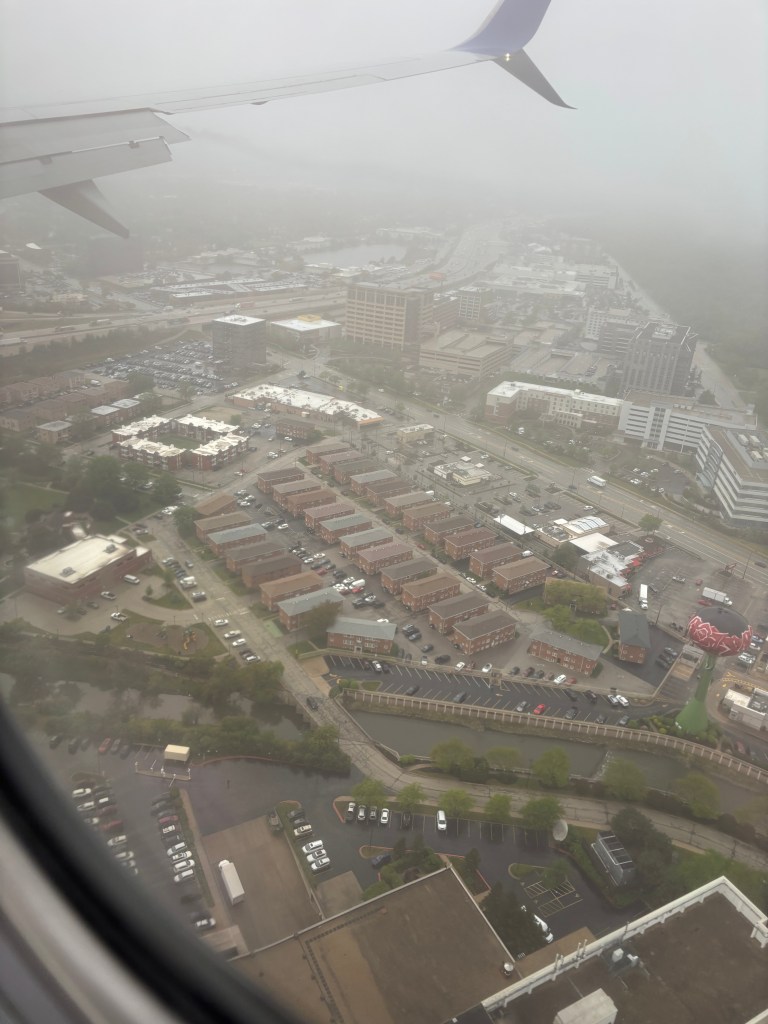
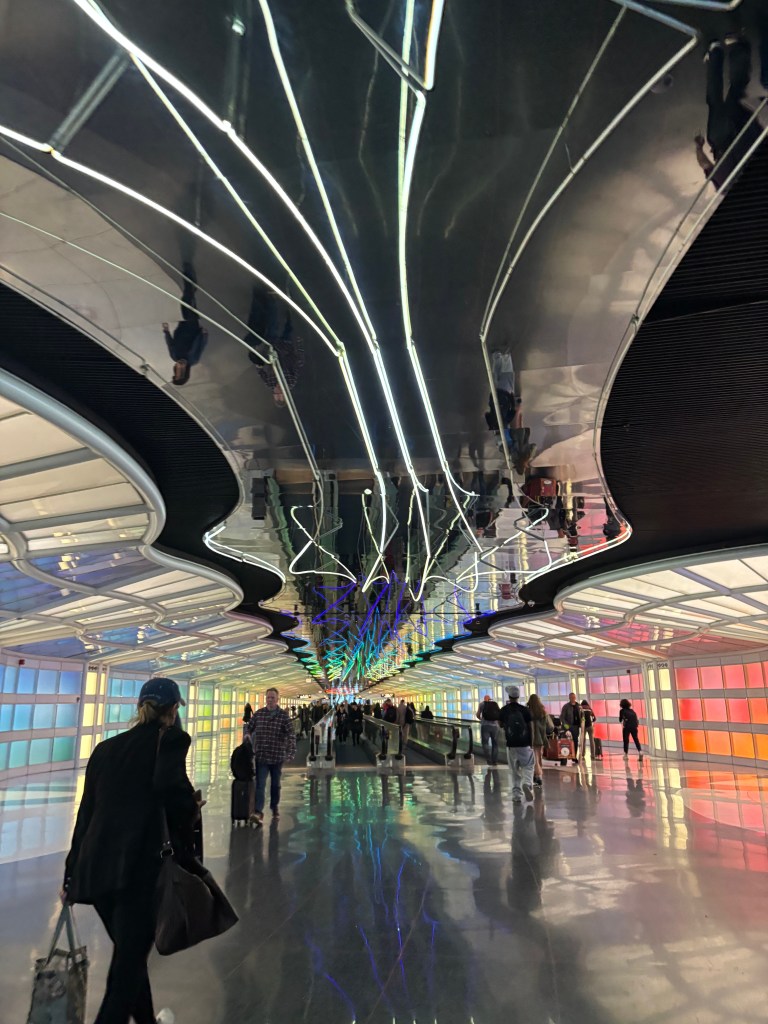
We wandered through, grabbing some last-minute food before hopping on our planes. I was set to fly back to DC and then to Chicago, arriving at around 9 AM the next day.
The flight to DC went smoothly, and I got some sleep in. However, after arriving in the U.S. around 6:30 AM, going through customs, and grabbing some breakfast, I ran into the obligatory travel issue on the way back, too.
I ended up at my gate with plenty of time, boarded without issue, and we were all the way at the runway, ready for the less than two-hour flight back home, before our pilots told us we had a mechanical issue. They told us they were trying to resolve it, but only minutes later, they came back on, saying we had a malfunctioning windshield wiper. It was rainy outside, and so the lack of a functional windshield wiper was a problem in a way it might not have been on a clearer morning.
While the delay was annoying, there have been enough funky, large-scale plane crashes in 2025 that I was happy they were playing it safe. They did have another plane ready for us, so we headed back to the gate, waited for the new plane to make its way over, and eventually boarded. I touched down in Chicago about 2 hours after originally anticipated, having to dive into real life and some afternoon meetings I’d scheduled almost immediately after grabbing my luggage. Once the meetings were over, I was finally able to relax after essentially three straight weeks of travel. I didn’t have much time to regroup, though, as a series of weddings, the process of moving, and the realities of life were soon taking up my time.
Reflections
And now, almost two months after I got back, I’ve finally had time to sit down, reflect, and summarize my time in South Africa, country # 31!
Even though it’s been almost two months, I think that it may still take me longer to process all of the experiences we had while over there (the time working at NMD, the state of higher education in South Africa, and the Apartheid-era sites we visited). One of the things I’ve been thinking about over the last few years is how many truly transformational experiences I had in my late teens and early twenties that I am only now, in my late twenties and early thirties, coming to appreciate for how they’ve positively impacted my life. Things like a job I held for four months that made me miserable at the time but ultimately opened up multiple opportunities; a year abroad that at the time felt like escaping real life but has been a talking point for many employers and an unlikely connection with my current supervisor; an unpaid internship that gave me access to a role that gave me access to a PhD path. All of these are things that, in the moment, felt like fun things to do, but ultimately had unforeseen positive ramifications years later. While in South Africa, I felt similarly, like this was a great experience on its own, but that having done it, some person or experience or bit of learning that occurred while on this trip will have a strong influence on my personal life or career somewhere down the line.
It’s not like I’m waiting for some impact, though. This trip was transformative enough in and of itself. I was able to learn about and experience a higher education system in a new country, contributing to my knowledge of global higher education and my ability to serve international students. I collaborated with academic and student affairs staff from a different country, gaining insights and building relationships that I hope to continue to cultivate over the years. I got to visit some beautiful scenery, points of incredible global historic significance, and had authentic cultural experiences the likes of which I really haven’t had when travelling in recent years. I was invited into homes, asked for my insights, and thanked for my knowledge, just as I gained knowledge and insights from the students, staff, and service providers that I met along the way.
Getting to experience South Africa, and two drastically different parts of South Africa, will influence the way I approach my work in the field of higher education. There are so many similarities between the South African Apartheid and the way that our country has historically (and contemporaneously) systemically oppressed People of Color, and it’s always easier to critically examine when you’re on the outside looking in. But I also think South Africa’s condensed timeline gives some insight into where we still have room for improvement and where, despite our reputation, we actually might be having some successes.
Being in South Africa and seeing some of their issues with higher education funding, among other issues, was also fascinating and timely with the contemporary state of our own nation’s attack on higher education. While the joke is that U.S. higher education never has enough funding, being in conversations with students who never had enough food to eat, who might be kicked out of their university housing in 24 hours if their funding was pulled, who were at a high risk for gender-based violence, who are facing an almost 40% unemployment rate, all of that made me so much more appreciative of the student supports we have in place, even if it sometimes feels like we’re not doing enough.
Seeing their struggles made me nervous as I continued to watch major slashes to U.S. university budgets and the valuable experiences that students are losing out on (such as the version of EAD 315 leadership class that I was going to teach again during the fall, which was slashed due to budget cuts). However, I truly believe that U.S. Higher Education, for all its flaws, is an integral part of our country. Harvard existed for 140 years before the country did, and education has always been baked into our essence. While education has often been used to repress and exclude certain groups of people, it has also been used as a social mobility machine and a citizen builder.
Working with student support staff at NMD was inspirational, giving me hope that U.S. universities will continue to thrive and succeed at their multi-pronged missions despite the various changes U.S. higher education is currently facing. Just like at NMD, universities across the U.S. have dedicated staff members who prioritize student success, research, and knowledge dissemination. Just like at NMD, these U.S. university staff are doing everything they can, despite sometimes less-than-ideal situations. At their core, universities are institutes of learning and producers of knowledge. The people who attend school and work there are passionate about data, information, communication, and supporting others who engage in collecting, conversing about, and conveying knowledge. With that attitude, and with those same people continuing to passionately advocate for the well-being of students, I think that universities and students in both countries can find ways to thrive despite the situations they might face.
 WANDERING