
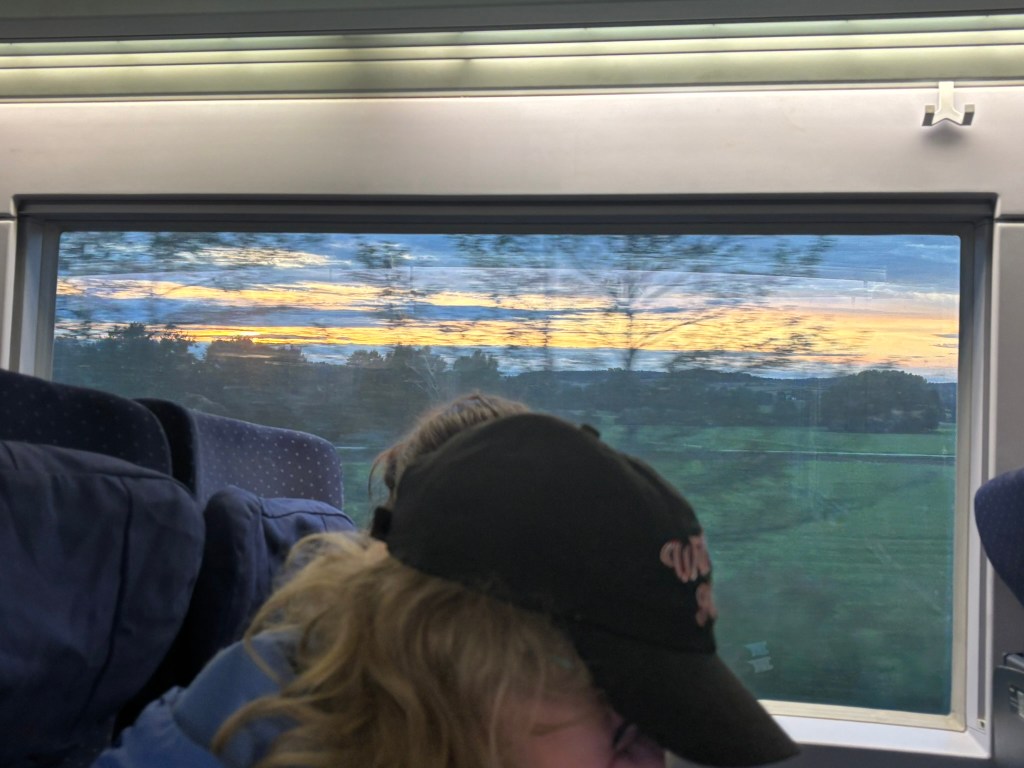
After the hour-ish long train ride, during which we caught sunset, we arrived in Munich in the evening and immediately made our way to the hostel.
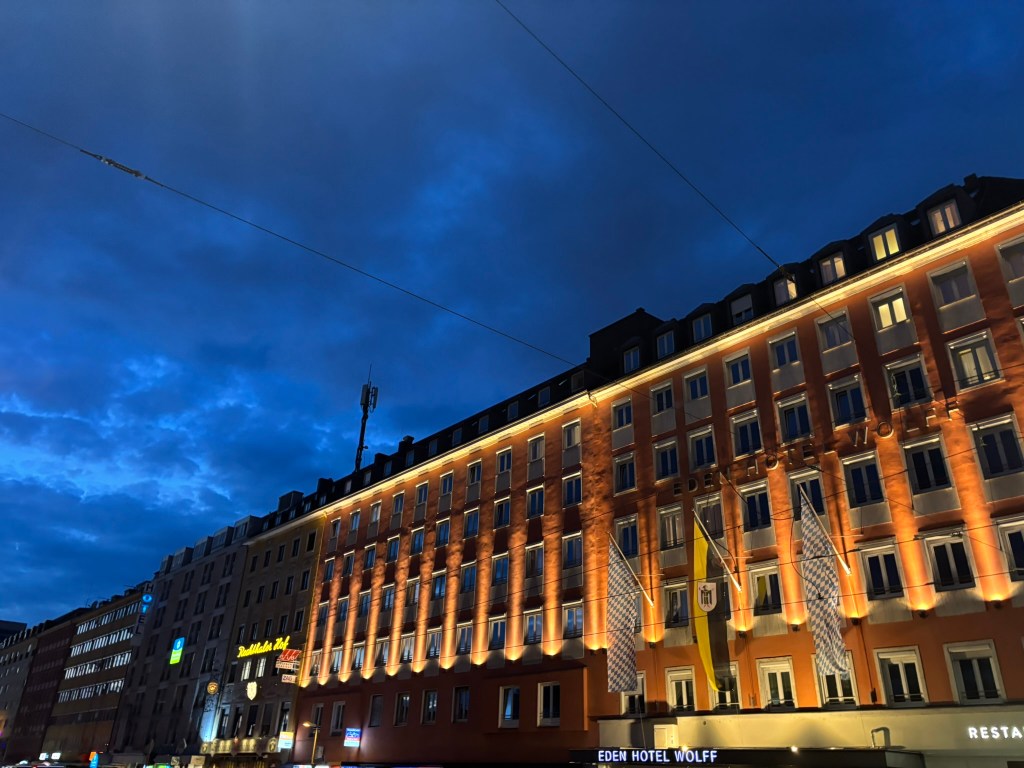
Overall, we were really impressed with the hostel. Because it was Oktoberfest in Munich, and because we were making our plans without much time in advance, there weren’t many hotel options when we were looking. Being thirty now, I think overall I’ve well and truly graduated from hostel stays, but extenuating circumstances call for flexibility. When planning, my friend Mark, with whom I was meeting in Munich with our respective families, had been looking at a hotel a bit farther out of the city. However, I looked at Hostelworld, found this hostel, and booked it before I realized it said *NON*-refundable, so that’s what we went with. Thankfully, we were able to get a 4-person room and a 2-person room for 6 people, so it all worked out. Plus, the private rooms were much more hotel-like than the dormitory-style bunks with strangers. We were all pleasantly surprised by the situation, especially since it was right next to a train station that provided us access to all the tourist attractions that we wanted to visit!
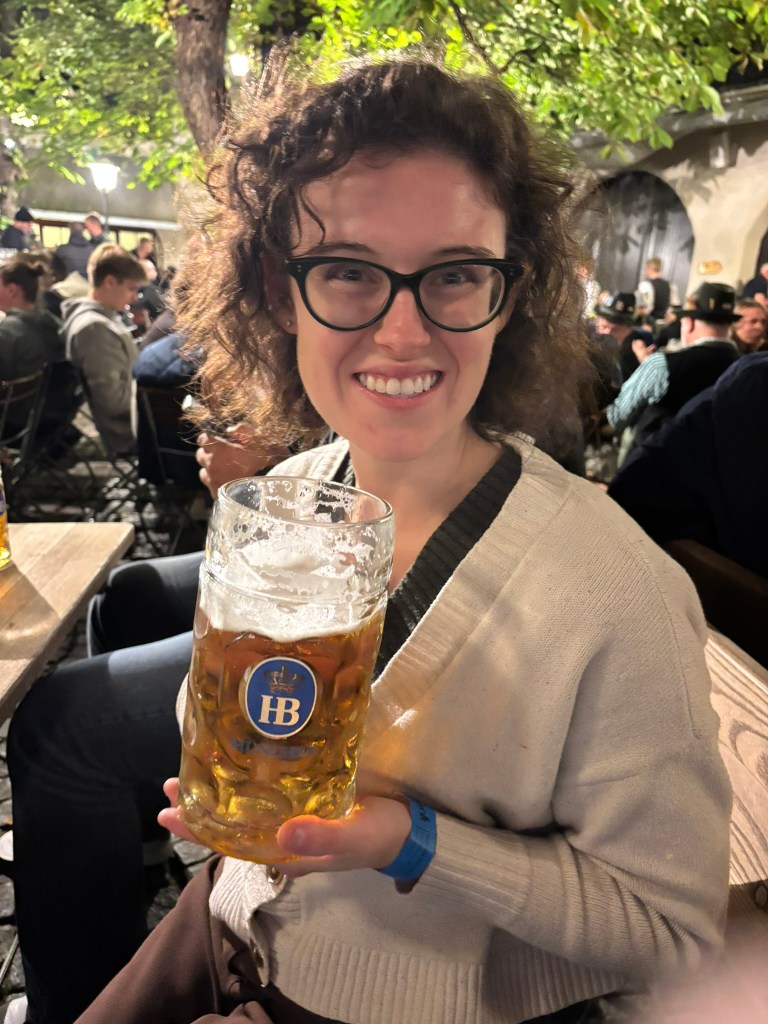
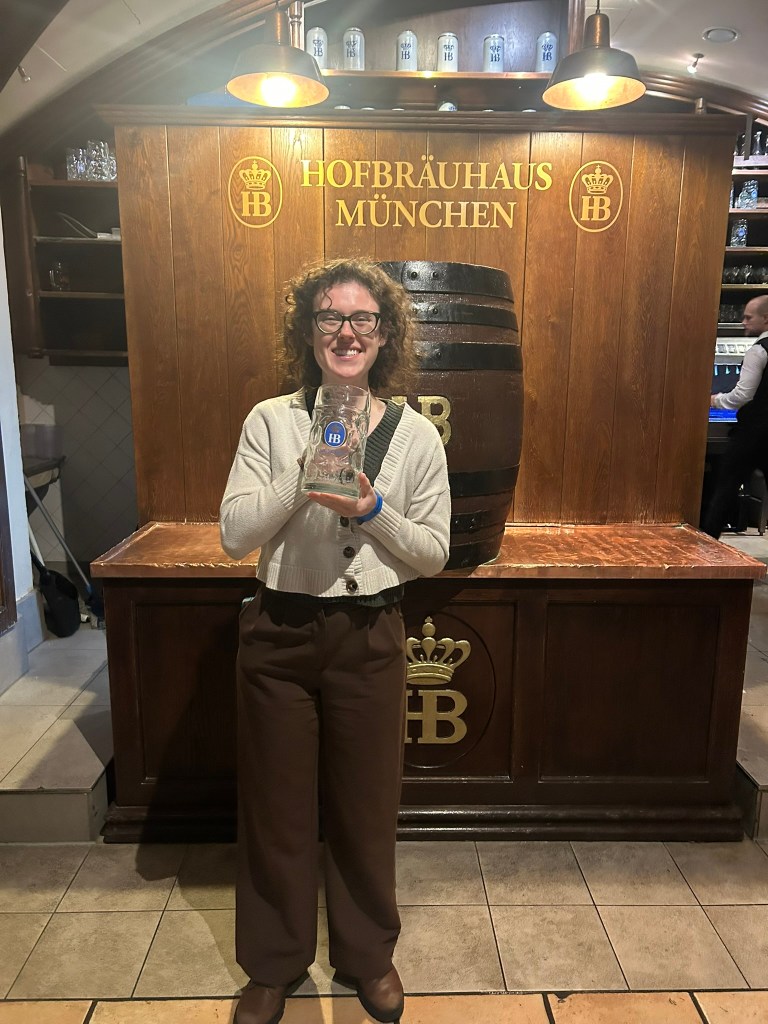
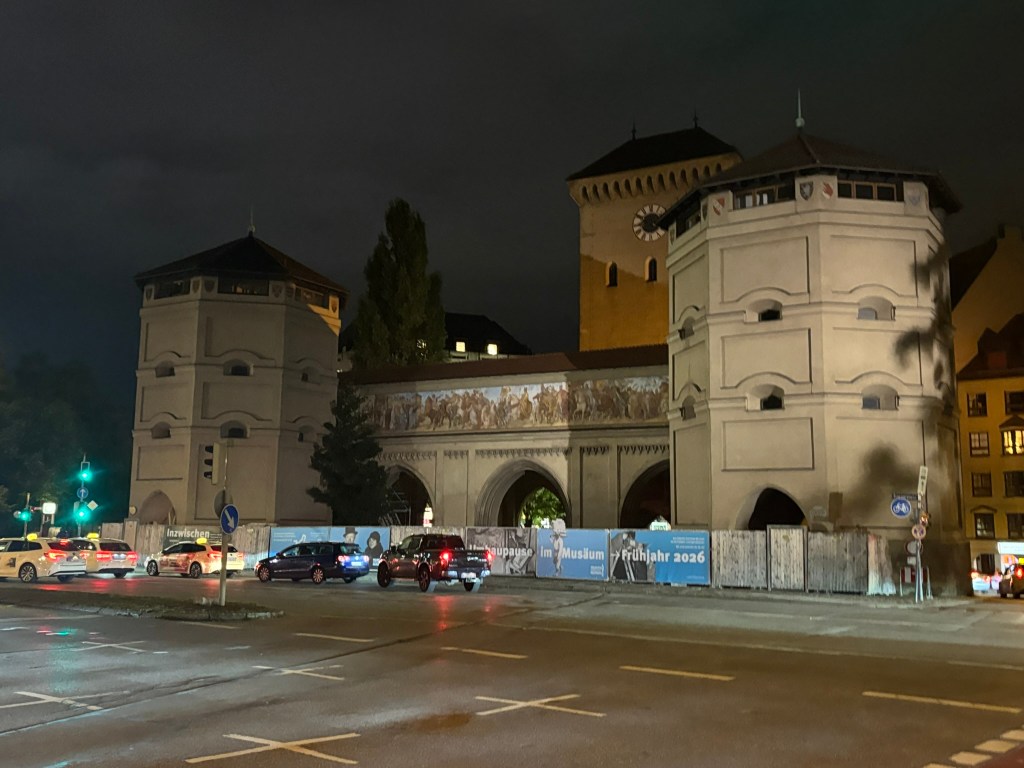
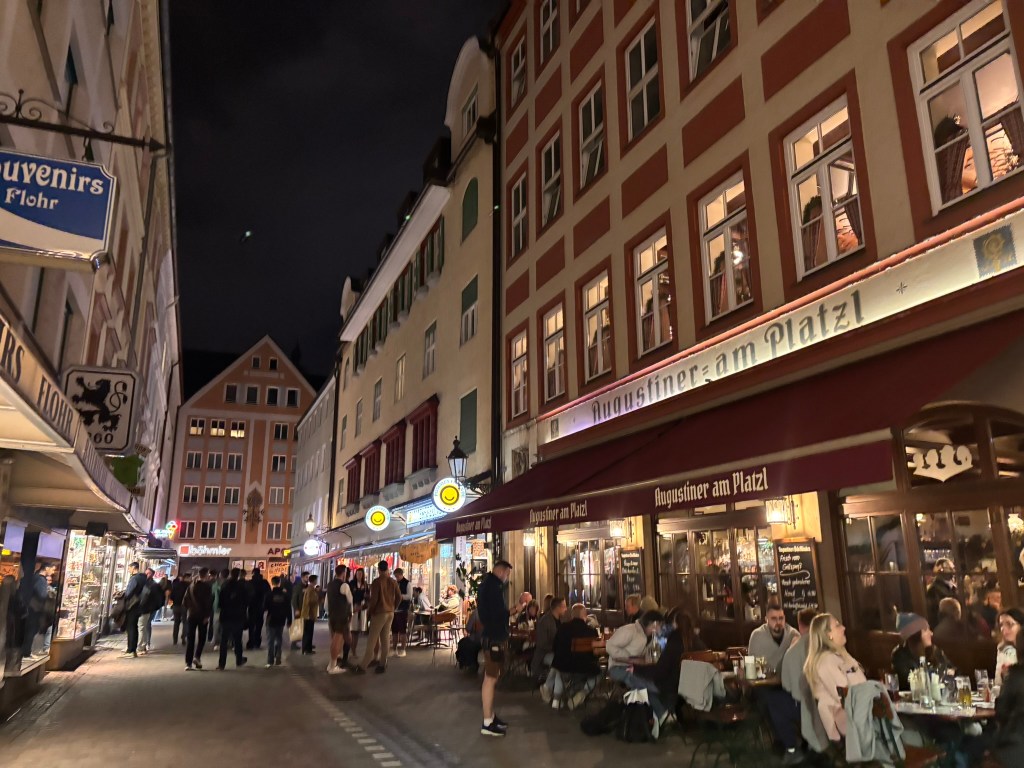
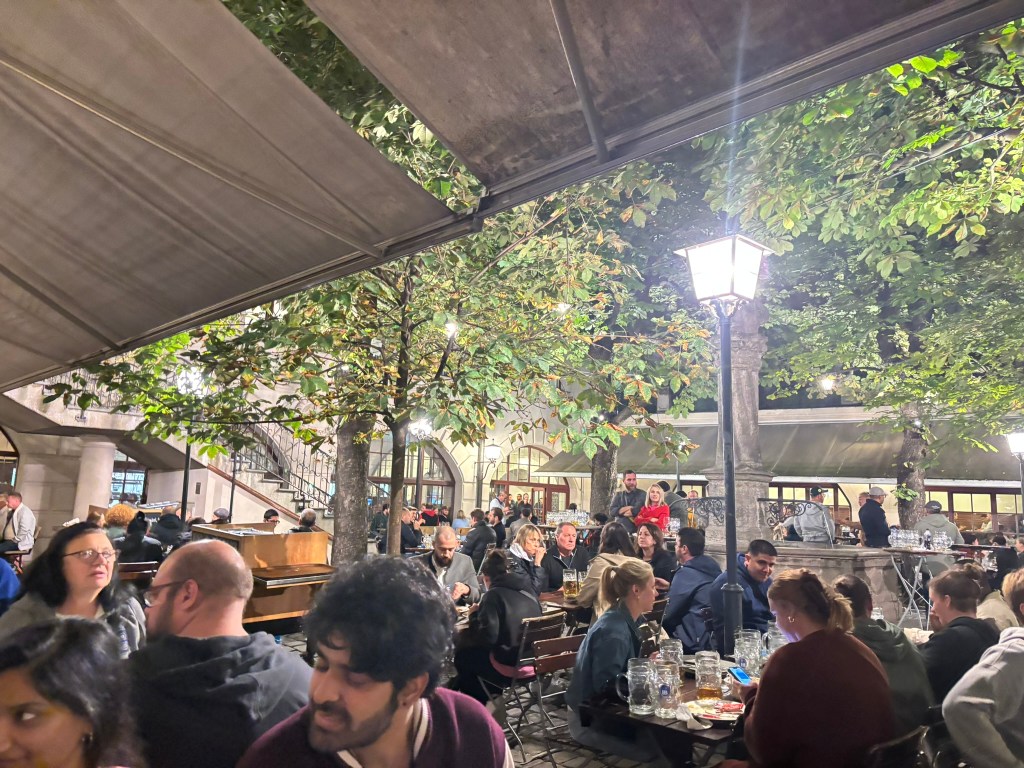
Once we checked into the hostel, we met up with Mark, his mom, and his sister. They’d eaten already, but we hadn’t. They were happy to join us on our first adventure, one of the staples of Munich, the Hofbräuhaus Beer Hall. After the beer and the dinner, we headed back to the hostel and immediately fell asleep.



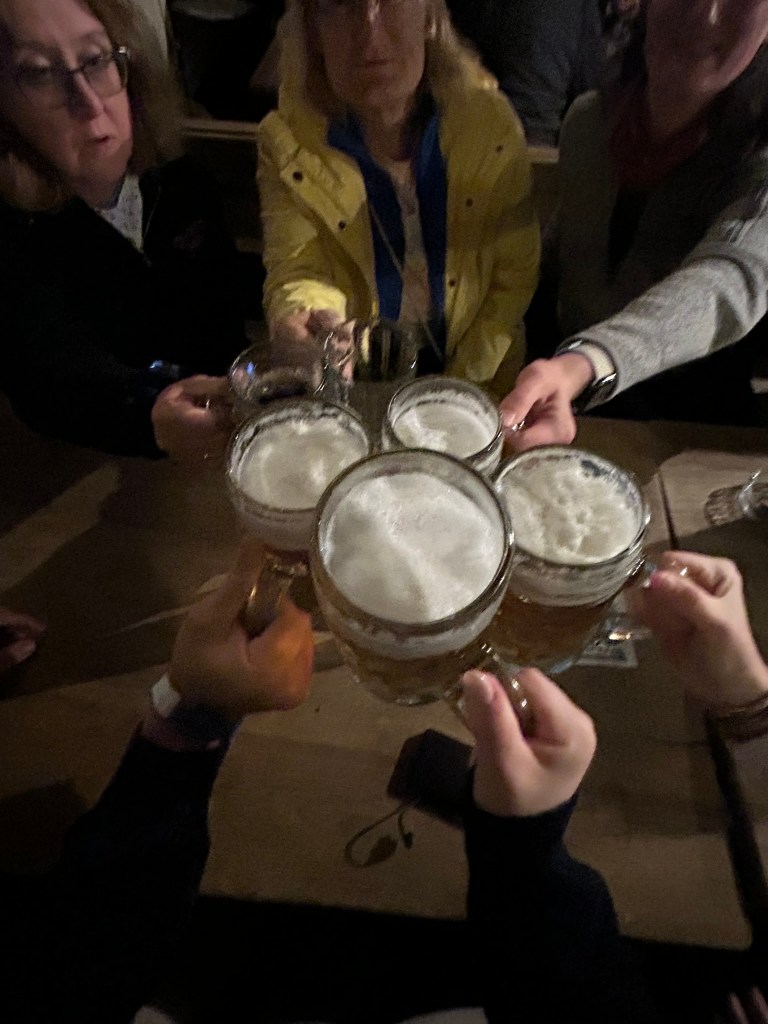
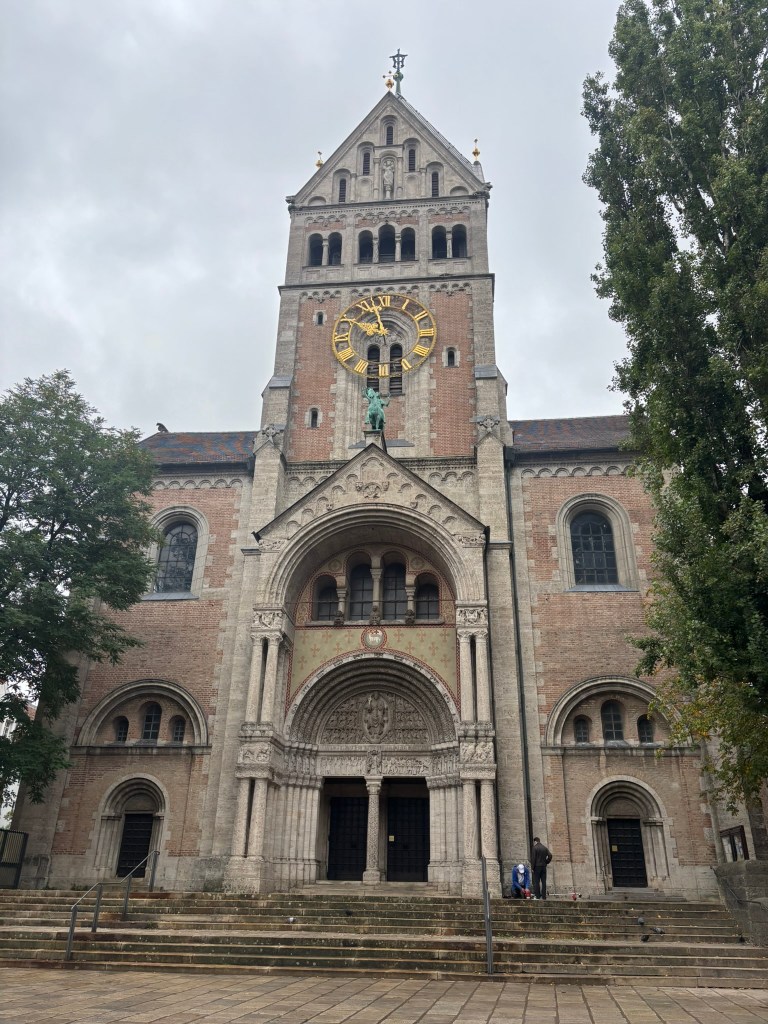
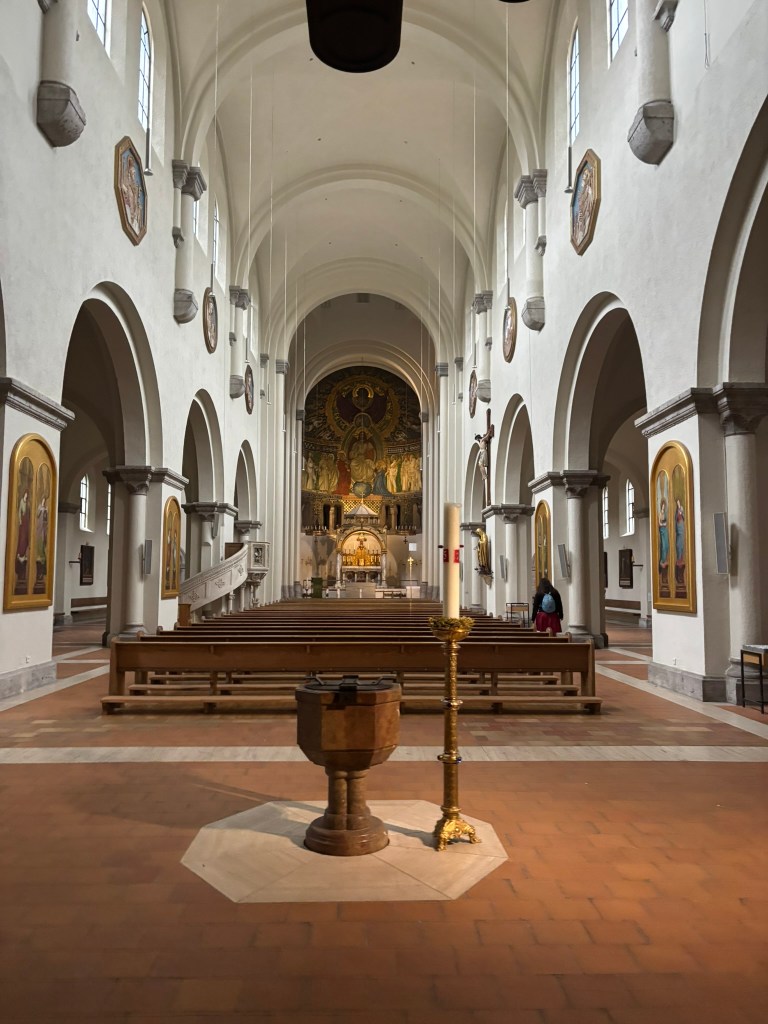
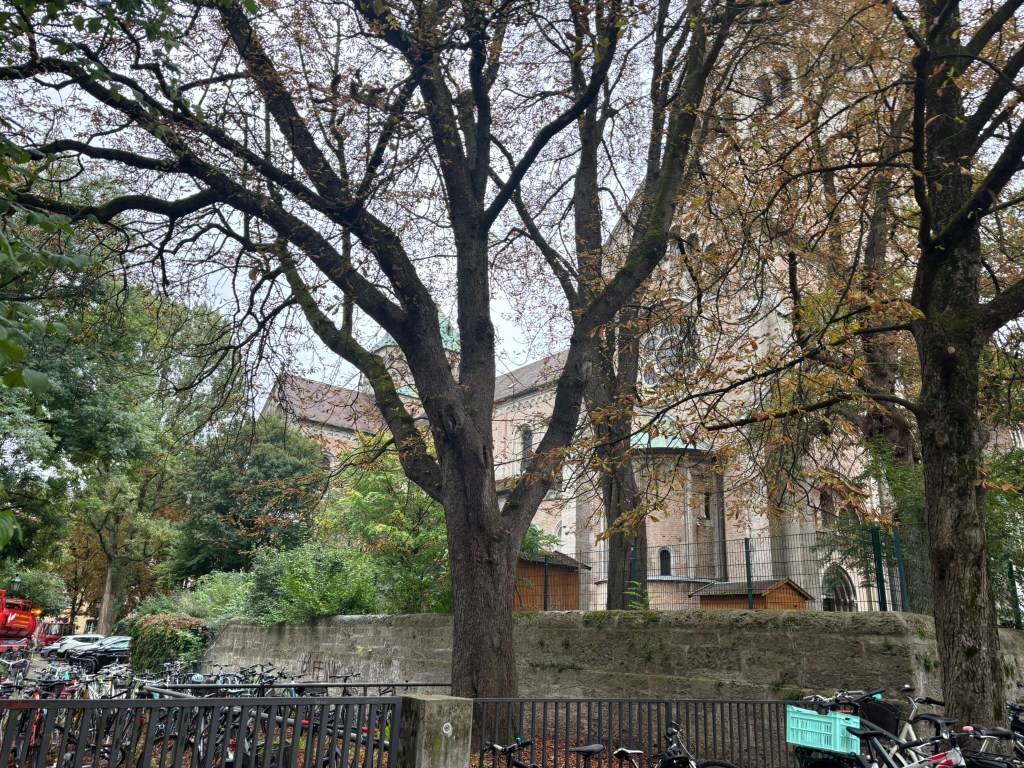
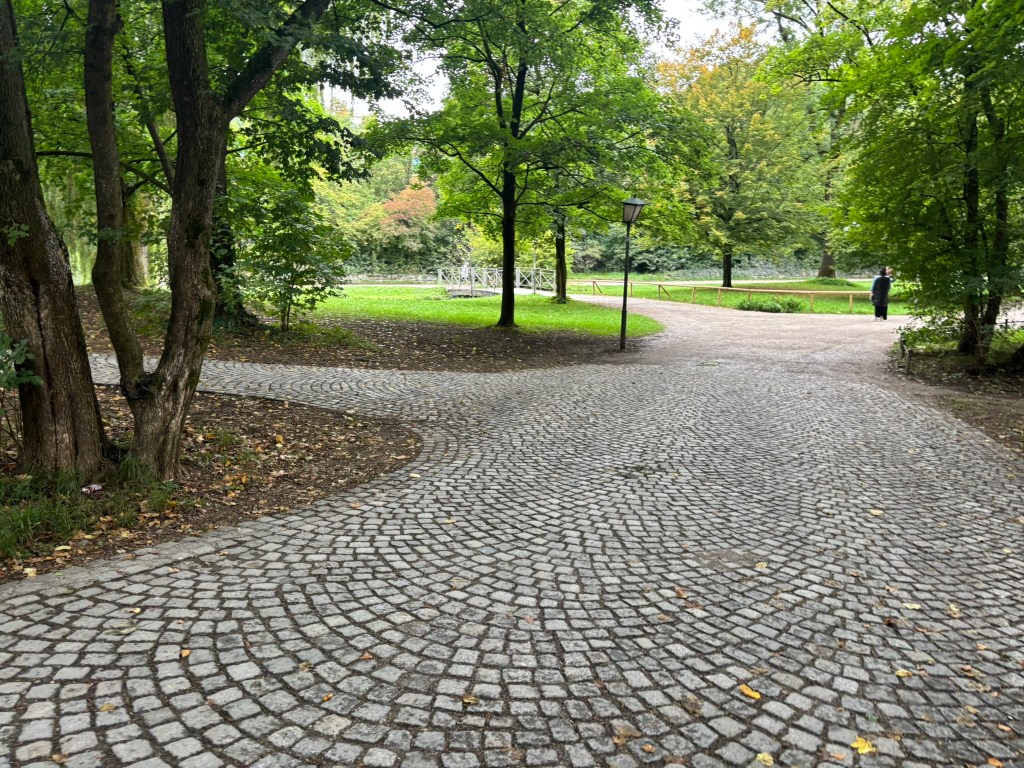
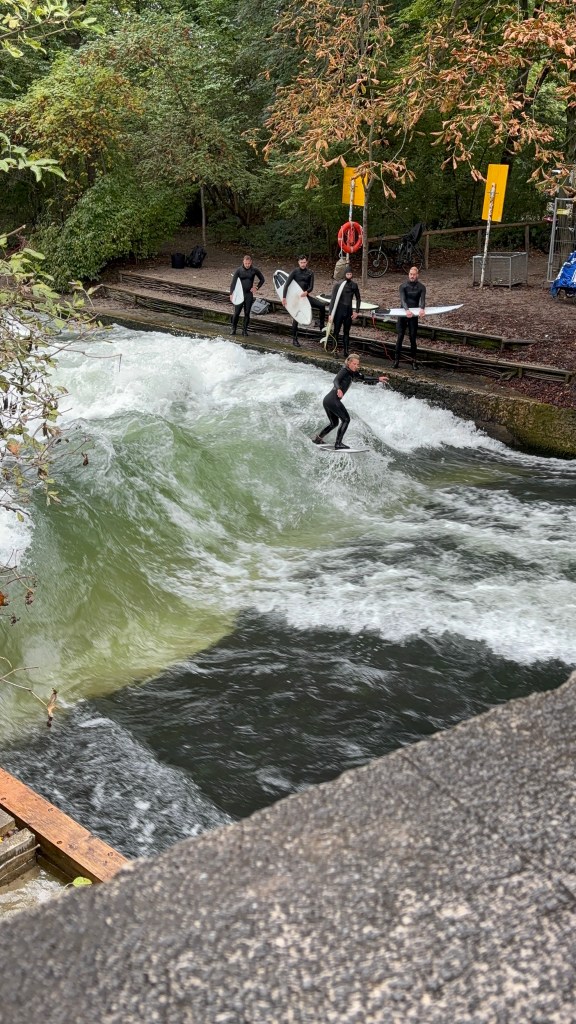
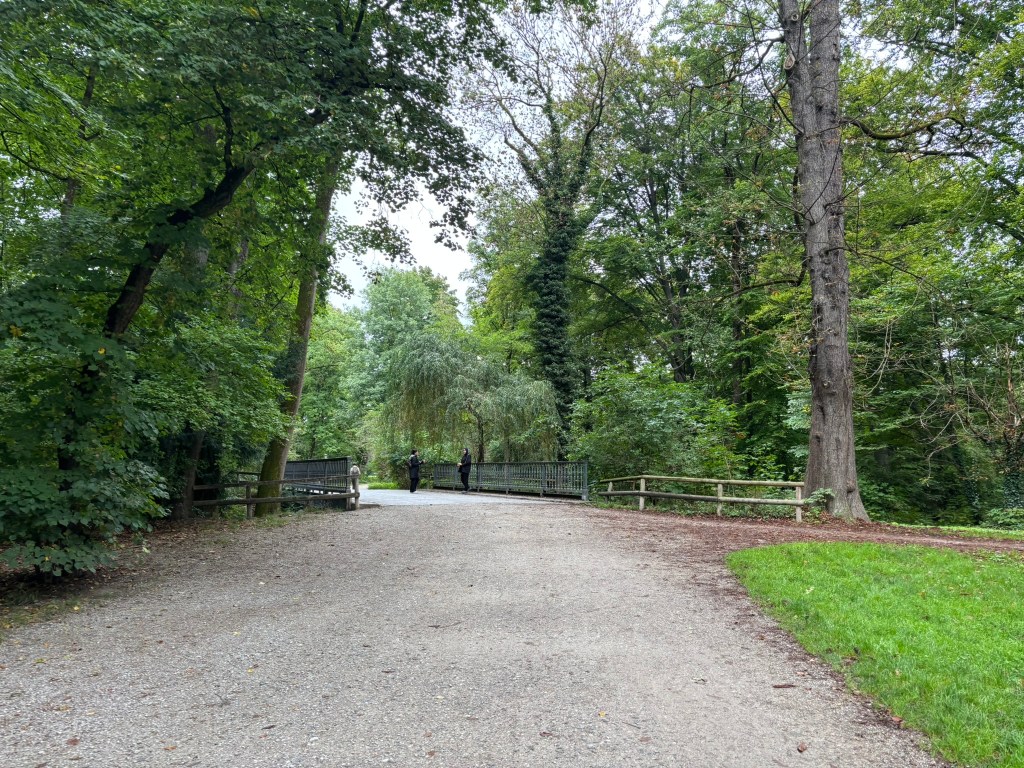
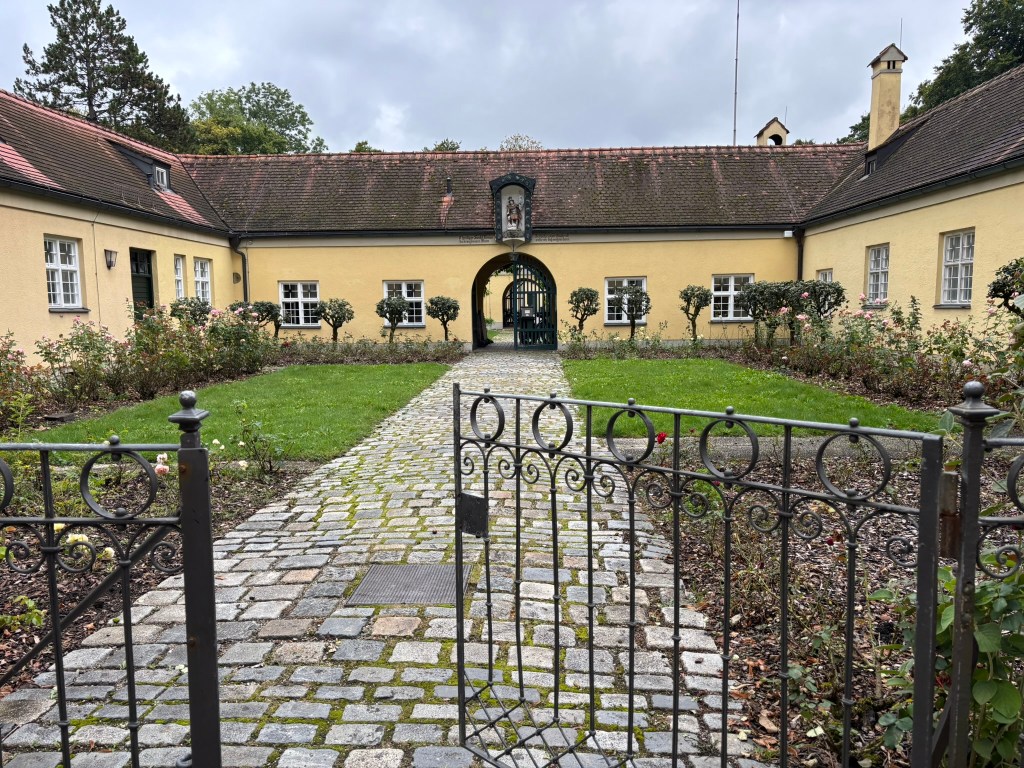
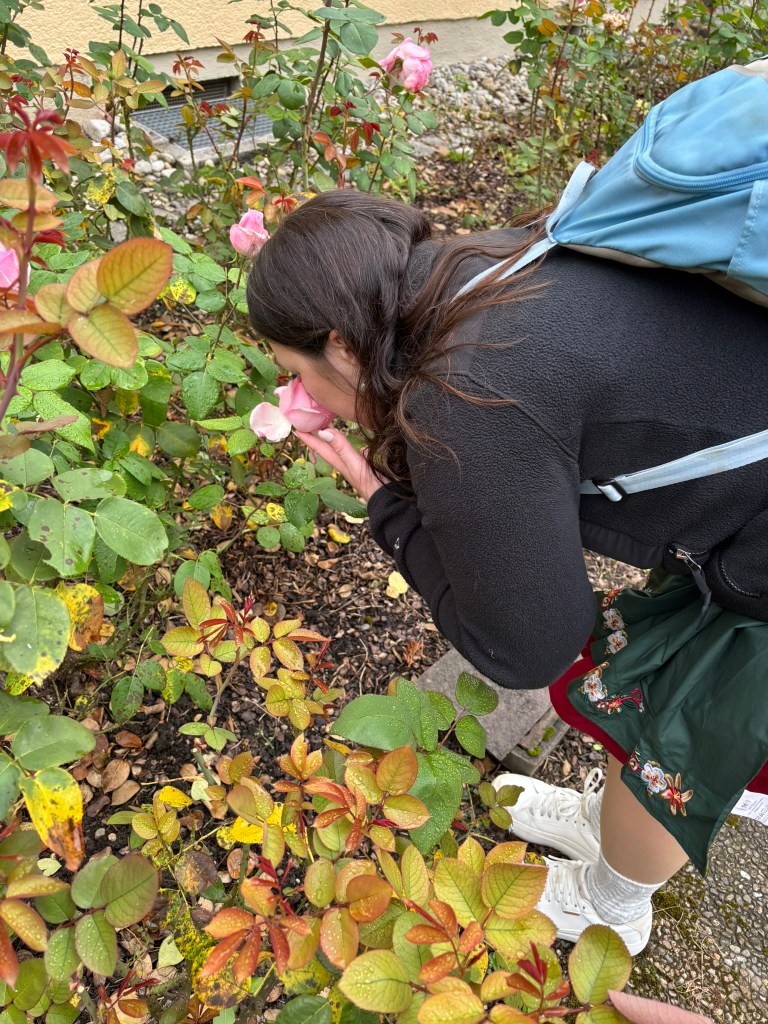
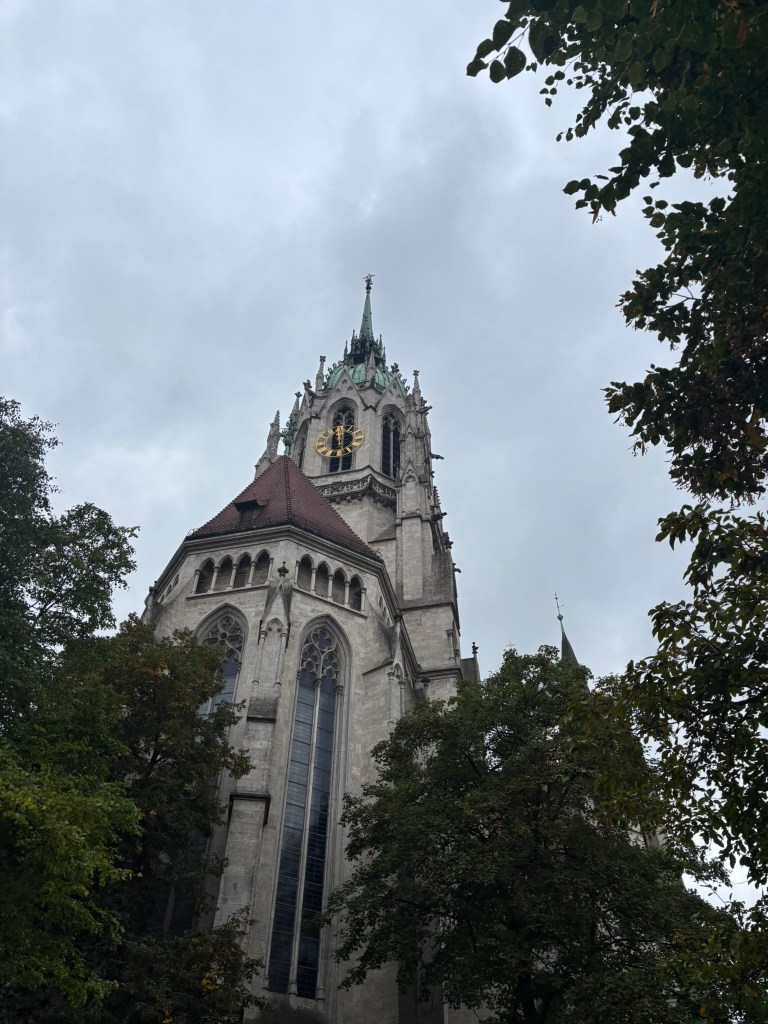
We woke the next morning, a Friday, which was our dedicated day for Oktoberfest. We had a reservation for 11-5, so we picked up our tickets (stopping into an open church first) and then had some time to waste before the event. We decided to wander through the English gardens, one of the world’s largest urban parks. After wandering through the park, watching some surfers, and literally stopping to smell the roses, we hopped back on the train to the Oktoberfest grounds.




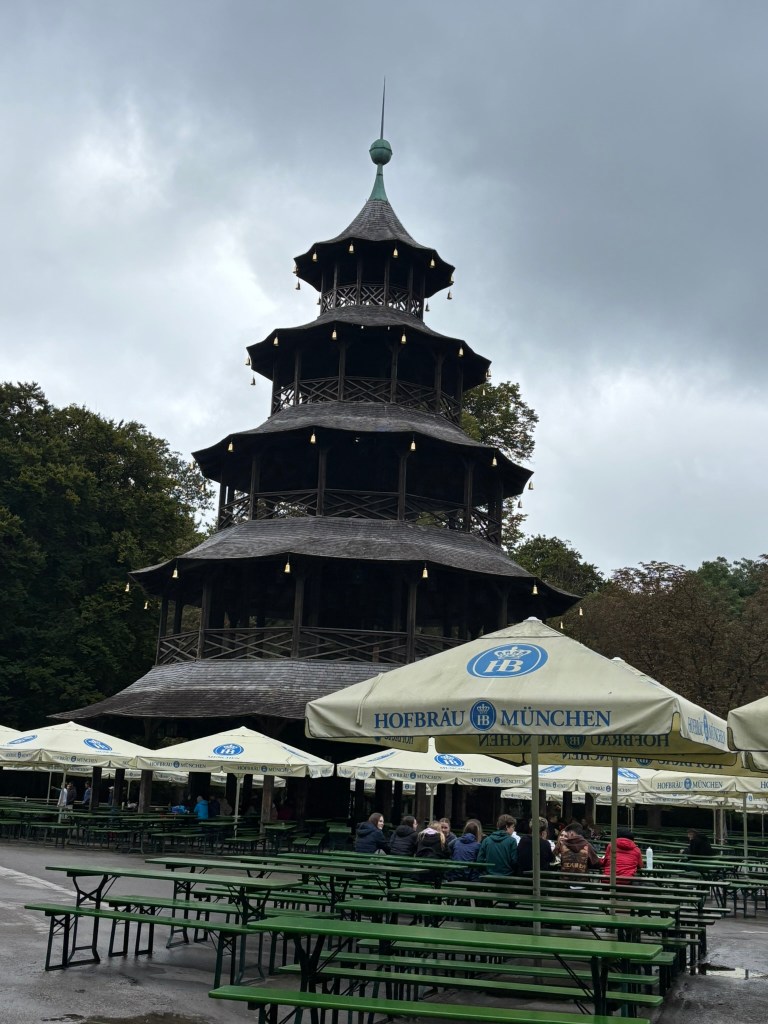


Oktoberfest was originally created in 1810 when the crown prince of Bavaria married. The public was invited to celebrate. It became an annual tradition (except for the years it was cancelled due to wars and/or epidemics). It is now one of the largest festivals in the world. Only brewers with breweries in the city limit of Munich can participate in Oktoberfest, and there are seven Munich breweries that maintain locations within the city despite having satellite locations in the suburbs for exactly that reason. Those include Augustiner Brau, Hacker-Pschorr, Lowenbrau, Paulaner, Spaten, and Hofbräu München. In 2023, there were a record 7.2 million attendees. In total, visitors drank approximately 7.4 million liters of beer.
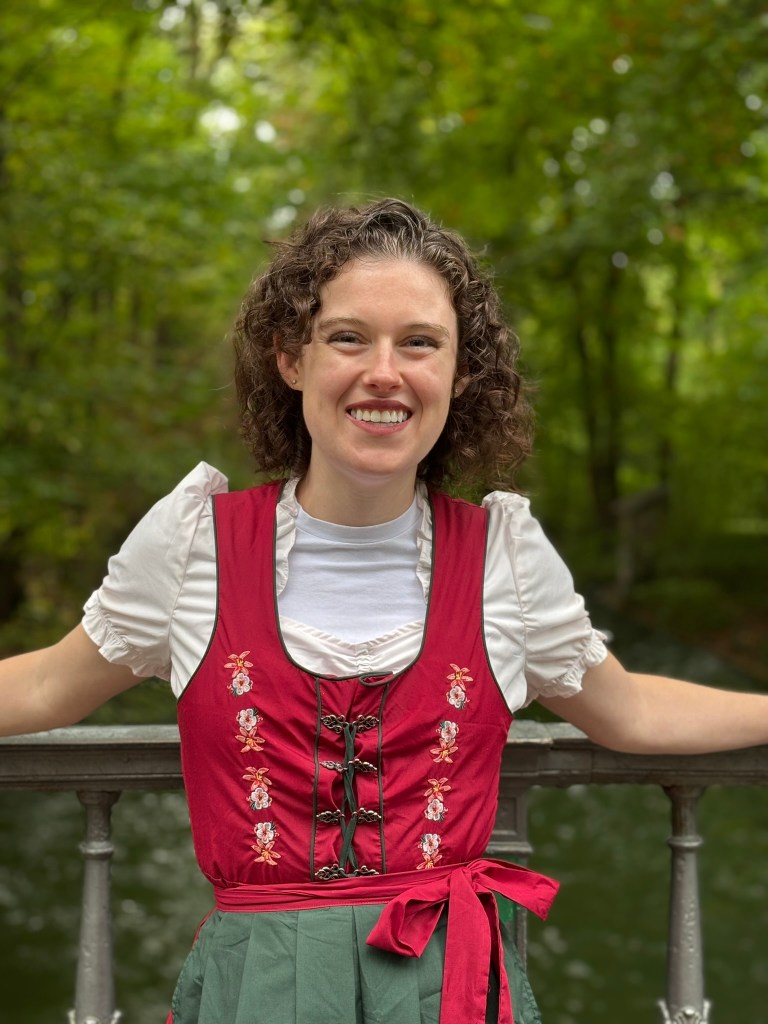
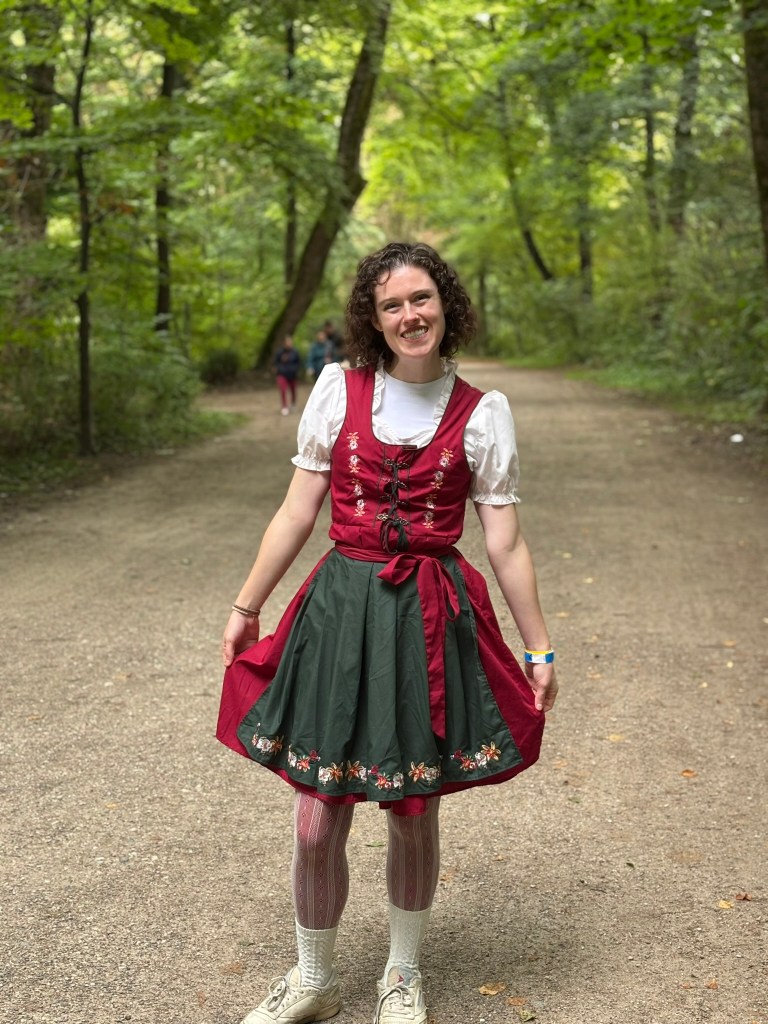
We’d decided to buy dirndls, the traditional German dress for women (consisting of a low-necklined dress, a blouse, and an apron), because it’s a tradition to wear them to Oktoberfest. However, we’ve also got some German heritage on both sides of my family, including Bavarian heritage on my Dad’s side, so it felt fitting. We’ve been talking for years about finding/buying more traditional Irish clothes for my mom to wear to her annual Festival of Cultures. While this isn’t exactly the same, I think all of us were excited to wear some cultural costumes. We had an extra one, so we lent it to Mark’s sister!
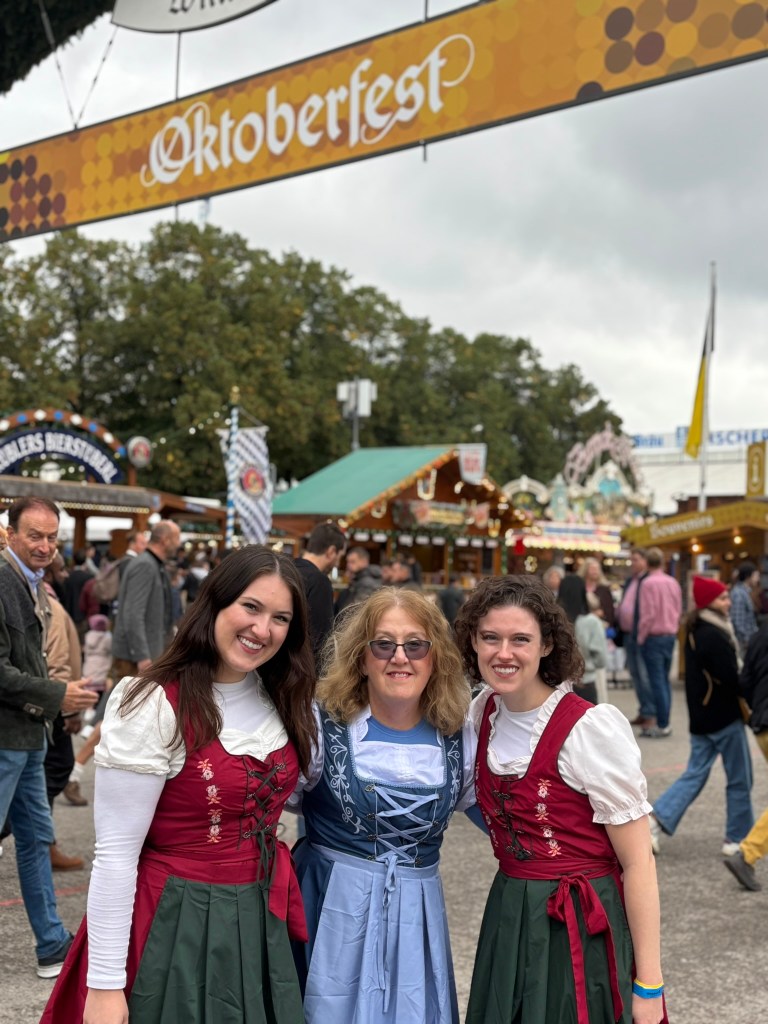

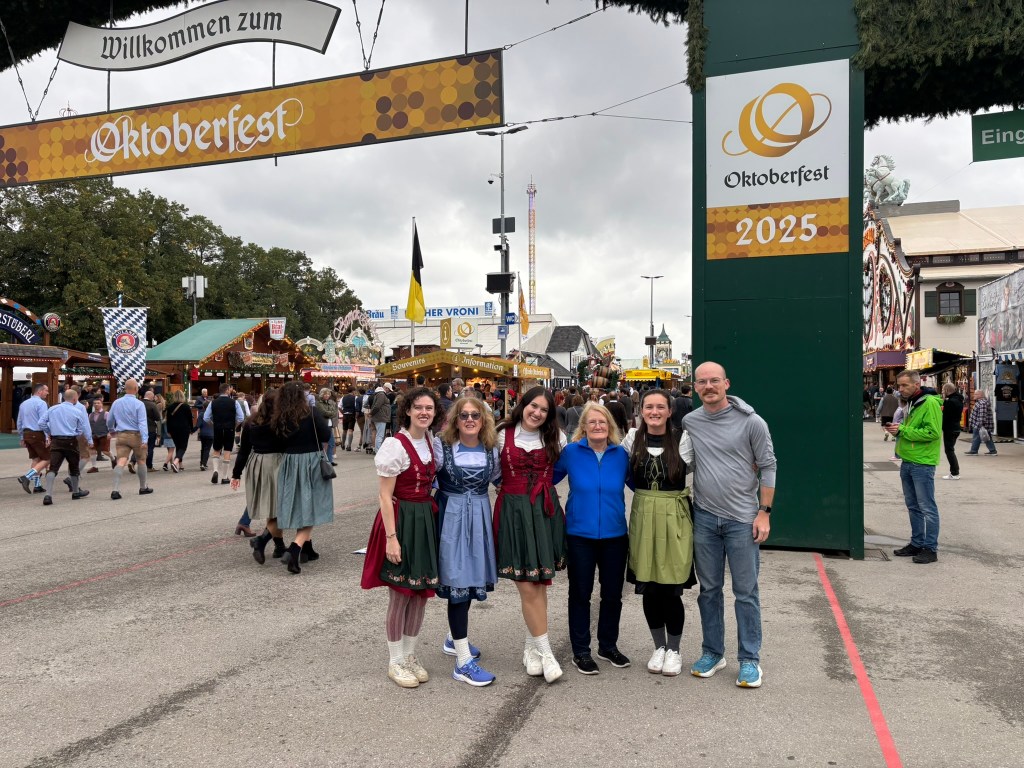
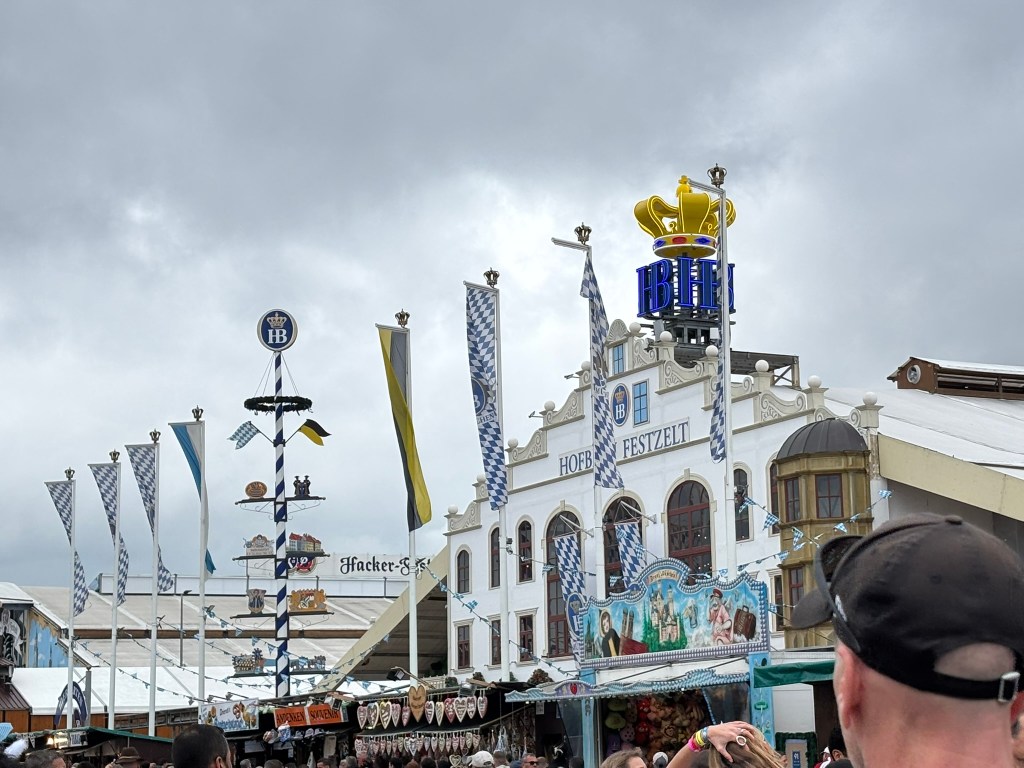
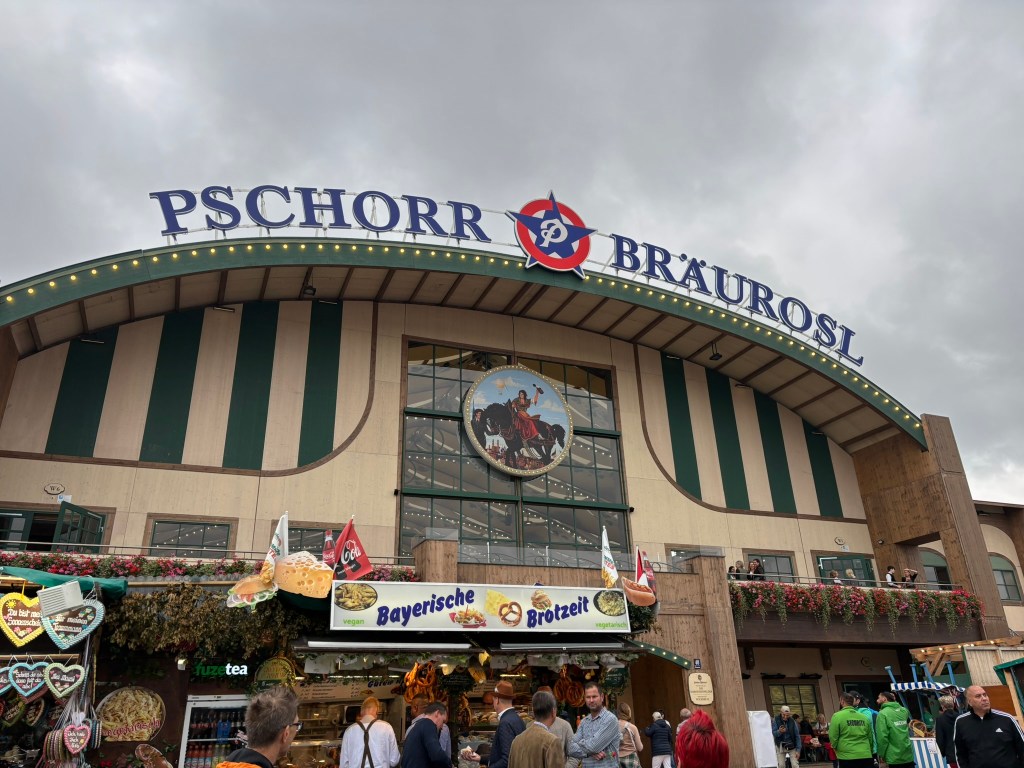
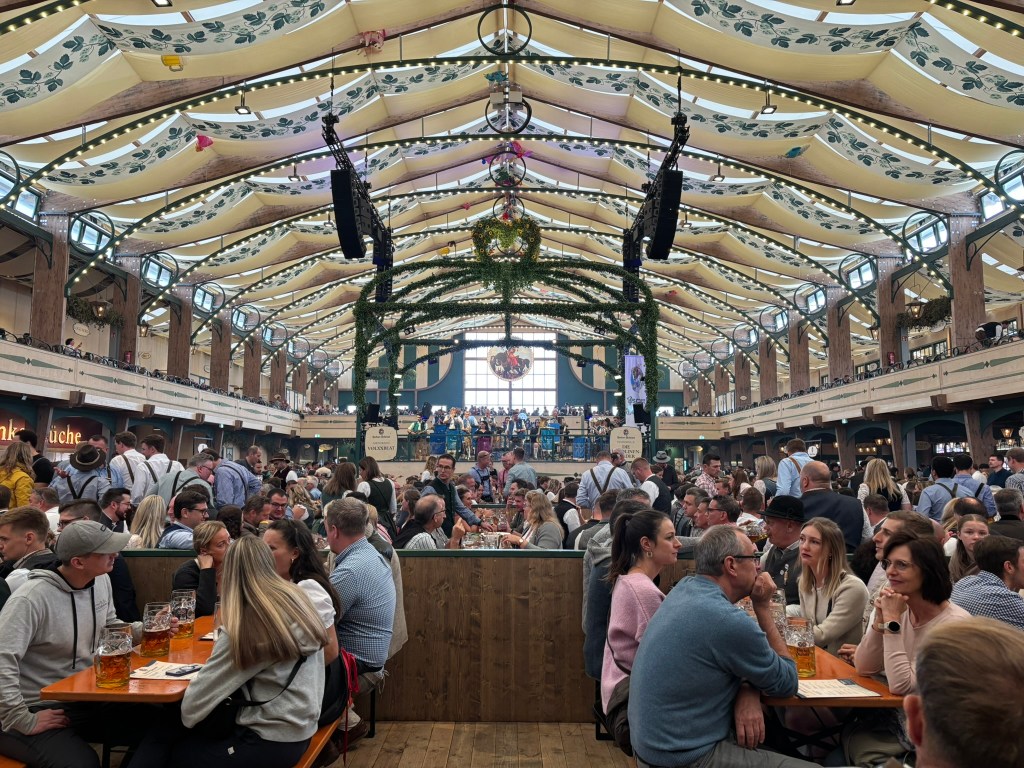
We got to Oktoberfest, and it was simultaneously everything and nothing like I expected. Beer tents? Check. Women in drindls and men in leiderhosen? Check. The chaos of large drunk crowds? Check. But I hadn’t realized just how much carnival there was involved in Oktoberfest. Neither did I realize just how permanent the structures, and the tents in particular, were.
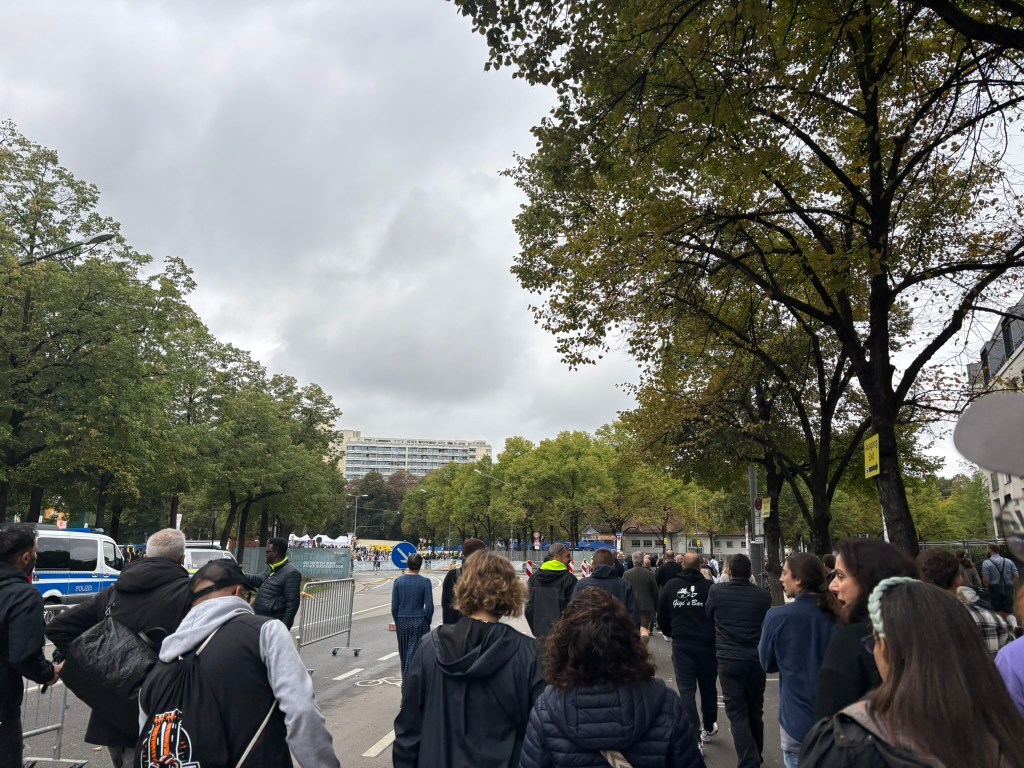
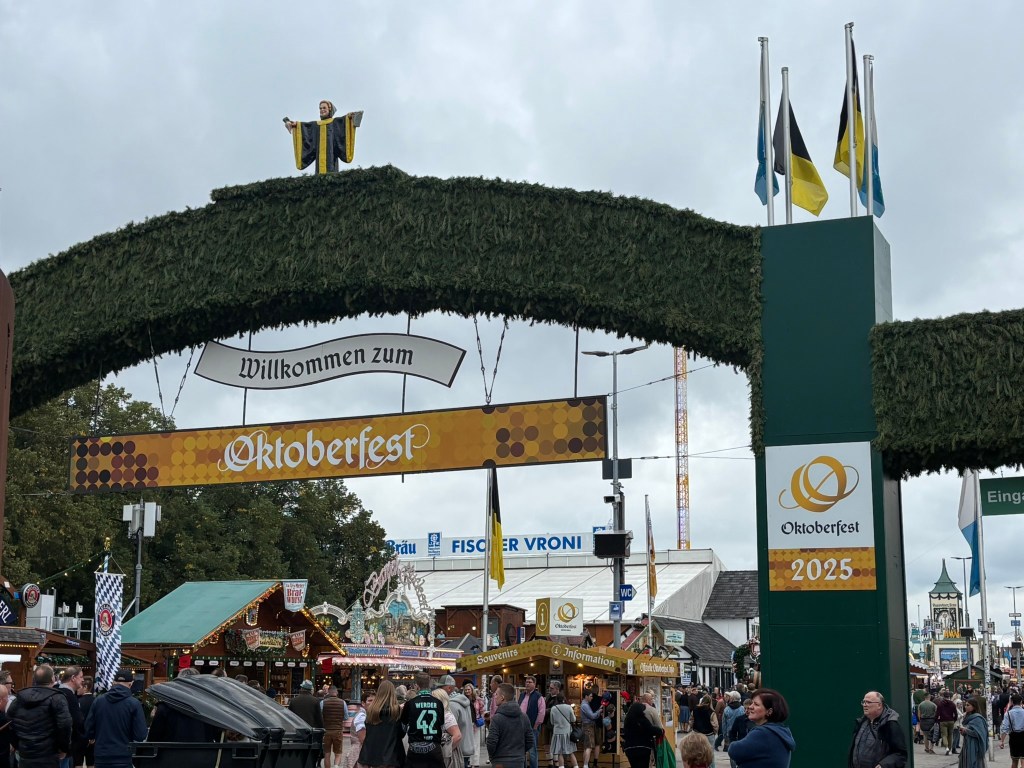
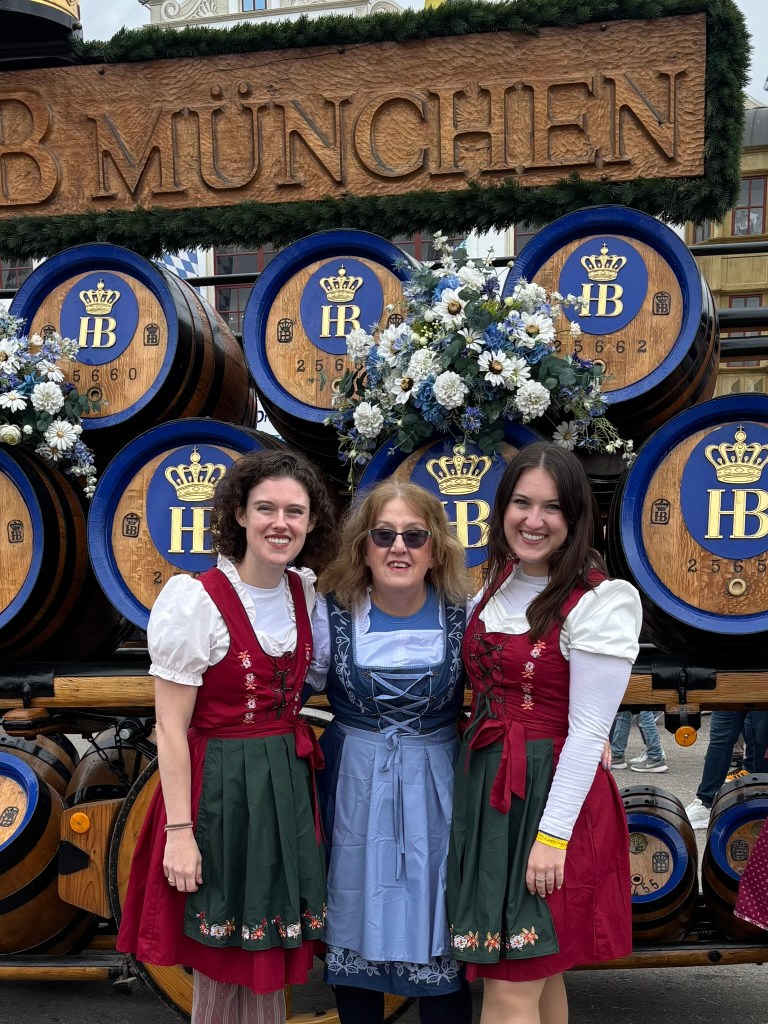

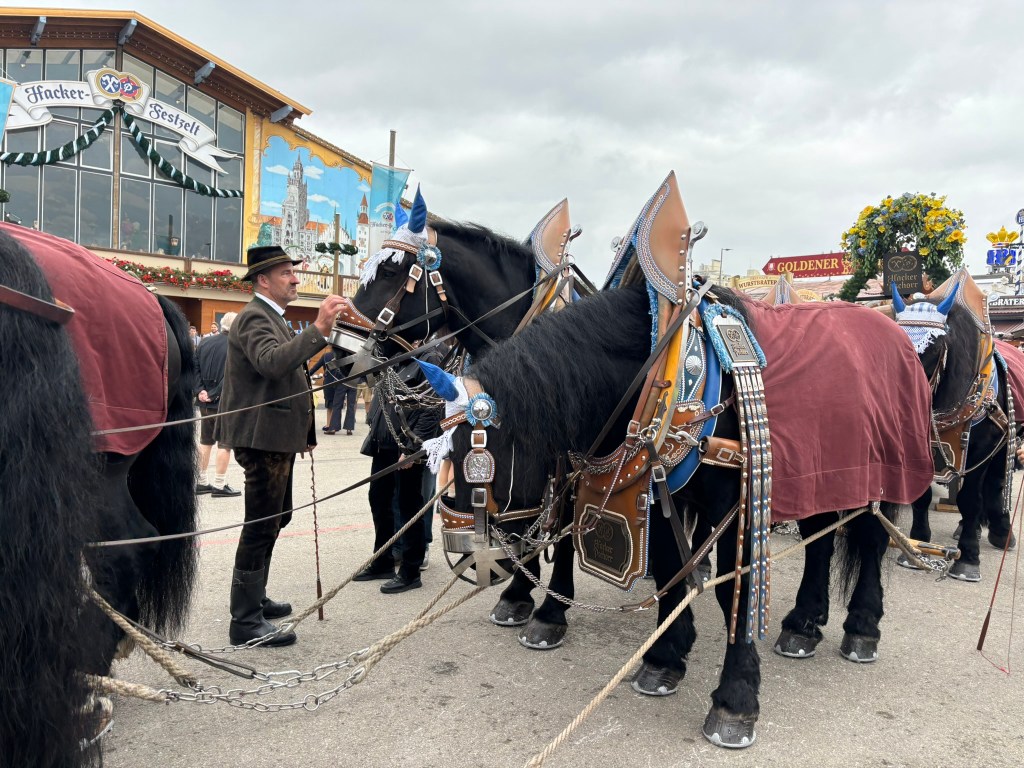
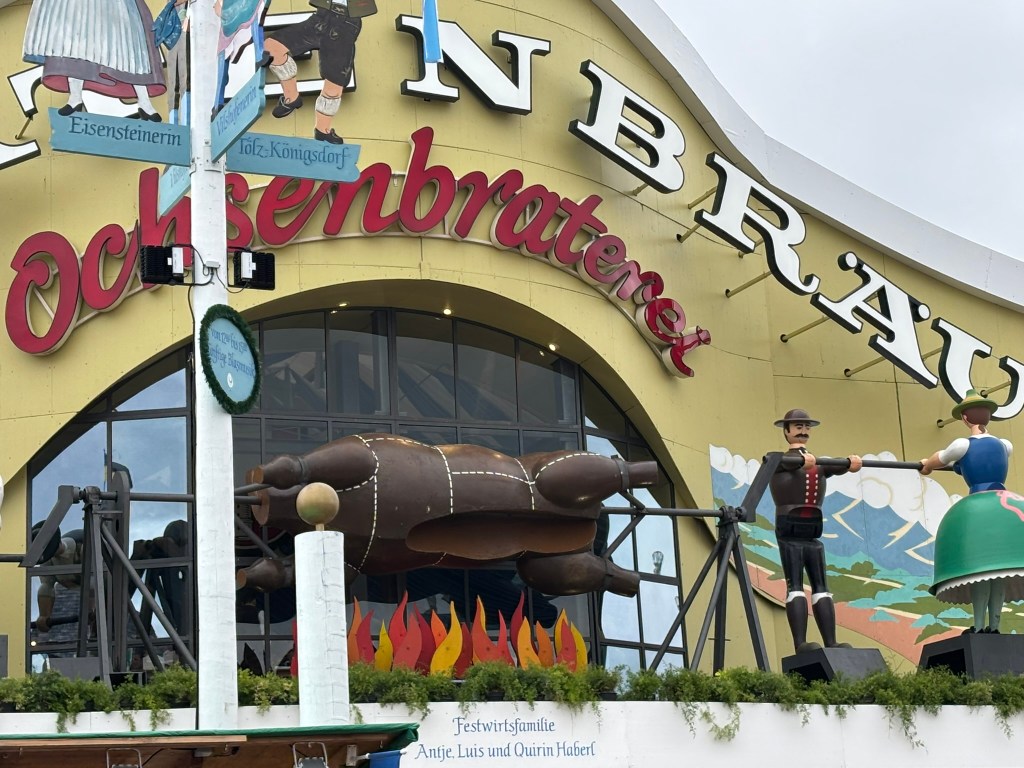

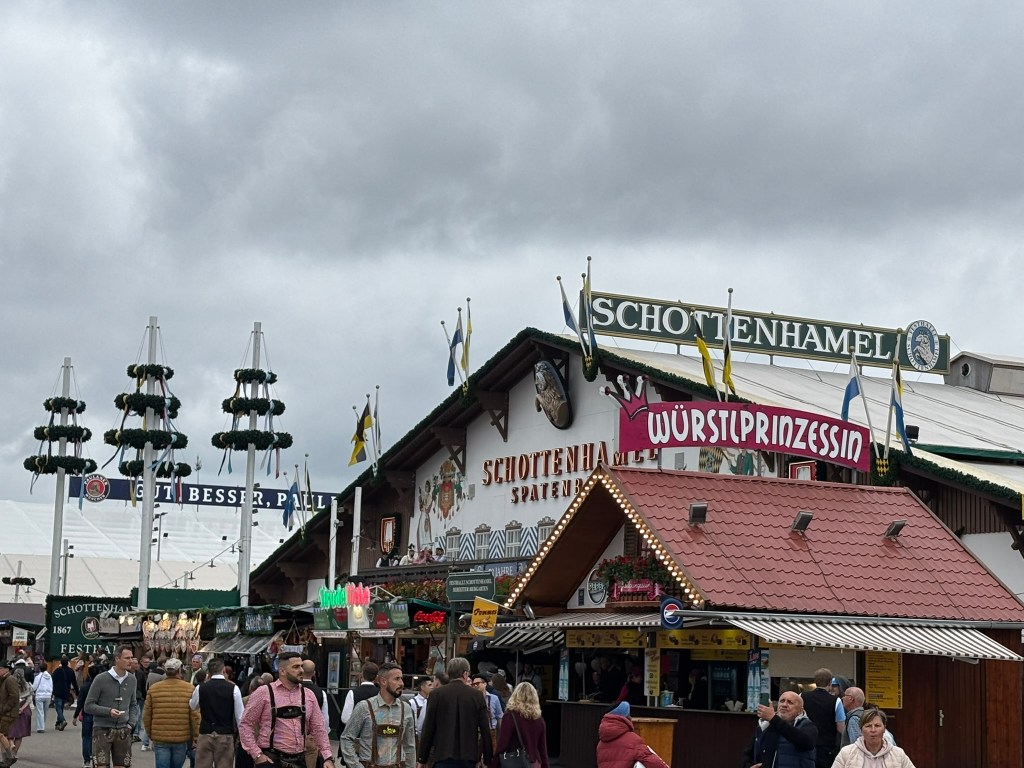
The last two times I was here, I (to my knowledge) hadn’t checked out the Oktoberfest grounds. The first time, I was six or seven, so obviously that wasn’t relevant. The second time I came, I was 20, but it was winter and I’d booked myself a few tours, which quickly took up the majority of my short time in the city. The only thing I remember from my study abroad trip were a bus tour to Neuschwanstein, the clock, the walk to my hostel, and the two times I went to the Hofbrauhaus for a liter of beer. The first night, I hadn’t been able to finish it. The last night, when I went back, I managed to finish it. (This time I finished it with no problem. Not sure what that says about me and my life, but I choose to see it as an accomplishment.)
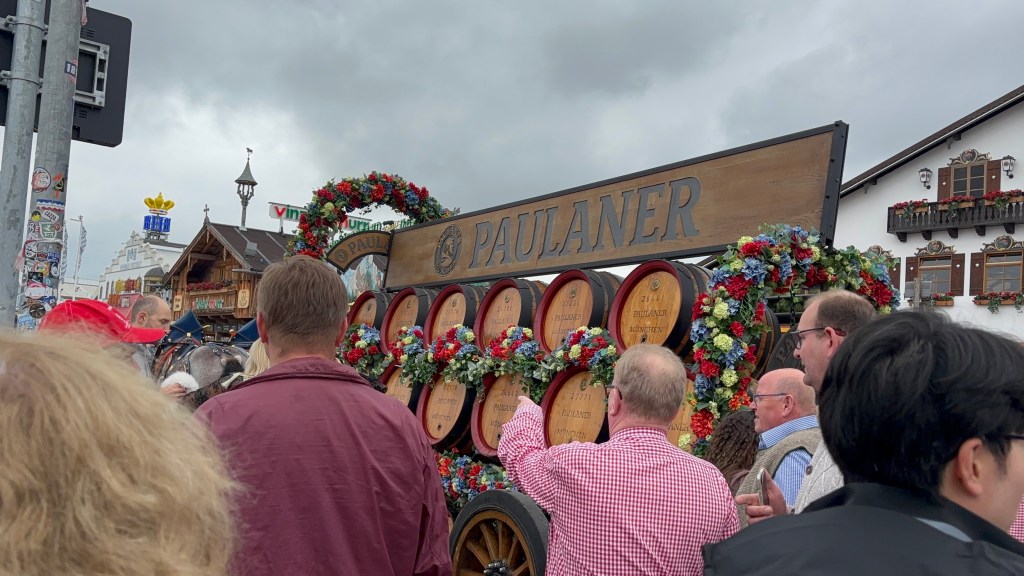
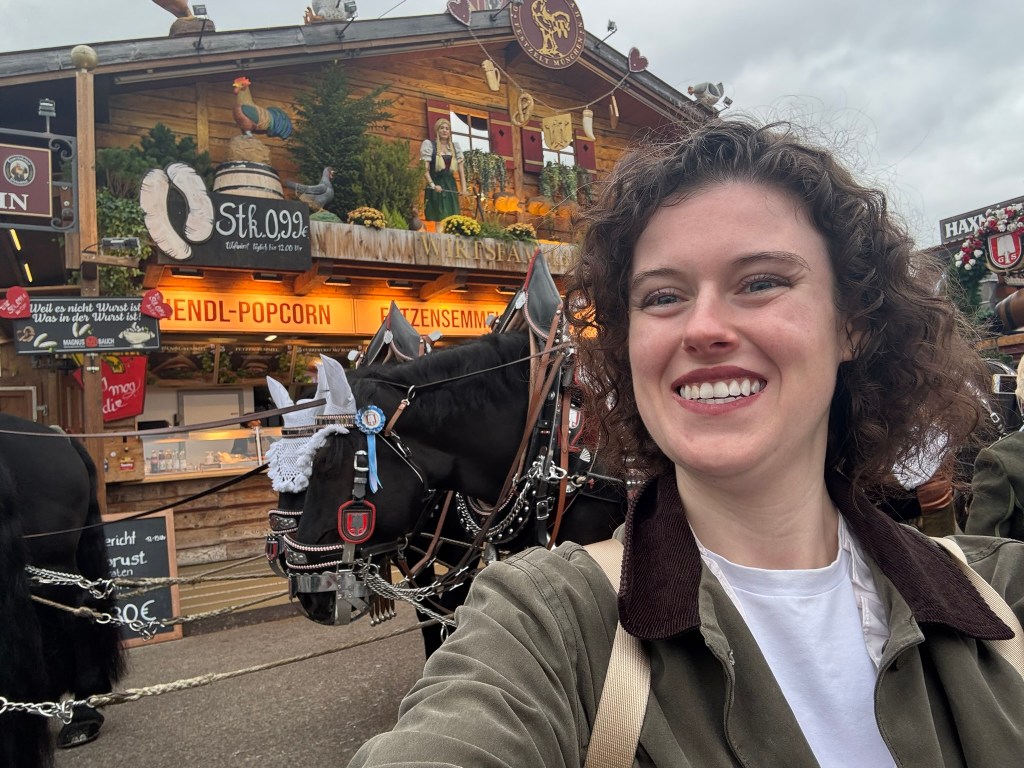
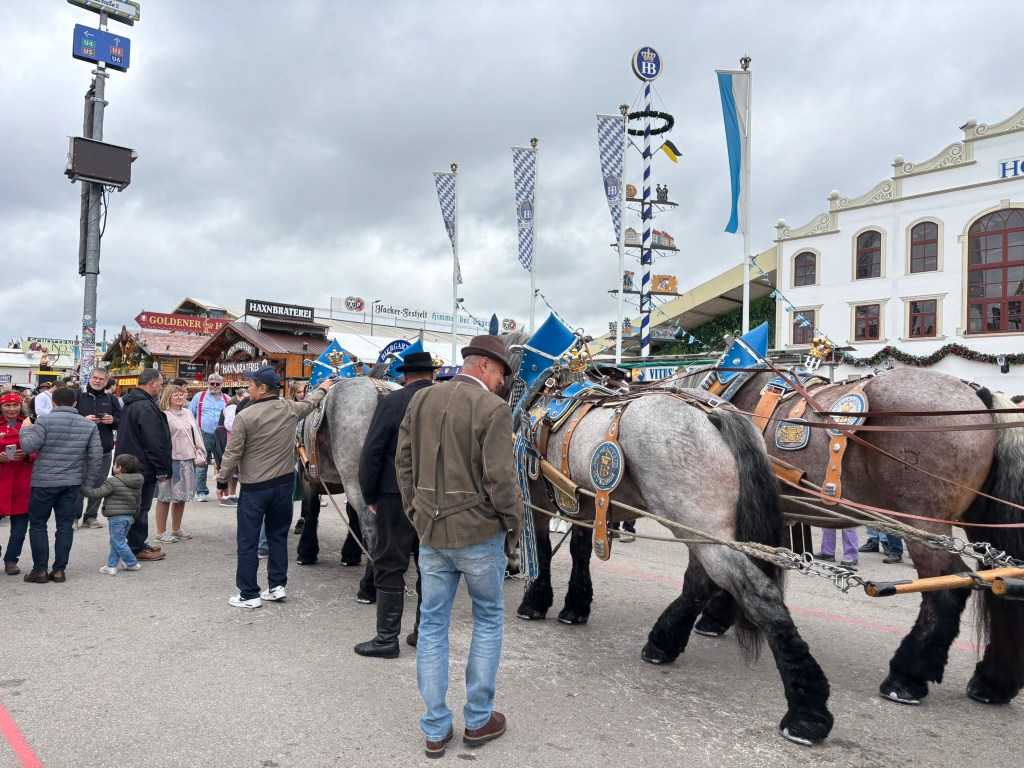
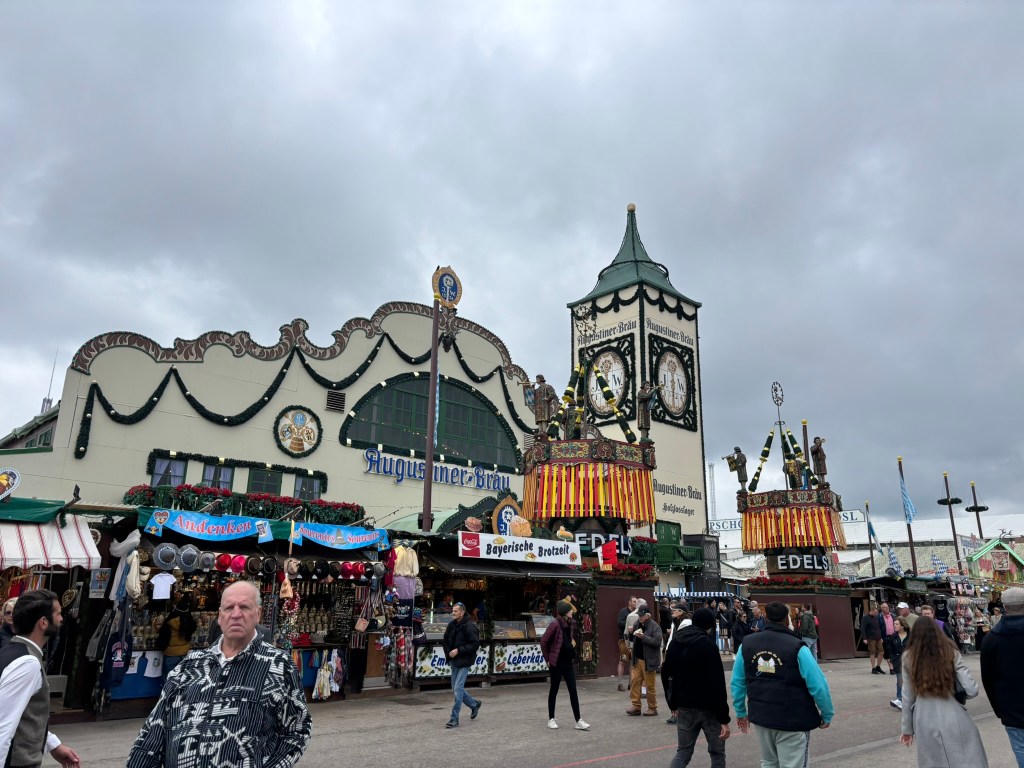
We had a reservation and headed to our tent, the Pshorr Braucosl tent, after running across some dray horses pulling barrels of beer and taking the necessary photos. Because of some mix-up, our table had been given away. However, we wandered around a bit and found multiple open ones, and we quickly settled into the new table and ordered our beer and food. My sister discovered that she really liked the German version of Radlers, a combination of beer and soda rather than the beer and lemonade combination we’re used to, so she consistently ordered Radlers for the duration of the trip, including at Oktoberfest. I got regular beers. My mom actively dislikes beer, but we convinced her to have a sip of each of my beers across the trip, and she even had a few sips of her own Radler before my sister and I helped her finish it. We are very proud of her for trying it and for having more than one sip of a beer-based drink at Oktoberfest. That is more than we expected from her because of her strong dislike for it, so we were very pleasantly surprised and impressed that she was playing along so well.

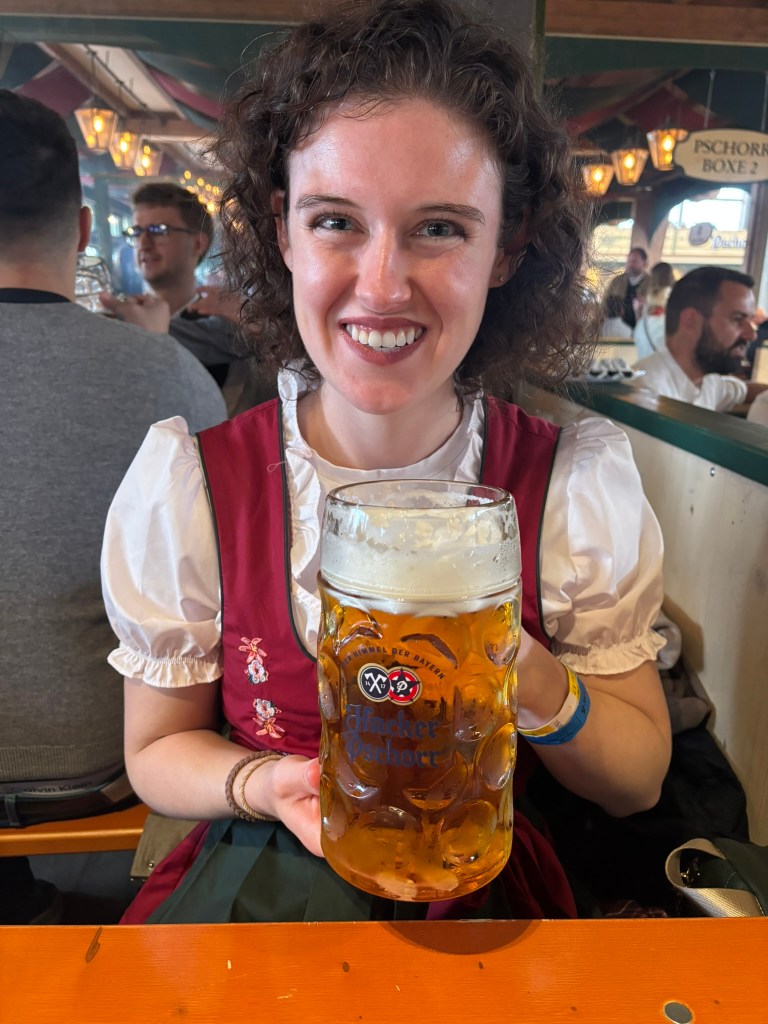
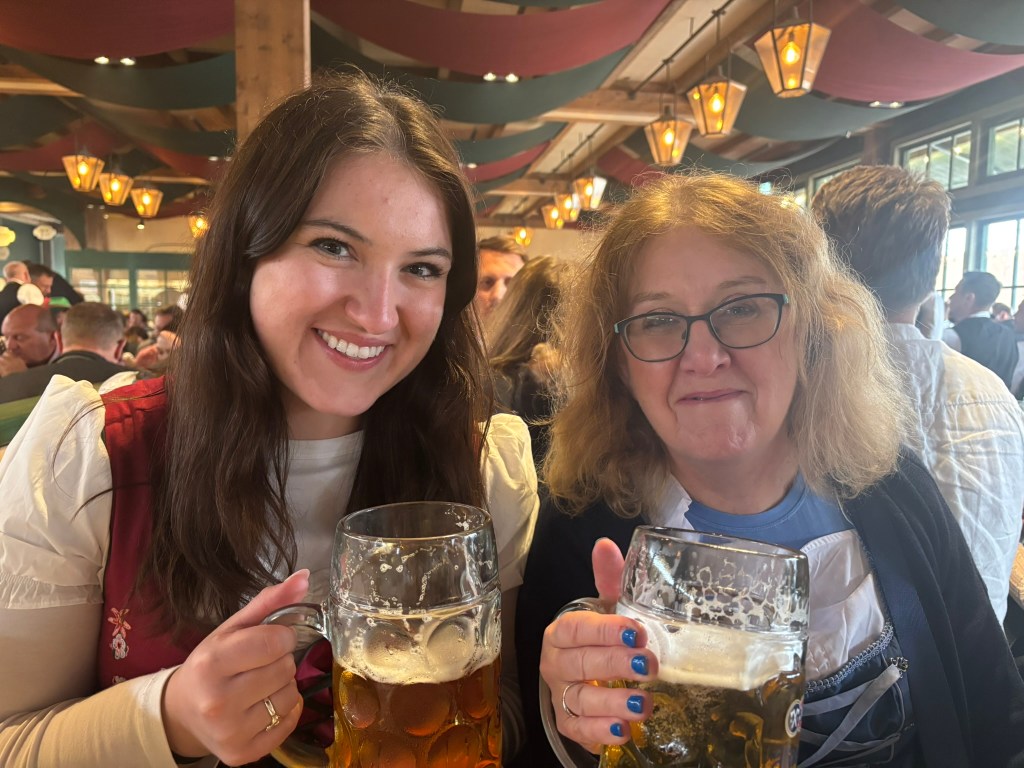
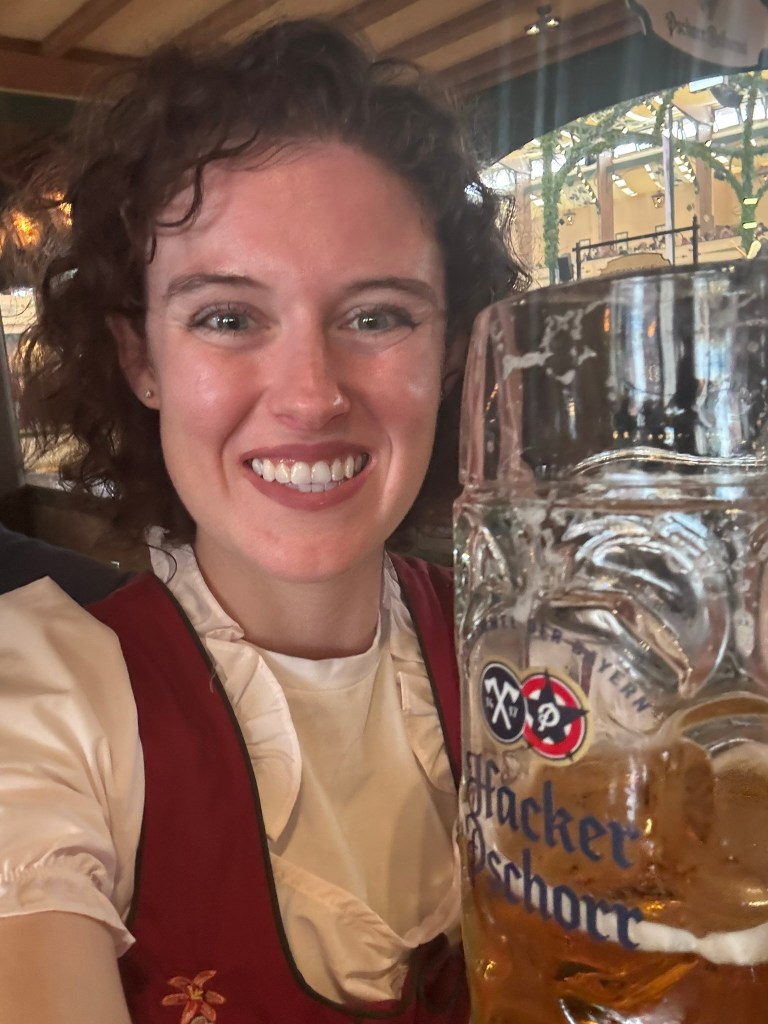
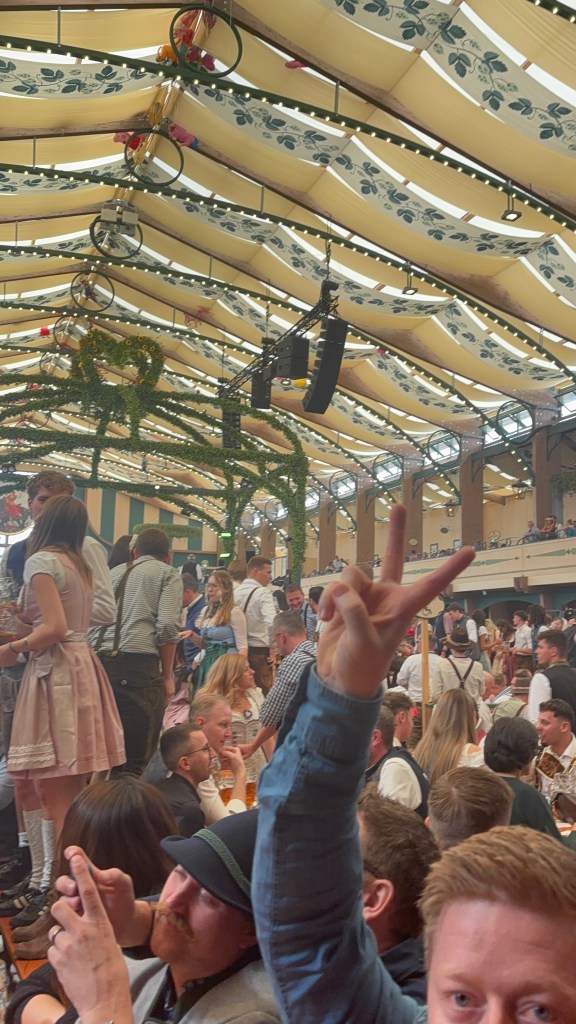
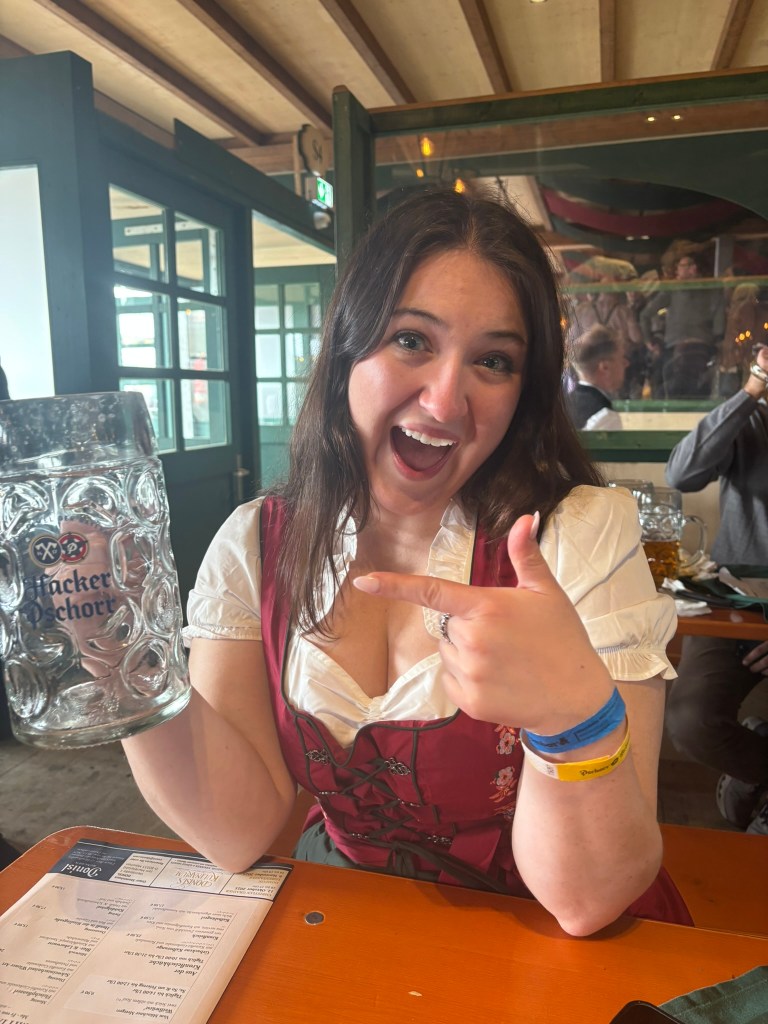
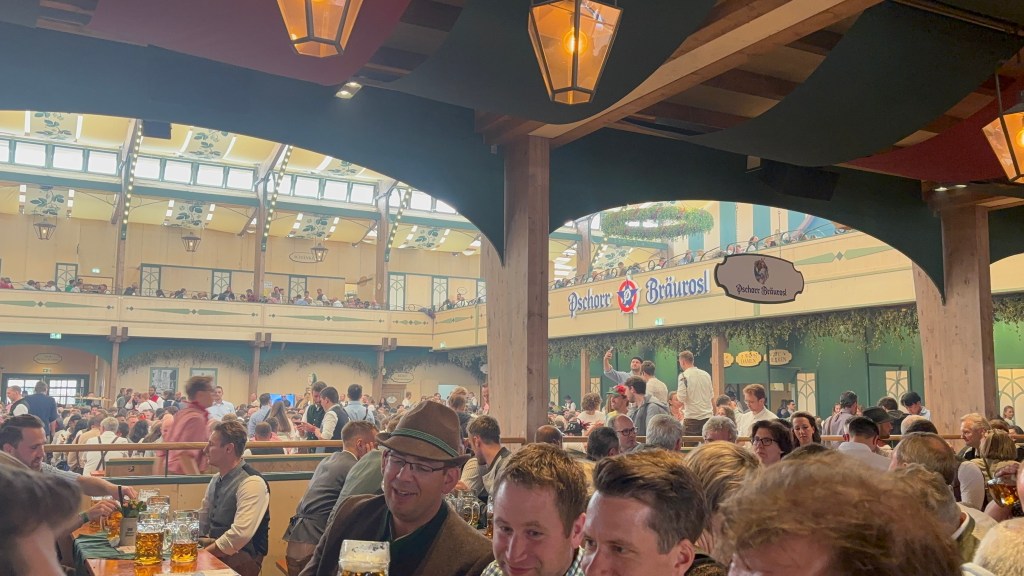
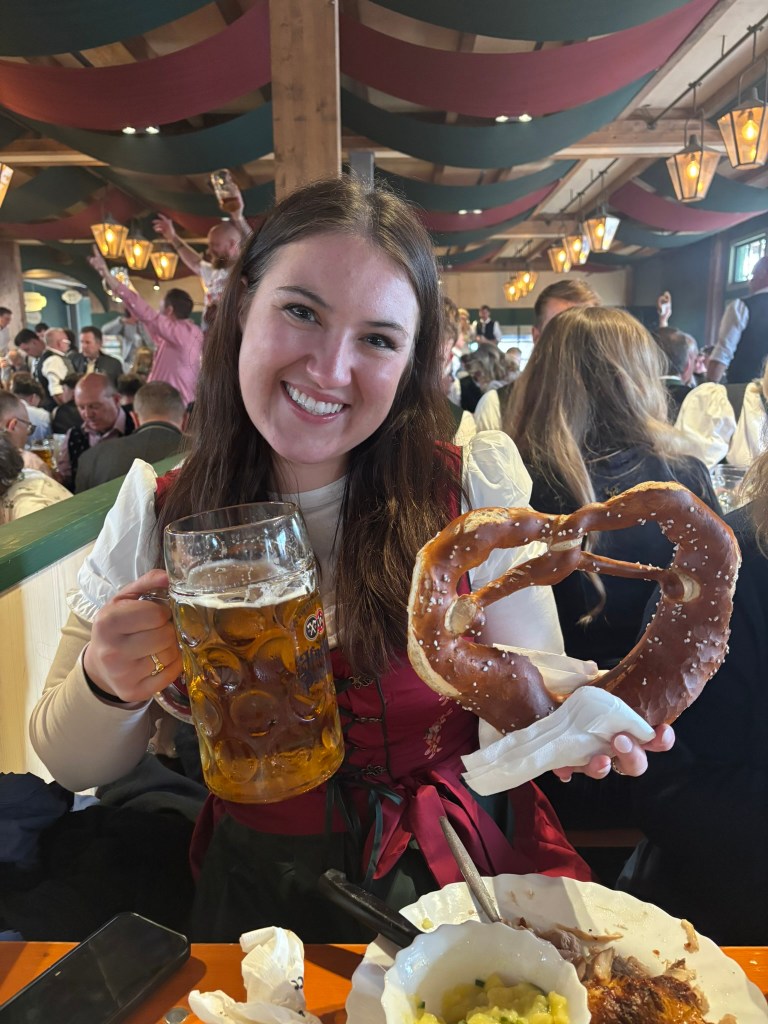
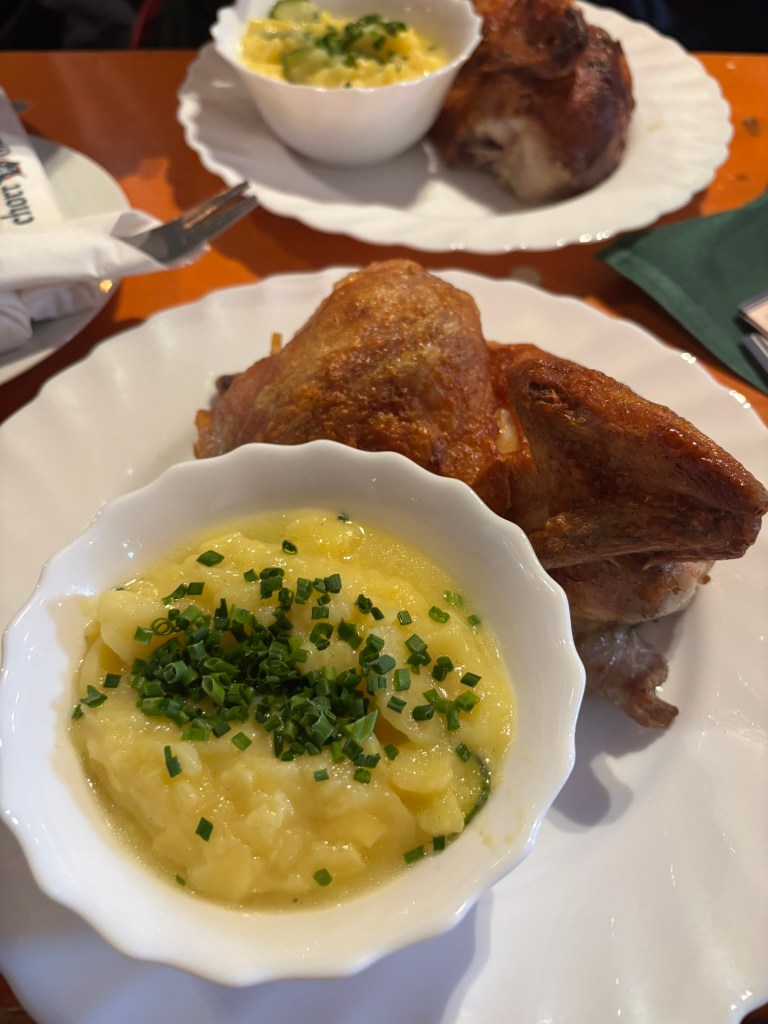
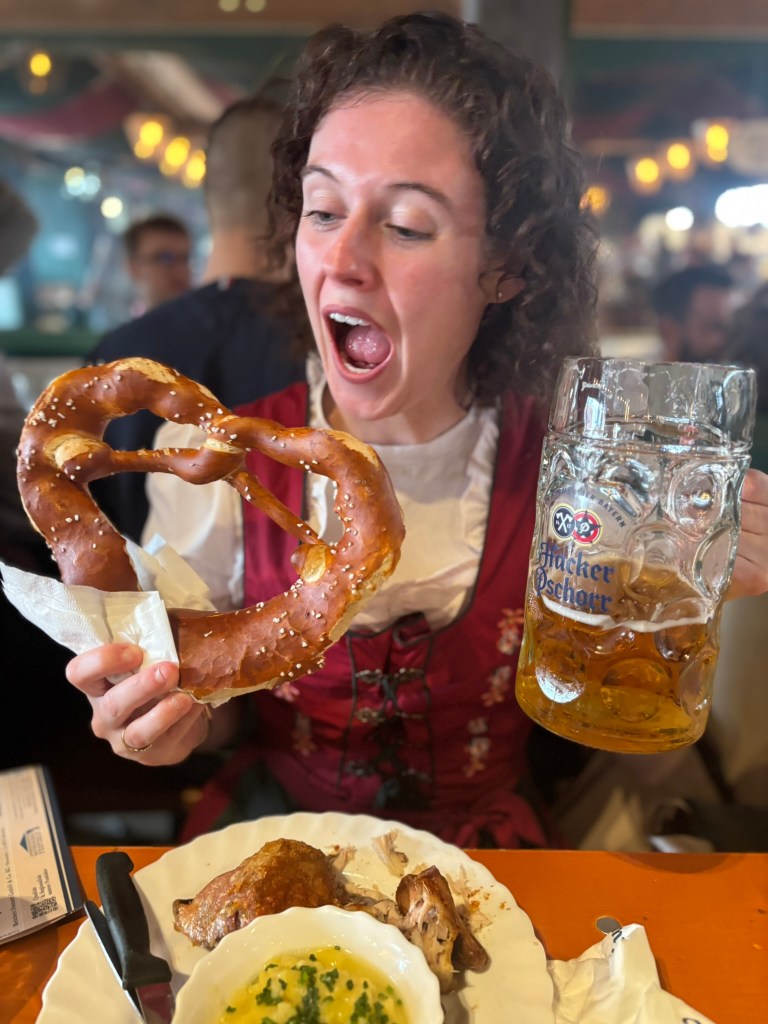
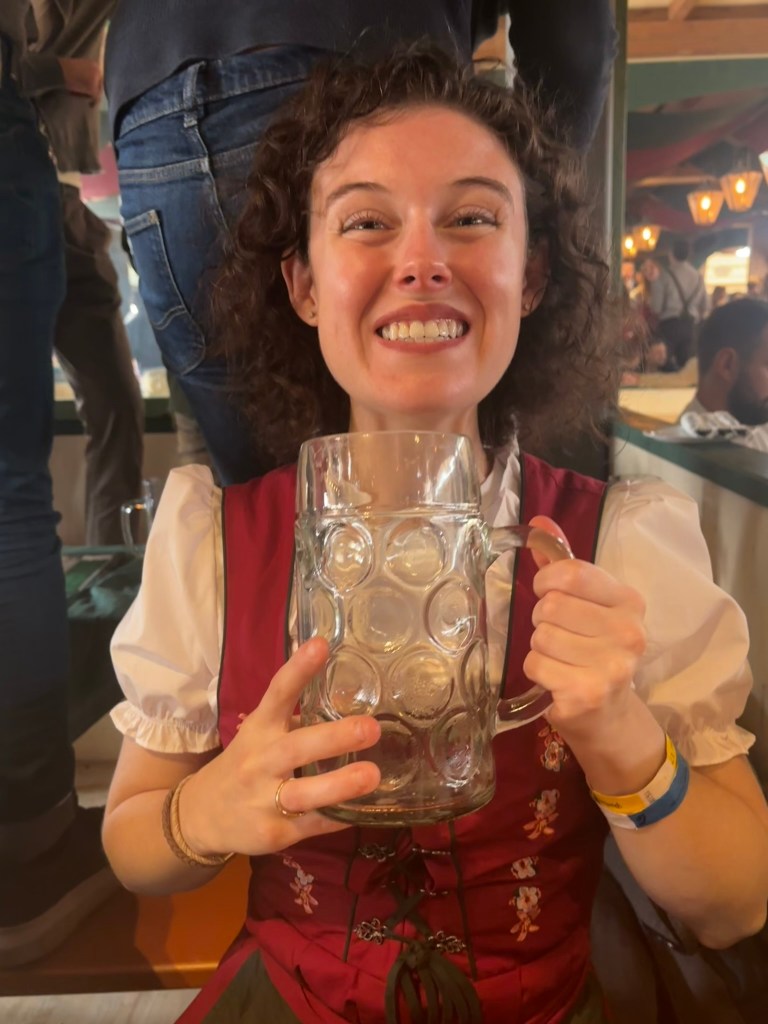
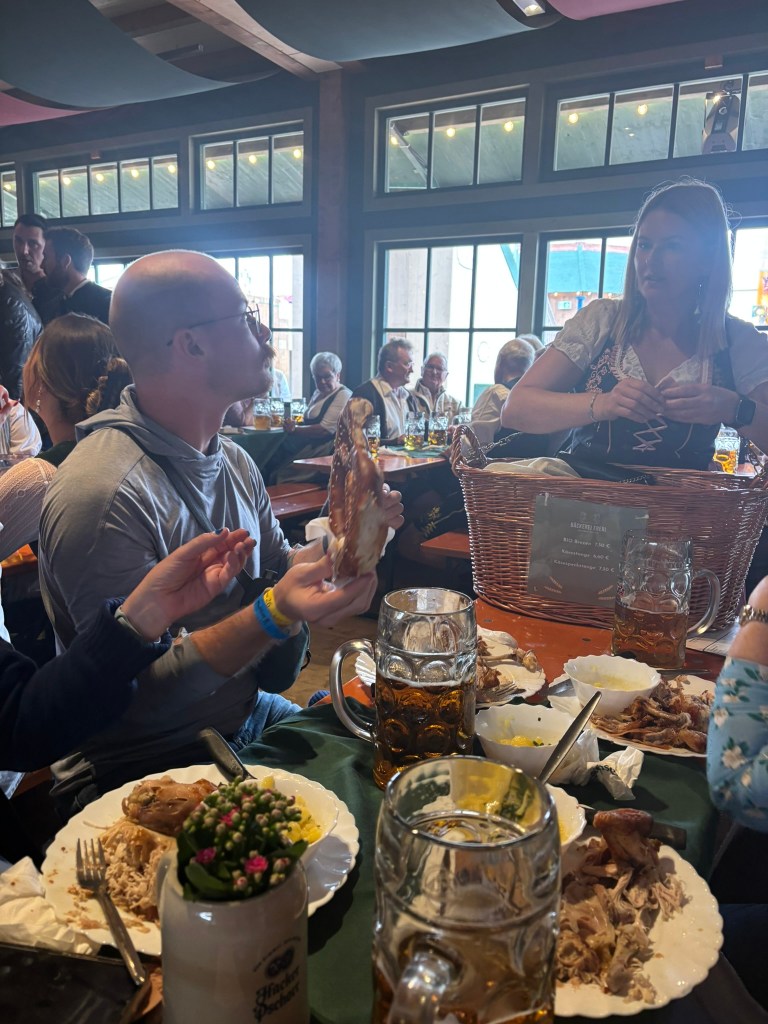
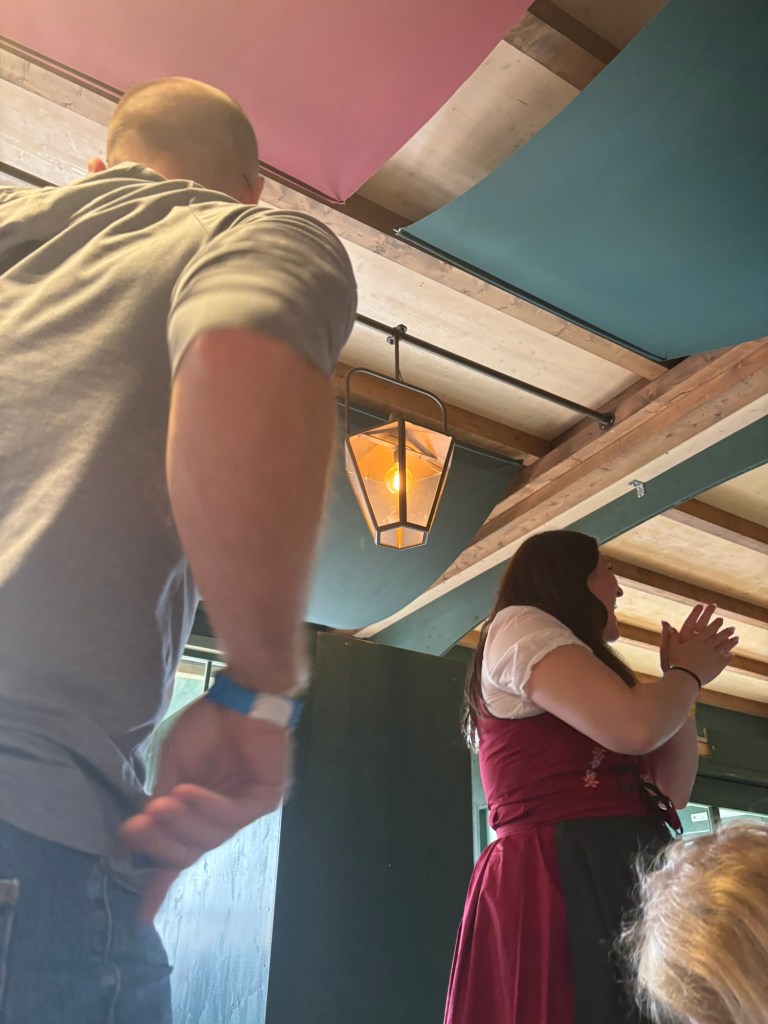

After a liter and a half of beer/Radlers and some of the best chicken I’ve ever had, we went on a walk around the grounds. (My mom bought me a very cool hat because we were both a little drunk, me more than her, and she thought I needed it!)
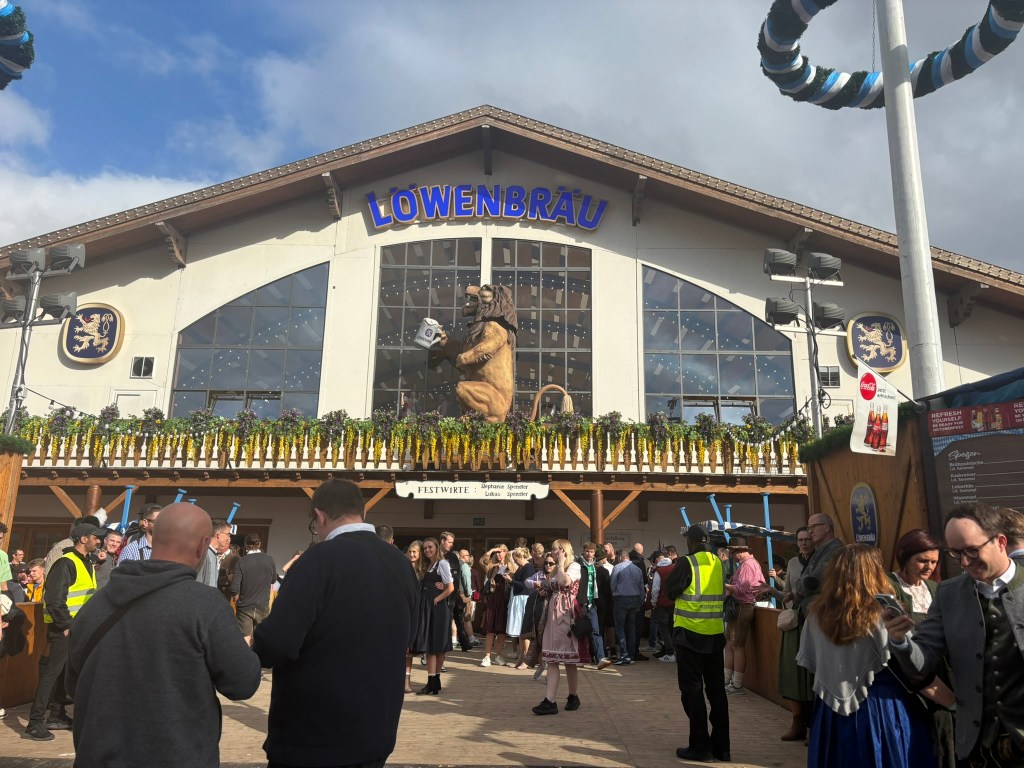
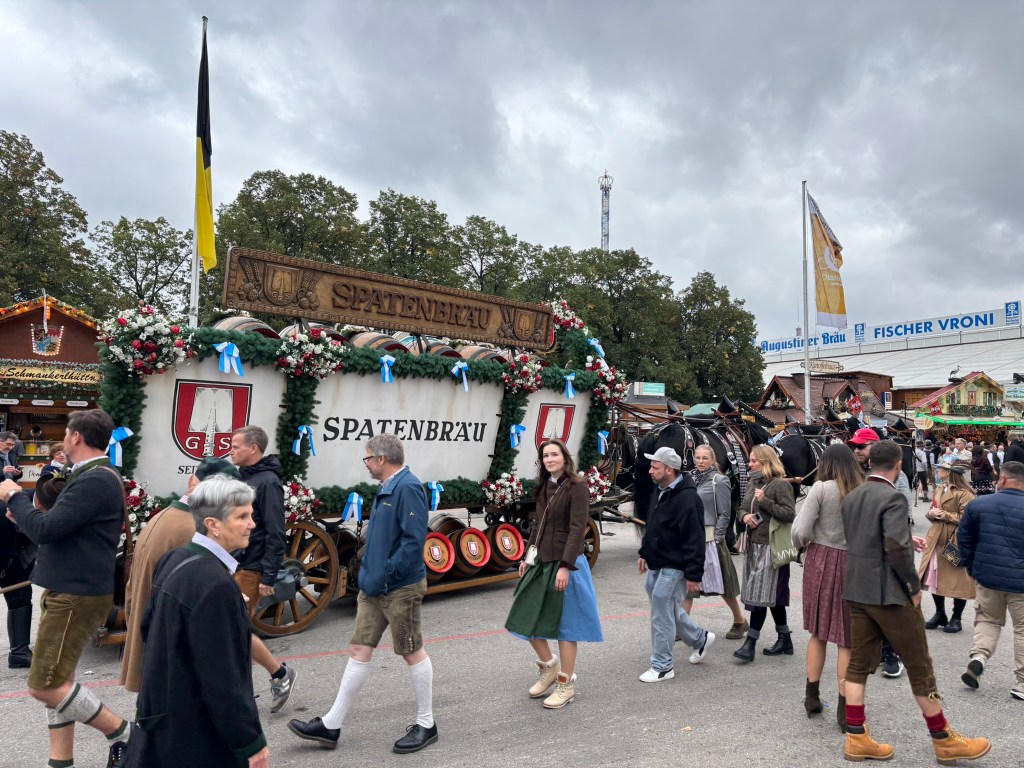

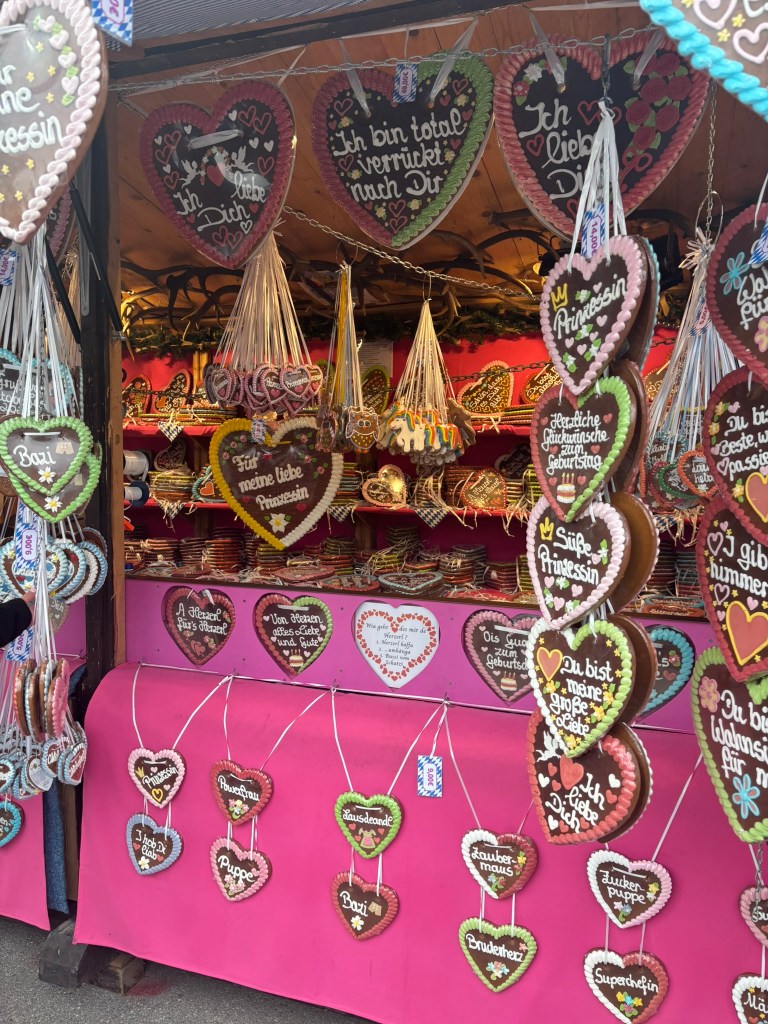
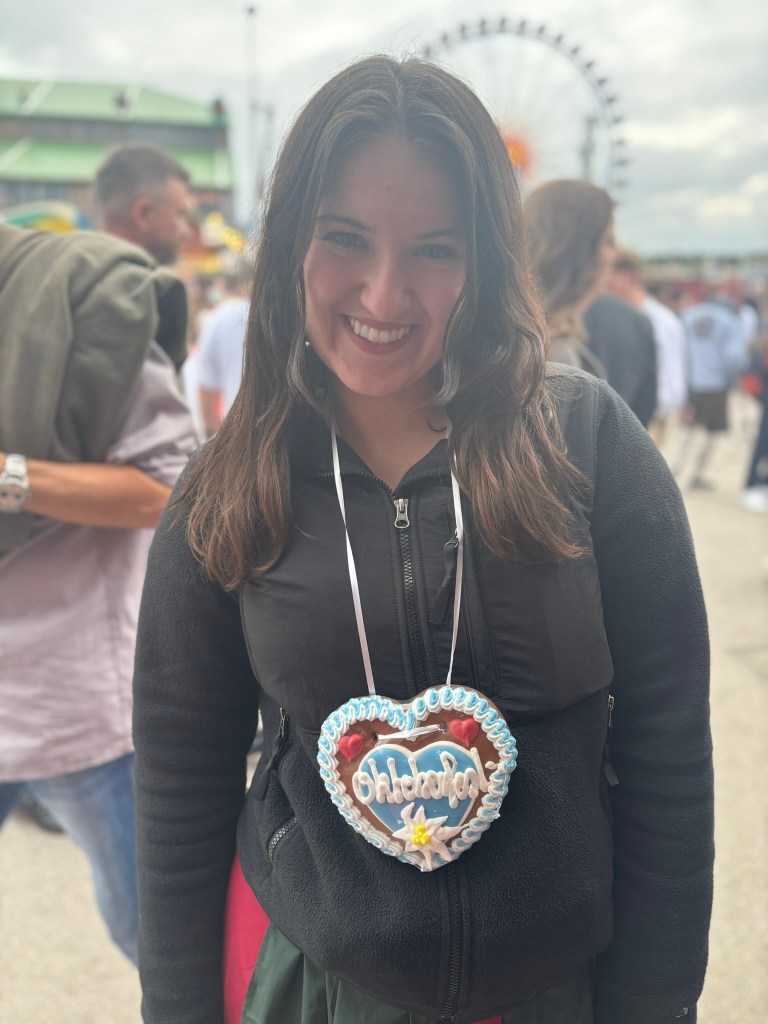
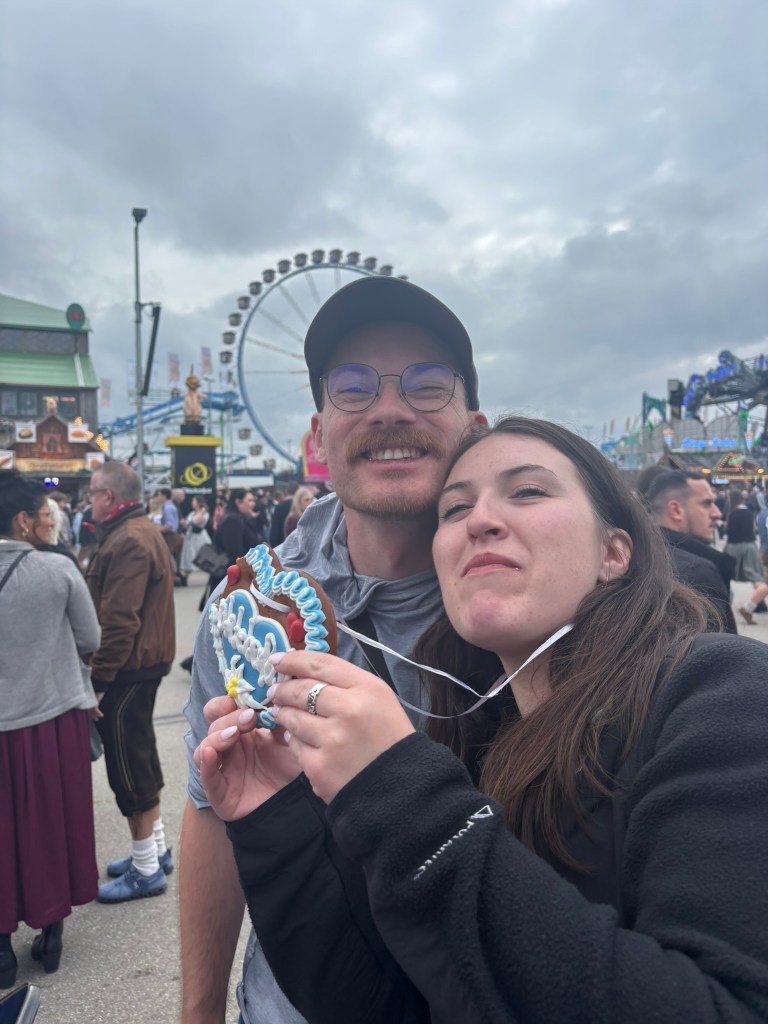

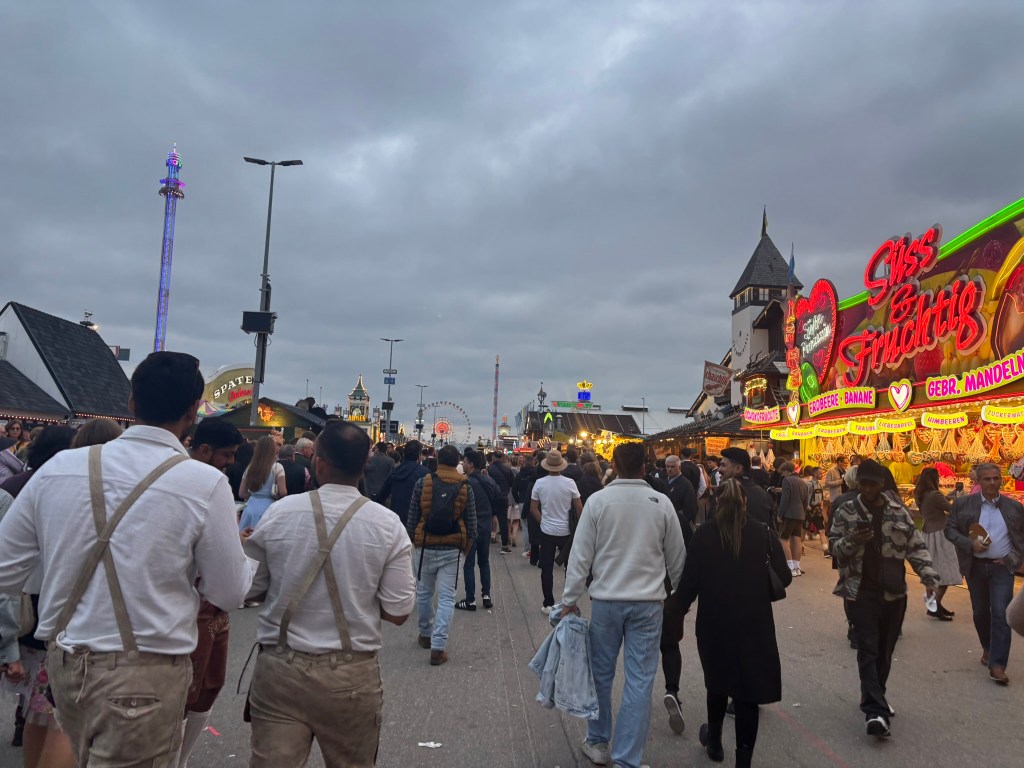


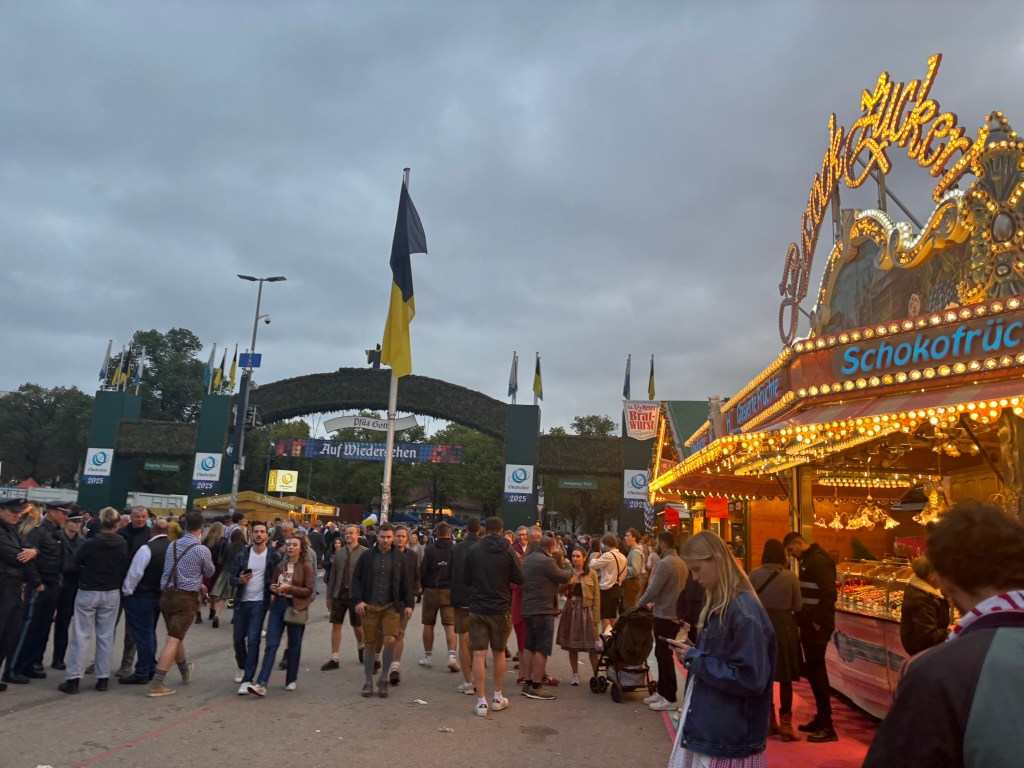
We saw some people puking (primarily forty-year-olds, for some reason), but overall it was much tamer than we might have expected. That was perhaps because it was still relatively early in the day, or because the Germans, who make up the majority of attendees, can hold their beer. None of our party got neary that drunk, and so we were able to enjoy the people-watching.

We stuck with Mark and his family for a bit before splitting up to wander the grounds. We wandered until it was time to grab dinner, and then we got some more food, though none of us needed more beer. After grabbing dinner and dessert, we headed back to the hostel. There, we played a round or two of cards before heading off to bed.
The next morning, we headed off for our Neuschwanstein bus tour. All of my family had visited the castles before, but since it had been 24 years since my mom was last here, this was the thing she wanted to do. Mark’s family also hadn’t been before, so it was well worth taking the day. We took a bus tour that took us to two of the castles created by King Ludwig II in the 1860s-1880s.
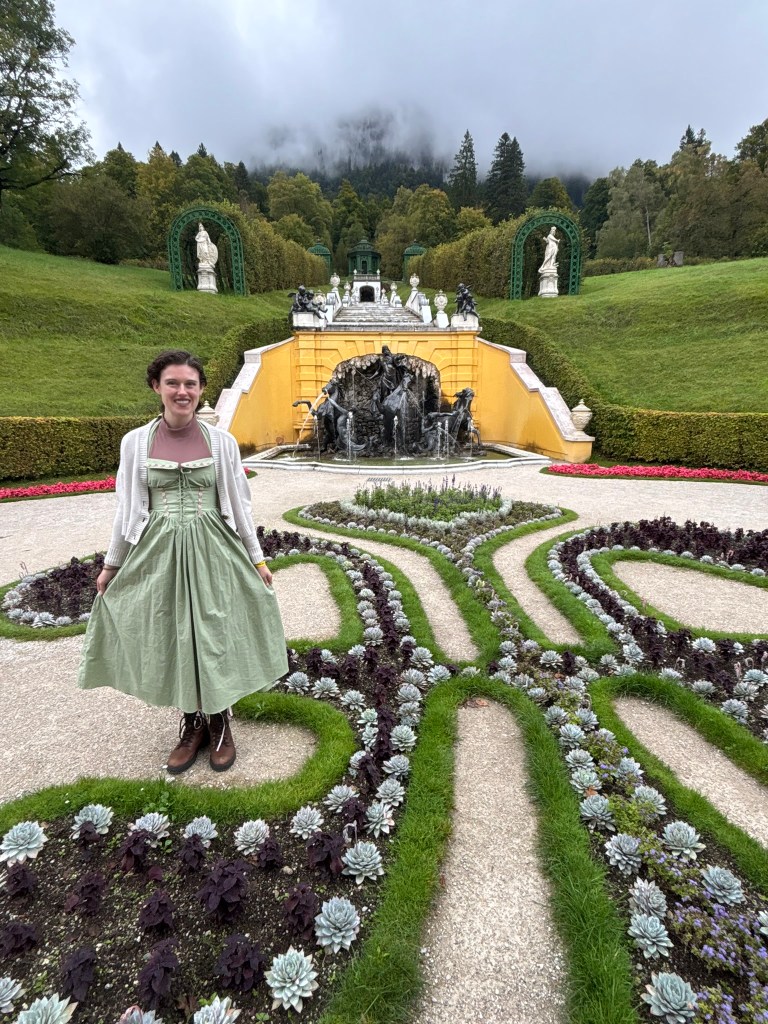
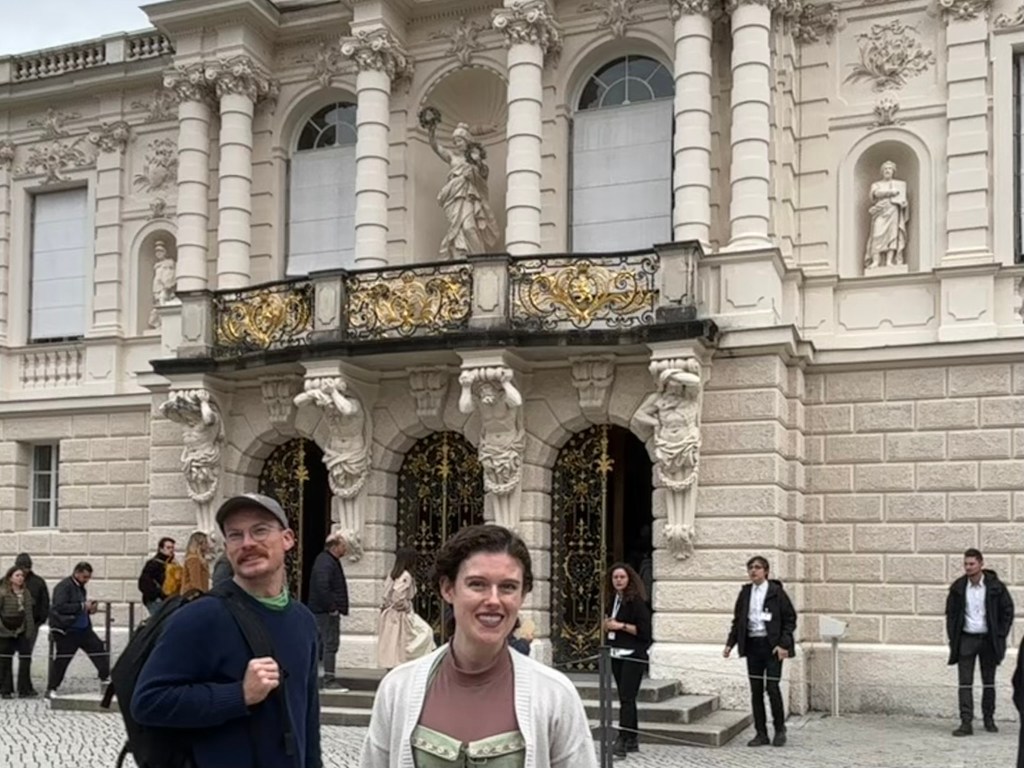
I wore a dress, because I wanted to look like I fit in in the atmosphere. Often when travelling, I’ll pack light and not really look good for the duration of the trip, but for the part where I had a whole host of people to take pictures of me rather than my usual awkward selfies, I thought I’d take advantage and wear something that made me look like I belonged in the castle. Plus, of course, all the layers to keep me warm in the much colder than expected weather (and the touch of character they provided).
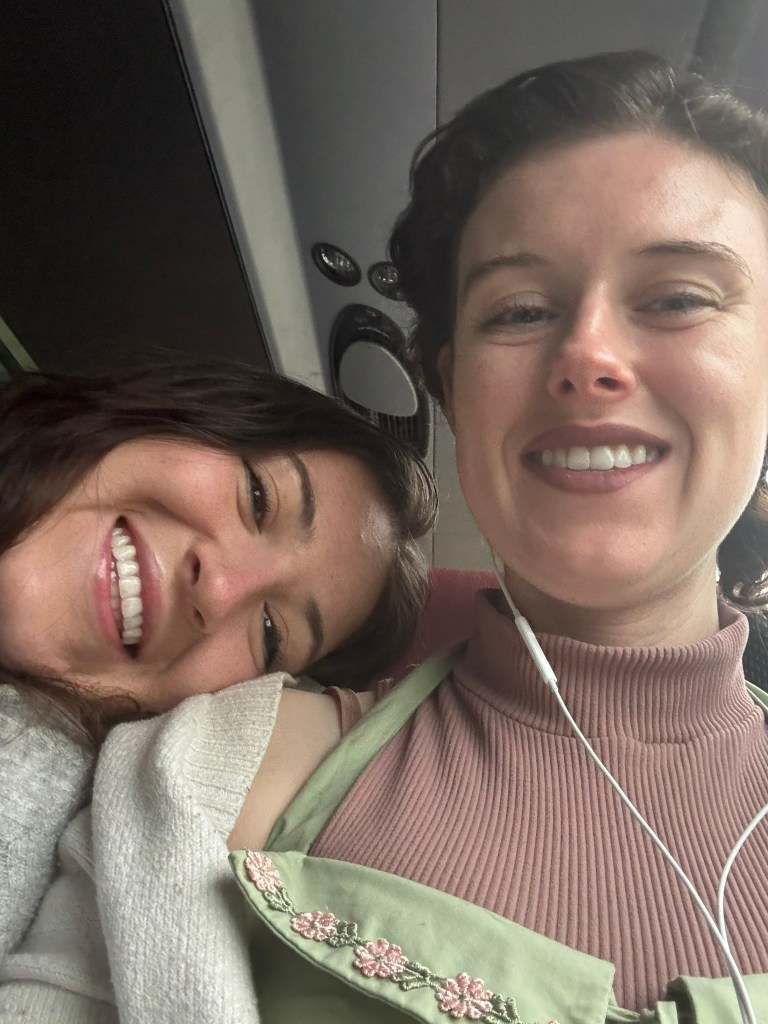
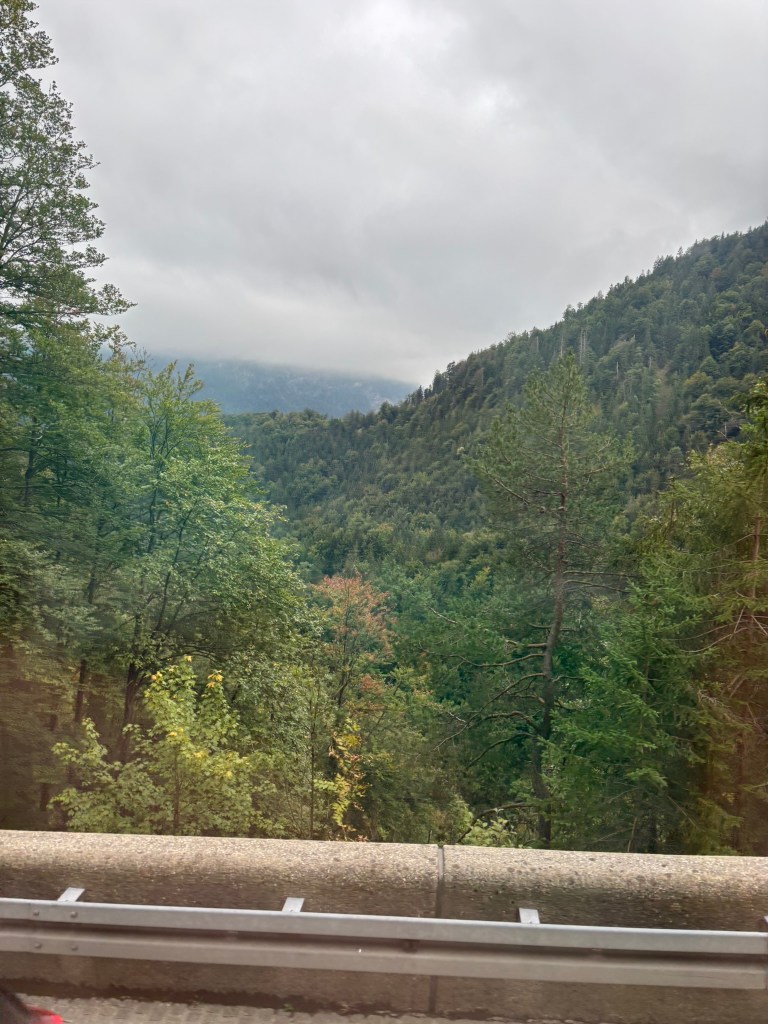

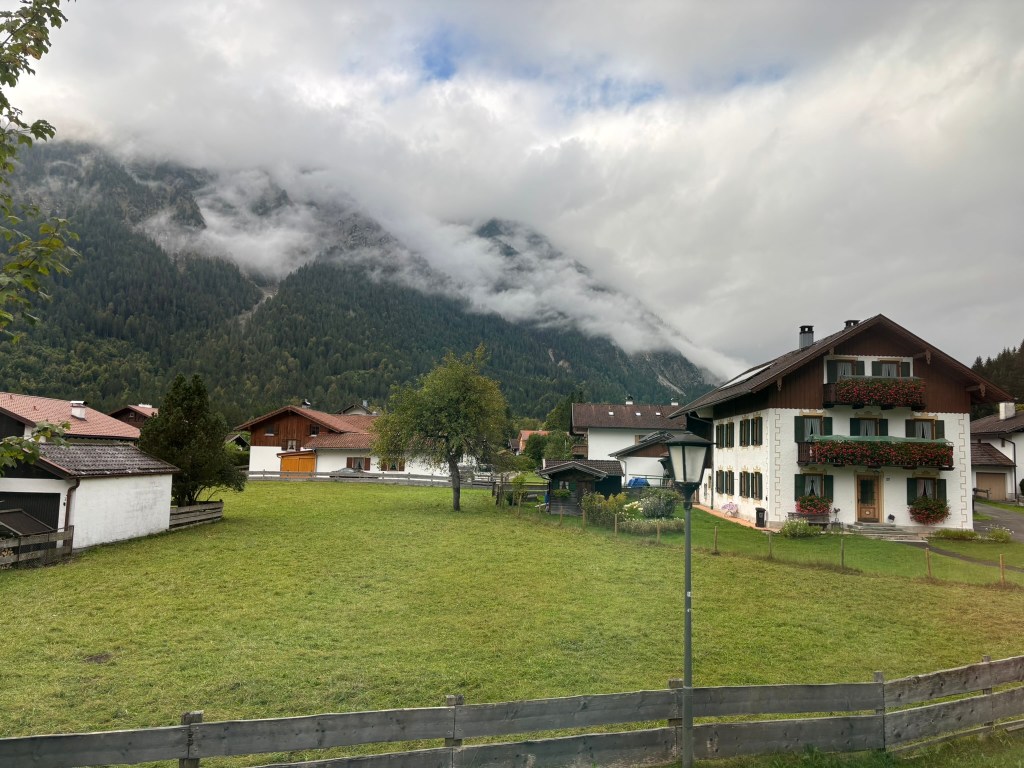
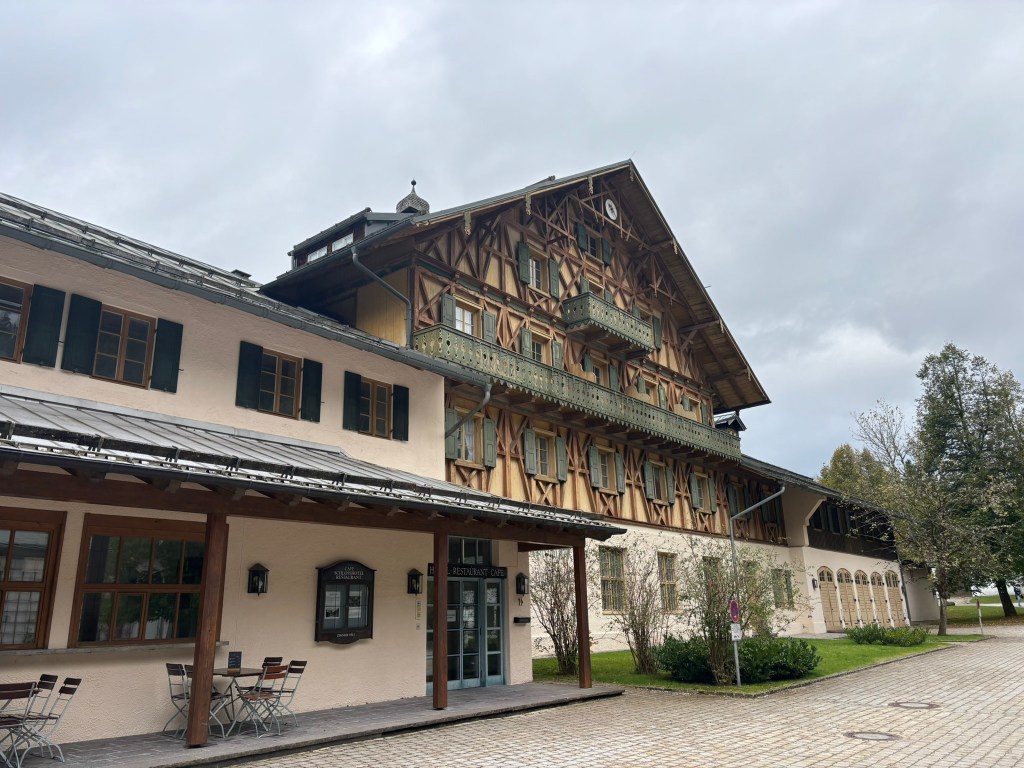
We ended up stumbling onto a half-marathon being run in celebration of King Ludwig. It slowed us down a bit because our bus had to wait for the runners to cross, but we still got back to our departure point at the indicated time, so we didn’t lose too much time on it, and it was a cool experience to see.
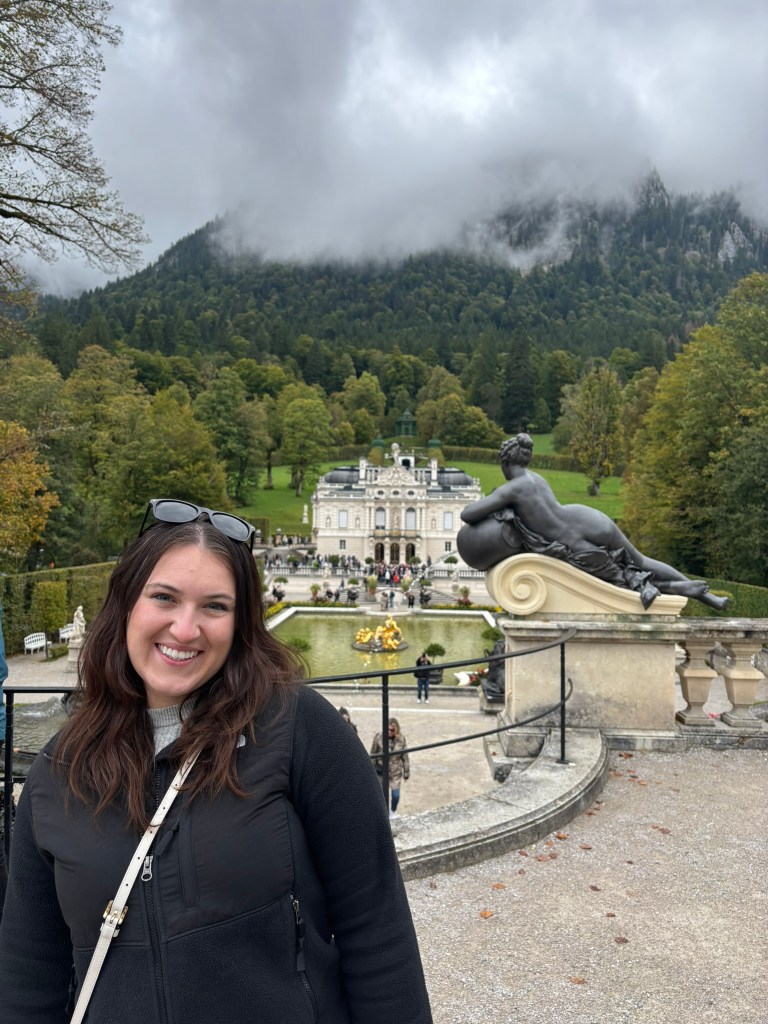
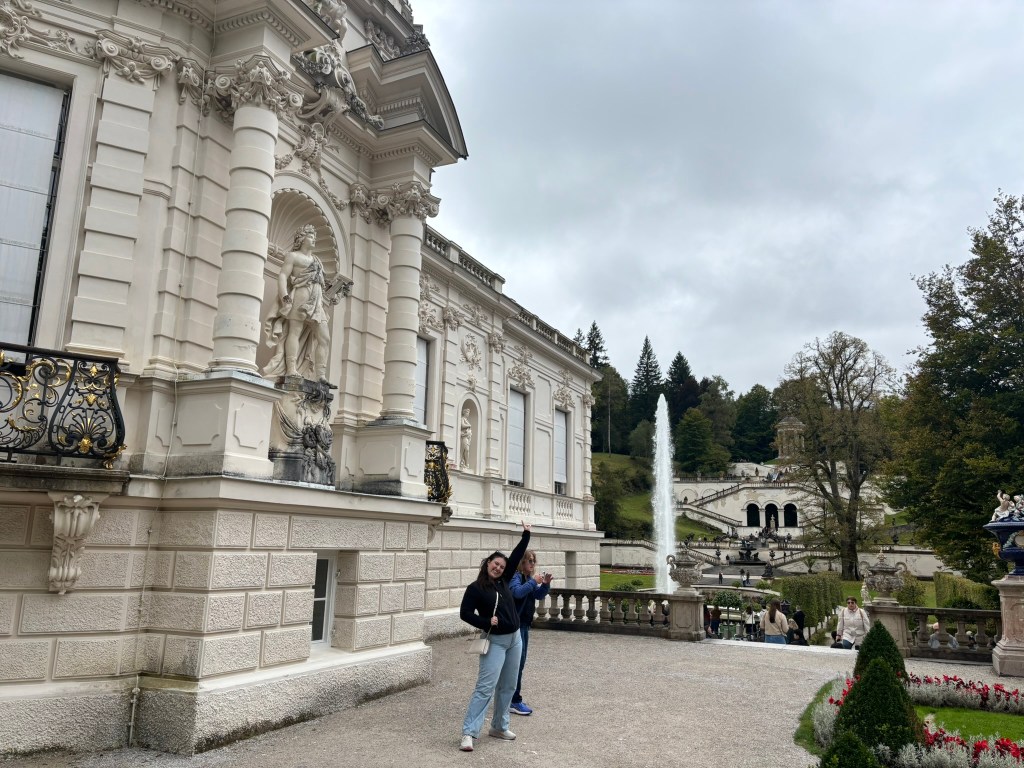
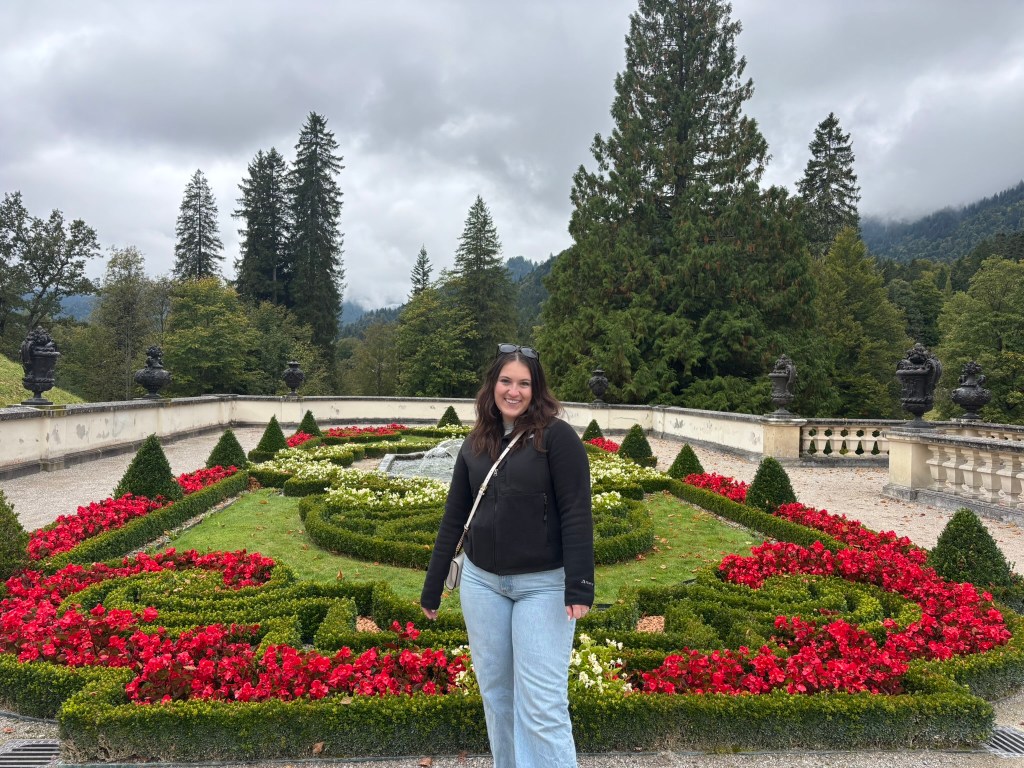
We stopped first at Linderhof, the only one of the castles King Ludwig II saw completed. It was created for just him to live in, and harkened back to the days of King Louis XVI of France, the Sun King, who was his idol. The small palace was designed to reference Versailles in numerous ways. We took a tour inside (there were no pictures allowed inside) and then wandered the grounds before heading back to our bus for the next part of our drive.

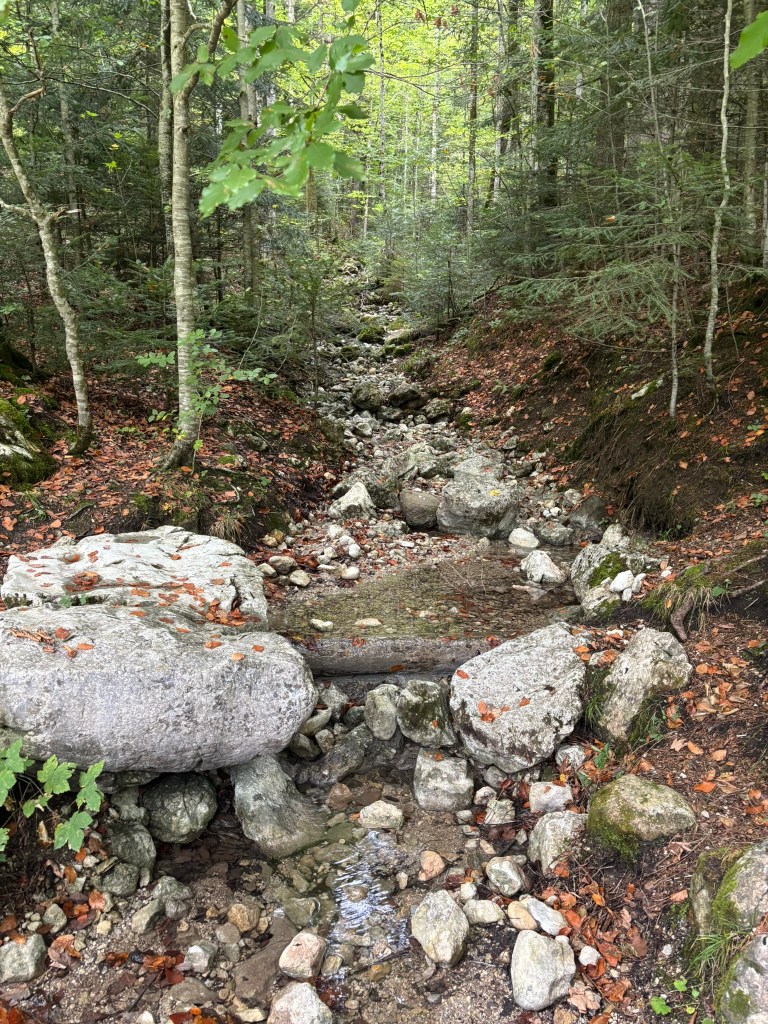
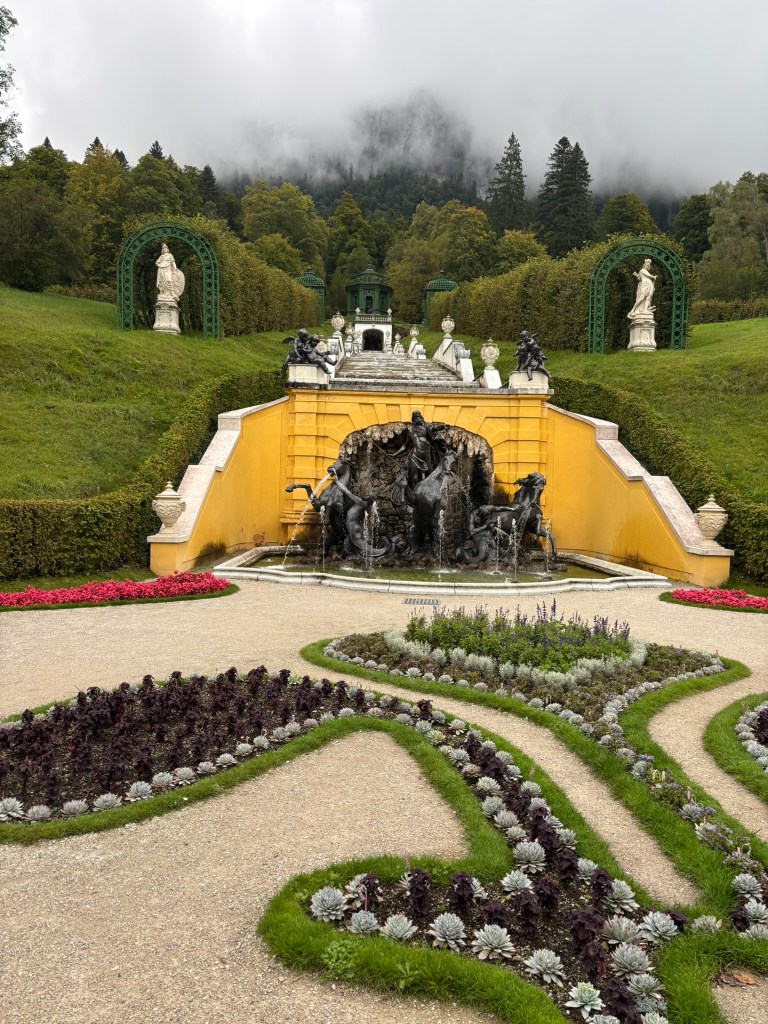
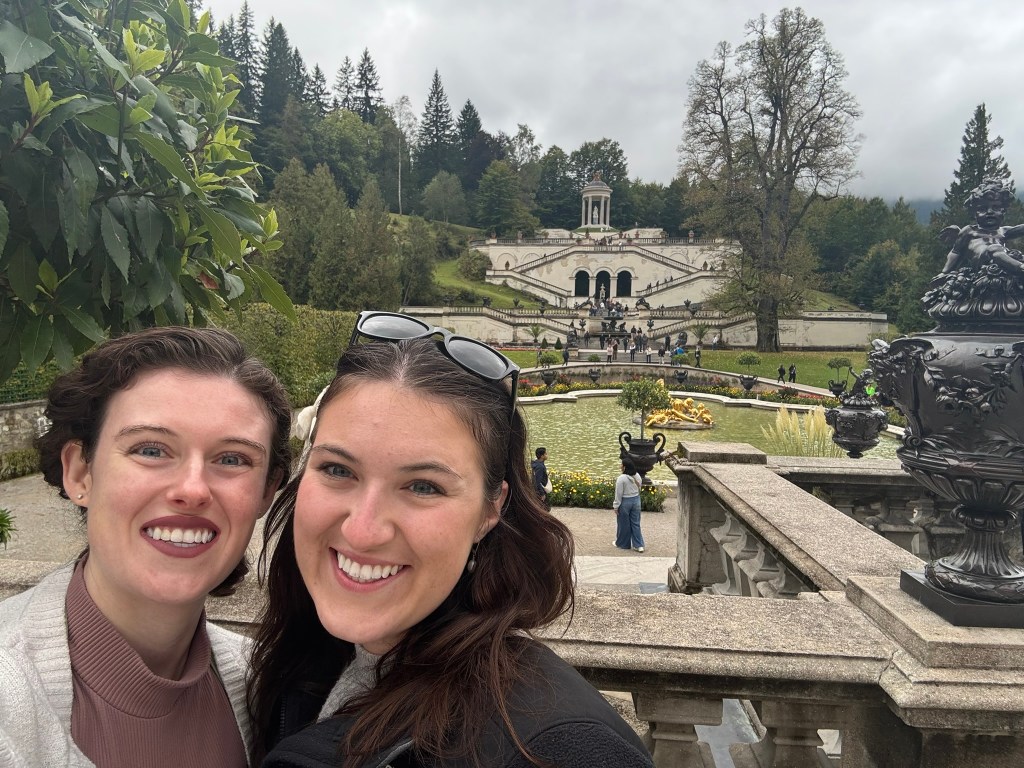
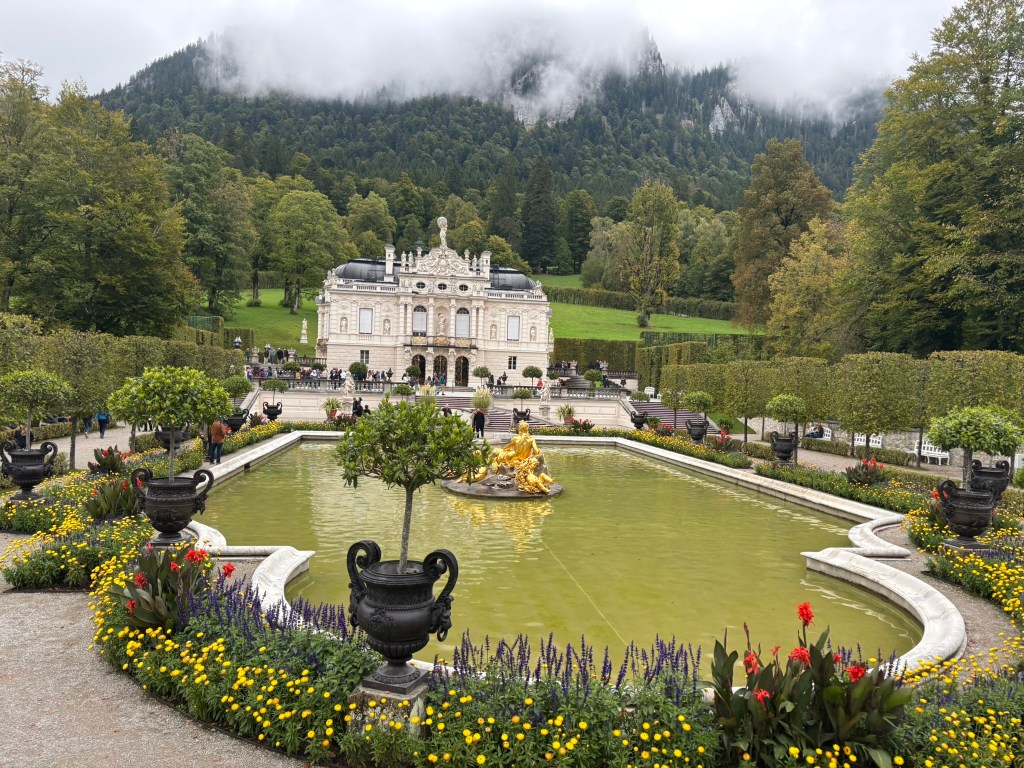
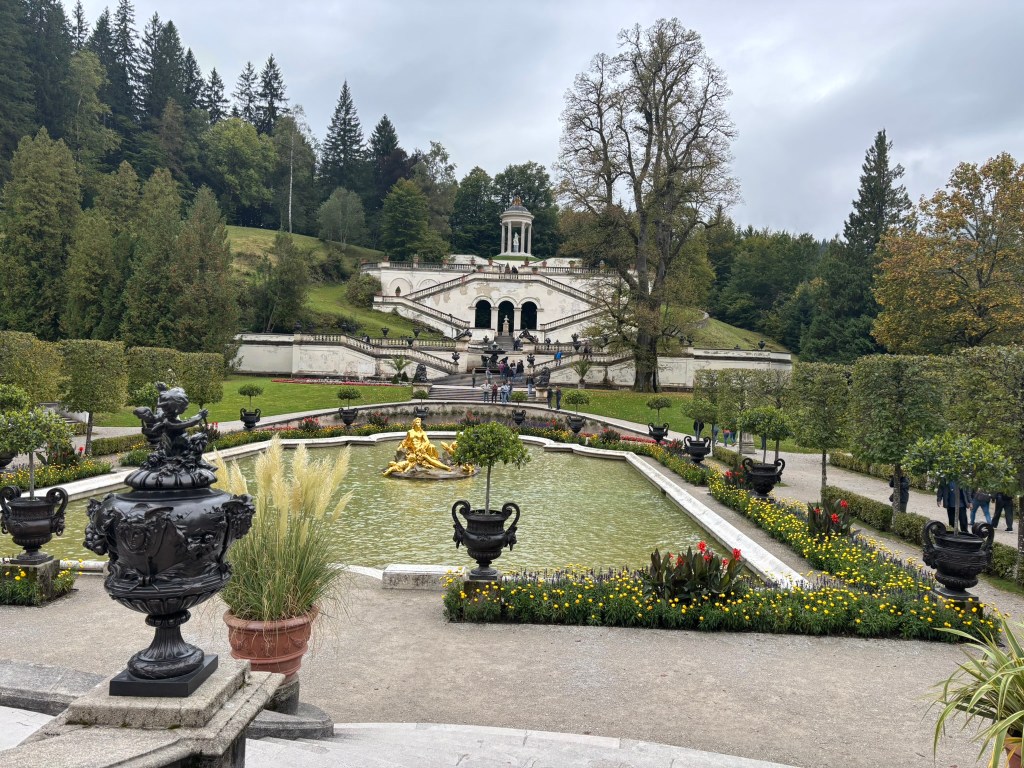
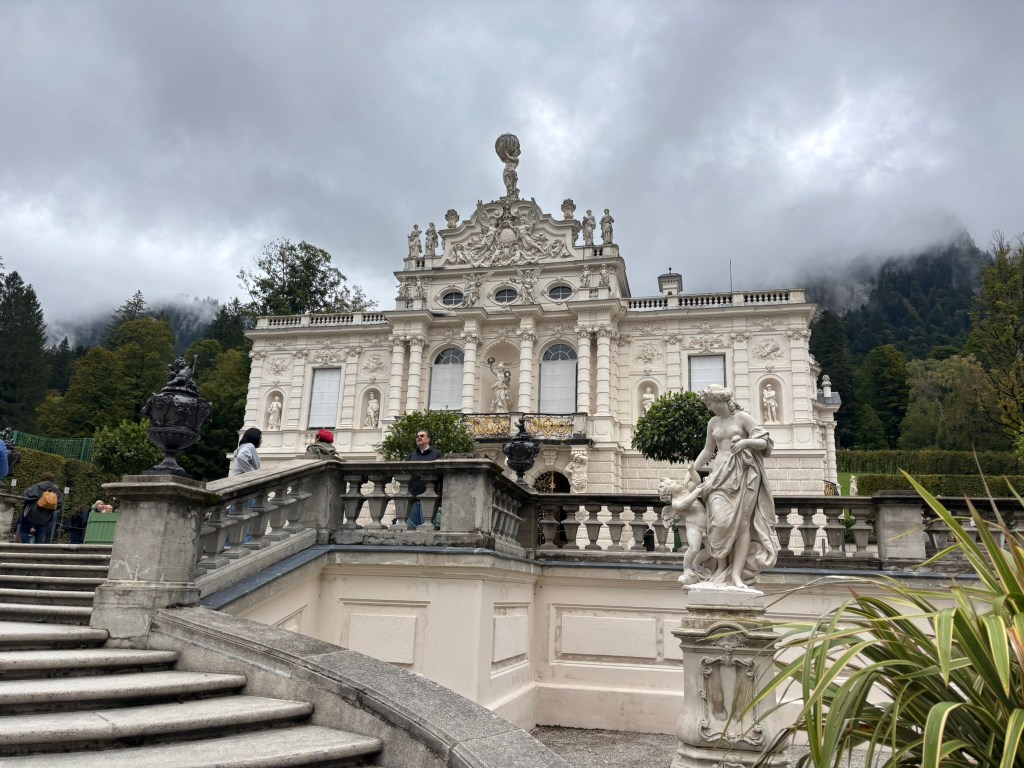
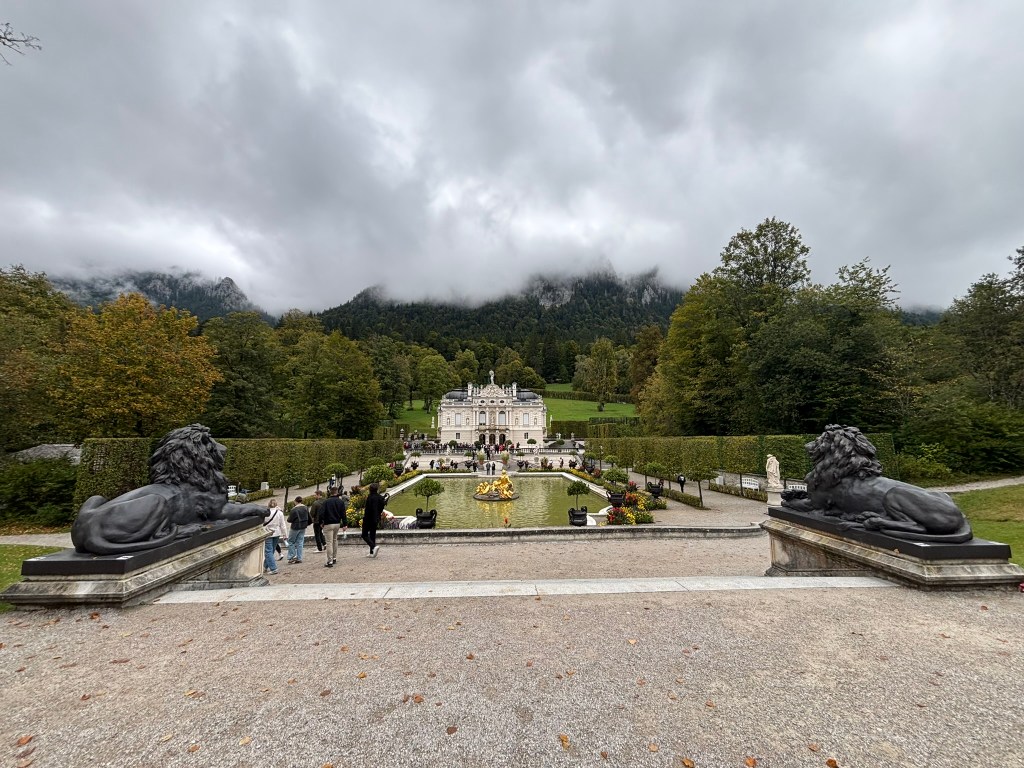
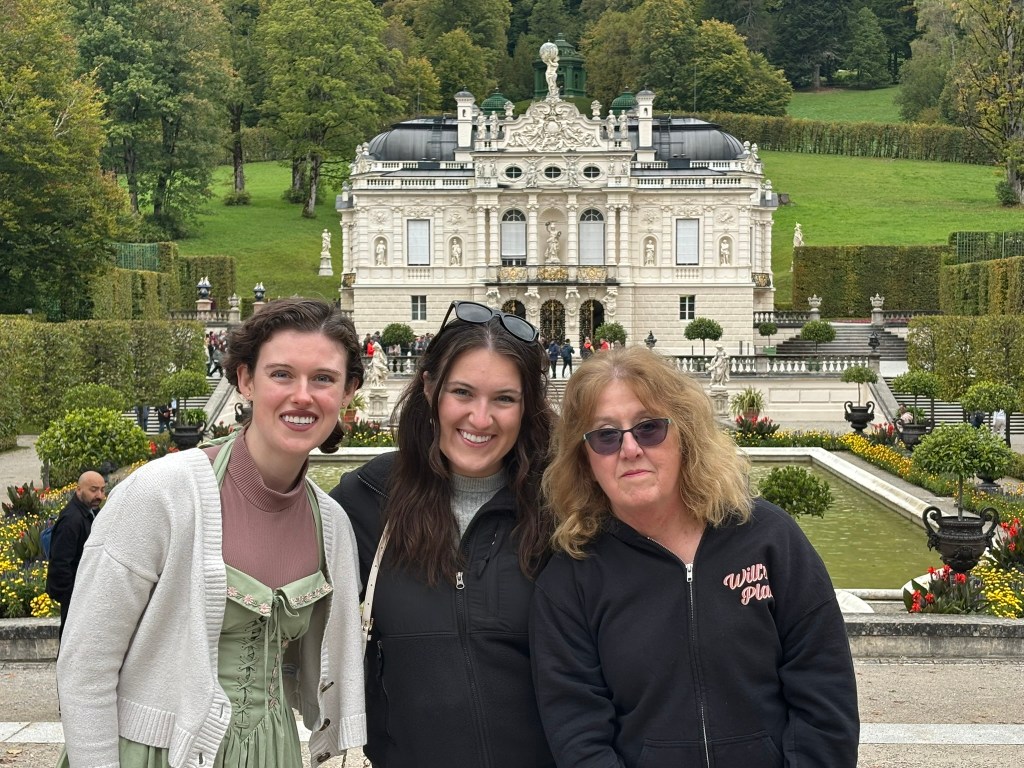
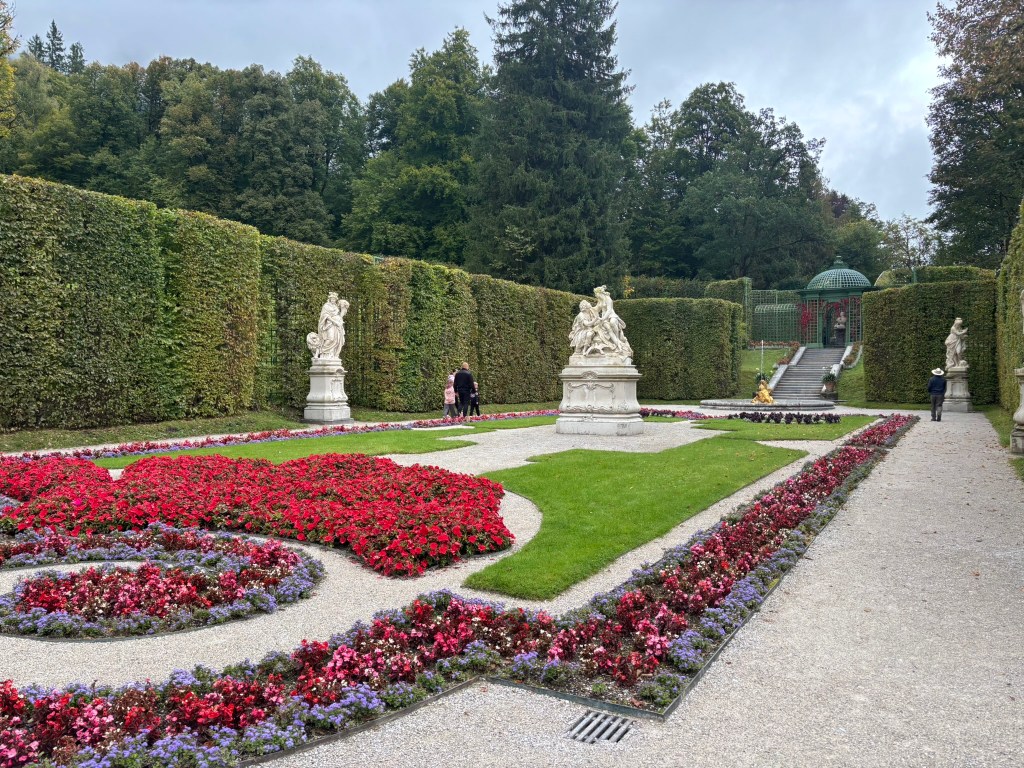
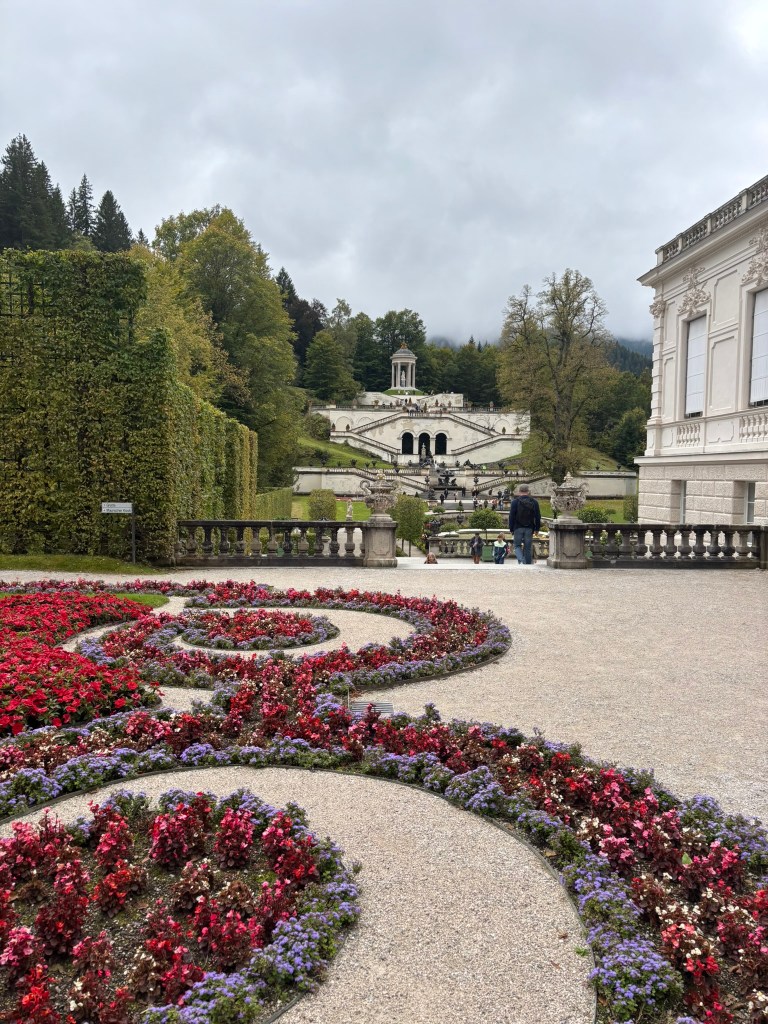
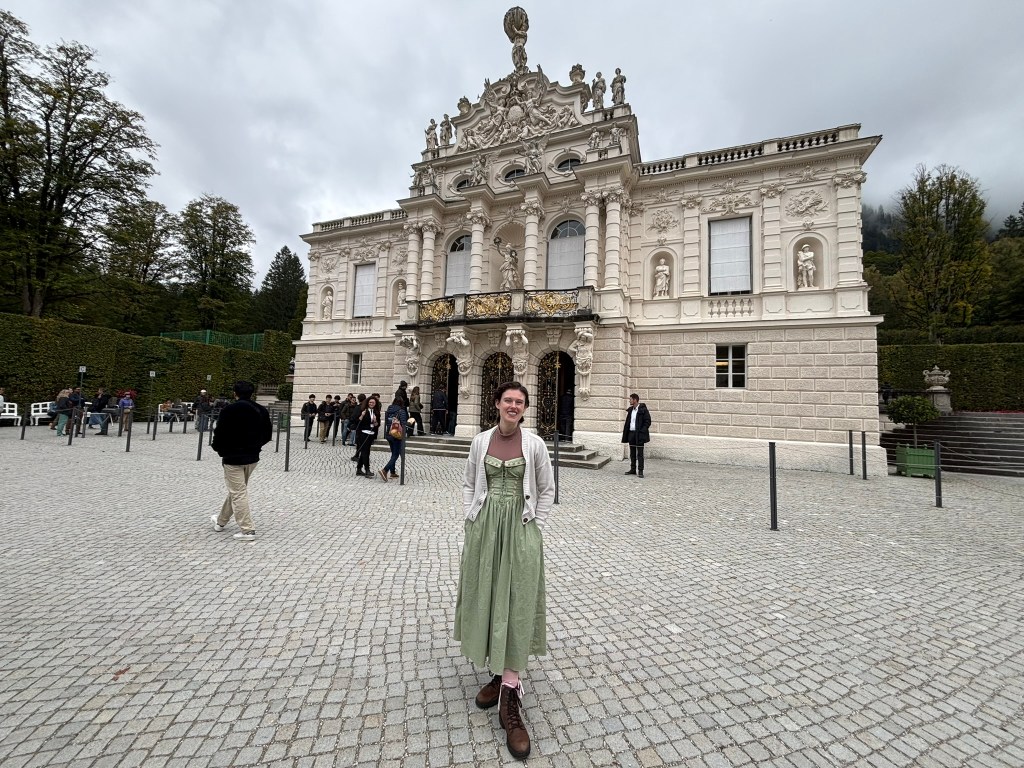

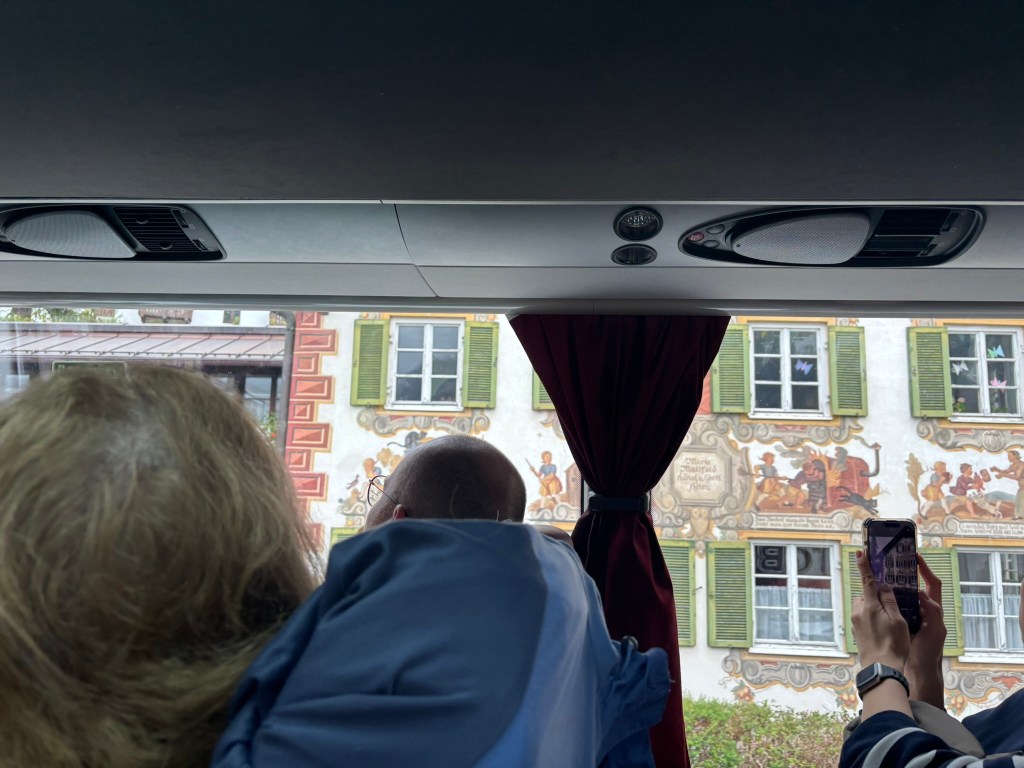
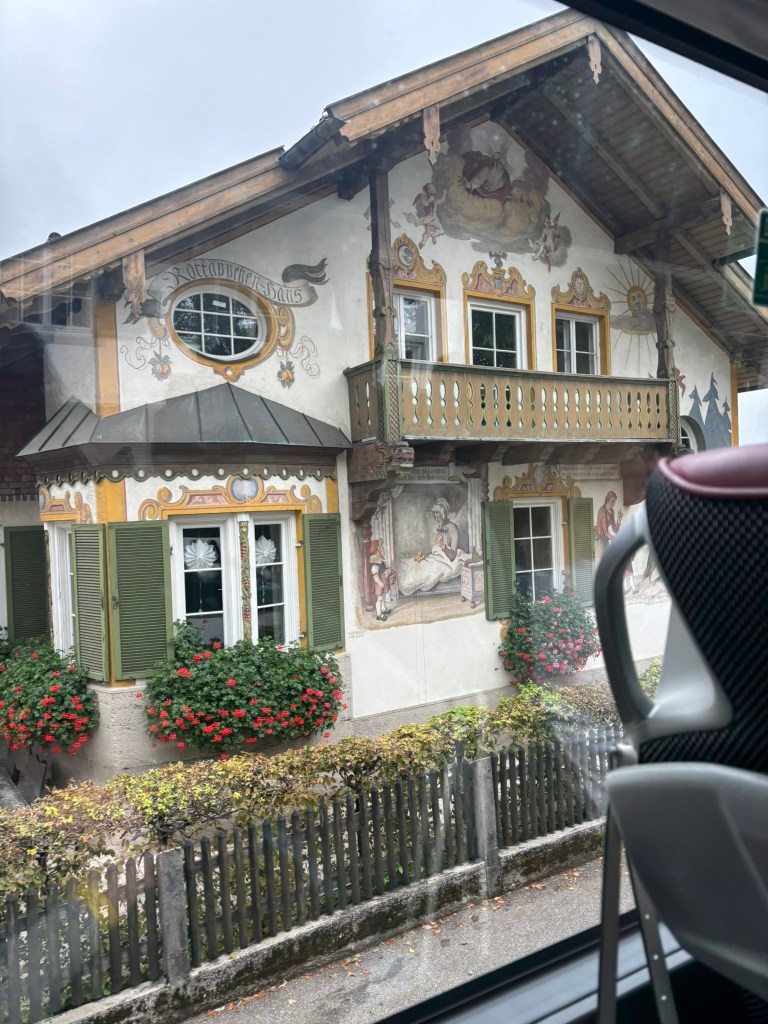
We drove through the city of Ommerammagau, a city between the castles, famous for the paintings on the external walls of the houses. From there, it was not that long of a drive before our ultimate destination.
Finally, we ended up in the town at the foot of Neuschwanstein Castle. We grabbed some food and did some shopping before taking the shuttle up the mountain.
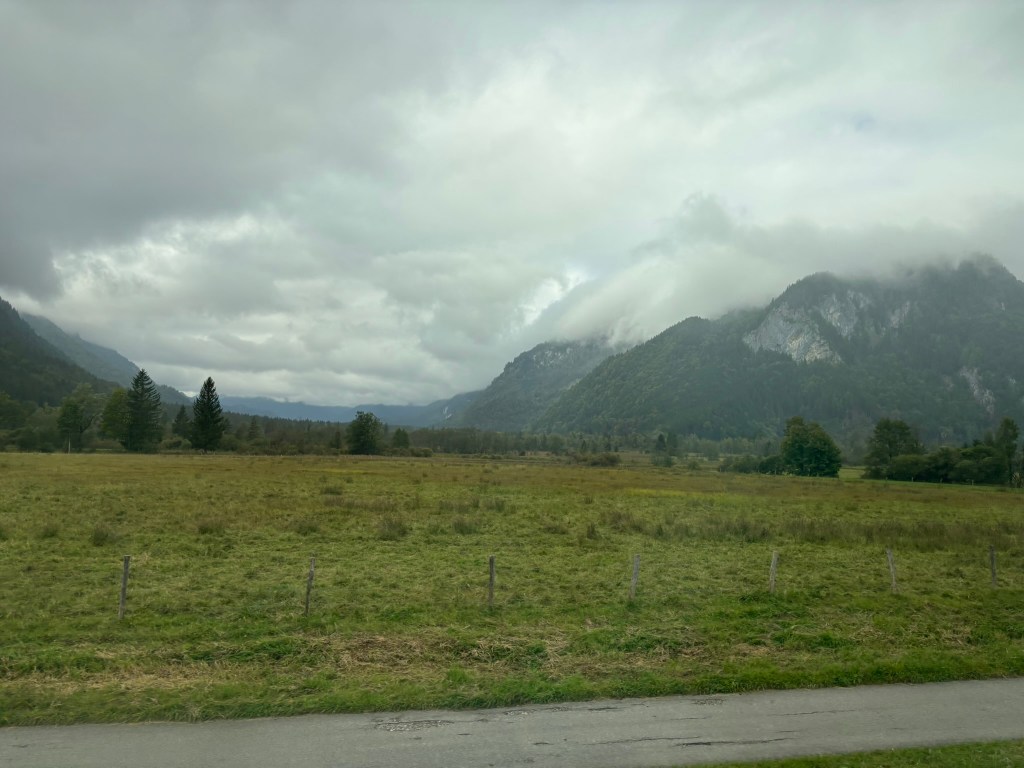
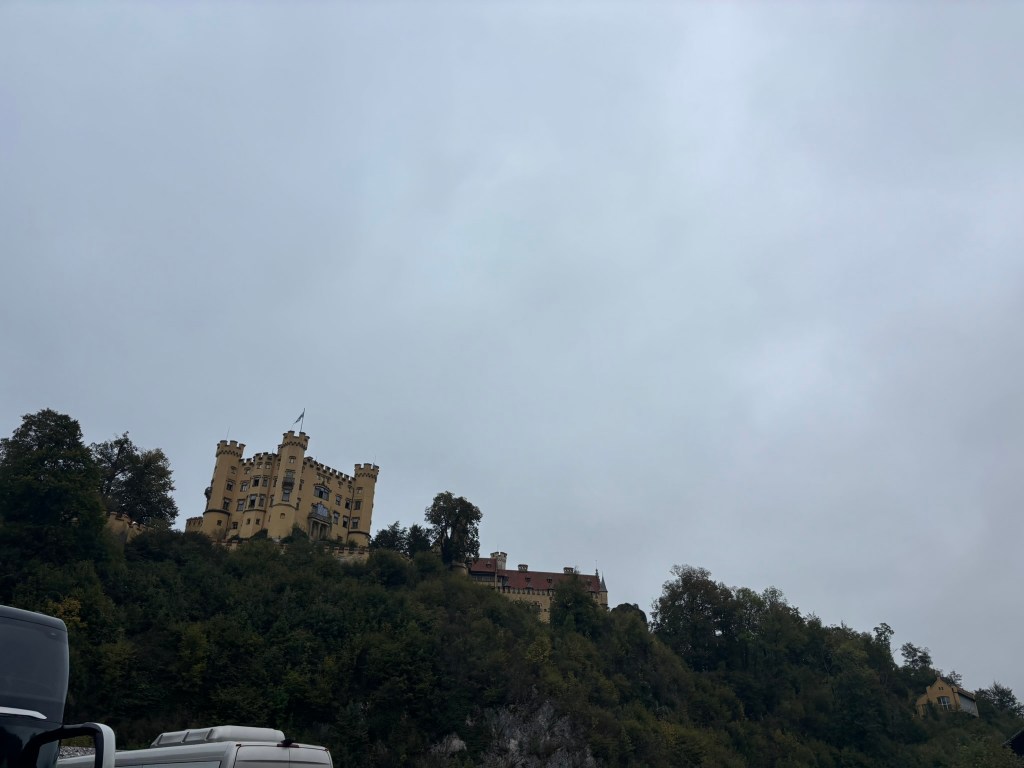

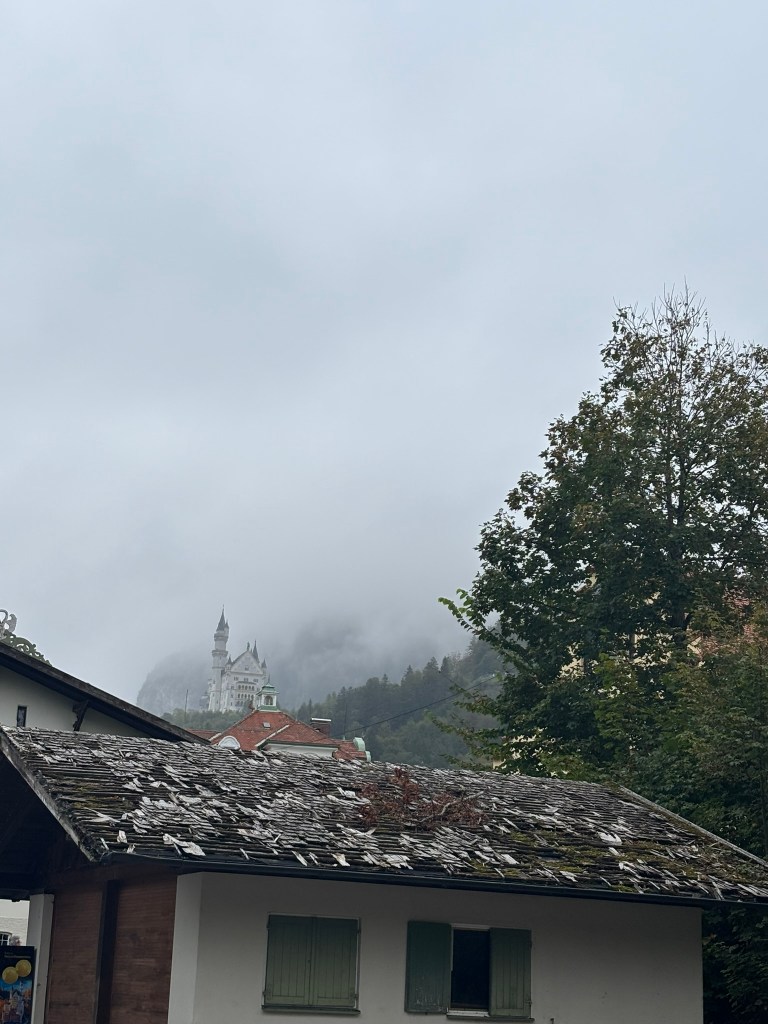
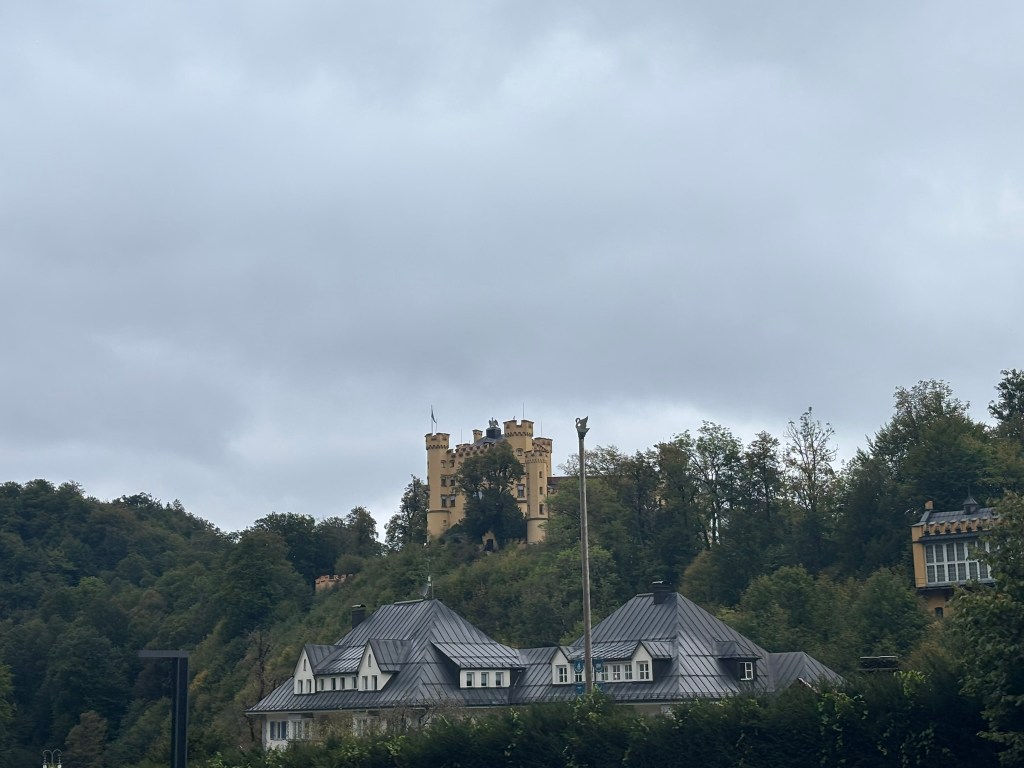
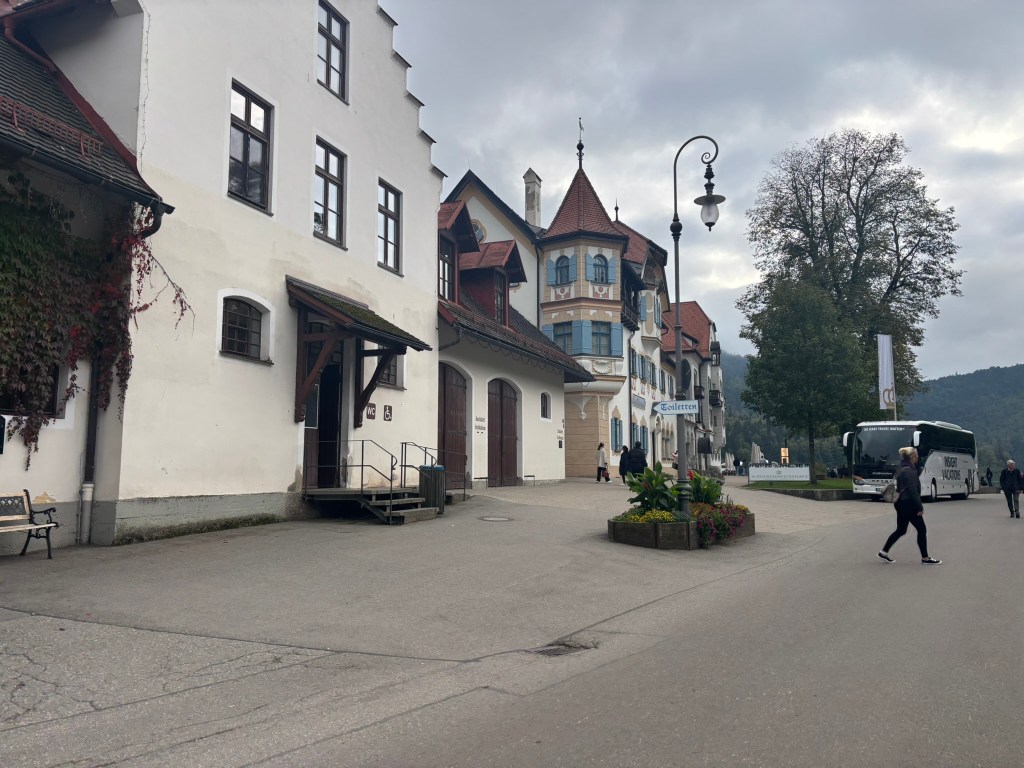
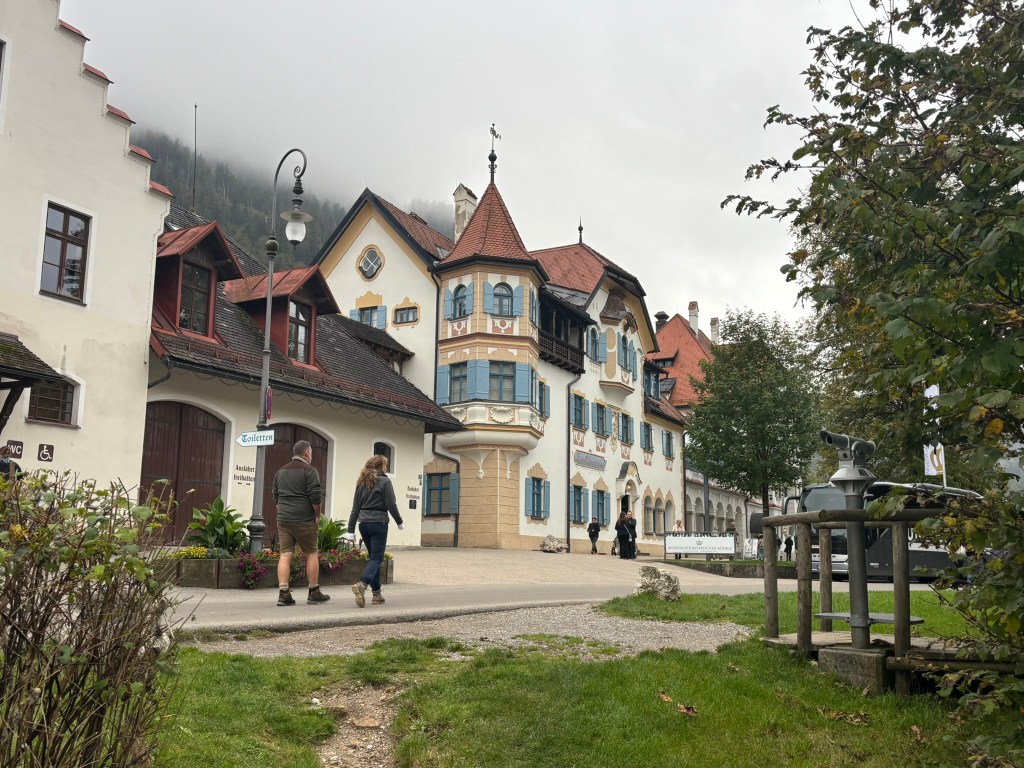
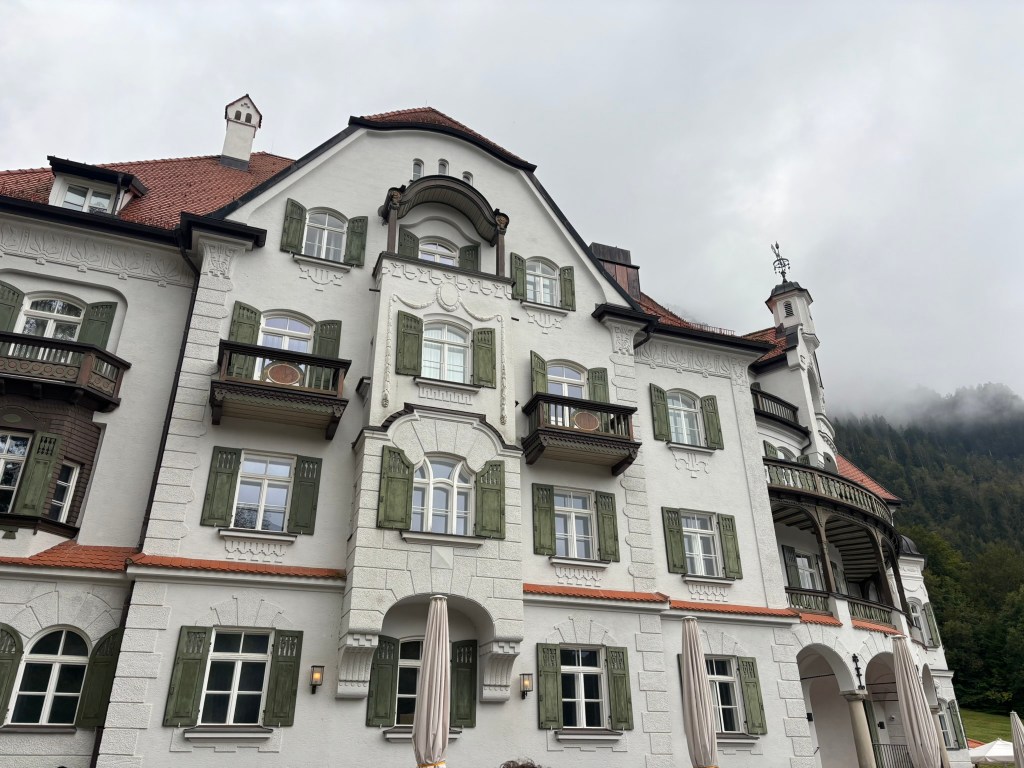
I had to look back at my blog posts from 2015 while writing this, because I was sure that for some reason, I hadn’t been able to visit the wooden bridge, Mary’s Bridge, on my trip to the castle during study abroad. If you want to read that original post, check out the link to my study abroad blog, here. While I didn’t write anything about a delay, I don’t have any photos in that original post from the bridge. I also have vague memories of a delay, either from choosing to walk up the hill or from our bus tour running late, that caused me concern about my ability to see the bridge and still make it back onto the bus at the time. This time, however, we had no concerns. We took the shuttle bus up to the top, spent some time walking Mary’s Bridge and a bit of the forest beyond that offered another great viewpoint.

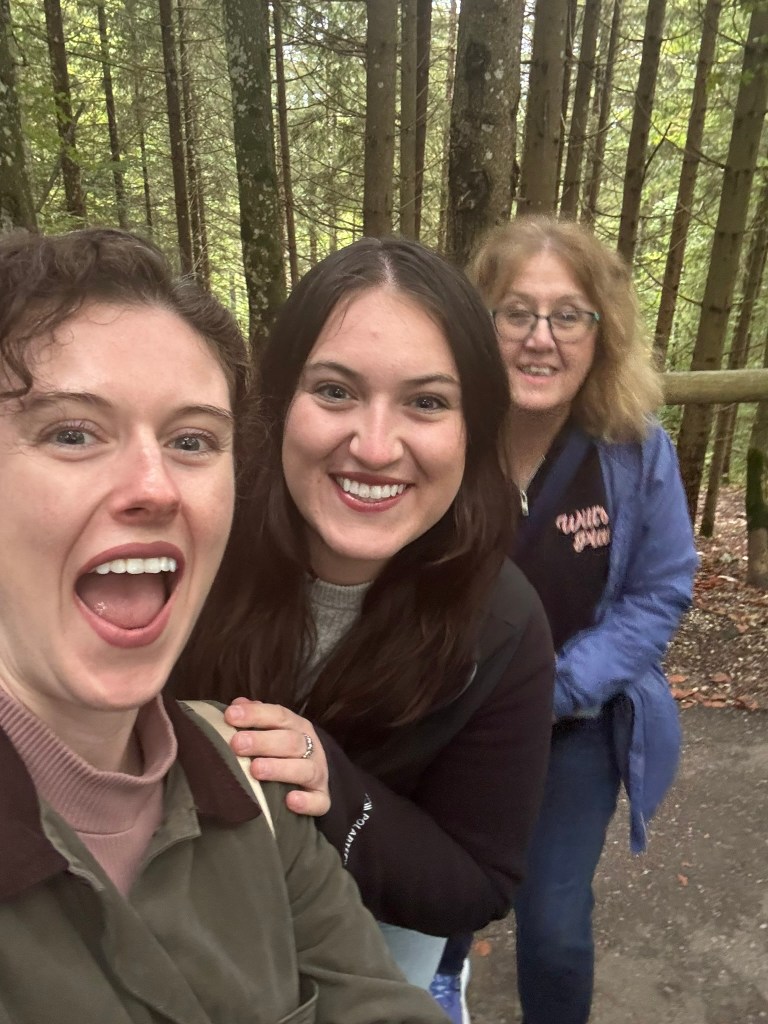
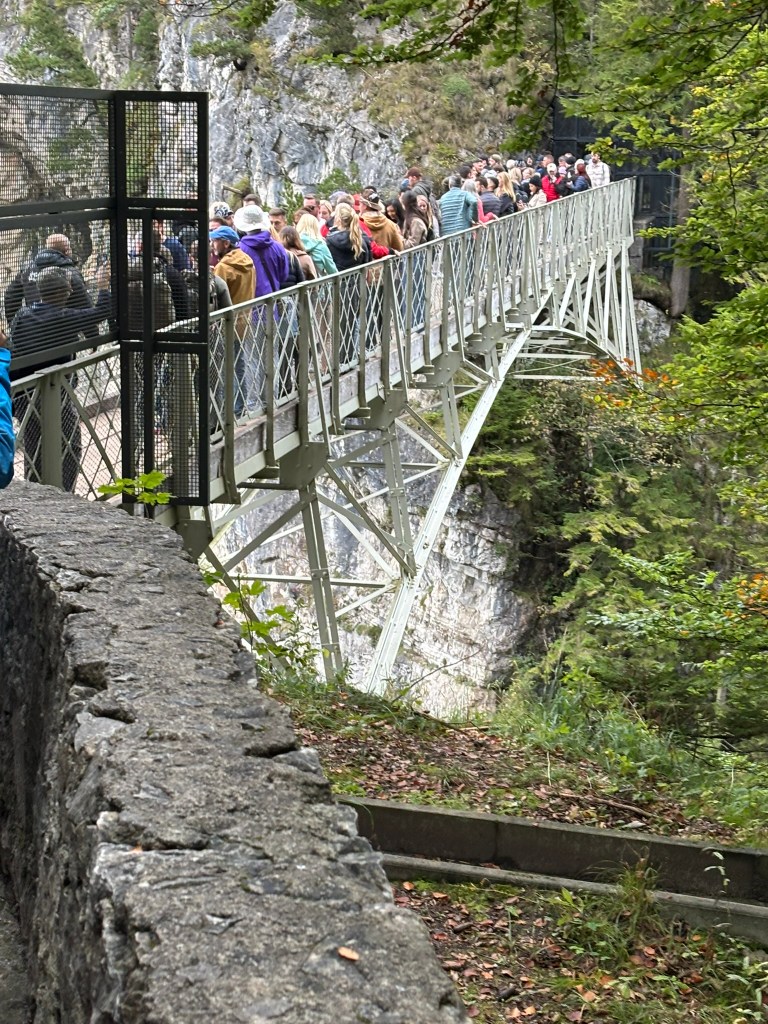

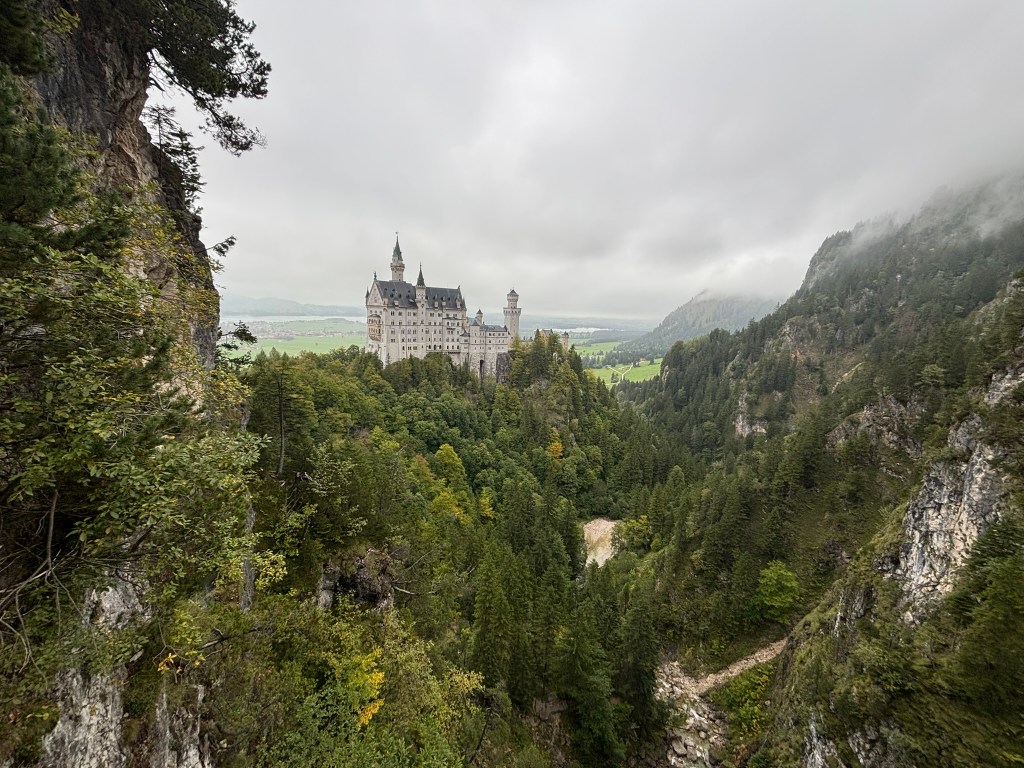
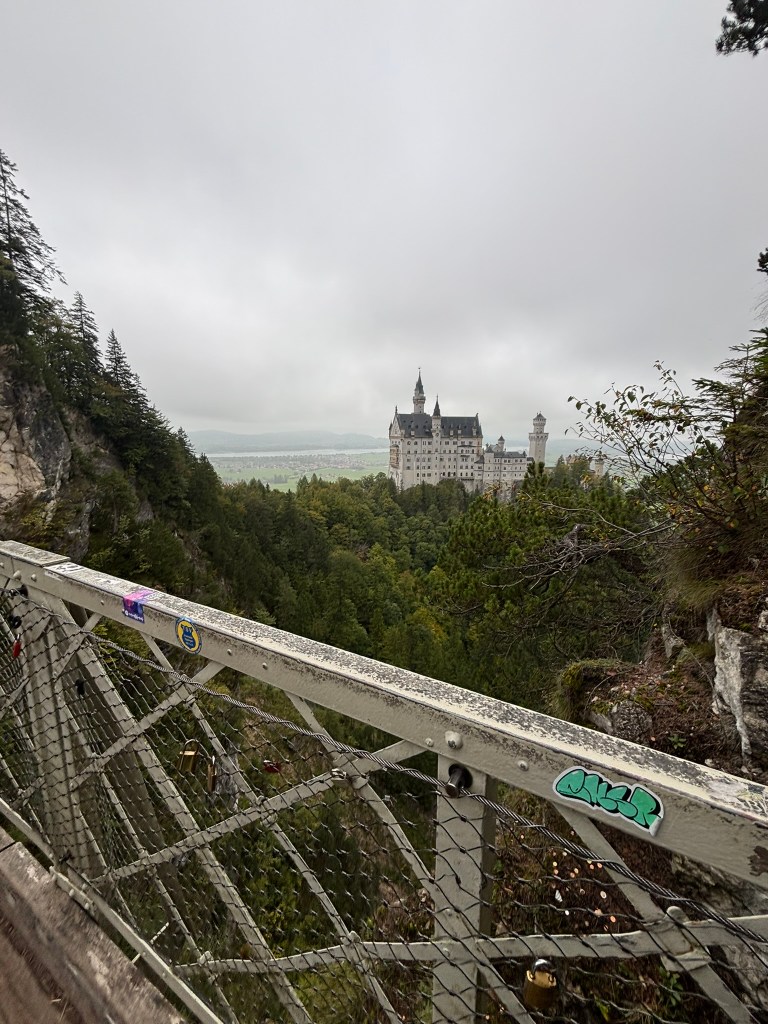
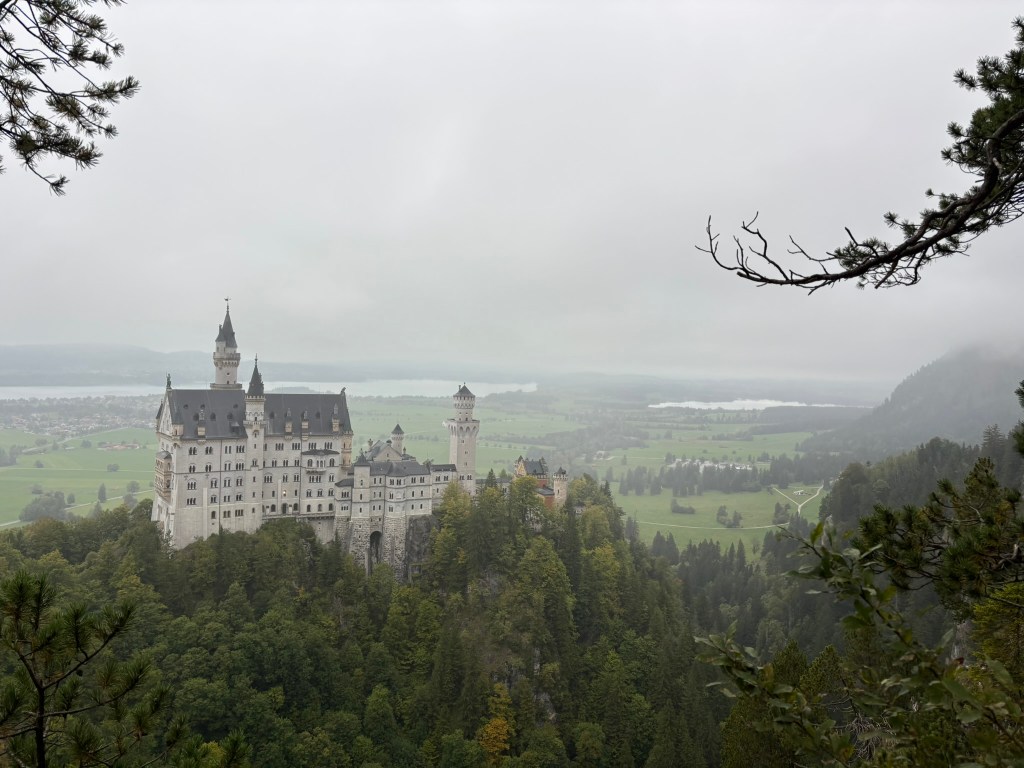

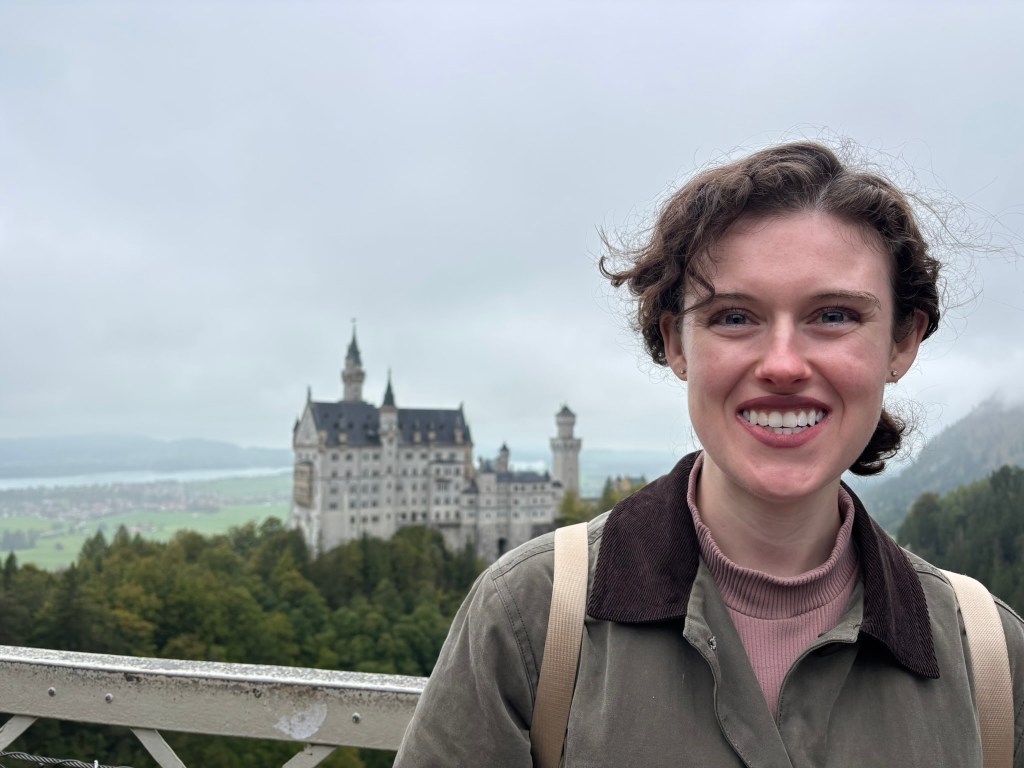
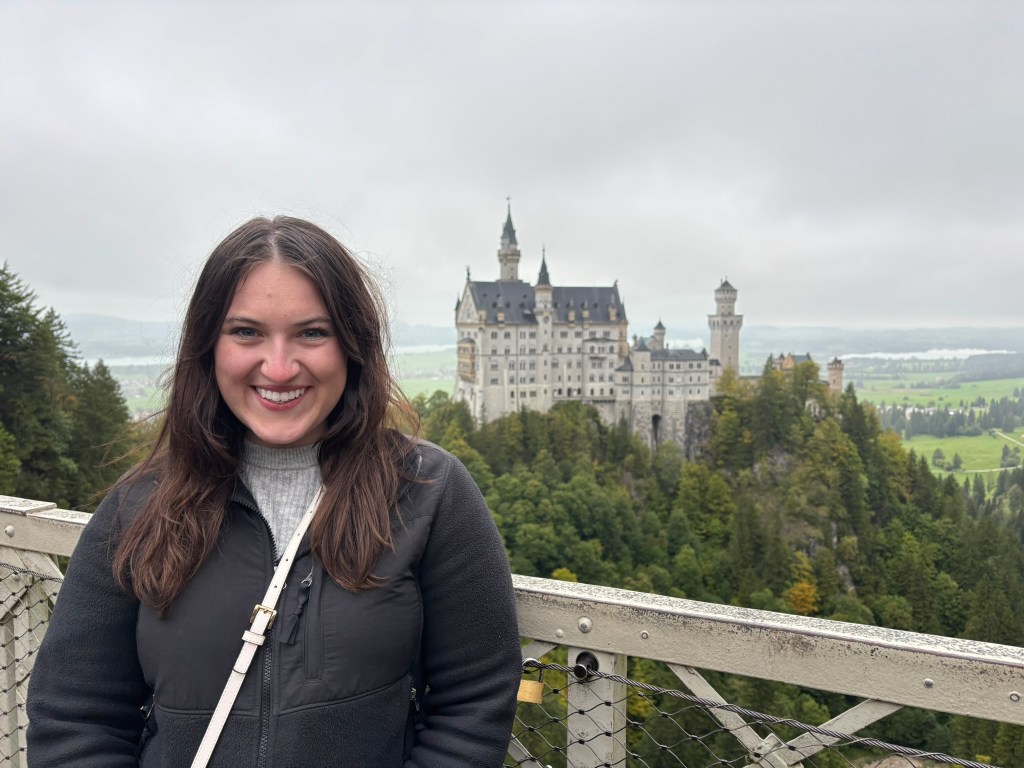
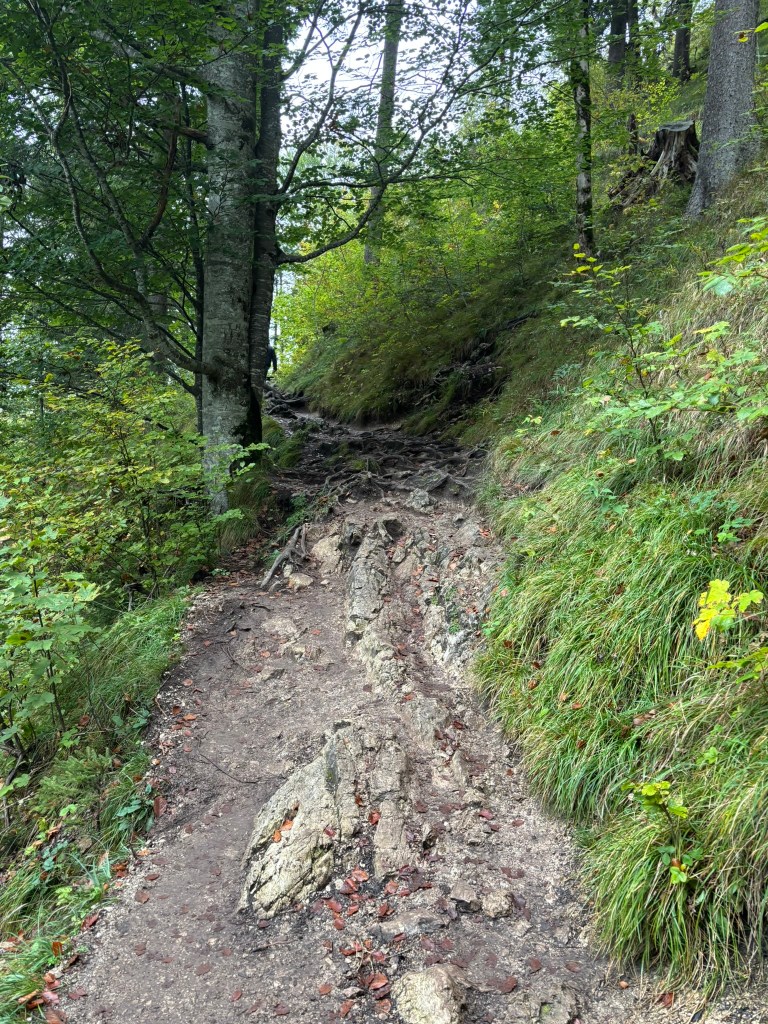
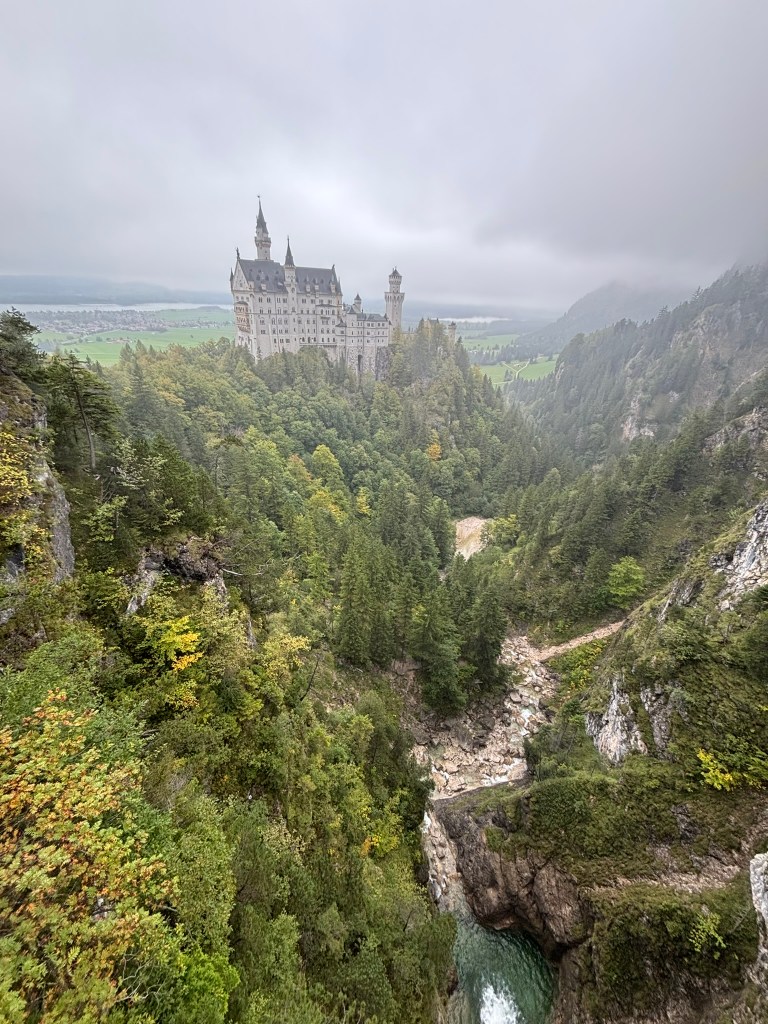
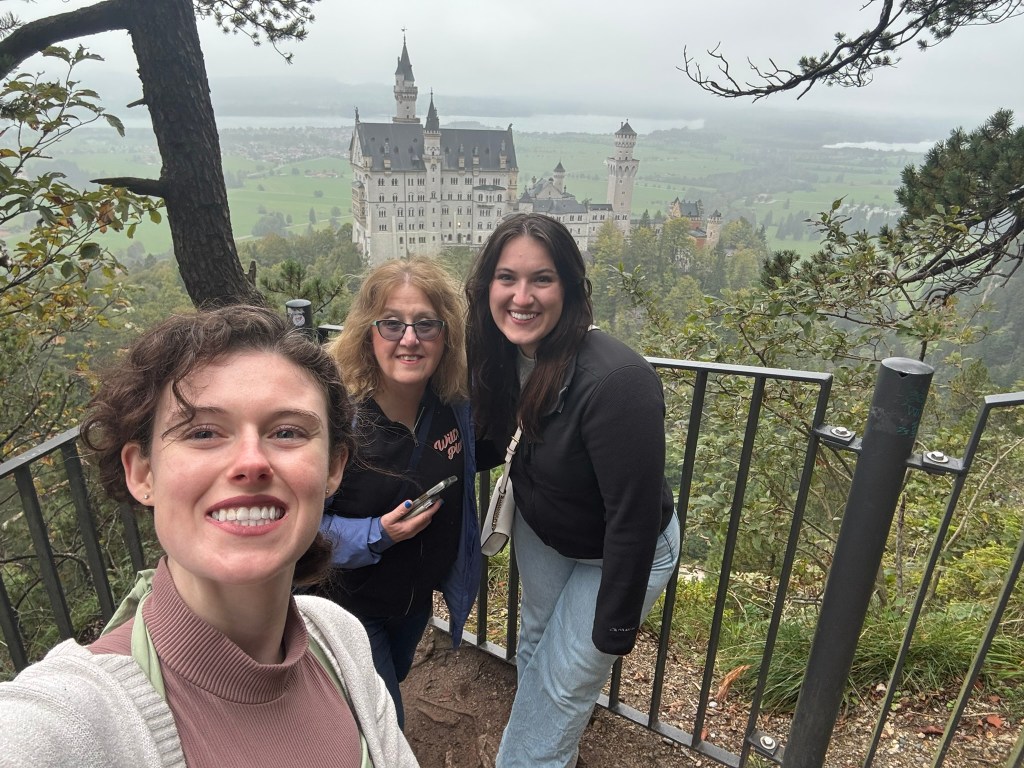
Then, we walked toward the castle. We still had some time, so we took in some alternate views of the castle and the surrounding countryside. We grabbed a quick gluhwein in a souvenir glass before heading off to our timed tour of the castle.
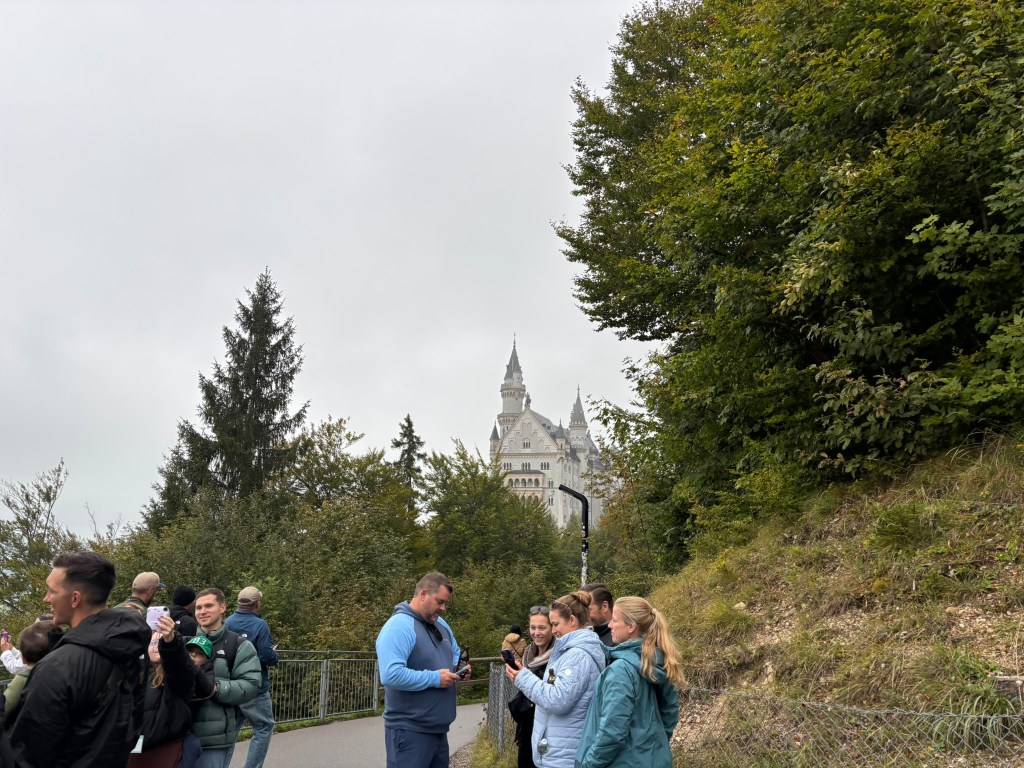
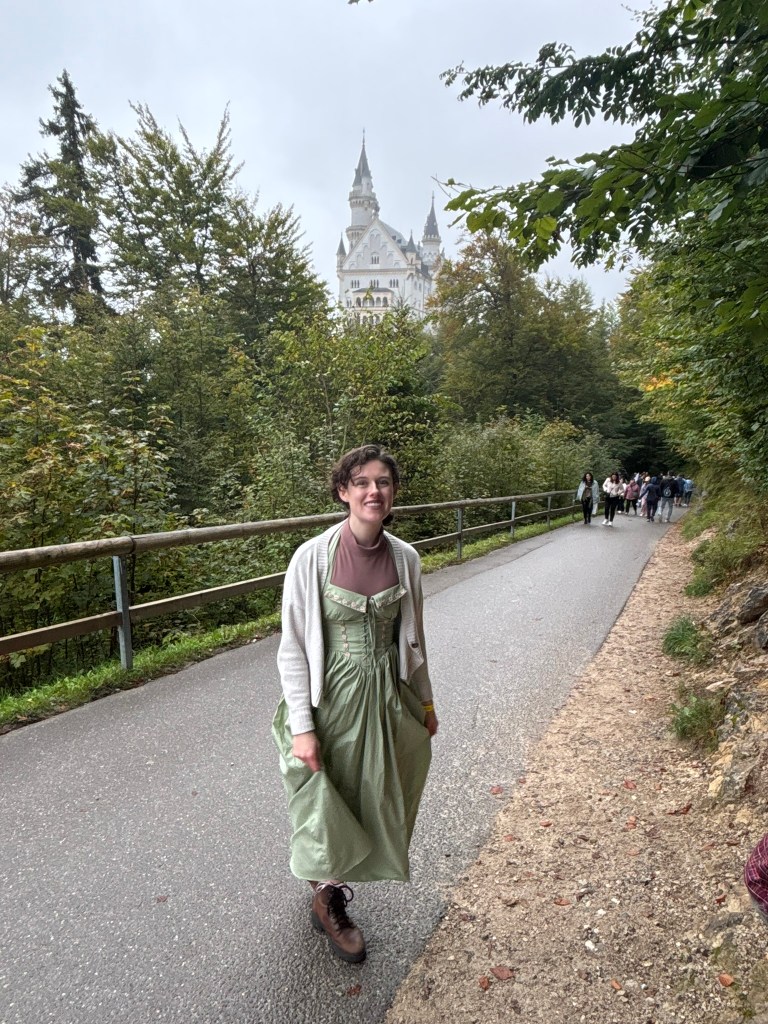
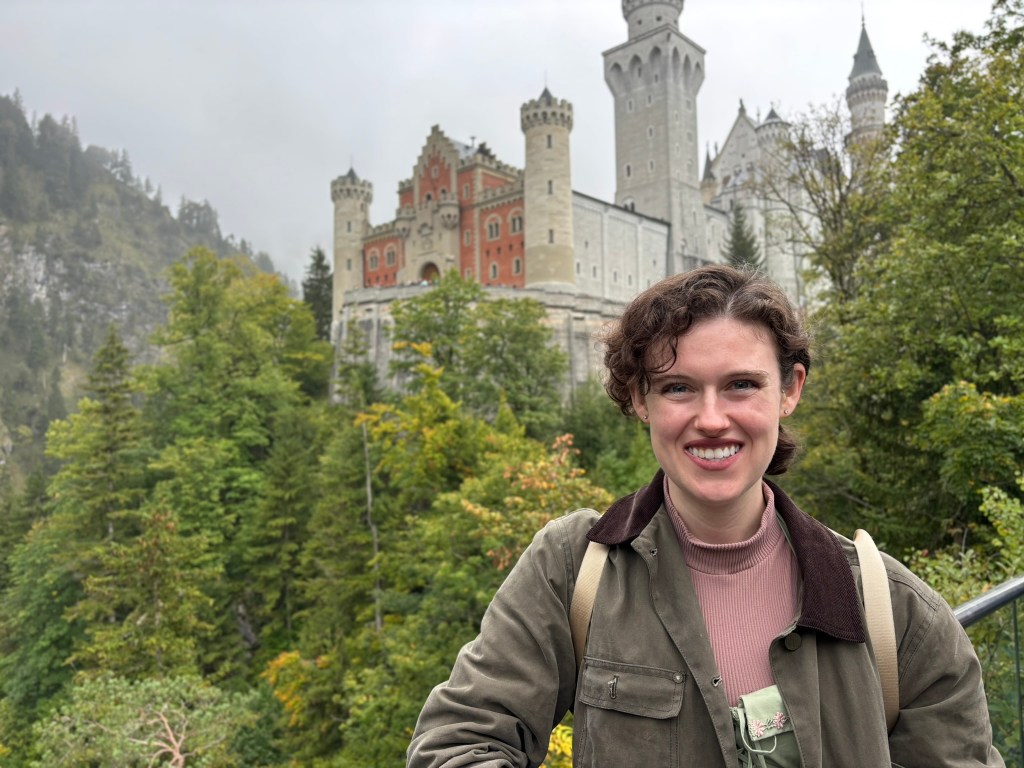
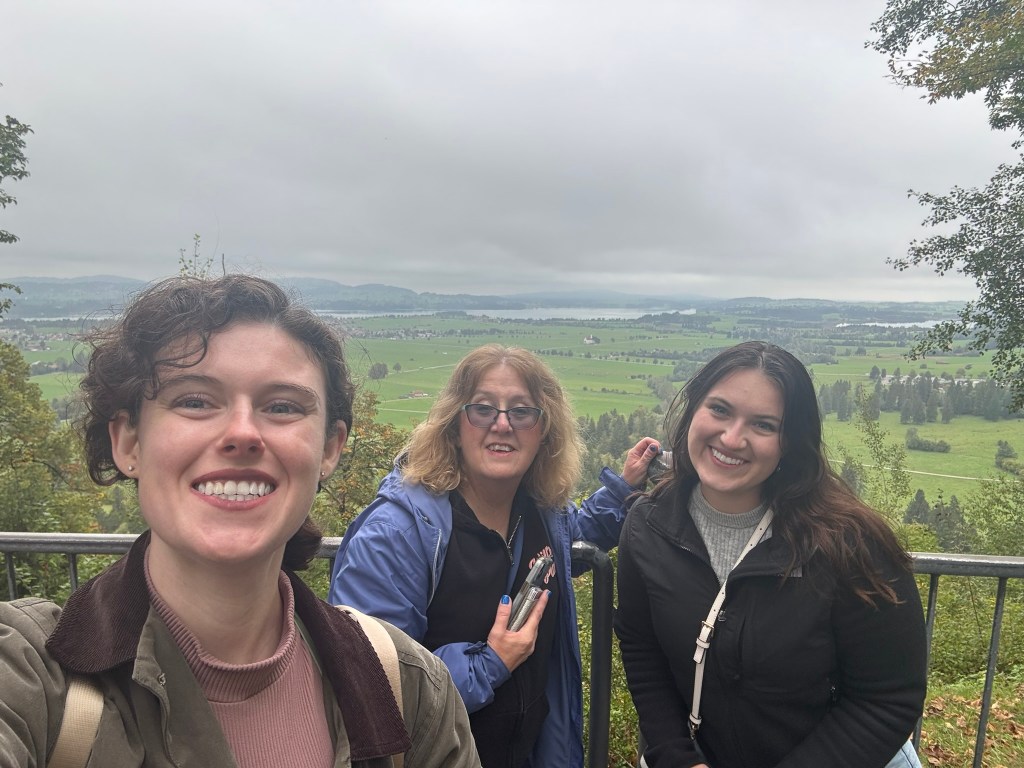


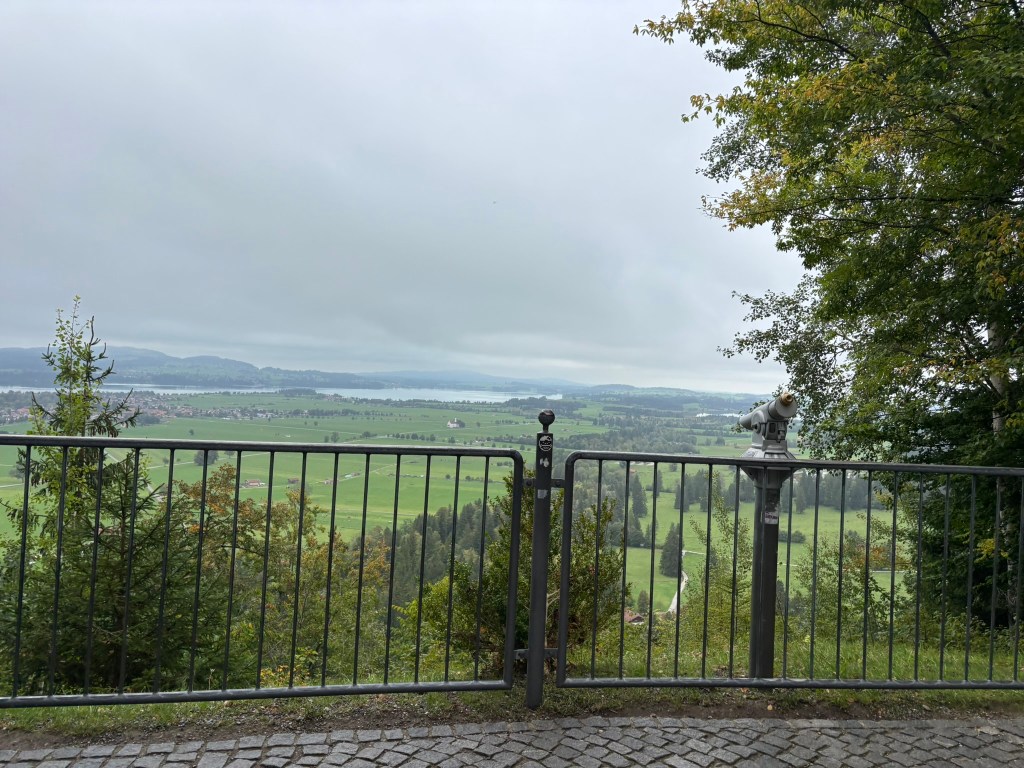

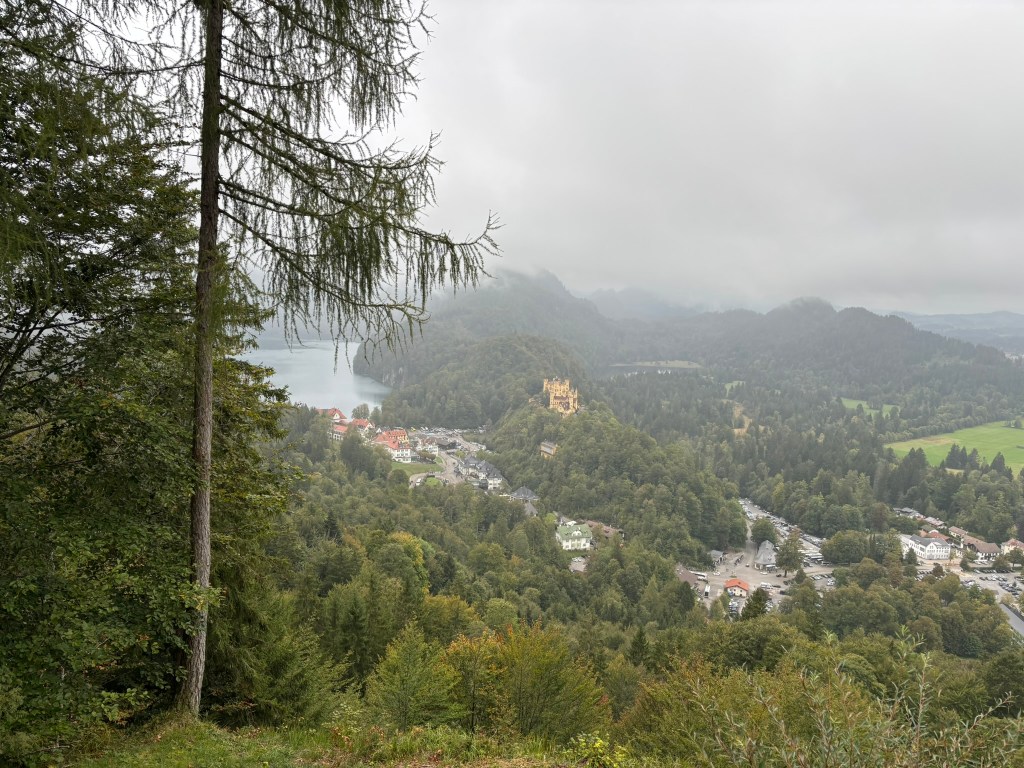
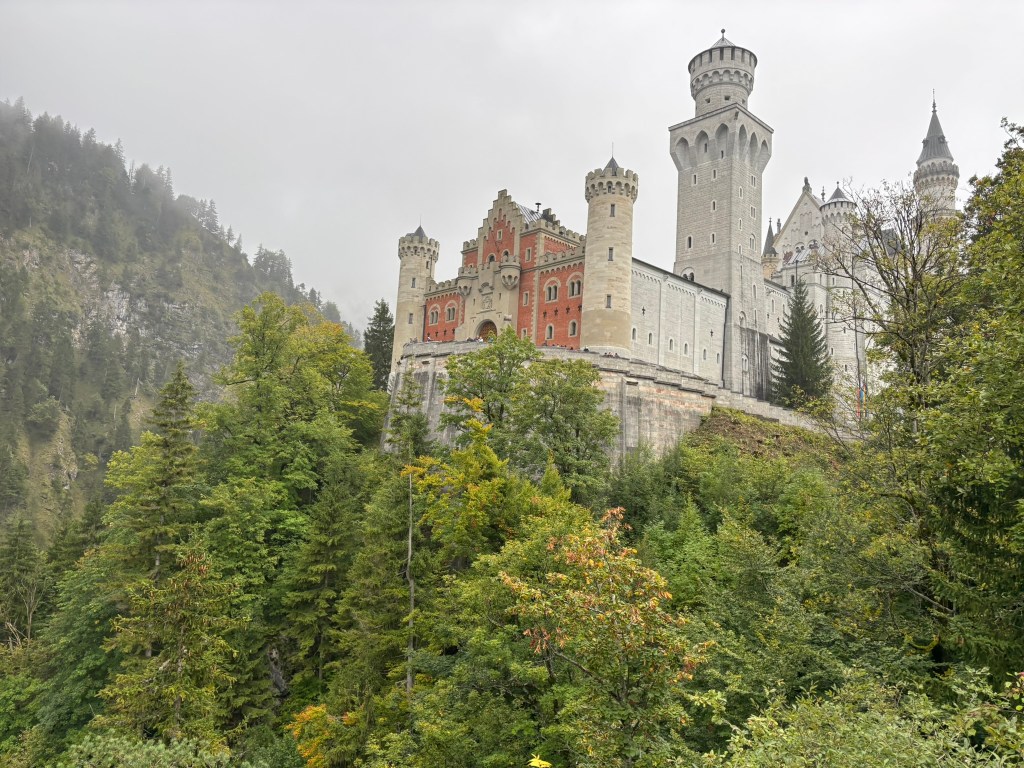

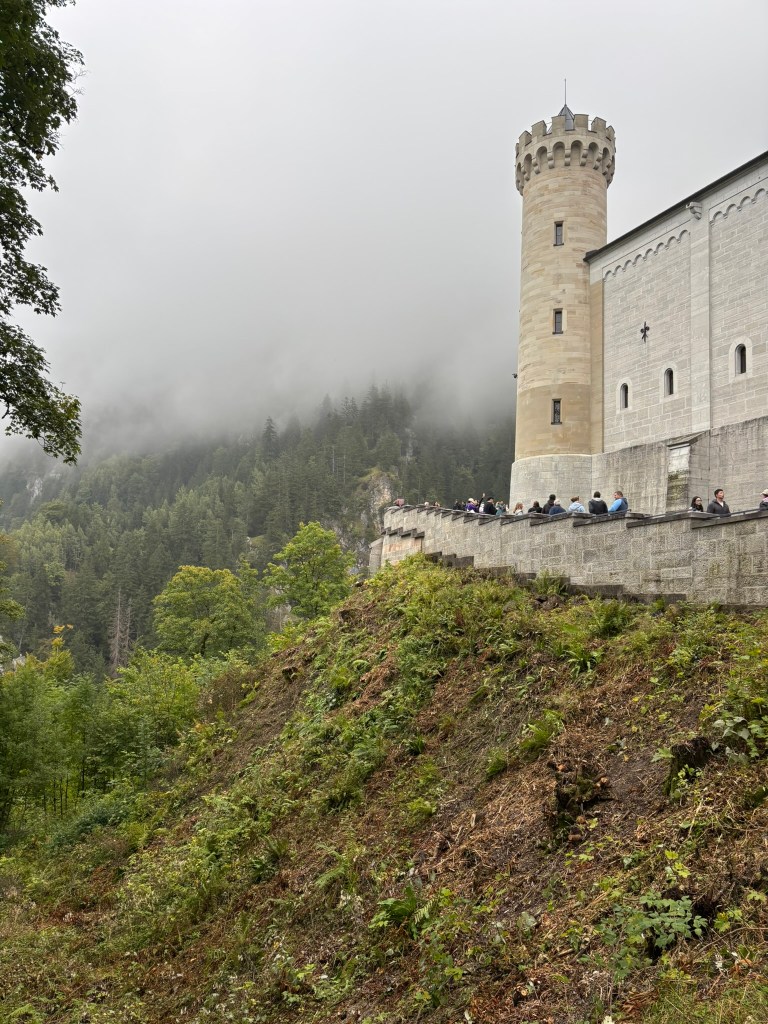
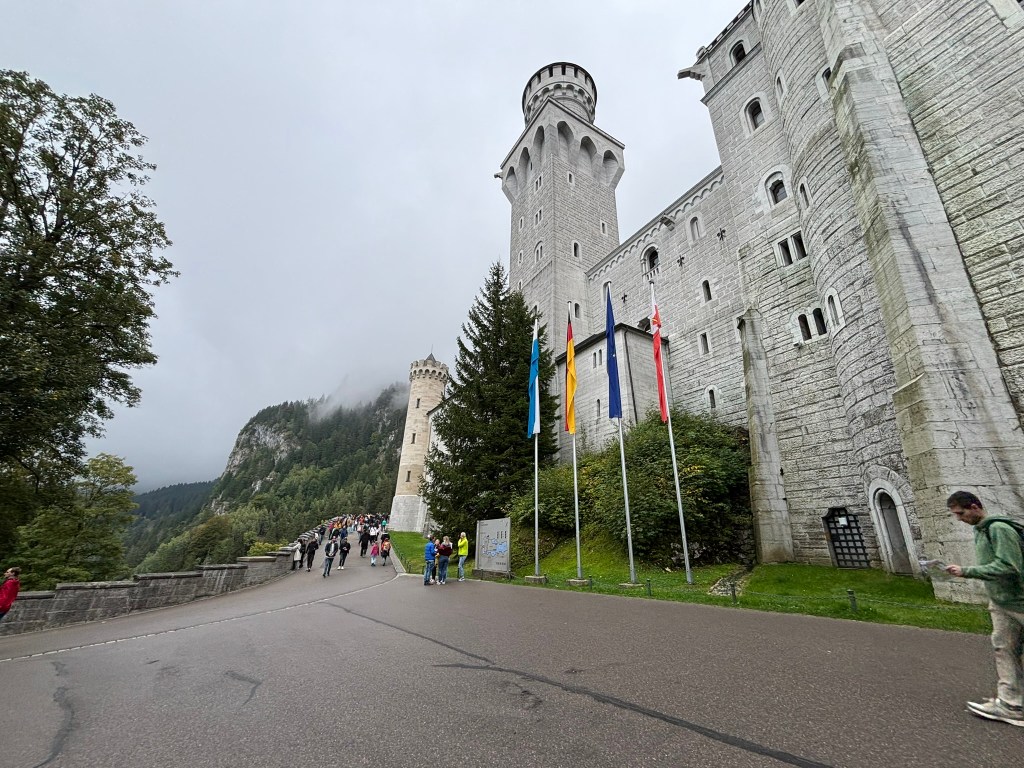
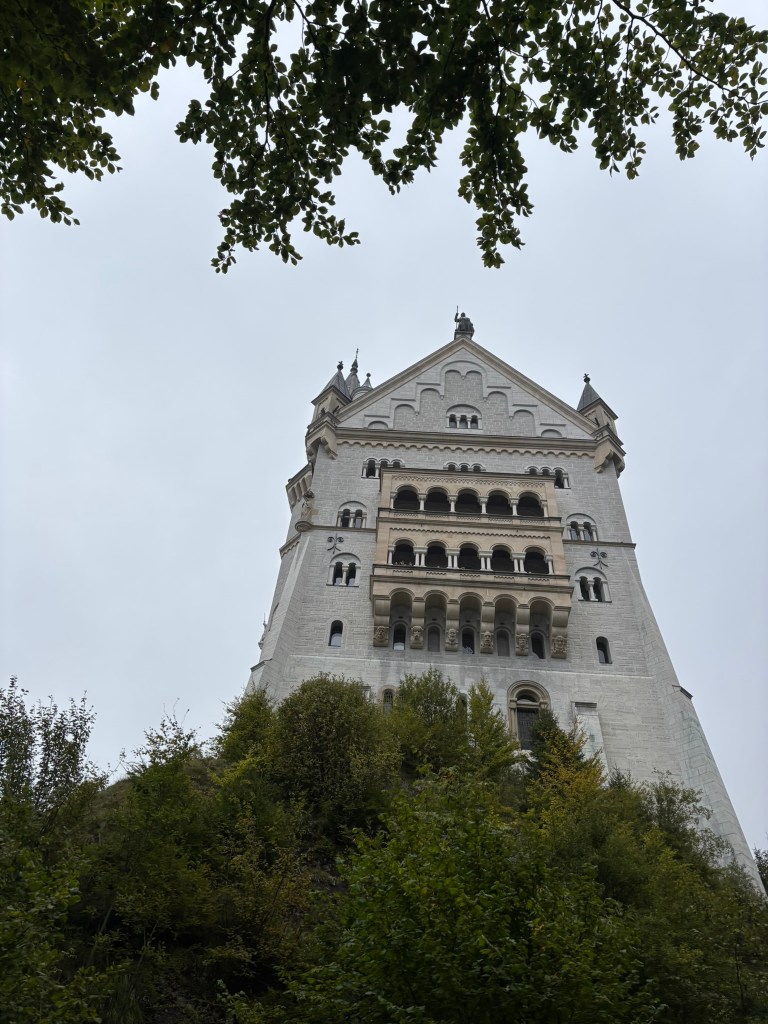

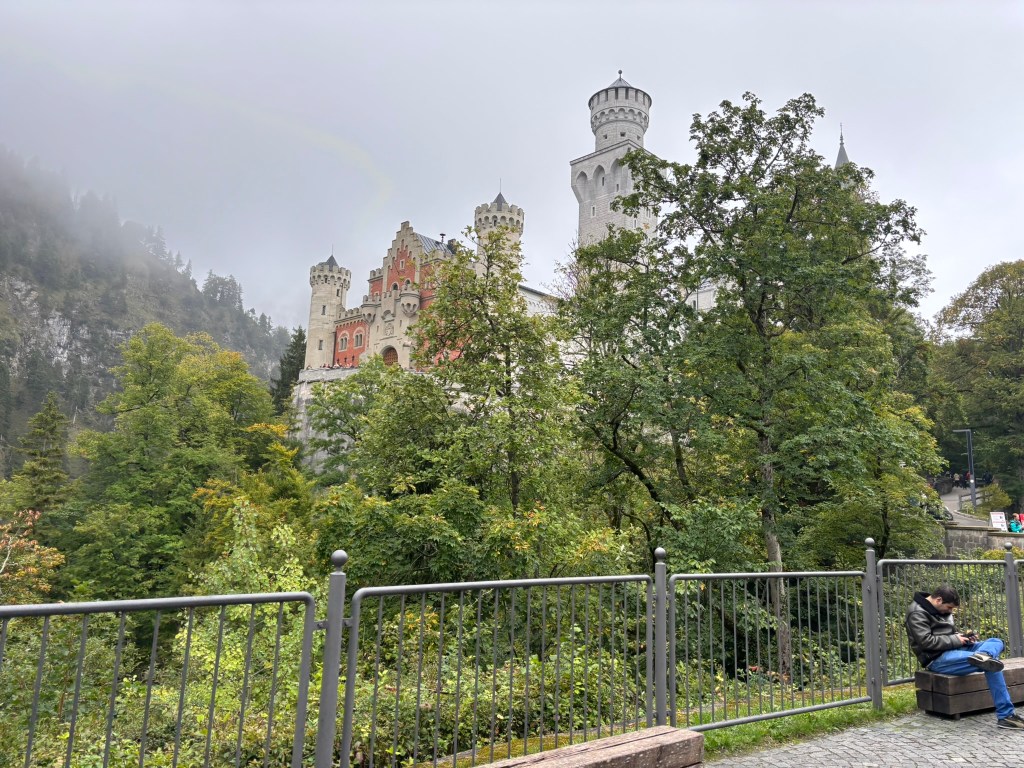
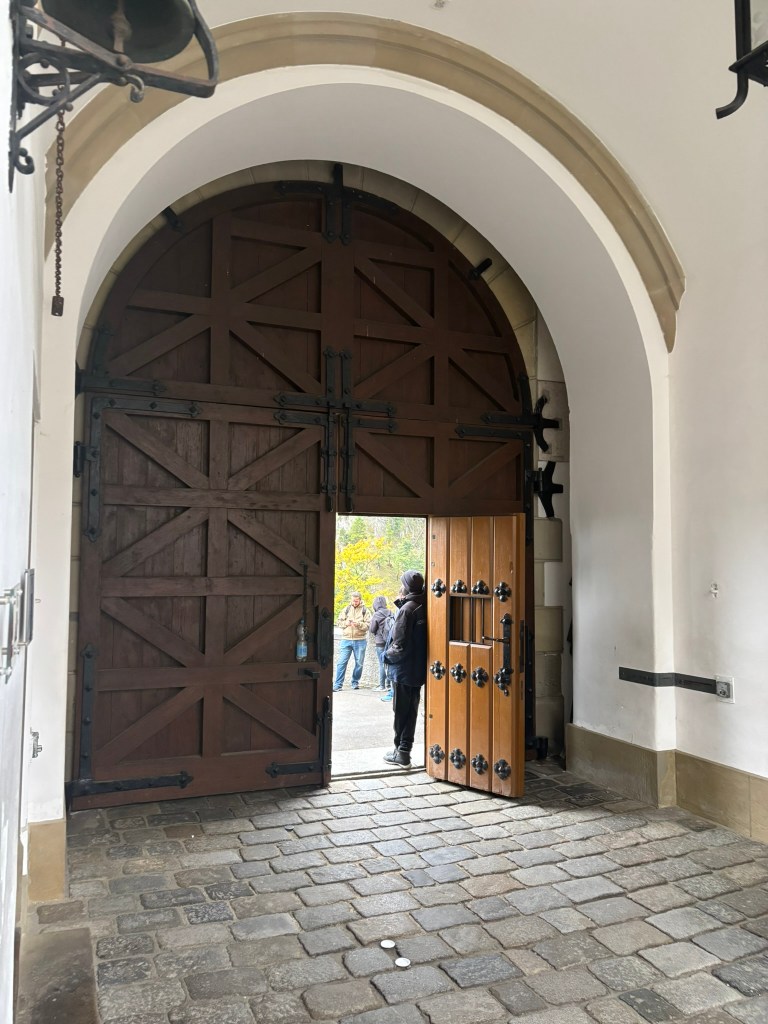
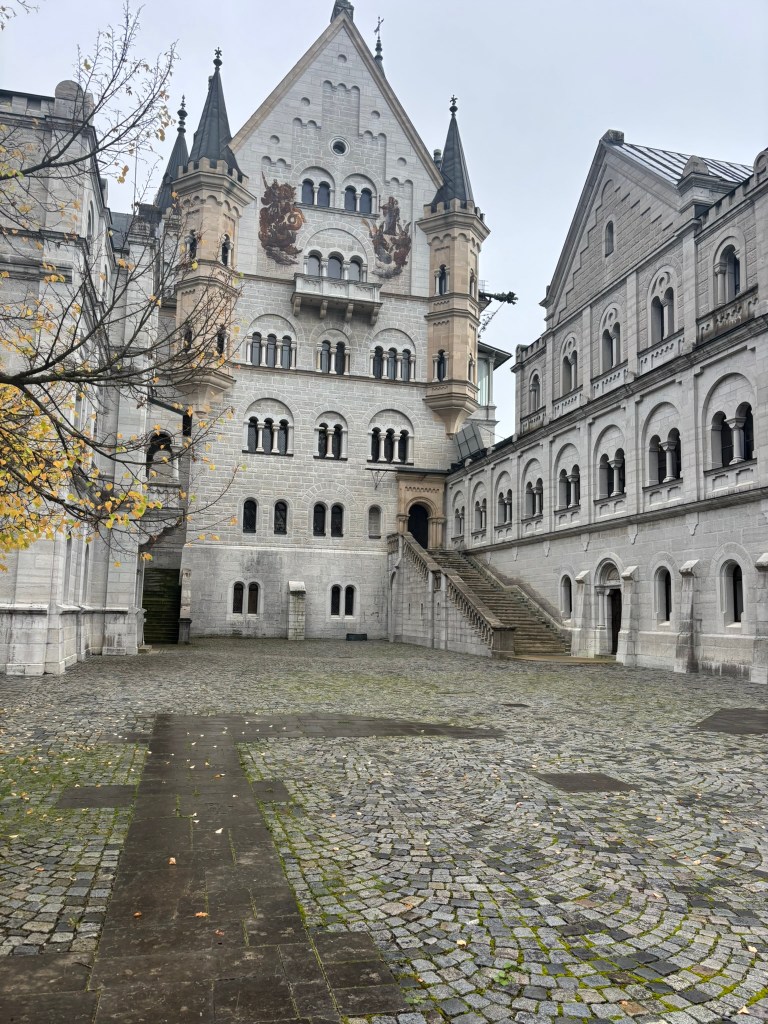
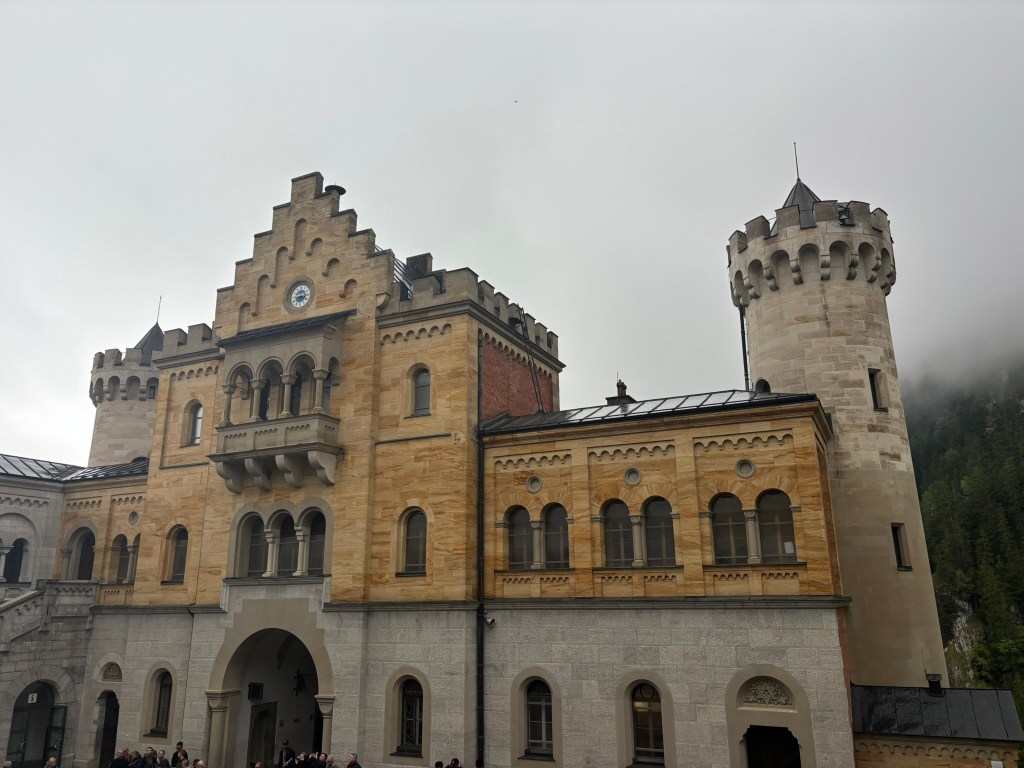
There are no pictures allowed in this castle, either, except for the entry hall, the second floor balcony, and kitchens at the end. Just trust me that it was beautiful. When a neurotic man who has a lot of time and a lot of money decides he’s going to dedicate himself to creating fairytale castles, trust that he’ll come up with the most fantastical plans imaginable and insist that they’re completed to his exact specifications.
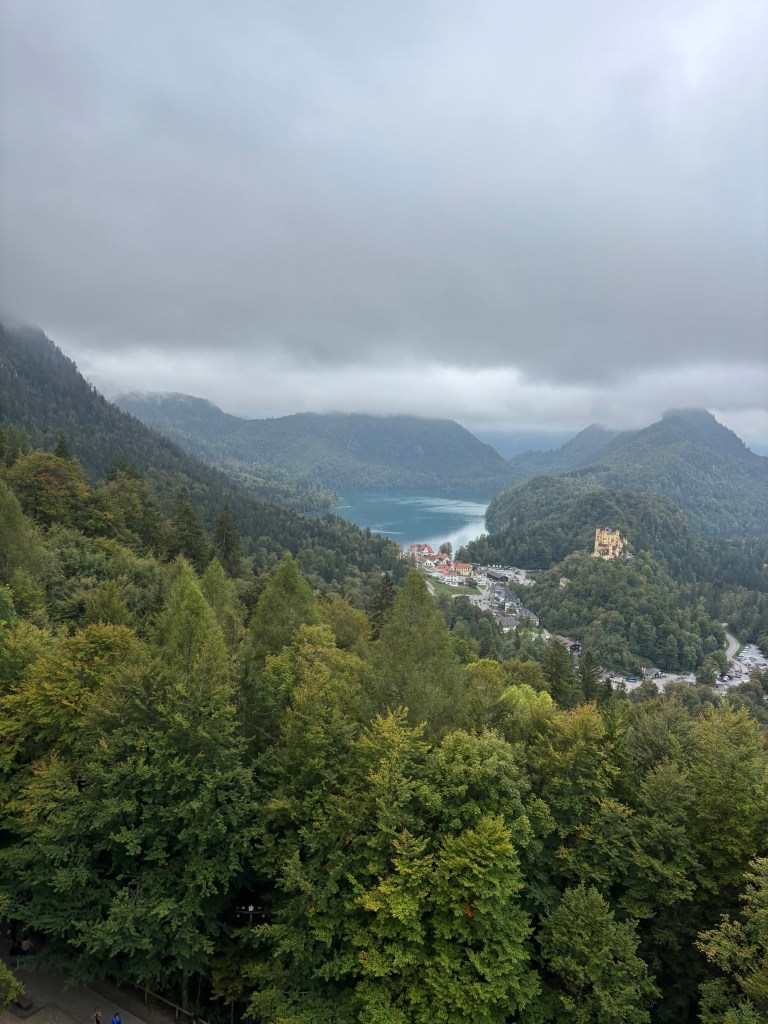
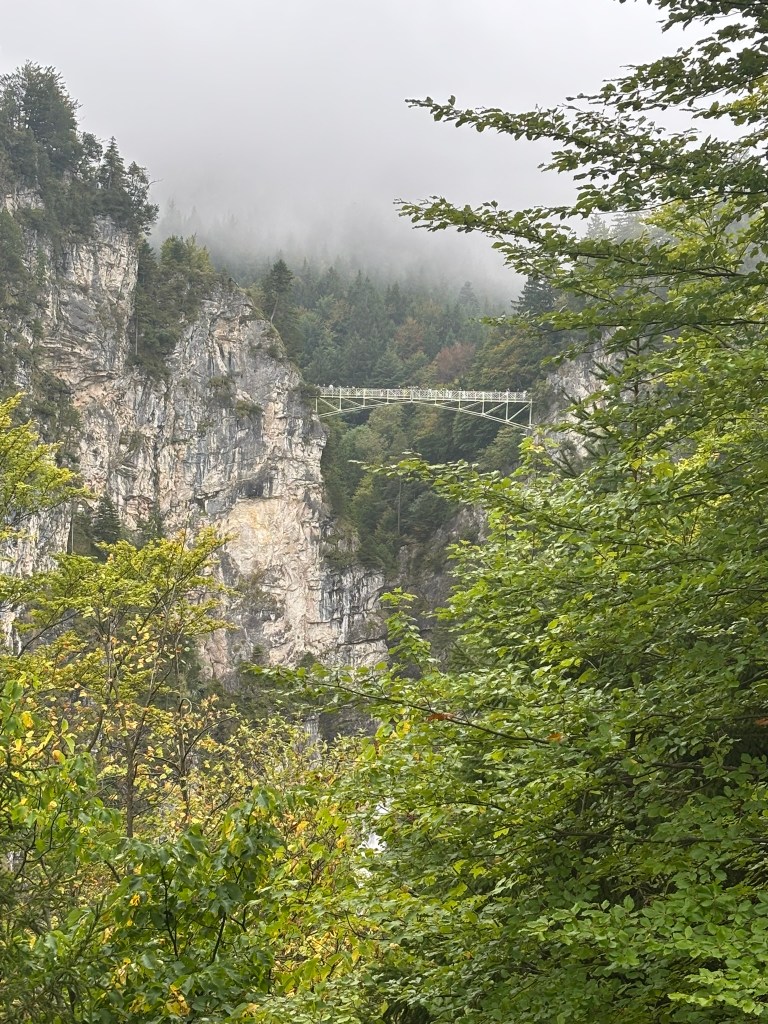
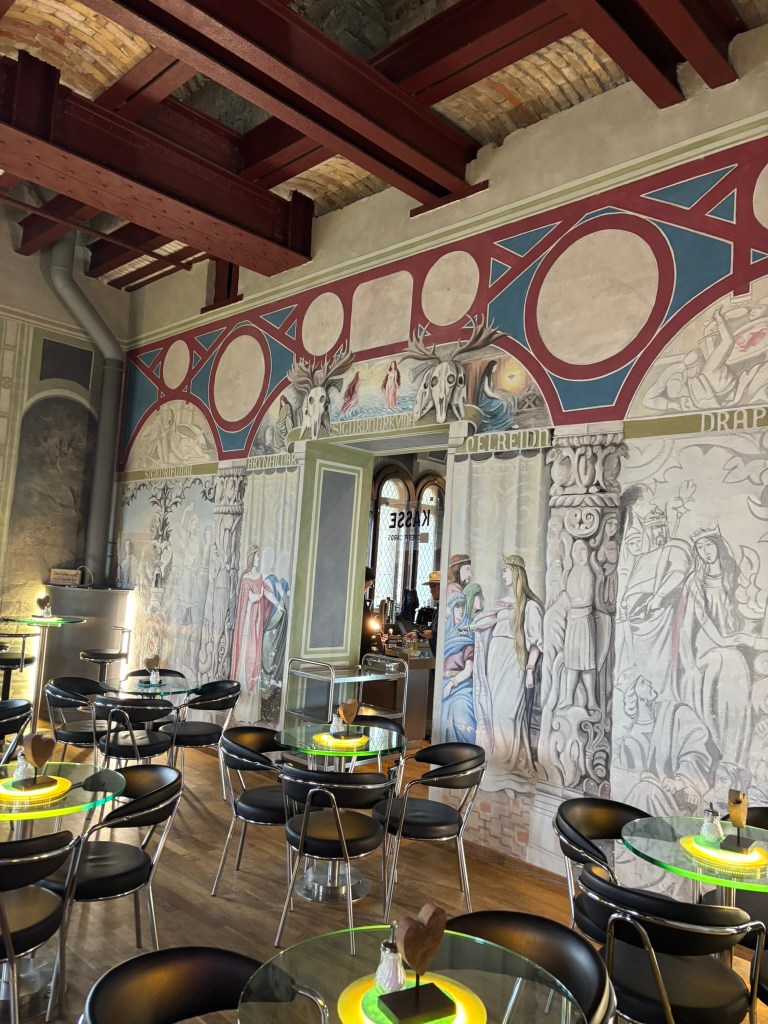
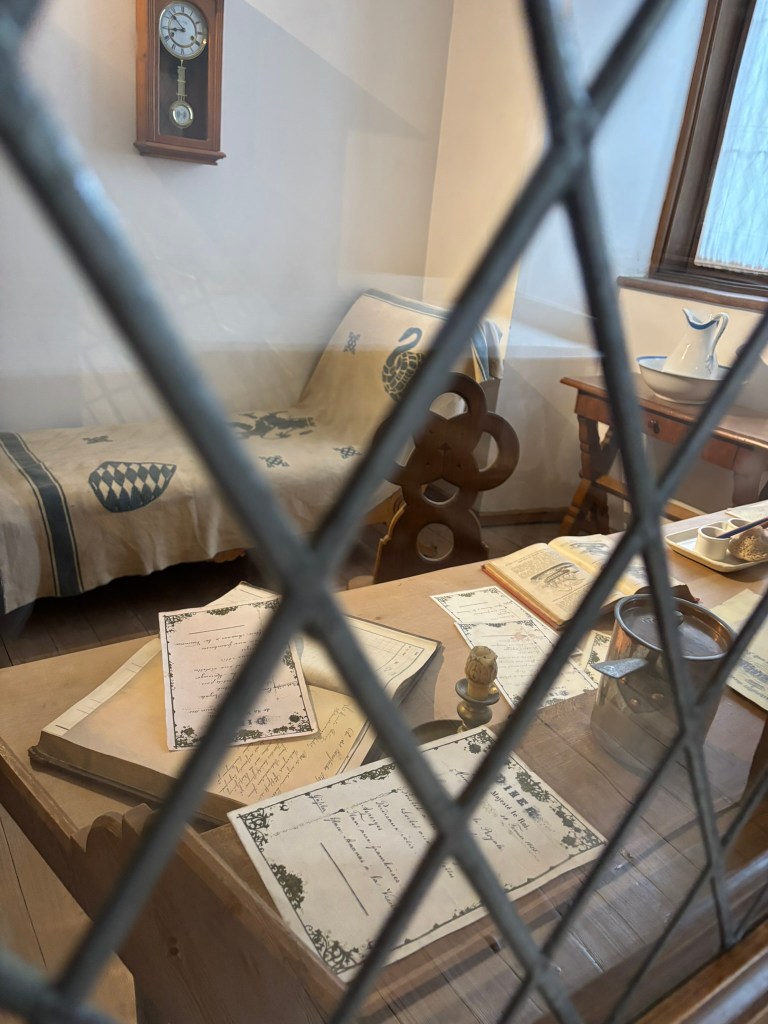
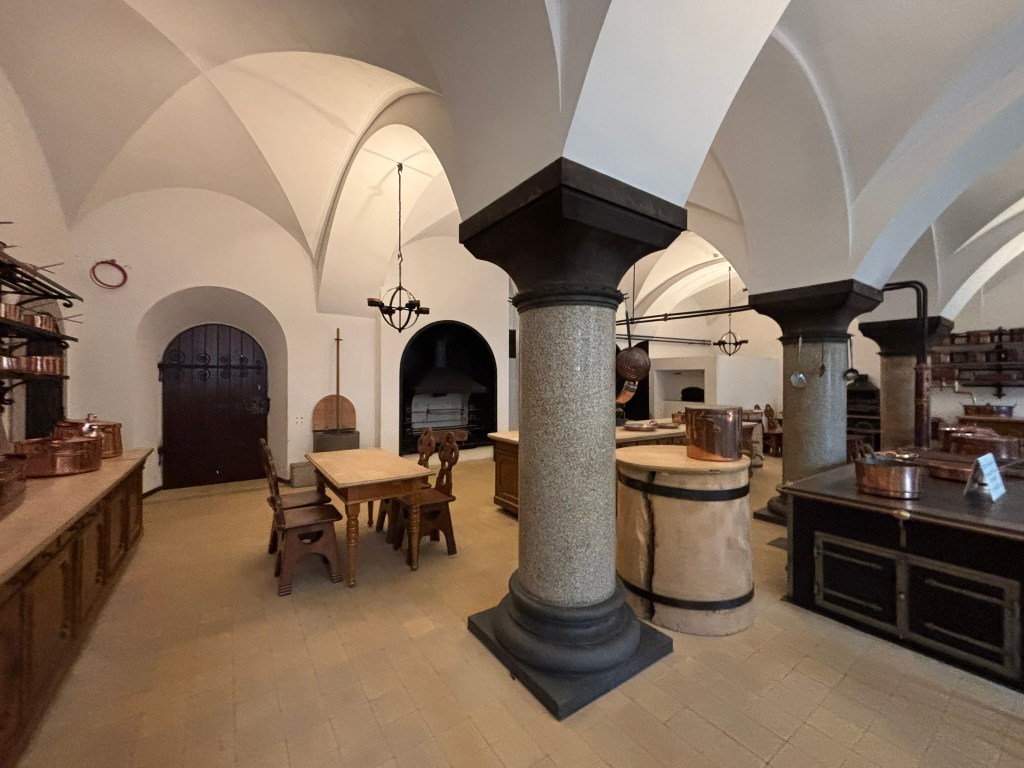
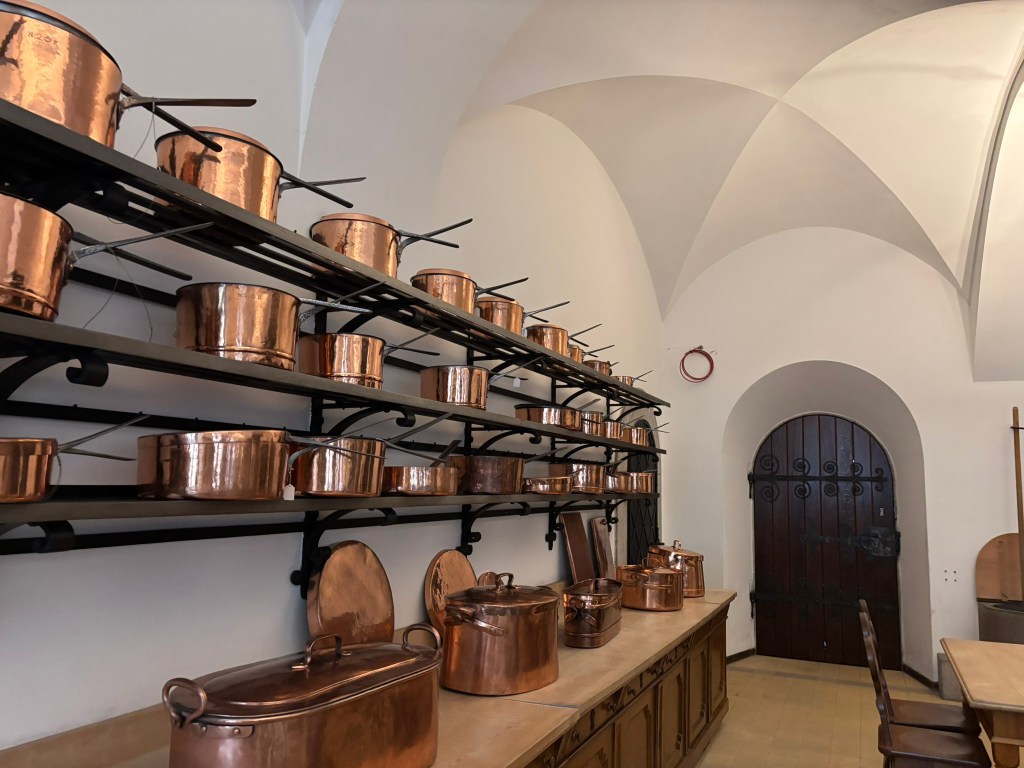
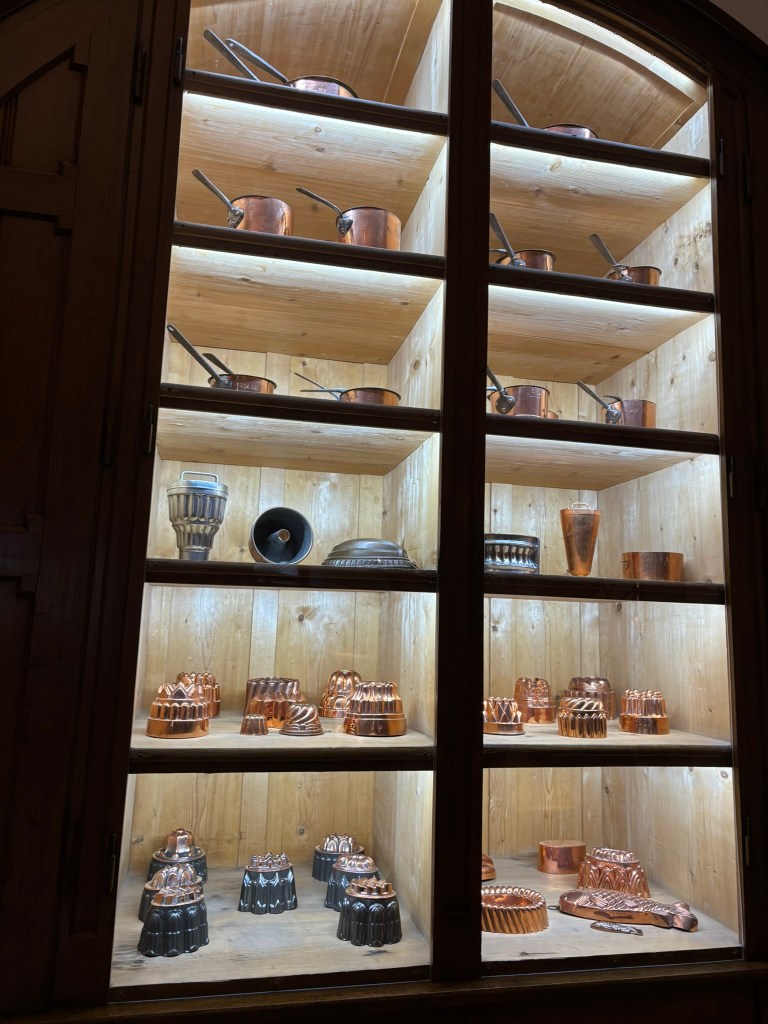
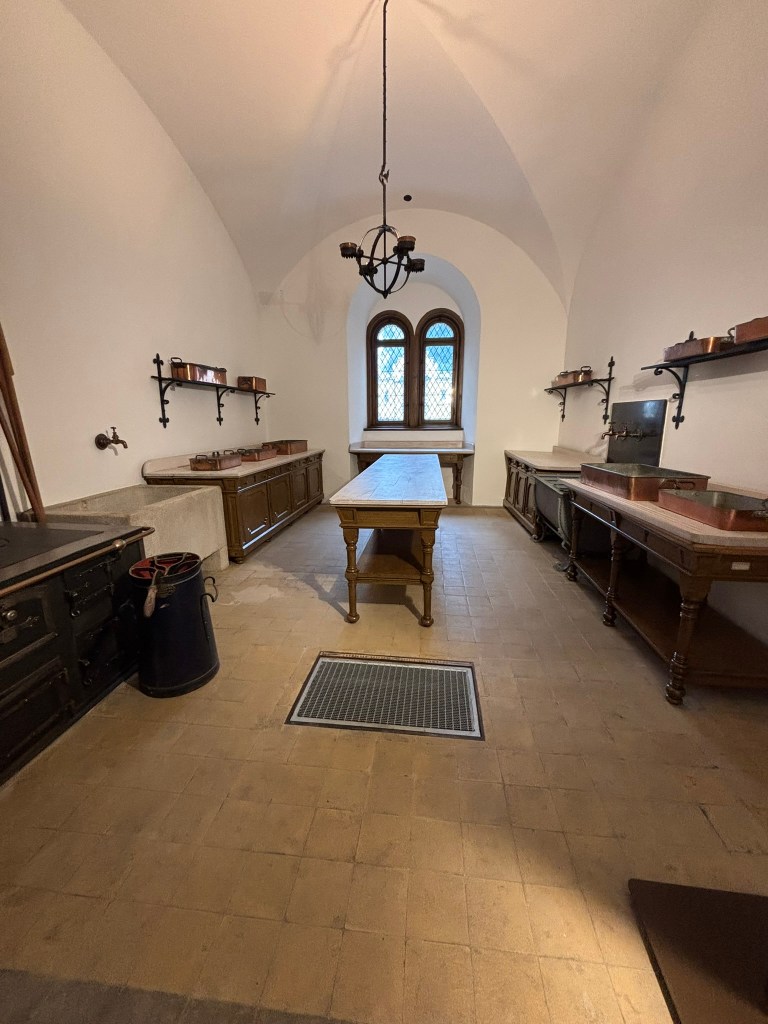
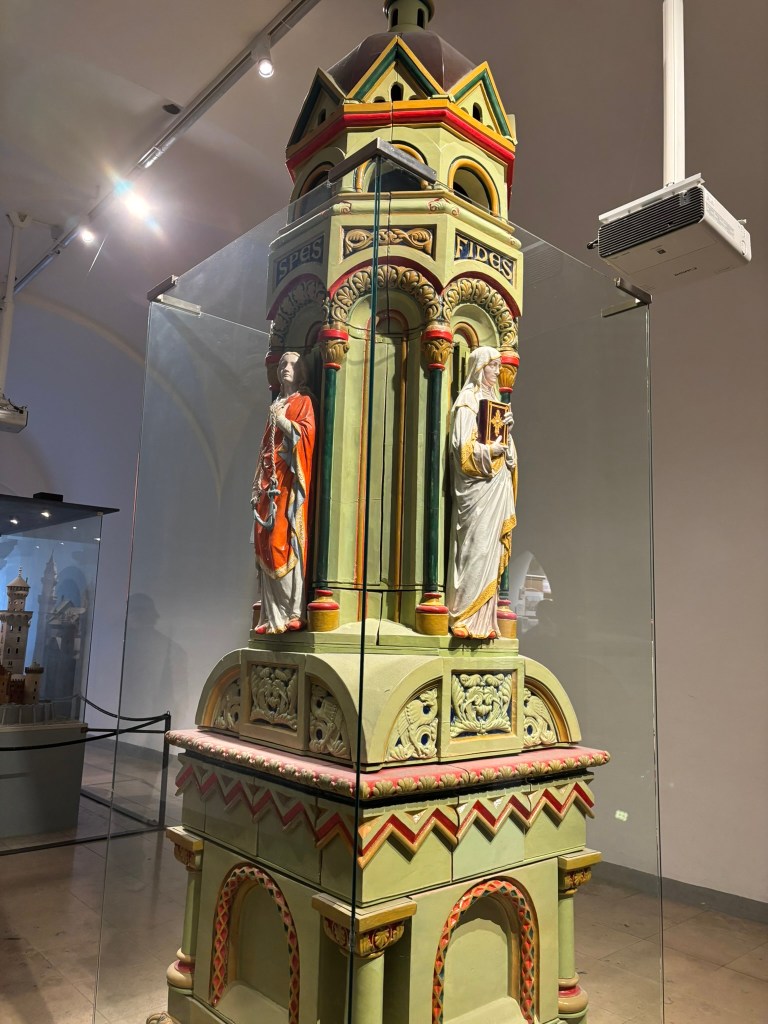
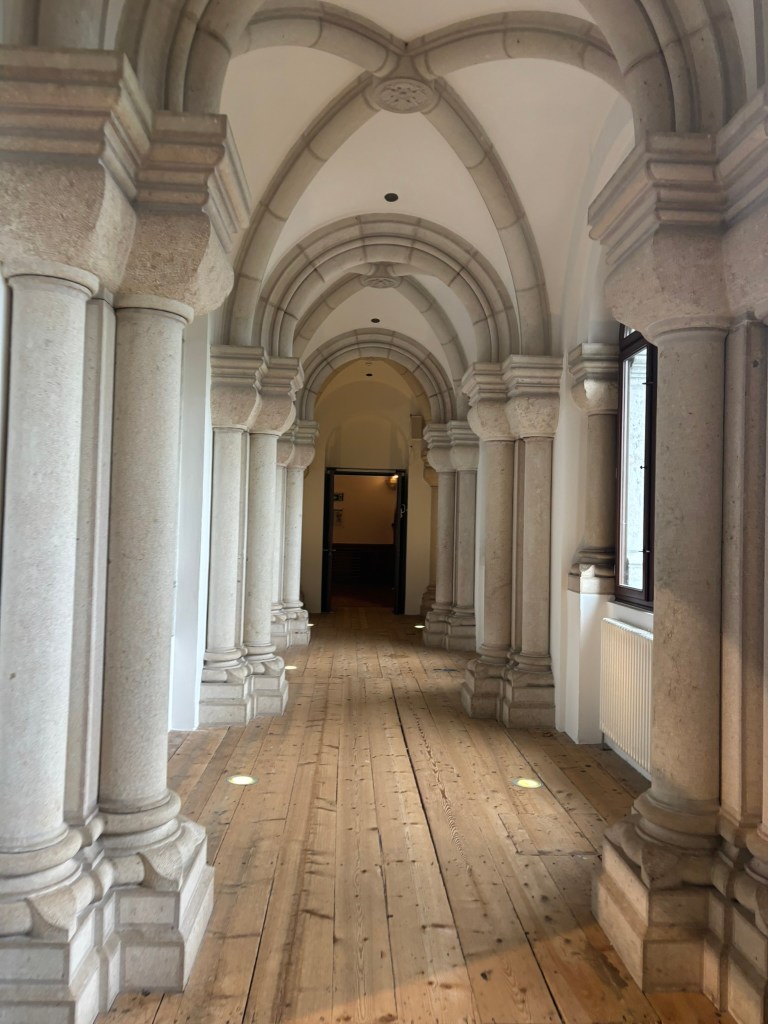
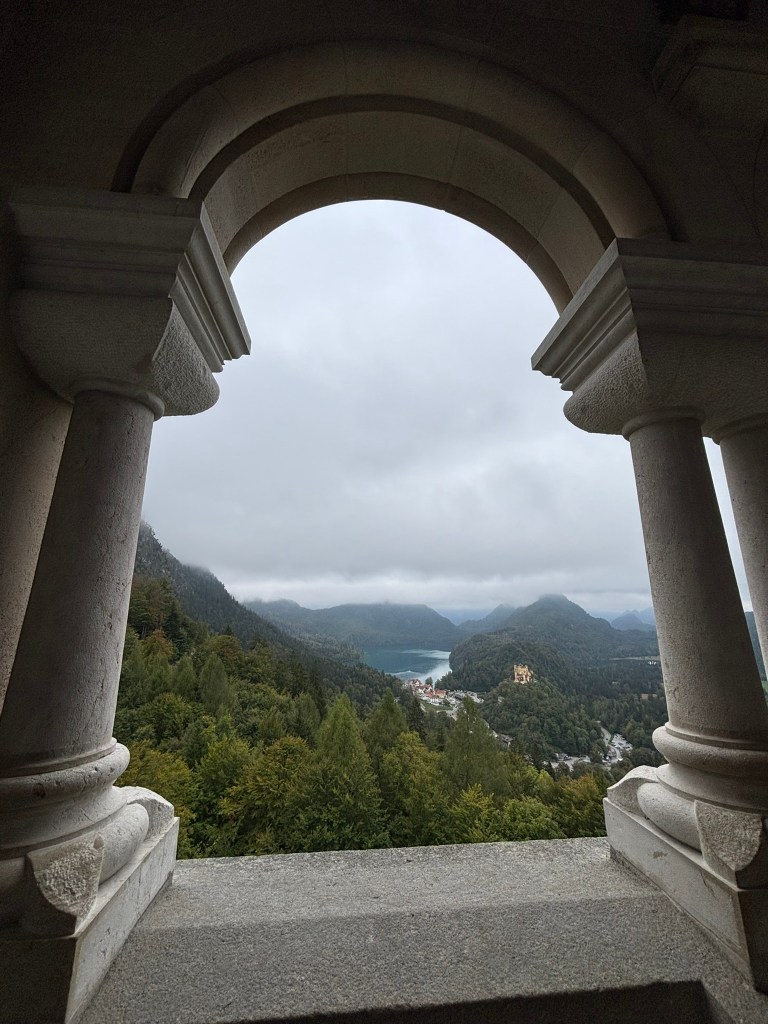
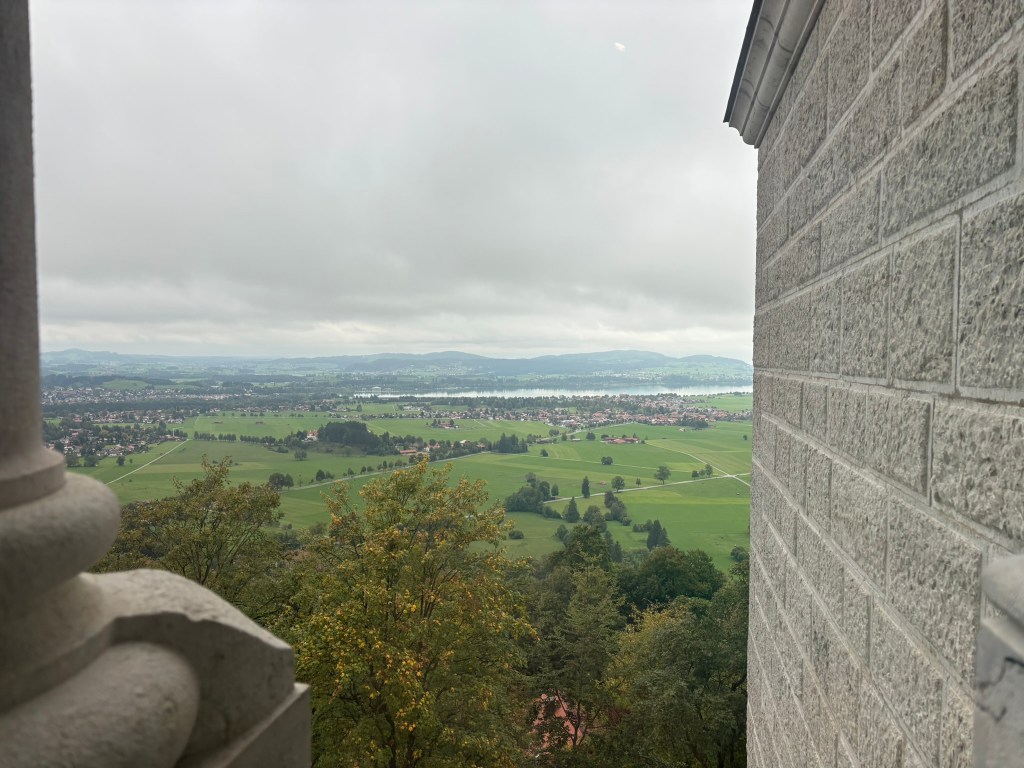


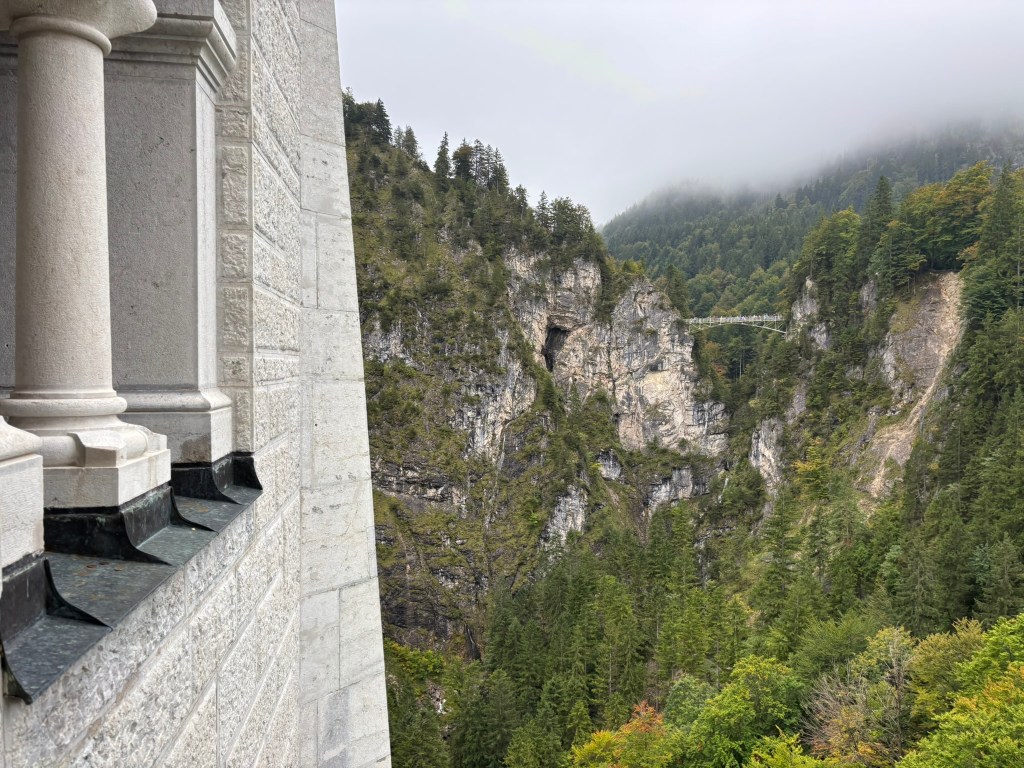
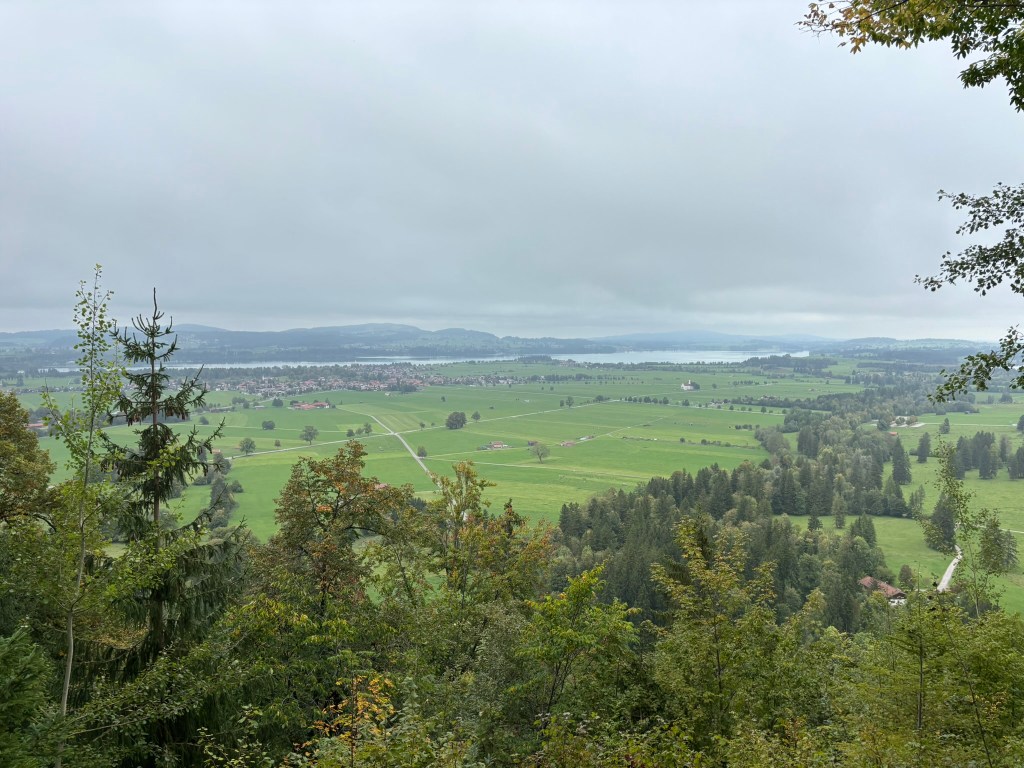
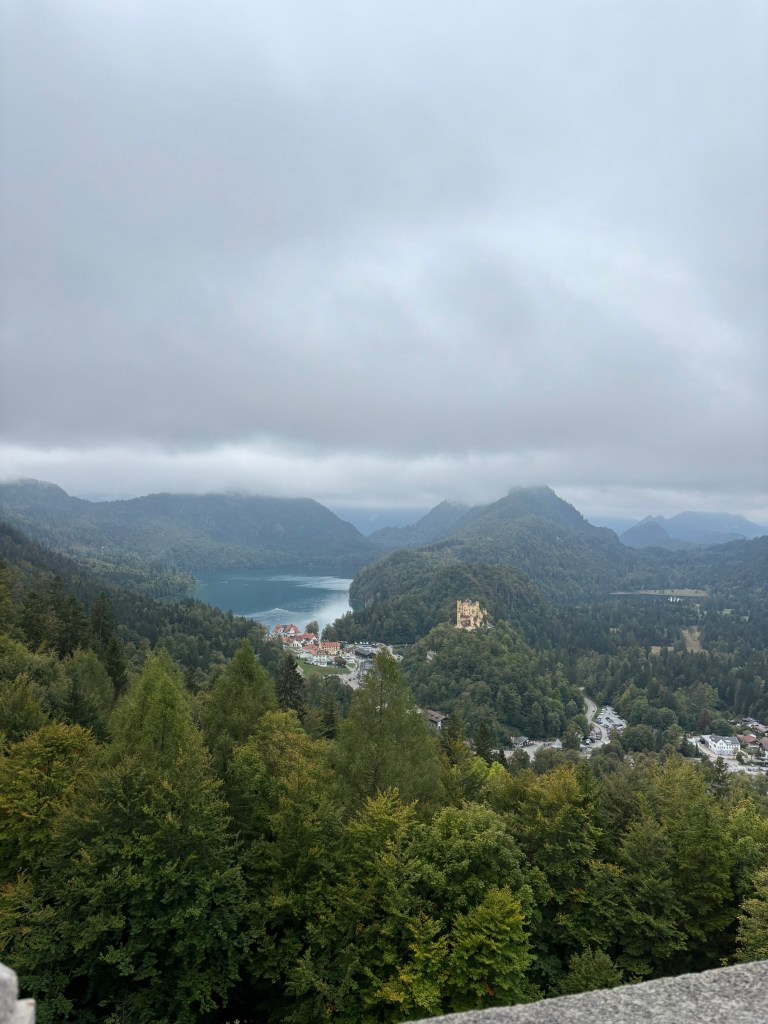

After the tour and our exit from the castle, we walked down the hillside, back towards the town where our bus was parked. We had a few minutes before the departure time, so we grabbed some more food, wandered back through some of the shops, and took in a few more views of the city from the ground level before hopping back onto the bus. We had a two-ish hour bus drive back to the city. While it was rush hour, we still got back right around the anticipated arrival time.

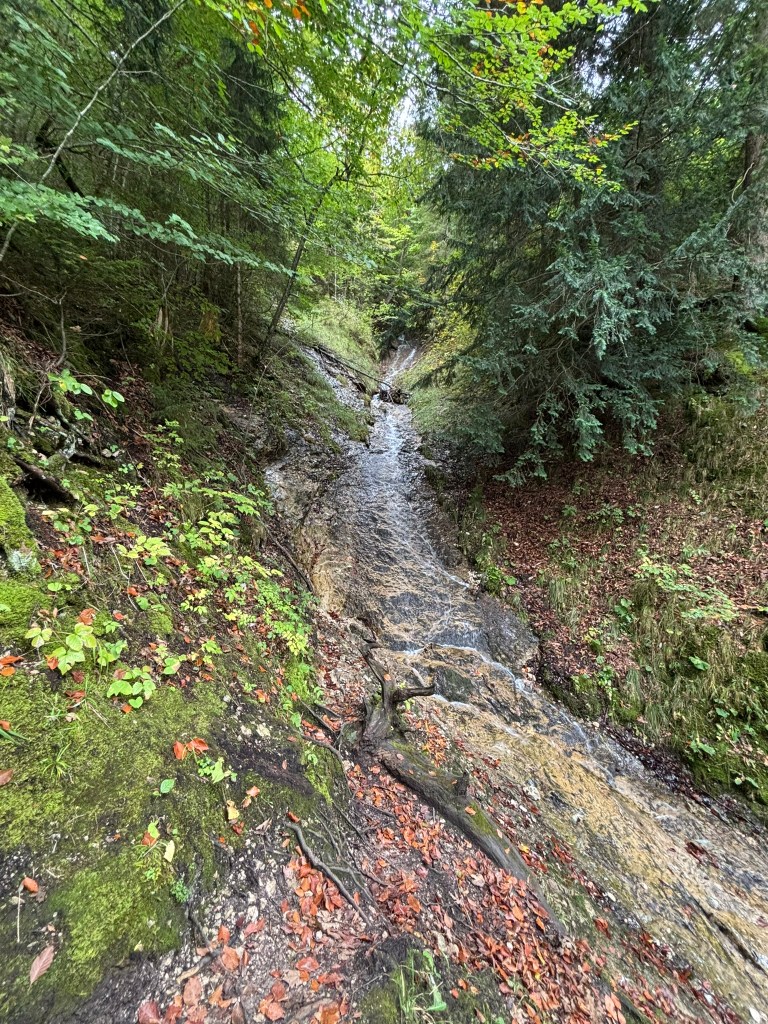
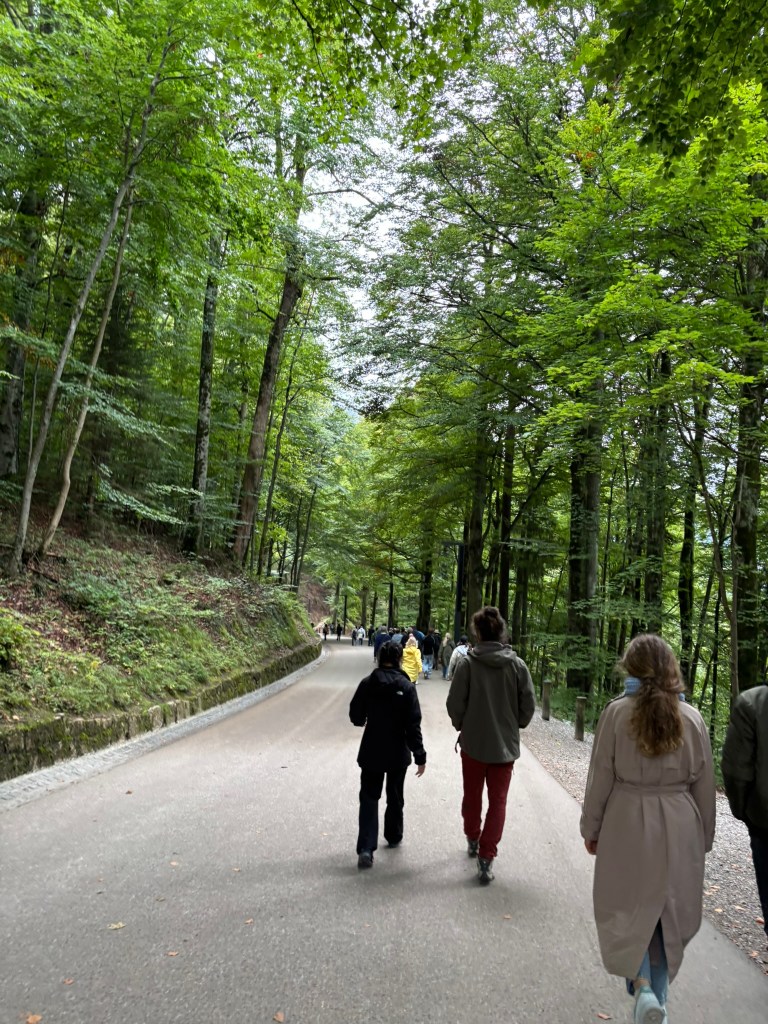
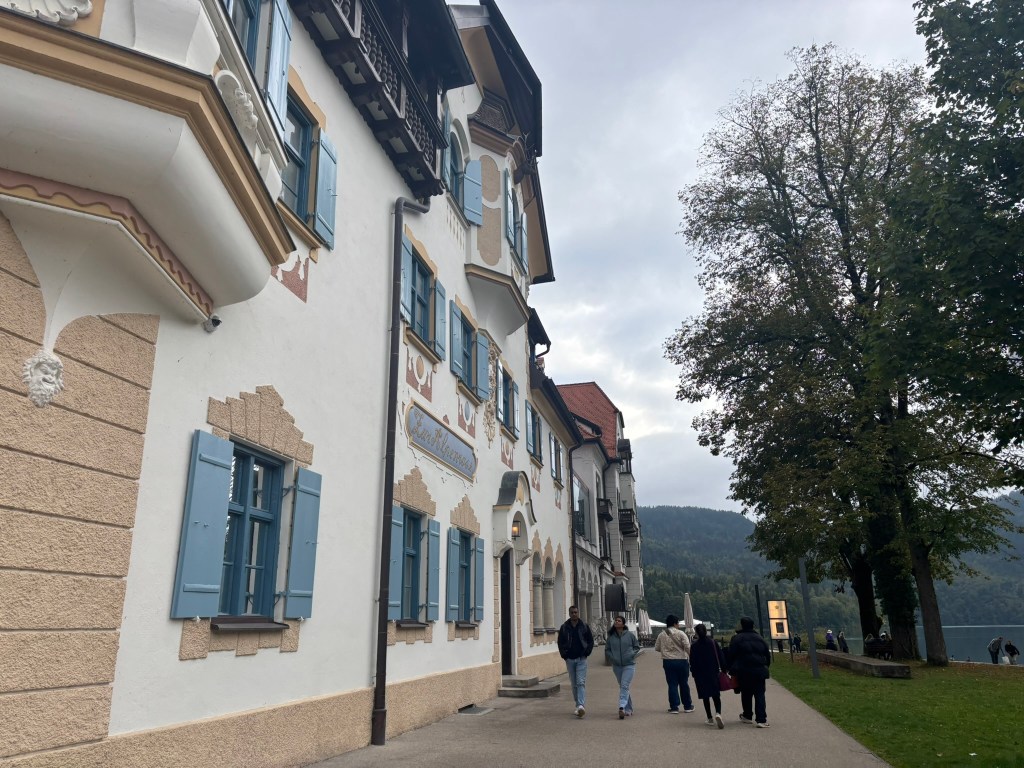
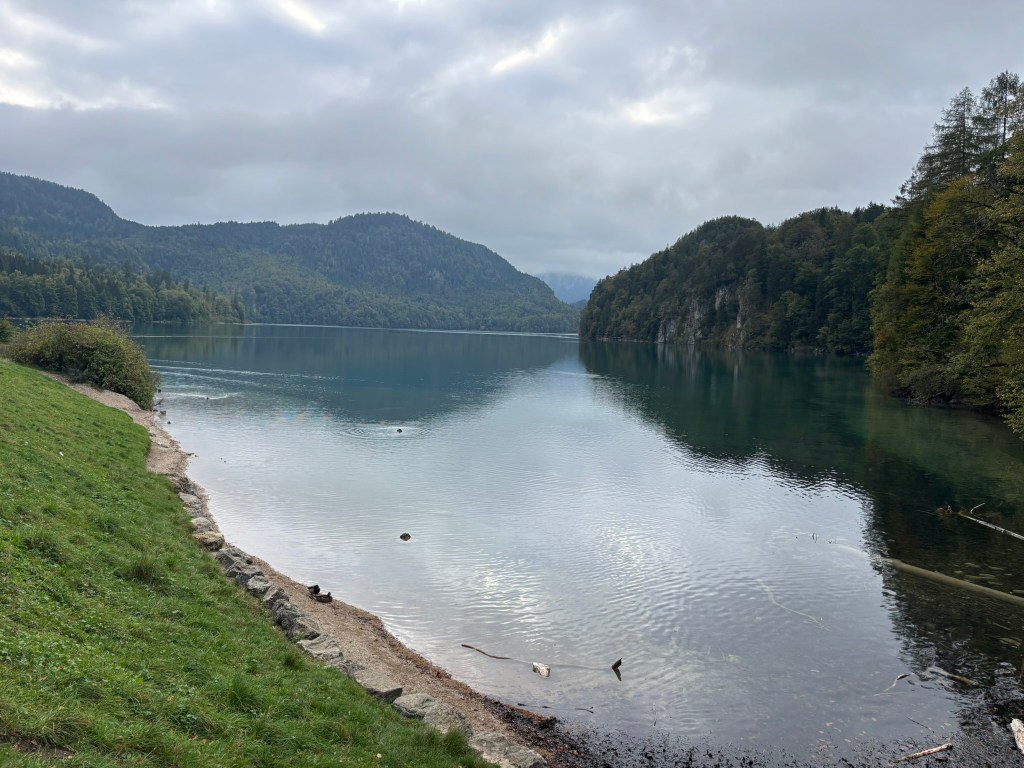

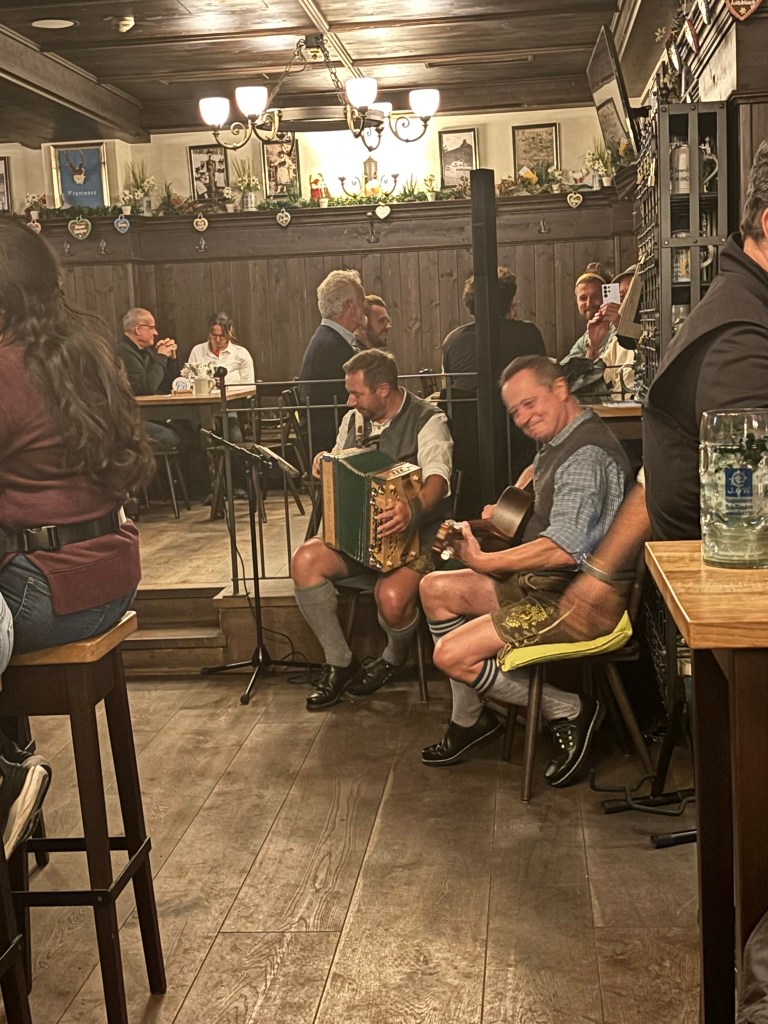
We wrapped up our evening with another Munich beer resturant, suggested to us by our bus driver and with a satellite location conveniently next to our hostel. They had live music, and we even ran into some people who were also from Chicago.
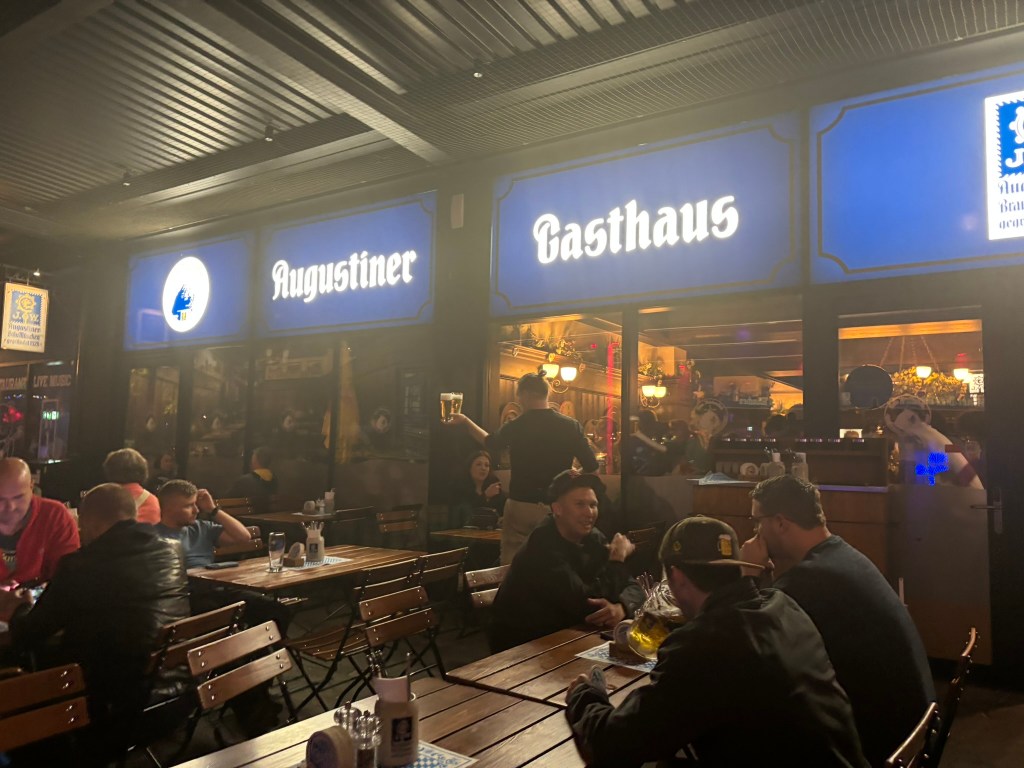
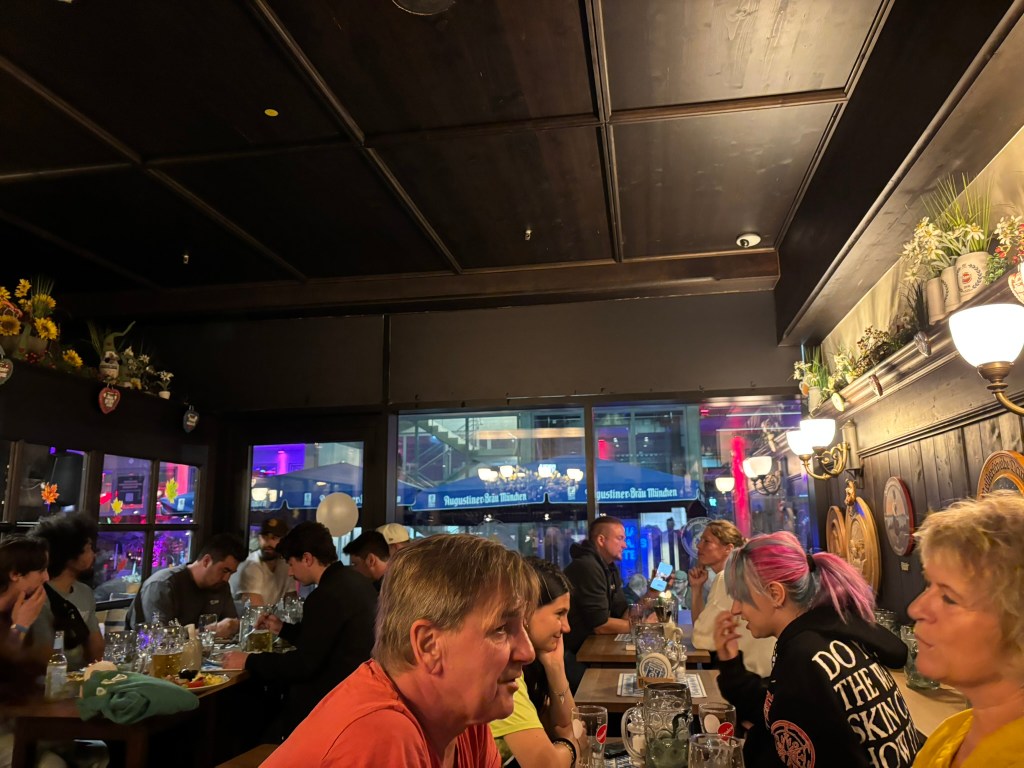

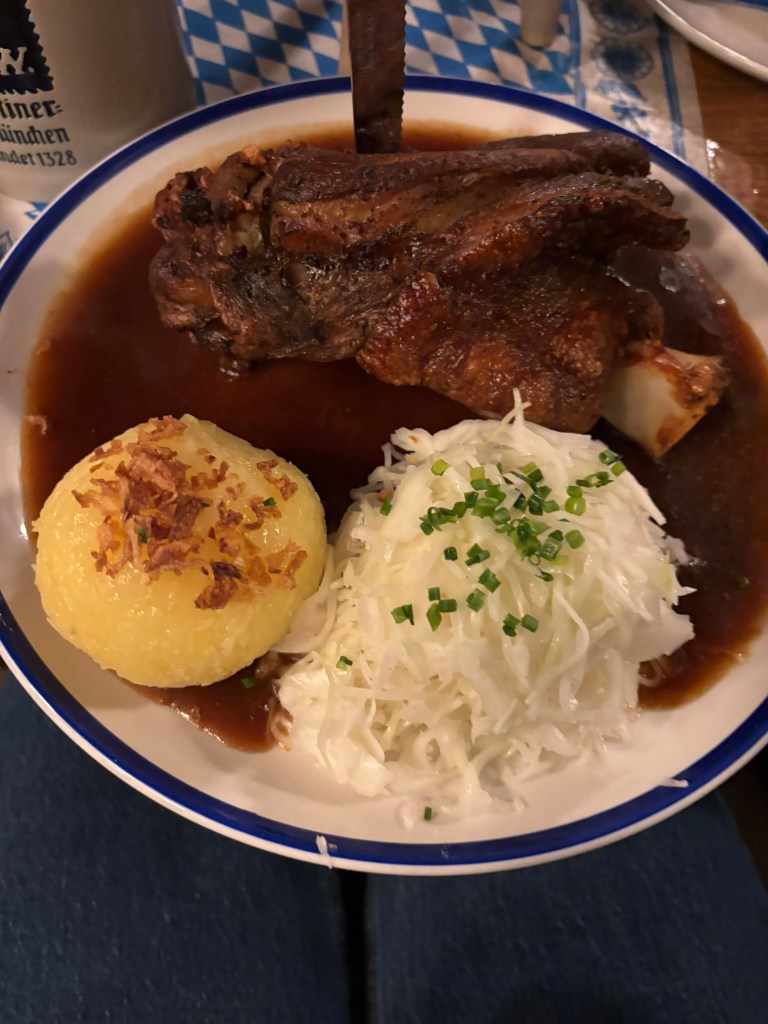

After dinner, we caught back up with Mark’s family, who’d grabbed dinner elsewhere. We chatted and played a few games before turning in for the night.
On our third and final day in Munich, we started the day heavy with a visit to Dachau, the original concentration camp in the suburbs of Munich. Dachau served as a model for the rest of the concentration camps. It was the only camp that was open for the duration of the war.
Now, while the rest of the things we did on our Munich trip had been a revisit for me, this was my first time visiting Dachau. When I went the first time as a child, we were too young to understand. The second time I went, the weekend of my birthday as I was turning 20, I had been experiencing homesickness and burnout and was looking for my Munich trip to make me feel closer to my family. Also not exactly the correct mindset to want to give the time and emotional energy needed for Holocaust sites. But now, I was in a healthier headspace, and with our own country’s current climate I felt it important to give the memorial site the time and attention it needed during this trip.
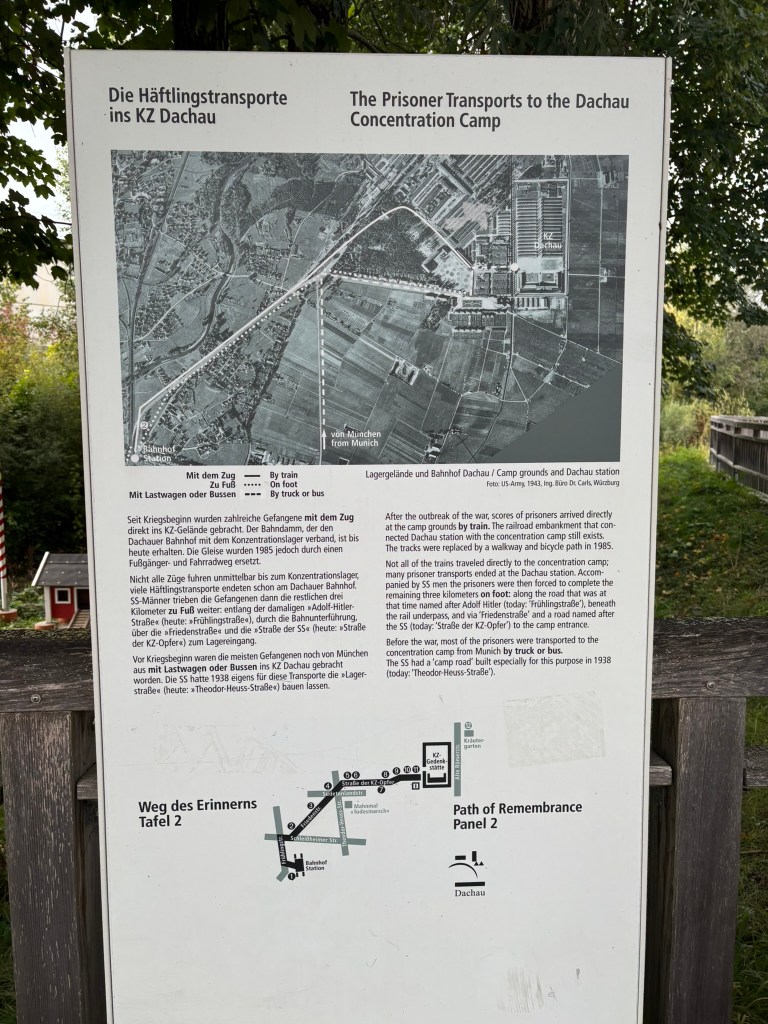
We left the hostel, took the train to the Dachau station, and then took a 40-ish minute walk to the concentration camp site. Along the way, we stumbled onto signs explaining the significance of each spot on the path to the rounding up and holding of Jewish and other populations within the camp.

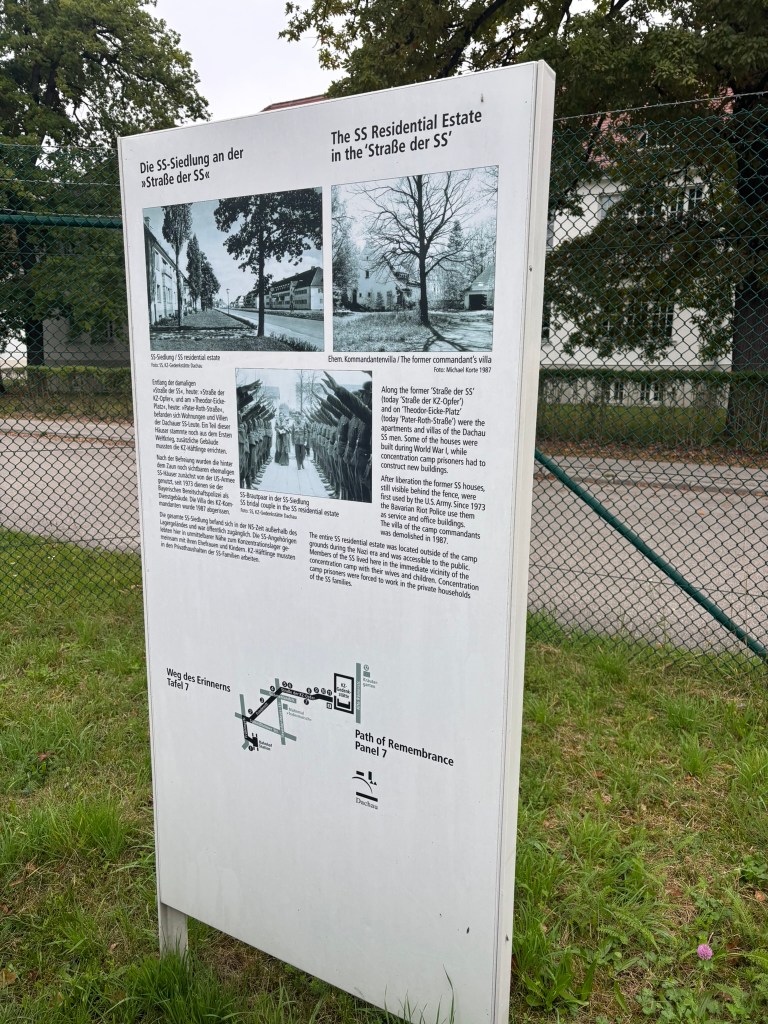
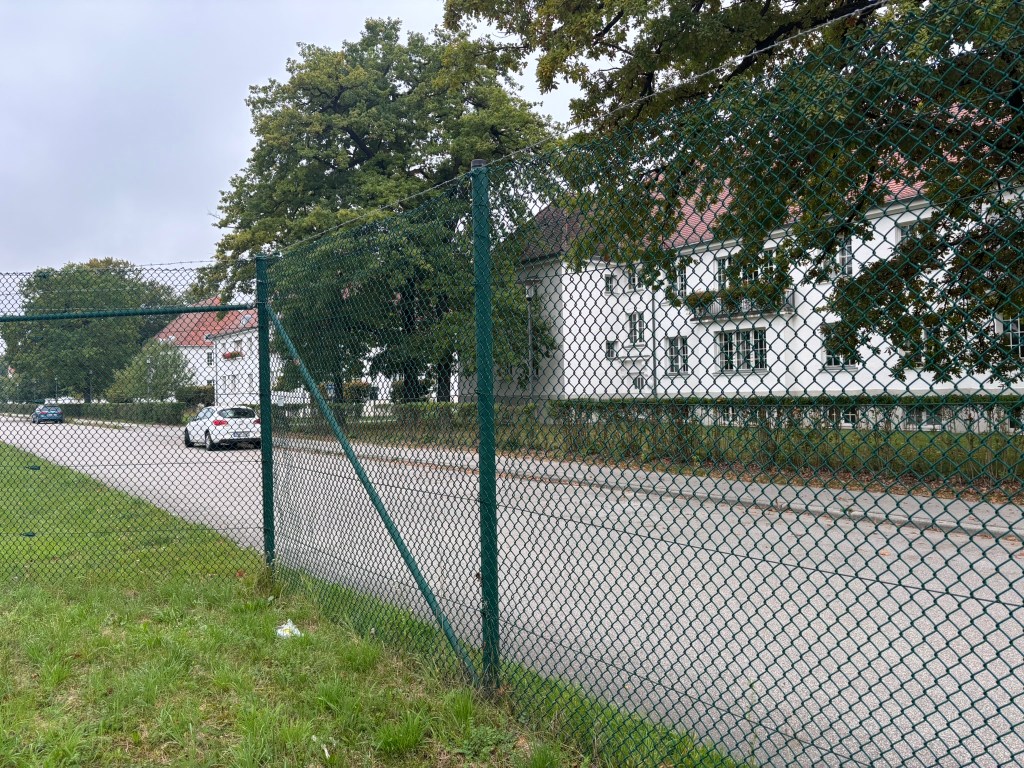
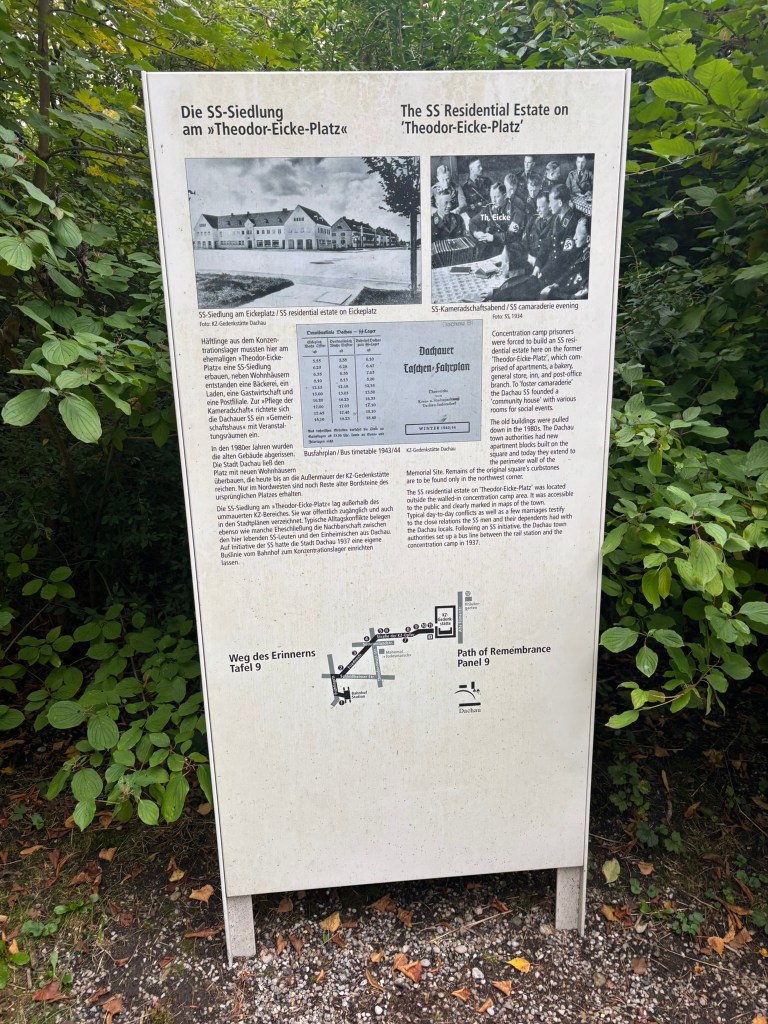
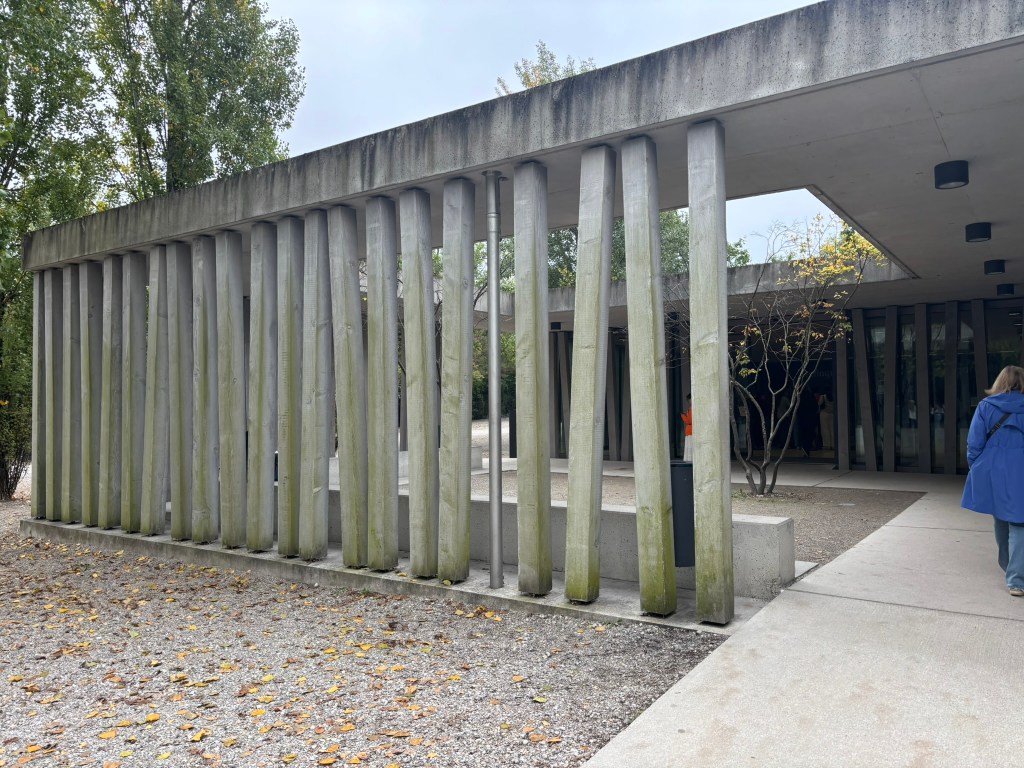
I’d worn my new hat, but it stayed off most of the day because the signs leading to the entrance of the grounds asked us to treat the location as “a commemorative site to remember the people who suffered in Dachau concentration camp and the 41,000 prisoners who died there. It has the character of a cemetery, a place of sorrow and remembrance”. I took those words seriously as I wandered through the grounds and museums. Just as in a church, the hat did not go back on until we’d left the site a few hours later.
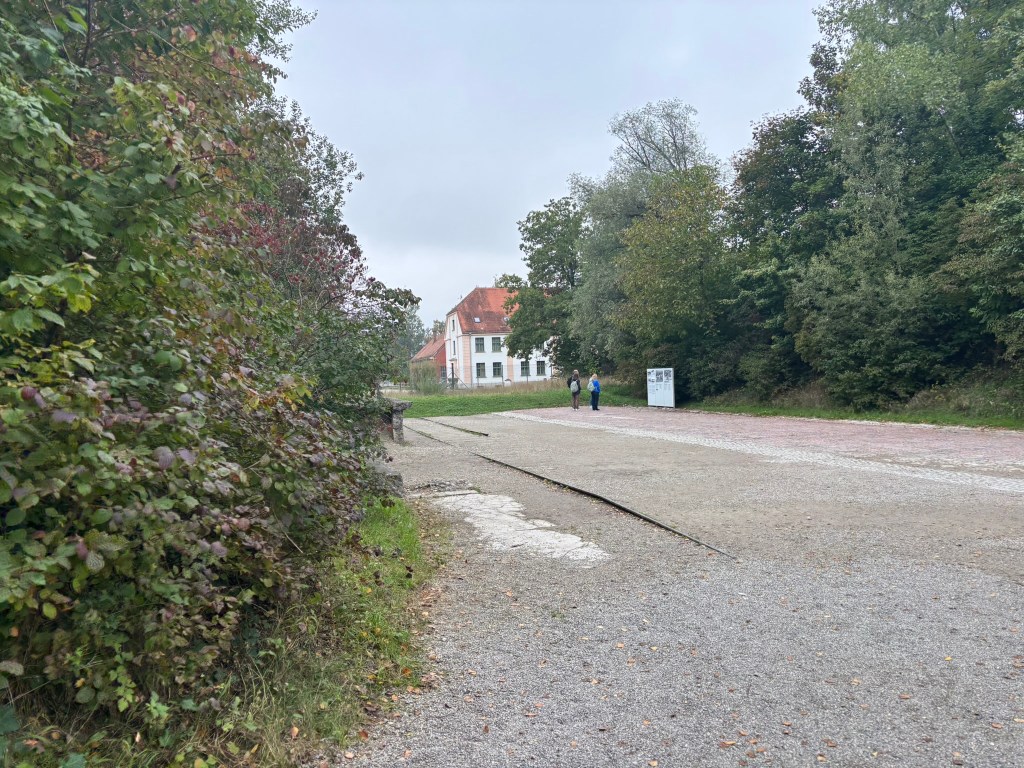
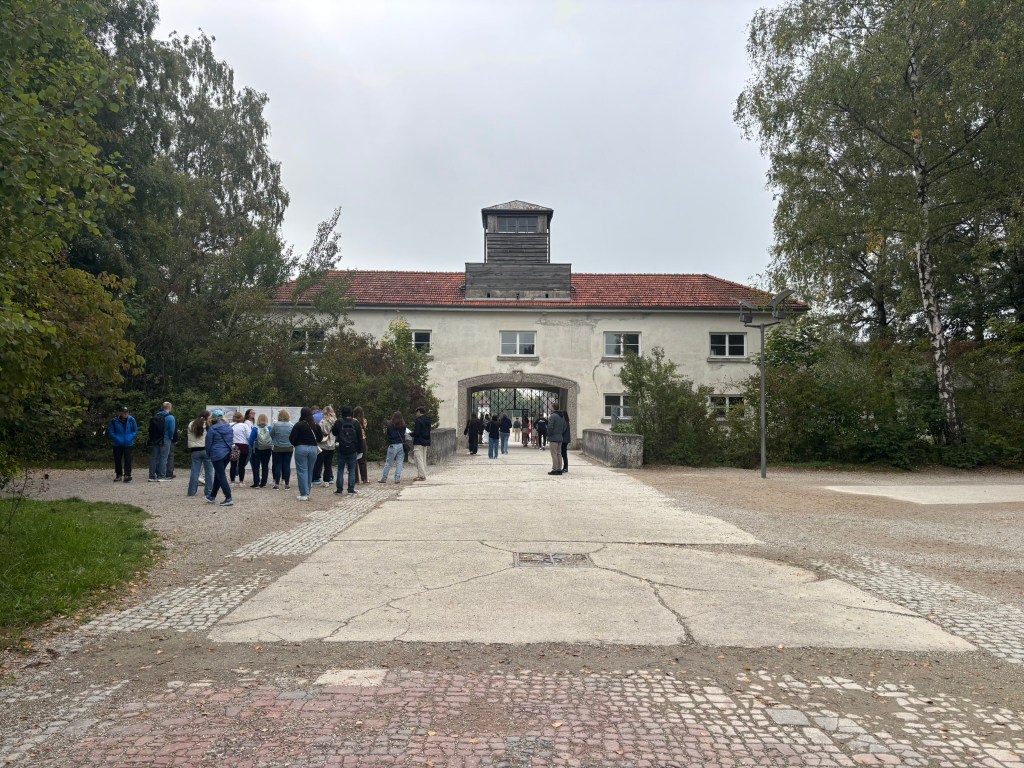
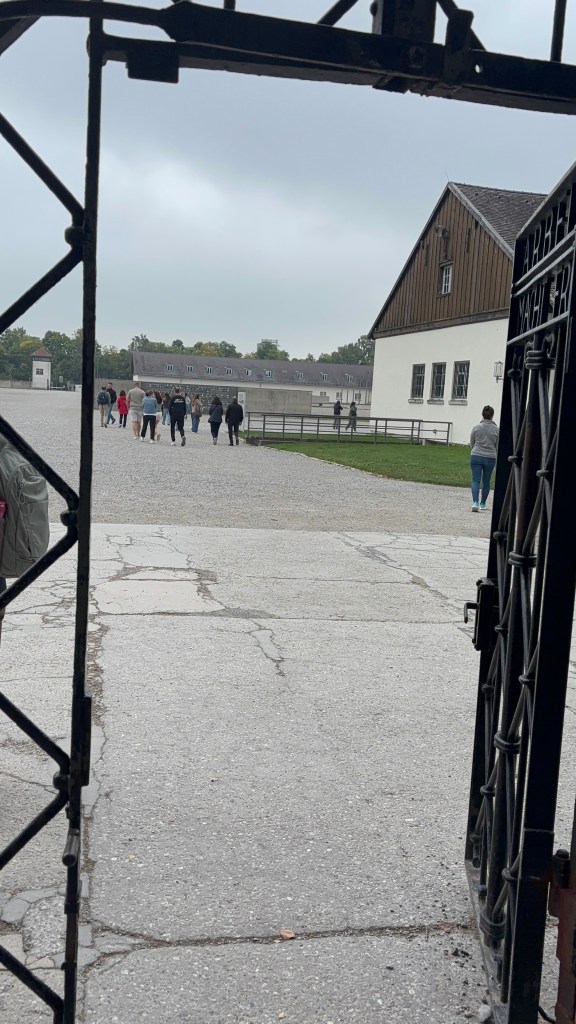

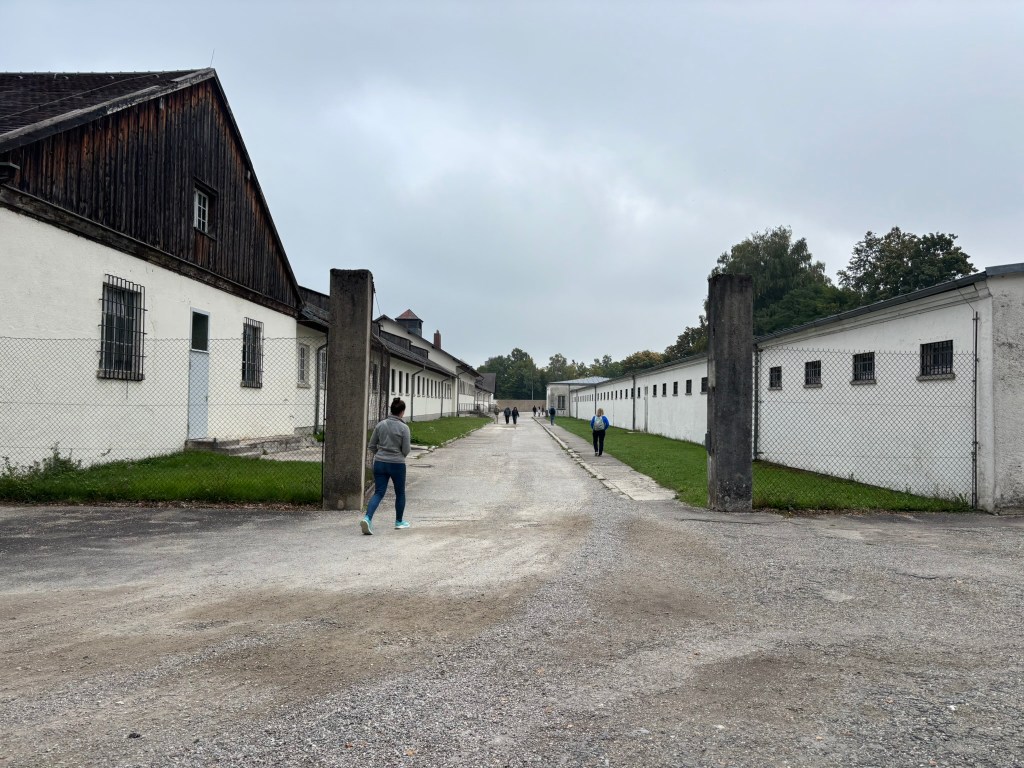
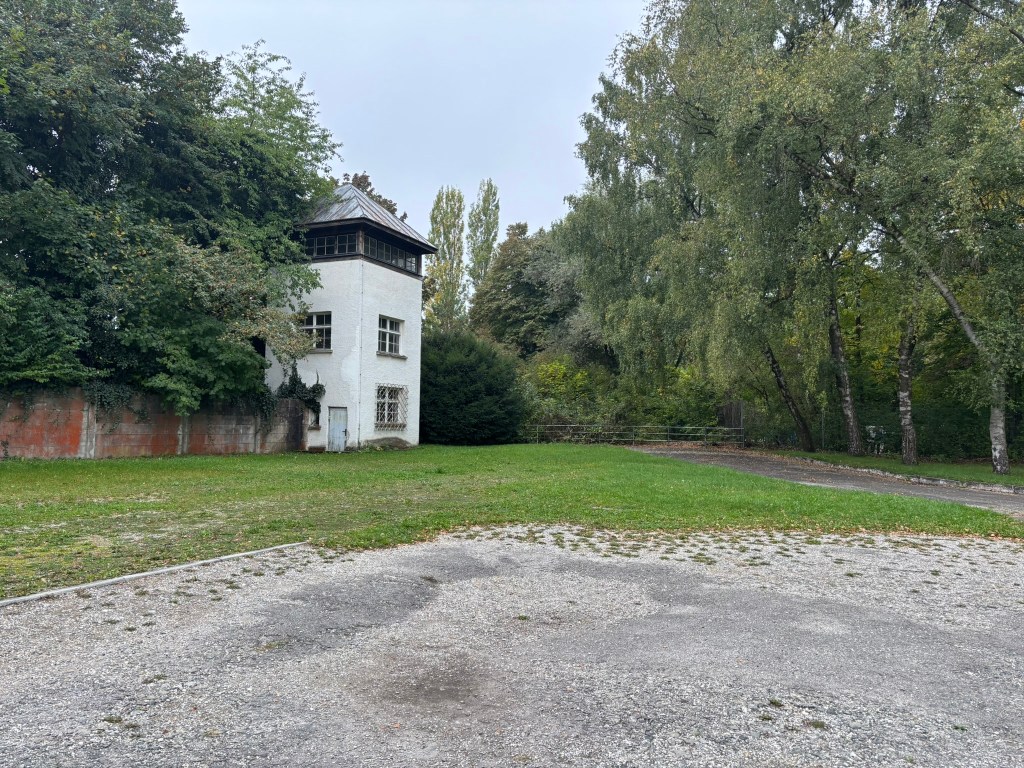
Now, I have been to one concentration camp before. In my visit to Poland during my year in Ireland, I visited Auschwitz. You can read about that experience at my Europe 2017 blog, linked here. I had a really complicated experience during my visit to Auschwitz because I’d been to Holocaust museums before, read multiple books from Holocaust survivors, and even had a classmate’s Holocaust-survivor-grandmother speak at my school in junior high. Growing up in Skokie, a suburb with a Jewish population so high that we have a Holocaust museum, I have been immensely aware of the horrors of the Holocaust for the majority of my life. But Auschwitz didn’t make me feel the same feelings I felt when visiting the museums. It made me feel apathetic and detached, which was scary. It looked just like any army barracks and training grounds, right up until you entered into the rooms of exhibits with books, shoes, and other confiscated items.
I didn’t have that problem at all at Dachau. From the moment I stepped onto the grounds, I got those discomforting tingles throughout my body that told me I was deeply feeling the impact of the history of this place.


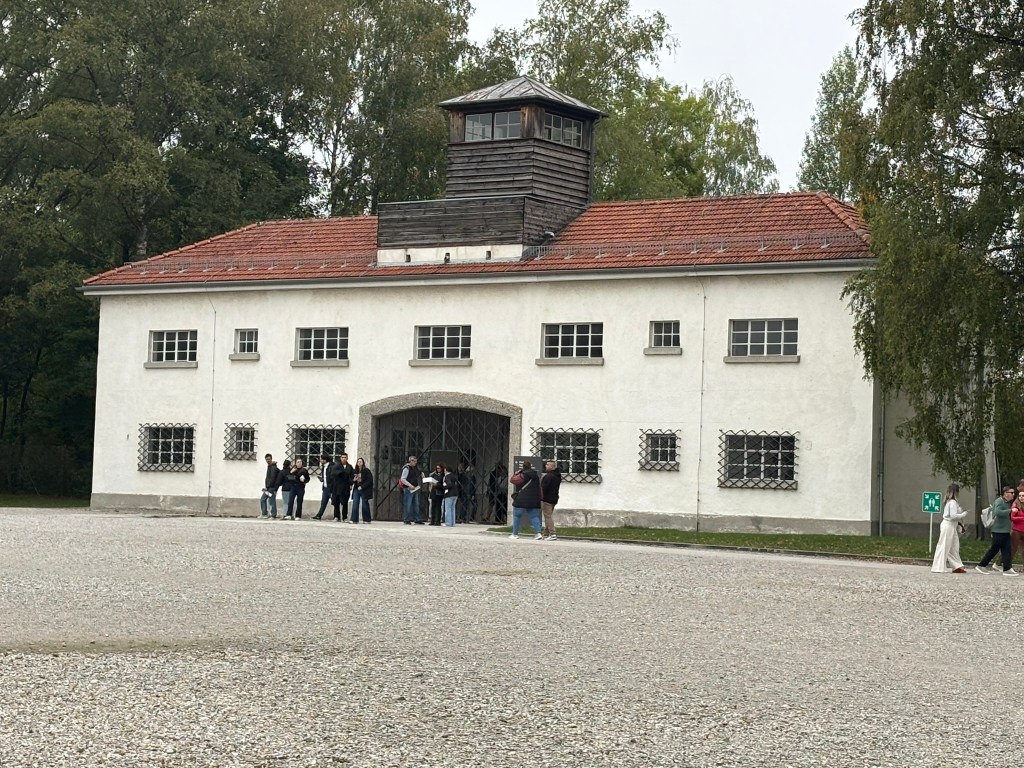
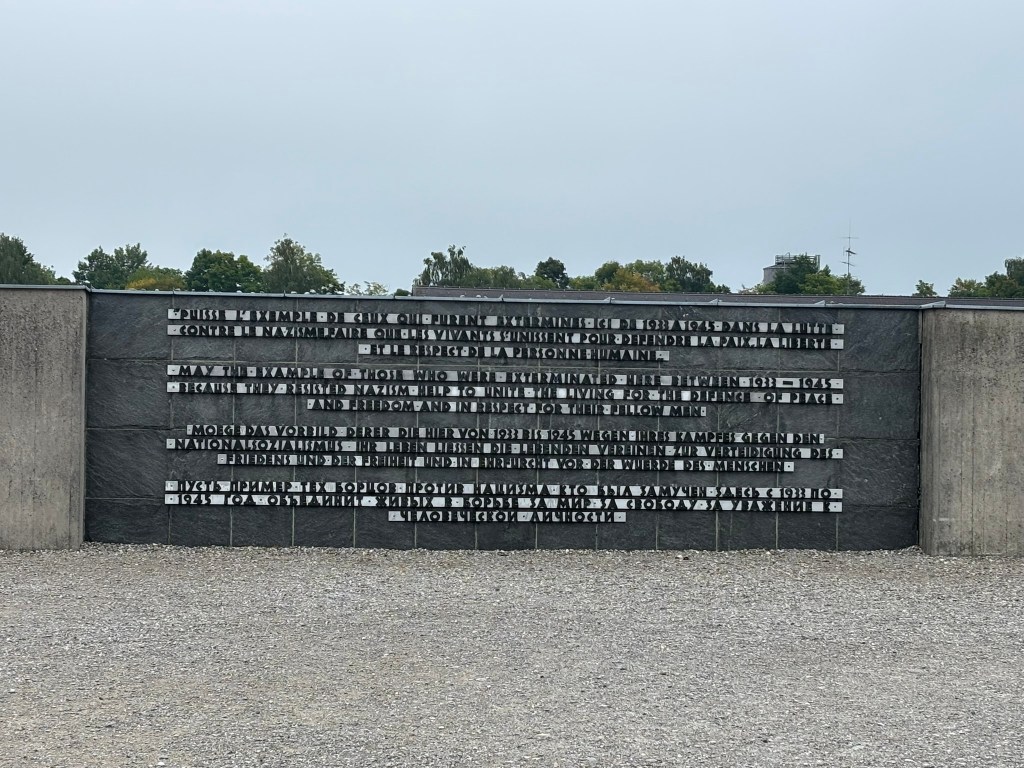
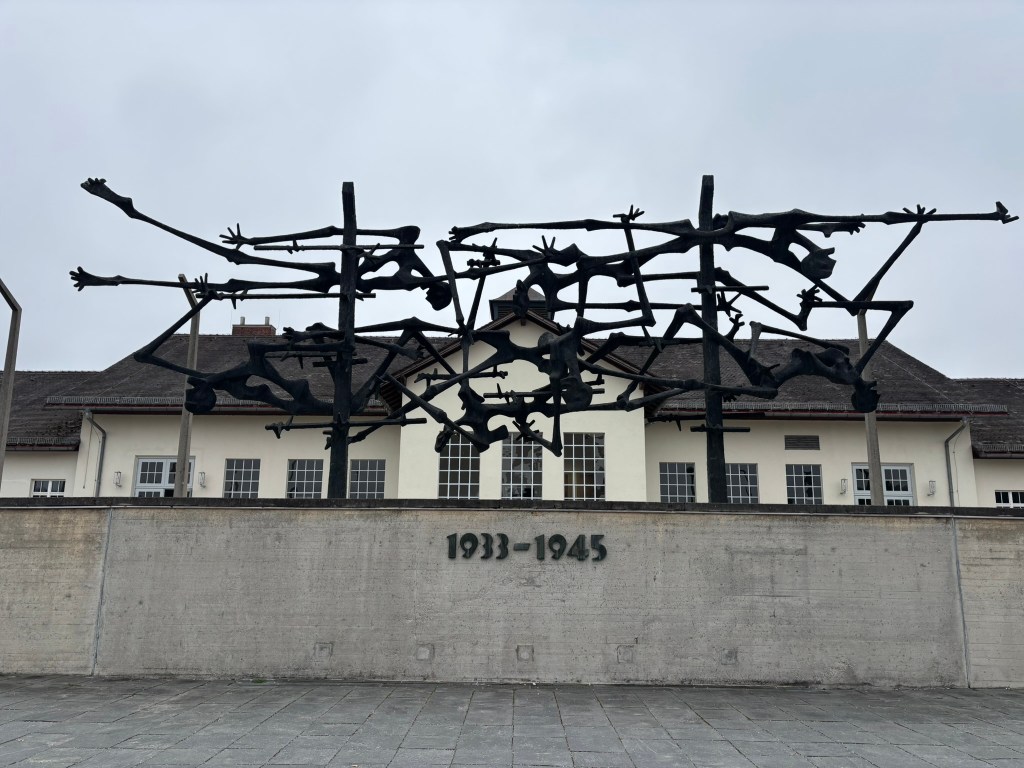
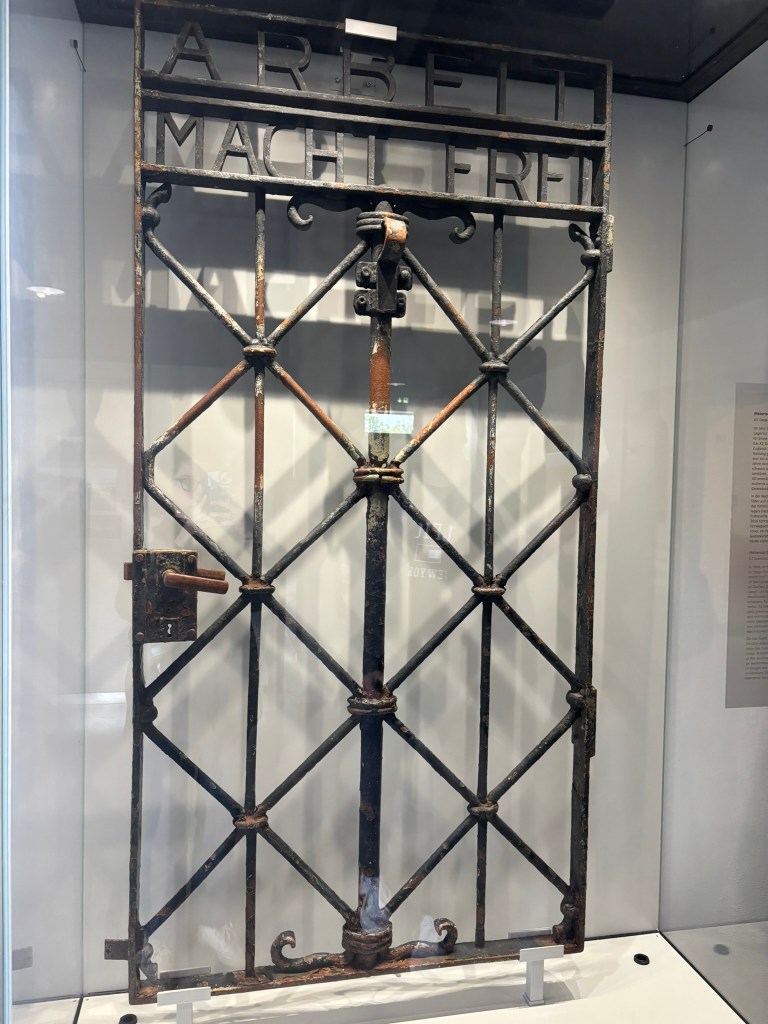
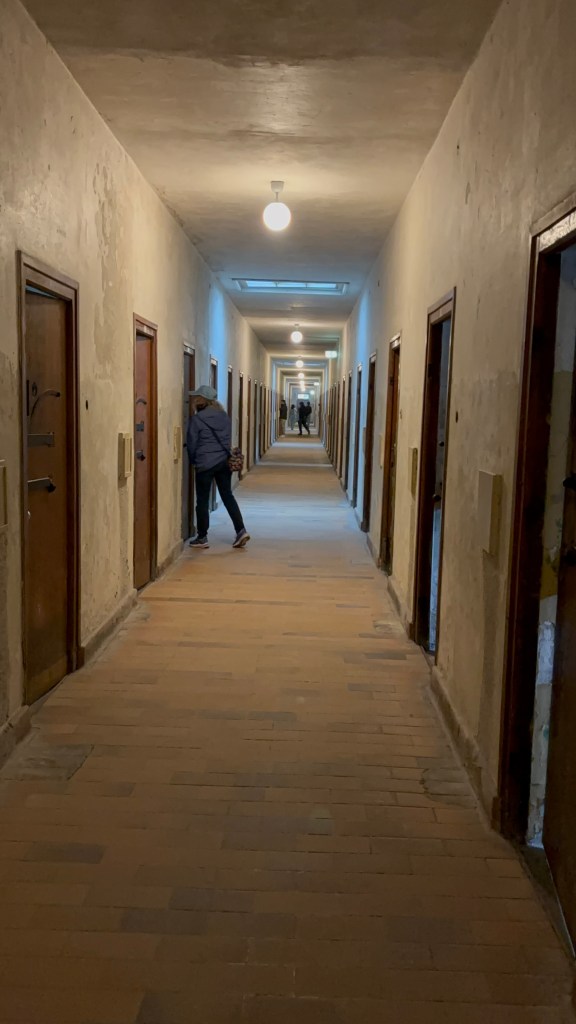
We first wandered through the holding cells, where special prisoners were held. We walked up and down the rows, reading about some of the people who had been there and some of the torture methods they’d endured.
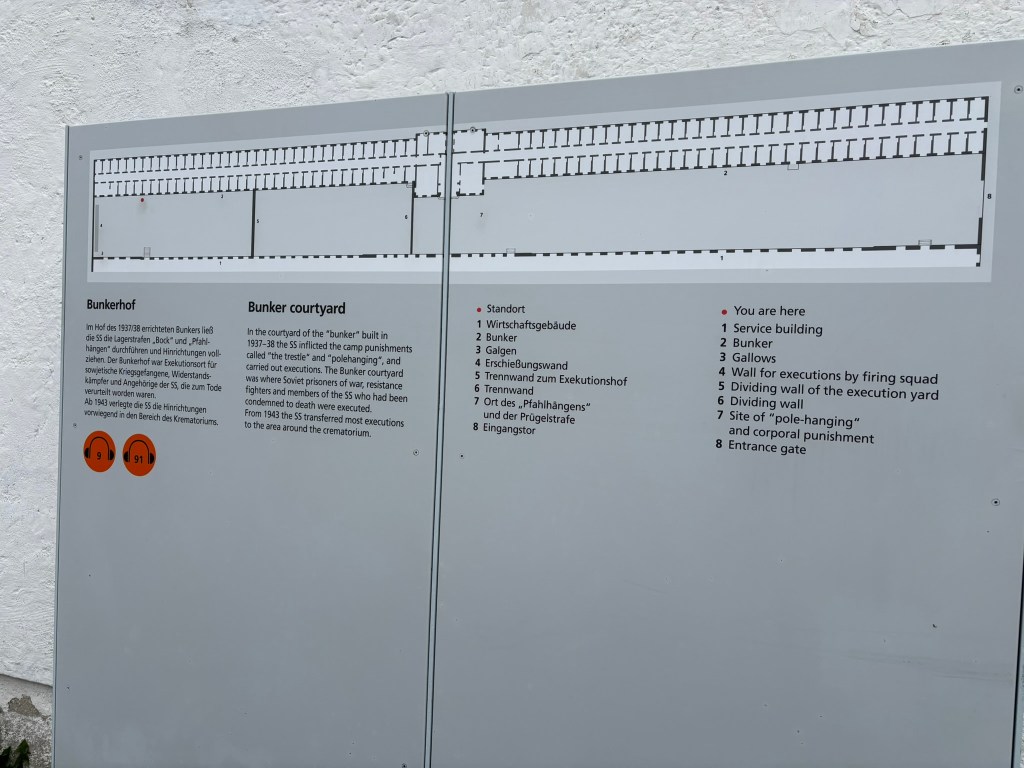
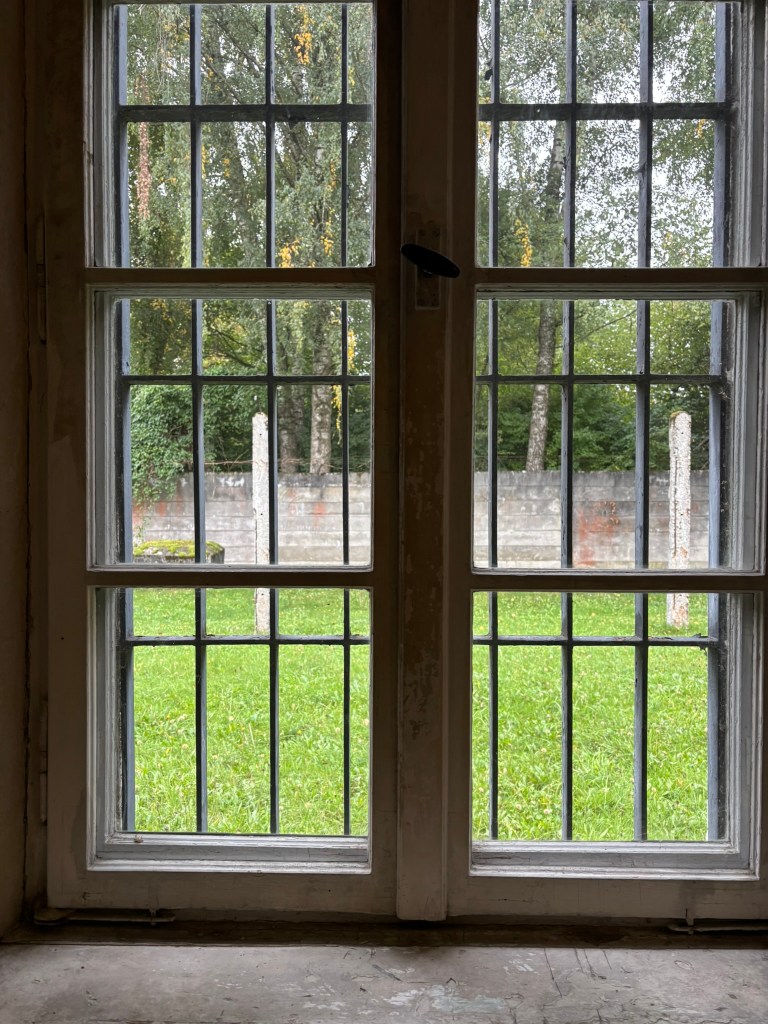
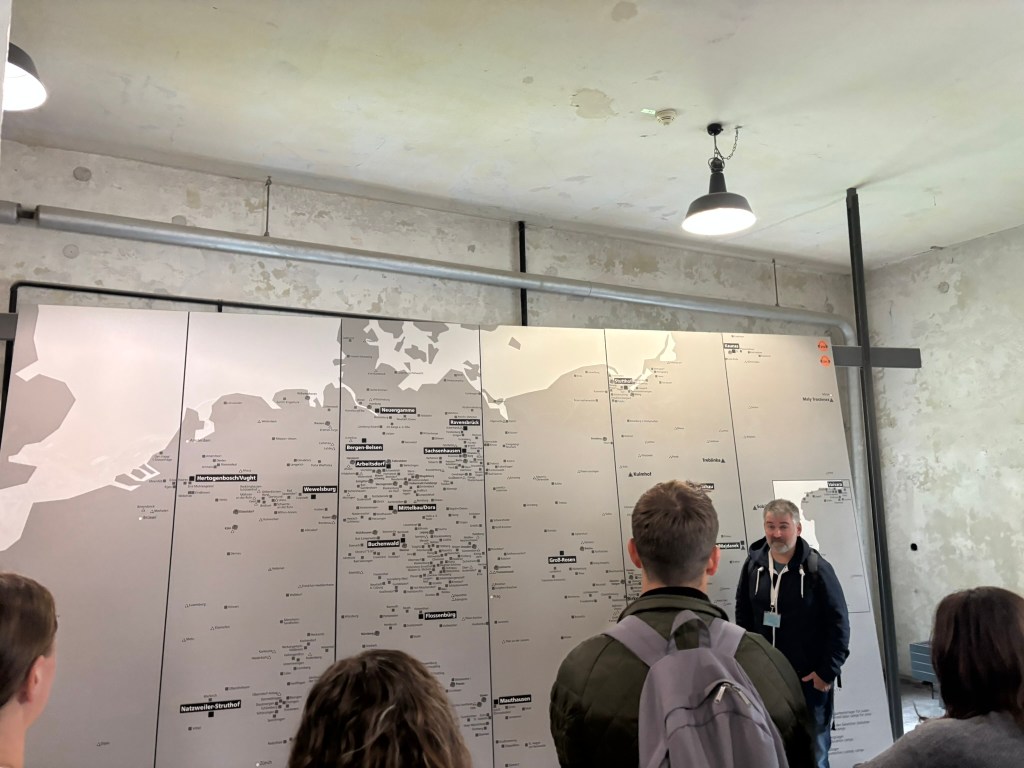
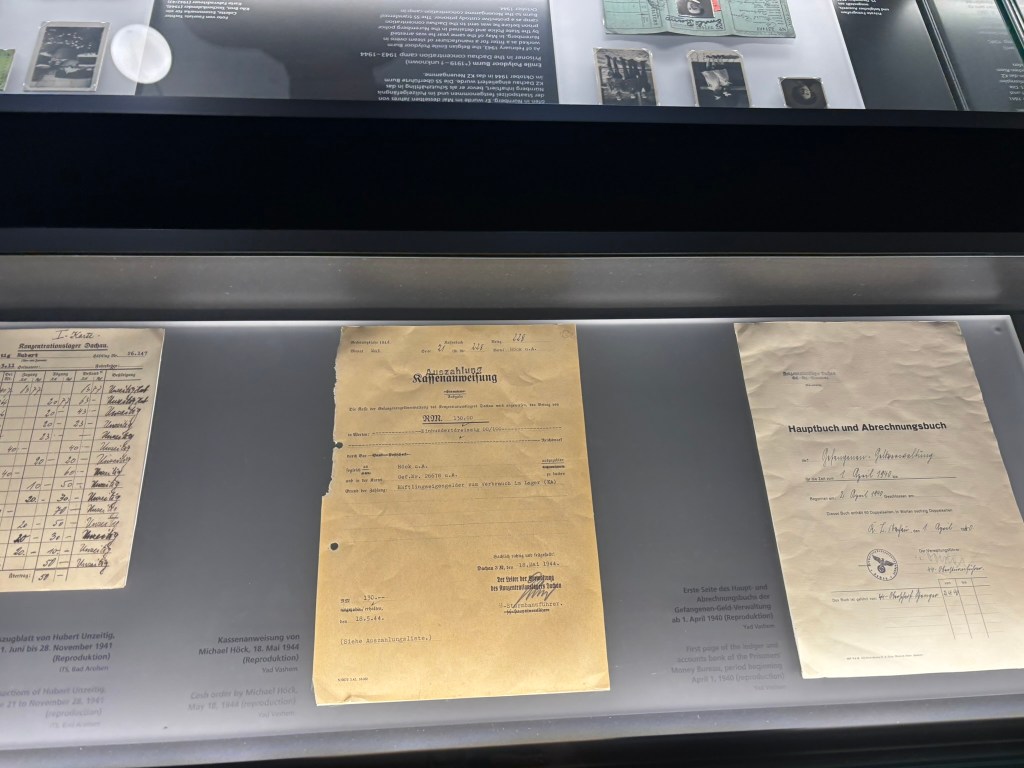
Next, we visited the main administrative building, where the museum portion of the site was held. The building held timelines and artifacts, and I was reminded of a lot of things I already knew, but I also learned some new things, such as the existence of the extension camps scattered around the surrounding areas.
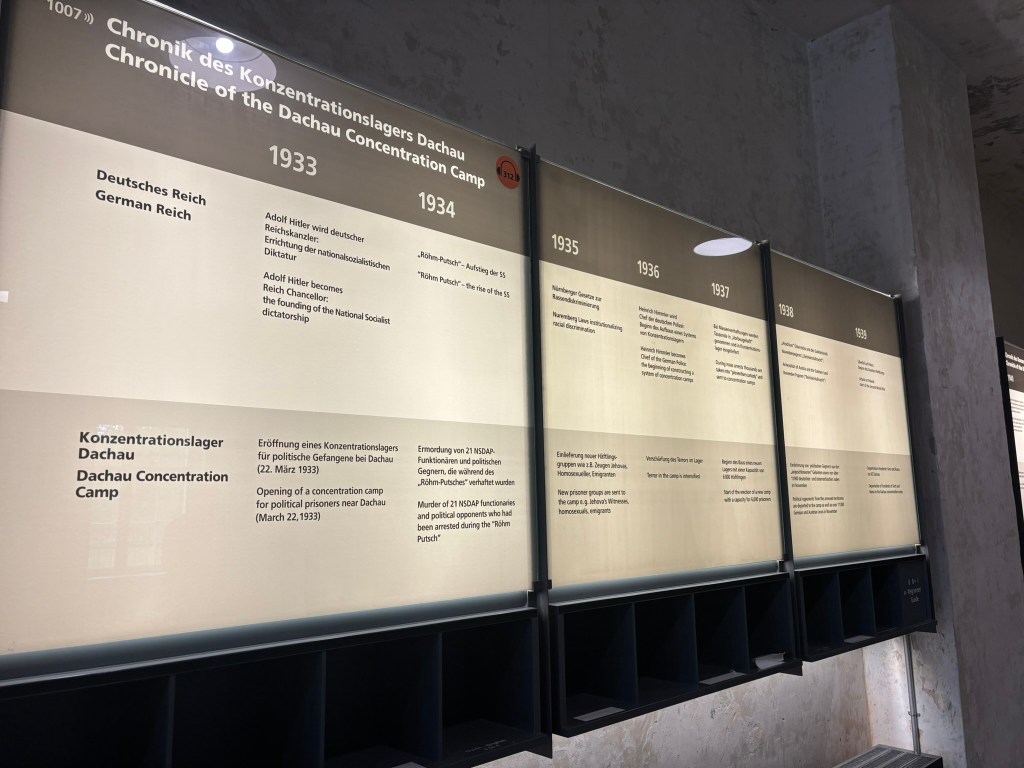
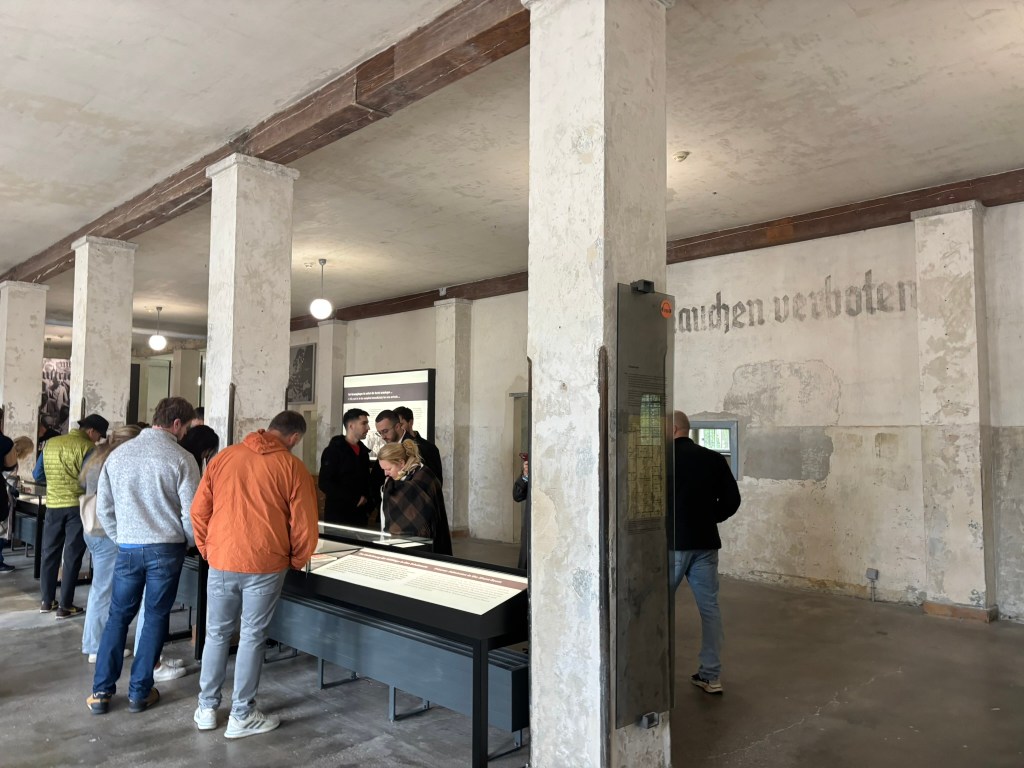

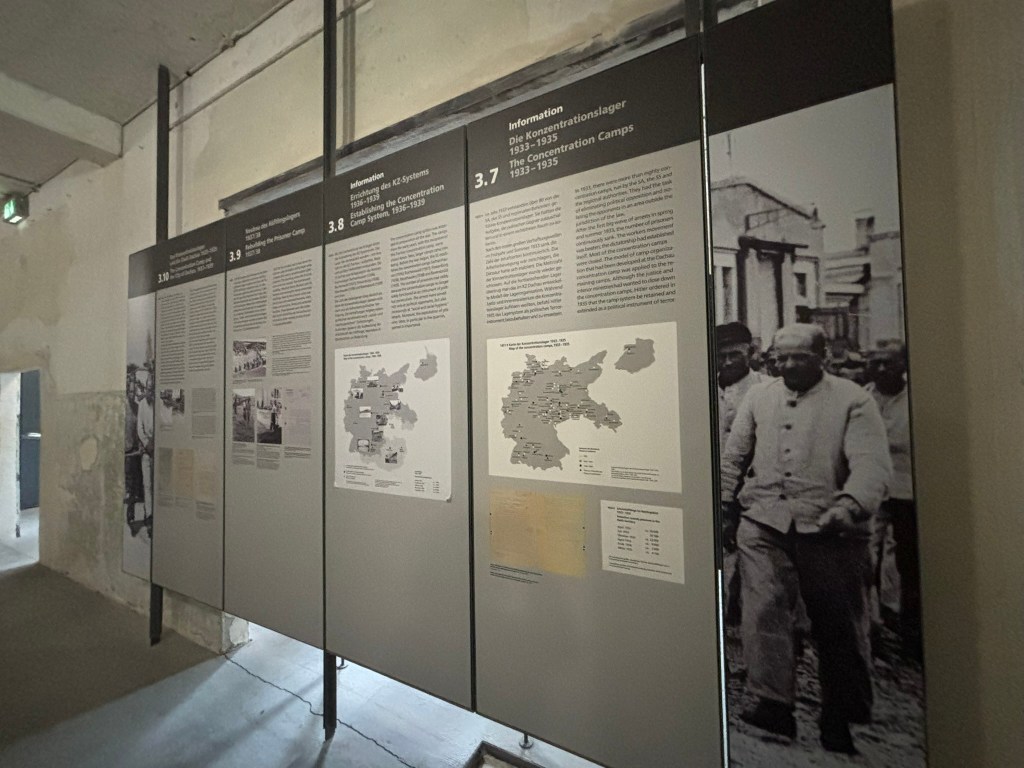

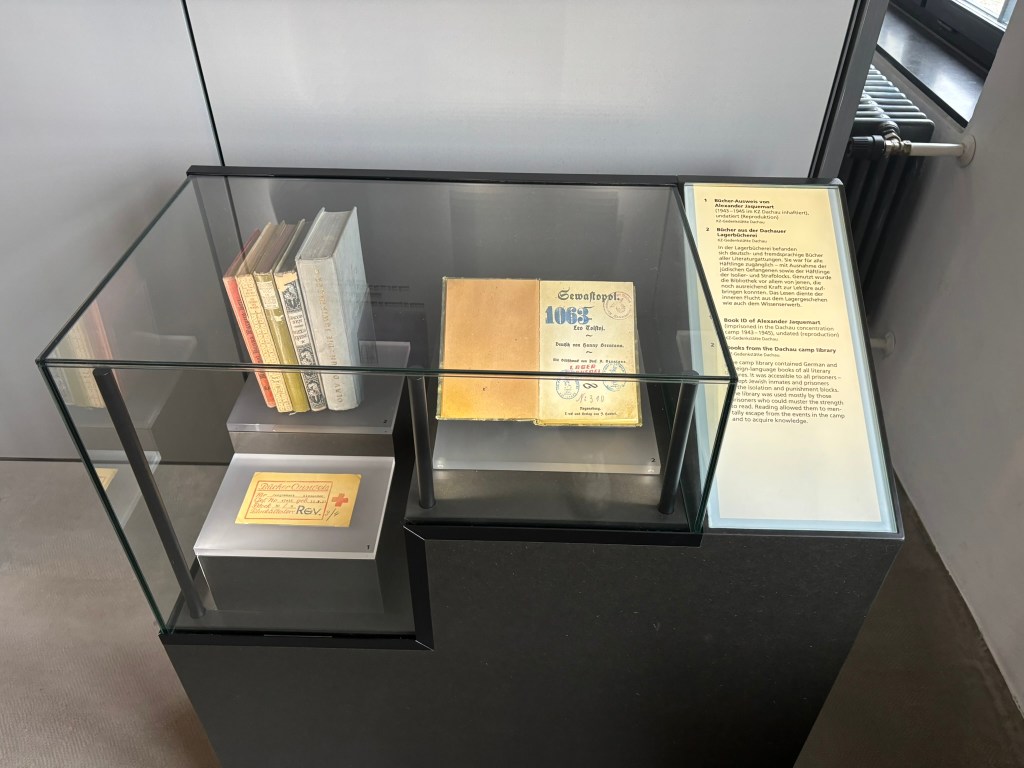
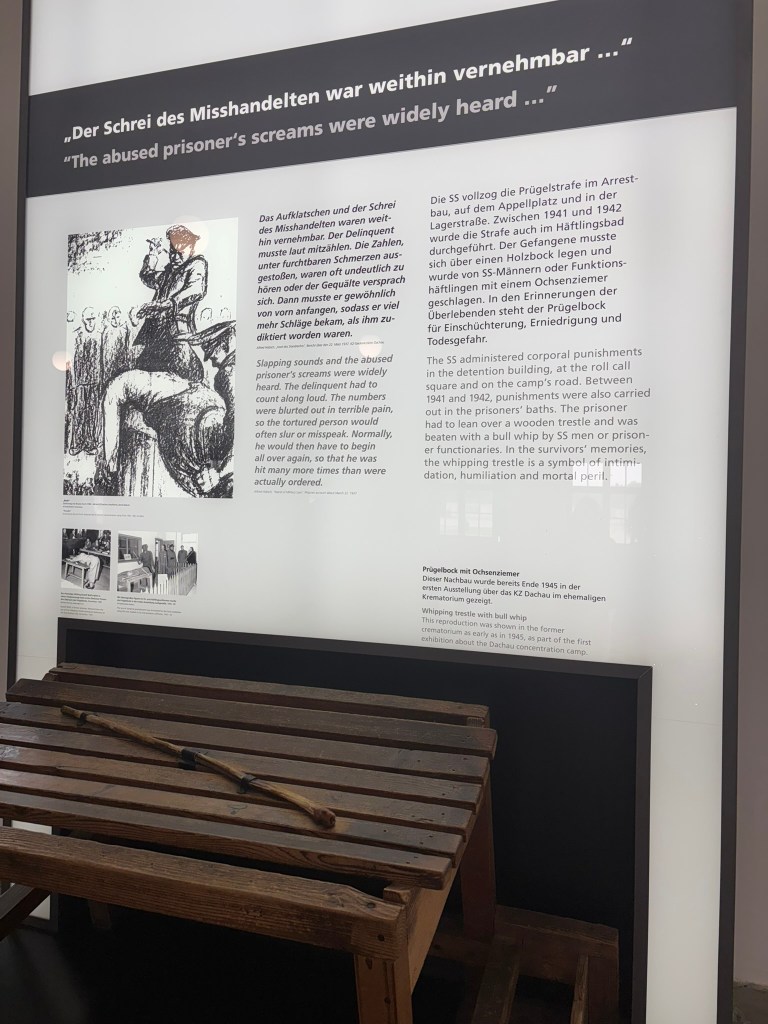
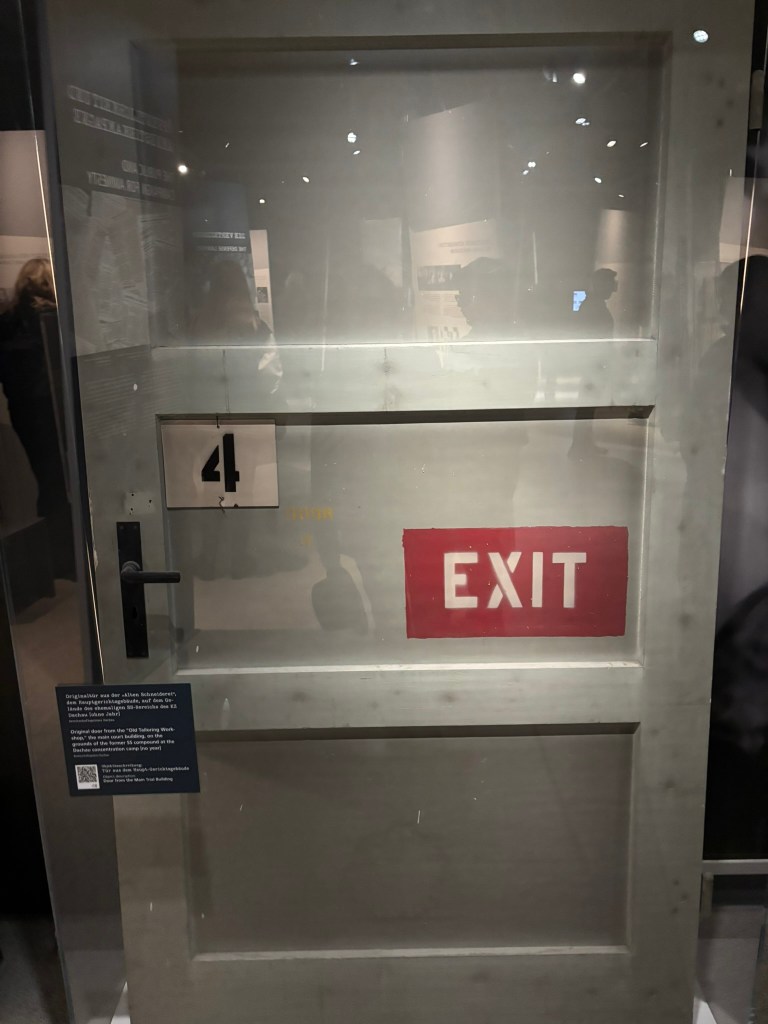

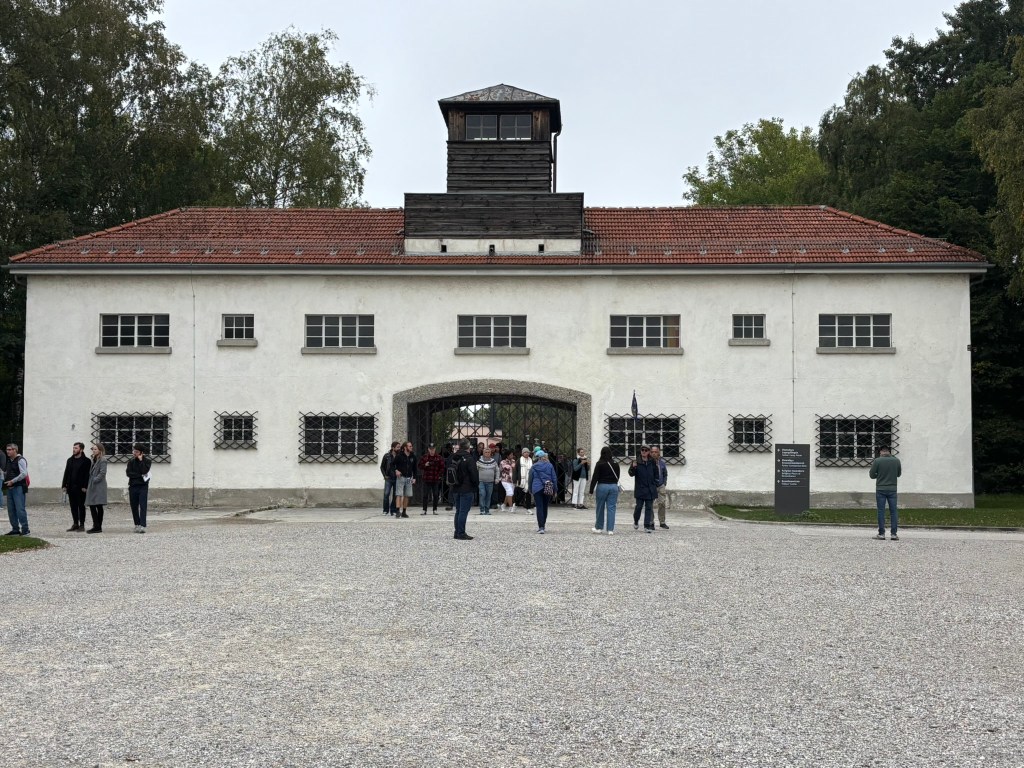

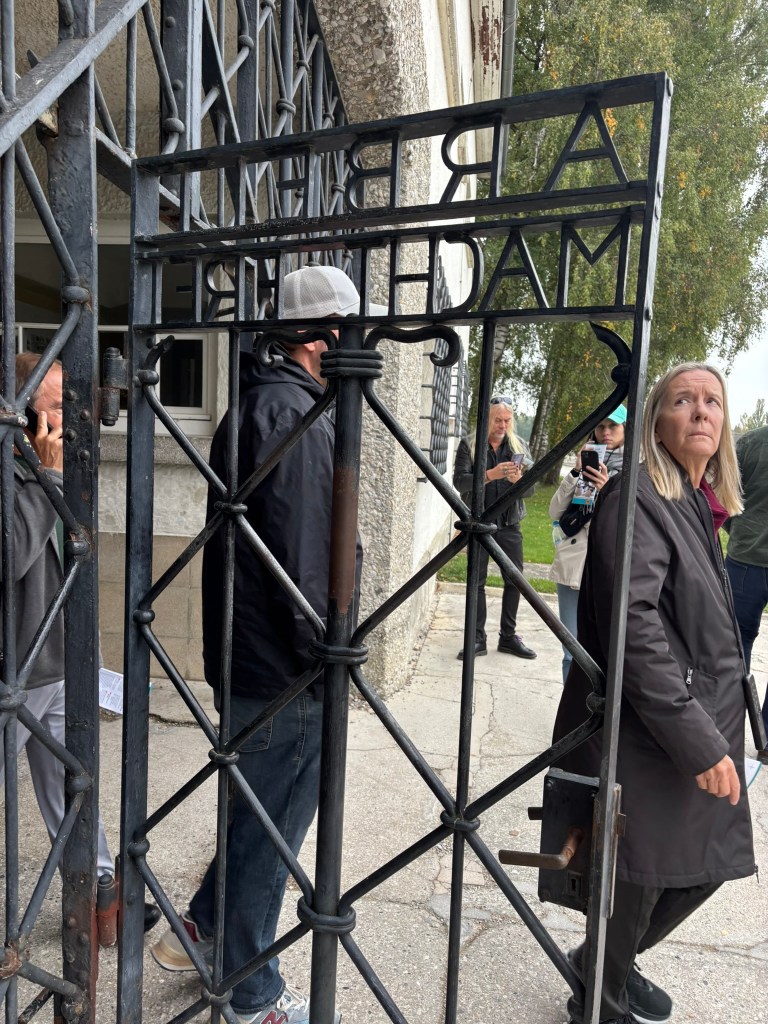
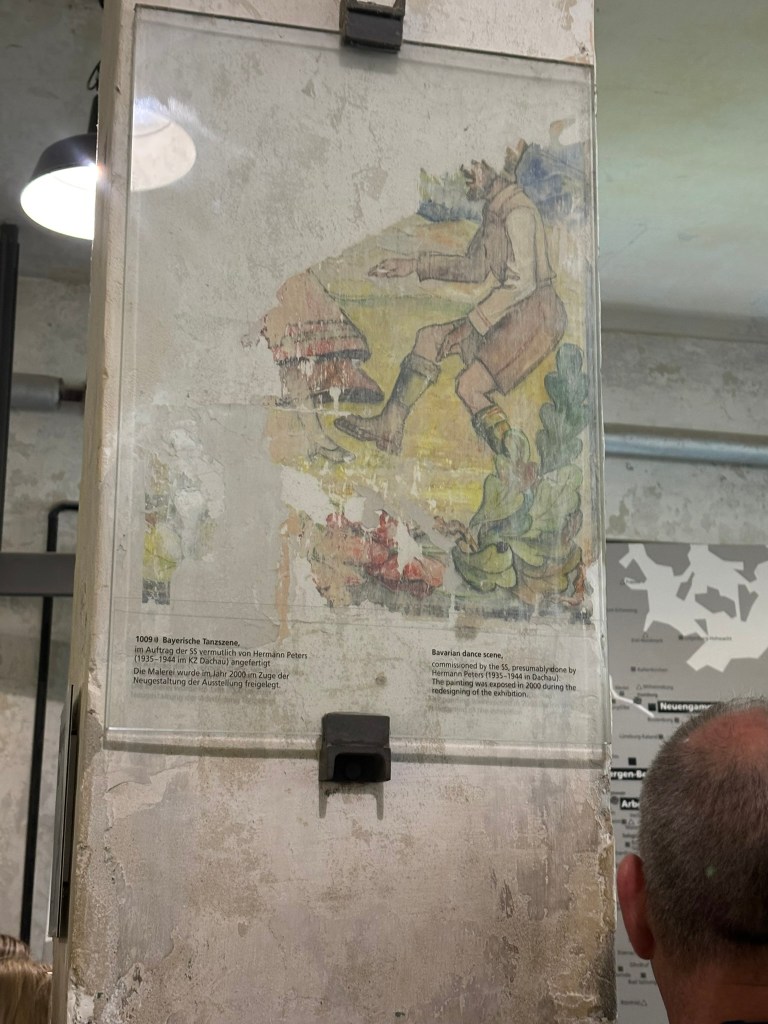
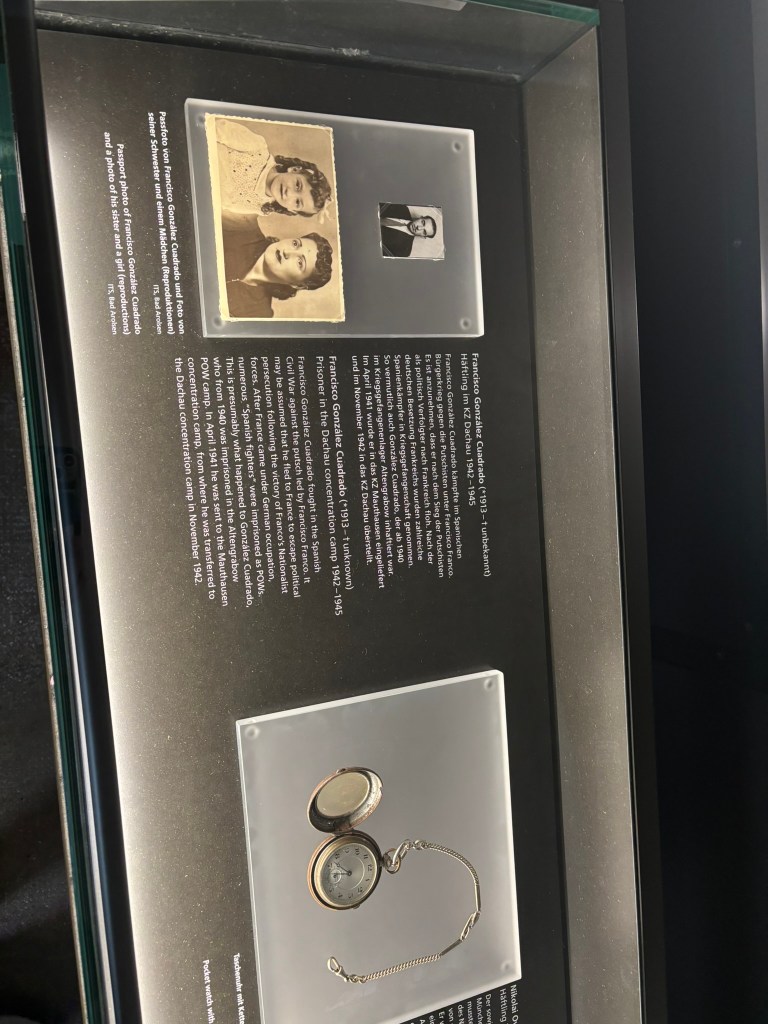
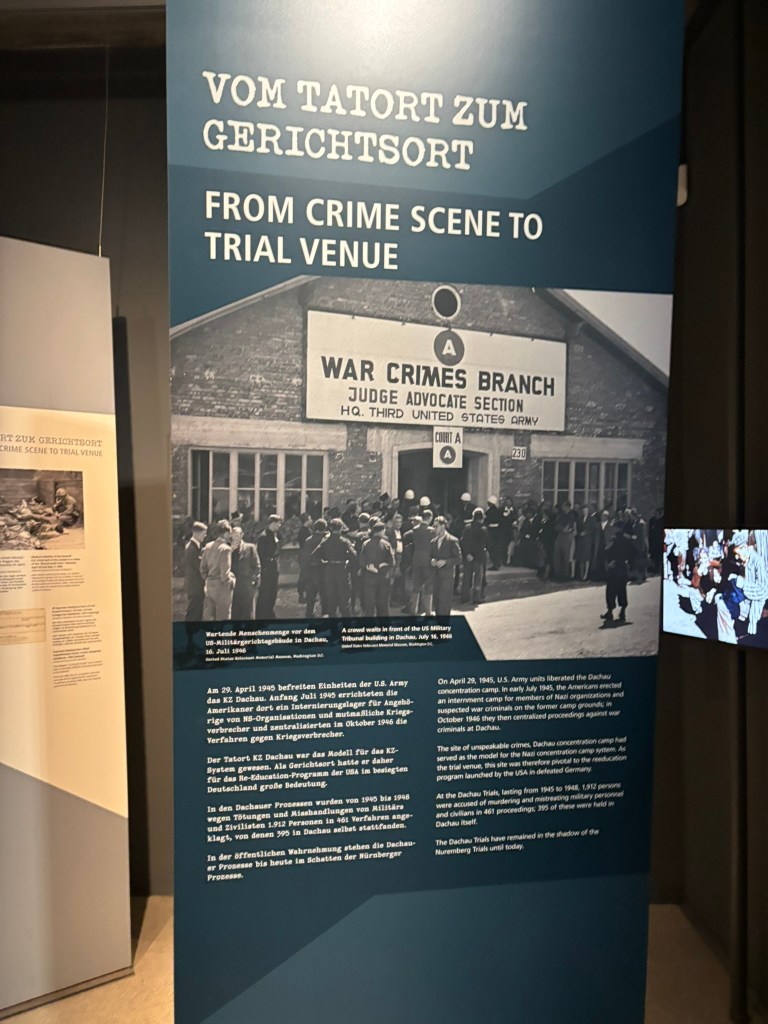
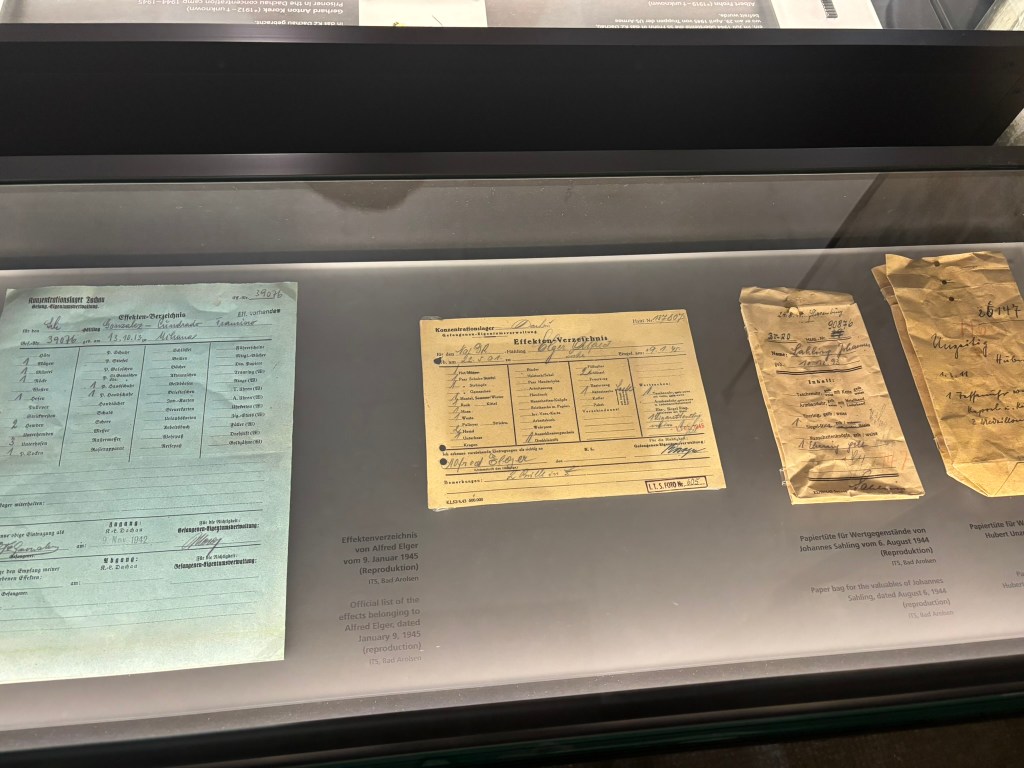
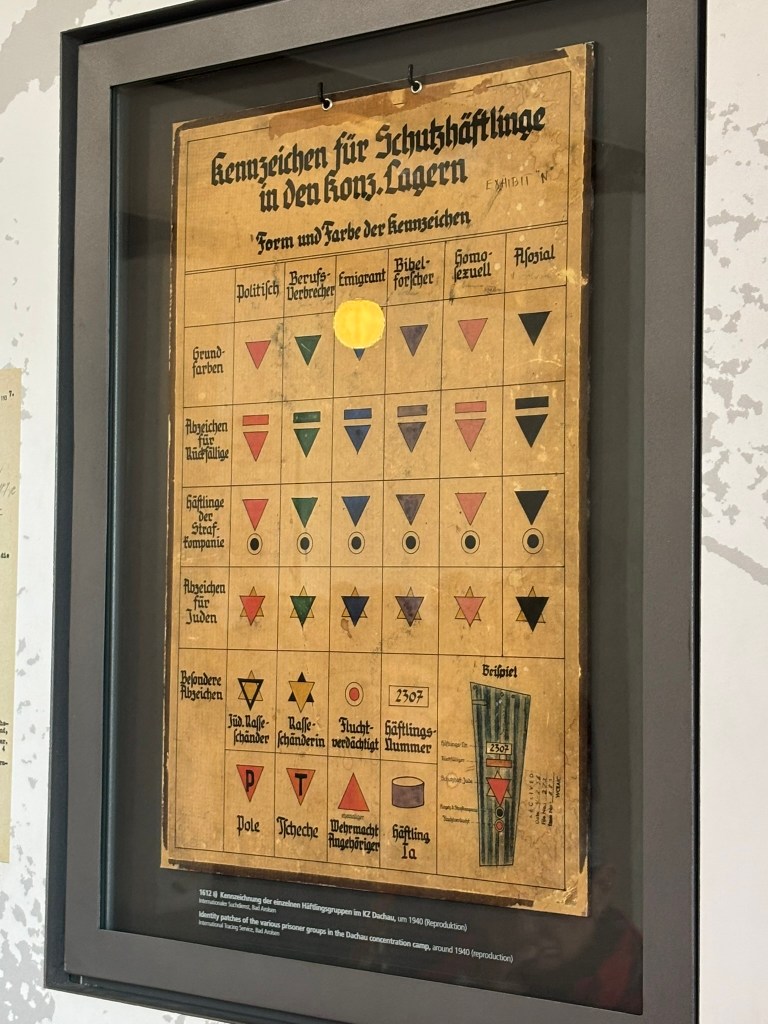
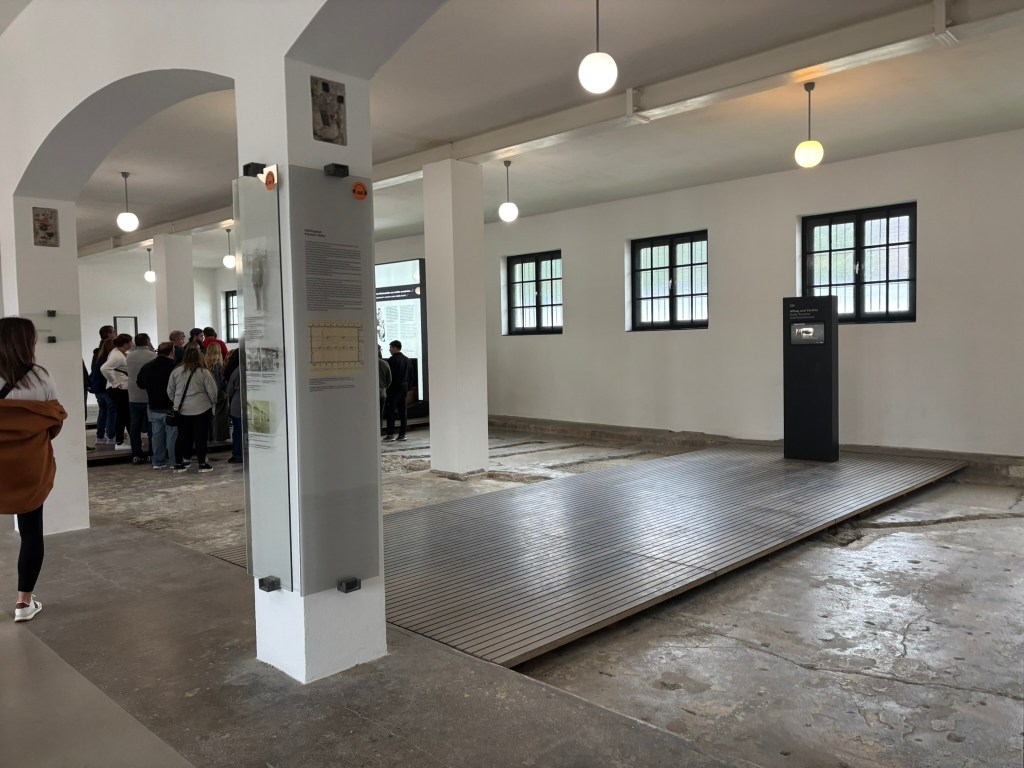
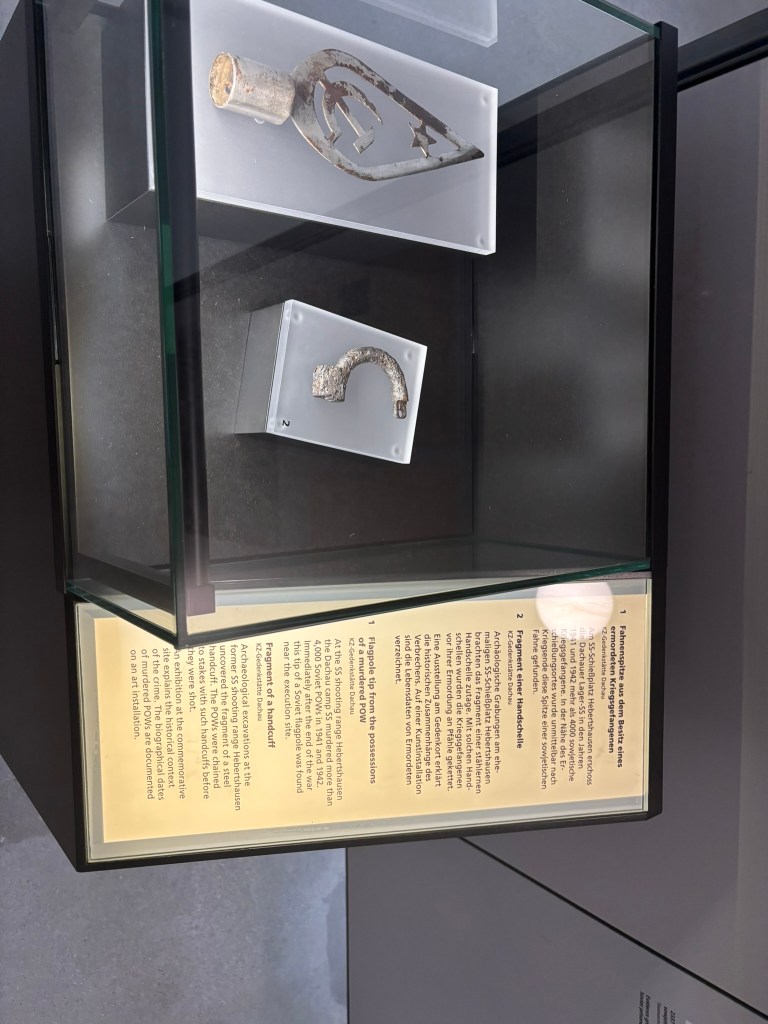
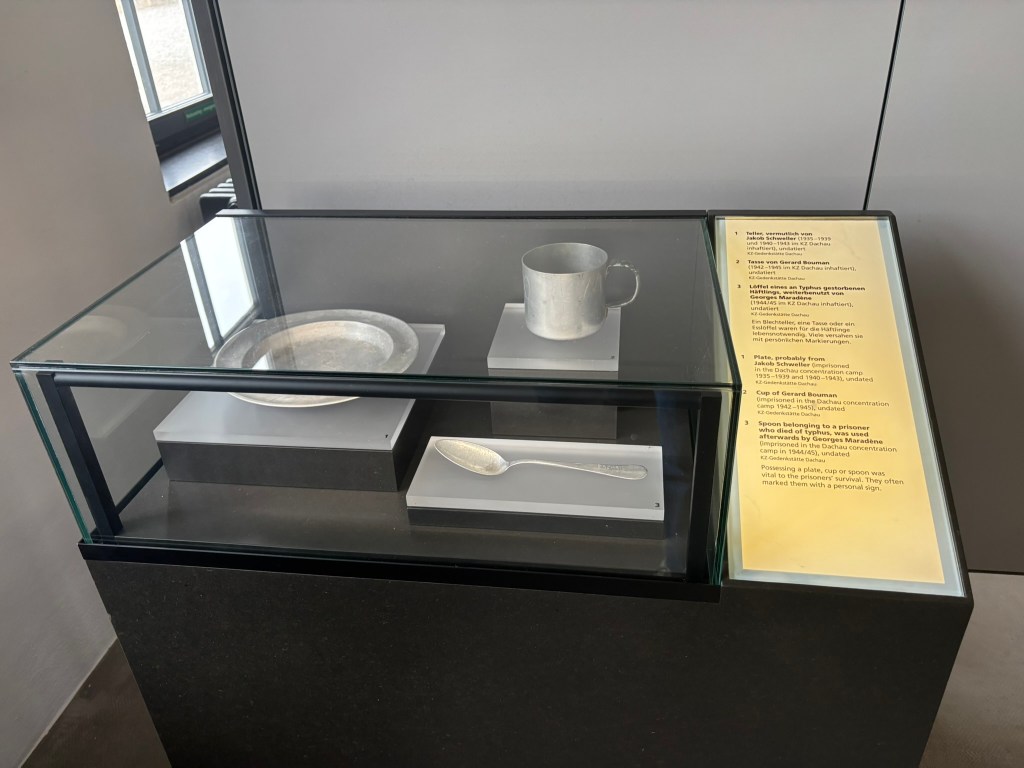
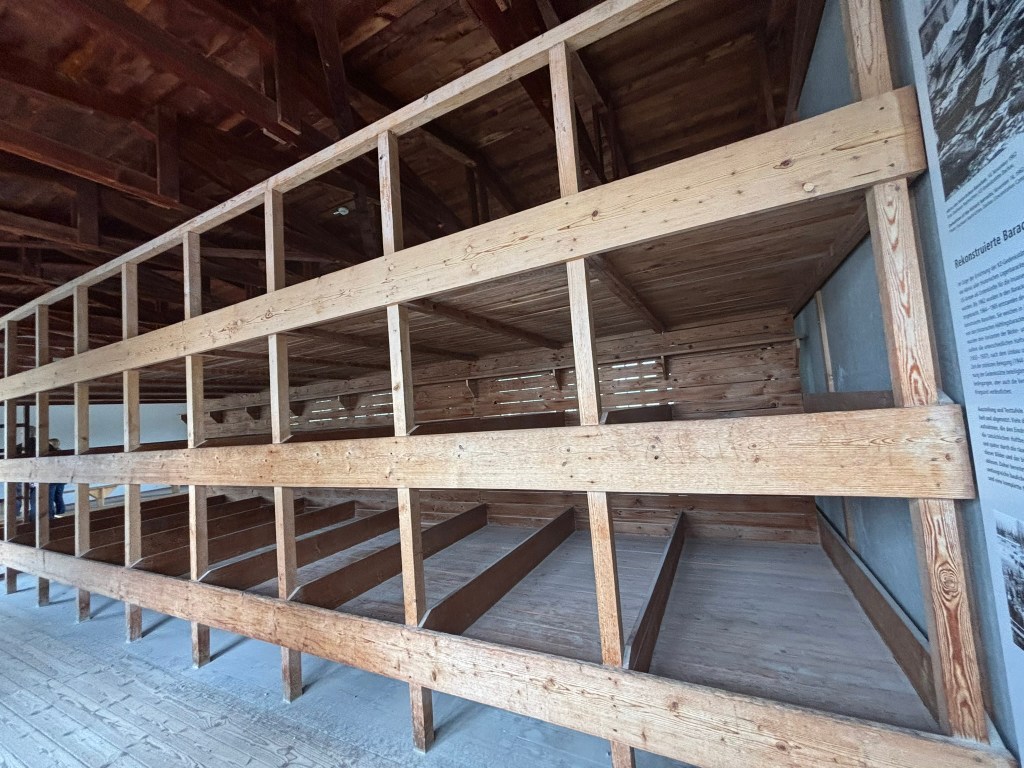
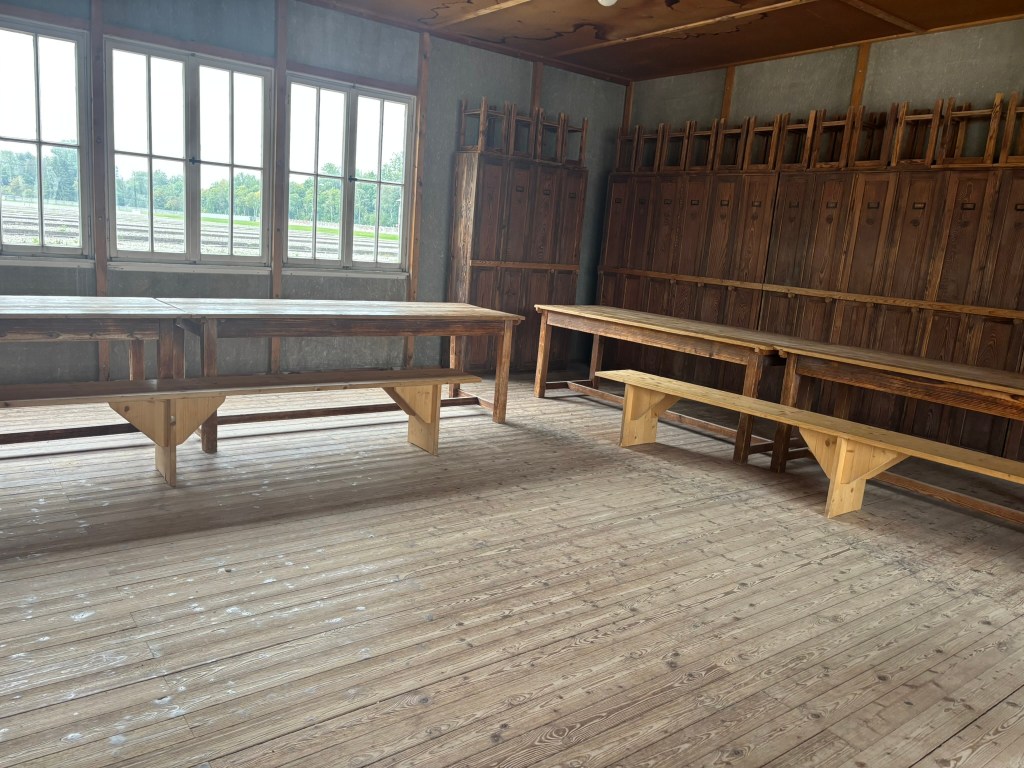
We walked through recreations of the bunks in which prisoners lived, originally destroyed after the post-war army occupation. The recreation gave us a sense of what it was like to live in such tight quarters.
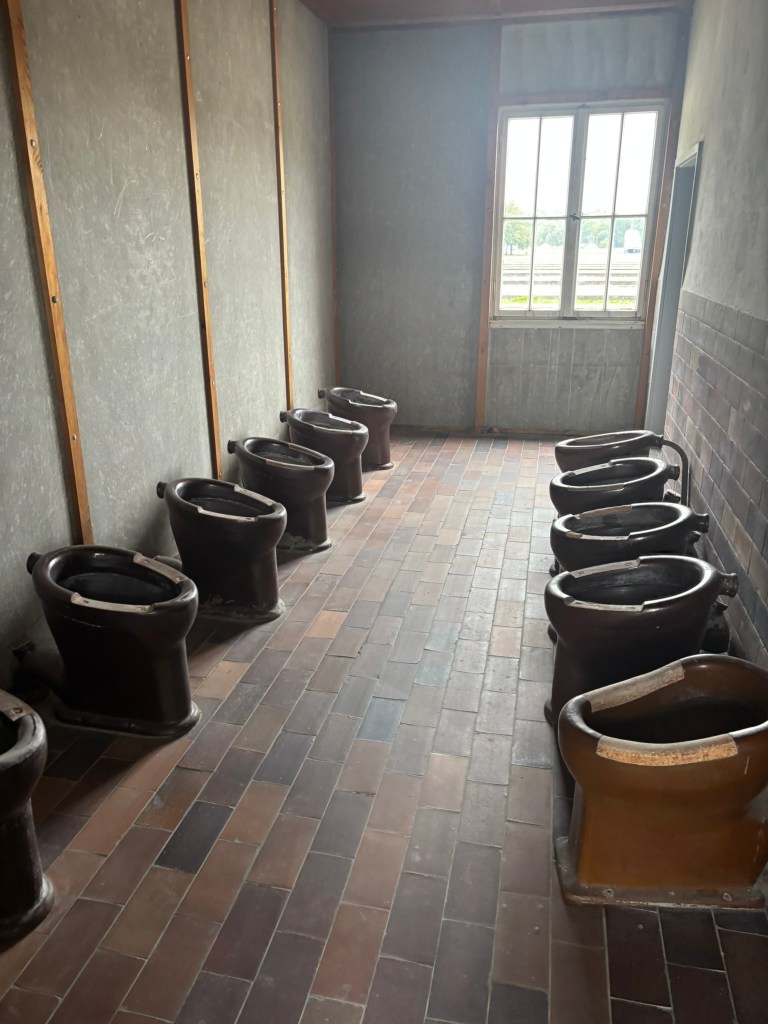

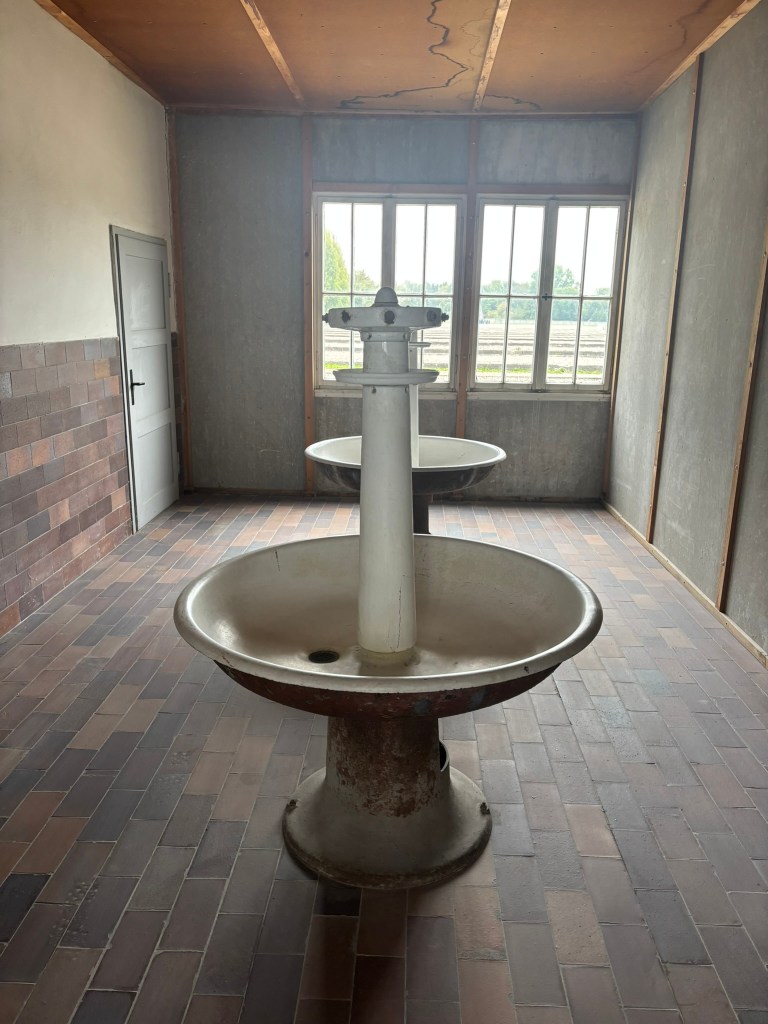
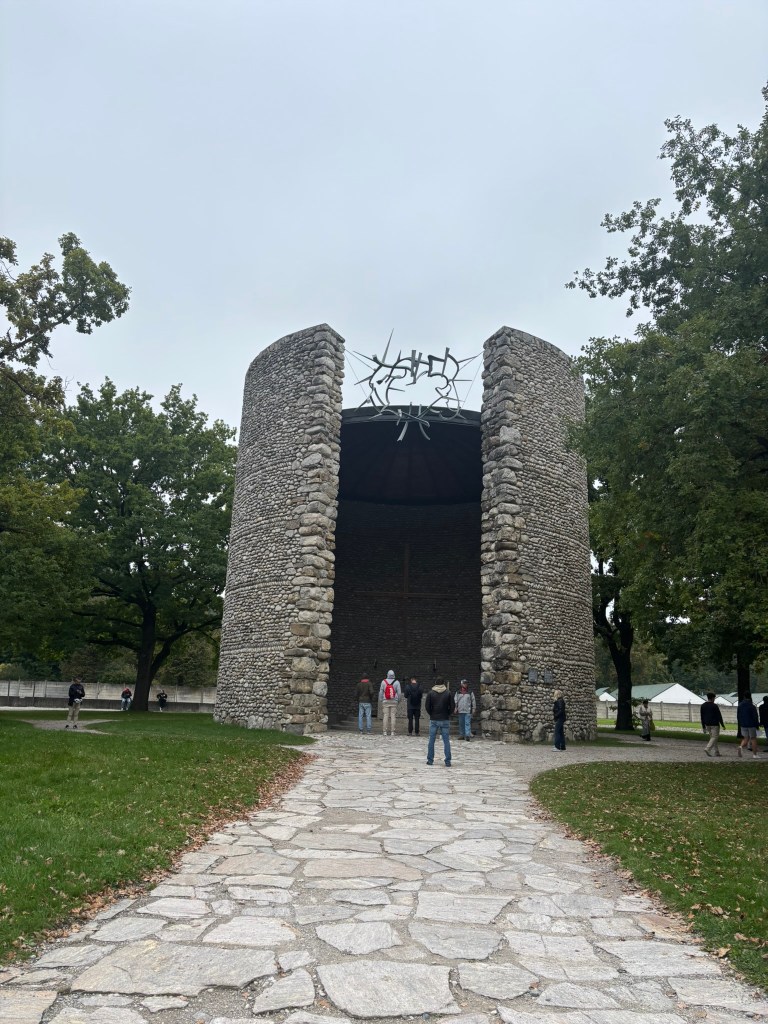
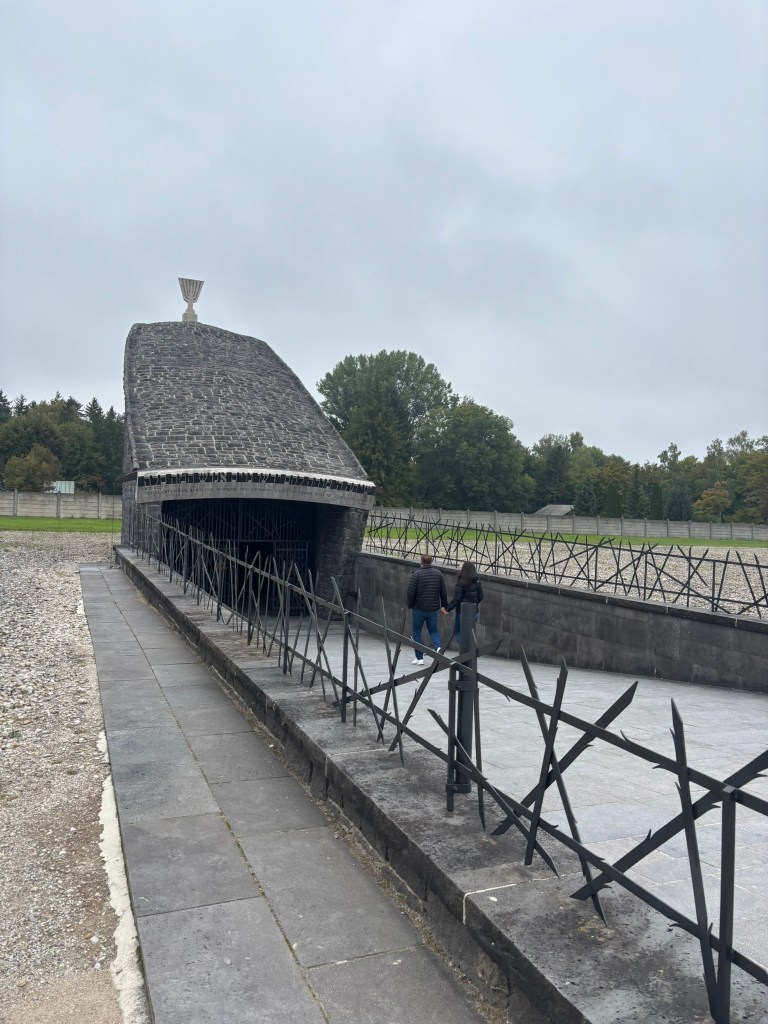
We walked down the length of the site, passing the rows where the bunk buildings used to be. We reached the end of the path and visited a few religious sites that had been built there as a tribute to those who had died and as a space for visitors, no matter their religion, to properly grieve.

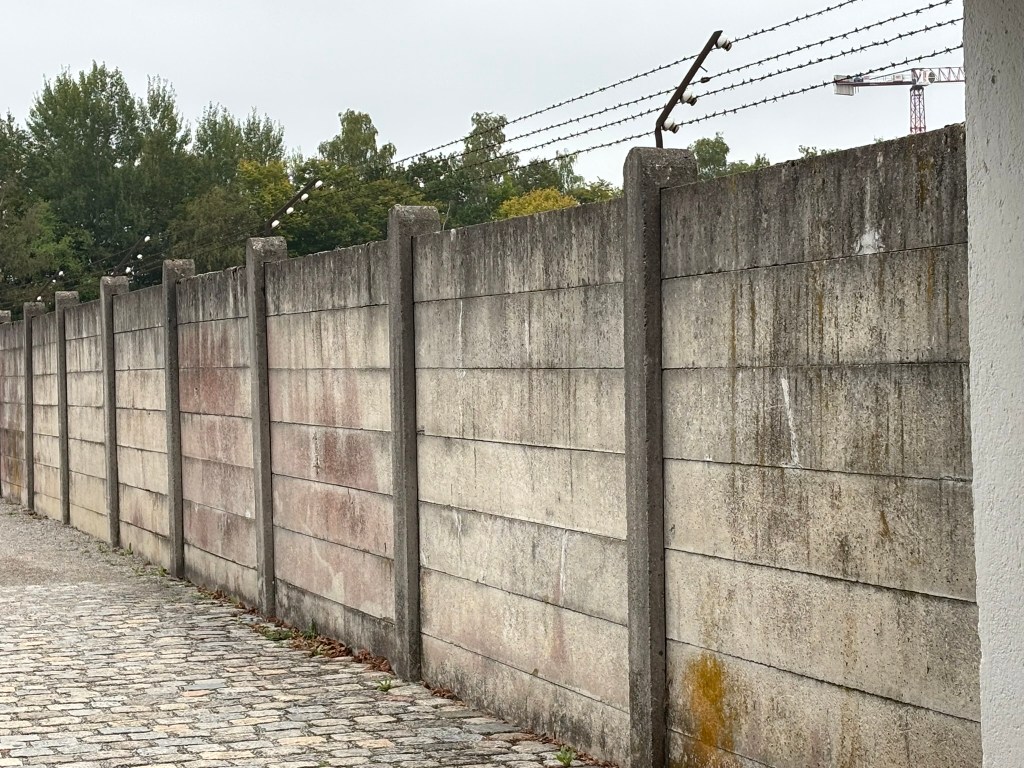

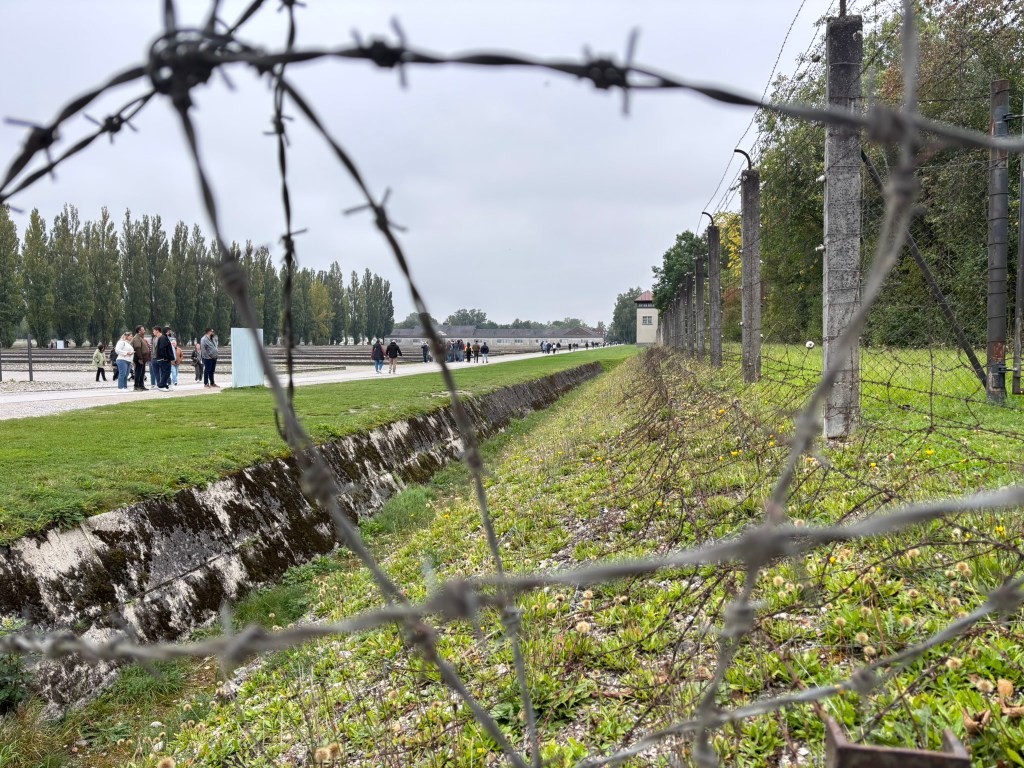
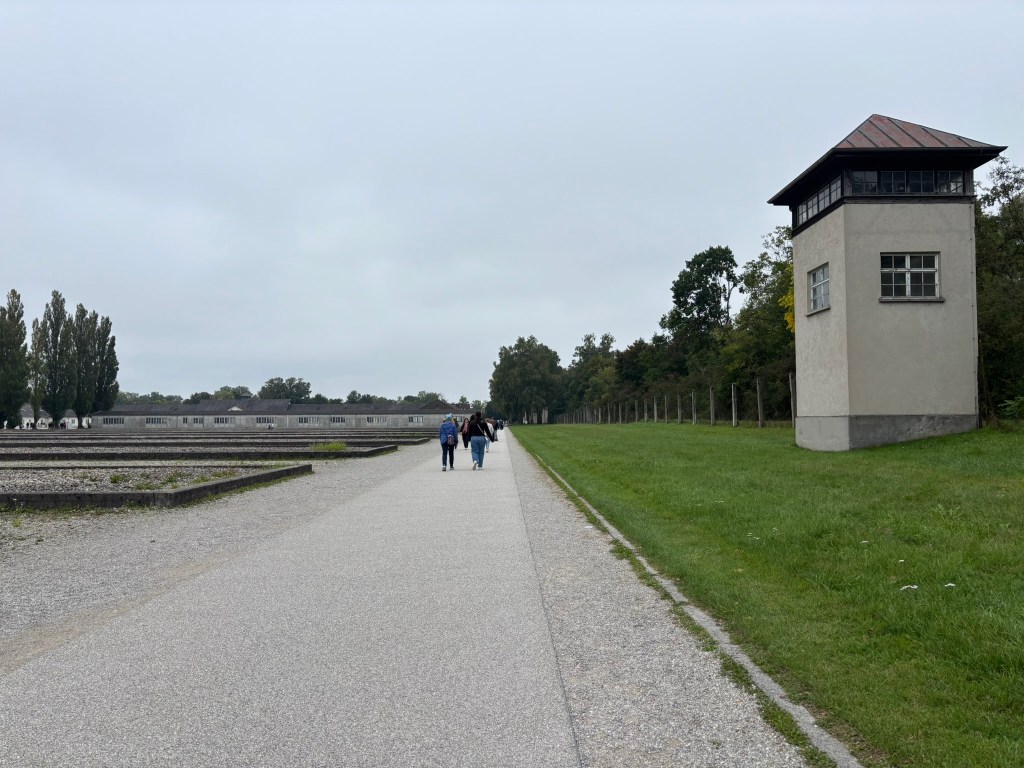
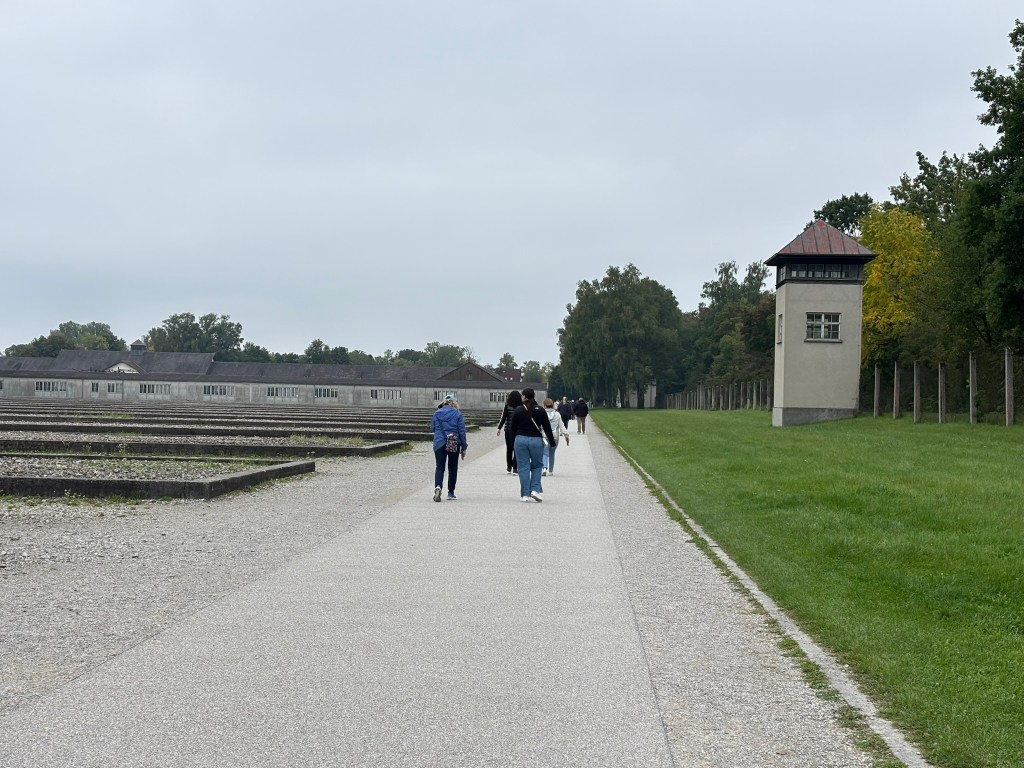
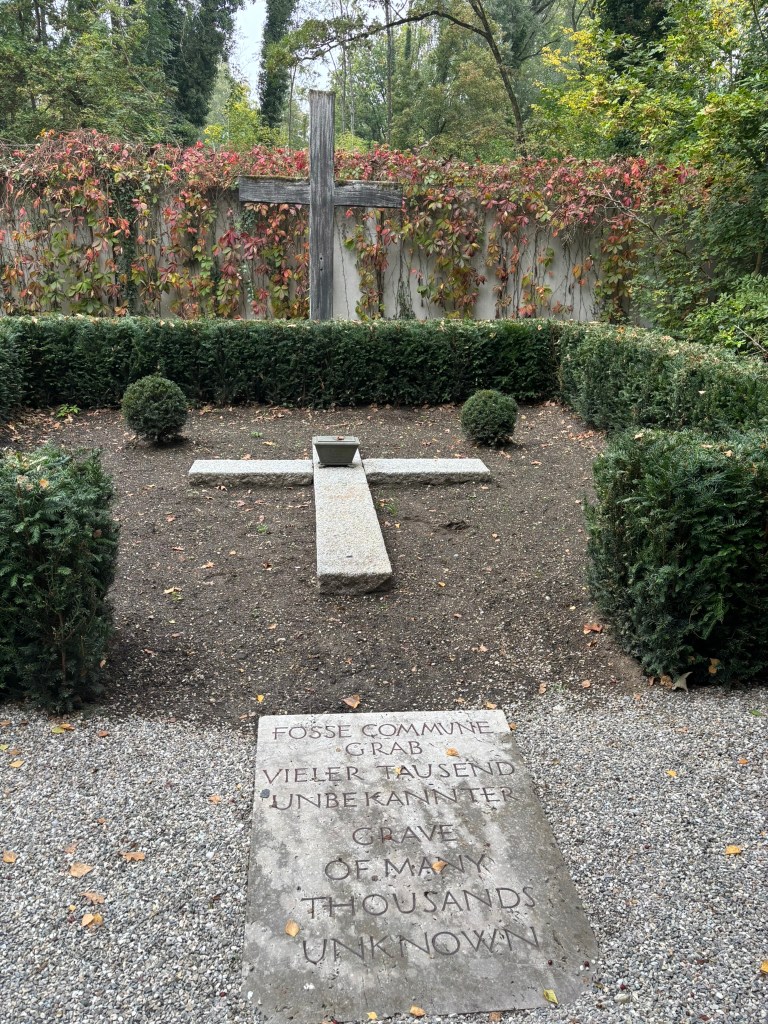
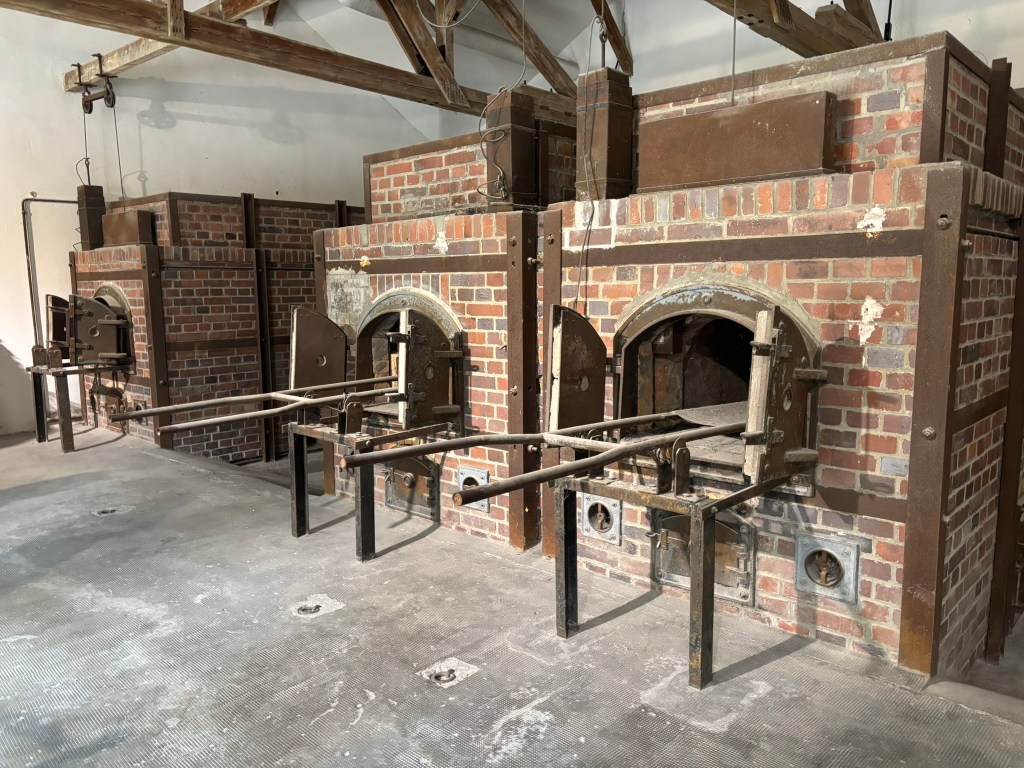
The last major thing we saw was the crematorium. It was set off to the side, and the area surrounding the building itself was littered with memorials acknowledging the spaces where ashes had been dumped. There were memorials for all the religions that had been imprisoned at the camp. There was also a tomb of the unknown prisoner, holding a statue with the inscription “to honor the death, to warn the living” on its pedestal. It was sobering, walking through what looked like regular woods near a house, and seeing signs about this small ditch being used to catch blood or this patch of flowers being where they’d unceremoniously thrown the ashes of thousands of people.
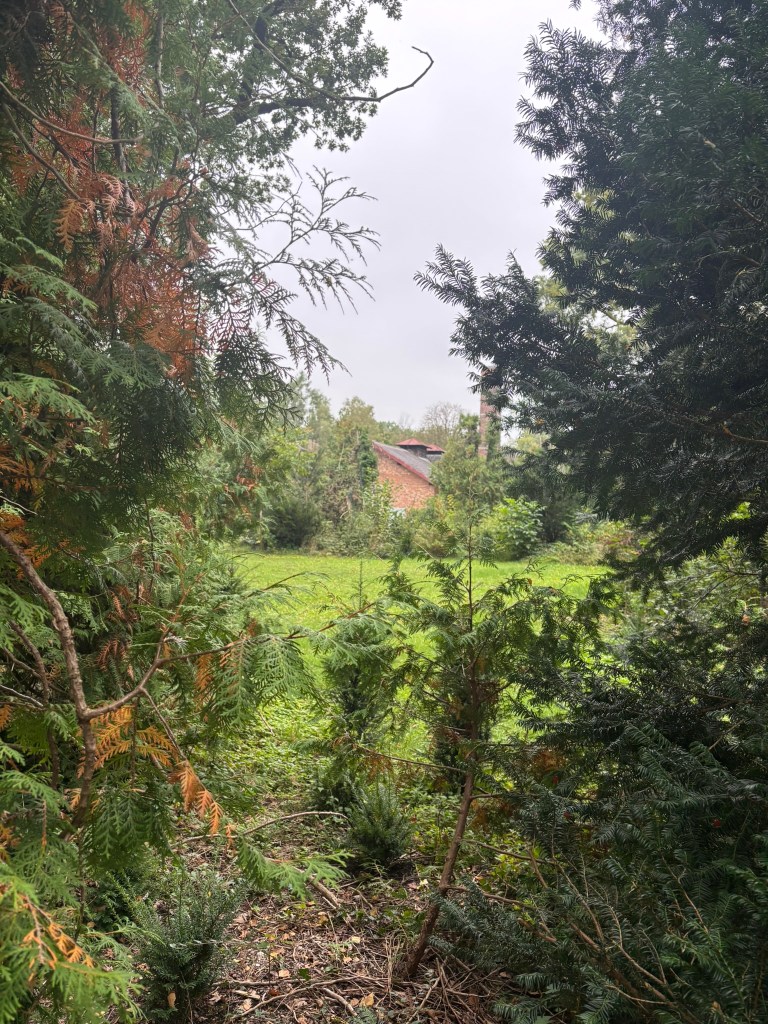

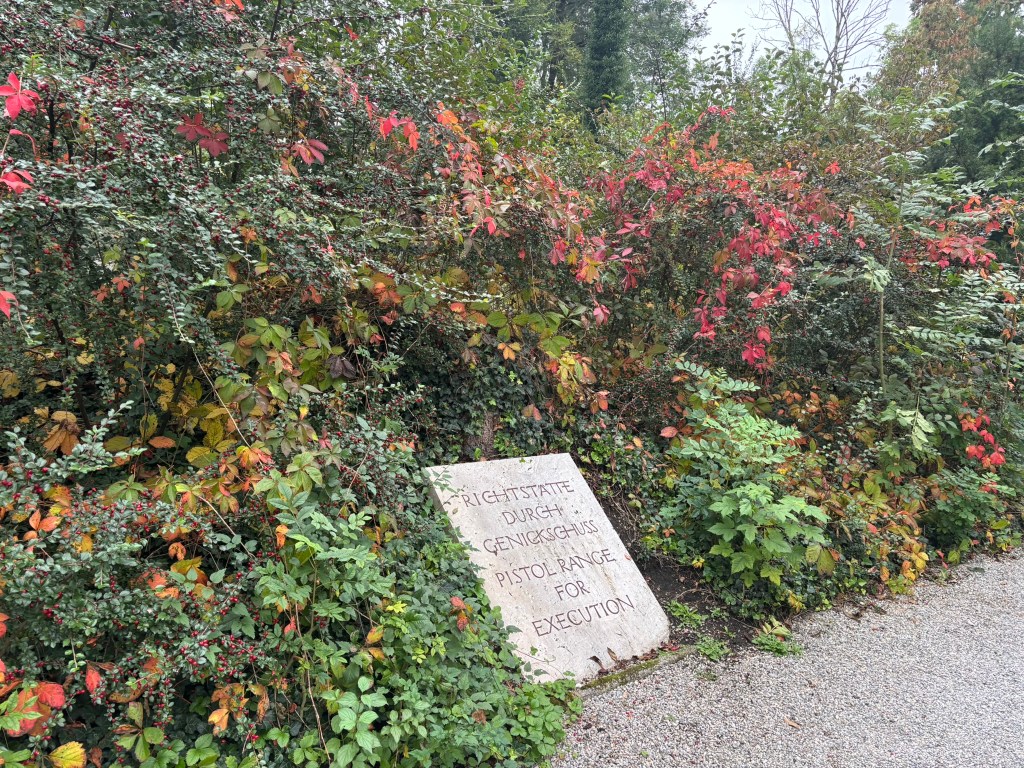
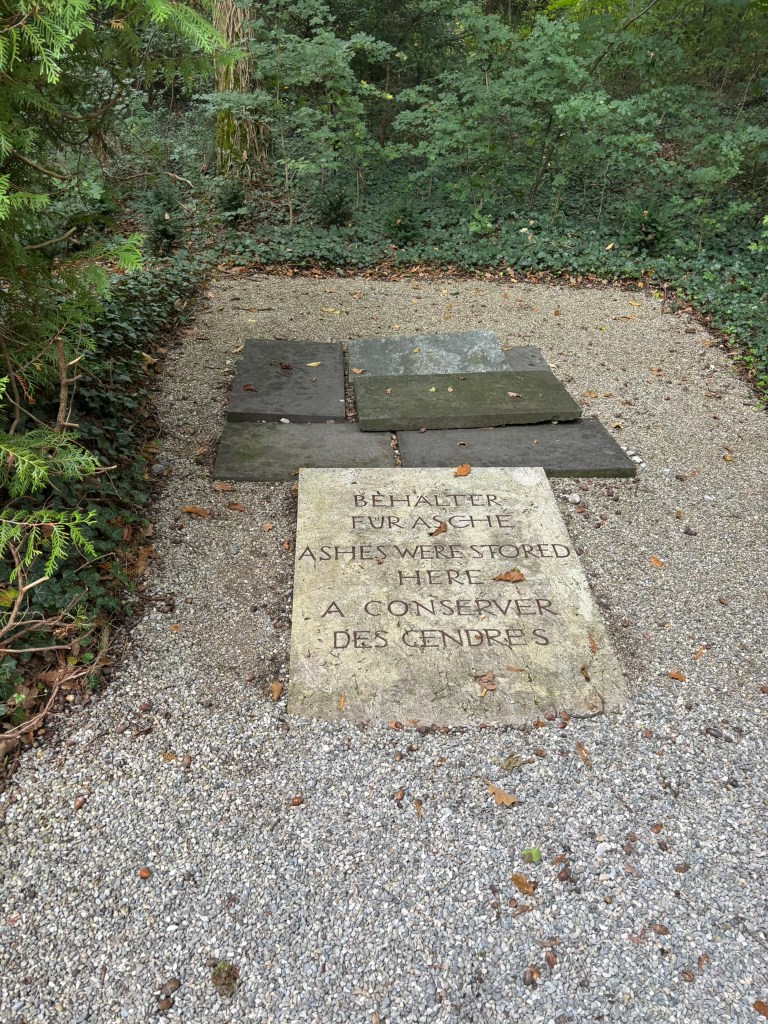
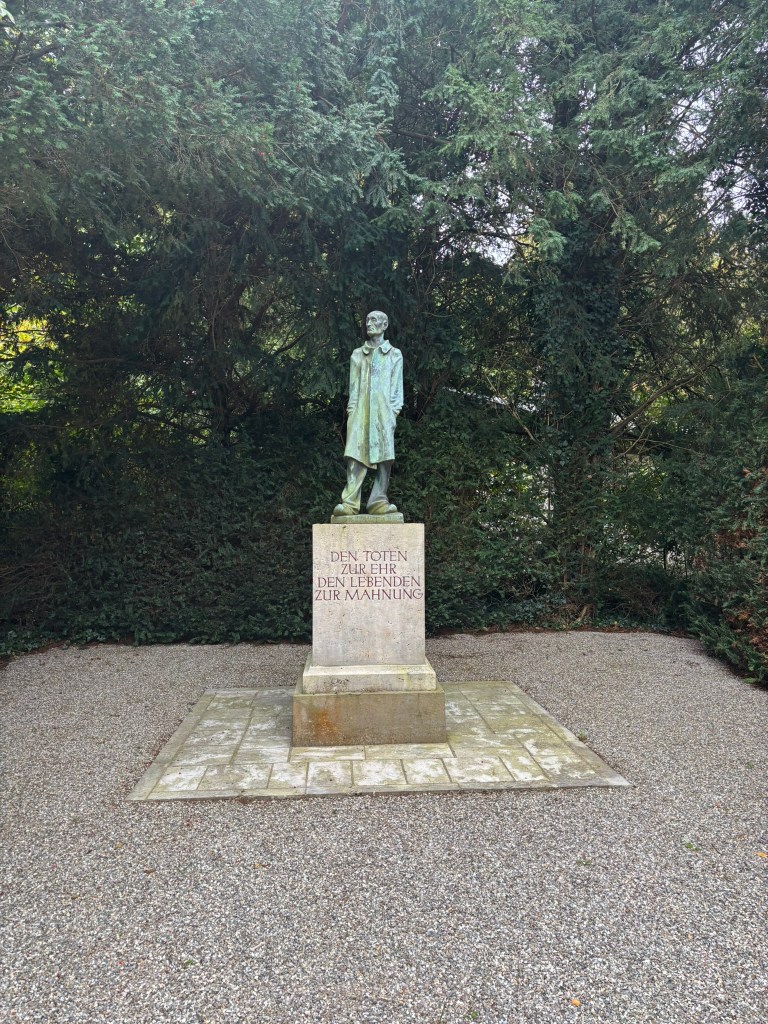
I almost threw up when we saw the crematorium stoves. It was a visceral reaction, and a surprising one considering the bodies being burned in those crematoriums were not gassed in gas chambers, as the people had been in Auschwitz. While there were accounts of a few select or small groups of people being gassed, and there were rooms reminiscent of other camps where that was the main form of extermination, most of the bodies being burned at Dachau were from people who had been shot or died of disease and malnutrition.

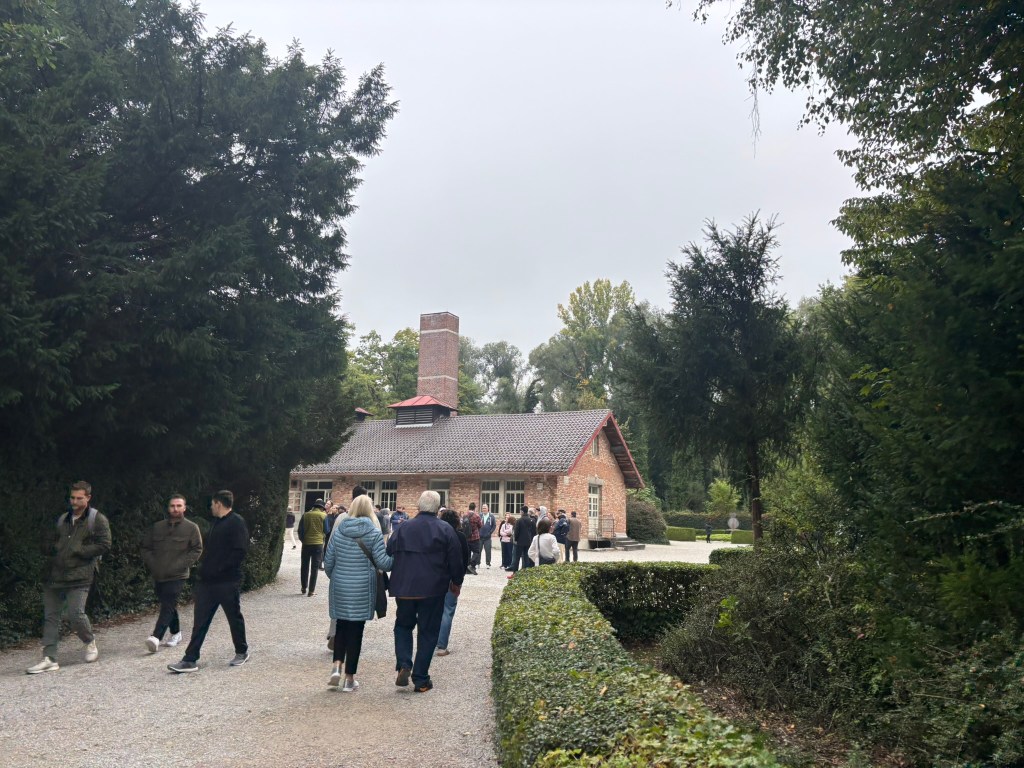
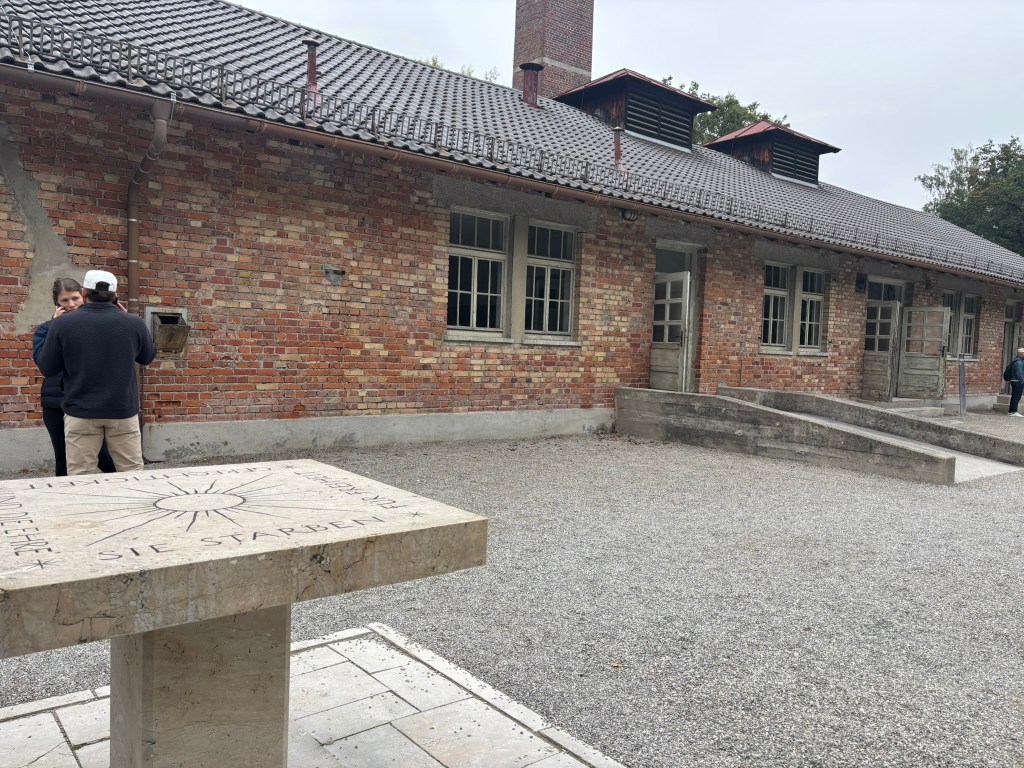
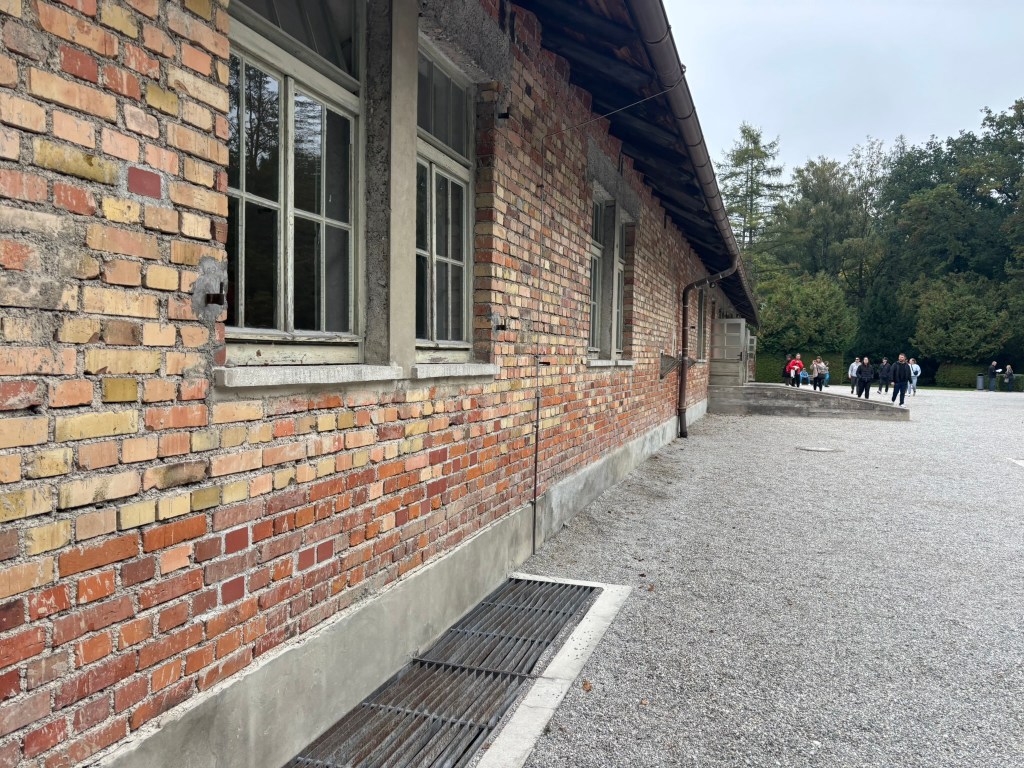
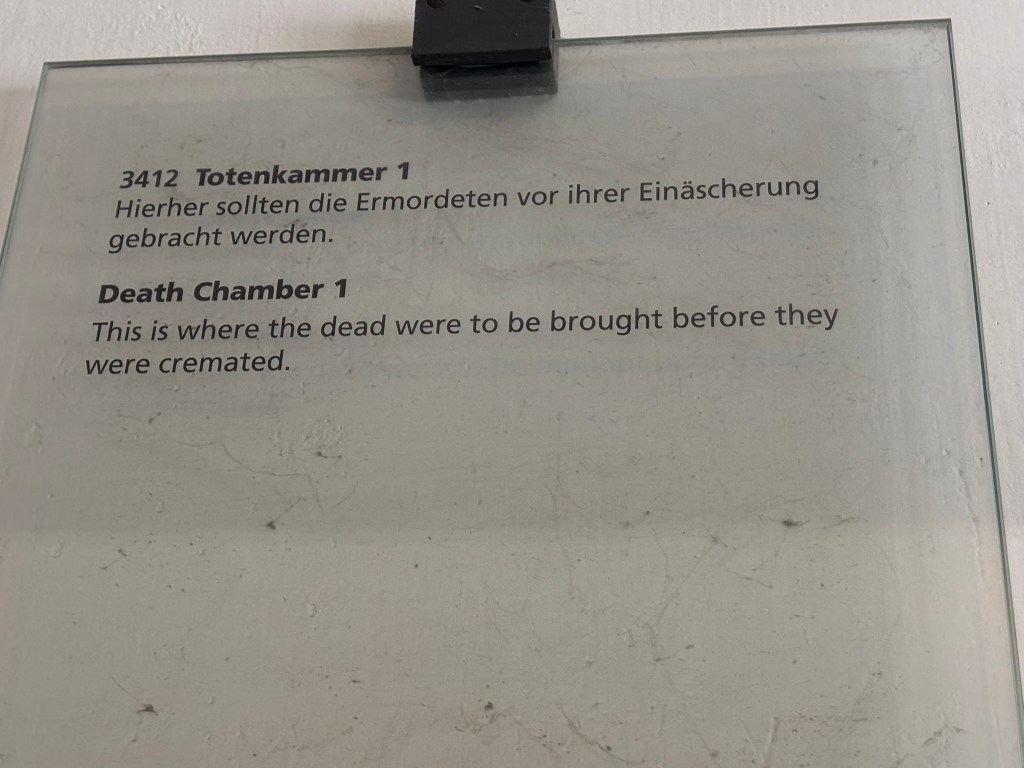
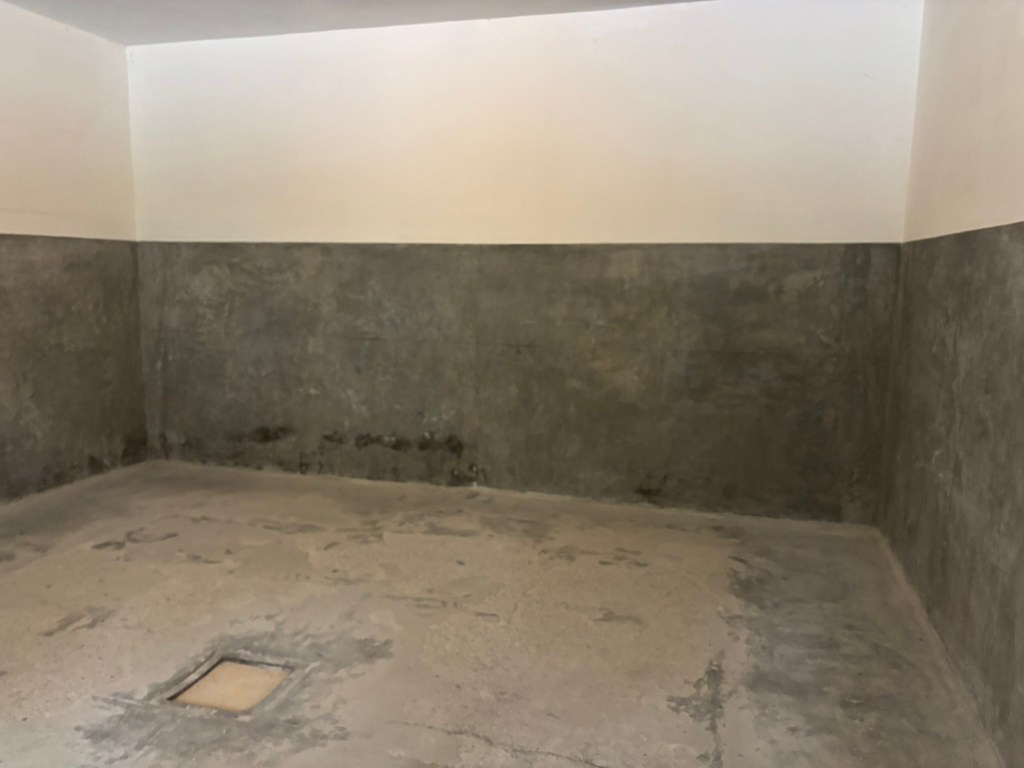
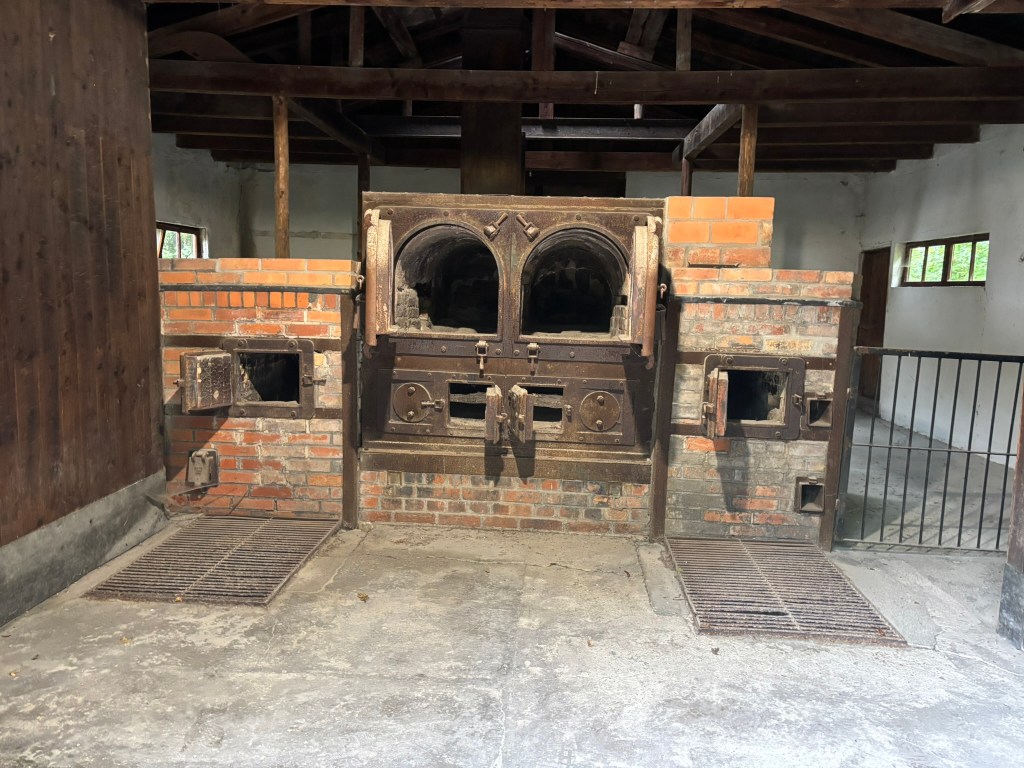
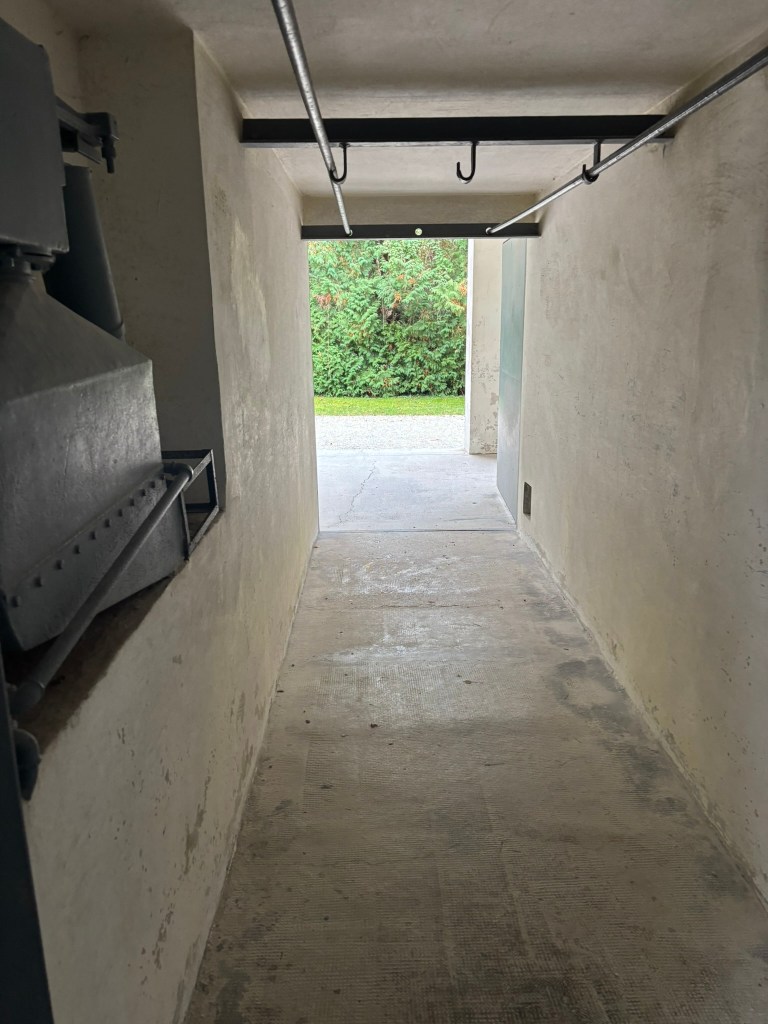

We didn’t do a great job of staying together as a group, but as I expressed to my family once we’d lost our travel buddies, this wasn’t a museum; it was a memorial, and I was going to take as much time as I needed to give the people who had lived there the time their memory deserved. While I was honoring the dead, my mom and sister were thinking of the living, of those who are currently being held in unideal and sometimes inhumane conditions within our own country, for nothing more than the lack of few papers. It was scary, thinking about the parallels between the first few rooms of the museum and where our country is currently at. Still, as the memorials across the site said, I hope we never forget the past and use the horror of those past experiences to help inform our present and influence our decisions, both as individuals and as a nation.
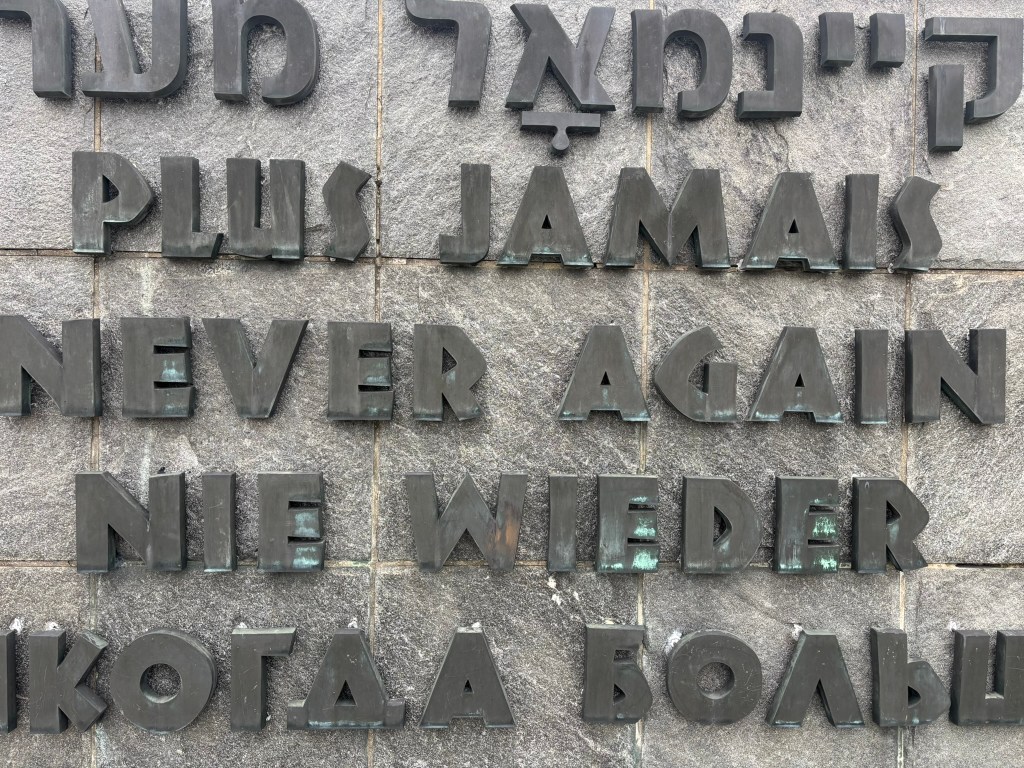
Overall, Dachau was extremely unpleasant and uncomfortable. But that was comforting to me, especially after my experience at Auschwitz. Nobody with the capacity for sympathy or empathy can walk away from those stories without being affected in some way or another. Last time, I’d been affected, but in a different way than I anticipated. Here, it felt like how I thought it should feel. A horror, an emptiness, an anger, and a deep sense of loss for those who had been lost.
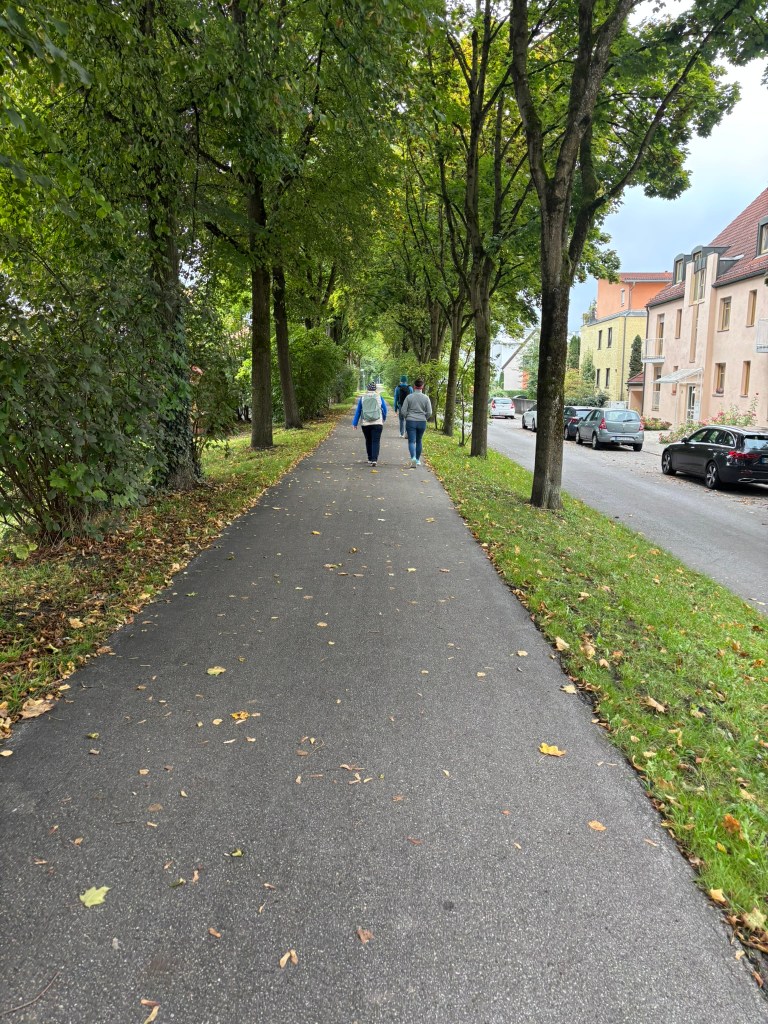
The walk back to the train was necessary for us to recalibrate our energy and get back into a mood to celebrate our last day together in Munich.
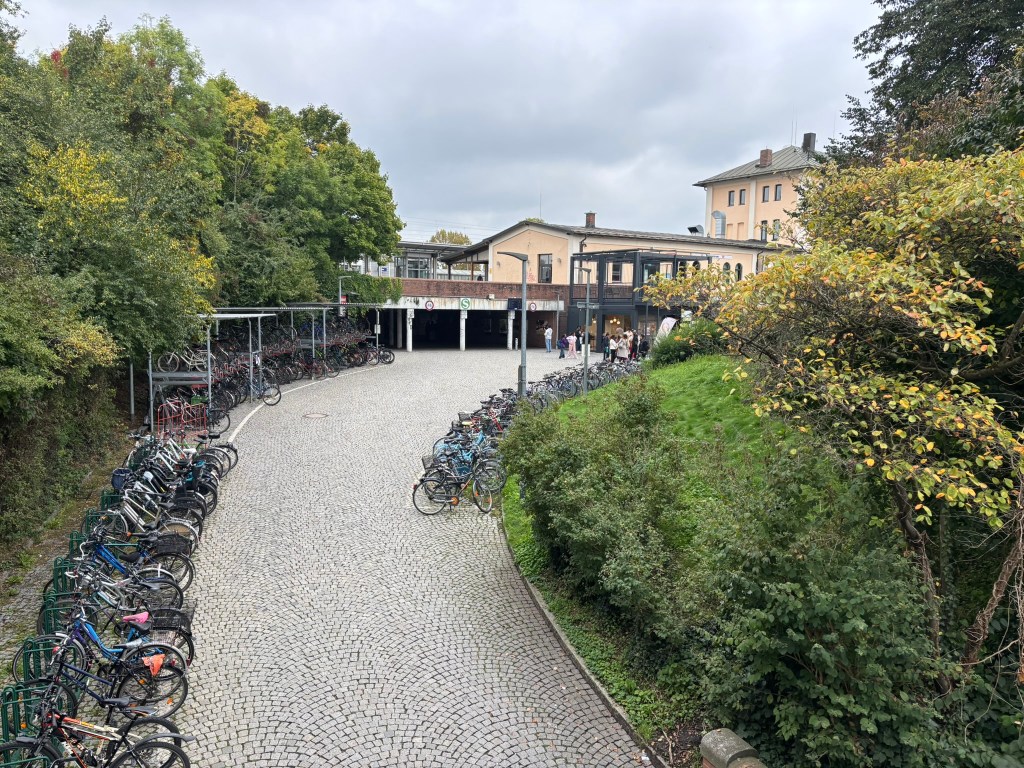
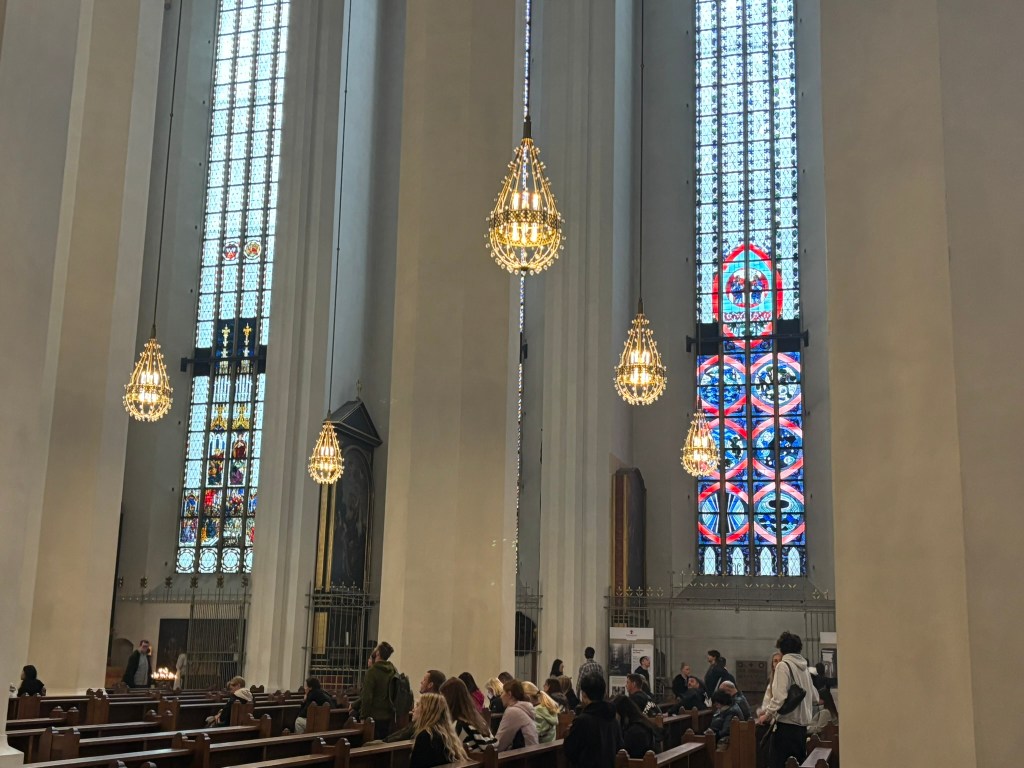
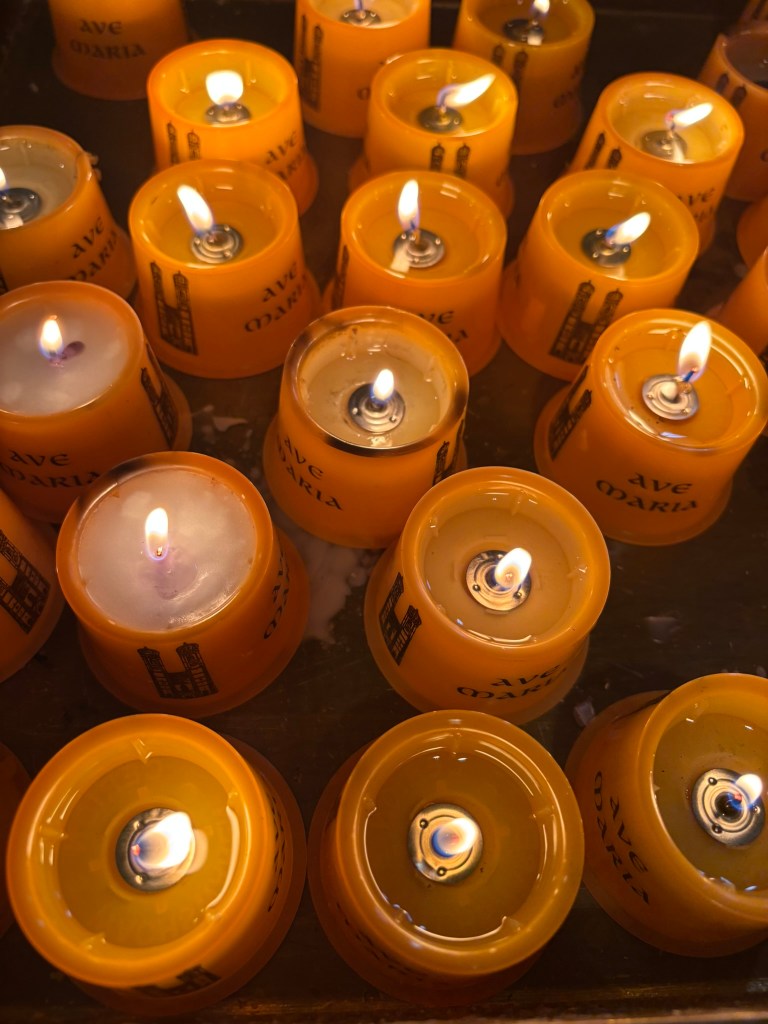
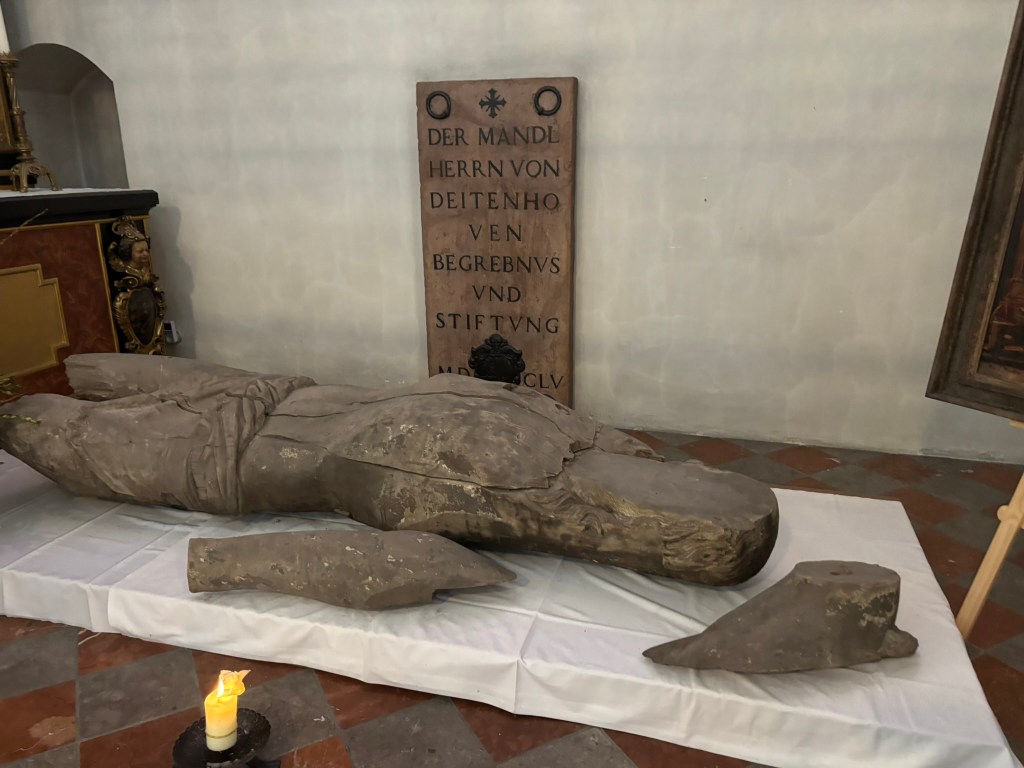
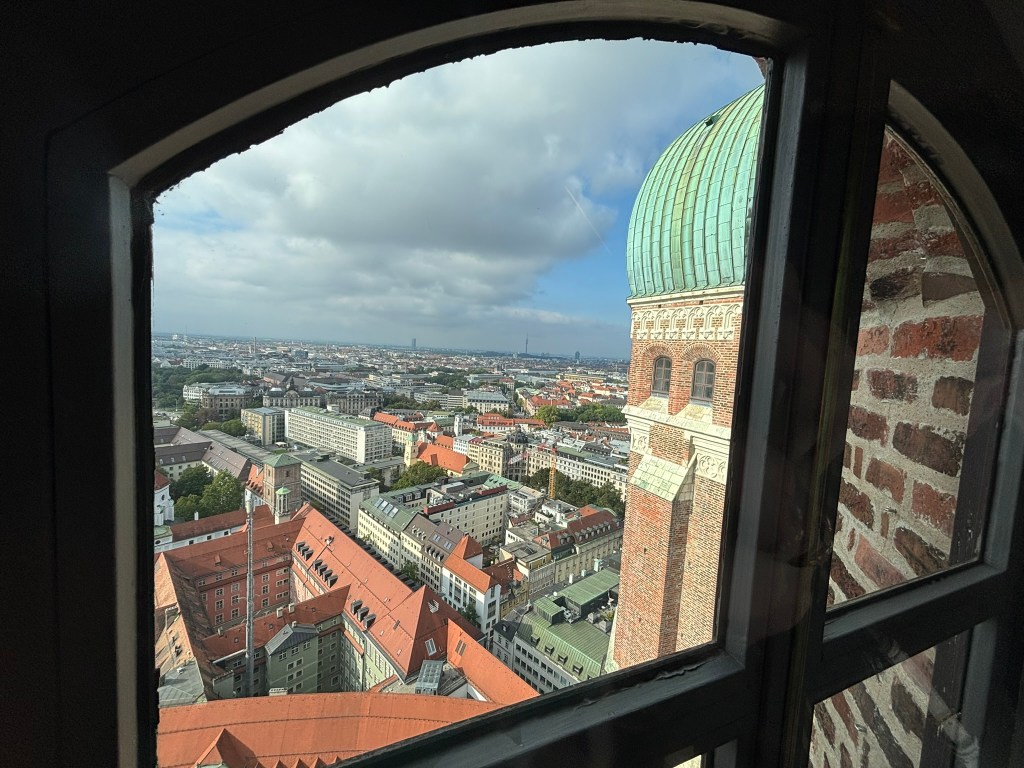
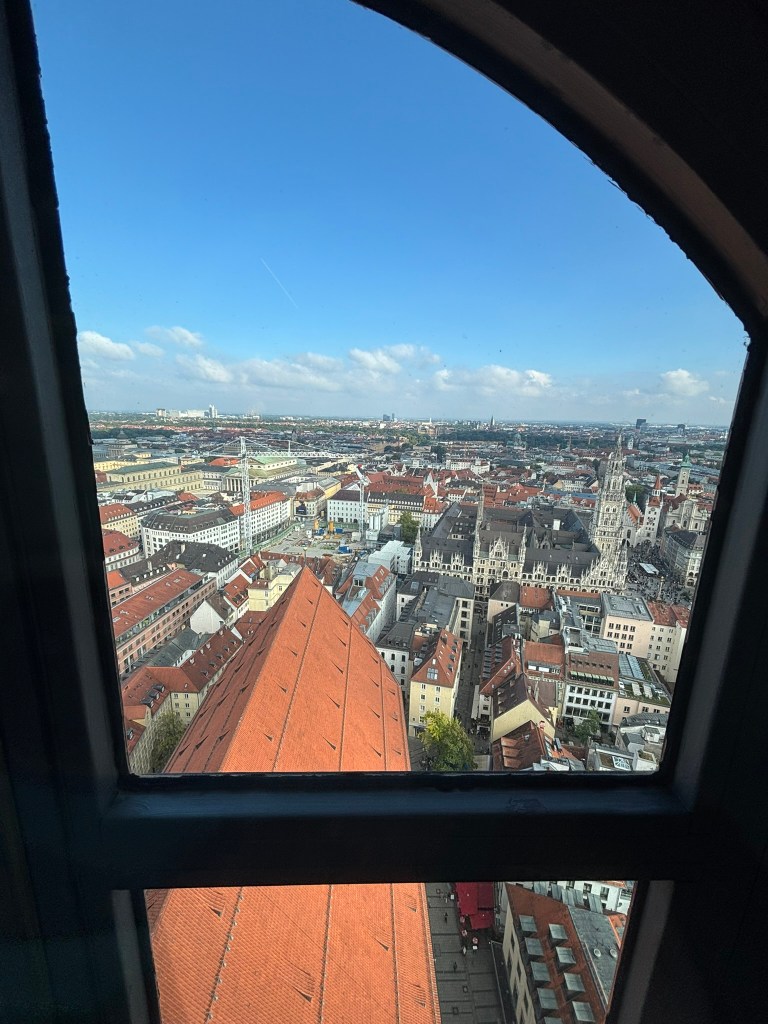
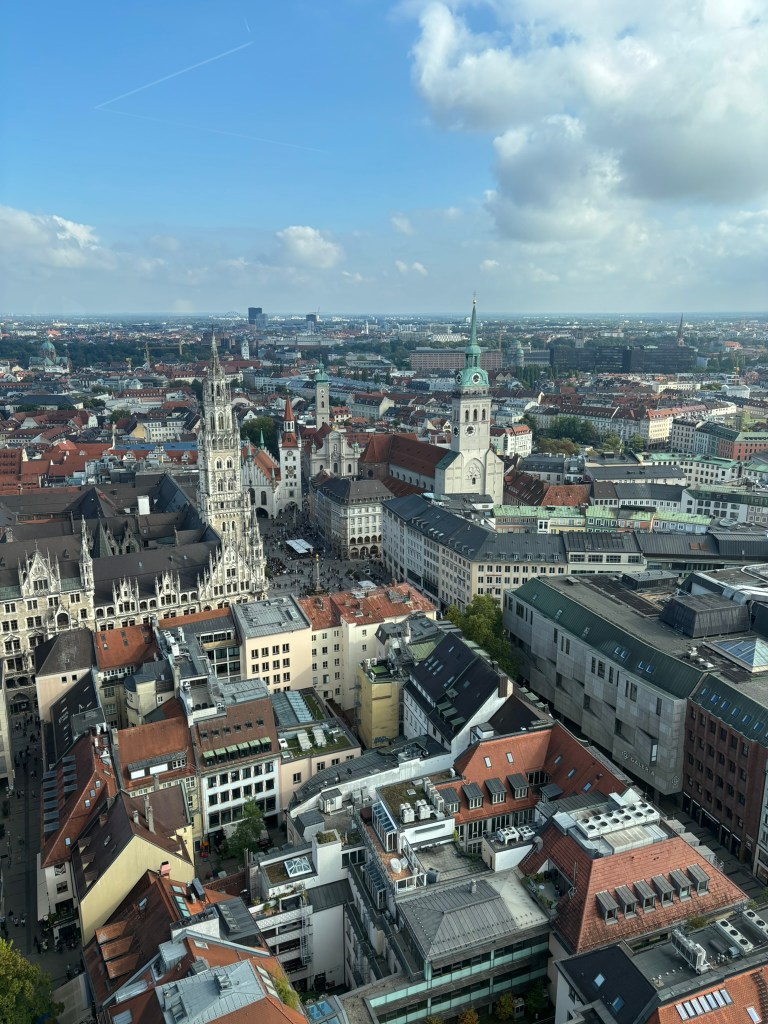
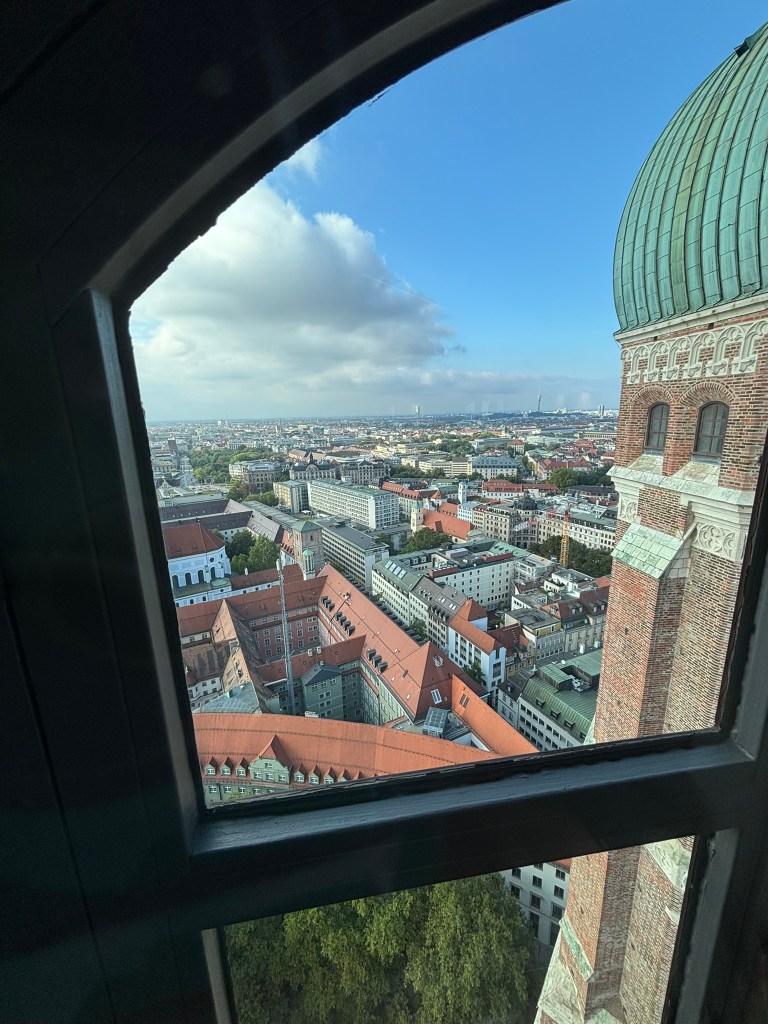
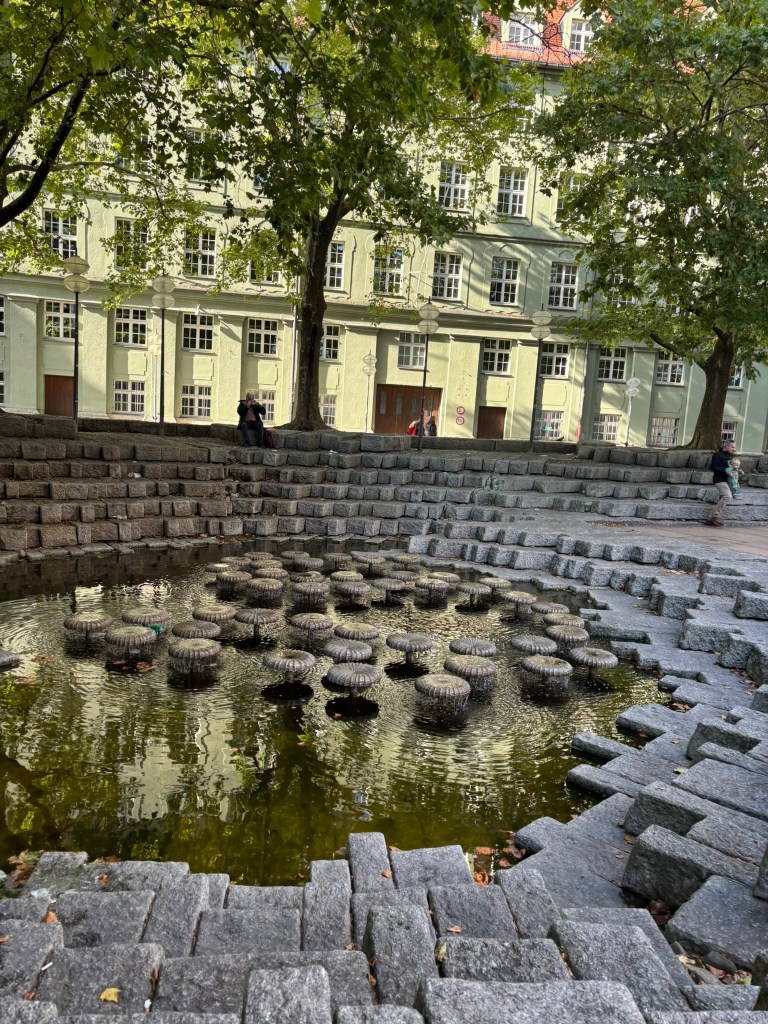
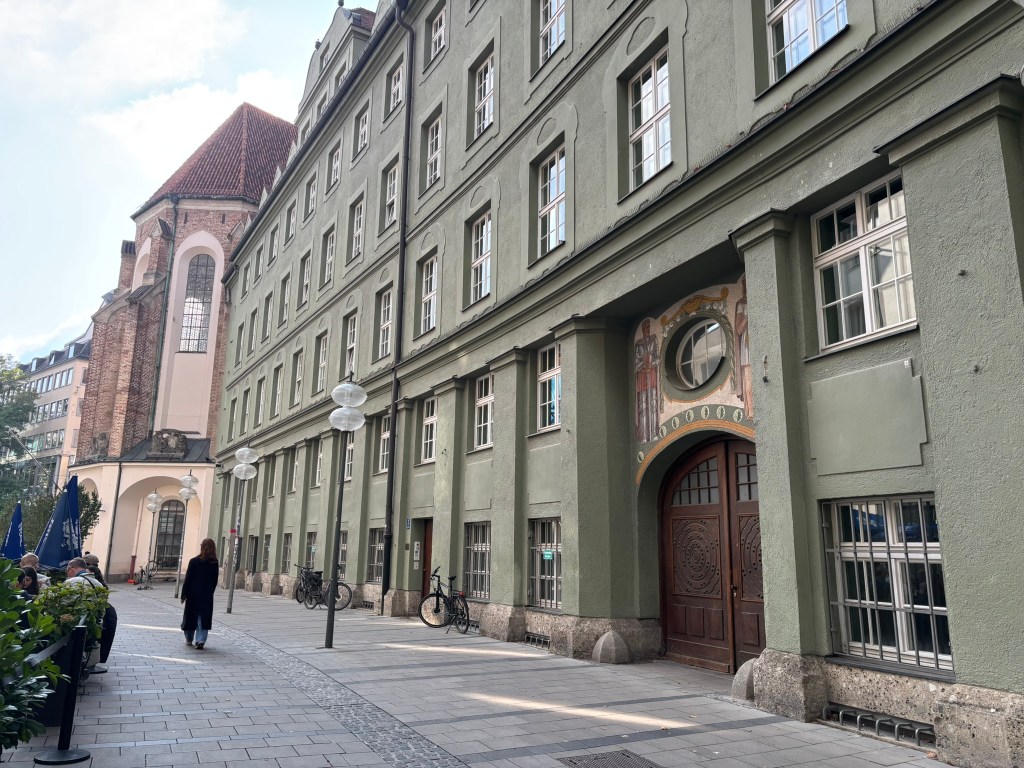
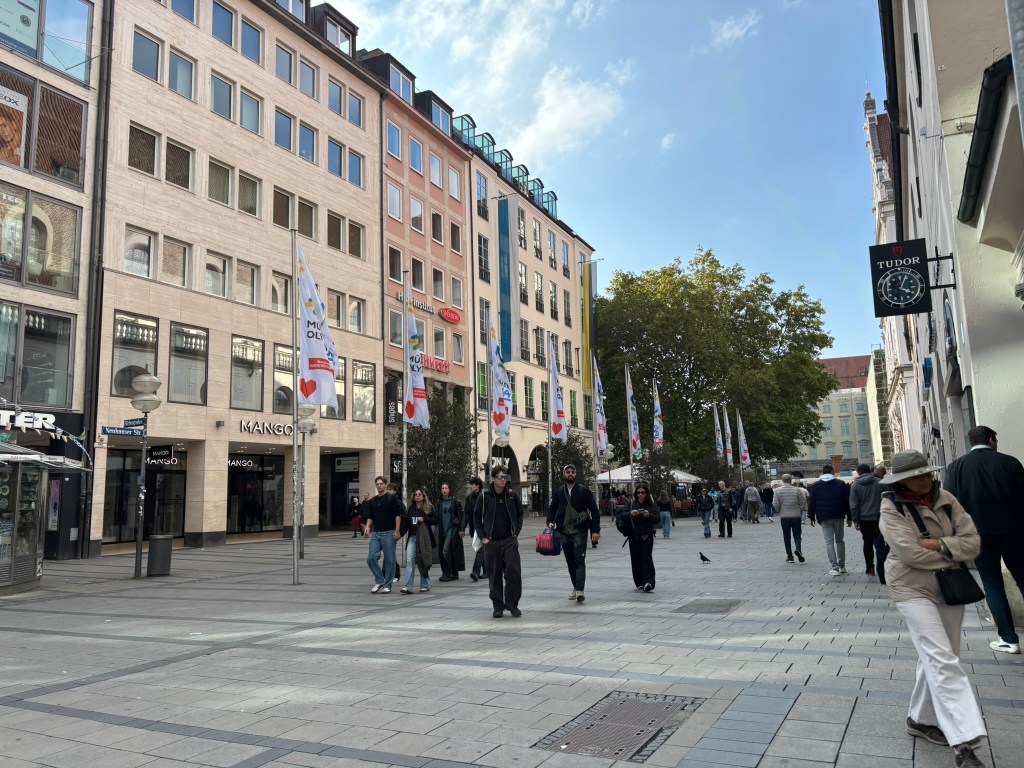
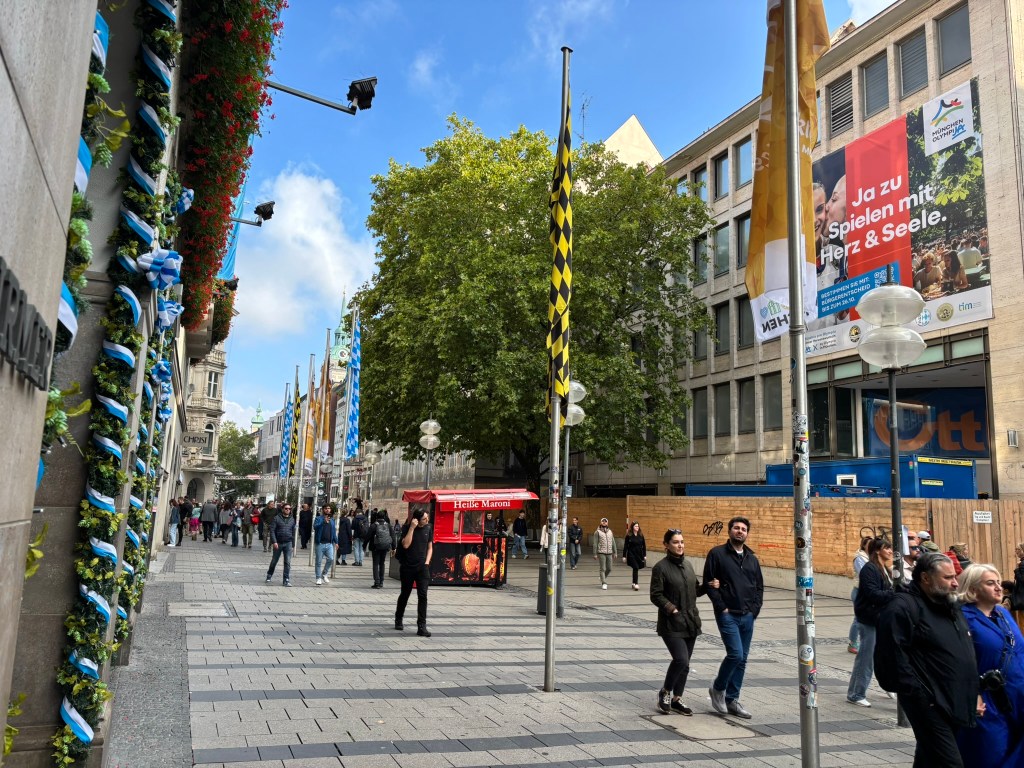
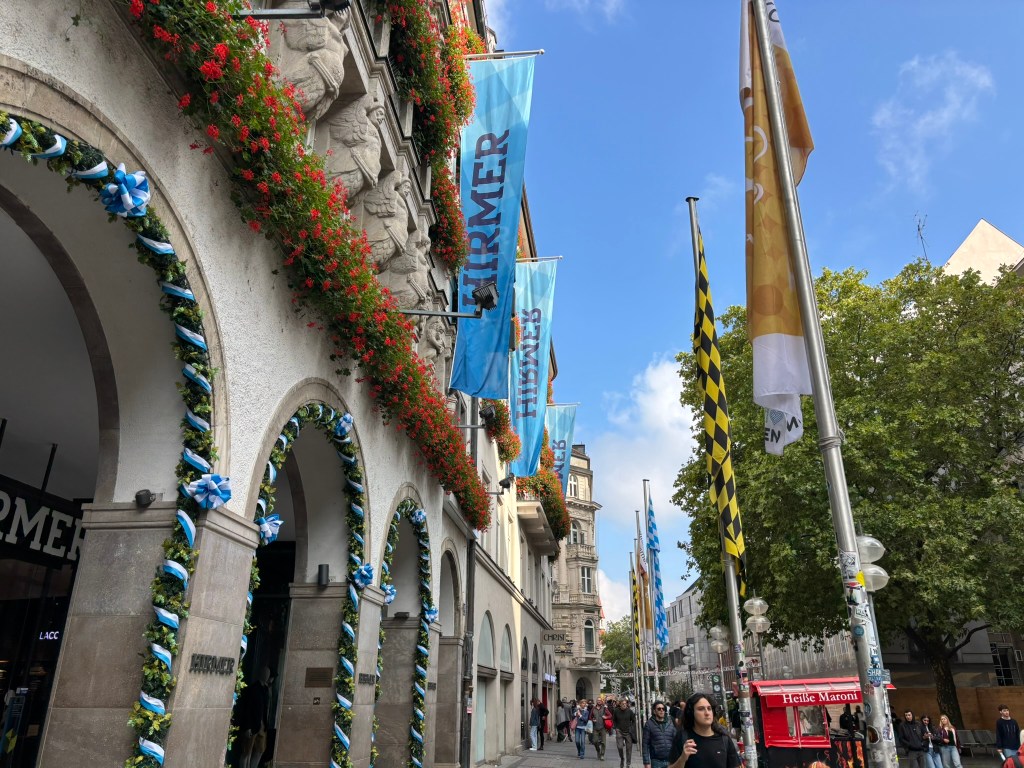
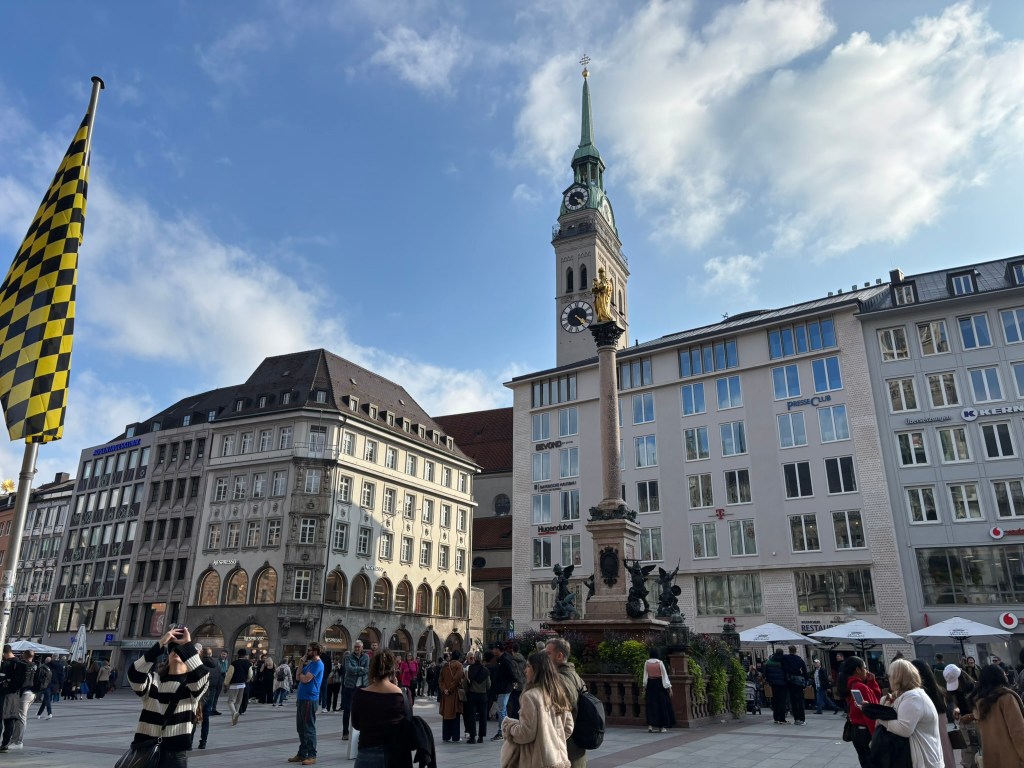
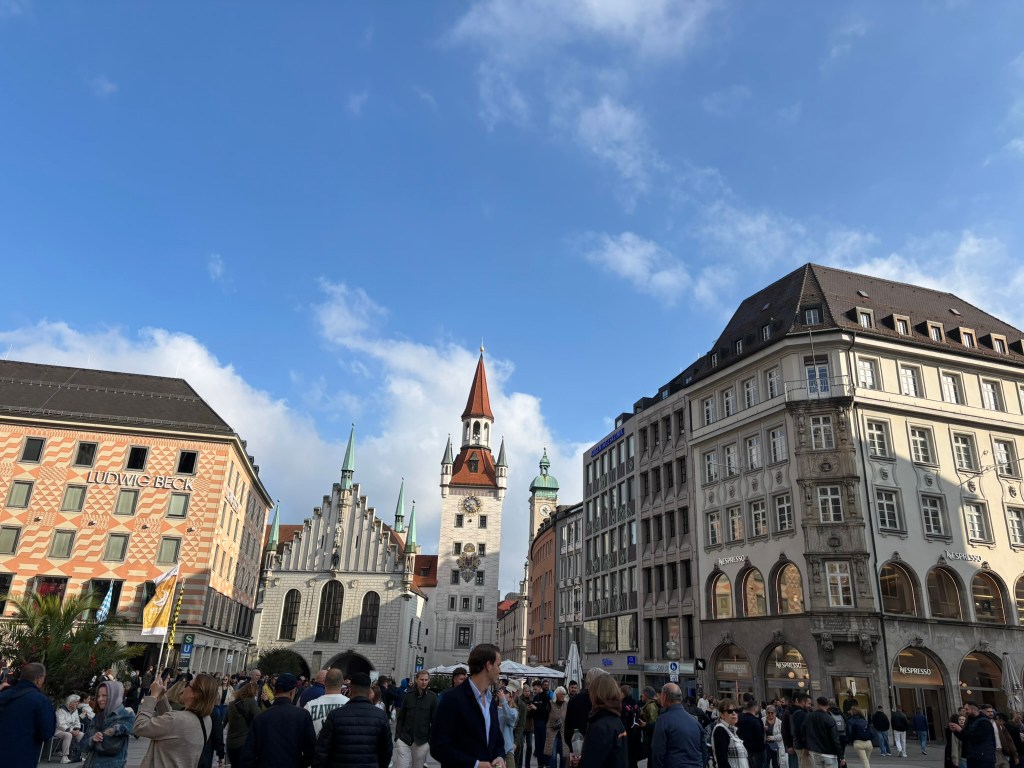
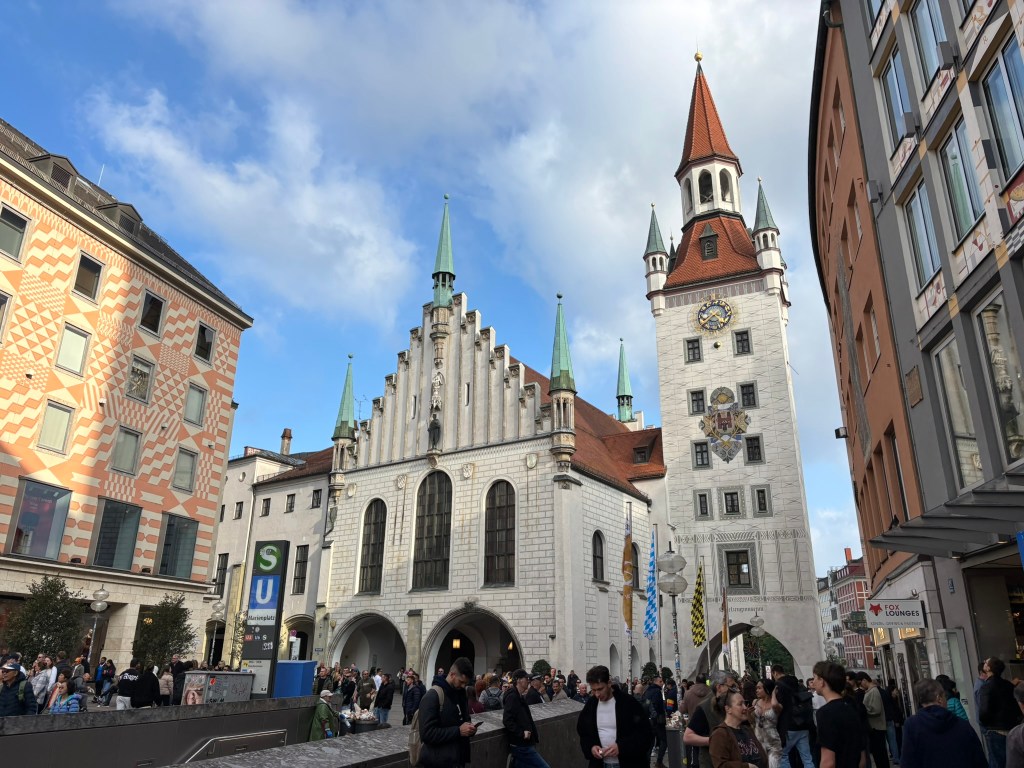
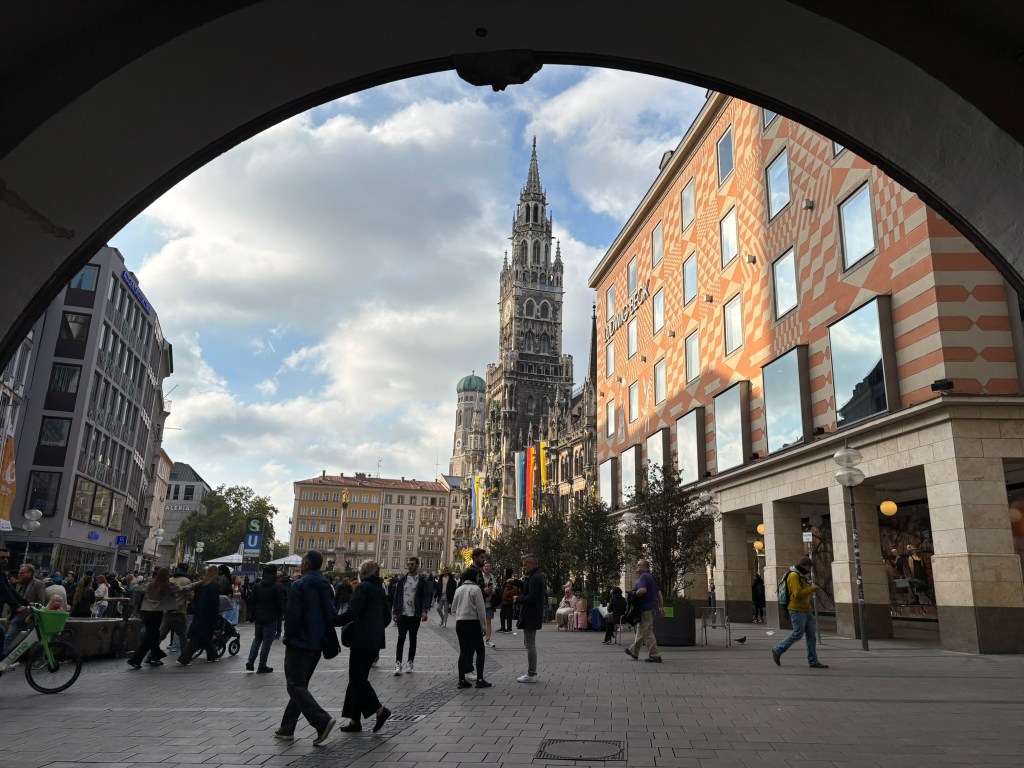
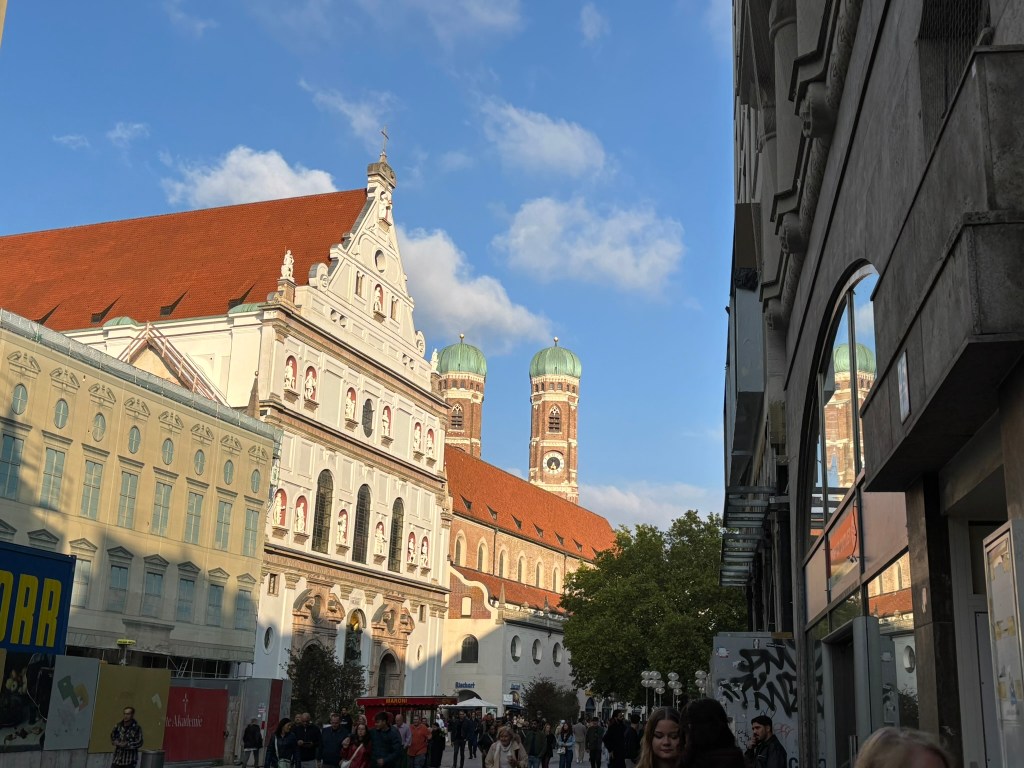
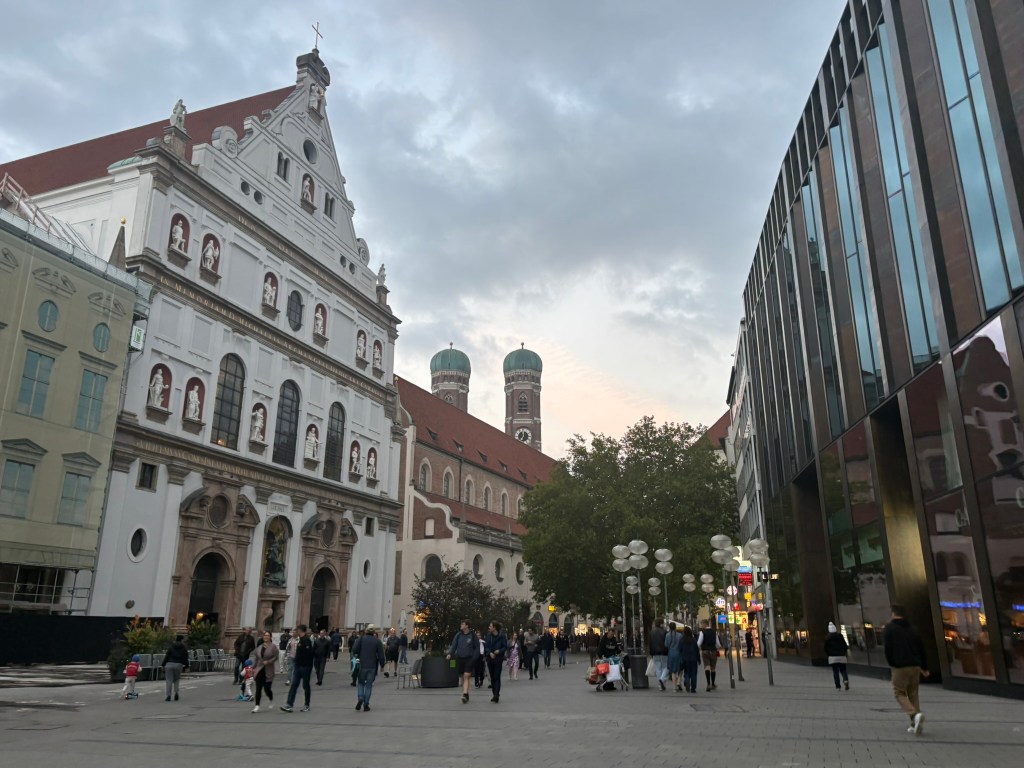
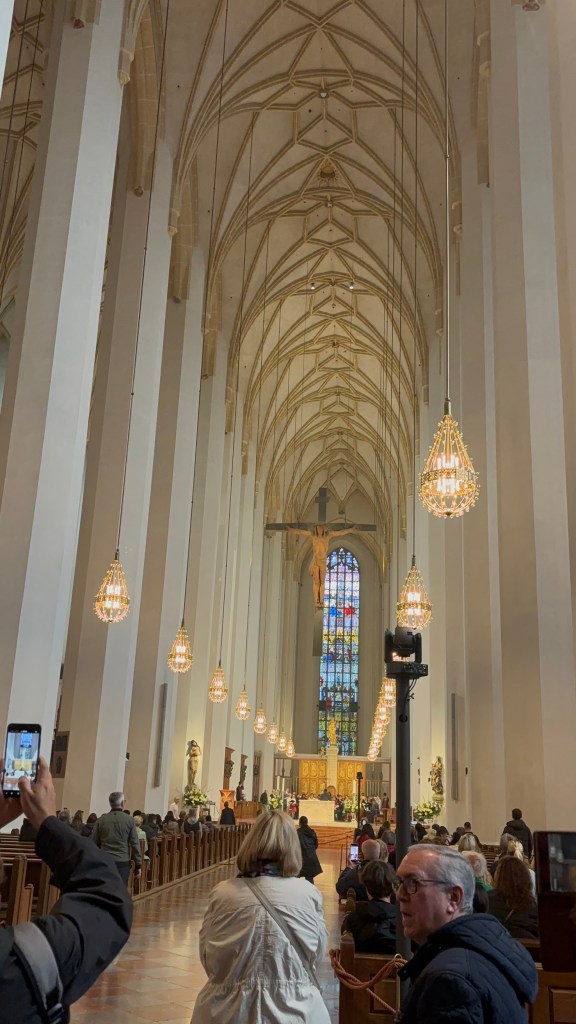
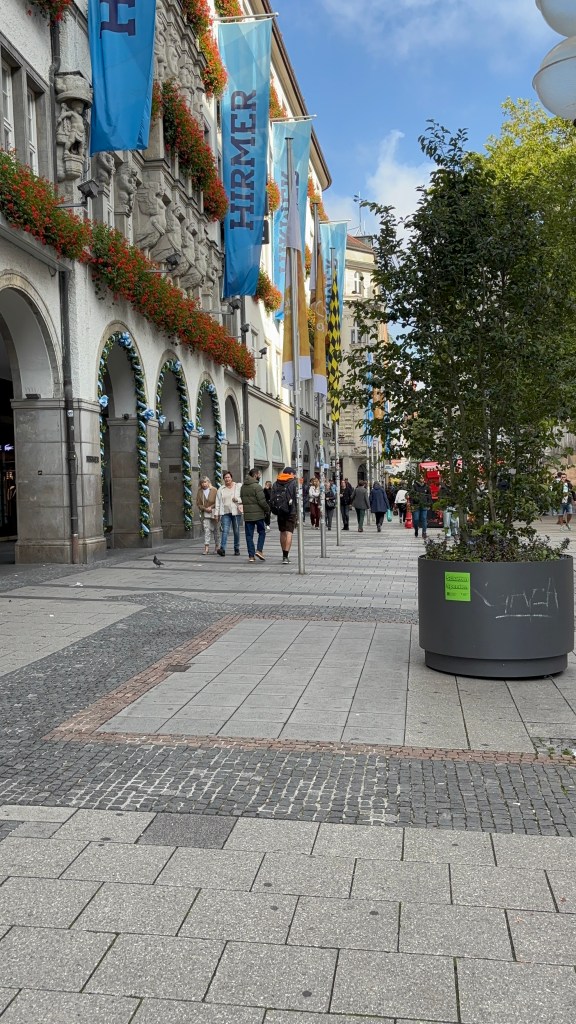
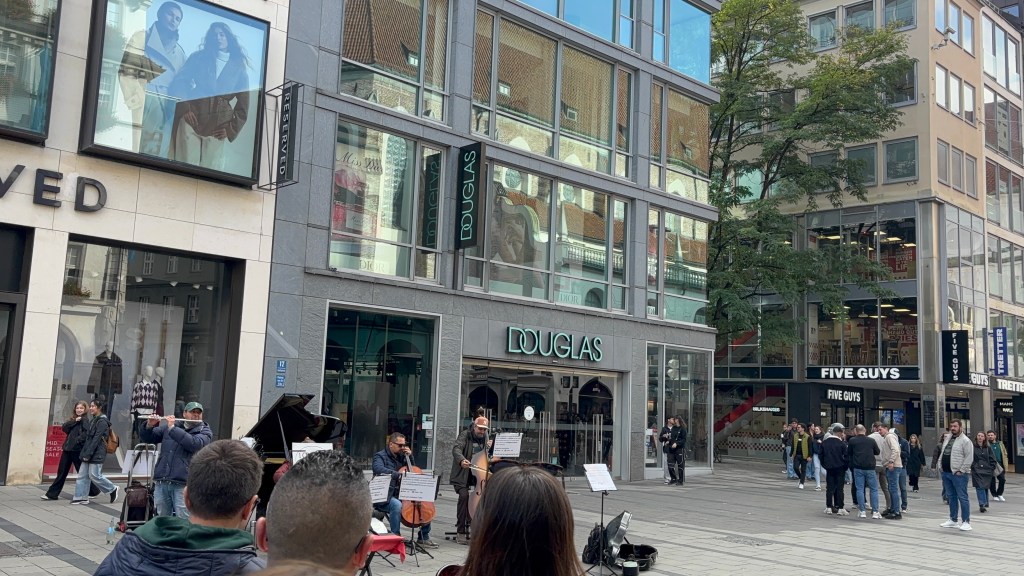
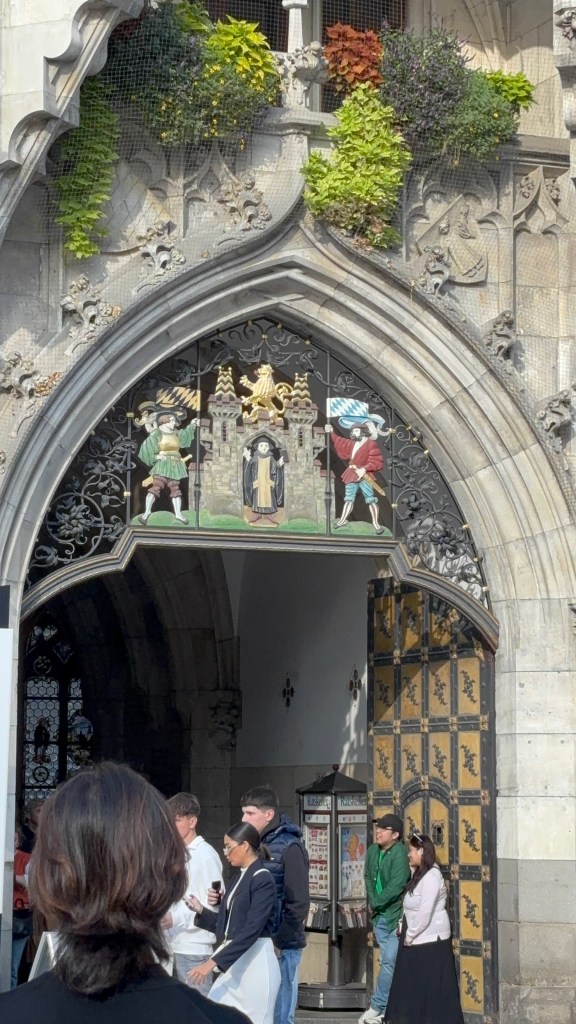
We hadn’t really spent much time in the center of the city, so we took the train and headed closer to where the old town area was. We visited the Munich Cathedral, wandering around inside and heading up for the rooftop views. From there, we wandered back through the streets, listening to street musicians, stepping into another church or two, and finally ending up in Marienplatz, the main town square, for the 5 PM showing of the clock show, which lasted around 10 minutes and showcased life-sized characters enacting scenes from munich’s history.
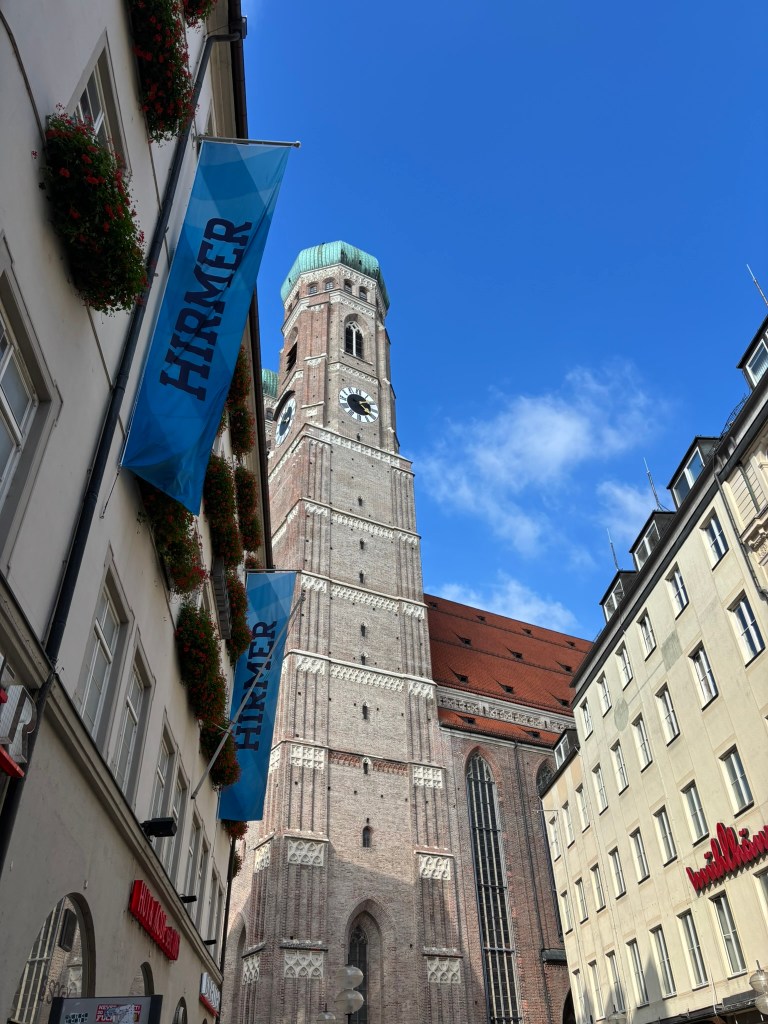
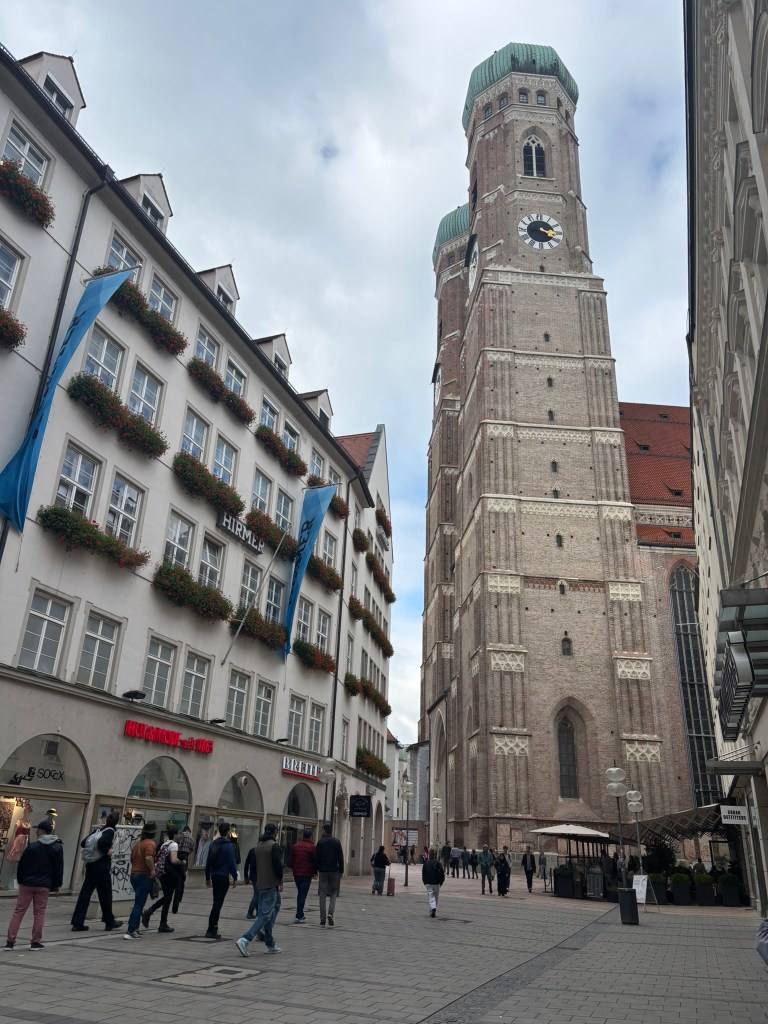
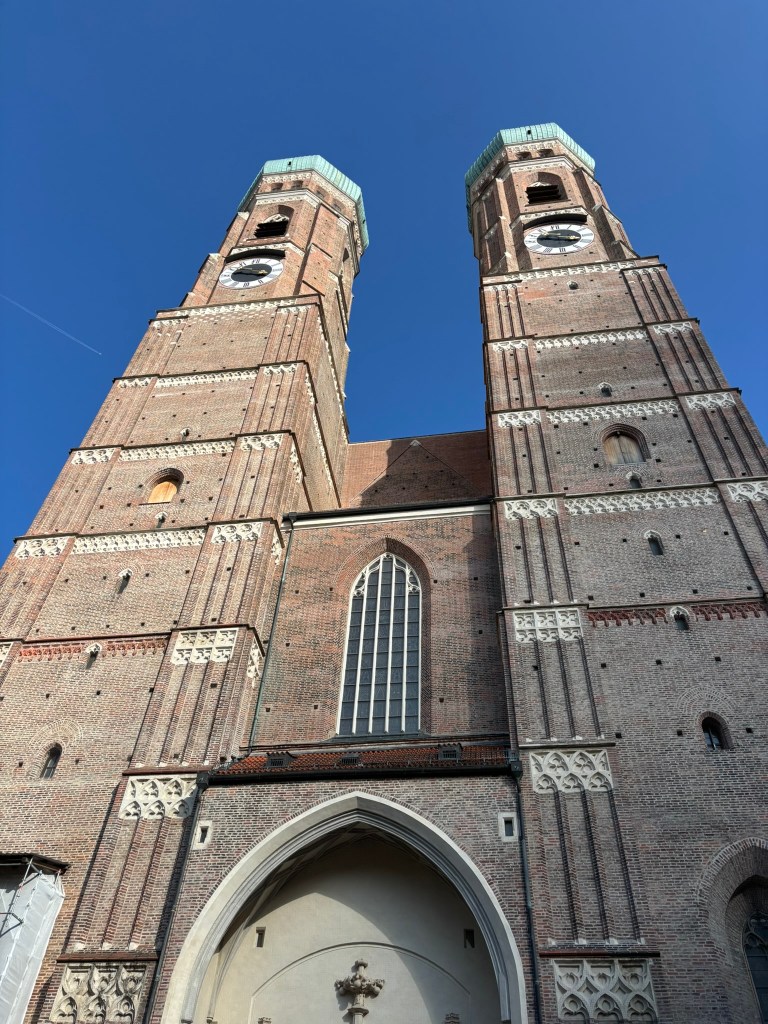

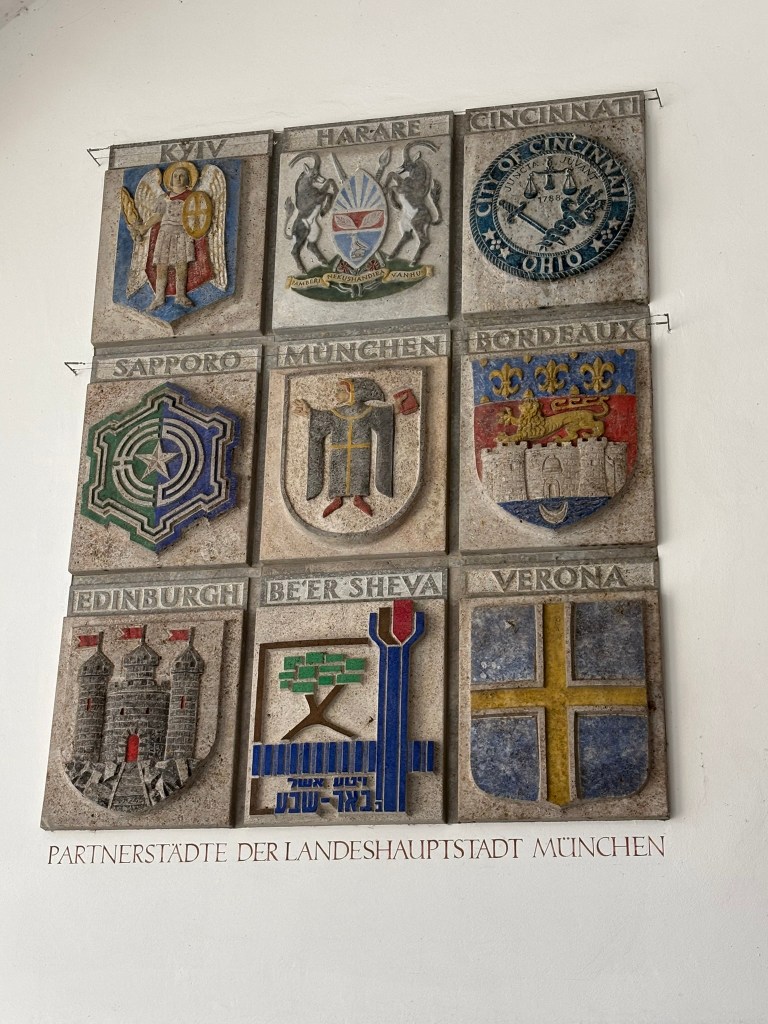
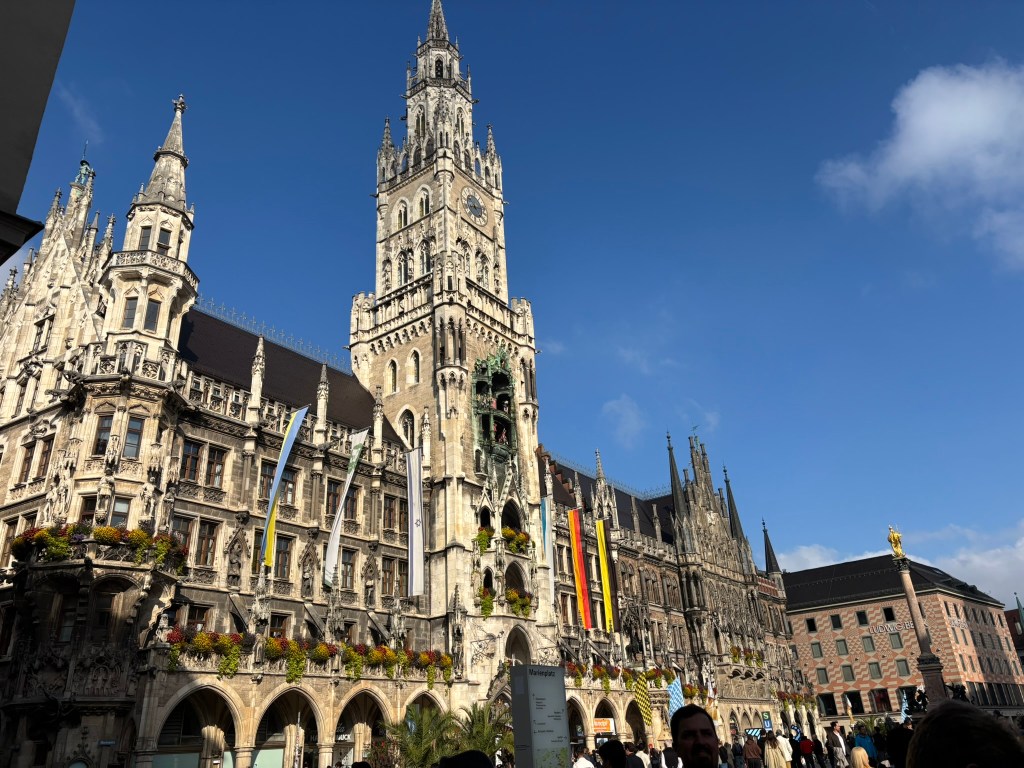

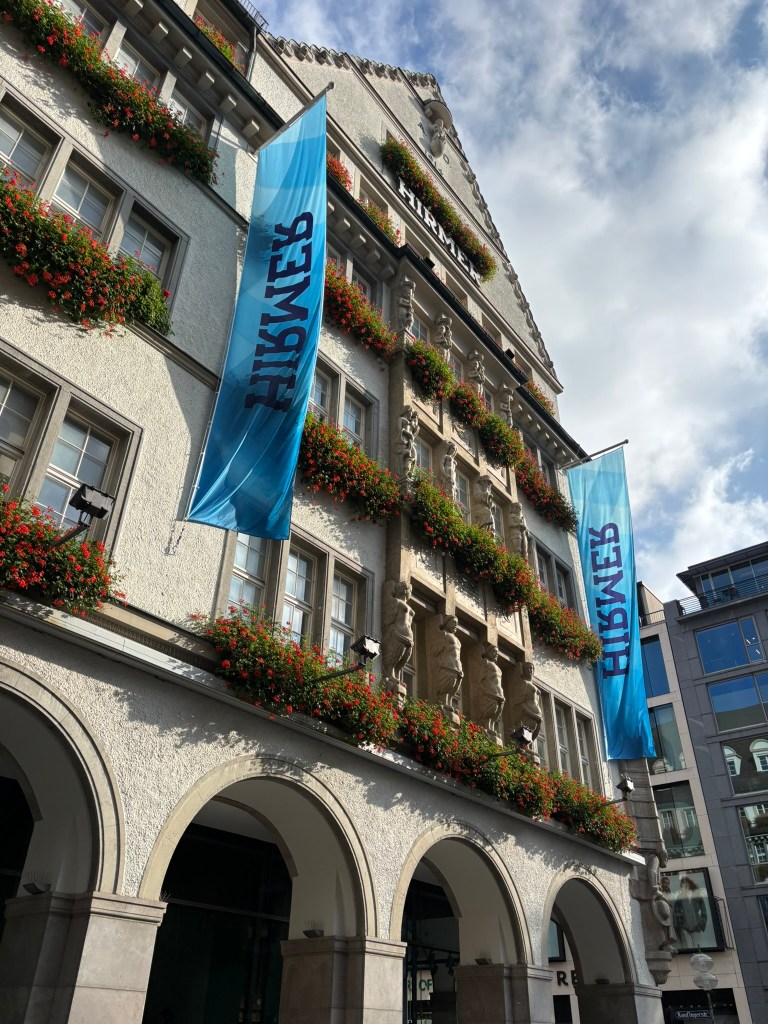
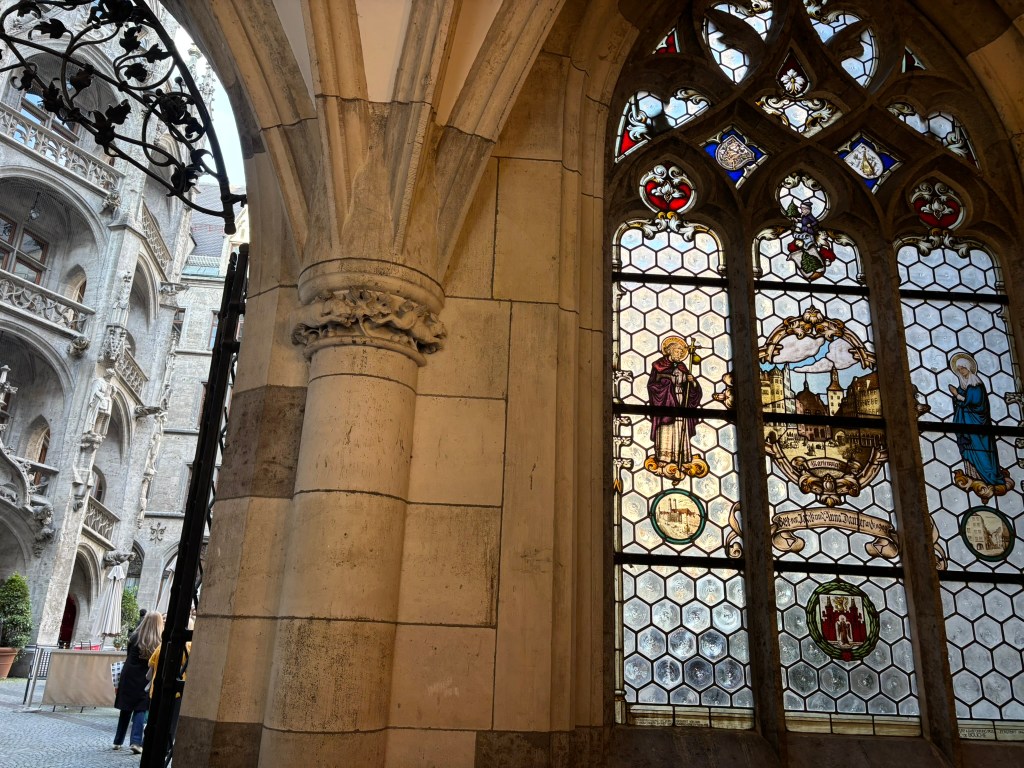


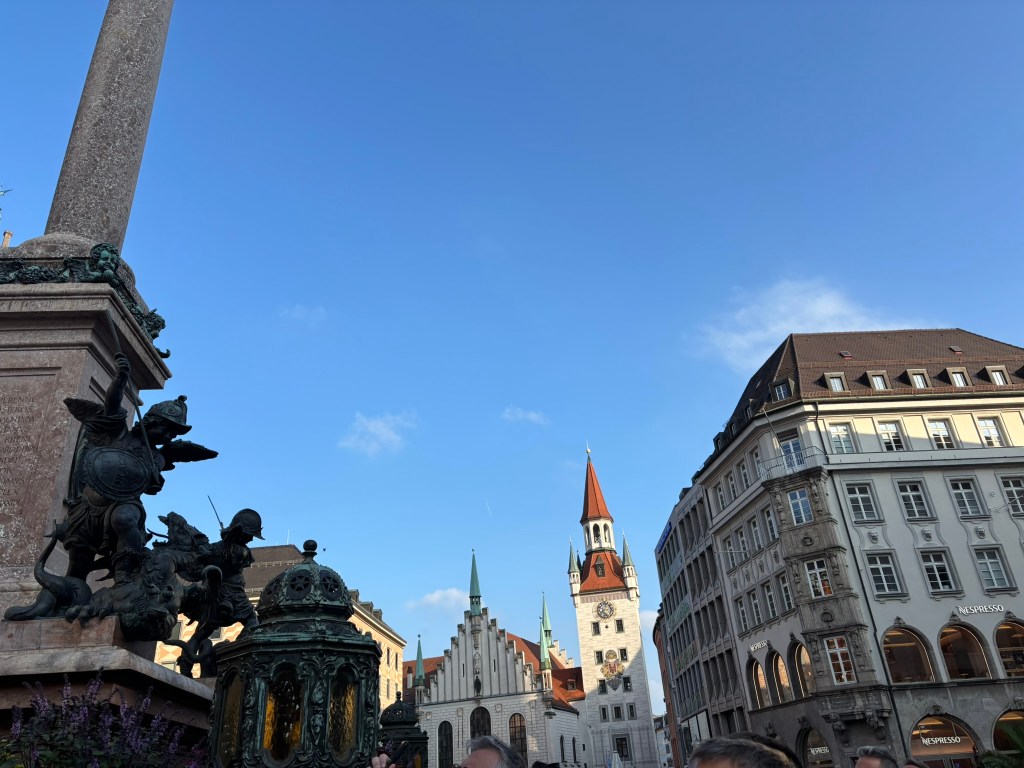

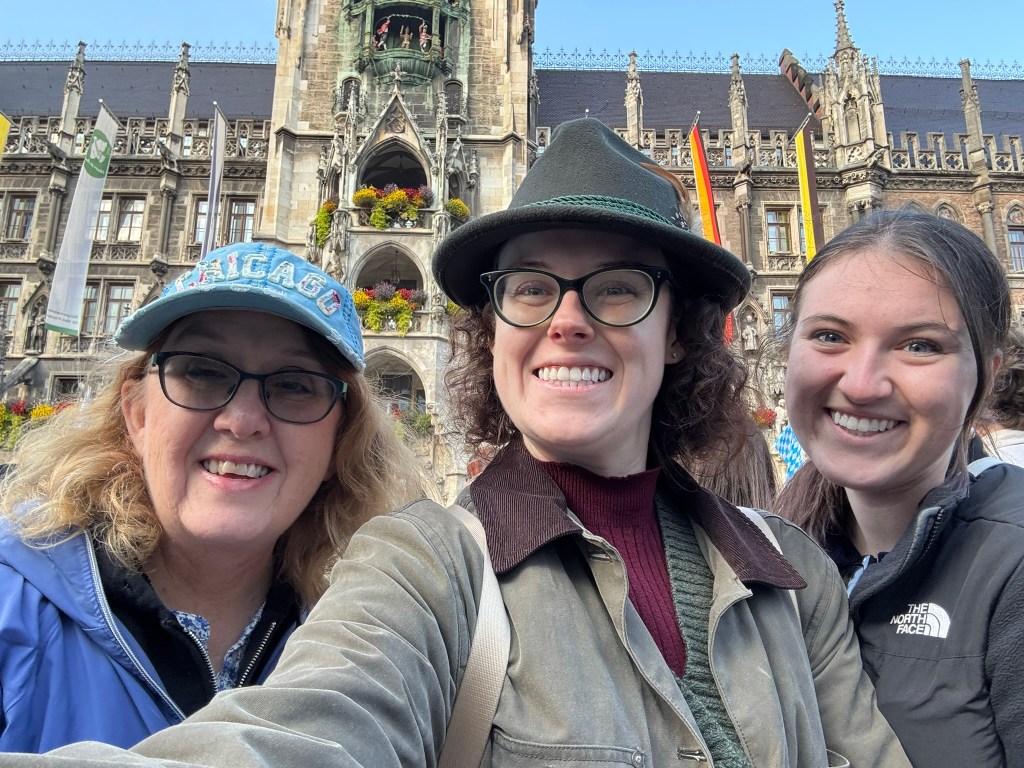


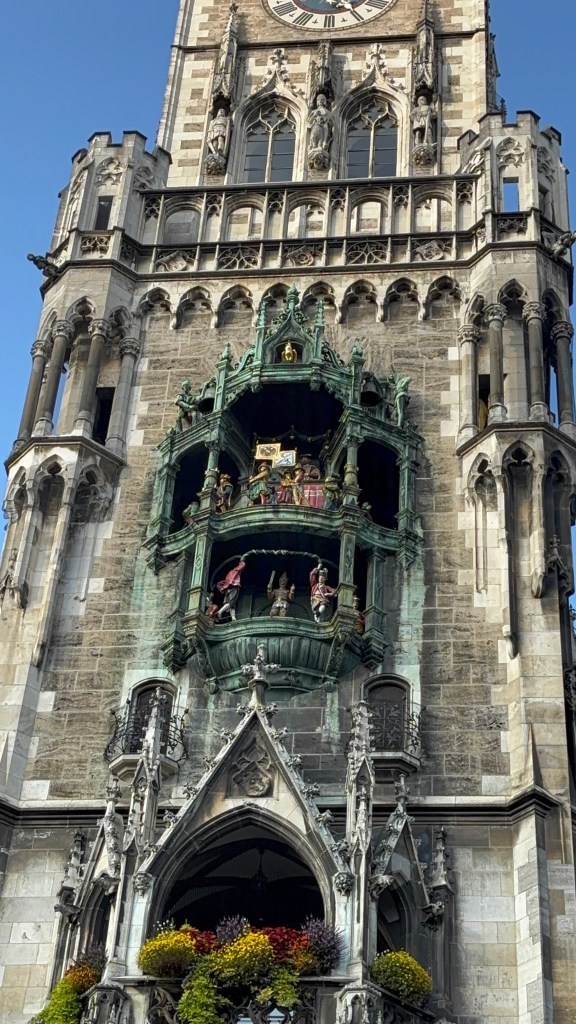
Finally, with the day coming to a close and half of our crew heading out early in the morning, we found a different beer hall to have dinner in for our final night together in Munich.
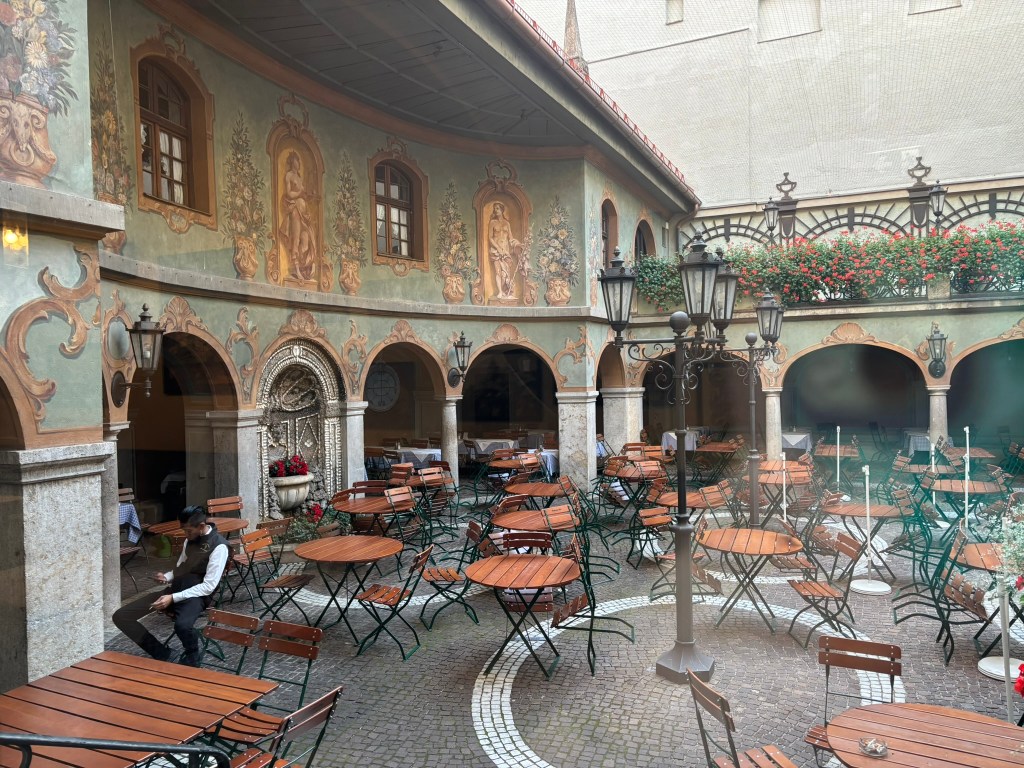

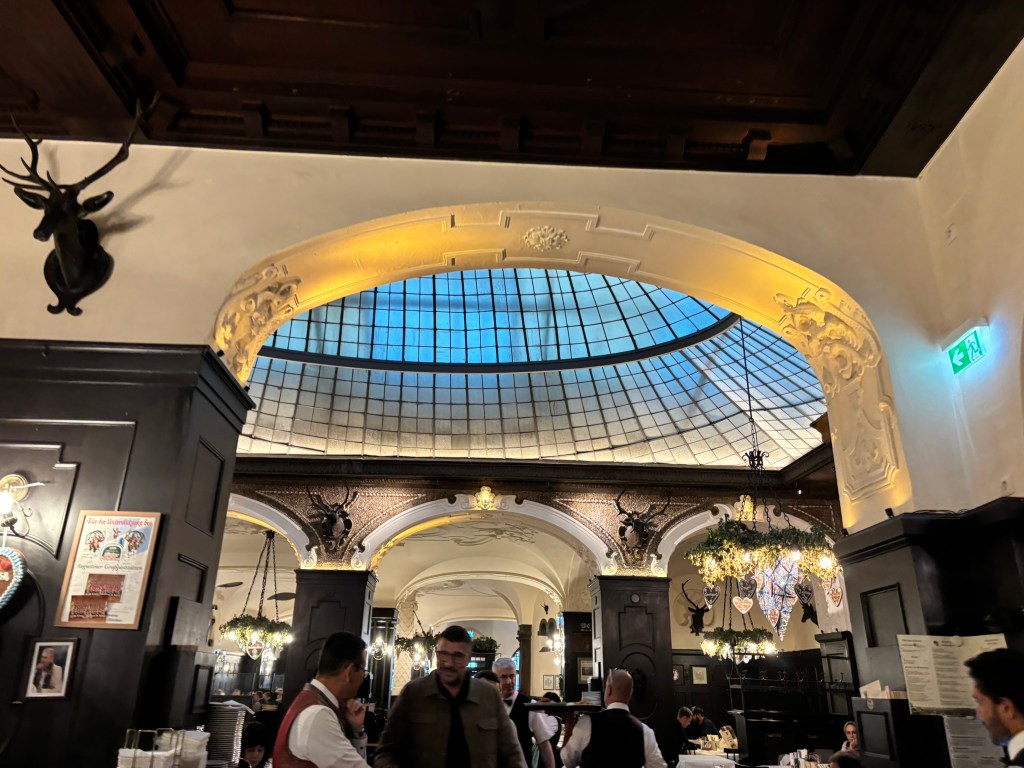
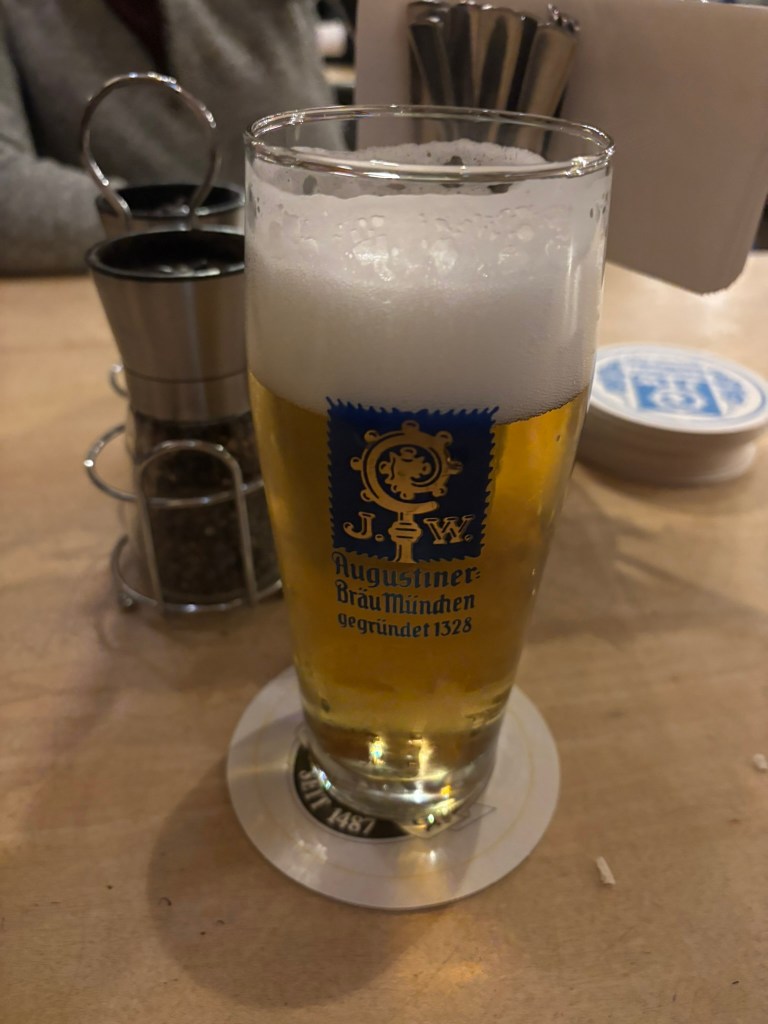
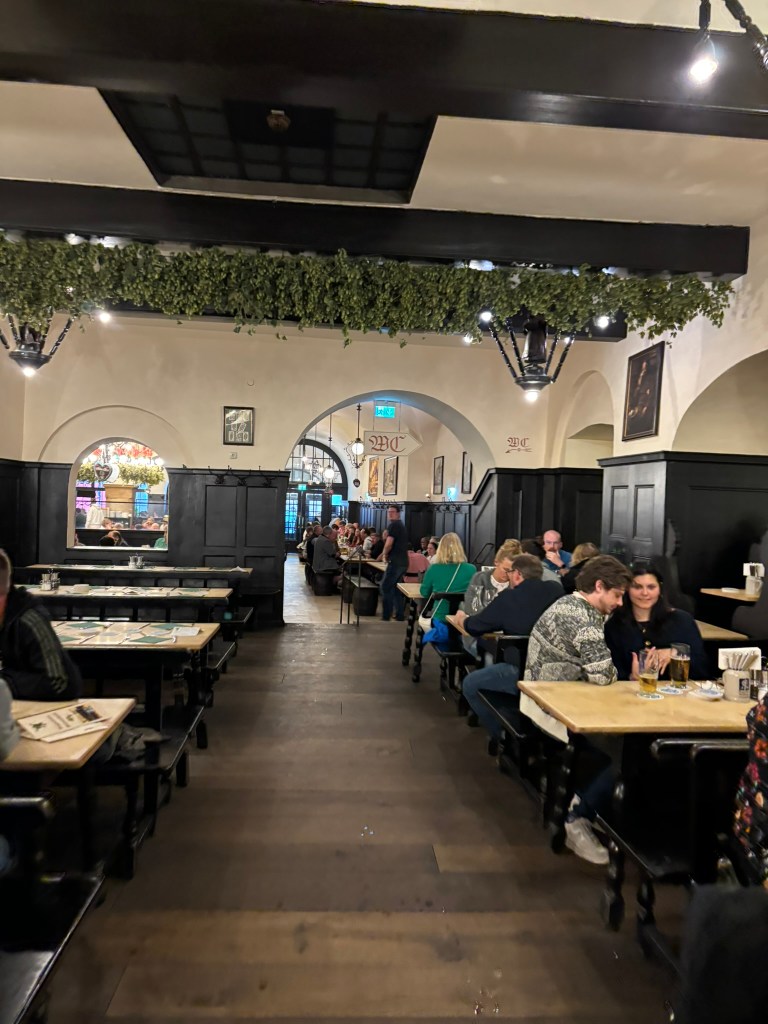
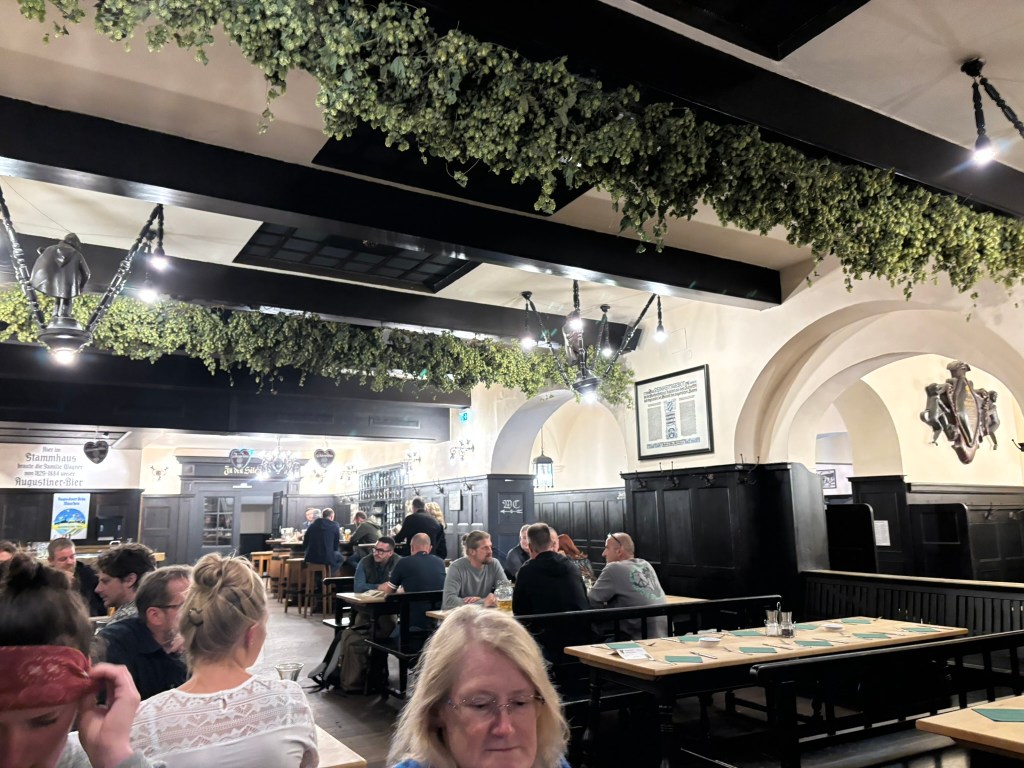
After some good beer and traditional German food, we were exhausted and ready to go to sleep. We took the train back to our hostel and took our leave from Mark and his family. We packed up and prepared for my mom and sister’s early departure home, and then I left Munich the next morning before sunrise for my final destination of the trip, Dresden.
 WANDERING