
We arrived in Anchorage around 8 PM, and I was immediately struck by how normal everything was. Obviously, Alaska is a state, and thus you would expect it to be the same as any other state. But I’ve been at so many foreign airports in my life that at this point, arriving at a new airport in the US is not the norm. I think some part of me had been thinking that Alaska would feel somehow more “foreign” than, say Kansas.
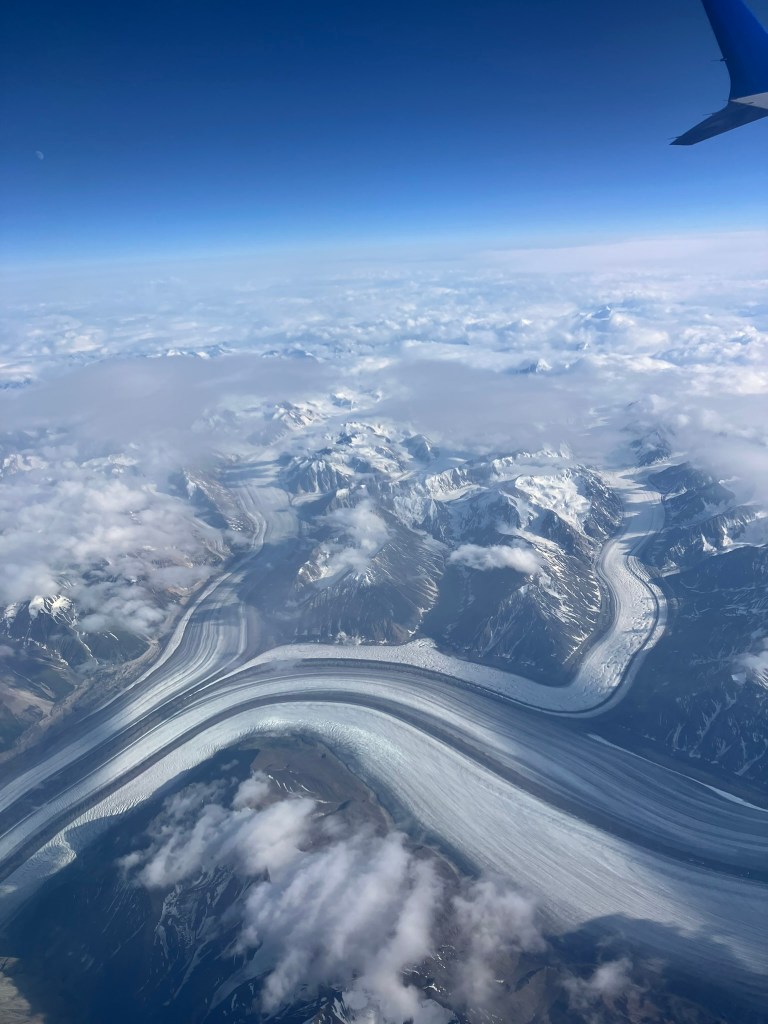
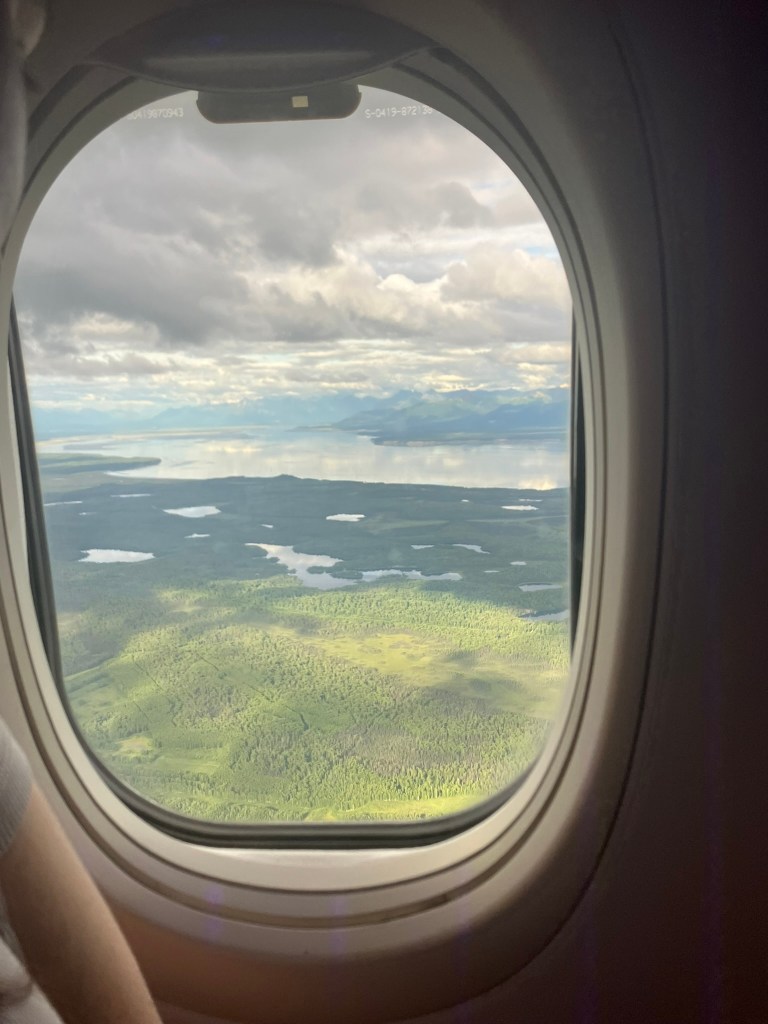
I was immediately struck by just how normal the Alaska airport felt. Certainly more than, say, the Jackson Hole airport. We went through the airport, grabbed our bags, and were in the taxi to our hotel well before 9. We decided to book a “go-it-yourself but they’ve created your itinerary and made your reservations” tour for our Alaska trip because my mom didn’t want to drive. Additionally, with the number of days that we had, there were some really great tour options that hit the highlights we wanted to prioritize.
After checking in and dropping off our bags, we were still very awake and Becca was eager to explore. The Arctic Circle crosses through Alaska, and thus it’s part of that weird part of the world that doesn’t get very dark during the summer. It was still very light out even around 9 PM, and so we wandered around the central part of Anchorage, scouting out activities for the days we would have to spend in the city. We wandered for about half an hour before, still light out, we finally decided to turn in.
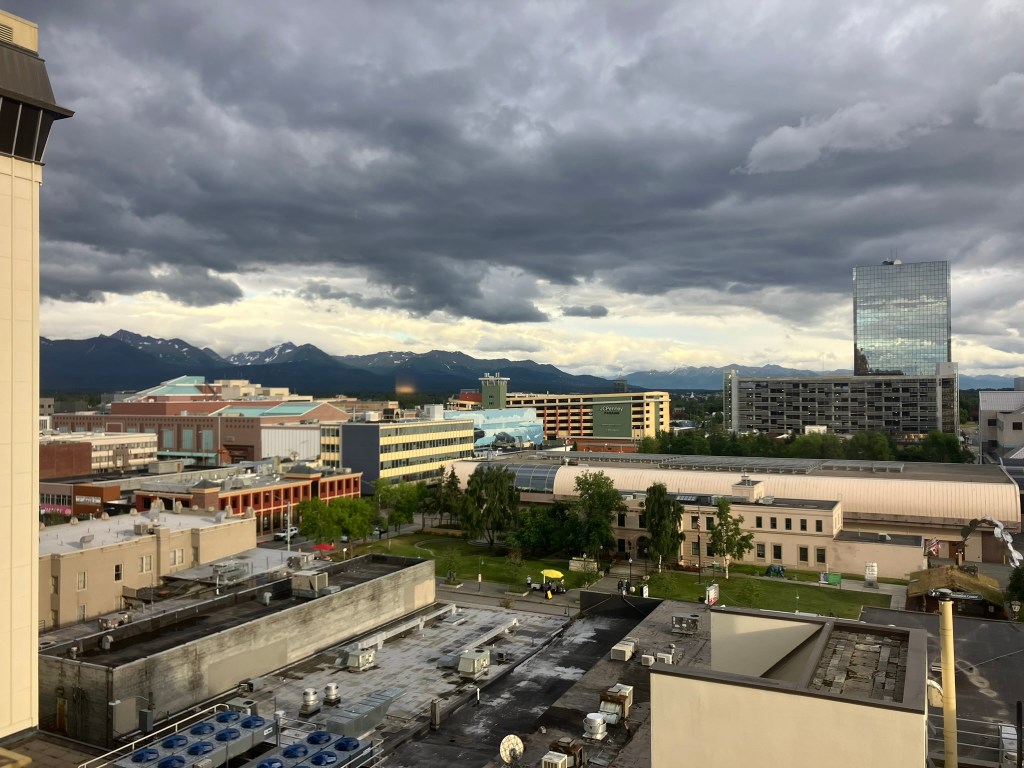
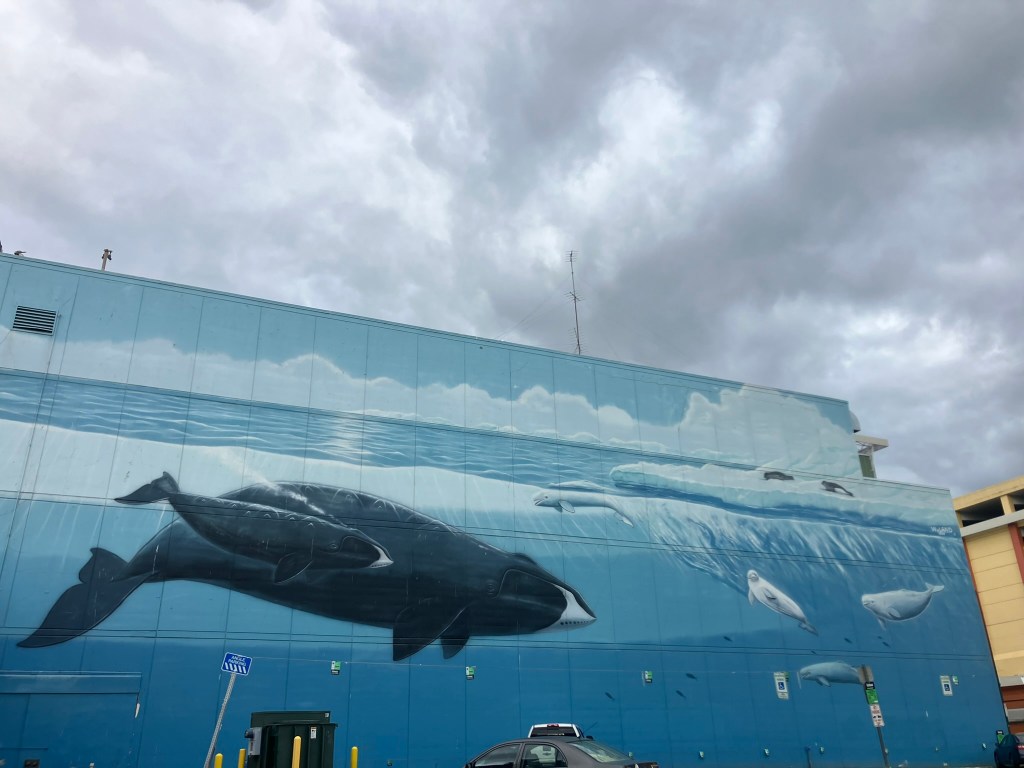
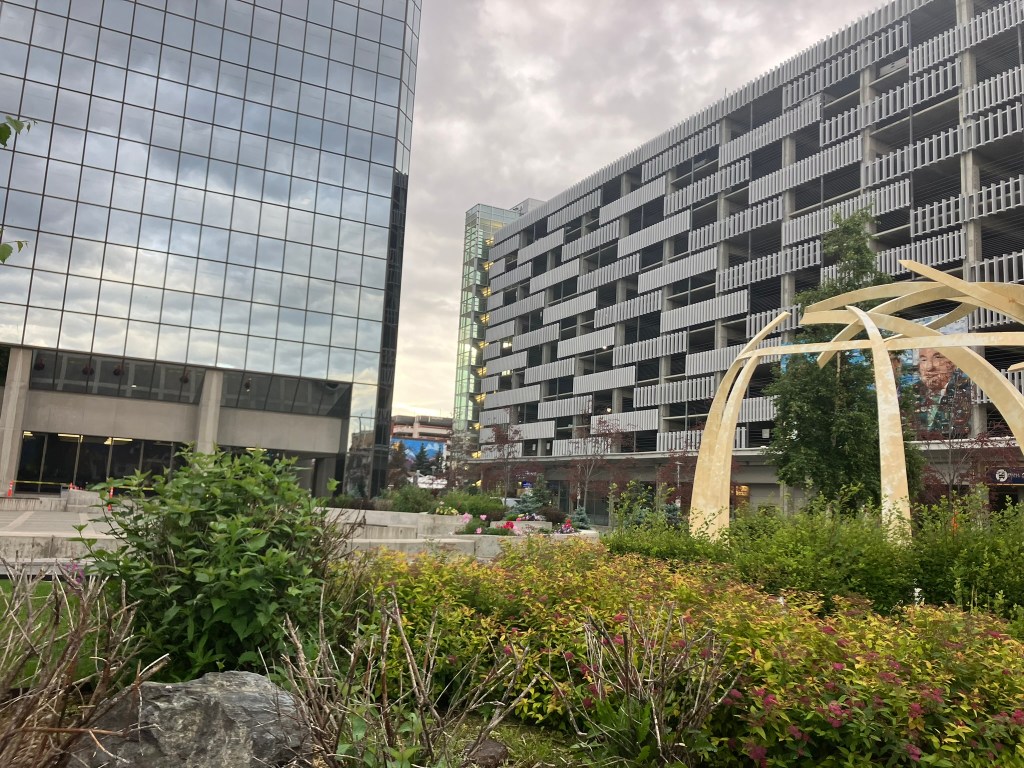
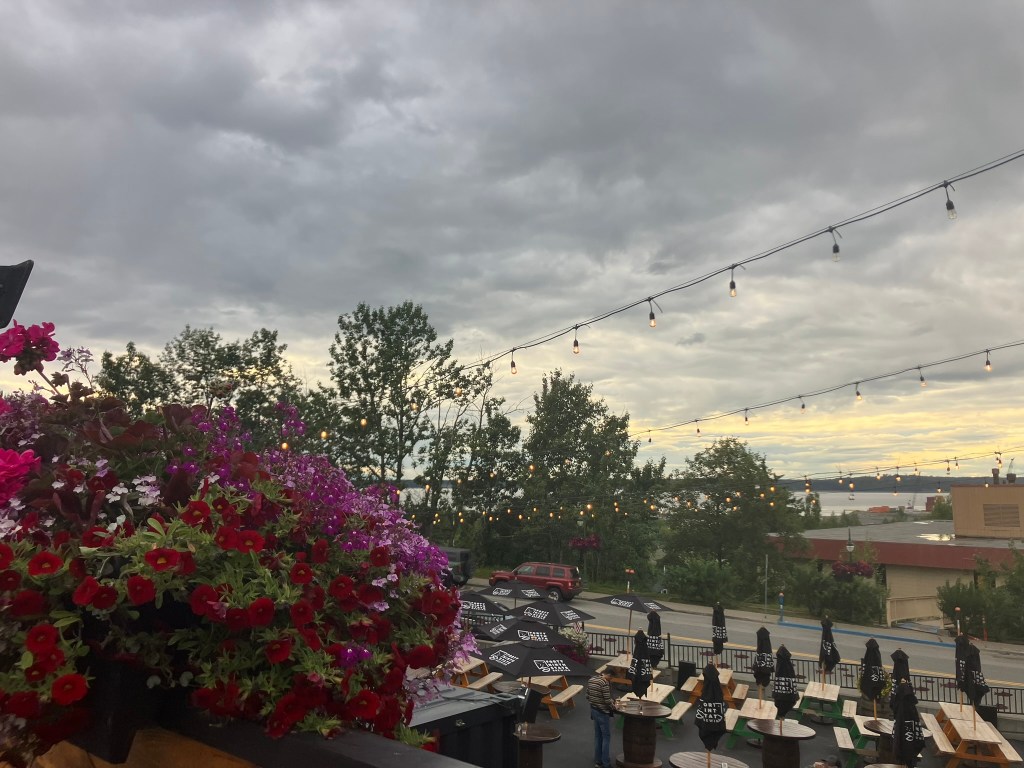
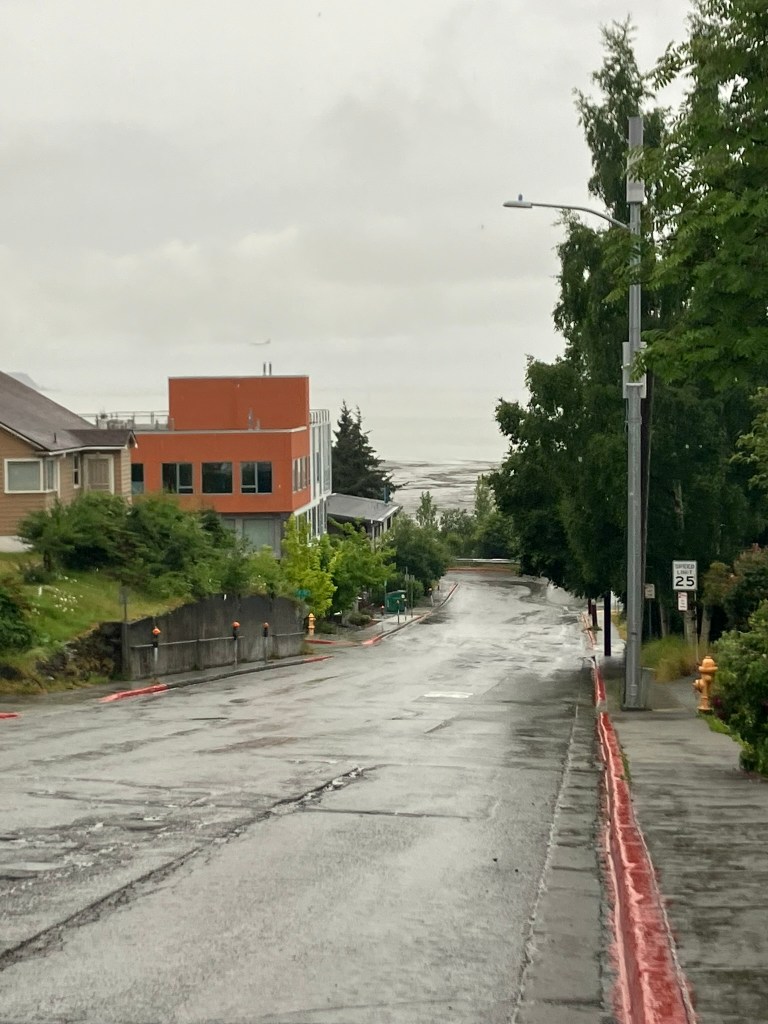
The next morning, we woke in Anchorage to clouds and rain. The trip we’d scheduled didn’t start until our second night, so we’d booked a different hotel in Anchorage the first night. That meant that we needed to transport our luggage between hotels in the rain. It was about a 20-minute walk, but we got the chance to see a bit more of the city and scout out a few restaurants.
After dropping off our luggage and regrouping, we headed out for the day. We’d been warned by a few different friends that despite holding around 40% of the state’s population, Anchorage was really not much more than a suburb. By the nature of our flying into and out of Anchorage, we were set up to spend essentially two full days, and one additional lunch midway through our trip, in the city. As such, my mom and I had looked into an inner tier and outer tier of things that we wanted to do. But we hadn’t planned our days out, preferring flexibility to respond to just such things as the weather.
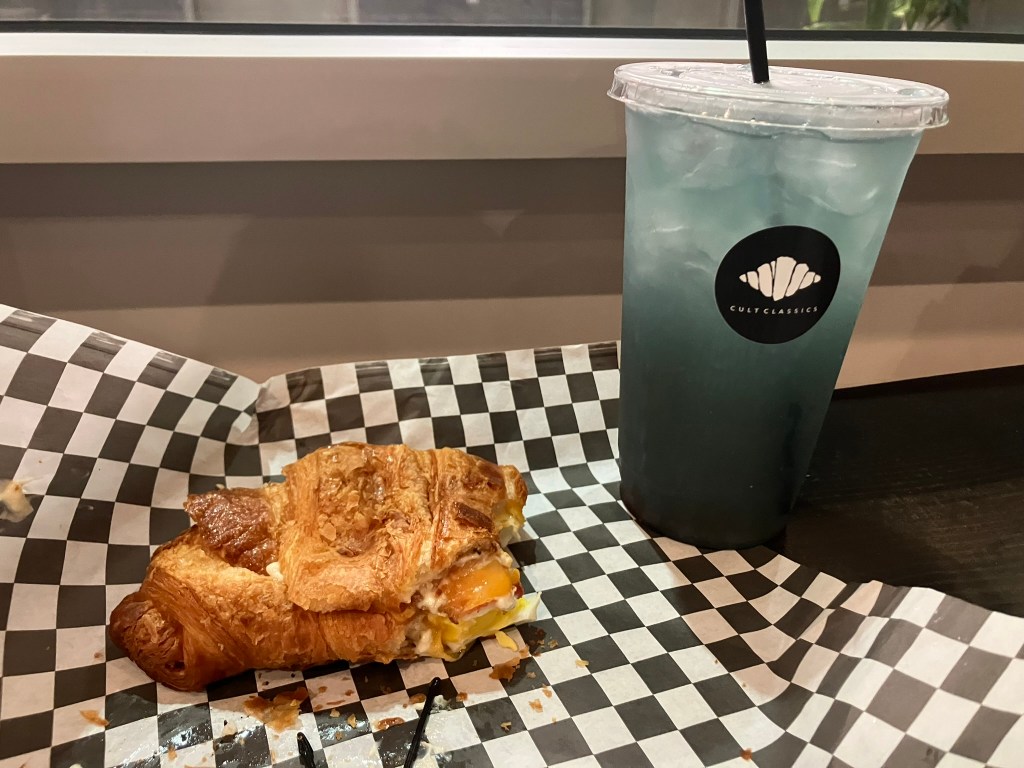
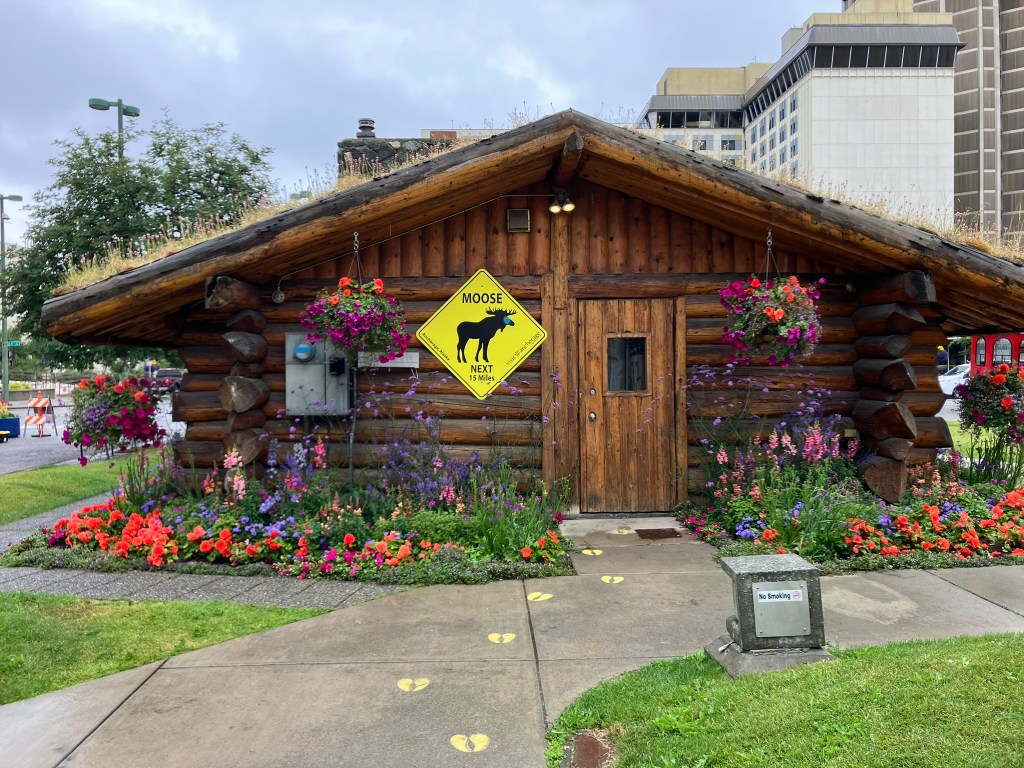
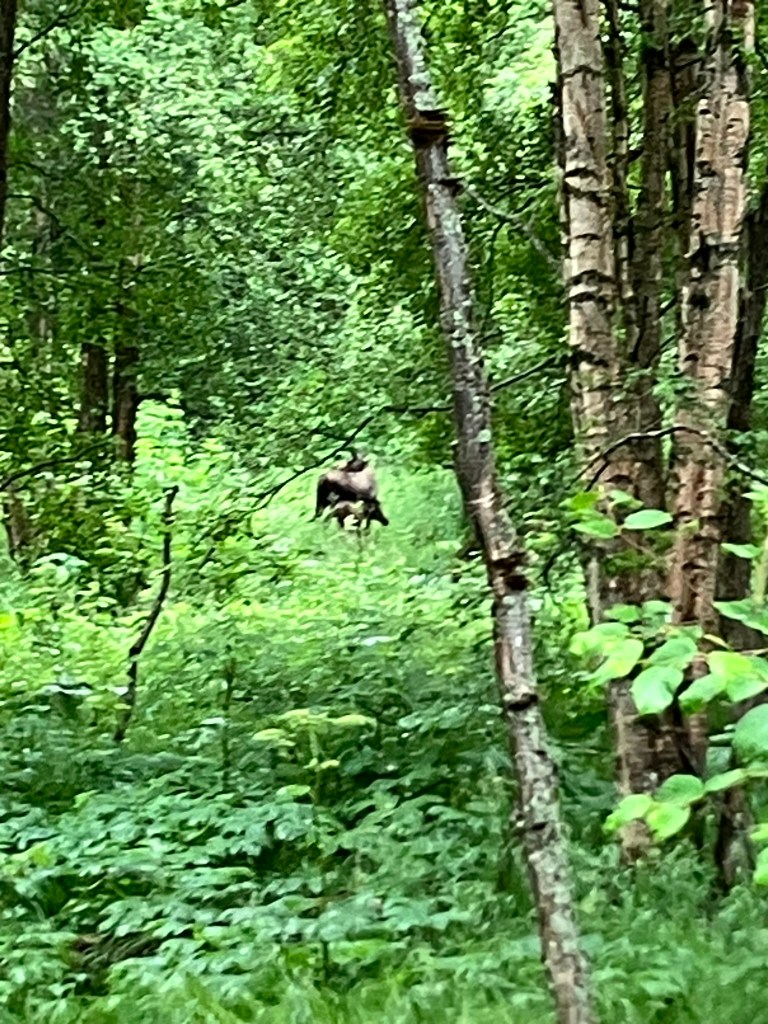
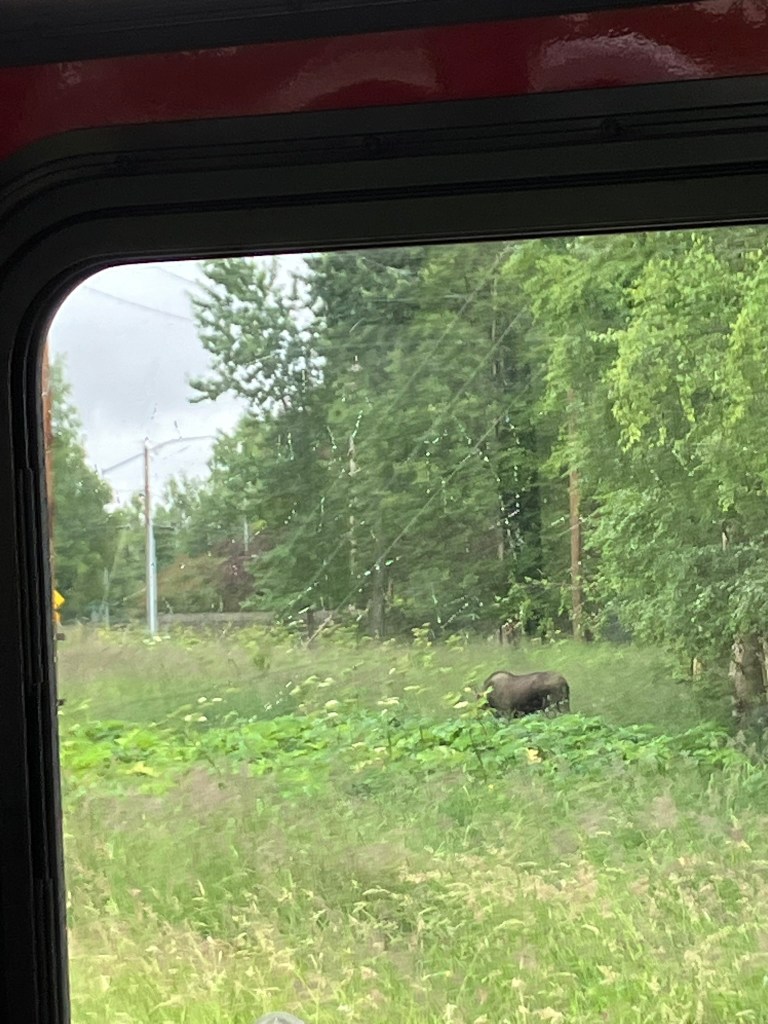
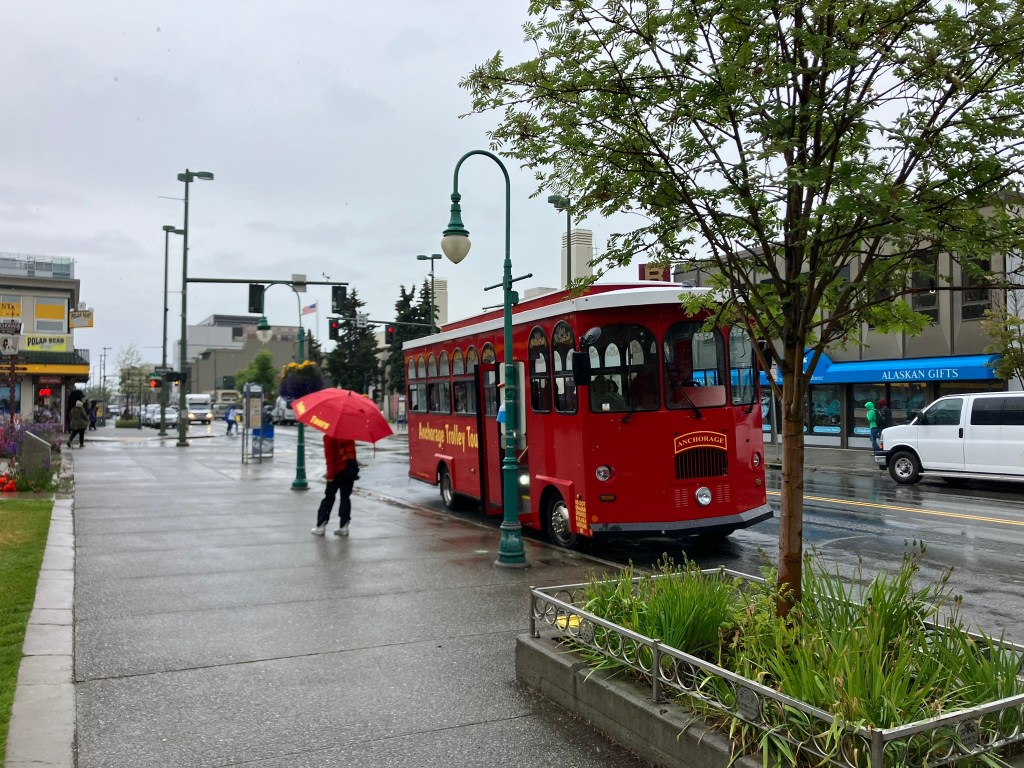
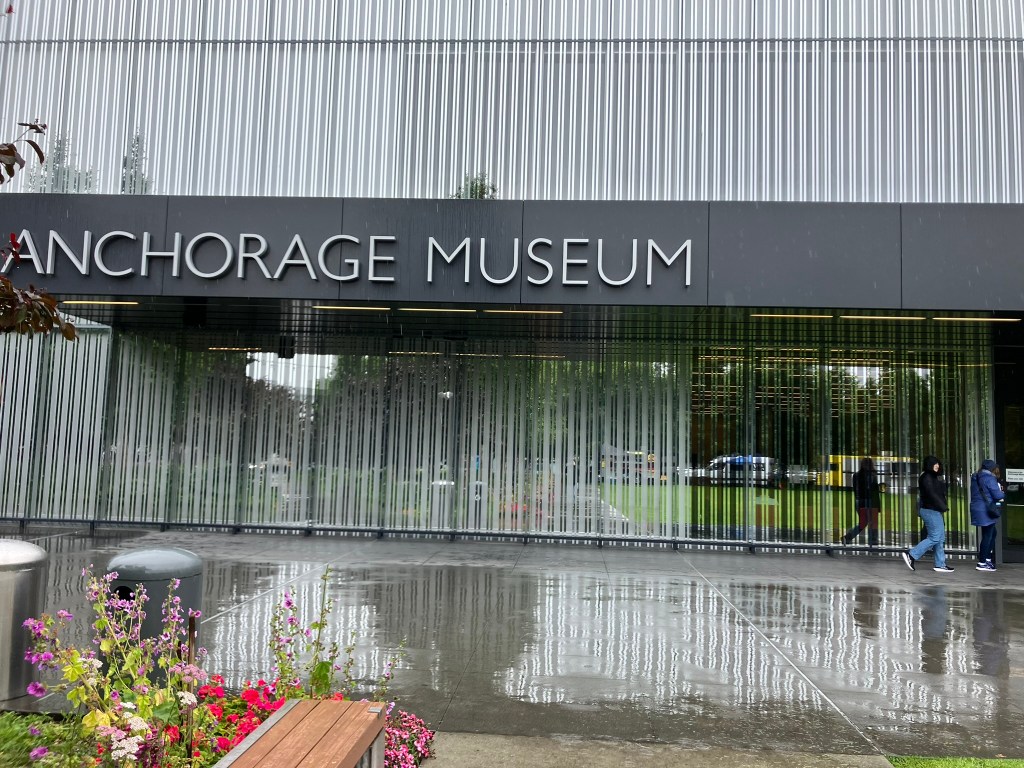
Luckily, our main stop that we planned for the first day was the Anchorage Museum. A great plan for a rainy day. But the museum didn’t open until 10 AM, and my mom and Becca were very much still on Chicago time. (AKA my mom woke up around 4 in the morning Alaska time). While we were looking for ways to spend our hour between when we finished breakfast and when the museum opened, we made our way to the visitor center, which was a log cabin plopped into the middle of the city. We wandered inside the visitor center, grabbing maps and considering our options for the day. Outside, we caught sight of a trolley tour. I’d seen the trolley drive past the night before and vaguely clocked it, but because it was still raining, we thought “why not?” We hopped onto the trolley for the hour-long tour around Anchorage. We ended up learning about the 9.2 magnitude earthquake that devastated the city in 1964, learned a bit about the city’s mining past and how it got its name, and even got to see three different moose while on the ride. It turned out to be well worth the money to spend our time dry, learning about history, and getting to see parts of the city we wouldn’t have been able to without a car.
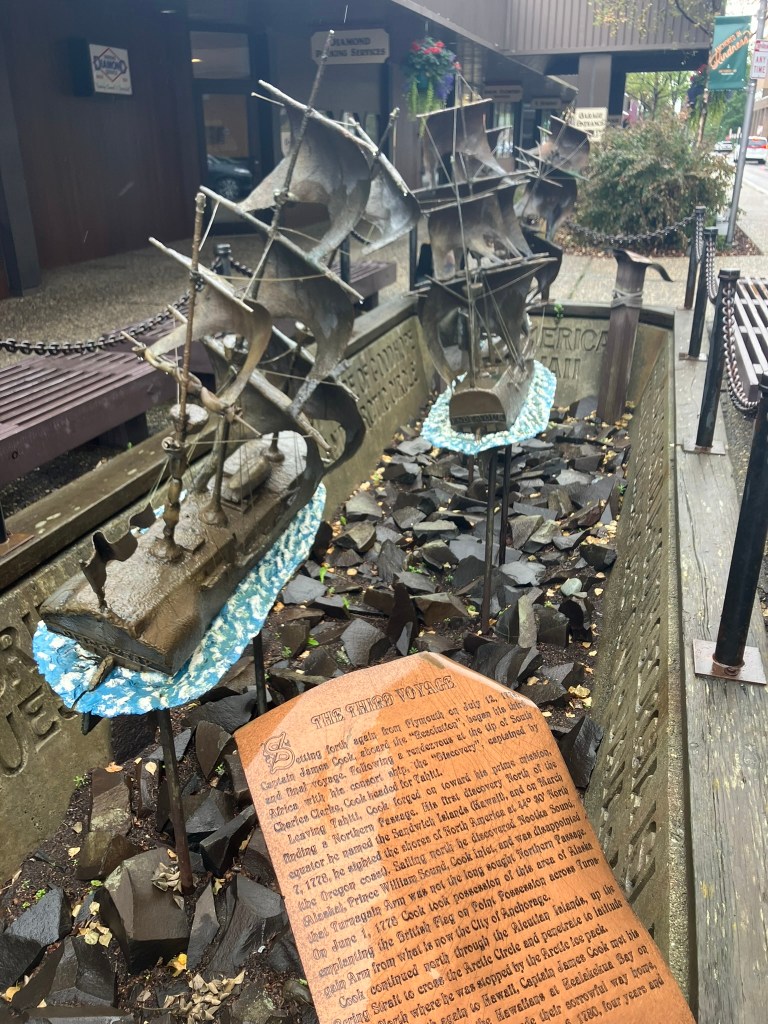
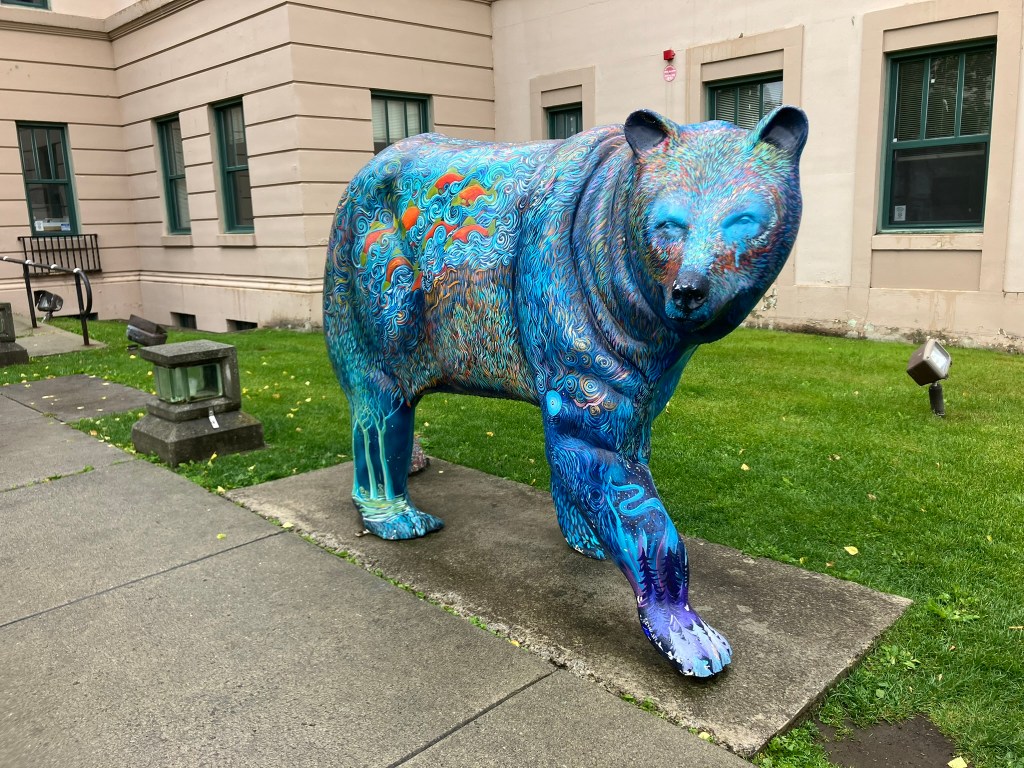


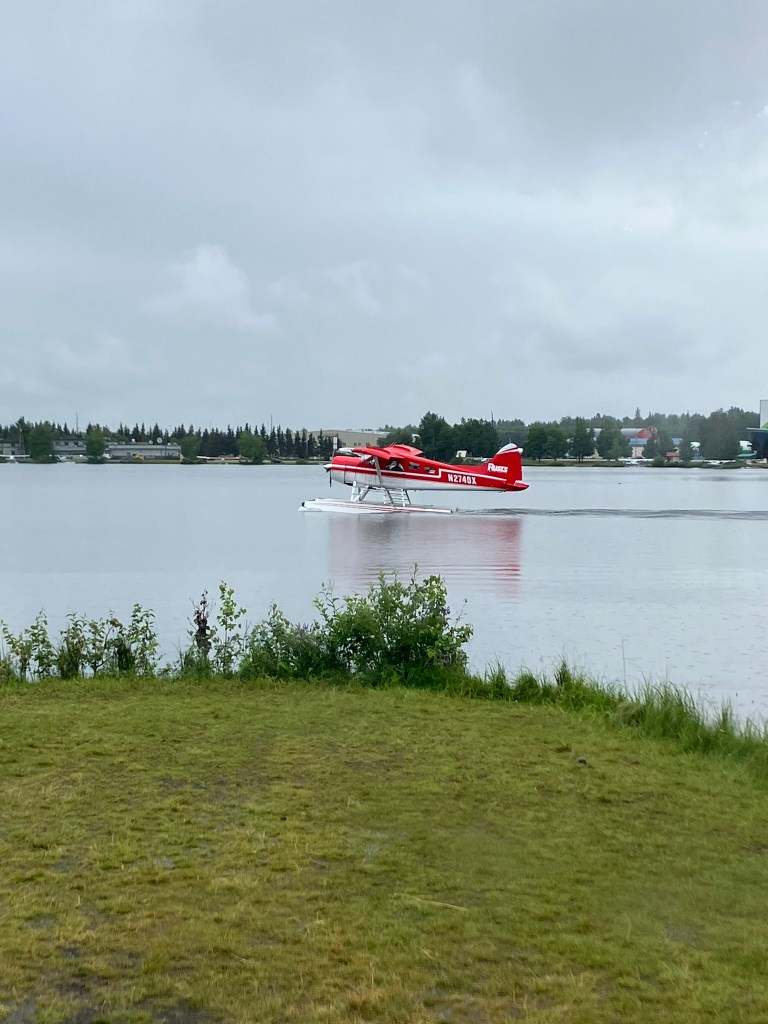
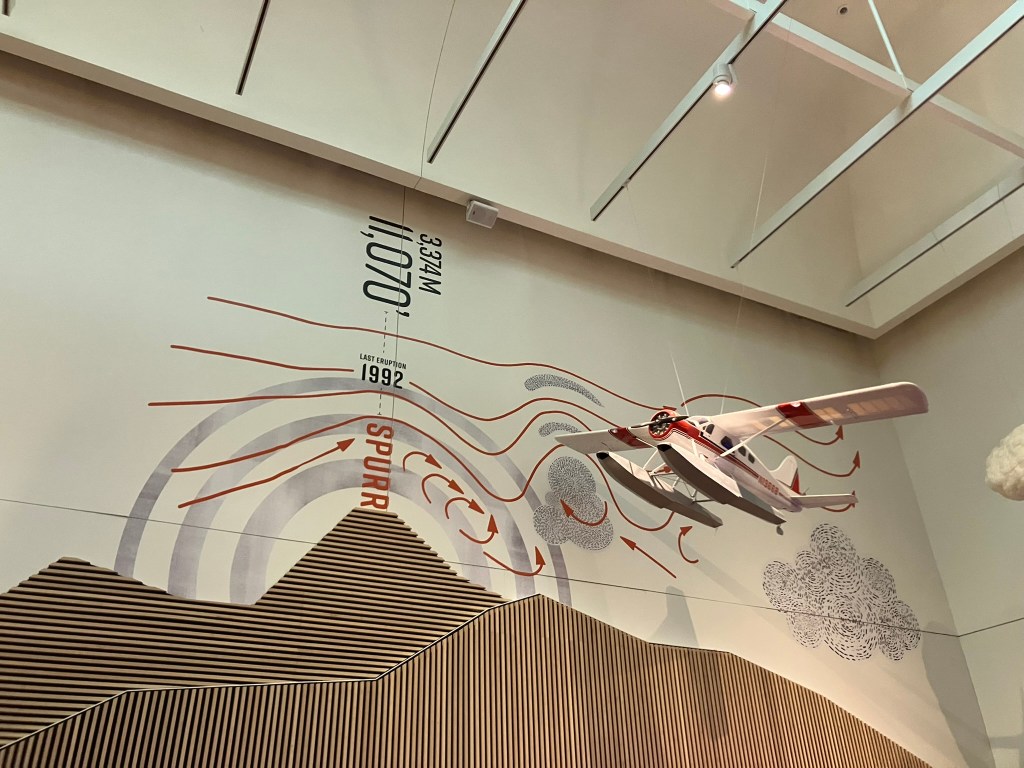
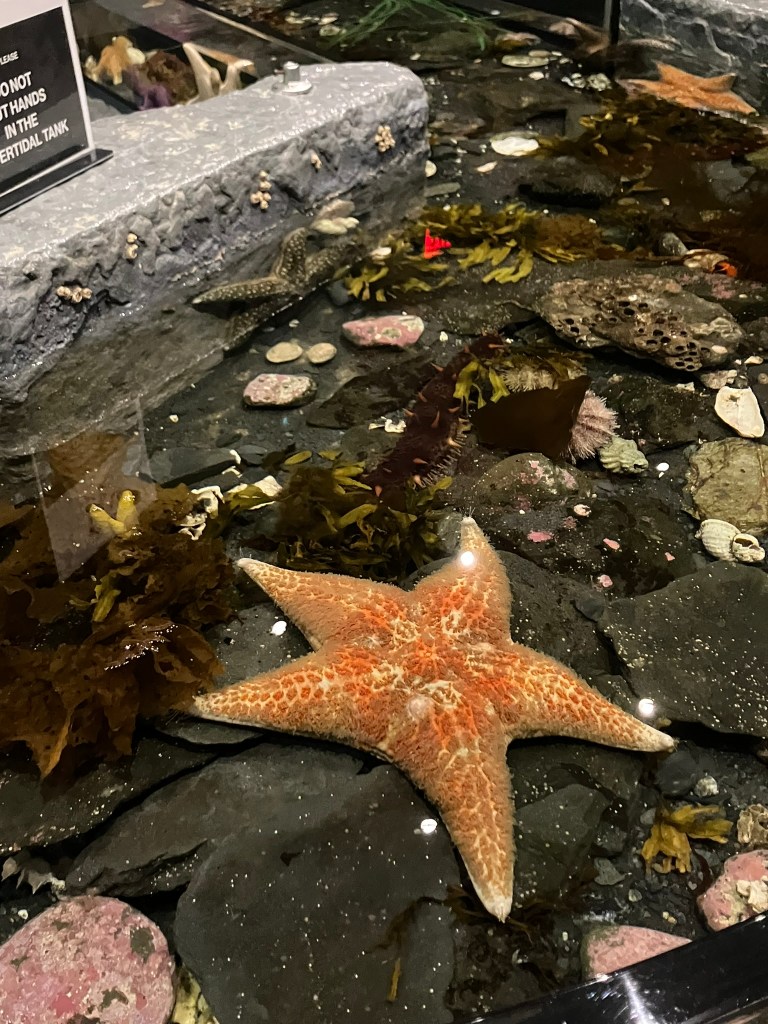
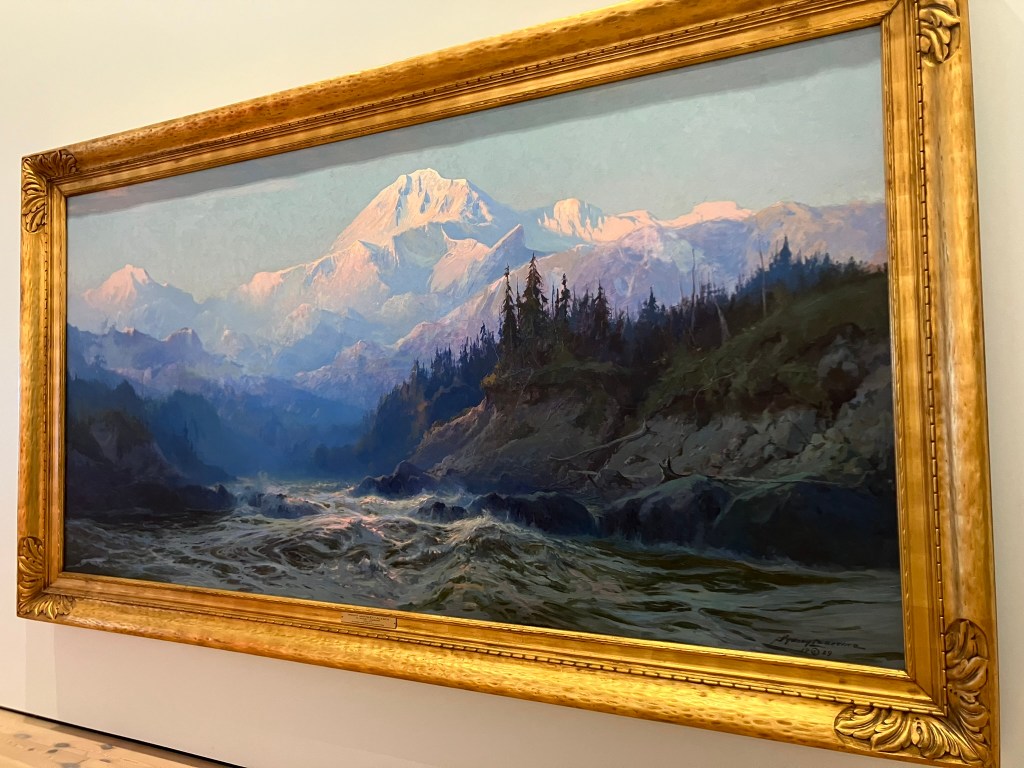
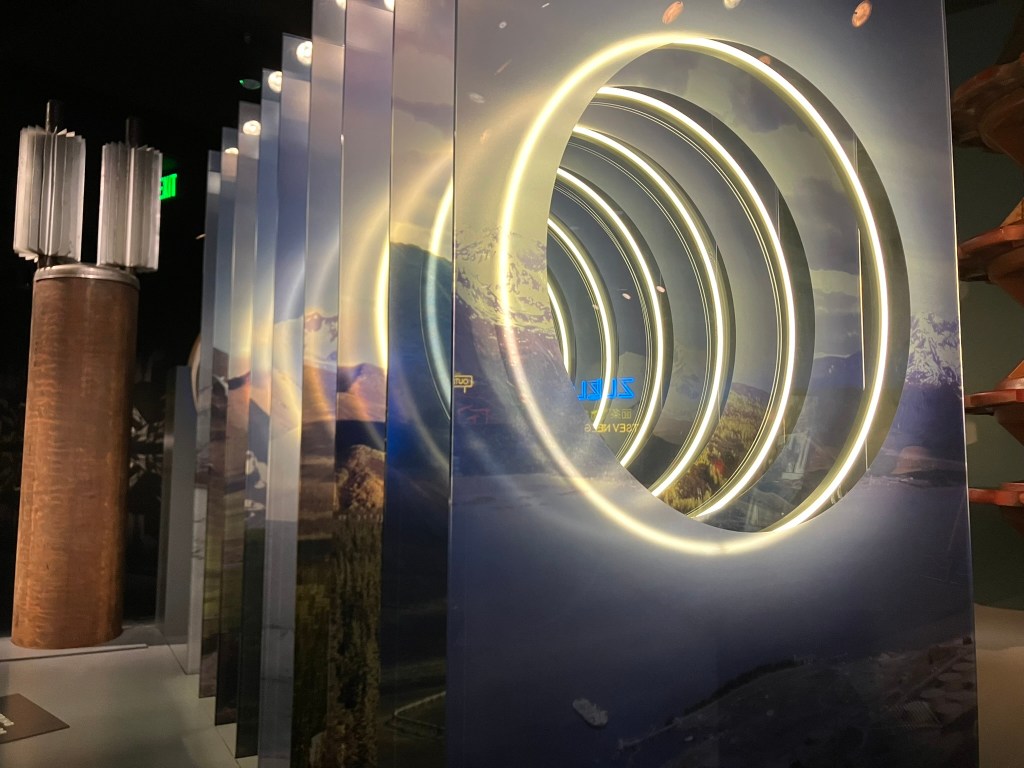
After our trolley ride, we headed toward the Anchorage Museum. The museum was an interesting combination of art museum, science museum, and history museum. The art part of the art museum had art from local Alaskan artists, as well as a special exhibit on sustainability. The science museum gave us information on earthquakes, glaciers, and the aurora. The history aspect of the museum had a really beautiful exhibition of the various native Alaskan peoples.

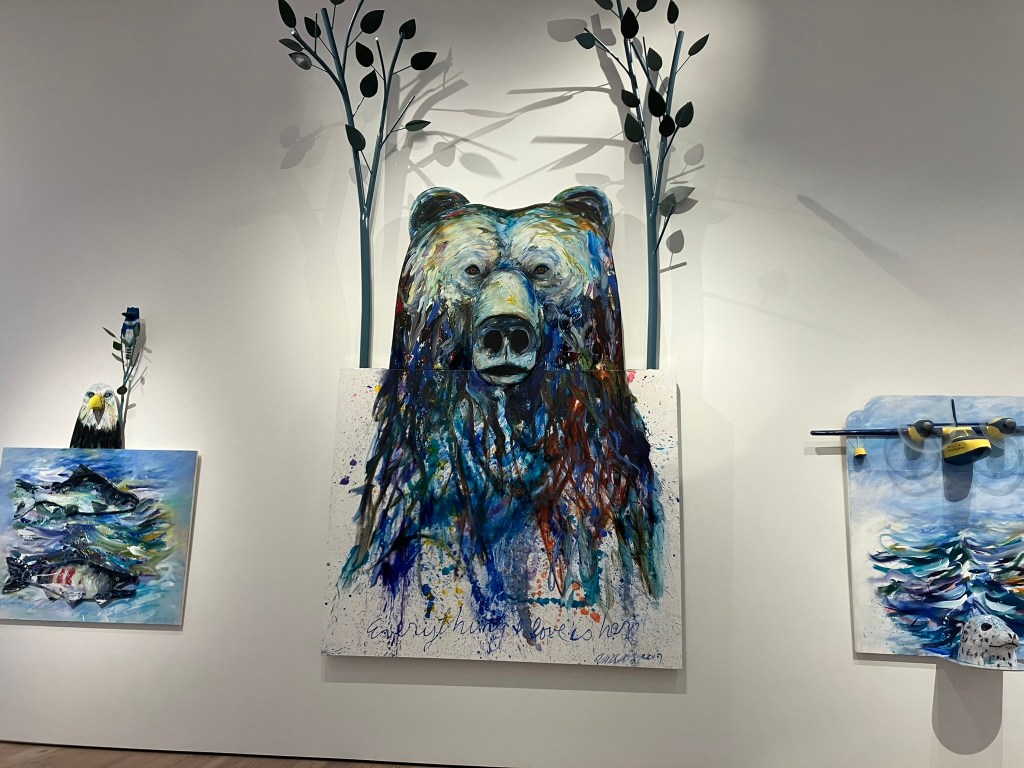
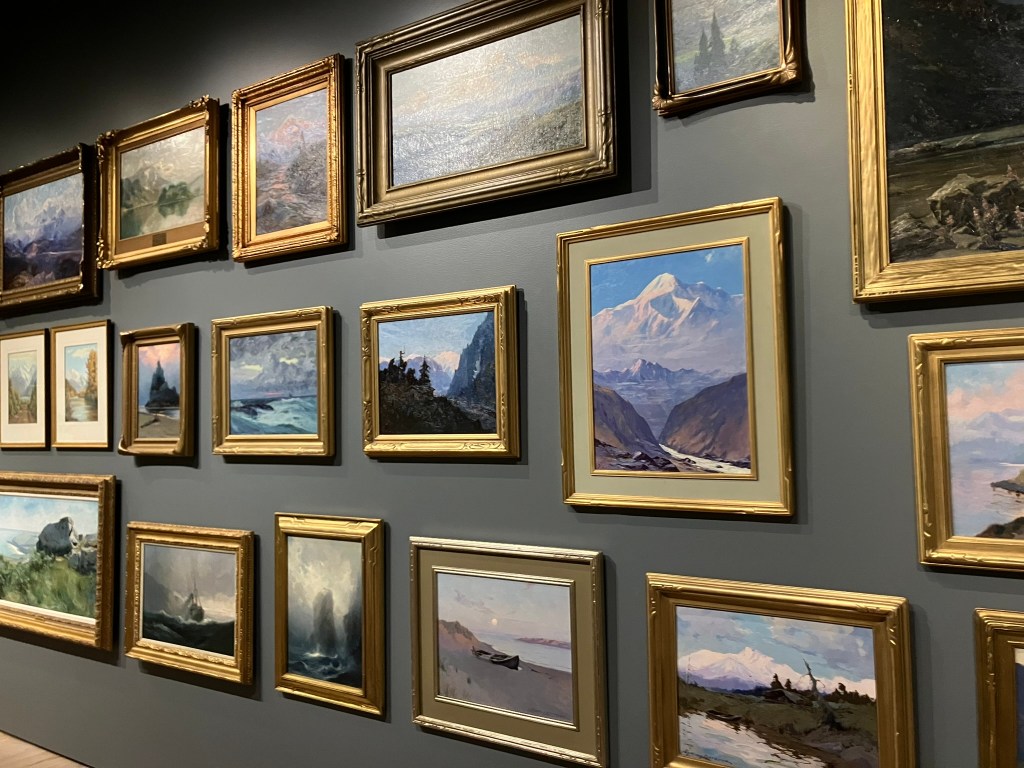
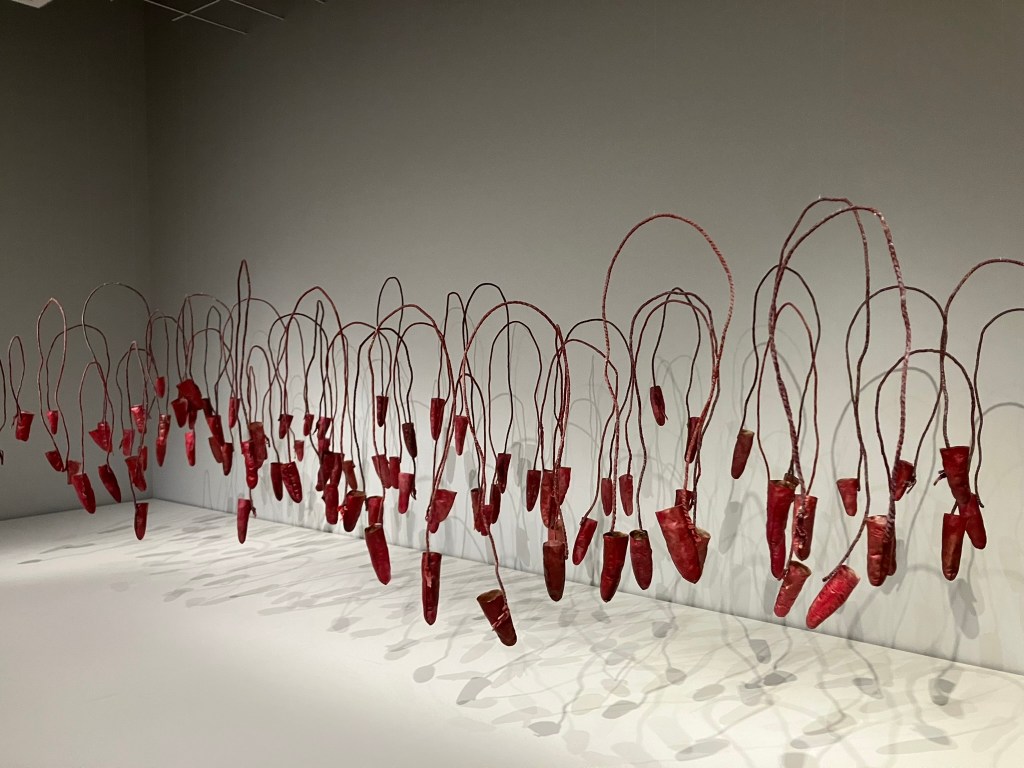
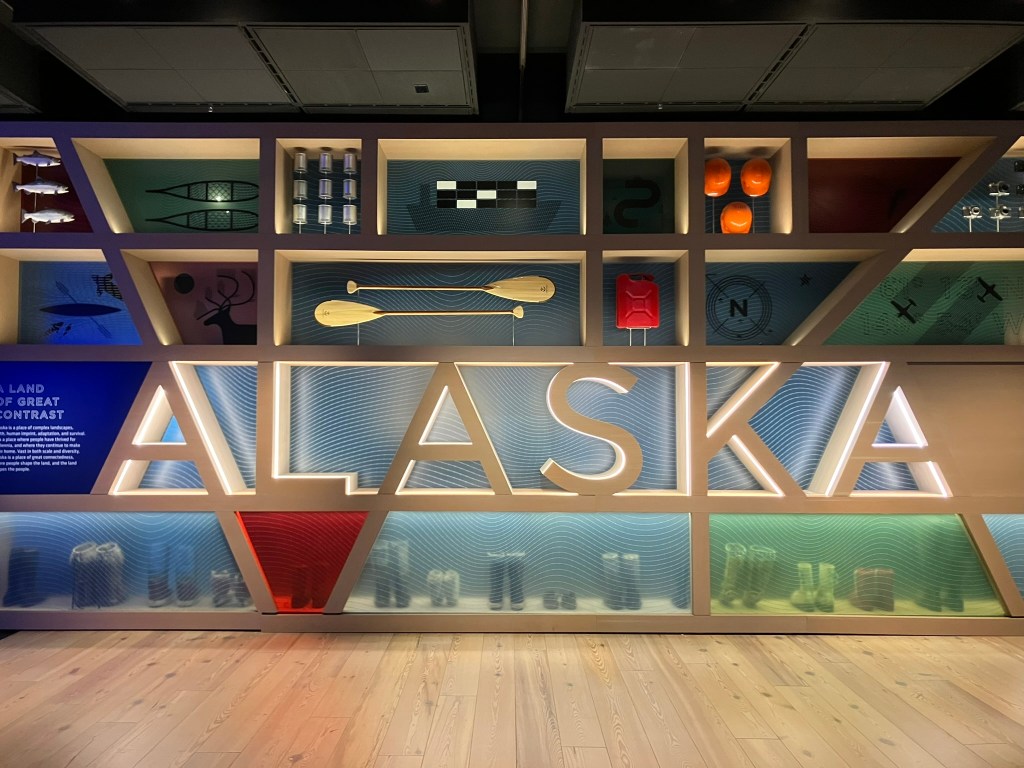
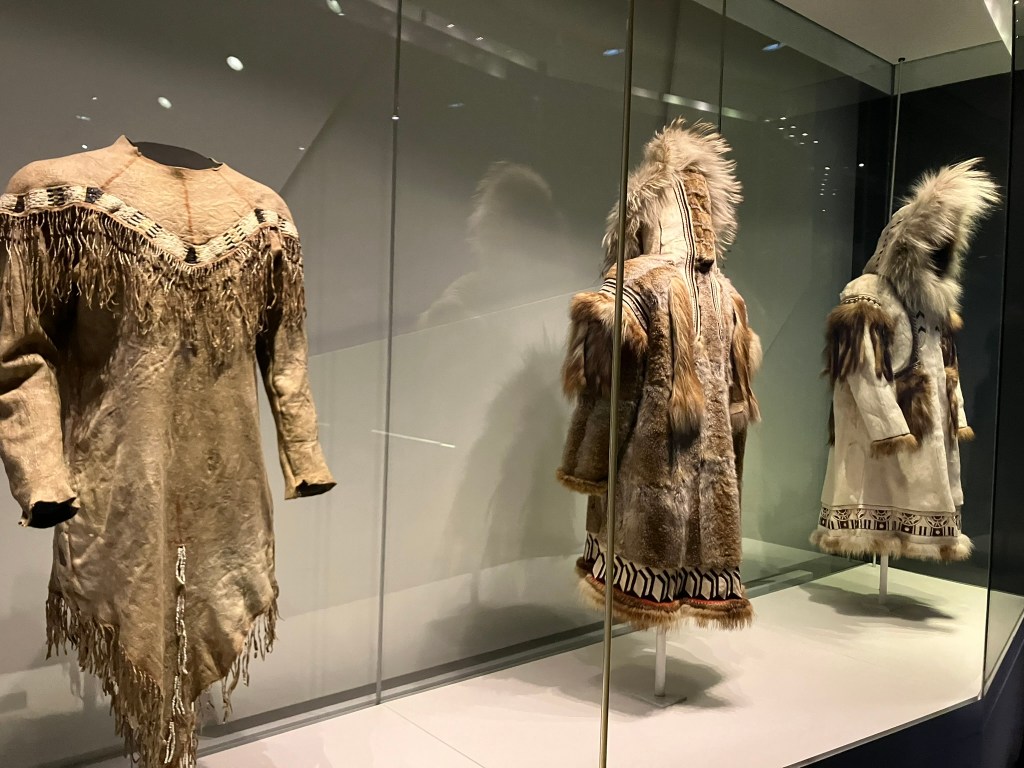
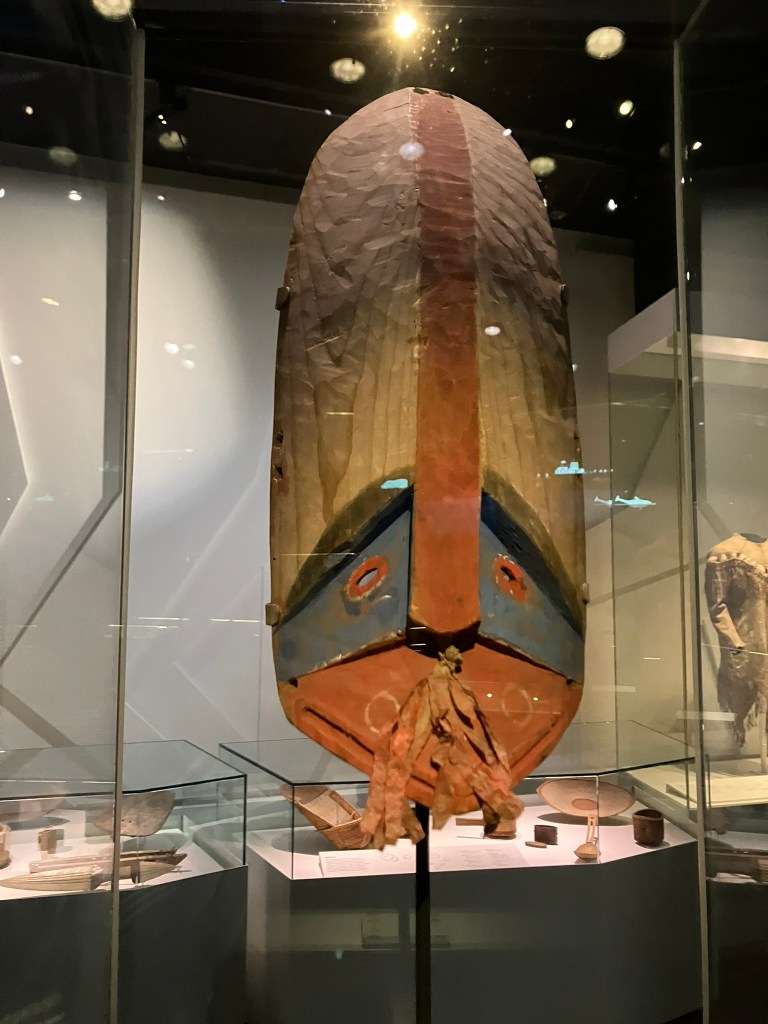
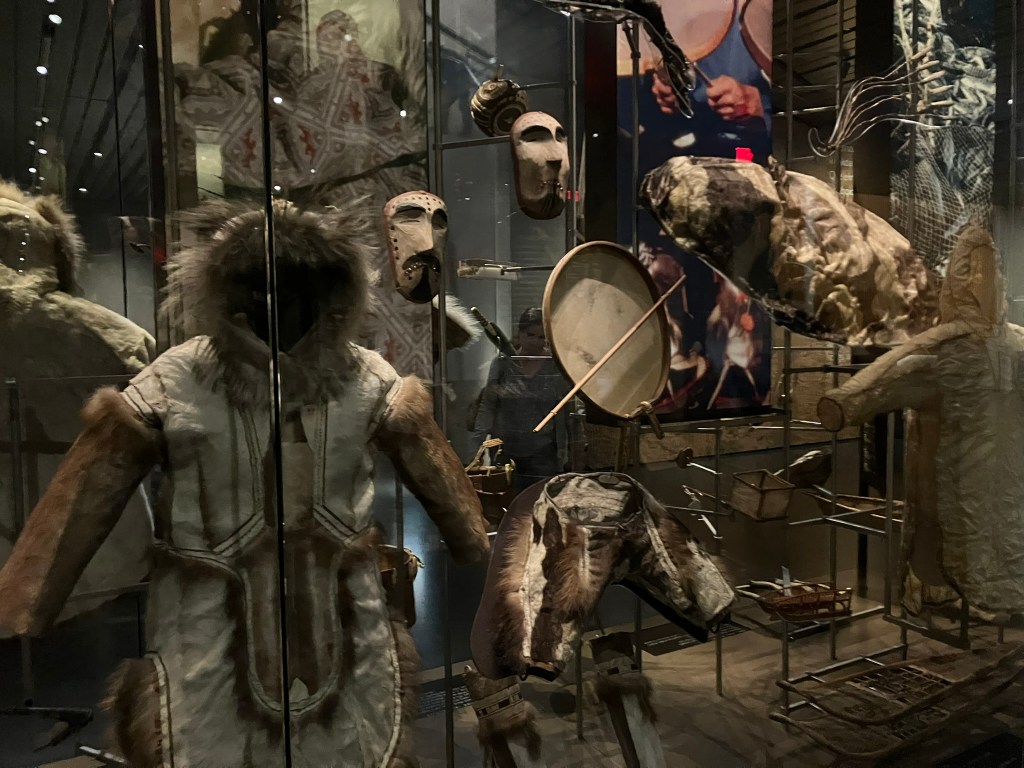

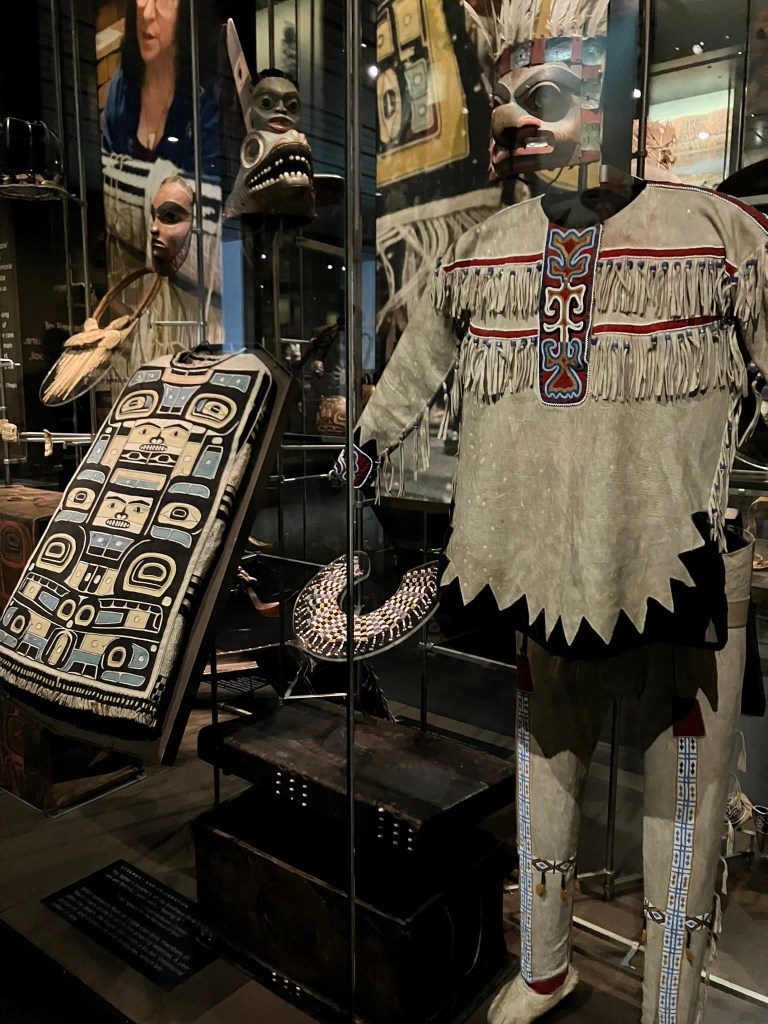
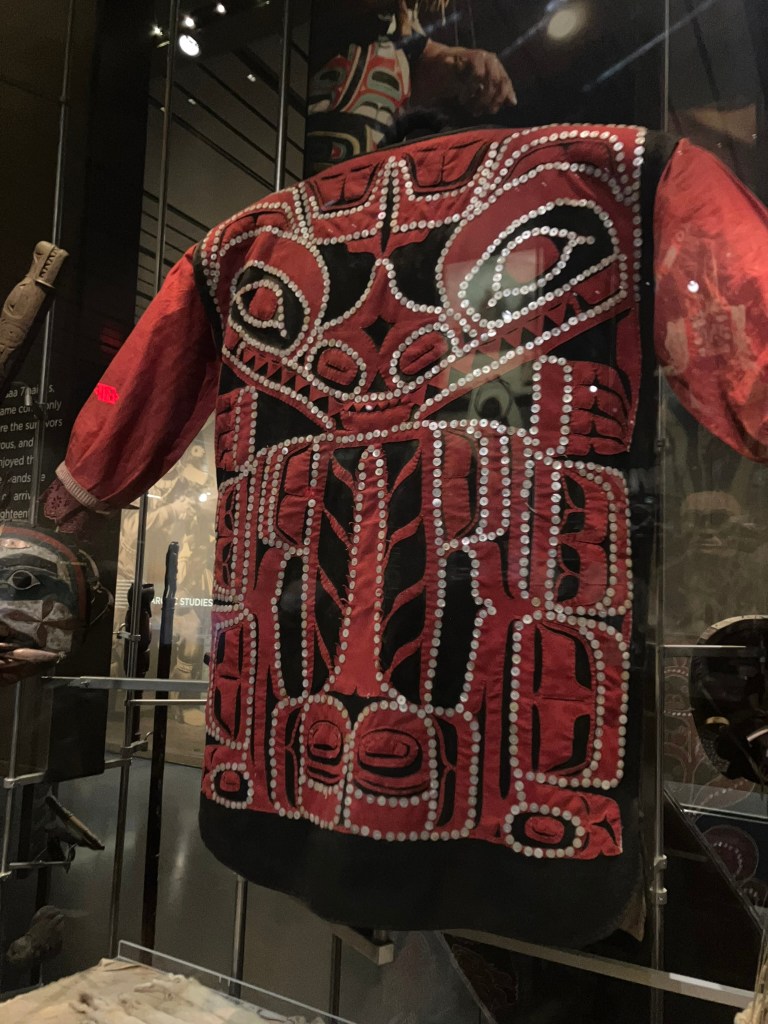
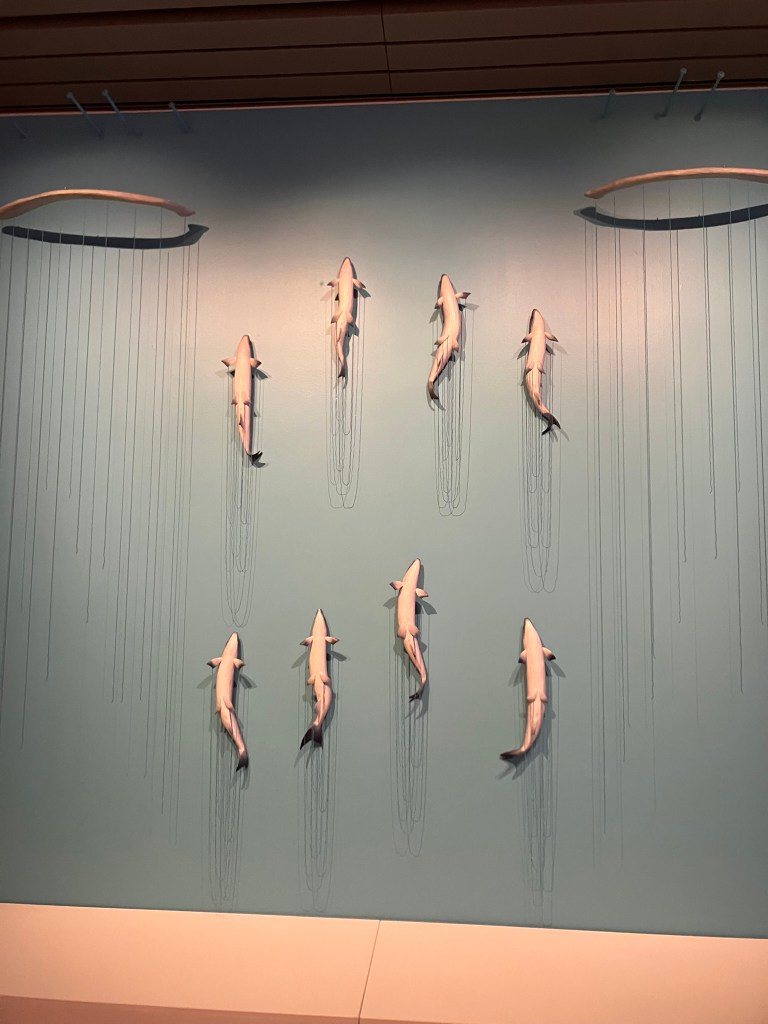

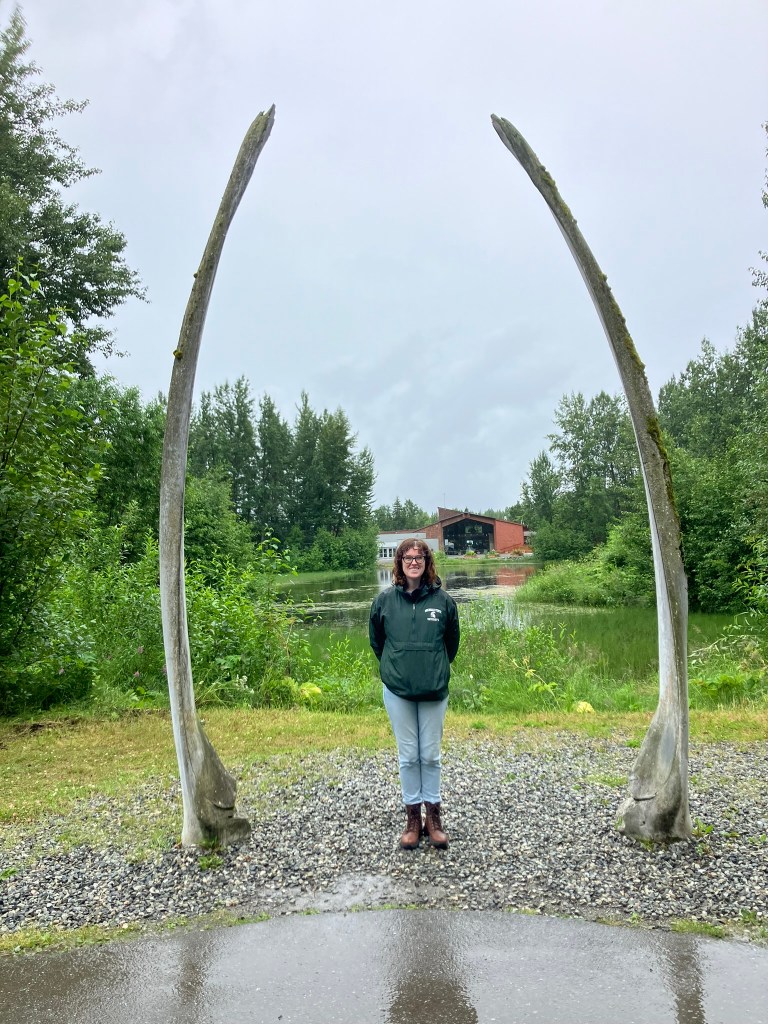
We grabbed lunch at the museum and then caught a cab to the Alaskan Native Cultural Center, a space used by the native groups of Anchorage as a museum, cultural center, and education center. We walked through the museum part of the center, learning about the purpose of various articles of clothing, canoes and kayaks, and other cultural aspects of the various peoples. We also learned about the more unfortunate aspects of the Alaska natives’ history with the U.S., such as the boarding schools that tried to strip the children of language and heritage. They also were excited to be opening a new exhibit in 2025 with artifacts that have been repatriated from various museums across the country.
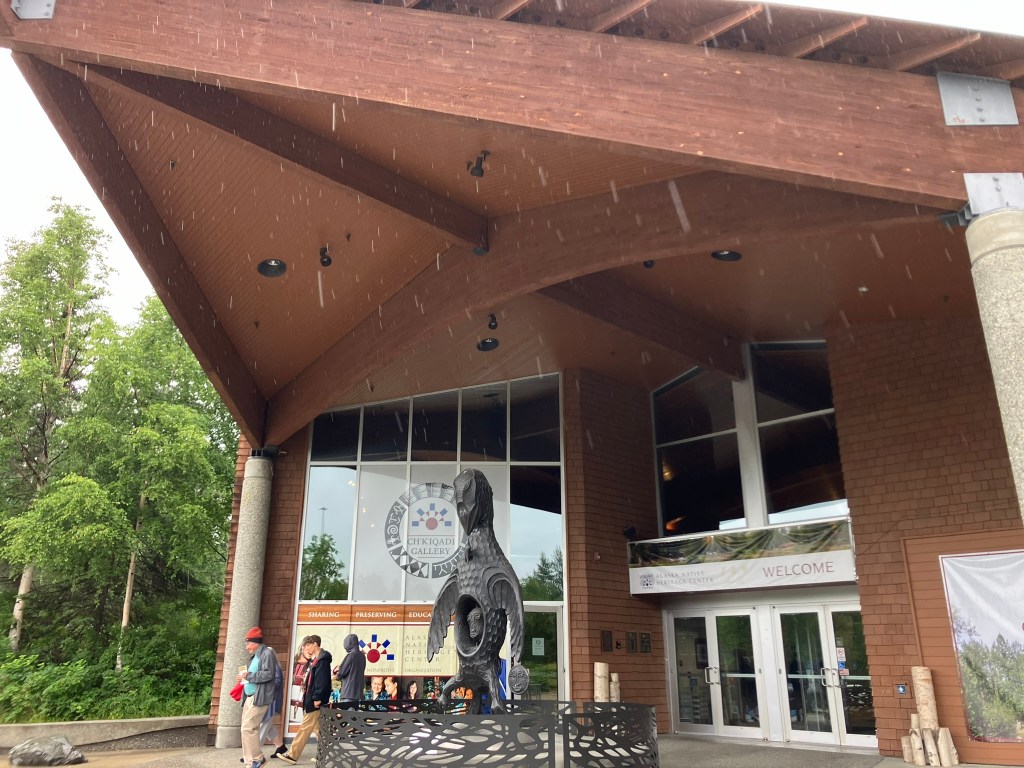
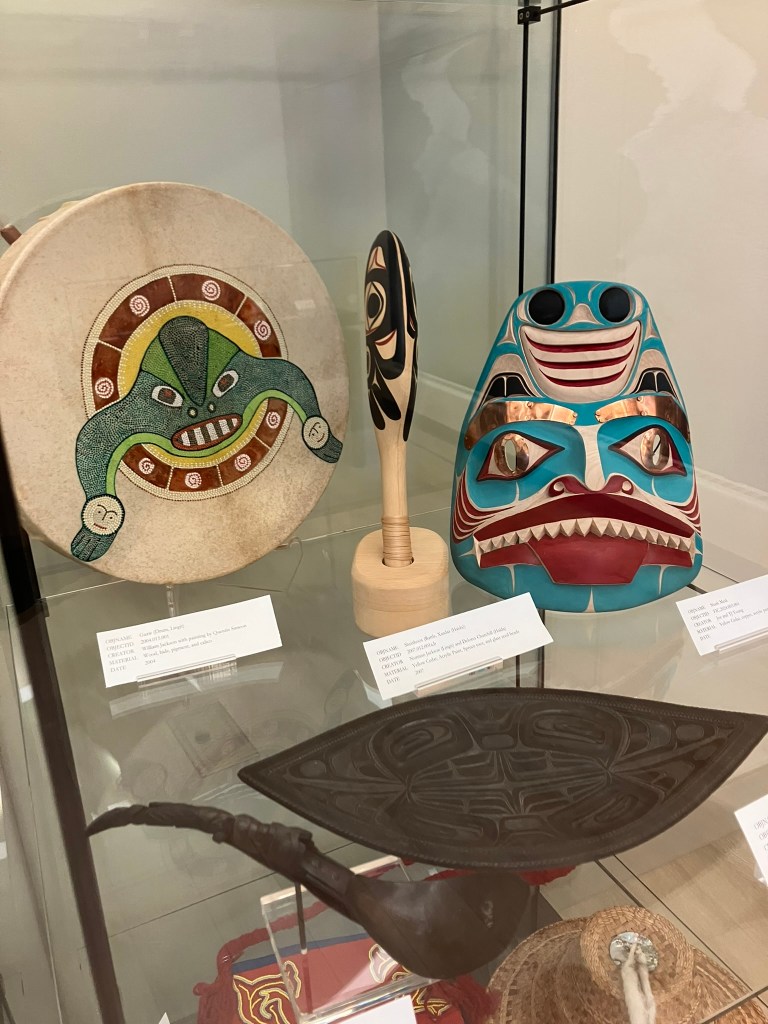
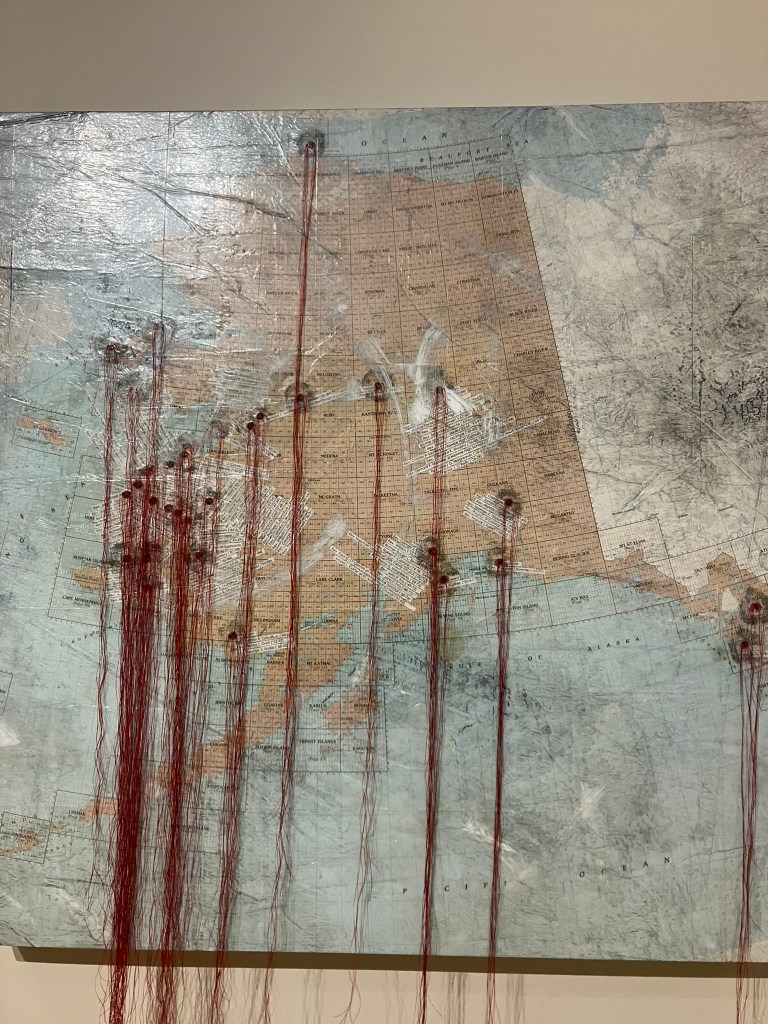
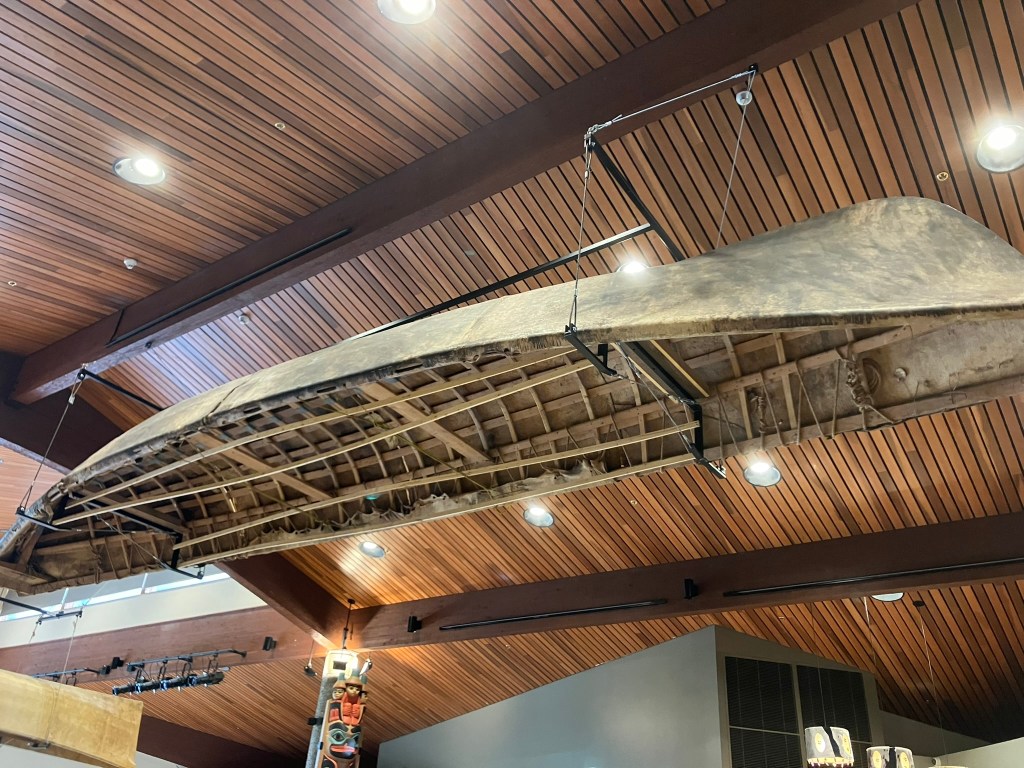

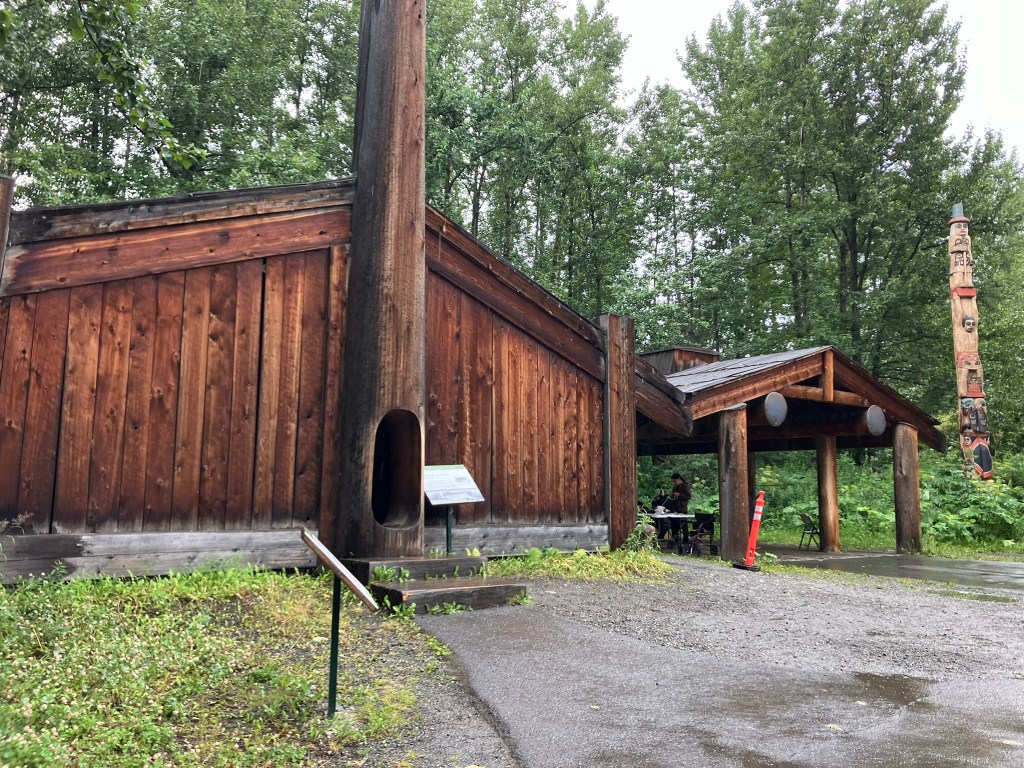
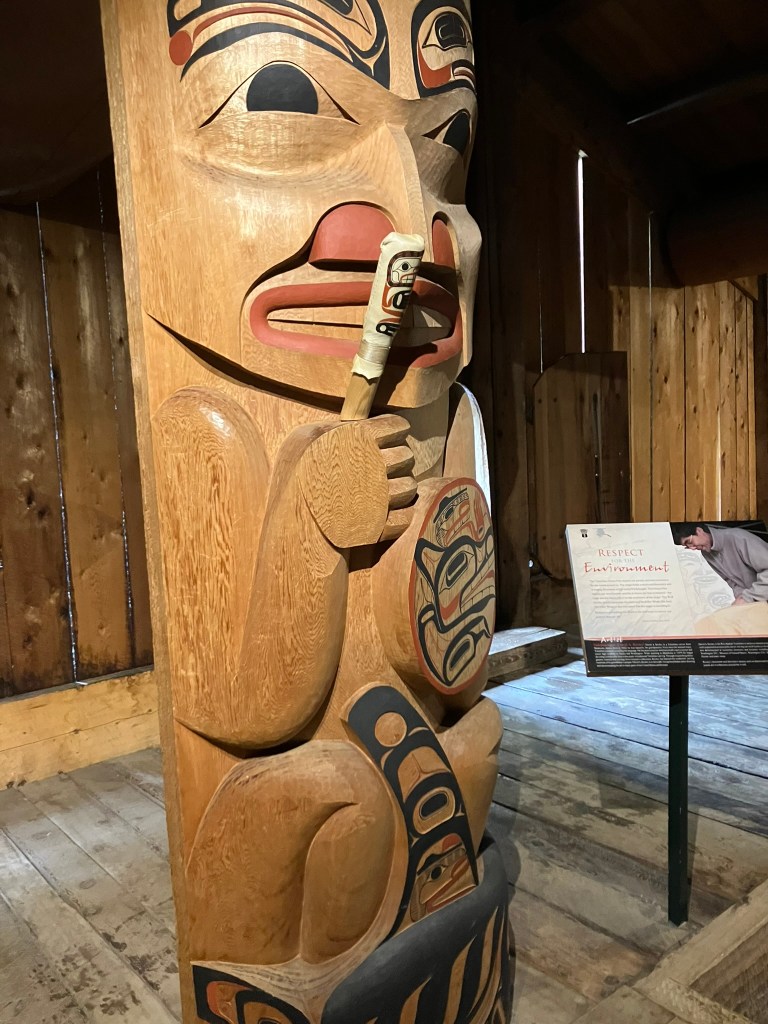
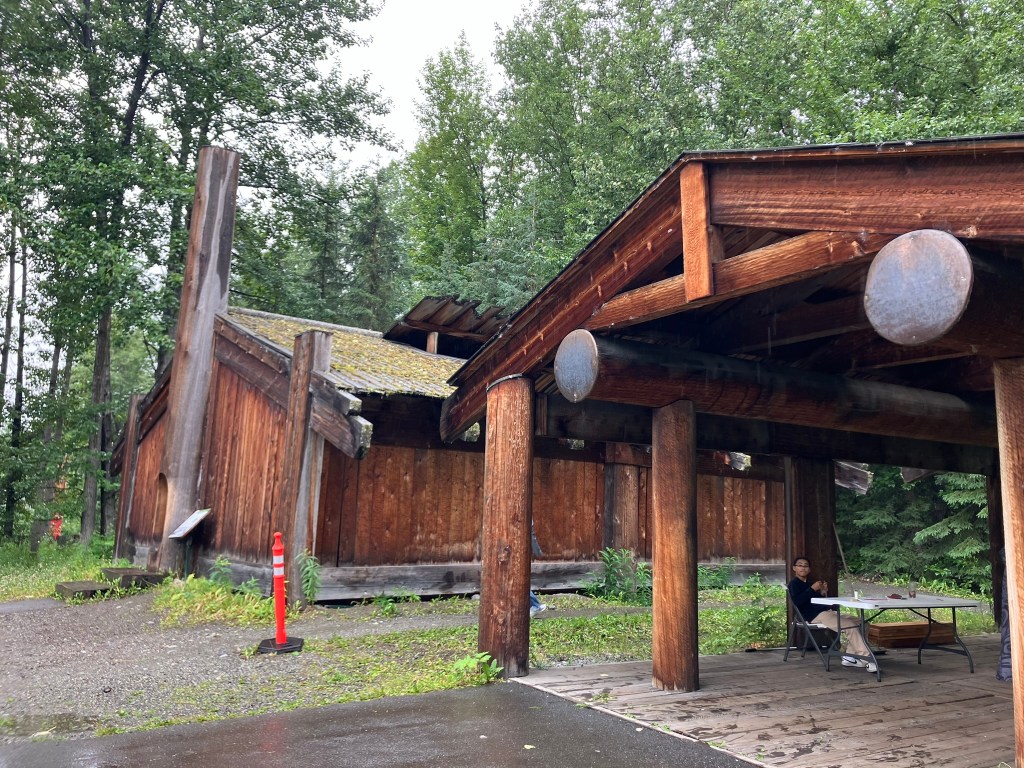
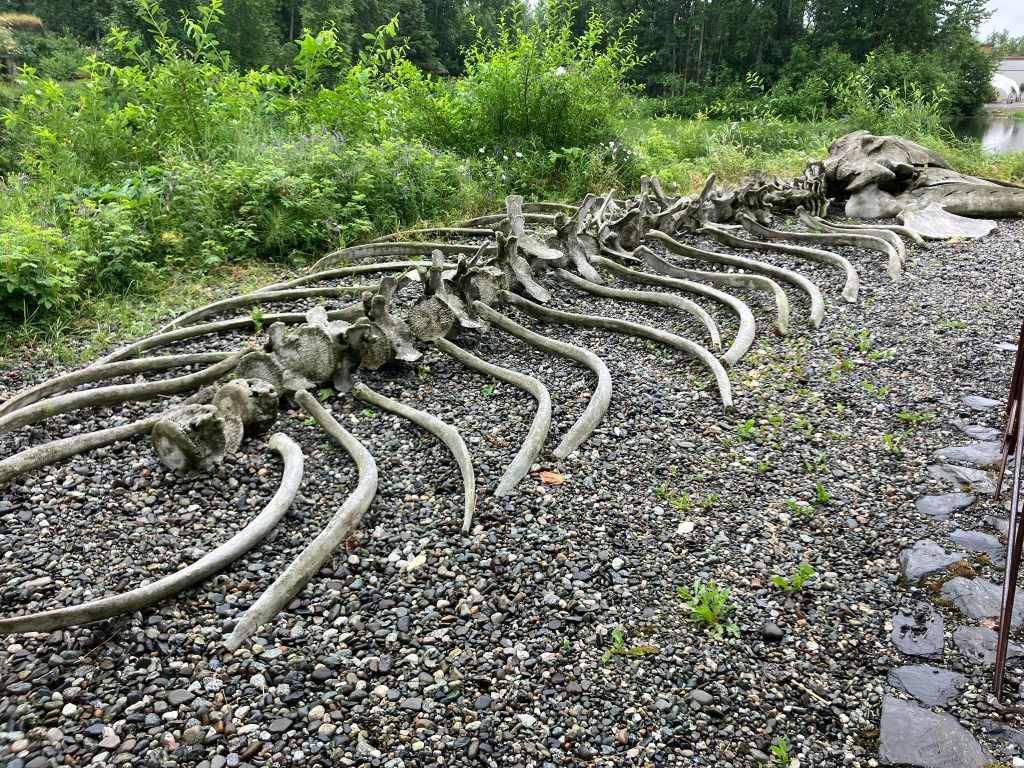
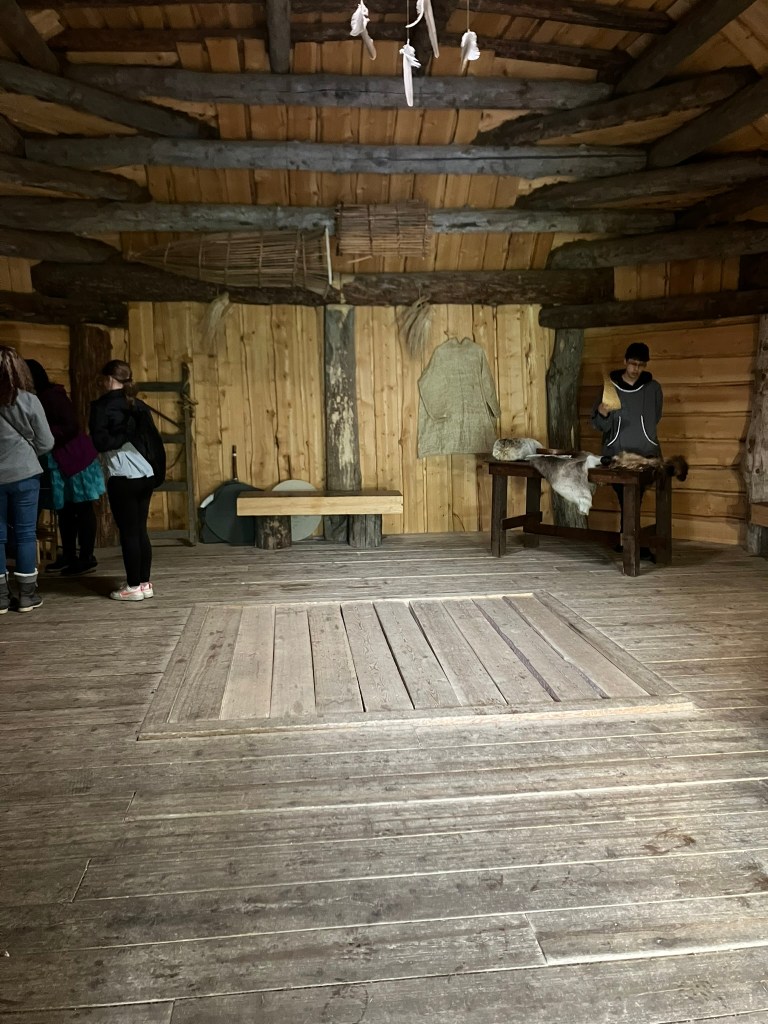
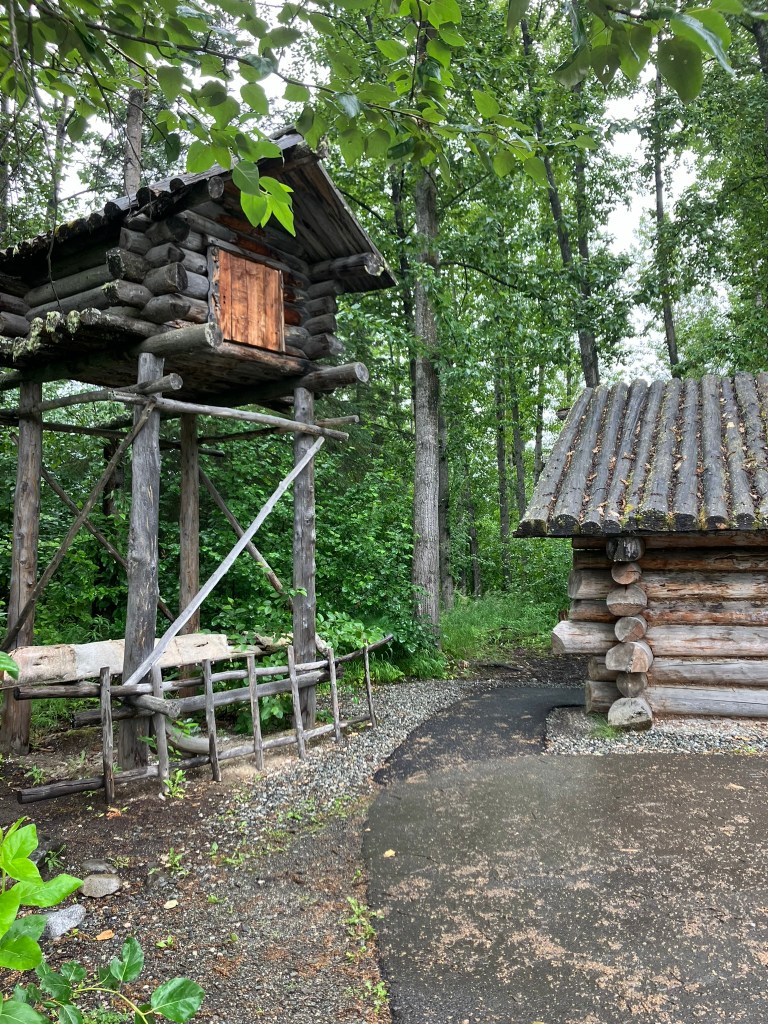
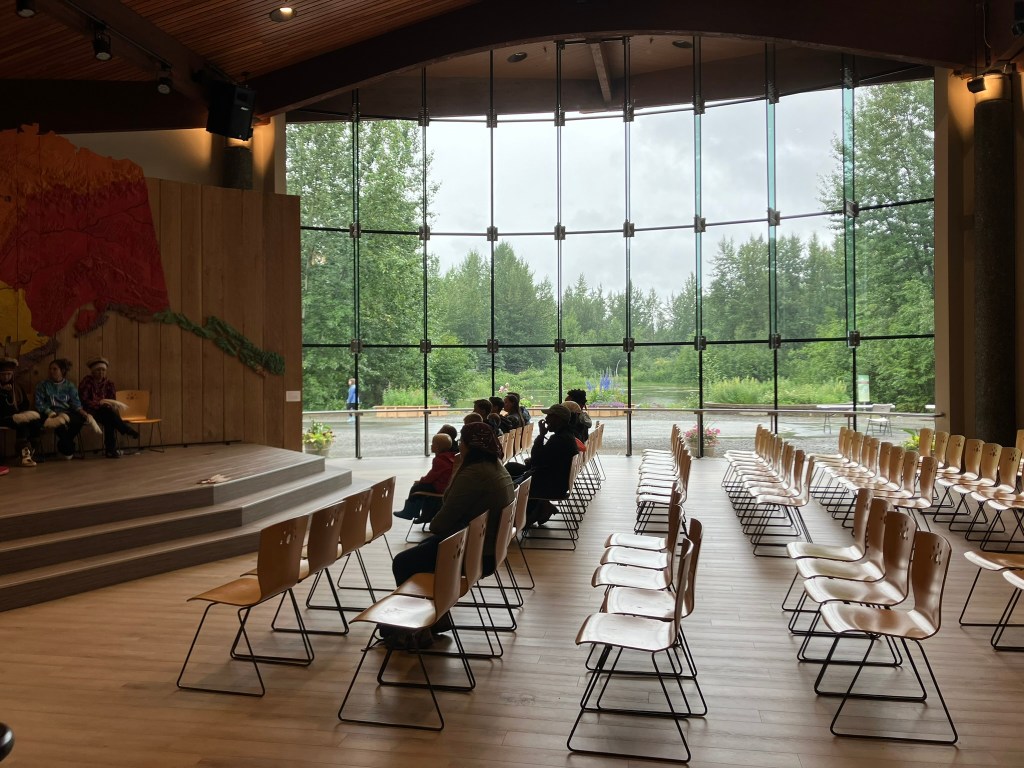
The heritage center was an incredibly well-done space, a beautiful combination of educating non-native people and supporting the education of native children in their own heritage to preserve their language and culture. In addition to the museum, there was a central gathering space that hosted a stage where high-school aged Alaskan native children had the chance to show off heritage sports, dances, and songs, explaining the meanings behind various song lyrics or dance motions. The gathering place was very clearly a place that, in addition to educational presentations, could have multi-purpose uses for Alaskan native tribe gatherings. Within the museum area, native Alaskan women were selling wares in a flea market-style setup of stands. Outside, there were various traditional houses, and more high school students were inside ready to answer questions about the furs, the traditions, and the history. But none of it was commodified. It was very clearly a place that was designed and run by and for the Alaskan native people, with the museum and the presentations a way for the people to give outsiders a glimpse into a culture and history that they loved and wanted to share.
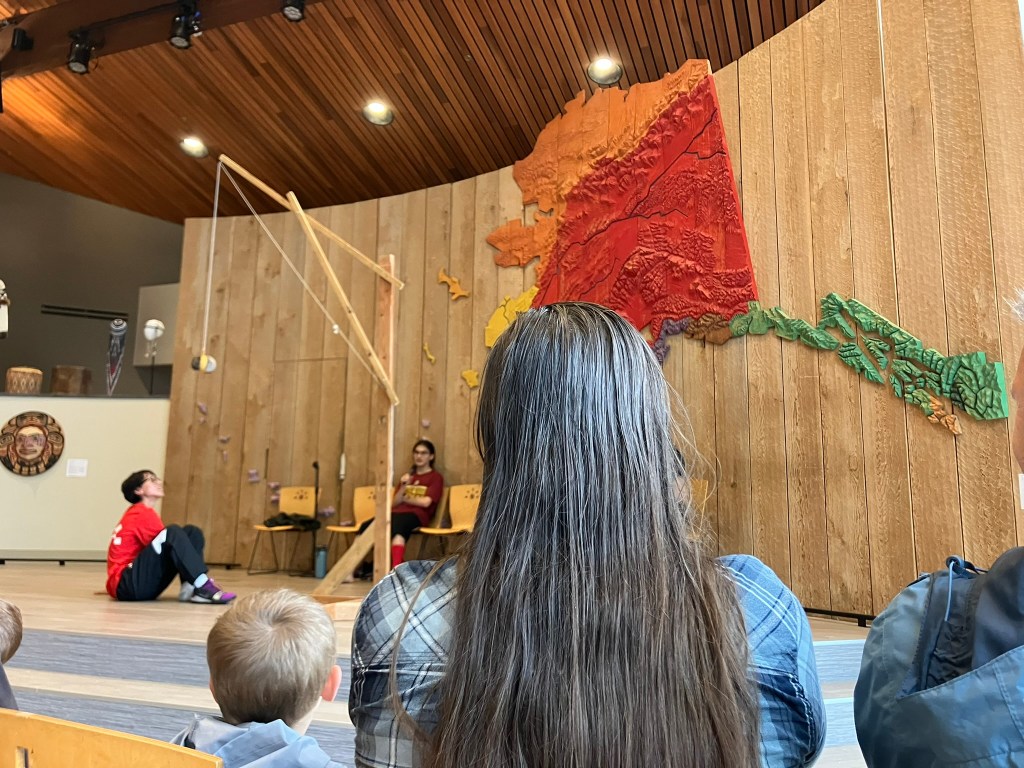

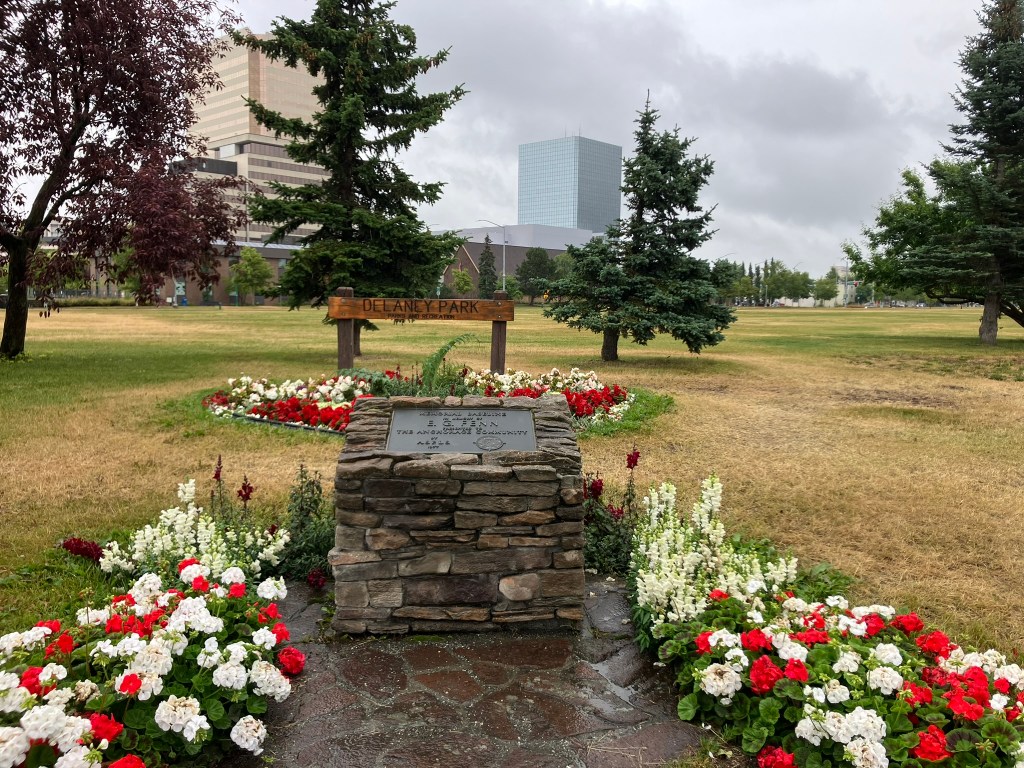
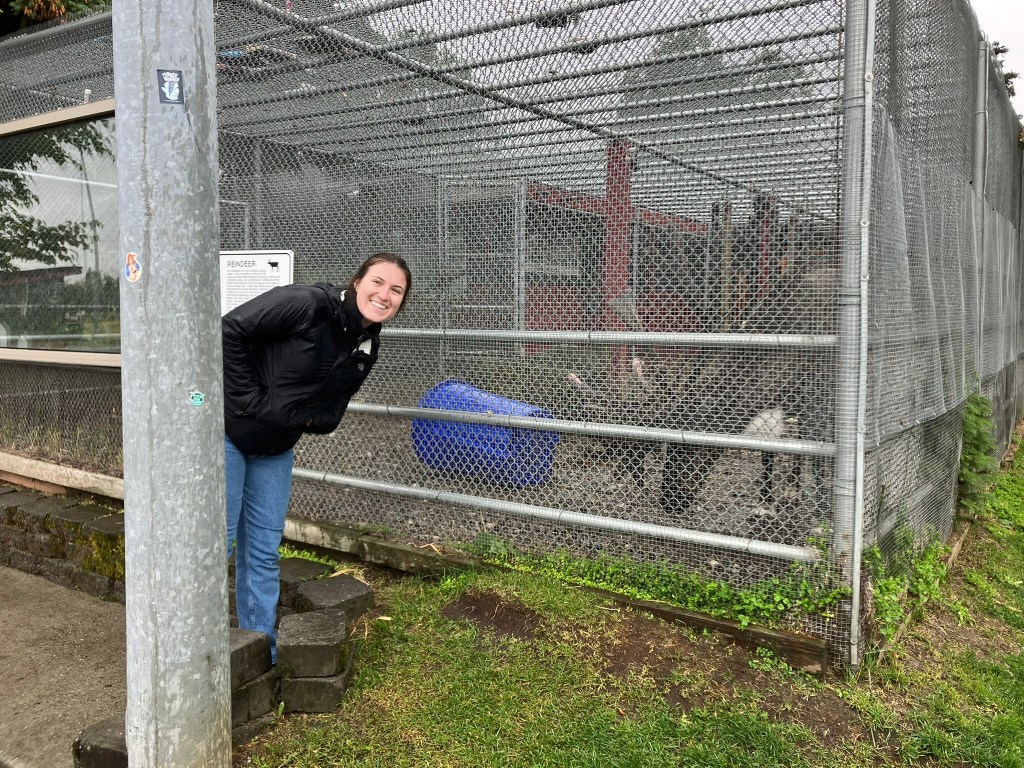
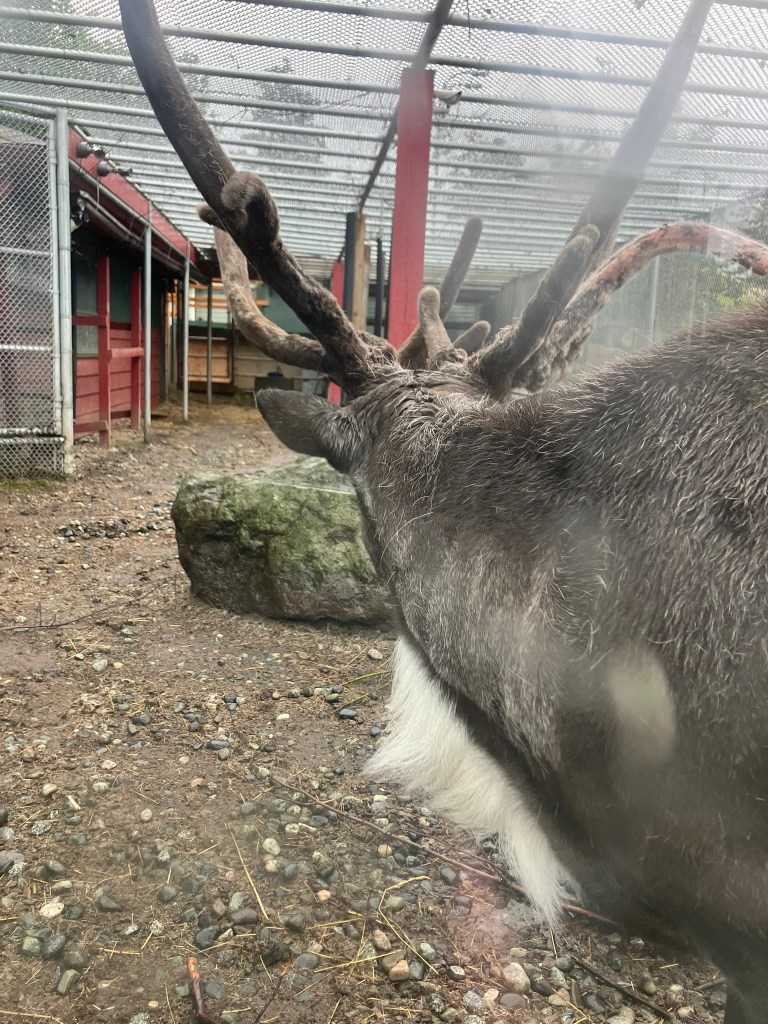
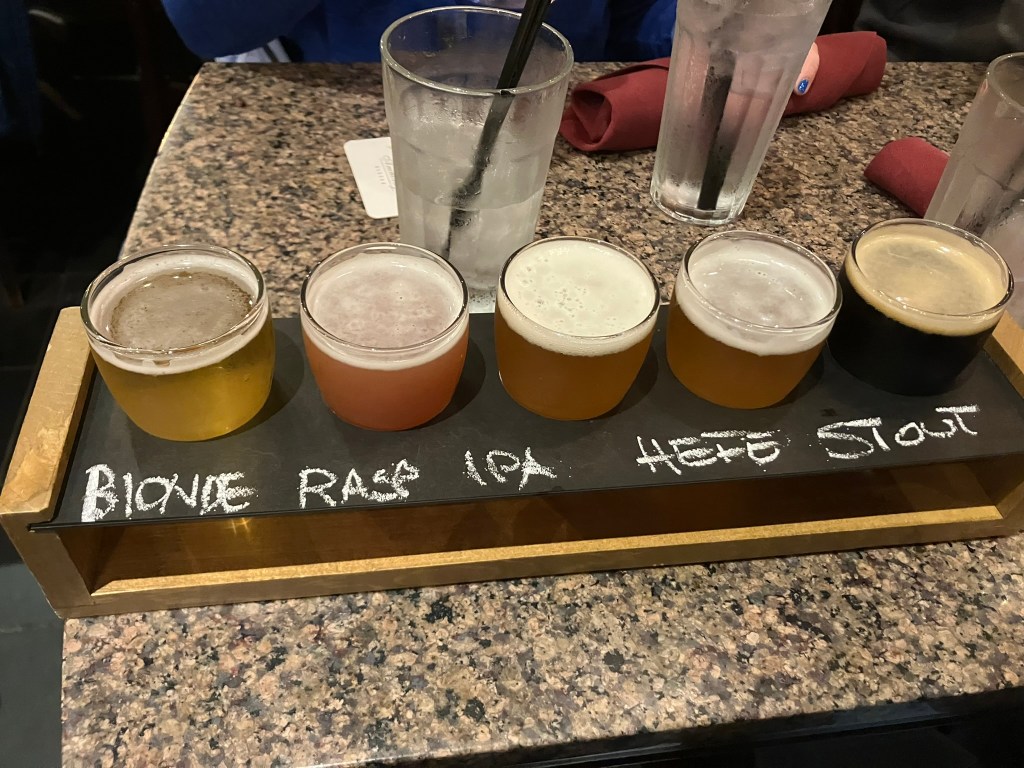
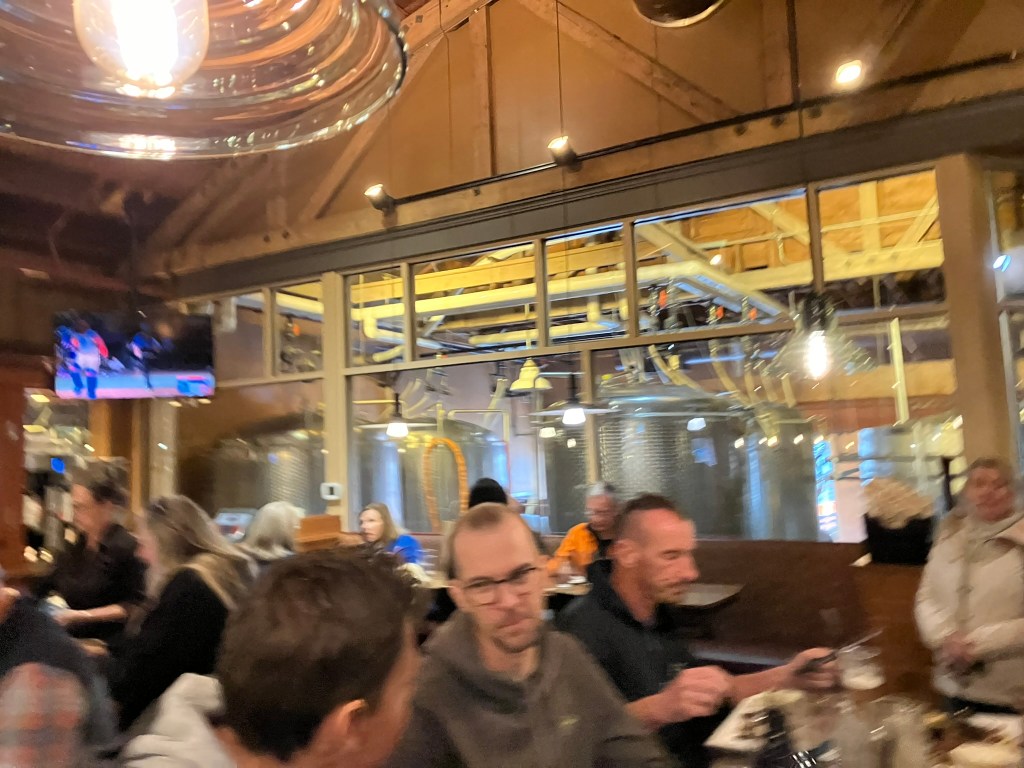
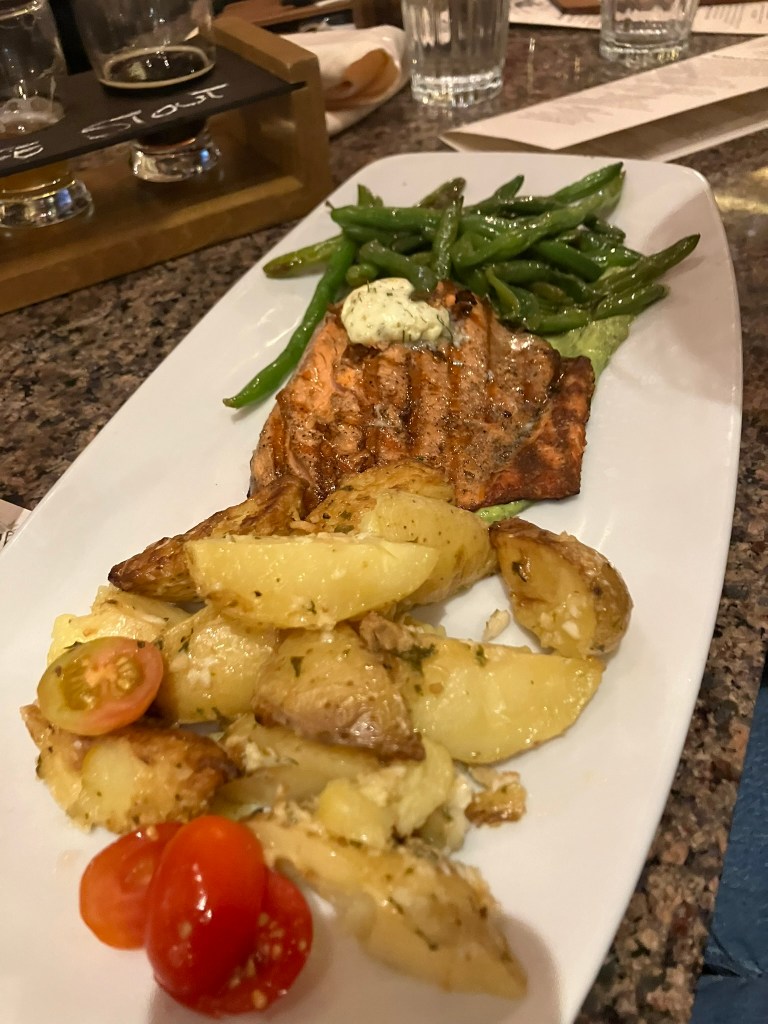
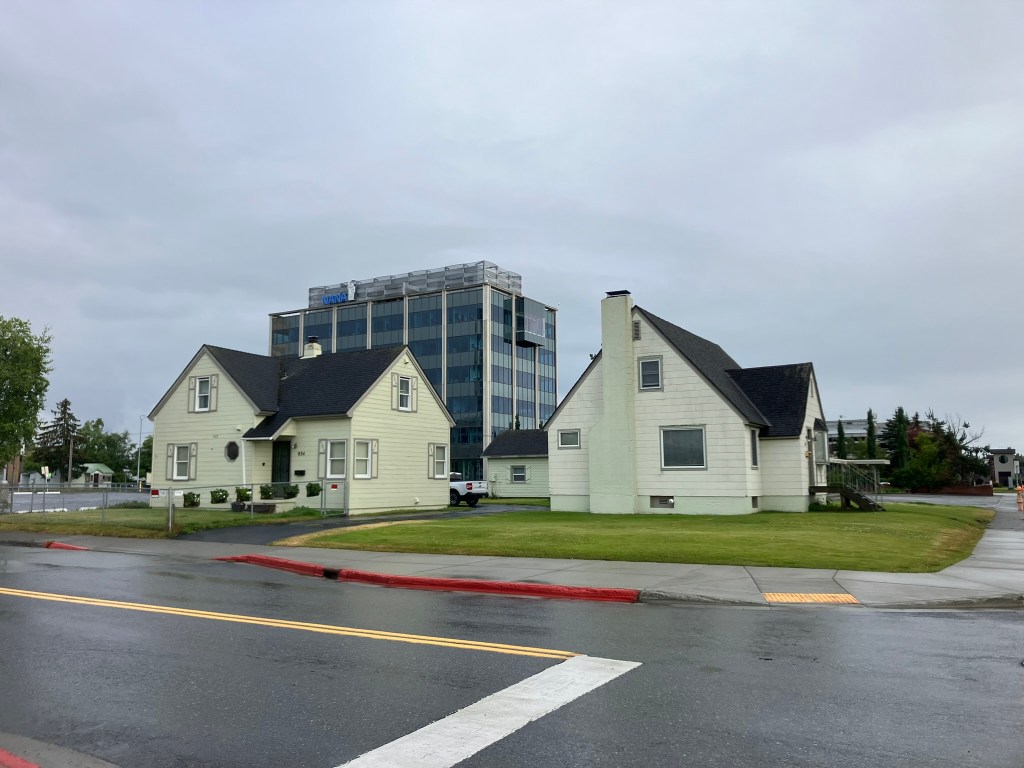
After the Alaskan Native Heritage Center, we headed back to the city center. From the visitor’s center, where they dropped us off, we walked over to a park that was essentially just grassy strip originally intentded for fire control. In the park, we were able to see the veteran’s memorial. We also saw Star, a reindeer from the local reindeer farm that lived within the city. We also passed a few houses that the tour guide on the trolley pointed out, some wood houses that used to make up the whole of Anchorage where the original military inhabitants lived. To end off the day, we ended up heading to Glacier Brewhouse for some beer and a fish dinner (cod fish and chips for me, salmon for Becca. Momma Murph usually splits.)

 WANDERING
https://www.youtube.com/watch?v=JX4MwelTQ58
LikeLiked by 1 person
Excerpts from news coverage, KENI Radio, Anchorage the night of the 1964 earthquake.
LikeLiked by 1 person
Audio excerpts of amateur (“ham”) radio operators communicating emergency information across southern Alaska the night of the 1964 Good Friday earthquake.https://www.youtube.com/watch?v=rw9HZMagcb8
LikeLiked by 1 person